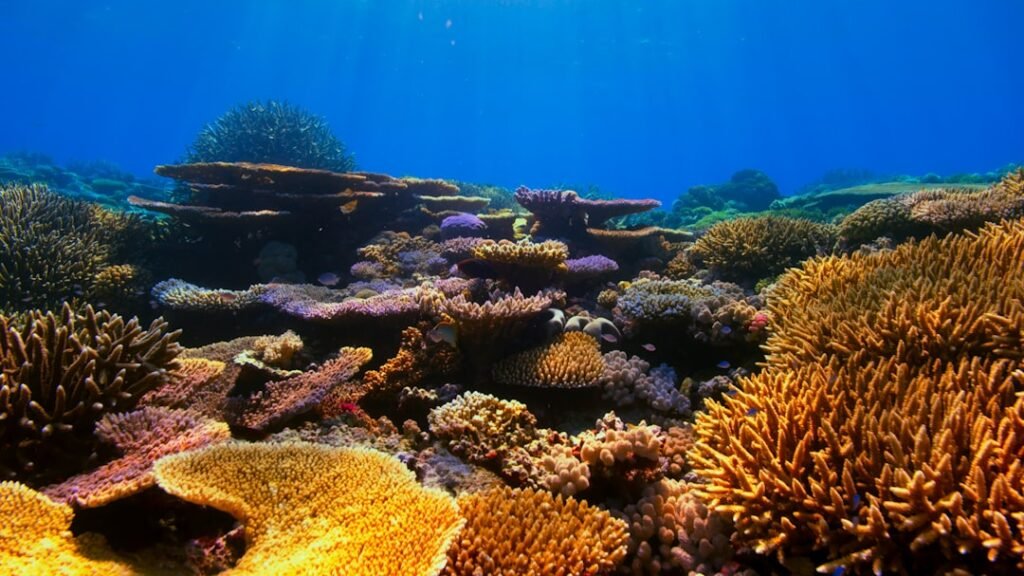

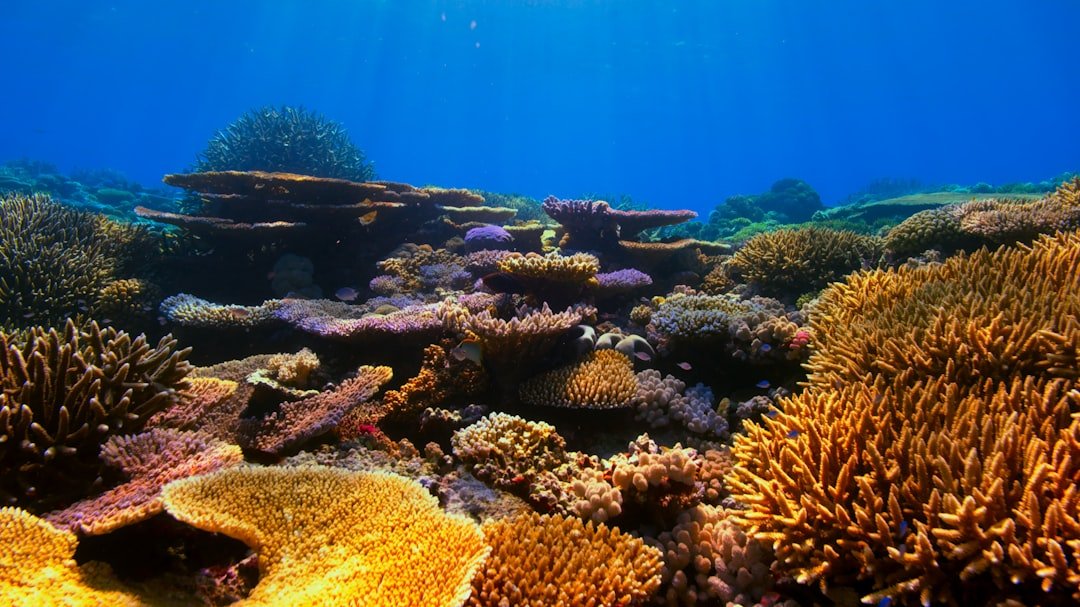
Revealing a Nationwide Baseline (Image Credits: Unsplash)
Thailand – A comprehensive coast-to-coast evaluation by marine scientists exposed the diminishing structural complexity of the nation’s coral reefs, confirming long-held concerns amid escalating environmental pressures.[1]
Revealing a Nationwide Baseline
Researchers delivered the most detailed overview yet of Thailand’s coral ecosystems, spanning both the Andaman Sea and Gulf of Thailand coasts. This effort marked the first holistic snapshot, capturing data across diverse reef sites before intensified global bleaching impacts. The assessment highlighted reefs hosting over 300 species of reef-building corals, underscoring their biodiversity hotspot status.[1]
Teams conducted genus-level surveys of benthic communities, documenting live coral cover and overall structure. Findings pointed to a shift toward simpler formations, with complex branching corals giving way to flatter, less intricate growths. Such changes reduce habitat niches for marine life, altering entire ecosystems. This baseline now equips managers with essential data for tracking future trajectories.[2]
Repeated Bleaching Events Take Toll
Extreme marine heat waves triggered multiple mass bleaching episodes, stressing corals beyond recovery thresholds. Thailand’s reefs endured these assaults repeatedly, mirroring patterns worldwide. Healthy reefs rely on intricate structures for resilience, but bleaching killed off branching species that provide such architecture.
Scientists noted dominance by stress-tolerant, low-profile corals, flattening reef profiles. This simplification hampers fish sheltering and breeding, alongside weakening coastal defenses against erosion. Past events, including severe ones in recent years, accelerated the trend. The surveys captured this deterioration in stark detail across coastal stretches.[1]
Broader Implications for Biodiversity and Communities
Structural loss ripples through food webs, diminishing fish populations that sustain fisheries. Thailand’s reefs support livelihoods for coastal communities dependent on tourism and seafood. Simplified structures offer fewer crevices, driving away species and reducing overall productivity.
- Decline in habitat complexity threatens over 300 coral species’ survival.
- Fisheries yields drop as fish biomass correlates with reef intricacy.
- Tourism appeal wanes with less vibrant underwater seascapes.
- Coastal protection weakens, heightening vulnerability to storms.
- Biodiversity hotspots risk becoming ecological shadows.
Charting a Course for Recovery
Experts called for urgent action, including heat-resilient coral propagation and stricter marine protections. The new baseline enables precise monitoring of restoration efforts. International parallels suggest hybrid approaches, blending local restoration with emission reductions, hold promise.
Thailand positioned itself ahead by documenting changes early. Policymakers now face pressure to integrate findings into management plans. Collaborative initiatives could rebuild complexity over decades.
Key Takeaways
These revelations demand swift intervention to preserve Thailand’s underwater treasures. What steps should Thailand prioritize next? Share your thoughts in the comments.