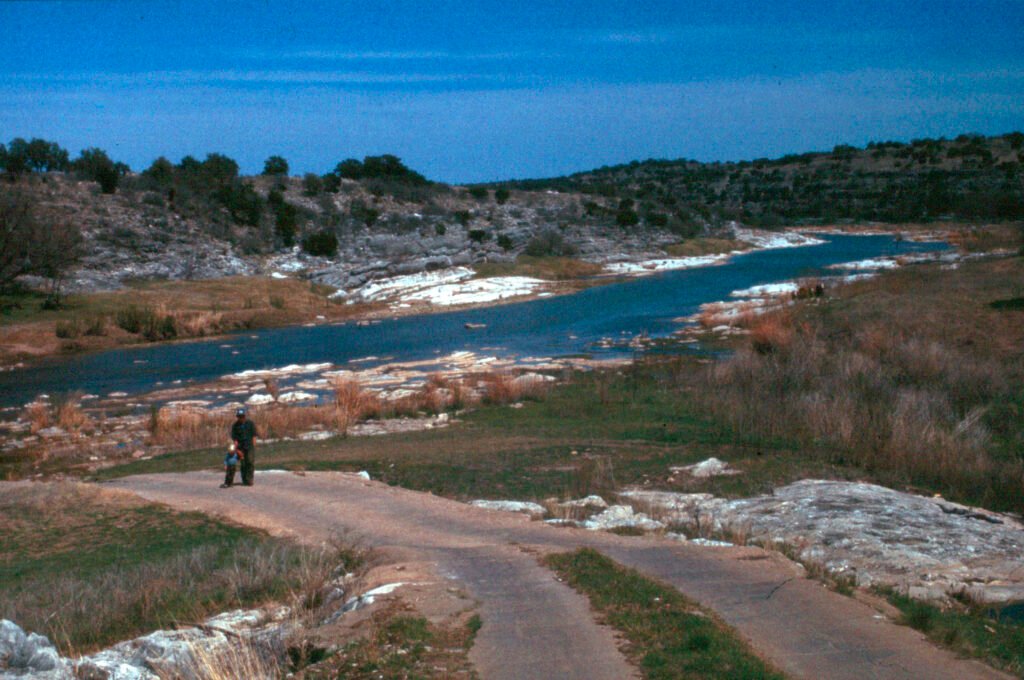

Have you ever heard of a river that defies gravity, flowing in the opposite direction you’d expect? In the wild heart of Texas, there actually exists such a river, and no, this isn’t just a metaphor for the state’s famously independent streak. We’re talking about the San Saba River, a winding, unpredictable waterway with a story as twisty as its path. But how can a river “flow backward”? The answer opens a window into the fascinating world of geology, hydrology, and even human history—one that invites us to look twice at the landscapes we think we know. Let’s dive into the mysteries and marvels of this backwards-flowing Texas river, and uncover the science, legends, and lessons hidden in its waters.
A River Unlike Any Other
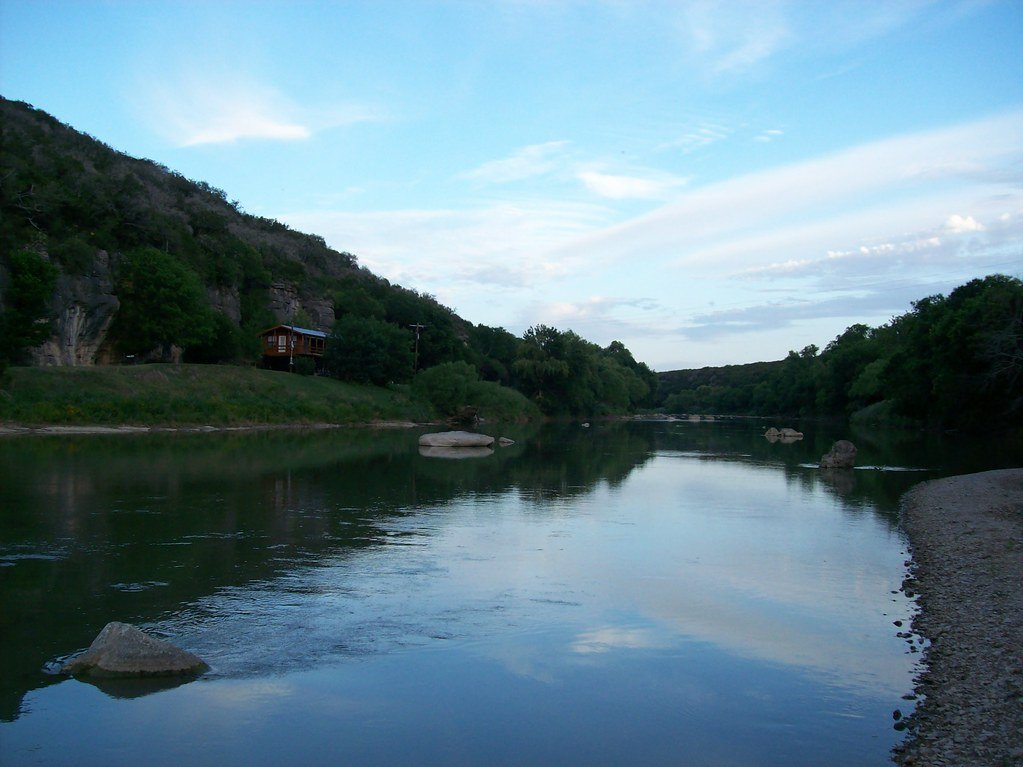
When most people picture a river, they imagine water marching predictably from a mountain spring down to the open sea. The San Saba River, however, is a rule-breaker. For stretches of its length, it appears to run “backward,” confusing even seasoned geographers. This isn’t just a quirk of the map or a local tall tale—it’s a well-documented phenomenon. The river’s unusual flow has fascinated scientists and inspired stories for generations. Rather than simply following gravity, the San Saba bends to the will of underground springs, shifting geology, and historic floods, creating a waterway that seems to defy the natural order. To see it is to question everything you thought you knew about rivers.
The Science Behind Reversed Flow

You might wonder: how is it even possible for a river to flow the “wrong” way? The answer lies in the unique geology beneath the Texas Hill Country. Ancient limestone beds, porous and riddled with underground channels, allow water to rise and fall unpredictably. When heavy rains hit or underground springs surge, portions of the San Saba can change direction, temporarily reversing flow. This isn’t magic—it’s hydrodynamics in action. Changes in pressure, shifts in the water table, and even man-made dams can all tip the balance, sending currents upstream instead of down. It’s a vivid reminder that nature is full of surprises, even in the most familiar places.
How the River Earned Its Reputation
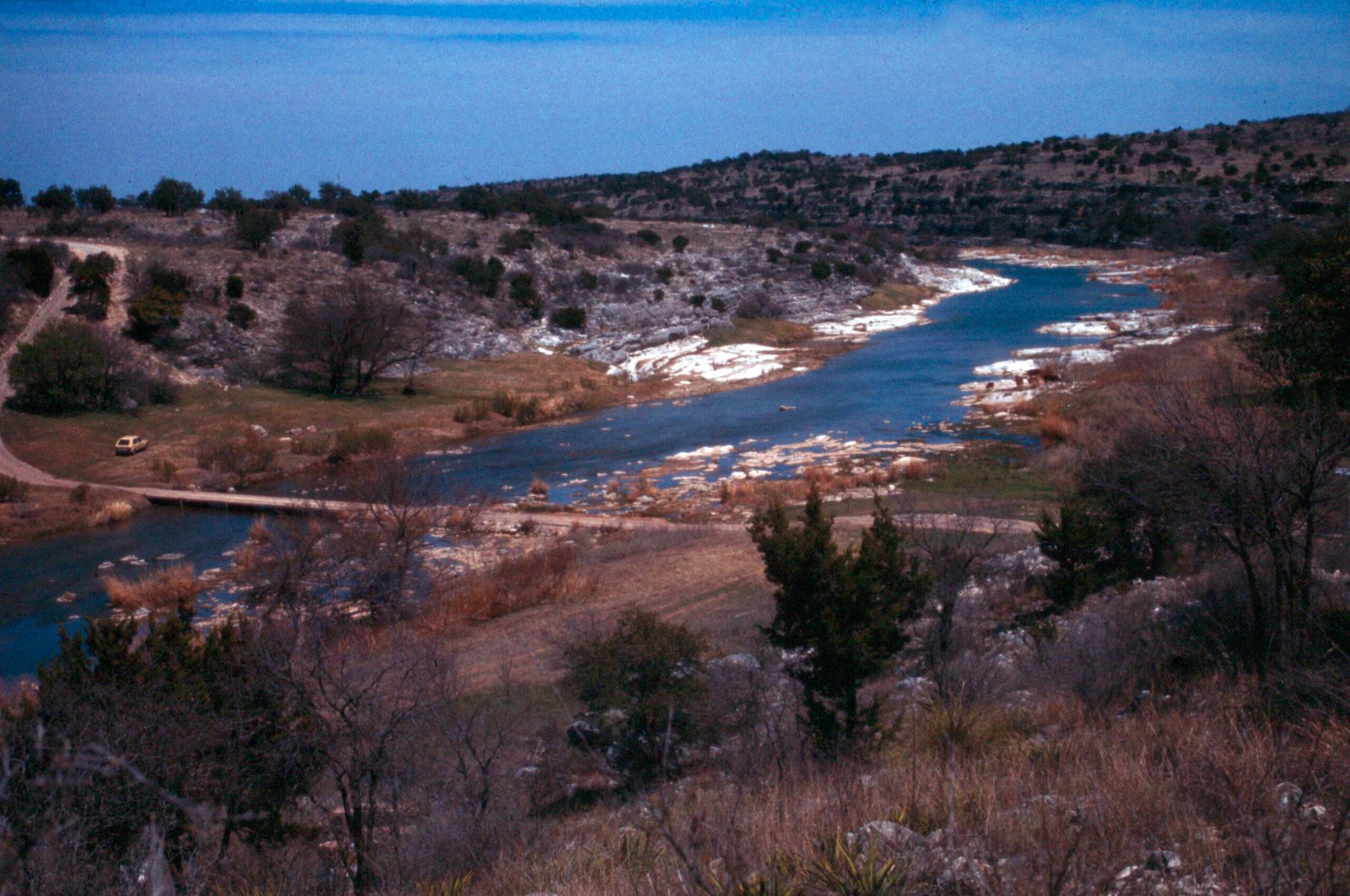
The San Saba River’s reputation as a “backward” river isn’t just based on scientific observation—it’s woven into local folklore. Early settlers and Native Americans alike marveled at the river’s changing moods. Some even considered it a sign of supernatural forces at play. Stories of fishing boats mysteriously drifting upstream, or livestock refusing to cross, circulated for generations. Over time, these tales became part of the river’s identity, making it a source of fascination for outsiders and a point of pride for locals. Today, you’ll hear old-timers chuckle that the river “flows like Texas politics—always in its own direction.”
Geological Forces at Work
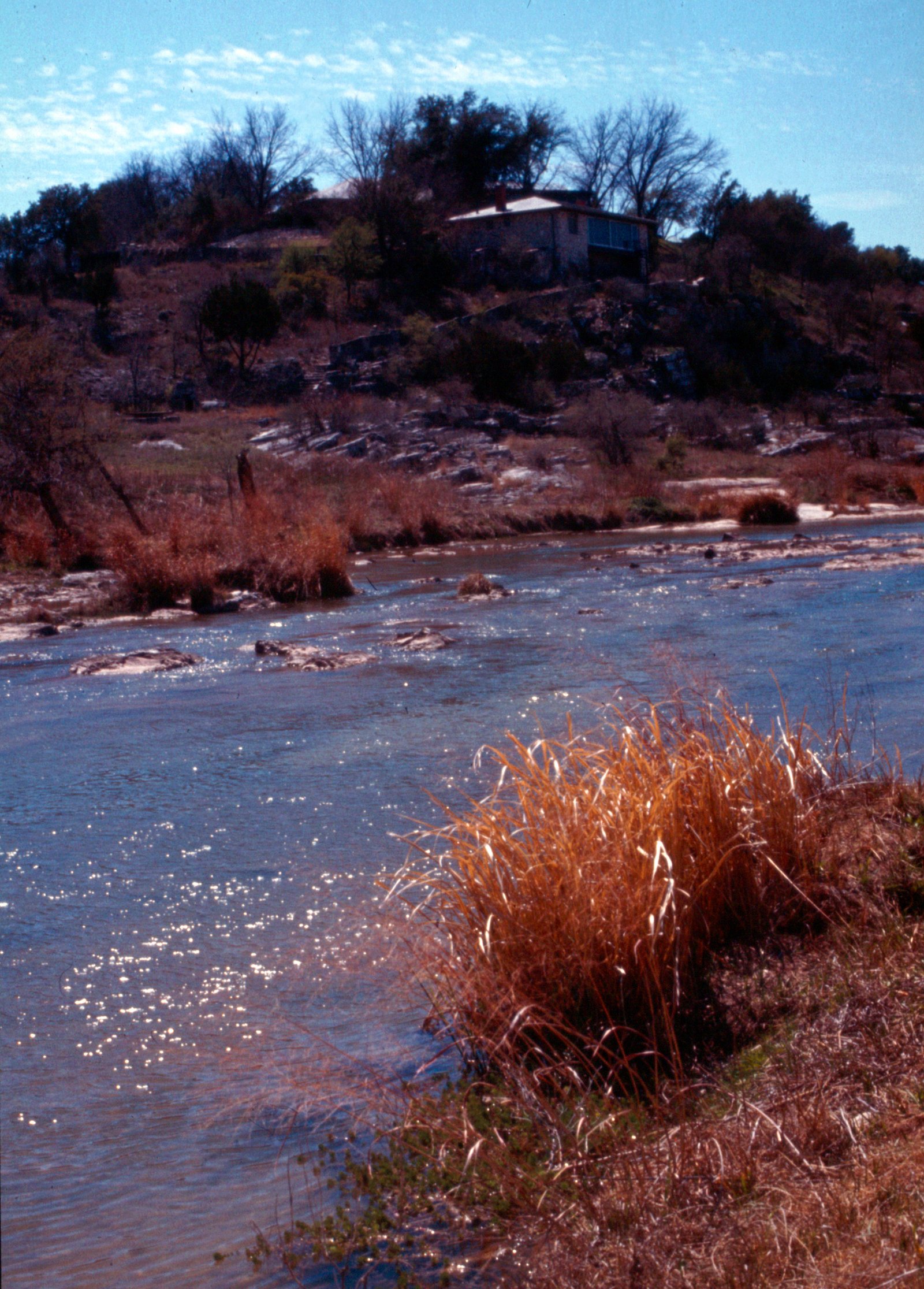
If you dig a little deeper, both figuratively and literally, you’ll find that the San Saba’s behavior is shaped by powerful geological forces. The river sits atop the Edwards Plateau, a landscape carved by eons of water erosion and tectonic shifts. Beneath the surface, vast networks of caves and aquifers channel water in unexpected ways. When heavy rainfall saturates the ground, these underground highways overflow, pushing water back up into the river and sometimes forcing it to run upstream. It’s a bit like a bathtub filling from the drain, creating a spectacle that has to be seen to be believed.
Historic Floods and Their Impact
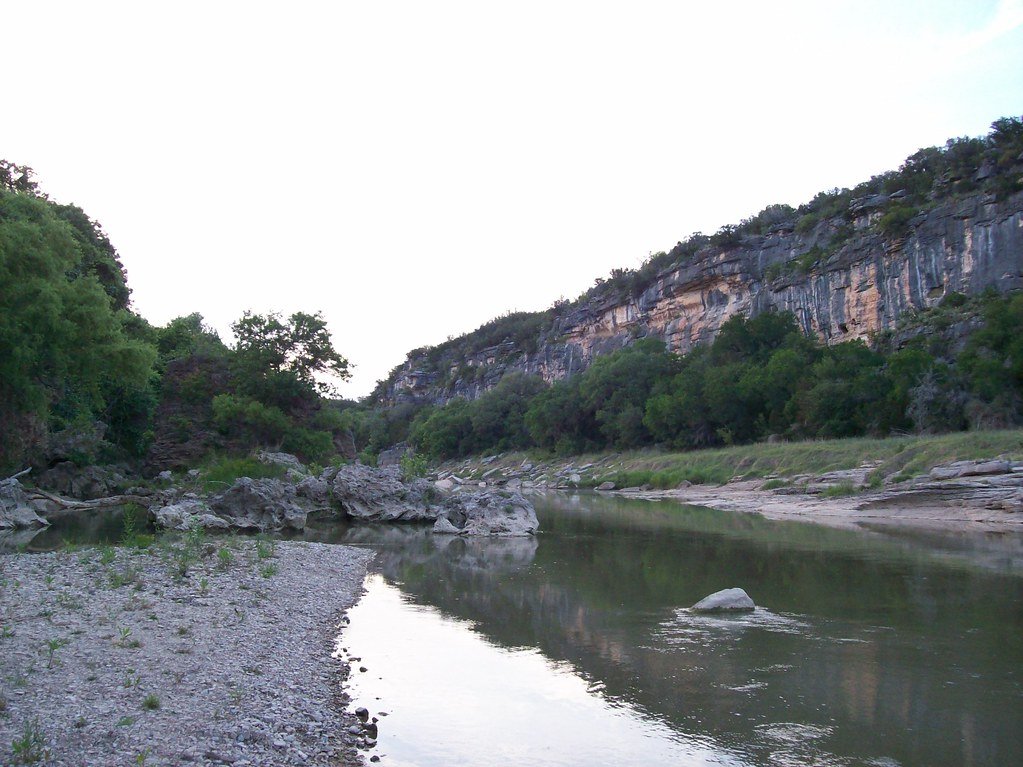
The San Saba’s backwards flow isn’t just a curiosity—it’s also a product of dramatic weather events. Historic floods, particularly in the late 1800s and early 20th century, have periodically overwhelmed the river’s banks. When the Colorado River, which the San Saba eventually feeds, floods, the rising water can back up into the San Saba, reversing its course for miles. These events have shaped the local landscape, depositing rich soils and carving new channels. For residents, they serve as a stark reminder of nature’s power and unpredictability, as well as the delicate balance that governs the region’s water systems.
The Role of Underground Springs
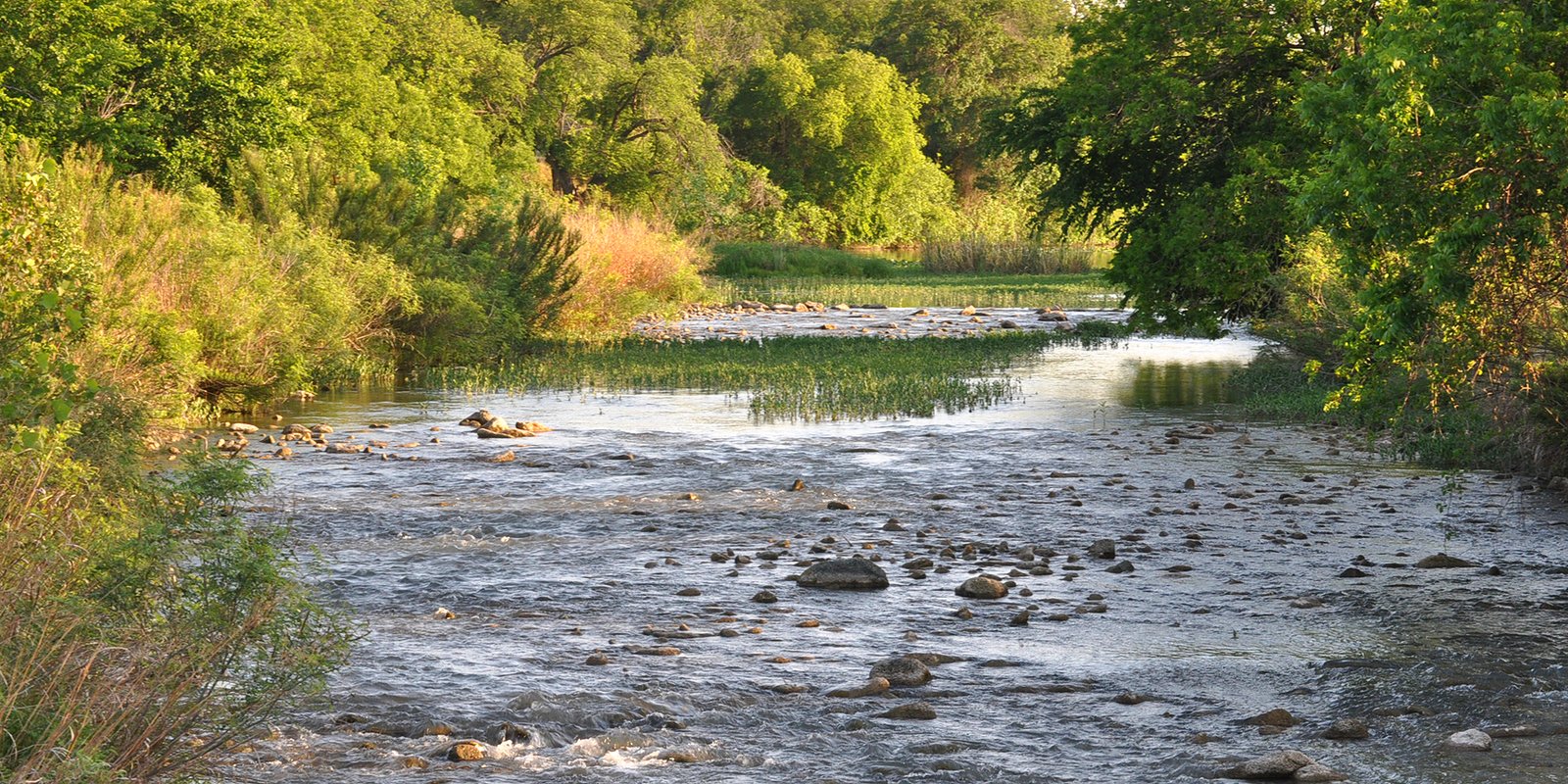
One of the most enchanting aspects of the San Saba is its reliance on underground springs. These springs, fed by rainwater filtered through limestone, can gush forth with surprising force. When conditions are right, they inject so much water into the river that the surface flow reverses, running against the usual current. These springs are more than just a hydrological curiosity—they’re lifelines for local wildlife and agriculture. Without them, the river might dry up entirely in summer, transforming the land and the livelihoods that depend on it.
Human Influence and River Engineering
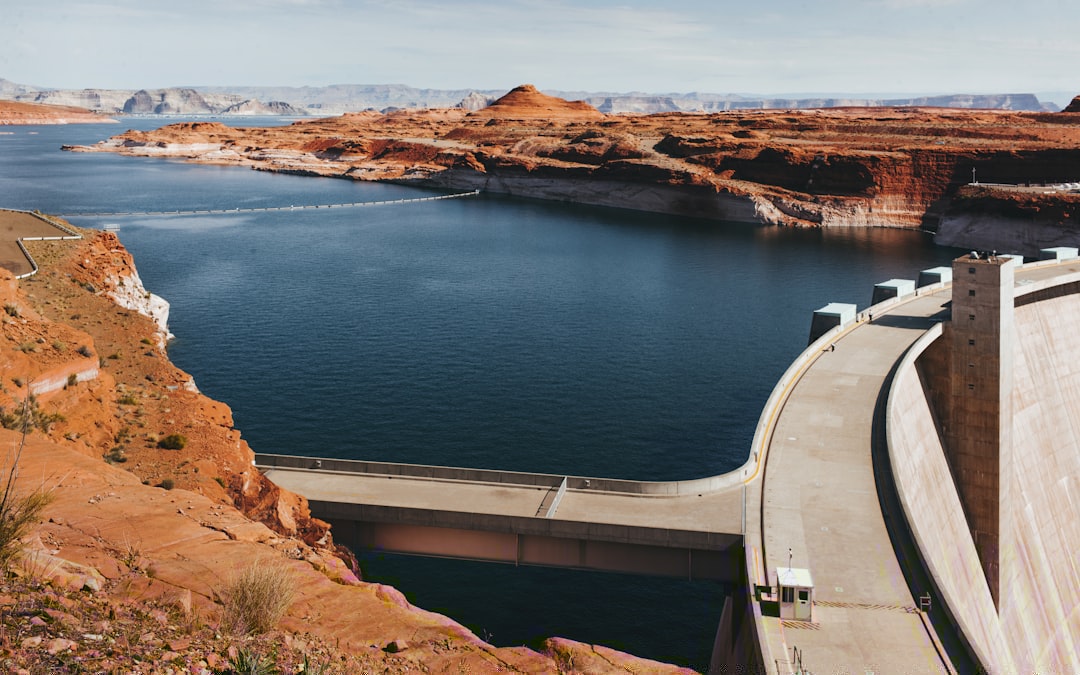
Of course, humans haven’t been content to leave the San Saba alone. Over the years, settlers and engineers have built dams, irrigation systems, and reservoirs along the river’s course. While these have brought needed water to farms and towns, they’ve also altered the river’s natural rhythms. In some places, man-made barriers have actually increased the likelihood of reverse flows, as water backs up behind dams during heavy rains. It’s a classic example of our complicated relationship with the natural world: trying to harness nature’s power, only to unleash new mysteries and challenges.
The River’s Ecological Importance
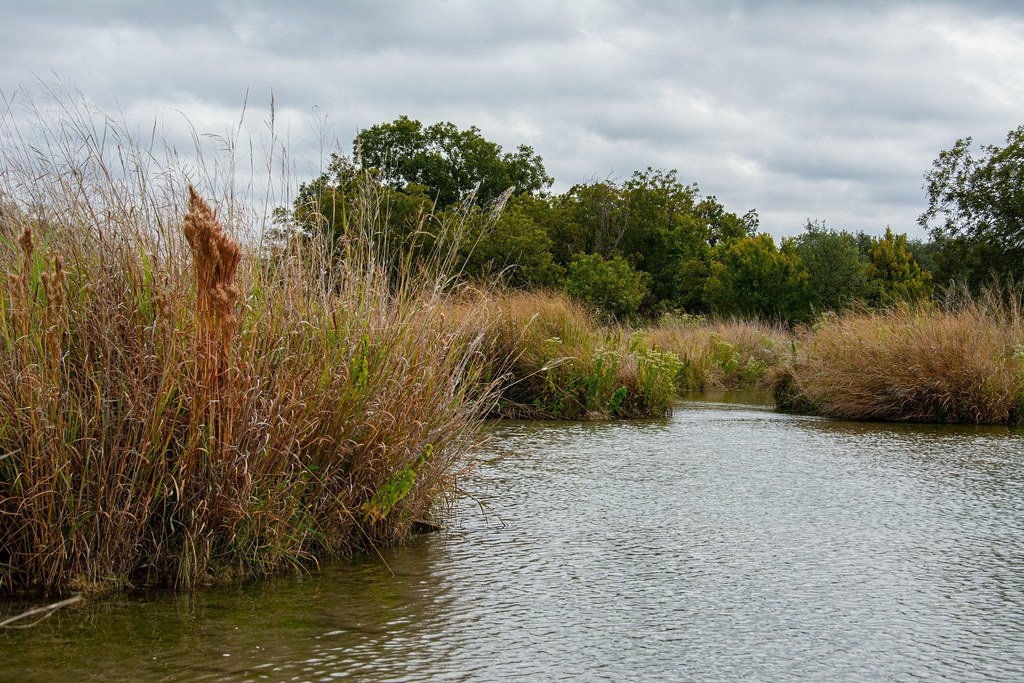
Despite—or perhaps because of—its quirks, the San Saba River is a vital ecological treasure. Its shifting waters support an incredible diversity of plants and animals, from rare salamanders to majestic bald cypress trees. Fish thrive in the cool, spring-fed currents, while migratory birds flock to its banks each season. The river’s unpredictability creates a patchwork of habitats, ensuring that life flourishes in unexpected ways. For biologists, the San Saba is a living laboratory, demonstrating how dynamic natural systems can be.
Legends and Lore Along the Banks
Every great river has its legends, and the San Saba is no exception. Some say the river’s backwards flow is the work of ancient spirits, while others joke that it’s simply stubborn—just like Texans themselves. There are tales of lost Spanish gold, hidden somewhere along the twisting banks, and stories of outlaws who tried to escape justice by following the reversed current. Whether or not you believe the legends, there’s no denying the sense of mystery and magic that clings to the river, drawing visitors and dreamers from far and wide.
Wildlife That Calls the River Home
The San Saba’s unusual flow patterns create ideal conditions for a variety of creatures. Beavers build intricate dams along its quieter stretches, while turtles bask on sun-warmed rocks. In spring, the banks explode with wildflowers, drawing butterflies and hummingbirds in droves. Keen-eyed visitors might spot a river otter slipping through the reeds, or hear the haunting call of a night heron after dusk. The river’s backward bends create pockets of calm and turbulence, each nurturing a unique slice of Texas wildlife.
Fishing the Backwards River
For anglers, the San Saba is both a challenge and a delight. The river’s shifting currents can make fishing unpredictable, but that’s part of the adventure. Local fishermen swap stories of catching bass and catfish in pools where the water seems to be running upstream. Some say the fish are as stubborn as the river itself, fighting extra hard against the current. Whether you’re an experienced angler or a weekend dabbler, casting a line into the San Saba is a lesson in patience, luck, and respect for nature’s mysteries.
Recreation and Adventure
Beyond fishing, the San Saba offers a playground for outdoor enthusiasts. Kayakers and canoeists love navigating its twists and turns, never quite sure what to expect around the next bend. Hikers explore its shaded banks, seeking hidden springs and secret swimming holes. In the summer, families flock to the river for picnics, tubing, and lazy afternoons under the trees. The unpredictable flow adds an element of excitement—every visit feels a little different, shaped by the river’s ever-changing moods.
Local Communities and River Traditions
The towns along the San Saba owe much of their identity to the river. Generations have grown up swimming in its waters, celebrating annual festivals, and sharing stories about the river’s quirks. Farmers depend on its flow to irrigate crops, while ranchers count on it to water their herds. For many locals, the river is more than just a landmark—it’s a way of life, woven into the rhythms of work and play. Traditions old and new continue to thrive along its banks, giving the region a unique sense of place.
Challenges Facing the River Today
Despite its resilience, the San Saba faces a host of modern challenges. Drought, overuse, and pollution threaten the delicate balance that allows the river to flow—and sometimes, to flow backward. Water rights disputes have pitted communities against one another, while invasive species threaten native plants and animals. Climate change brings new uncertainties, with unpredictable weather patterns and more frequent extreme events. Protecting the river’s unique character requires vigilance, cooperation, and a deep respect for the natural world.
Conservation Efforts on the Rise
Thankfully, there’s a growing movement to conserve the San Saba and its precious resources. Local groups, scientists, and government agencies are working together to restore habitats, monitor water quality, and promote sustainable use. Educational programs teach kids about the river’s history and ecology, instilling a sense of stewardship for future generations. Volunteers organize clean-up days, removing trash and invasive plants to keep the river healthy. It’s a community effort, driven by love for a river that refuses to follow the crowd.
Climate Change and the Future Flow
Looking ahead, the impact of climate change looms large over the San Saba’s future. Rising temperatures, shifting rainfall patterns, and more frequent droughts could all affect the river’s flow—backwards or otherwise. Scientists are studying how these changes might alter the delicate balance of springs, aquifers, and surface water. Their findings will help guide decisions about water use, habitat protection, and community resilience. If there’s one thing the San Saba teaches us, it’s that nature is dynamic, always adapting to new challenges.
How to Experience the River Yourself
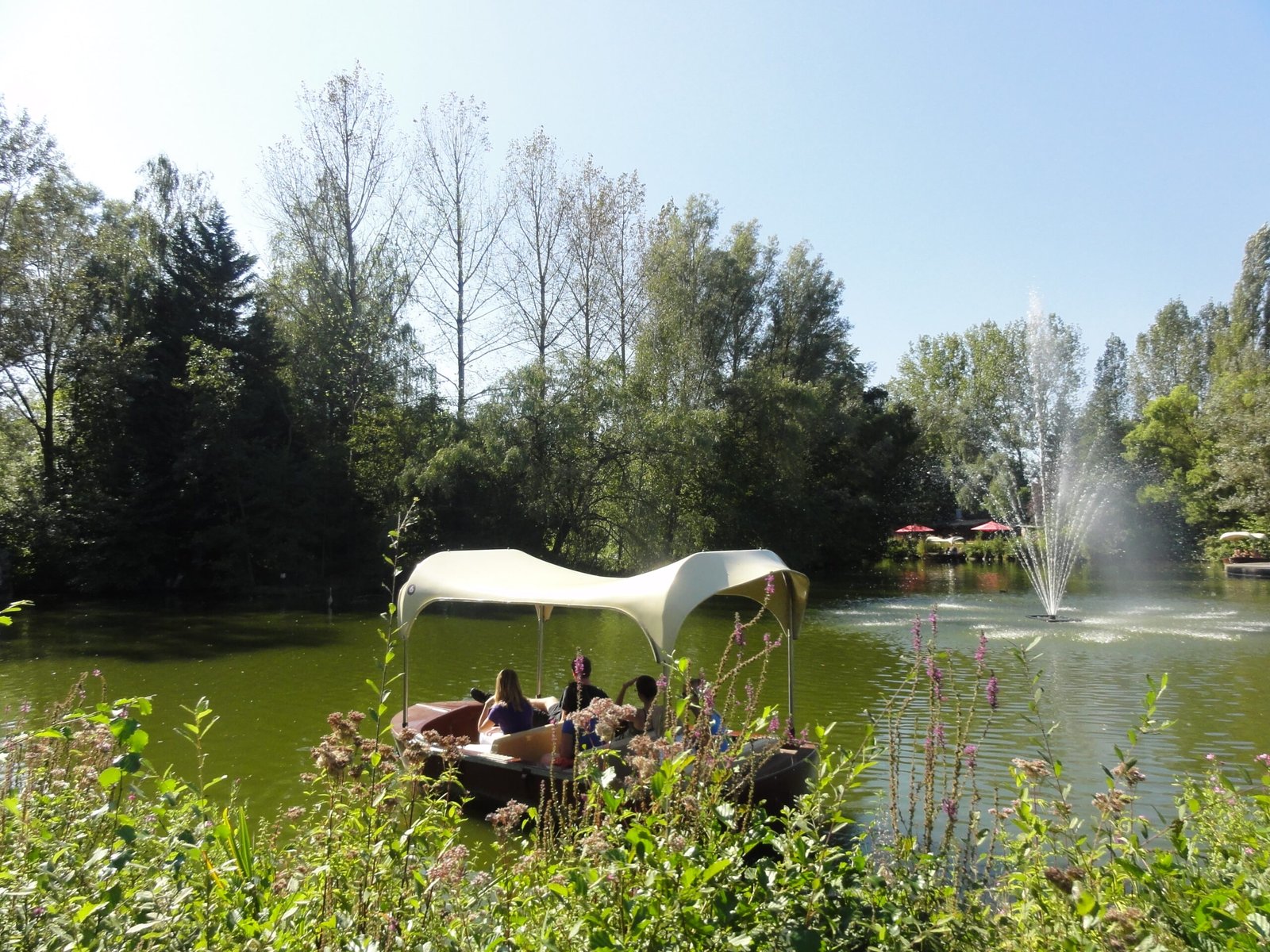
If you’re intrigued by the San Saba and its backwards ways, the best way to understand it is to experience it firsthand. There are countless spots along the river where visitors can hike, fish, paddle, or simply sit and watch the water dance. Local guides offer tours that delve into the river’s history and science, making the mysteries of the San Saba accessible to all. Whether you’re a thrill-seeker or a quiet observer, spending time on the river is a chance to connect with nature, history, and the unexpected.
What We Can Learn from Water That Refuses to Conform
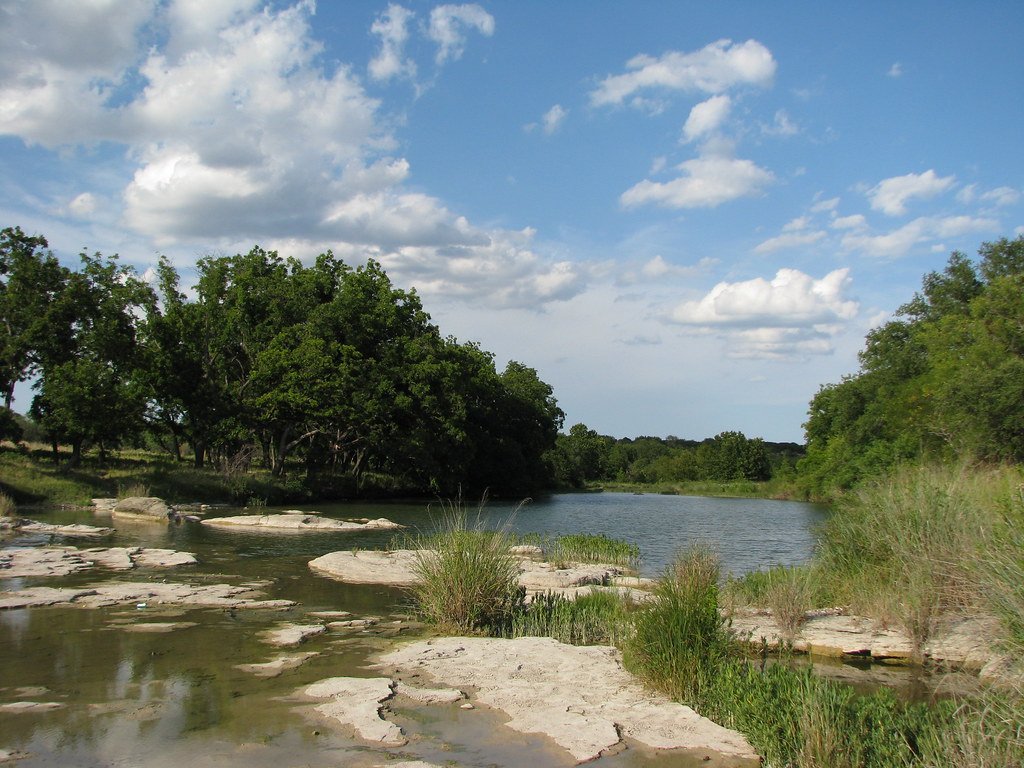
The story of the San Saba is more than just a scientific oddity—it’s a powerful reminder of nature’s unpredictability and resilience. In a world that often demands conformity and control, the river stands as a symbol of independence, creativity, and surprise. It challenges us to question assumptions, embrace complexity, and find beauty in the unexpected. The backwards river is a living lesson in humility and wonder, encouraging us to look closer at the world around us and appreciate the wildness that still thrives.
A Texas Wonder Worth Protecting
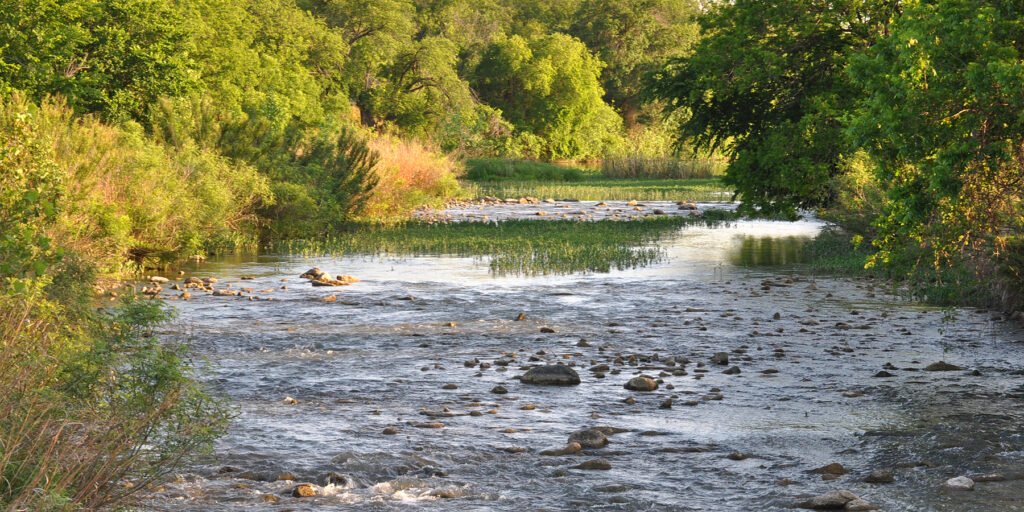
At the end of the day, the San Saba River is a true Texas wonder—quirky, defiant, and endlessly fascinating. Its backwards flow captures the imagination, while its beauty and biodiversity inspire awe and respect. As pressures mount and the world changes, the river’s fate hangs in the balance. It’s up to all of us—locals and visitors, scientists and storytellers—to ensure that this unique waterway continues to flow, in whatever direction it chooses.