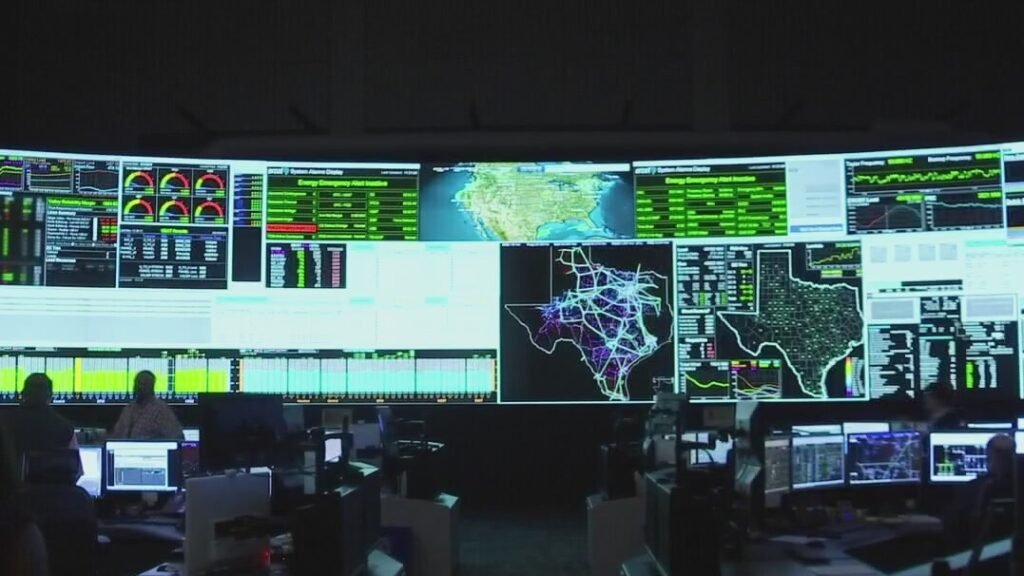


The Ghost of Winter Storms Past (Image Credits: Static-media.fox.com)
Texas – With frost creeping across the plains and holiday lights flickering on, whispers of energy strain echo through the state’s bustling cities.
The Ghost of Winter Storms Past
Remember the chaos of 2021? That brutal freeze left millions without power, pipes bursting, and lives upended. It exposed cracks in Texas’s energy system that still haven’t fully healed. Fast forward to today, and experts worry history might repeat itself, only with added twists from modern tech hungers.
Grid managers have poured resources into fixes since then, like weatherizing equipment and boosting reserves. Yet, as temperatures drop, the question lingers: has it been enough? Recent assessments suggest progress, but vulnerabilities remain, especially when demand spikes unexpectedly.
ERCOT’s Winter Weather Warning
The Electric Reliability Council of Texas, or ERCOT, oversees most of the state’s power flow. In their fresh winter outlook, they paint a cautiously optimistic picture. Under normal conditions, the grid should hold steady, with ample capacity to meet everyday needs.
However, extreme weather could change that fast. ERCOT flags a higher chance of shortages if arctic blasts hit hard, pulling in cold air from the north. They’ve ramped up preparations, including emergency alerts and backup plans, but the margin for error feels slimmer than before.
One bright spot: renewable sources like wind and solar are contributing more reliably now, thanks to better forecasting. Still, the grid’s isolated setup means Texas can’t easily borrow power from neighbors during crises.
Data Centers: The New Power Hogs
AI and cryptocurrency operations are exploding in Texas, drawn by cheap land and lax rules. These massive facilities guzzle electricity around the clock, often rivaling the needs of entire cities. ERCOT reports applications for over 230 gigawatts from data centers alone – that’s more than double the state’s current peak demand.
Why here? Texas offers incentives and a pro-business vibe, luring giants like Google and Bitcoin miners. But each new center adds relentless strain, running servers non-stop for computations that fuel everything from chatbots to digital currencies.
The irony bites: while these tech hubs promise economic booms, they could force tough choices during blackouts. Regulators now eye “load-shedding” options, potentially cutting power to data centers first to protect homes and hospitals.
Population Boom Piles On Pressure
Texas isn’t just growing in tech; people are flocking here too. The state’s population has surged, pushing household energy use higher. More air conditioners in summer, more heaters in winter – it all adds up.
Couple that with industrial expansion, and you’ve got a recipe for tighter supplies. ERCOT notes that overall demand could hit record levels this season, especially if a cold snap coincides with peak evening usage.
Local governments are scrambling with efficiency programs, urging residents to insulate homes and stagger appliance use. Yet, the sheer scale of growth makes conservation feel like a drop in the bucket.
Balancing Act: Risks and Remedies
So, what are the biggest threats? Extreme cold could freeze natural gas lines, a repeat of 2021’s nightmare. Data centers might exacerbate shortages by locking in contracts for constant power, leaving less flexibility for the grid.
To counter this, ERCOT is exploring smarter tech, like batteries for quick storage and AI-driven demand forecasts. Lawmakers debate moratoriums on new data centers until infrastructure catches up. Here’s a quick rundown of key risks:
- Arctic outbreaks overwhelming generation capacity.
- Non-stop data center draw during emergencies.
- Growing population straining transmission lines.
- Supply chain hiccups for fuel deliveries.
- Cyber threats targeting grid controls.
One comparison stands out: while Texas added just 11 gigawatts of capacity since last winter, data center requests alone top 230 gigawatts. That’s like inviting a crowd to a party when the house is already full.
| Factor | Impact Level | Mitigation Step |
|---|---|---|
| Weather Extremes | High | Weatherproofing equipment |
| Data Center Demand | Very High | Priority load shedding |
| Population Growth | Medium | Efficiency incentives |
Paths Forward for a Resilient Grid
Optimism isn’t absent. Investments in nuclear, solar farms, and transmission upgrades promise a sturdier future. Community solar projects let neighborhoods generate their own power, easing central grid loads. Policymakers push for diversified energy mixes to avoid over-reliance on any one source.
Ultimately, Texas’s grid story is one of adaptation amid ambition. Balancing innovation with reliability will define the coming years. What steps should come next to safeguard against winter woes?
Key Takeaways:
- ERCOT expects solid performance in mild weather but warns of risks in extremes.
- Data centers could force emergency power cuts to prioritize essential services.
- Growth in population and tech demands more urgent infrastructure upgrades.
As winter deepens, staying informed empowers us all. Keep an eye on weather apps and ERCOT updates – preparation beats panic every time. What do you think about these challenges? Share in the comments below.
Jan loves Wildlife and Animals and is one of the founders of Animals Around The Globe. He holds an MSc in Finance & Economics and is a passionate PADI Open Water Diver. His favorite animals are Mountain Gorillas, Tigers, and Great White Sharks. He lived in South Africa, Germany, the USA, Ireland, Italy, China, and Australia. Before AATG, Jan worked for Google, Axel Springer, BMW and others.