


India, with its vast landscapes and diverse ecosystems, is home to a myriad of wildlife species that are both enchanting and endangered. The need to monitor and protect these species has never been more pressing. Technological advancements have paved the way for innovative solutions to track and conserve these majestic creatures. As we delve into the world of wildlife monitoring, we uncover the fascinating technologies that are making a difference in the conservation efforts across India’s rich biodiversity.
GPS Tracking: Mapping the Wild

GPS tracking has revolutionized the way researchers monitor wildlife. By attaching GPS collars to animals, scientists can track their movements in real-time. This technology allows them to gather data on migration patterns, habitat use, and social behaviors. For instance, the tracking of Bengal tigers has provided invaluable insights into their territory ranges and hunting habits. As a result, conservationists can better design protected areas and corridors to ensure the safety of these magnificent predators. GPS tracking eliminates the need for invasive observation methods, thus reducing stress on the animals.
Remote Sensing: Eye in the Sky

Remote sensing technology uses satellite or drone imagery to monitor vast landscapes. This technology helps in identifying changes in land use, deforestation, and habitat fragmentation. In India, remote sensing has been instrumental in tracking the habitats of elephants and rhinoceroses. By analyzing the images, researchers can assess the health of ecosystems and predict potential threats to wildlife. Remote sensing offers a bird’s-eye view, allowing conservationists to cover areas that are otherwise inaccessible. This technology is pivotal in forming strategies to mitigate human-wildlife conflicts.
Bioacoustics: Listening to the Wild
Bioacoustics involves the study of sound in the natural environment, providing insights into animal behavior and communication. By deploying audio recording devices in forests, researchers can monitor the vocalizations of species like birds and amphibians. This method has been particularly useful in studying the elusive Indian pangolin. Listening to their calls helps scientists understand their activity patterns and habitat preferences. Bioacoustics also aids in detecting changes in biodiversity by identifying shifts in the acoustic landscape over time.
Camera Traps: Capturing Life
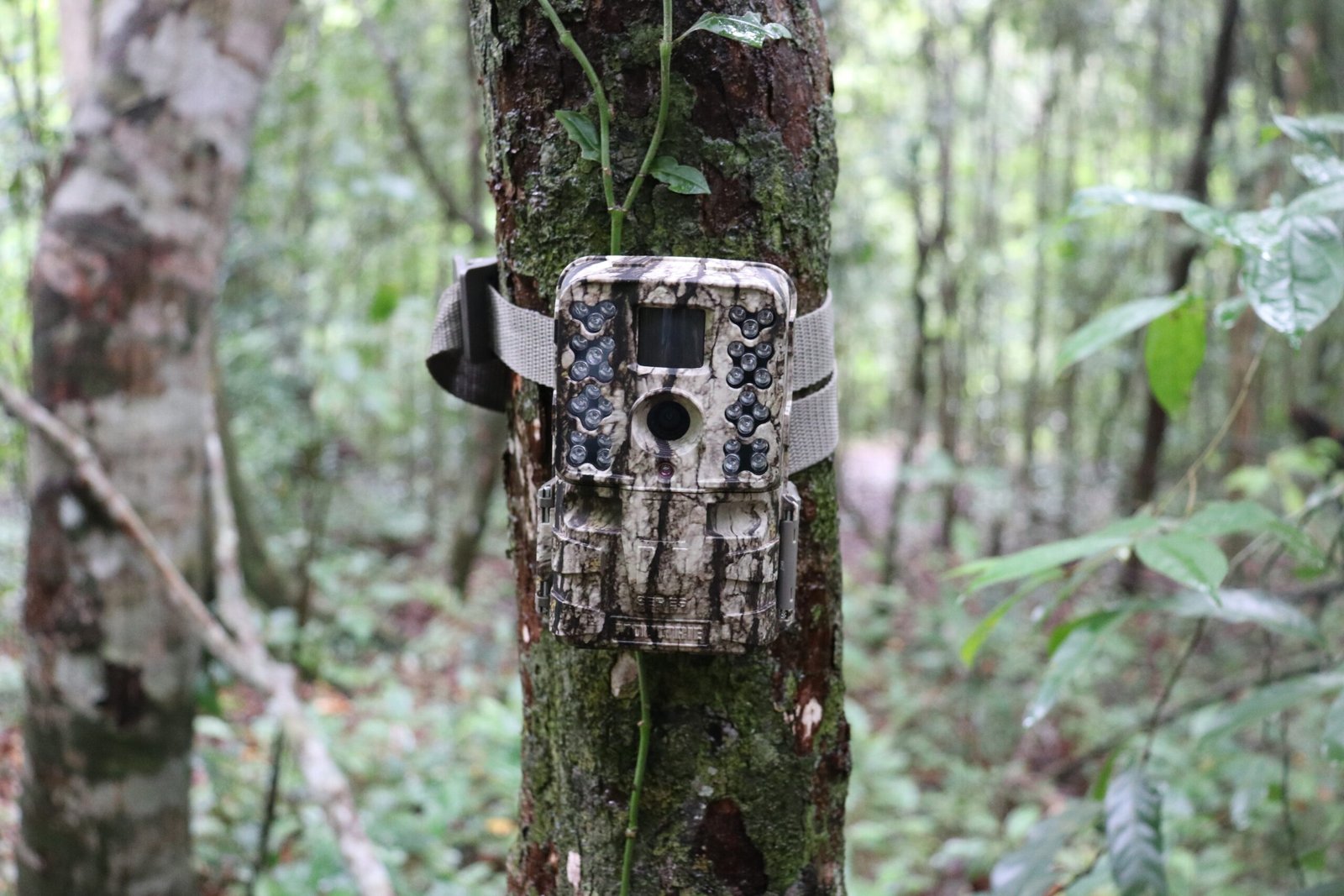
Camera traps have become a vital tool for wildlife monitoring. These motion-sensor cameras are strategically placed in the wild to capture images and videos of animals in their natural habitat. In India, camera traps have been used to study the elusive snow leopard in the Himalayas. The images provide evidence of their presence and help estimate population numbers. Camera traps offer a non-intrusive way to observe wildlife, making it possible to document rare and nocturnal species that are difficult to study otherwise.
DNA Analysis: Unlocking Genetic Secrets

DNA analysis has opened new frontiers in understanding wildlife genetics. By collecting samples such as hair, feces, or skin, scientists can analyze the DNA to study genetic diversity and population structure. This technology has been instrumental in the conservation of Indian elephants, helping to identify distinct populations and their genetic health. Genetic data can also uncover illegal wildlife trade routes, aiding law enforcement in curbing poaching activities. DNA analysis provides a molecular window into the lives of wildlife, offering clues to their evolutionary history.
Radio Telemetry: Signals in the Wild

Radio telemetry involves the use of radio signals to track animal movements. By fitting animals with radio transmitters, researchers can follow their daily activities and interactions. This technique has been successful in studying the behavior of Indian leopards, helping to understand their adaptability in human-dominated landscapes. Radio telemetry provides precise location data, enabling the tracking of individual animals over long periods. It is a crucial tool for monitoring species that are difficult to observe directly.
Artificial Intelligence: The Brain Behind Monitoring
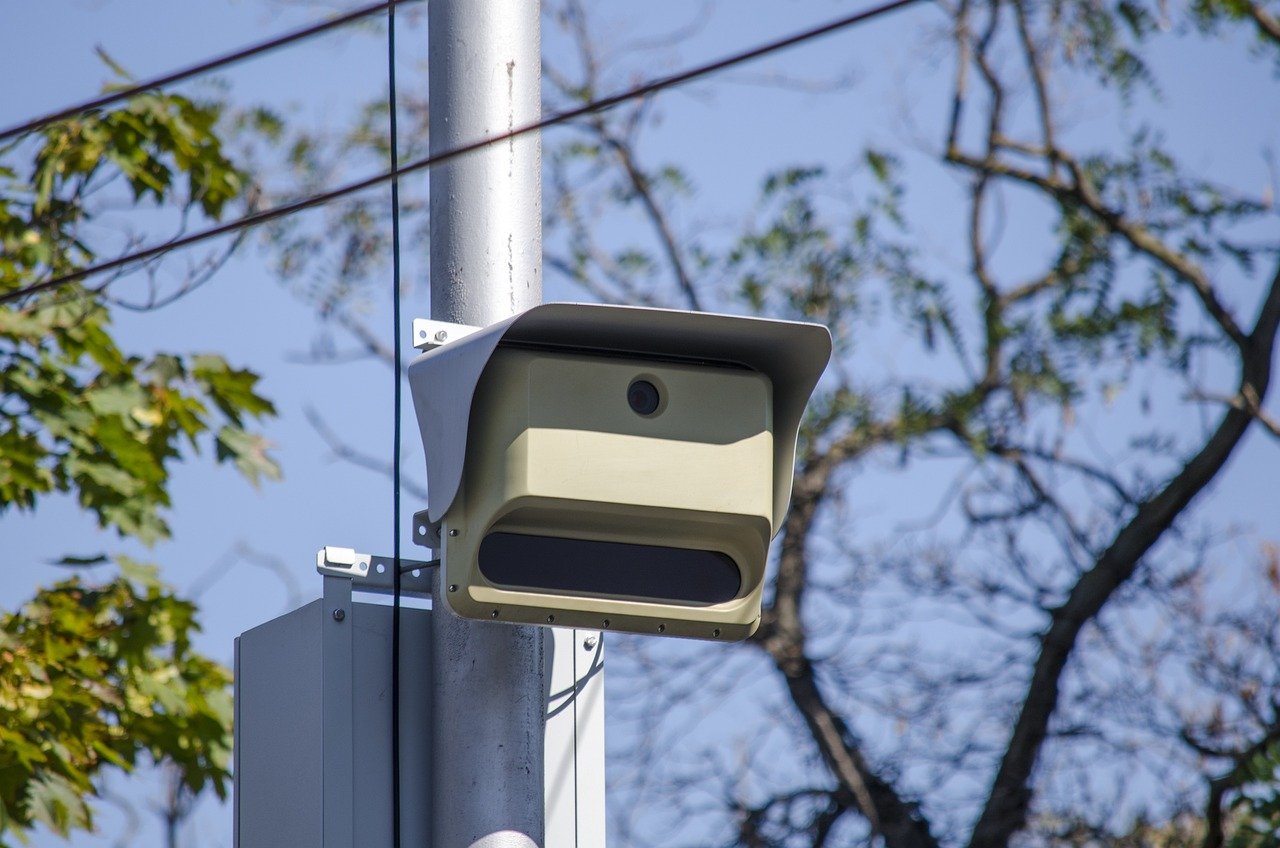
Artificial intelligence (AI) is increasingly being used to analyze large datasets generated from various monitoring technologies. AI algorithms can identify patterns and anomalies in data, providing insights into wildlife behavior and threats. In India, AI has been employed to detect illegal logging activities and poaching incidents. By automating data analysis, AI enables faster and more accurate decision-making in conservation efforts. The integration of AI with other technologies enhances the efficiency and effectiveness of wildlife monitoring.
Drone Technology: Aerial Surveillance
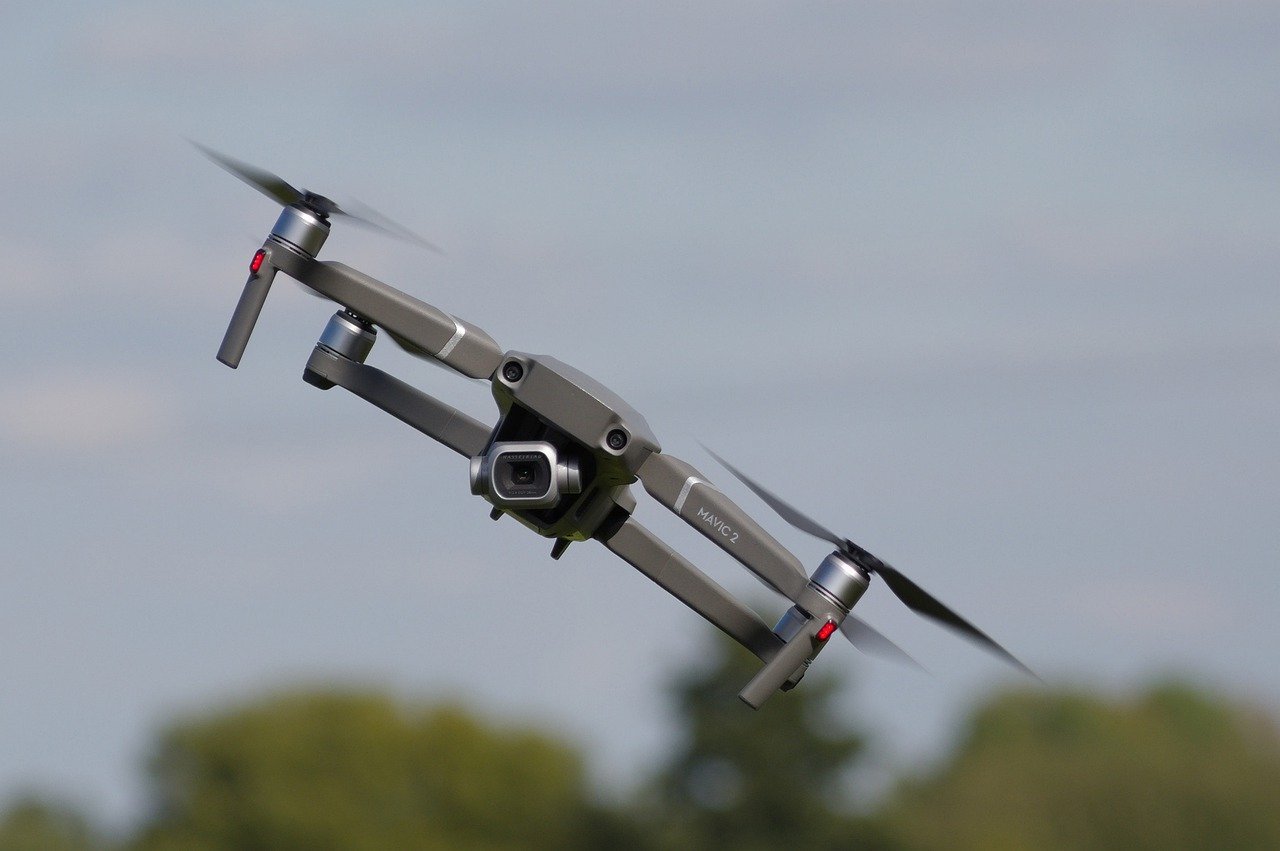
Drones have become a game-changer in wildlife monitoring, offering a unique vantage point from above. Equipped with high-resolution cameras, drones can capture detailed images and videos of wildlife and their habitats. In India, drones have been used to monitor the nesting sites of sea turtles along the coast. They provide a non-intrusive way to survey large areas, ensuring minimal disturbance to wildlife. Drones are particularly useful in monitoring remote or dangerous terrains that are challenging for human researchers to access.
Environmental DNA: Traces of Life

Environmental DNA (eDNA) is a technique that involves collecting DNA from environmental samples such as water, soil, or air. eDNA analysis can detect the presence of species without physically capturing or observing them. In India, eDNA has been used to monitor aquatic species like the Ganges river dolphin. By analyzing water samples, researchers can identify the presence of these elusive creatures and assess their population health. eDNA offers a cost-effective and non-invasive method for biodiversity monitoring.
Citizen Science: Engaging the Public

Citizen science initiatives have empowered the public to contribute to wildlife monitoring efforts. By involving local communities and volunteers, researchers can collect valuable data on species distribution and behavior. In India, citizen science projects have been successful in monitoring the migratory patterns of birds. Engaging the public fosters a sense of ownership and responsibility towards wildlife conservation. Citizen science not only enhances data collection but also raises awareness about the importance of protecting India’s natural heritage.


