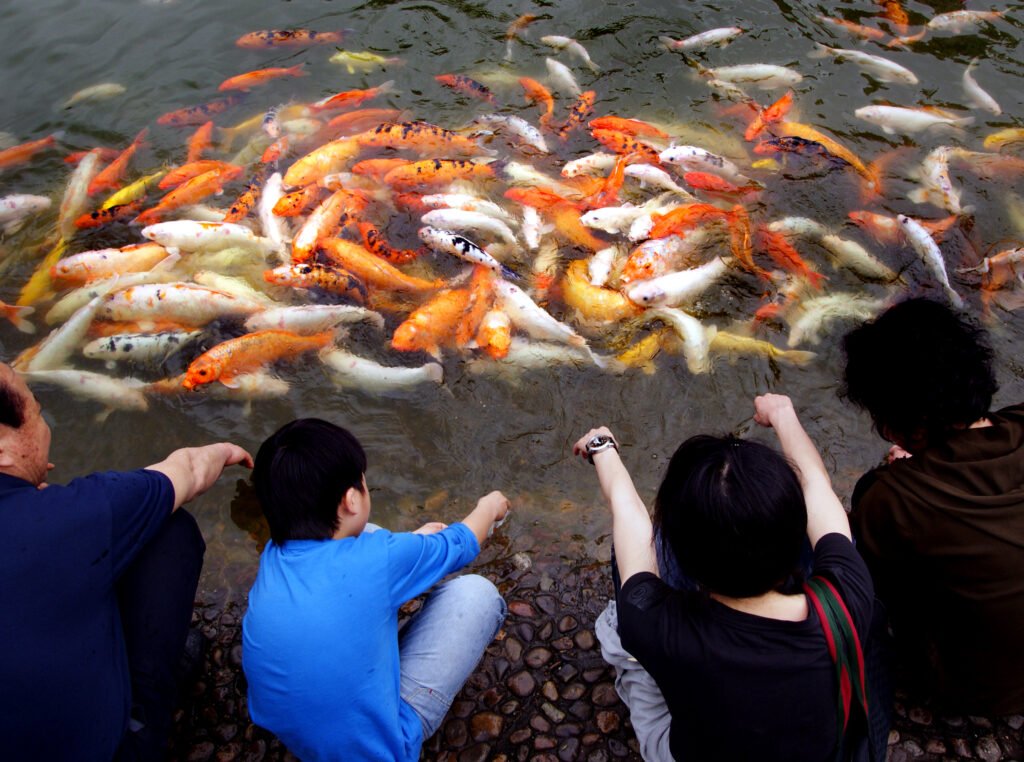

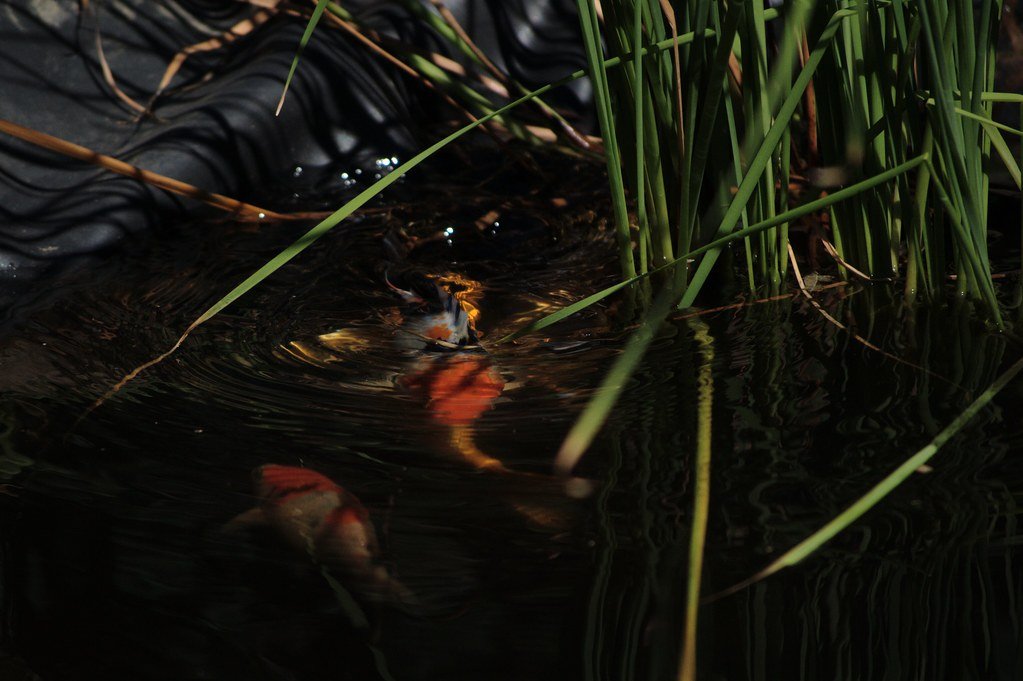
Picture this: a flash of brilliant orange and gold cutting through crystal-clear water, followed by the gentle ripples that seem to carry centuries of meaning. That’s the power of koi – these magnificent fish that have somehow managed to bridge the gap between ancient symbolism and cutting-edge aquatic science. They’re not just pretty pond decorations; they’re living symbols that have captivated human imagination for over a thousand years while simultaneously challenging our understanding of fish biology, genetics, and environmental adaptation.
The Ancient Origins of Koi Symbolism

Long before scientists understood DNA or selective breeding, ancient Chinese and Japanese cultures recognized something extraordinary about these fish. The word “koi” itself comes from the Japanese pronunciation of the Chinese character meaning “love” or “affection,” but that’s just scratching the surface of their cultural significance.
In Chinese folklore, koi represent perseverance and strength, particularly through the legend of the Dragon Gate. According to this tale, koi that successfully swim upstream and leap over the Dragon Gate waterfall transform into powerful dragons. This story became a metaphor for overcoming life’s obstacles and achieving greatness through determination.
The symbolism traveled to Japan during the Heian period, where it evolved into something even more profound. Japanese culture embraced koi as symbols of courage, perseverance, and good fortune, eventually incorporating them into the annual Children’s Day celebration where colorful koi flags fly to inspire young people to be strong and determined.
The Science Behind Koi Coloration

What makes a koi’s colors so mesmerizing isn’t just artistic appreciation – it’s a complex interplay of genetics, cellular biology, and environmental factors. The vibrant reds, oranges, blacks, and whites that define prize-winning koi result from specialized cells called chromatophores that contain different pigments.
Erythrophores produce the stunning reds and oranges, while melanophores create the deep blacks and grays. Xanthophores contribute yellows, and iridophores reflect light to create that almost metallic sheen you see on some varieties. The distribution and density of these cells are controlled by multiple genes, making color prediction a fascinating challenge for breeders.
Temperature plays a crucial role too – cooler water tends to intensify colors, while warmer conditions can cause them to fade. This is why many koi enthusiasts notice their fish look more vibrant in spring and fall compared to the peak summer months.
Koi Genetics and Selective Breeding
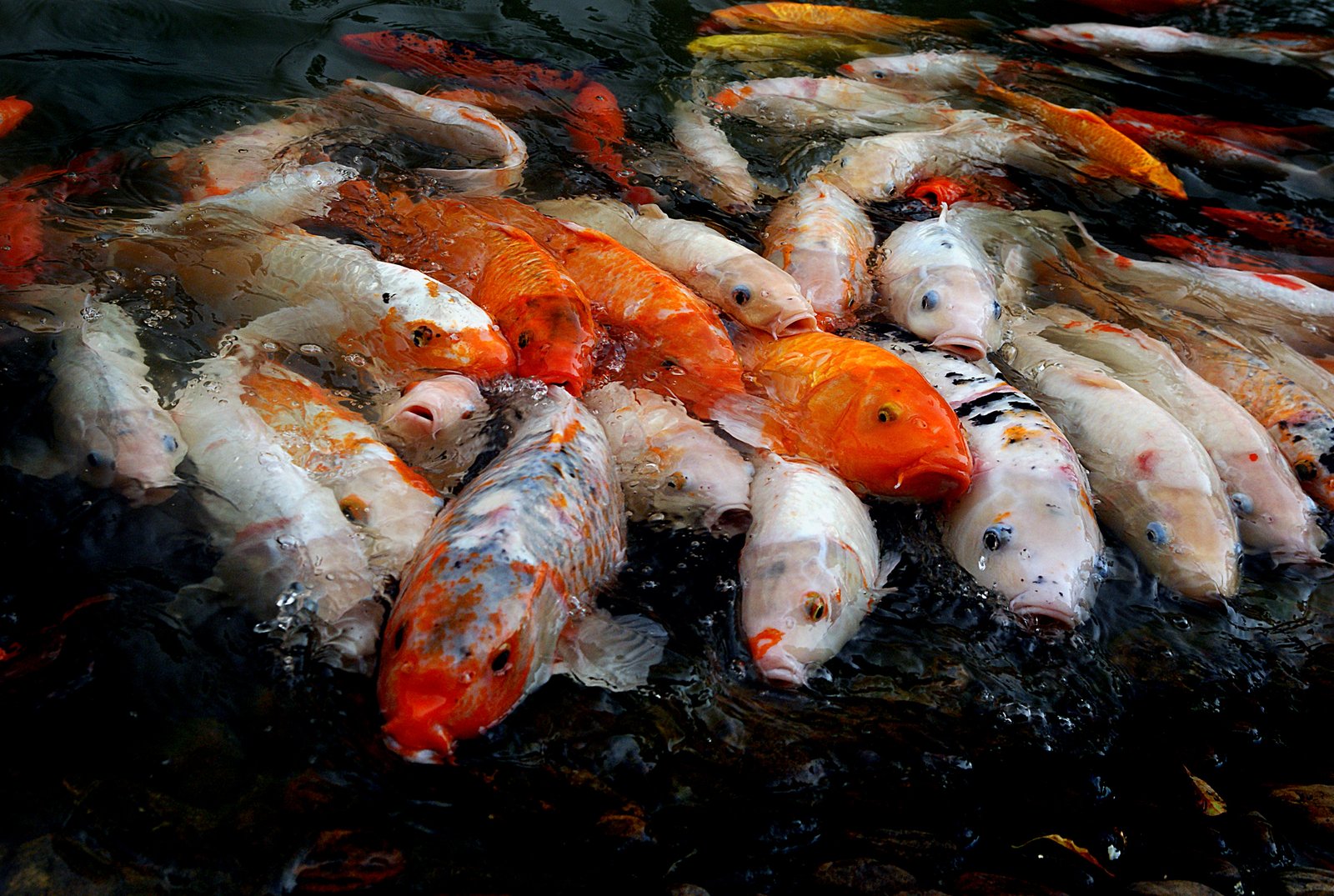
The development of modern koi varieties reads like a masterclass in applied genetics, even though much of it happened before scientists understood inheritance patterns. Japanese breeders have been selectively breeding koi for over 200 years, creating the numerous varieties we see today through careful observation and meticulous record-keeping.
Each koi variety, from the classic Kohaku with its white body and red markings to the metallic Ogon, represents generations of selective breeding. The process involves understanding dominant and recessive traits, something koi breeders figured out through trial and error long before Mendel’s laws were discovered.
Modern genetic analysis has revealed that koi possess remarkable genetic diversity, with some varieties showing evidence of hybridization events that occurred centuries ago. This genetic complexity is part of what makes breeding predictable color patterns so challenging – and so rewarding when successful.
The Biology of Koi Longevity
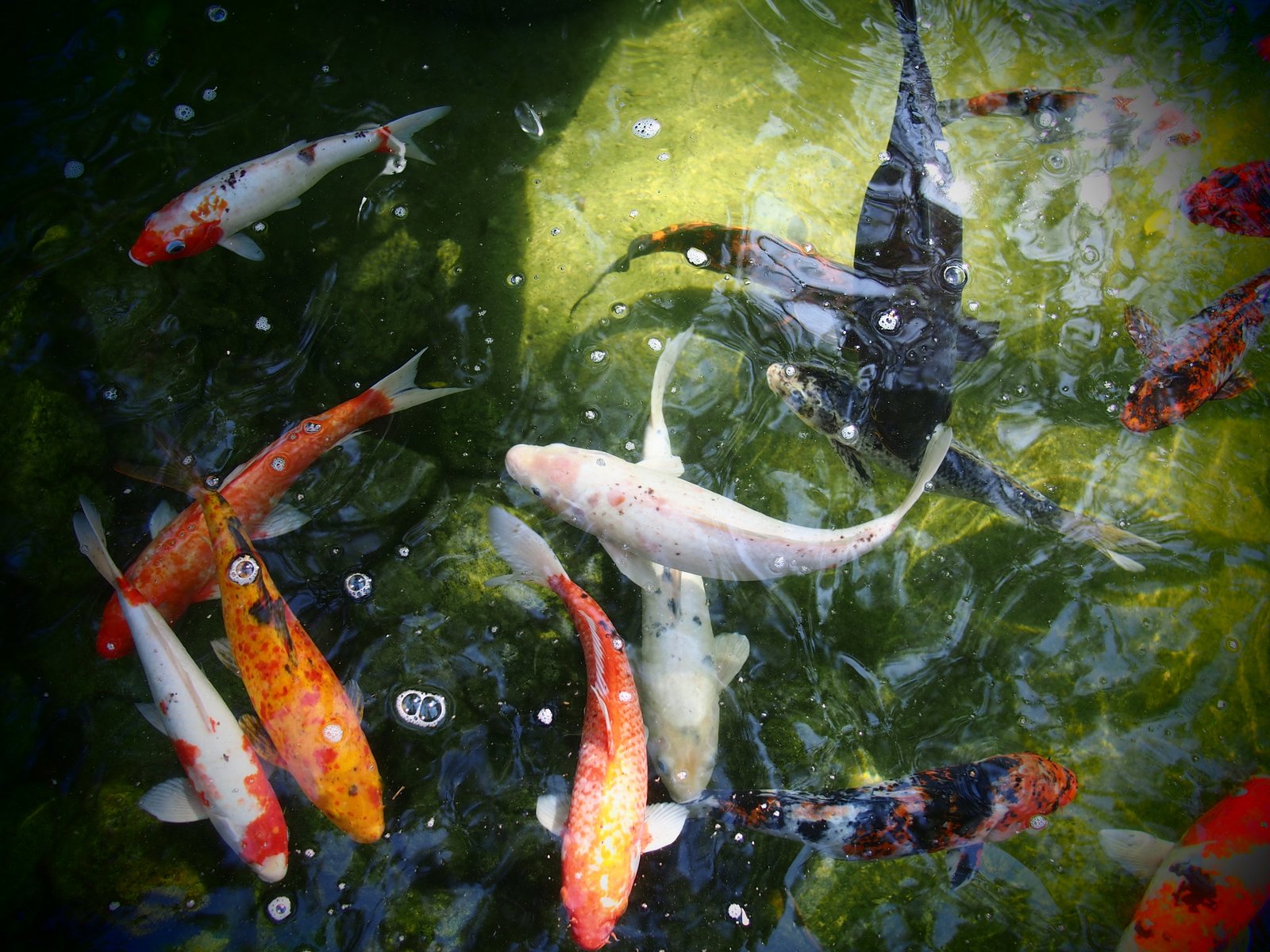
Here’s where koi truly shine in the scientific world: their extraordinary lifespan. While most ornamental fish live for just a few years, koi regularly reach ages of 50-70 years, with some documented cases of fish living over 200 years. The famous Hanako, a scarlet koi from Japan, was allegedly 226 years old when she died in 1977.
Scientists study koi longevity to understand aging processes in vertebrates. Their slow metabolic rate, efficient immune systems, and ability to enter semi-dormant states during winter contribute to their remarkable lifespans. Some researchers believe that studying koi cellular repair mechanisms could provide insights into human aging and longevity.
The fact that koi continue growing throughout their lives, unlike many other fish species, adds another layer of biological intrigue. A 100-year-old koi might measure over three feet long and weigh more than 20 pounds, representing decades of continuous growth and adaptation.
Koi Intelligence and Learning Behaviors

Forget the myth about fish having three-second memories – koi are remarkably intelligent creatures capable of learning, remembering, and even recognizing individual humans. Scientific studies have documented koi learning to navigate mazes, respond to different colored targets, and even perform simple tricks for food rewards.
Their intelligence extends to social behaviors too. Koi establish hierarchies within their groups, with larger, older fish typically dominating feeding areas. They communicate through body language, color changes, and even subtle chemical signals released into the water.
Some koi have been observed teaching younger fish about feeding times and safe areas of their pond. This kind of social learning was once thought to be limited to mammals and birds, but koi research has expanded our understanding of fish cognition significantly.
Environmental Adaptations and Survival

Koi are living examples of successful environmental adaptation. Originally developed from common carp, they’ve been selectively bred not just for beauty but for hardiness in various climates. Their ability to survive in water temperatures ranging from near-freezing to over 80°F makes them suitable for outdoor ponds in many regions.
During winter months, koi enter a state called torpor, dramatically slowing their metabolism and remaining relatively inactive at the bottom of ponds. This natural adaptation allows them to survive under ice for months without feeding, a remarkable feat of biological engineering.
Their gill structure and oxygen-processing efficiency also set them apart from tropical fish. Koi can extract oxygen from water with lower concentrations than many other ornamental species, making them more resilient to temporary water quality issues.
The Cultural Impact of Koi Art

Koi have inspired countless artistic works across cultures, from traditional Japanese paintings to contemporary tattoo art. In Japanese art, koi often appear alongside cherry blossoms, representing the fleeting nature of life and the beauty found in perseverance through difficult times.
The positioning of koi in artwork carries specific meanings too. Koi swimming upstream symbolize struggle and determination, while those swimming downstream represent success and fulfillment. The number of koi in a piece can also be significant – a single koi might represent solitude or independence, while multiple koi suggest family, friendship, or community.
Modern koi art has evolved to include digital media, sculpture, and even large-scale installations. The fish’s graceful movement and vibrant colors make them natural subjects for artists exploring themes of transformation, persistence, and natural beauty.
Koi in Modern Aquaculture Science
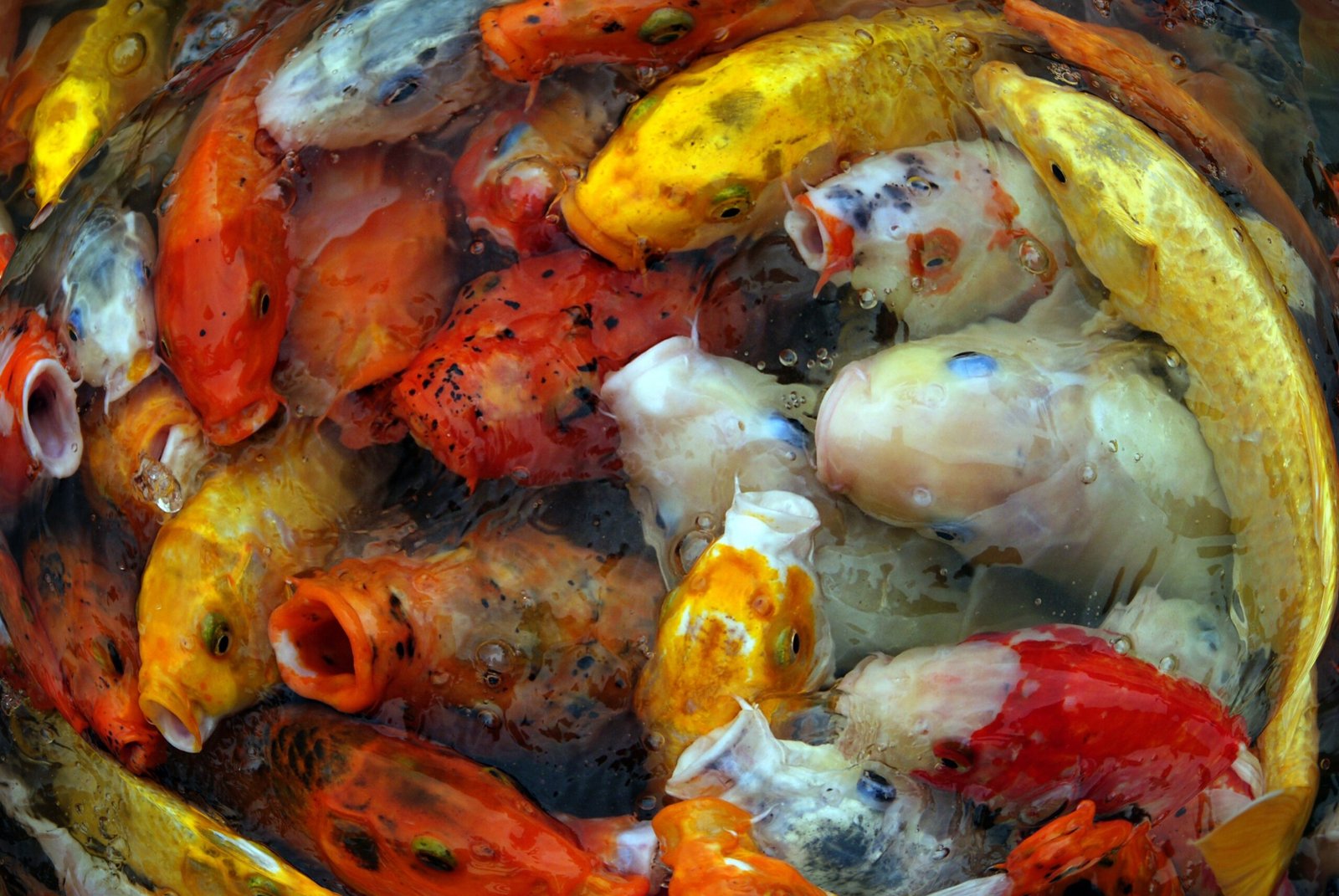
Today’s koi breeding operations are sophisticated scientific enterprises that combine traditional knowledge with modern technology. Genetic testing helps breeders predict color outcomes, while controlled breeding environments ensure optimal conditions for spawning and fry development.
Water chemistry plays a crucial role in koi health and development. Breeders monitor pH levels, dissolved oxygen, ammonia, and nitrite concentrations with laboratory precision. The slightest imbalance can affect growth rates, color development, and overall fish health.
Some facilities now use artificial intelligence to analyze koi patterns and predict their potential value as breeding stock. Computer vision systems can identify subtle color variations and pattern symmetries that might escape human observation, revolutionizing how prize-winning koi are selected and bred.
The Economics of Koi Culture

The koi industry represents a fascinating intersection of culture, science, and commerce. Prize-winning koi can sell for hundreds of thousands of dollars, with some exceptional specimens fetching over a million dollars at auction. This economic value drives continued innovation in breeding techniques and care standards.
Japan remains the epicenter of high-end koi production, with certain bloodlines traced back through multiple generations of careful breeding. The reputation of specific koi farms and breeders adds significant value to their fish, similar to how vineyard names affect wine prices.
The global koi trade has created international networks of breeders, dealers, and enthusiasts who share knowledge and techniques. This collaboration has accelerated the development of new varieties and improved overall understanding of koi biology and husbandry.
Koi as Indicators of Environmental Health
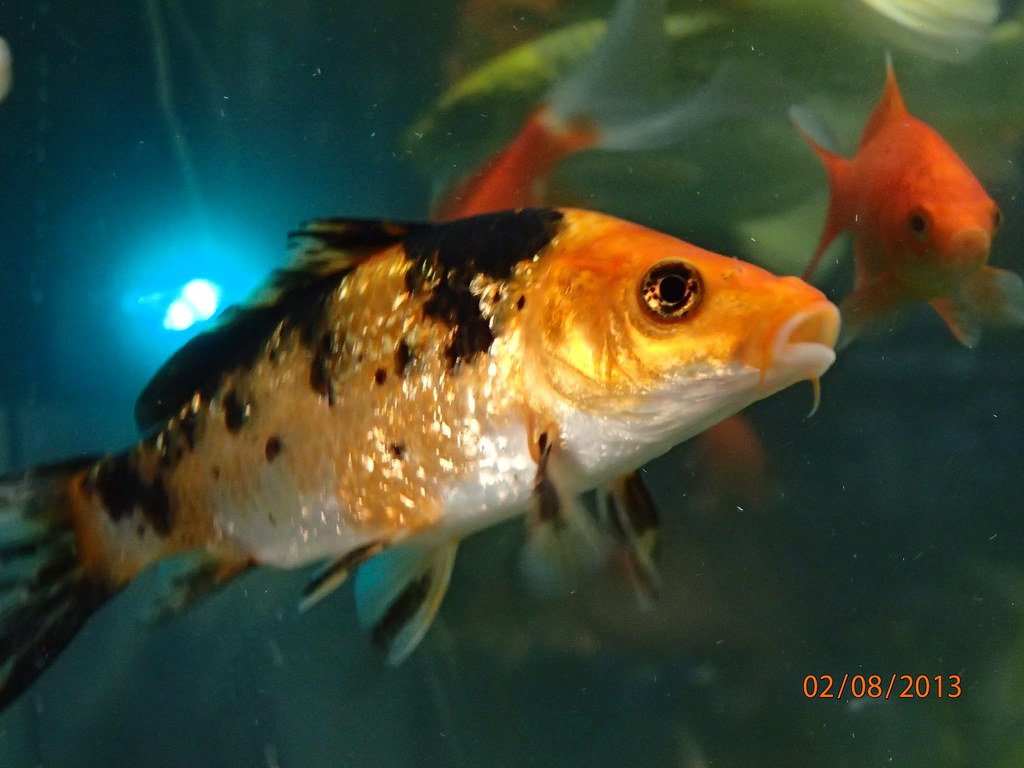
Scientists increasingly recognize koi as valuable indicators of aquatic ecosystem health. Their sensitivity to water quality changes makes them effective early warning systems for pollution or environmental degradation. Changes in koi behavior, feeding patterns, or health can signal problems before they become visible to human observers.
In some regions, koi populations are monitored as part of broader environmental assessment programs. Their long lifespans mean they can accumulate and reflect environmental changes over decades, providing valuable data about long-term ecological trends.
However, koi can also become invasive species when released into natural waterways. Their hardy nature and adaptability, while valuable in controlled environments, can disrupt native ecosystems. This duality highlights the importance of responsible koi ownership and the complex relationship between ornamental species and natural habitats.
The Neuroscience of Koi Behavior

Recent research into koi neuroscience has revealed surprising complexity in their brain structure and function. Their ability to form memories, recognize faces, and exhibit individual personalities suggests more sophisticated neural processing than previously understood.
Studies using brain imaging techniques have shown that koi possess active regions corresponding to spatial memory, social recognition, and even emotional responses. This neurological complexity supports observations of koi exhibiting what appears to be grief when separated from long-term companions.
The research has implications beyond koi appreciation – understanding fish neuroscience contributes to broader knowledge about vertebrate brain evolution and the development of consciousness in non-mammalian species.
Therapeutic Applications of Koi Keeping
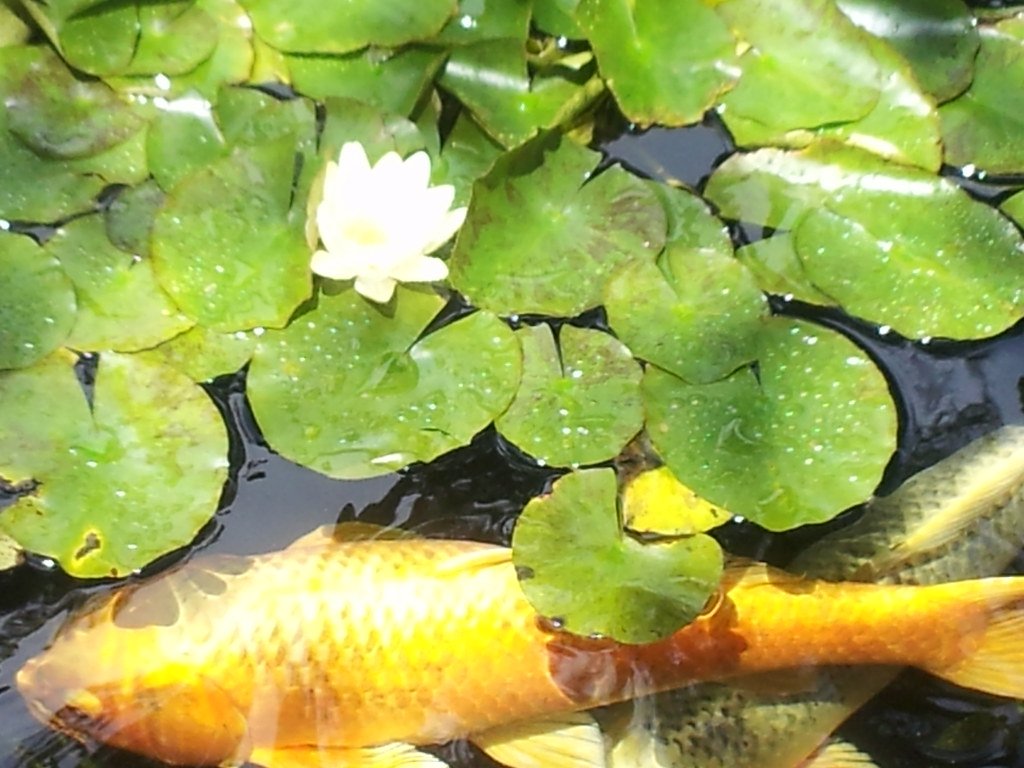
The calming effect of watching koi swim has been scientifically documented and is now used in therapeutic settings. Hospitals, rehabilitation centers, and nursing homes often feature koi ponds as part of their healing environments, recognizing the measurable benefits to patient stress levels and recovery rates.
The practice of koi keeping itself has been studied as a form of meditation and stress reduction. The daily routines of feeding, observing, and caring for koi provide structure and purpose that can be particularly beneficial for individuals dealing with anxiety, depression, or recovery from illness.
Some therapists incorporate koi observation into mindfulness practices, using the fish’s graceful movements and vibrant colors as focal points for meditation and emotional regulation techniques.
Koi Nutrition and Metabolic Studies

The nutritional requirements of koi have been extensively studied, revealing insights into fish metabolism and growth that extend beyond ornamental fishkeeping. Koi require a balance of proteins, fats, and carbohydrates that changes with water temperature, age, and breeding status.
Research has shown that koi can adjust their digestive efficiency based on food availability and environmental conditions. During cooler months, they can survive on their stored fat reserves, while warmer periods trigger increased feeding and growth rates.
These metabolic adaptations are now being studied for potential applications in aquaculture and even human nutrition research. Understanding how koi process nutrients efficiently could inform sustainable fish farming practices and nutritional science more broadly.
Disease Resistance and Immune System Function

Koi possess remarkably robust immune systems that have evolved through centuries of selective breeding and environmental adaptation. Their ability to resist common fish diseases and recover from injuries has made them subjects of immunological research.
Studies have identified specific immune system components that contribute to koi longevity and disease resistance. Their white blood cell activity and antibody production show patterns that might inform human immune system research and vaccine development.
The relationship between stress and immune function in koi closely mirrors patterns seen in humans, making them valuable models for studying how environmental factors affect health and disease resistance.
Climate Change and Koi Adaptation
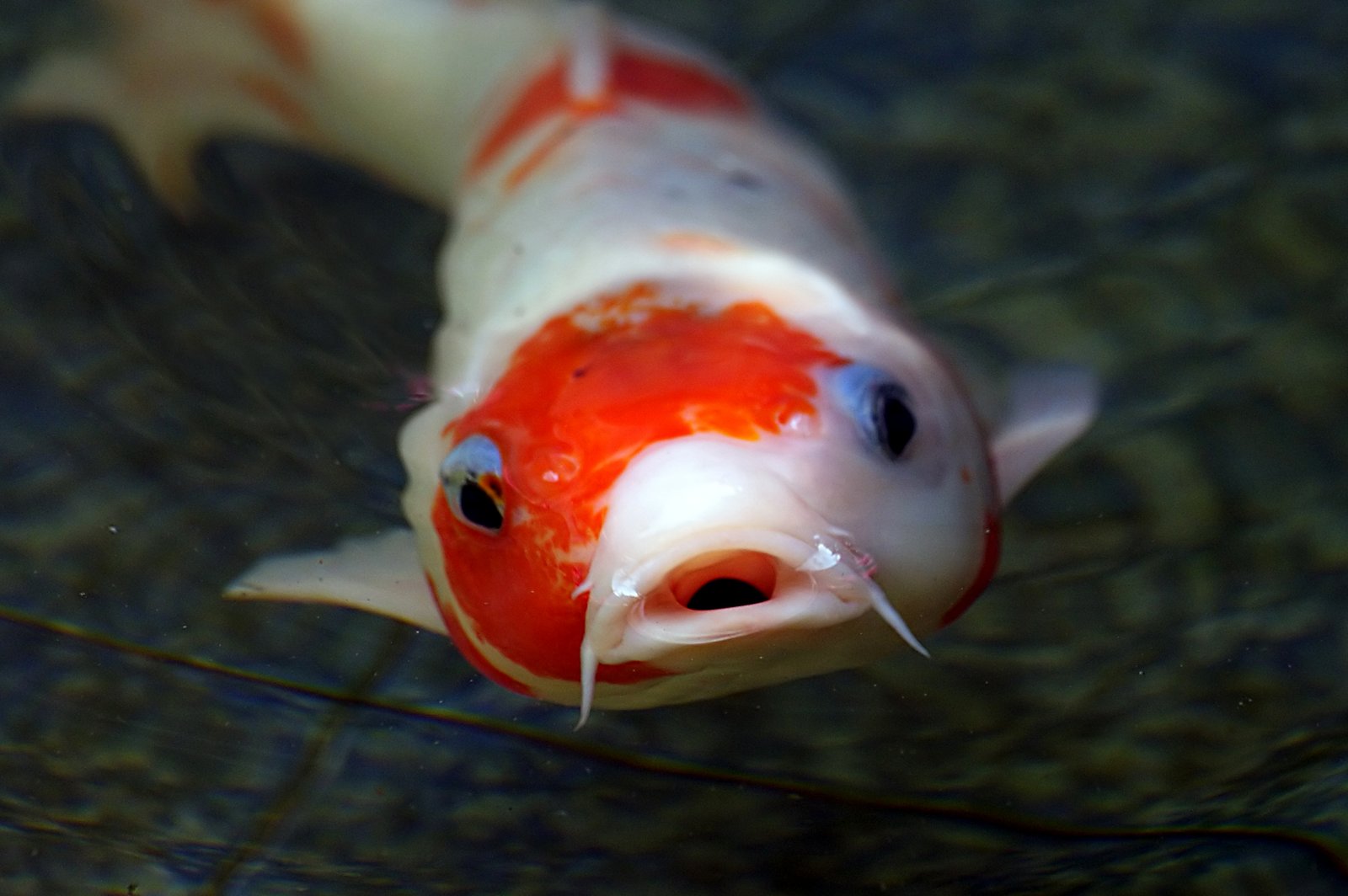
As global temperatures rise, koi populations are providing valuable data about how aquatic species adapt to changing environmental conditions. Their ability to thrive in various temperature ranges makes them useful indicators of climate change impacts on freshwater ecosystems.
Some koi populations are showing behavioral and physiological adaptations to warmer water temperatures, including changes in breeding patterns and feeding behaviors. These adaptations are being studied to understand how other fish species might respond to climate change.
The data from koi research is contributing to broader climate science models and conservation strategies for protecting freshwater biodiversity in an era of environmental change.
The Future of Koi Research
Emerging technologies are opening new frontiers in koi research and appreciation. Genetic sequencing is revealing the complete evolutionary history of koi varieties, while advanced imaging techniques are documenting their behavior and biology in unprecedented detail.
Virtual reality and augmented reality applications are being developed to create immersive koi experiences for education and therapy. These technologies could make the benefits of koi observation accessible to people who cannot maintain physical ponds.
Scientists are also exploring the potential for koi research to contribute to biotechnology and medical applications. Their unique combination of longevity, disease resistance, and environmental adaptability makes them promising subjects for studies that could benefit human health and environmental conservation.
Conclusion
The remarkable journey of koi from ancient symbols to modern scientific subjects demonstrates how culture and science can intertwine to create something truly extraordinary. These fish represent more than just beautiful pond decorations – they’re living bridges between human emotion and biological understanding, between ancient wisdom and cutting-edge research.
Every time we observe a koi gracefully navigating its underwater world, we’re witnessing millions of years of evolution, centuries of careful breeding, and decades of scientific inquiry all swimming together in perfect harmony. They remind us that the most profound discoveries often come from the intersection of human curiosity and natural wonder.
Whether you’re drawn to koi for their cultural significance, their scientific importance, or simply their mesmerizing beauty, these remarkable fish continue to teach us about perseverance, adaptation, and the endless possibilities that emerge when we combine respect for tradition with scientific innovation. What aspect of koi culture speaks most powerfully to your own understanding of the world?