Coastal erosion is a pressing environmental issue that threatens livelihoods and biodiversity worldwide. Across the globe, scientists and ecologists are exploring innovative solutions grounded in natural processes. In Sweden, a captivating approach is gaining traction: floating forests. This innovative concept not only provides a buffer against the relentless forces of erosion but also enhances ecosystems and supports wildlife. This article takes you on a journey through Sweden’s cutting-edge efforts to harness nature for coastal protection.
Understanding Coastal Erosion
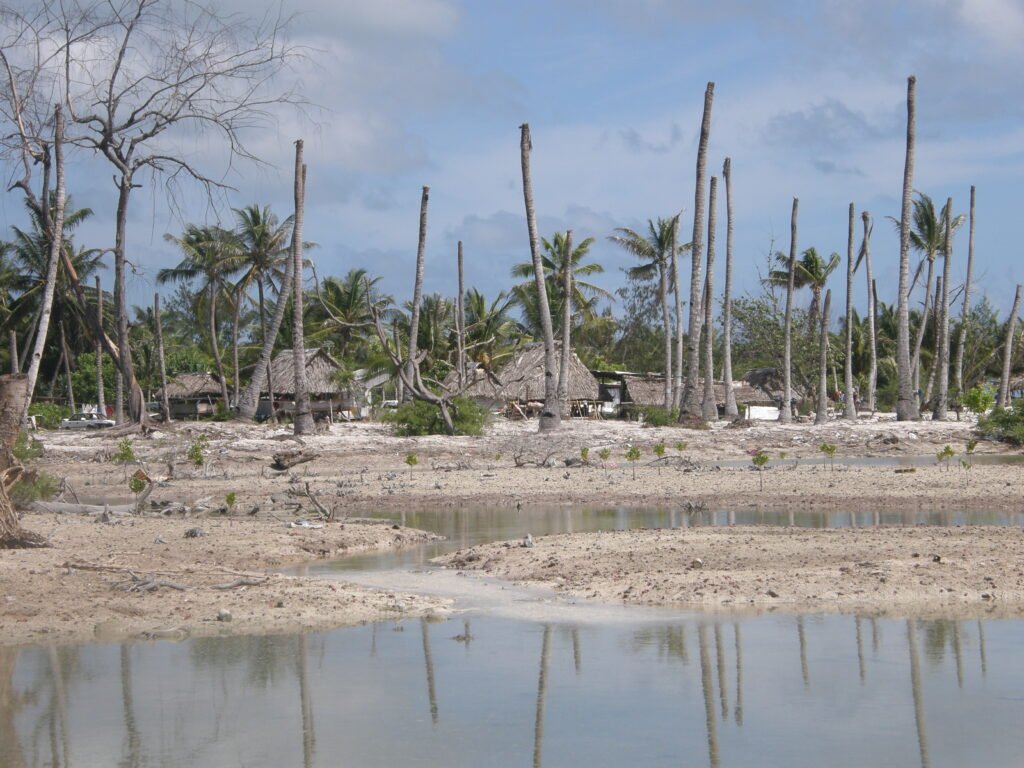
Coastal erosion involves the gradual wearing away of land by the sea due to wave action, currents, and rising sea levels. This process can result in the loss of valuable land, negatively impacting both human infrastructure and natural habitats. In many regions, traditional human-made barriers such as sea walls are used to combat erosion; however, they often come with significant drawbacks, such as disrupting natural processes and wildlife habitats.
The Concept of Floating Forests

Floating forests are essentially artificial ecosystems that mimic natural environments to offer protection against coastal erosion. They consist of planted trees and vegetation, often mangroves or other water-tolerant trees, supported by buoyant structures. These floating green spaces can absorb wave energy, reduce the impact of storms, and stabilize sediment, all while providing a habitat for diverse marine and terrestrial species.
Why Sweden? A Perfect Setting
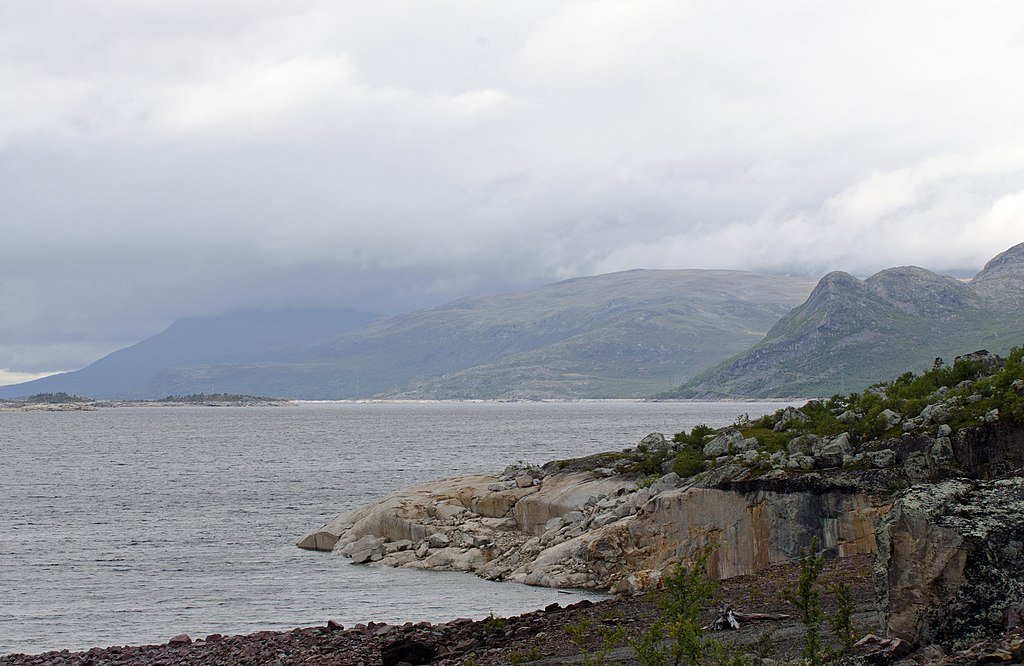
Sweden’s unique coastal geography and commitment to sustainable environmental practices make it an ideal country for developing and testing floating forest concepts. With vast stretches of coastline, some of which are prone to erosion, and a strong emphasis on preserving natural landscapes, Sweden is well-positioned to implement such innovative solutions. The country’s established research institutions and environmental policies offer a robust foundation for this endeavor.
The Role of Mangroves and Other Native Species

Mangroves, known for their complex root systems and ability to thrive in saline water, play a crucial role in many floating forest projects. In Sweden, where climatic conditions differ from typical mangrove habitats, scientists are experimenting with a variety of native tree species that can adapt to similar roles. These plants not only combat erosion but also support local biodiversity and improve water quality.
Scientific Collaboration and Innovation
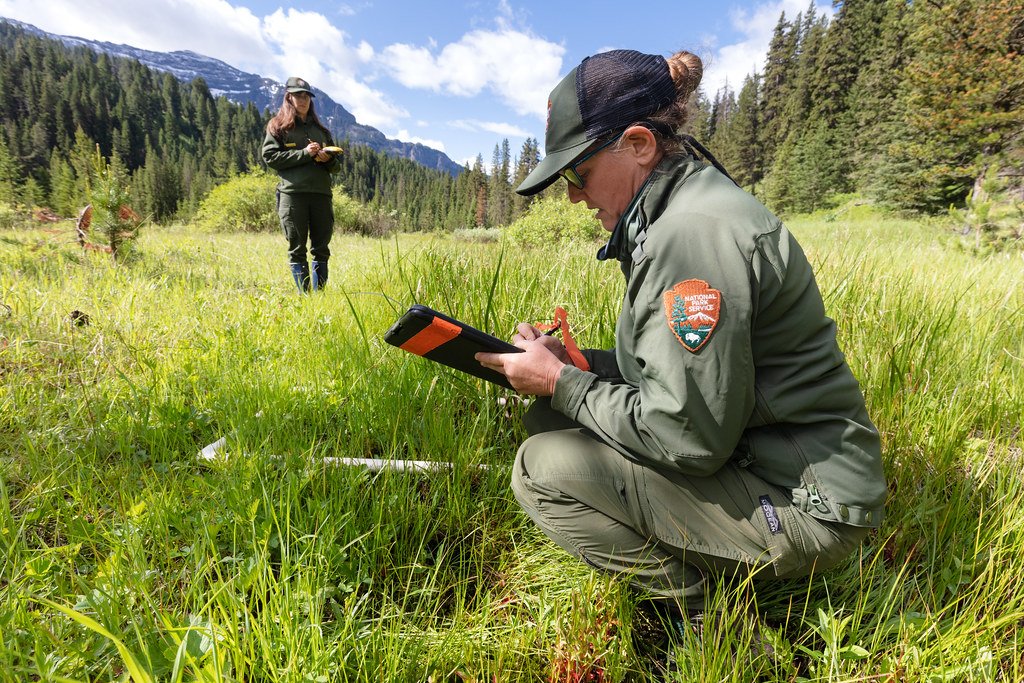
The development of floating forests in Sweden is a collaborative effort involving scientists, government bodies, and local communities. Research institutions are pioneering new technologies and methodologies to optimize the effectiveness and sustainability of these ecosystems. This includes designing lightweight, durable structures that can support vegetation growth without disrupting existing marine life.
Community Involvement and Benefits

Engaging local communities is vital to the success of floating forest projects. These initiatives offer communities a stake in the conservation of their natural resources, promote eco-tourism, and can create new economic opportunities. Educational programs related to these projects also raise awareness about the importance of conservation and the benefits of nature-based solutions to environmental challenges.
Long-term Environmental Impact

Implementing floating forests could have significant positive long-term impacts. These environments act as carbon sinks, absorbing CO2 from the atmosphere, thereby contributing to climate change mitigation efforts. They enhance biodiversity by providing habitats for fish, birds, and other wildlife, and they can improve the resilience of coastal areas against the effects of climate change.
Challenges and Considerations
While the potential benefits are substantial, the approach is not without challenges. Scientists must carefully balance the introduction of non-native plant species with the need to preserve local biodiversity. Additionally, funding and resource allocation are critical factors in sustaining these projects in the long term. Ongoing monitoring and adaptive management practices are necessary to ensure ecological and economic viability.
The Global Implications of Floating Forests

As other countries watch Sweden’s efforts with interest, floating forests may serve as a model for erosion control worldwide. Countries with vulnerable coastlines could adapt the concept to their specific environmental and economic contexts, potentially leading to a widespread adoption of similar nature-based solutions globally.
Conclusion
Sweden’s floating forests project represents a beacon of hope in the fight against coastal erosion. By leveraging the power of nature, these innovative ecosystems offer a sustainable way to protect coastlines while promoting biodiversity and community engagement. As we continue to face the challenges of a rapidly changing climate, initiatives like these remind us of the potential to find harmony with the natural world in solving complex environmental problems.