Wildlife tourism offers an extraordinary opportunity to witness the beauty of animals in their natural habitats. However, this privilege often comes at a cost to the very wildlife we admire. Sustainable wildlife tourism endeavors to bridge this gap, allowing us to enjoy such experiences while minimizing harm to animals and their ecosystems. But how feasible is this goal? Can we truly admire wildlife without causing them harm? This article delves into the complexities and solutions surrounding sustainable wildlife tourism.
The Impact of Wildlife Tourism on Animals

Traditional wildlife tourism has not always been kind to animals. The influx of tourists into fragile ecosystems can lead to a host of negative impacts, from habitat destruction to distress among animals. Noise, pollution, and human interference can disrupt the natural behaviors of wildlife, leading to long-term consequences on their survival and well-being. Recognizing these threats, the desire to transform wildlife tourism into a sustainable model has gained momentum in recent years.
Principles of Sustainable Wildlife Tourism
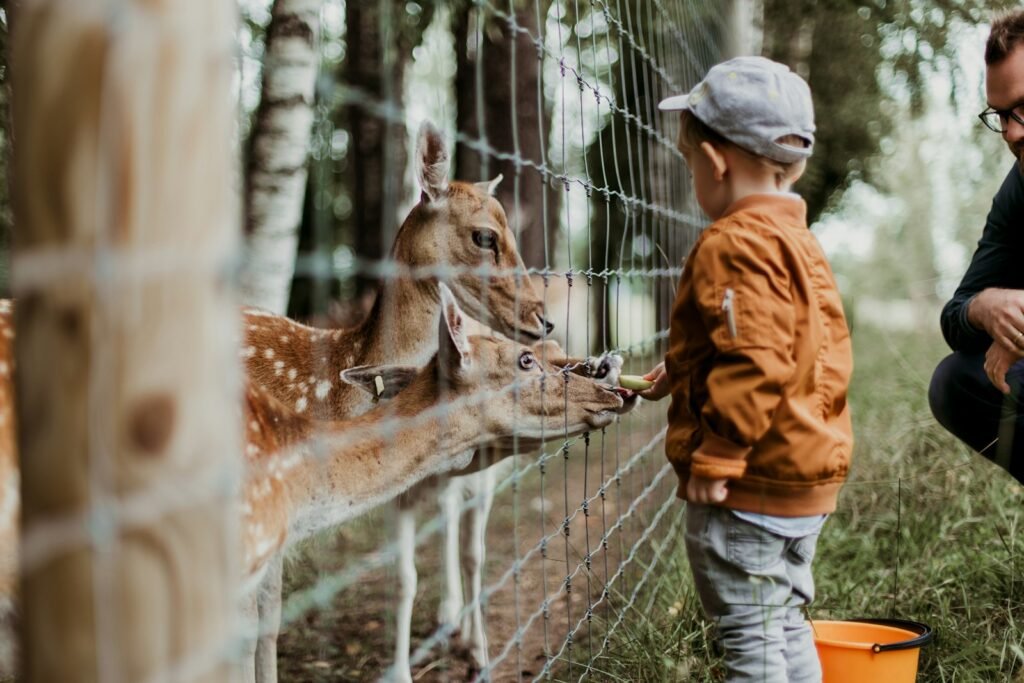
Sustainable wildlife tourism is guided by a set of principles aimed at preserving ecosystems while providing economic benefits to local communities. Key among these is minimizing the environmental footprint of tourism activities, ensuring that wildlife is observed from a safe and respectful distance, and supporting conservation efforts financially. Education also plays a crucial role, as informed tourists are more likely to engage in responsible behaviors that protect wildlife.
Successful Examples of Sustainable Wildlife Tourism

Numerous destinations around the globe have successfully embraced sustainable practices in wildlife tourism. One prominent example is the Galápagos Islands, where strict regulations limit visitor numbers and enforce guidelines that tourists must follow. Another is Rwanda, where eco-friendly gorilla trekking provides essential funding for conservation efforts while allowing visitors intimate yet responsible encounters with these magnificent animals. These models demonstrate that sustainable tourism is not only possible but can also be profitable and beneficial to conservation.
Technological Innovations Supporting Wildlife-Friendly Tourism

Advances in technology are opening new avenues for observing wildlife without causing them harm. Drones equipped with cameras allow researchers and tourists to observe animals from afar without physical intrusion. Virtual reality (VR) experiences offer another innovative way to explore wildlife from the comforts of our homes, providing immersive experiences that raise awareness and appreciation while eliminating the need for physical presence.
Educating Tourists: A Crucial Component

Educating tourists about the importance of sustainable practices is vital for minimizing the negative impacts of wildlife tourism. Eco-tourism companies often employ local guides who possess a deep understanding of local wildlife and ecosystems. These guides not only enhance the visitor experience but also instill a sense of responsibility and stewardship in tourists, encouraging them to support conservation initiatives.
Challenges and Future Directions
Despite promising strides, sustainable wildlife tourism faces several challenges. Balancing the growing demand for wildlife experiences with the need to conserve delicate ecosystems is complex. Ensuring equitable economic benefits for local communities is another hurdle. Future success will depend on global cooperation among governments, NGOs, tour operators, and tourists themselves to prioritize the long-term health of wildlife and their habitats over short-term economic gains.
Conclusion: A Call to Responsible Wildlife Tourism

Sustainable wildlife tourism invites us to reevaluate how we interact with the natural world. While it’s possible to admire wildlife without causing harm, achieving this requires commitment and collaboration from all stakeholders involved. By adopting responsible practices, embracing technological innovations, and prioritizing education, we can all contribute to a future where both animals and people thrive in harmony.