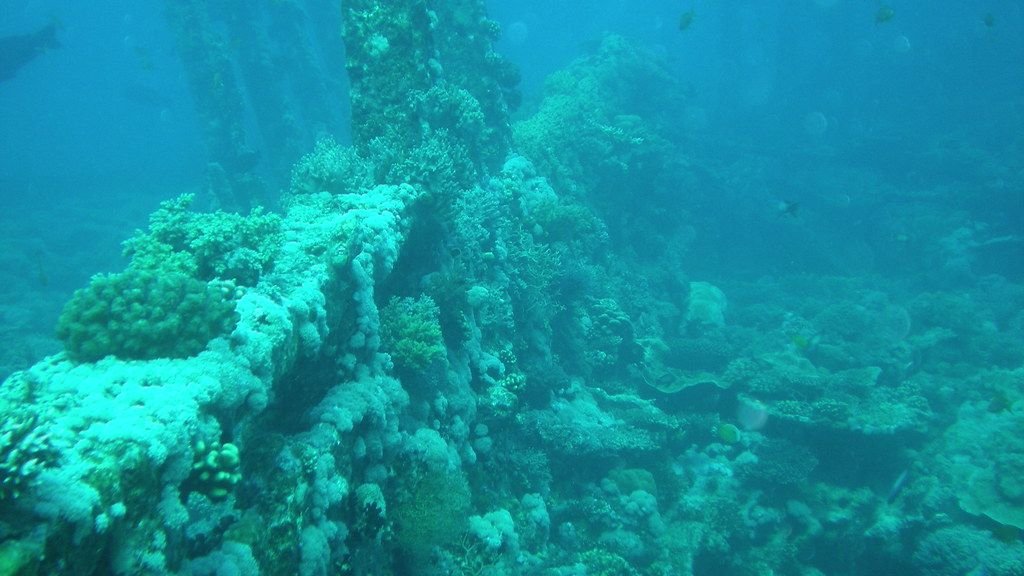

Off the coast of Palau, the coral reefs shimmer in the kind of clarity that makes underwater photographers lose track of time. The water is warm, the biodiversity is staggering, and the wrecks resting on the seafloor have long attracted divers from around the world. It’s one of the most celebrated marine environments on the planet.
What’s less celebrated is what those wrecks are slowly releasing. Decades after the Second World War ended, thousands of tons of munitions, fuel, and chemical agents still lie submerged across oceans worldwide. In places like Palau, researchers have found that this underwater legacy is no longer dormant.
A Living Reef Built Around a Graveyard
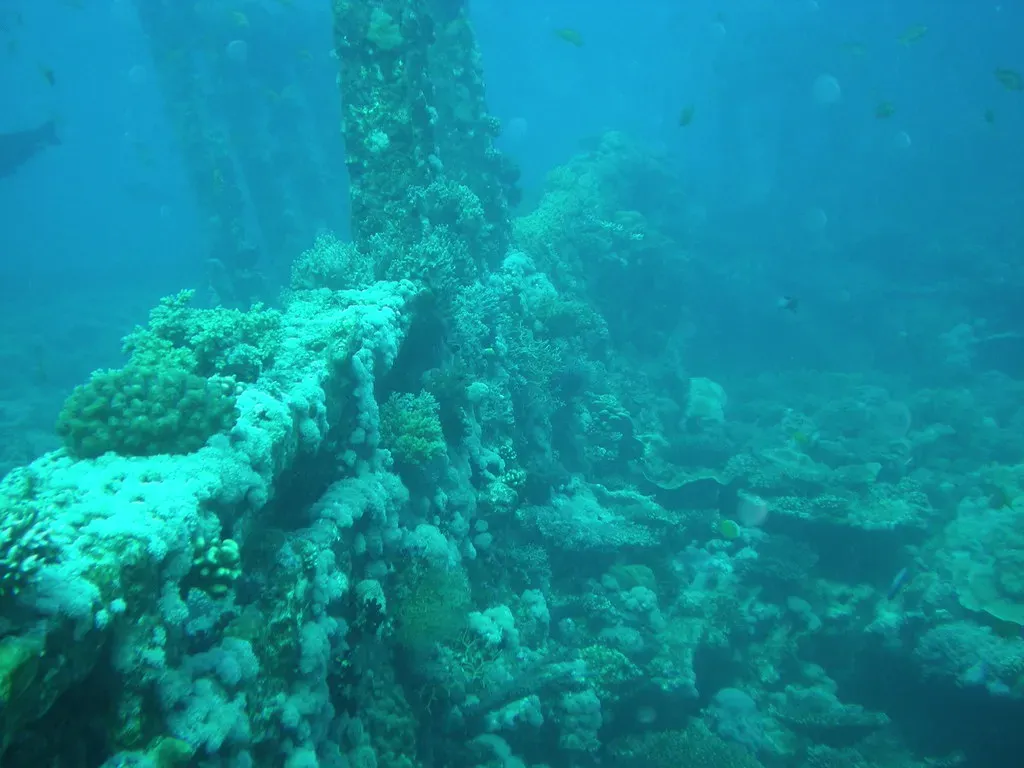
Palau’s waters hold dozens of sunken Japanese warships and aircraft, most of them casualties of Operation Desecrate One in March 1944, when American forces launched a devastating aerial assault on the Japanese naval base there. The wrecks sank quickly, and over the decades, coral and marine life gradually colonized the rusting hulls. What looked like nature reclaiming history turned out to be something far more complicated.
Researchers examining the site have found that several of these wrecks still contain significant quantities of fuel oil, ammunition, and in some cases potentially hazardous chemical compounds. The reefs growing on and around them are, in some areas, visibly stressed. The picture-perfect dive sites are quietly functioning as slow-release pollution sources.
What’s Actually Inside These Wrecks
The sheer volume of material is difficult to overstate. A single large warship from that era could carry hundreds of thousands of gallons of fuel oil, plus torpedoes, artillery shells, depth charges, and aviation munitions. In Palau alone, estimates suggest hundreds of thousands of gallons of heavy oil still remain trapped inside sunken vessels.
The steel hulls containing all of this are corroding. Slowly, but continuously. As the metal weakens, it releases not just oil but also heavy metals like lead, cadmium, and mercury into the surrounding water. Some munitions contain explosive compounds that degrade into toxic byproducts over time. Scientists have detected elevated concentrations of these substances in sediment and tissue samples taken near the wrecks.
The Chemical Weapons Problem Nobody Wants to Discuss
Perhaps the most alarming dimension of this issue is chemical weapons. After the war ended, large quantities of chemical munitions were disposed of at sea, a practice that was considered acceptable at the time and continued in some countries into the 1970s. The United States, the United Kingdom, and the Soviet Union all used ocean dumping as a disposal method.
Mustard gas, lewisite, and nerve agent precursors are among the compounds known to have been dumped. These don’t simply dissolve harmlessly. Mustard gas in particular forms a rubbery, tar-like substance when it interacts with seawater, and fishermen in the Baltic Sea have been accidentally burned after hauling up chunks of it in their nets. The problem isn’t theoretical. It’s ongoing.
How Coral and Marine Life Are Being Affected
Coral is sensitive. Even small shifts in water chemistry can trigger bleaching, inhibit reproduction, or weaken the immune responses that help corals fend off disease. In areas directly adjacent to leaking wrecks, researchers have documented higher rates of coral disease and mortality compared to surrounding reef zones that sit farther from the wrecks.
Fish and invertebrates that live in and around the wrecks are also accumulating contaminants in their tissues. This matters beyond the immediate ecological concern because local communities in many of these regions depend on reef fish as a primary food source. The contamination pathway from a corroded torpedo casing to a dinner plate is shorter than most people realize.
Why This Has Been So Difficult to Address
The logistical challenges of dealing with sunken munitions are genuinely formidable. Many of the wrecks sit at depths that make routine inspection difficult and salvage operations extremely dangerous. Disturbing a corroded munition incorrectly can be more hazardous than leaving it in place. There is no universally agreed international framework governing who is responsible for cleanup, and the costs involved are enormous.
Jurisdiction adds another layer of difficulty. Many of these wrecks lie in the territorial waters of nations that didn’t exist in their current form during the war. Questions about liability, funding, and technical capacity remain largely unresolved. Progress tends to happen in small, localized efforts rather than through any coordinated global response.
The Tension Between Heritage and Hazard
The wrecks of Palau and similar sites around the Pacific hold genuine historical significance. They are war graves in a literal sense, and in many cases they are legally protected as such. Removing or salvaging them raises profound ethical questions about disturbing the remains of sailors and soldiers who went down with their ships.
This creates a real tension that researchers and policymakers haven’t fully resolved. Protecting the historical integrity of a site while also preventing it from poisoning the ecosystem around it requires careful thinking and, in some cases, difficult tradeoffs. Some experts have proposed targeted containment strategies, such as sealing specific leak points without disturbing the broader wreck, as a middle path worth exploring further.
What Comes Next for These Threatened Reefs
Monitoring programs have been expanding across several Pacific nations, and there’s growing scientific interest in understanding the cumulative chemical burden these wrecks are placing on reef ecosystems. Remote sensing, underwater drones, and improved sediment analysis methods are making it easier to assess the scale of the problem without requiring dangerous direct intervention.
Still, assessment is not the same as action. The scientific picture is getting clearer, but the political and financial will to act remains inconsistent. For communities in Palau and similar places, the reefs aren’t an abstract environmental concern. They underpin tourism economies, food security, and cultural identity. The slow corrosion of a warship 80 years underwater turns out to be everyone’s problem, even if it’s happening where no one can see it.
A Quiet Crisis Hiding in Plain Sight
There’s something almost paradoxical about the situation. The very wrecks that draw divers and researchers to places like Palau, wrecks that have been celebrated as symbols of nature’s resilience, are now being understood as ongoing sources of harm. The beauty is real. So is the toxicity underneath it.
What this story ultimately illustrates is the very long tail of industrial warfare. The decisions made in the 1940s about how to arm, fuel, and ultimately sink thousands of ships are still producing consequences in 2026. Oceans absorb a great deal, but they don’t absorb everything indefinitely. At some point, the ledger comes due, and increasingly, it’s the ecosystems least responsible for the problem that are paying the price.