Imagine a world where our buildings are constructed not from traditional materials like steel and cement, but from the dust of the moon and sulfur. This might sound like the stuff of science fiction, but it’s rapidly becoming a fascinating reality. Space missions are not only teaching us about the vast universe beyond our planet but are also providing groundbreaking insights into how we might revolutionize construction here on Earth. The secrets of lunar landscapes and the innovative use of sulfur could be the keys to building sustainable, resilient structures in ways we’ve never imagined.
What Exactly is Sulfur Concrete?
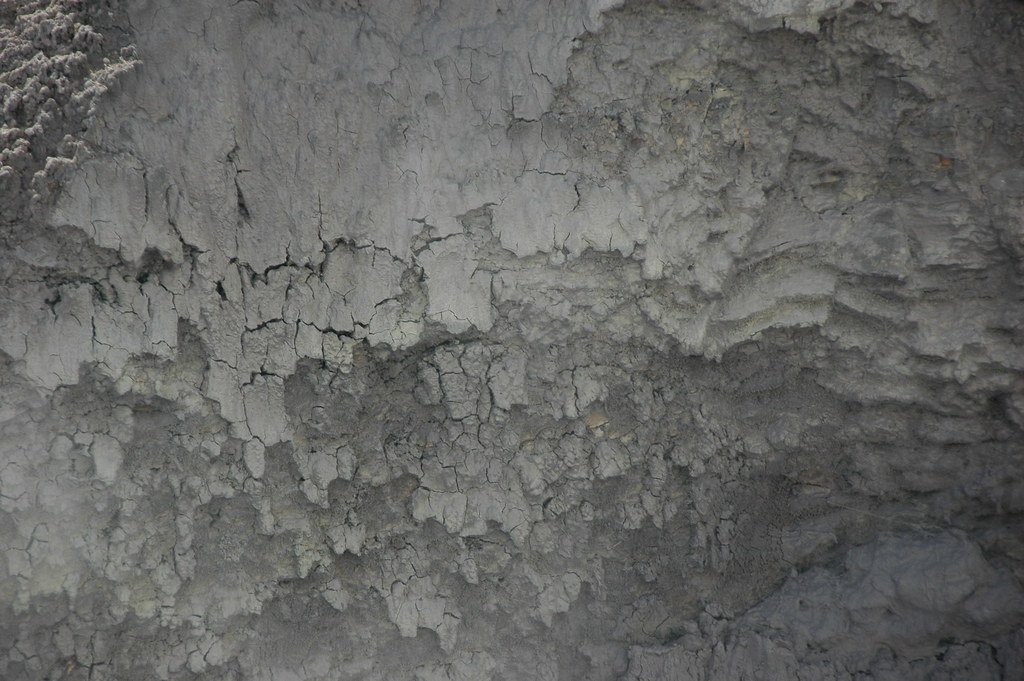
Sulfur concrete is a unique material that mixes sulfur with aggregates like sand or gravel. Unlike traditional concrete, which relies on water and cement, sulfur concrete is waterless. When heated, sulfur transforms into a liquid state, allowing it to bind with aggregates. Once cooled, it forms a solid, durable material. This process is not only fascinating but also environmentally friendly. Traditional concrete production is responsible for a significant amount of CO2 emissions. In contrast, sulfur concrete eliminates the need for water and reduces the carbon footprint, making it an attractive alternative for sustainable construction.
Why Use Moon Dust?
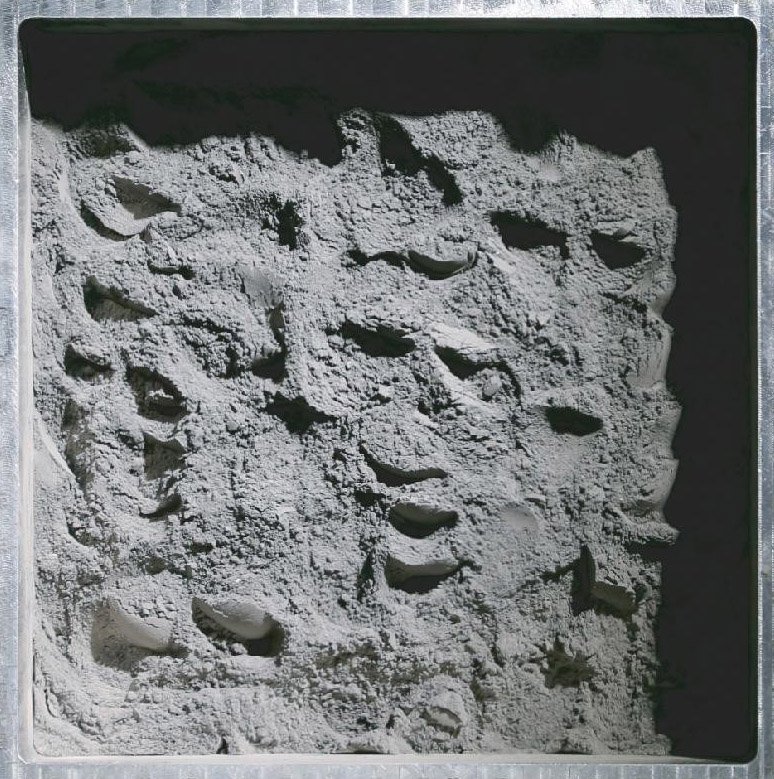
Moon dust, or lunar regolith, is a material that covers the moon’s surface. It has unique properties that make it ideal for construction, especially in extraterrestrial environments. Moon dust is abundant, lightweight, and contains minerals like silicon, iron, and magnesium. When combined with sulfur, it creates a robust material that’s perfect for constructing habitats on the moon or Mars. But what about Earth? The lessons learned from using moon dust can be applied here, too. It offers insights into creating materials that are both strong and environmentally friendly, paving the way for innovative building solutions.
The Role of Space Missions in Construction Innovation
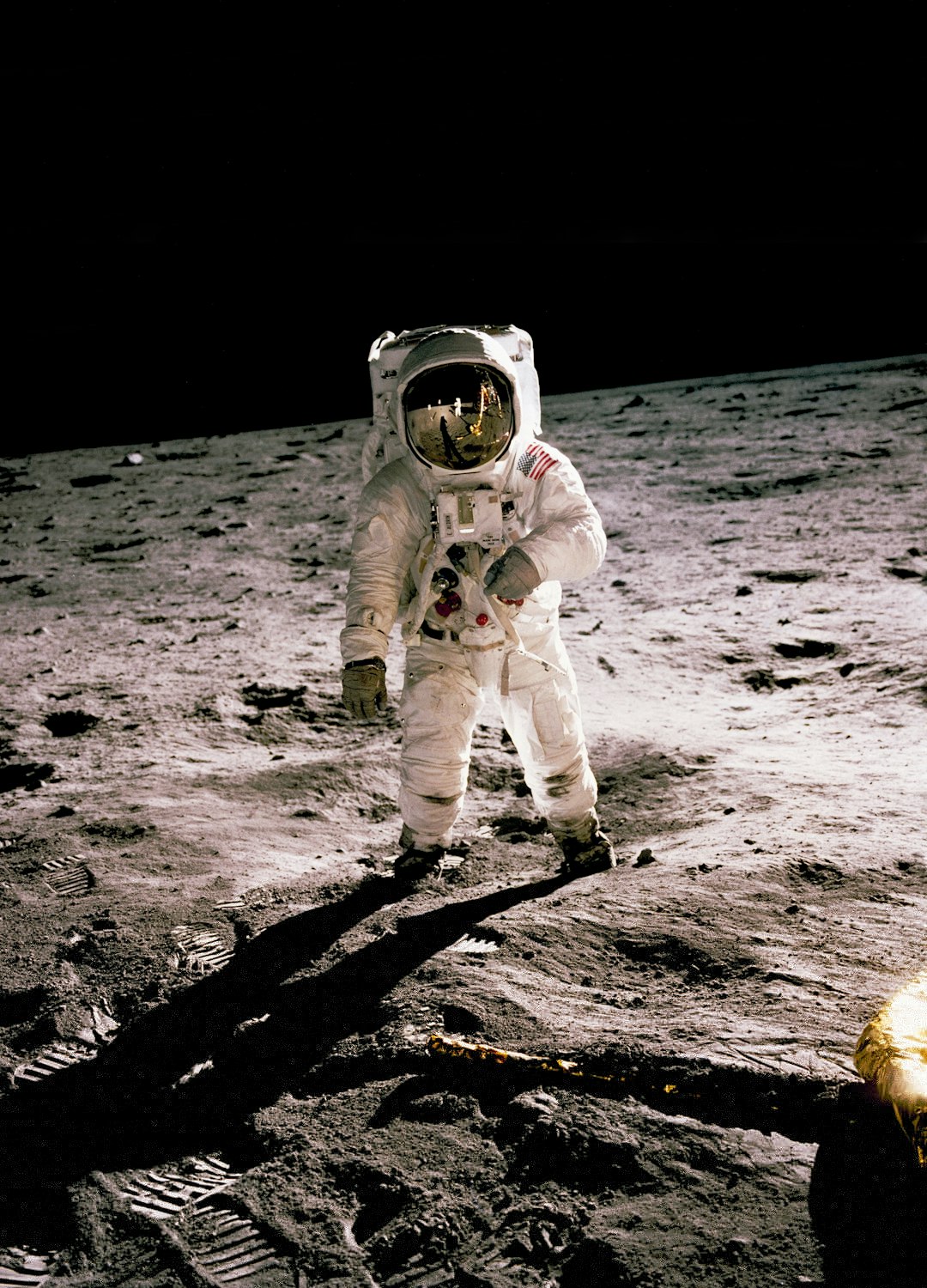
Space missions have always been at the forefront of technological innovation. The race to explore the cosmos has pushed scientists and engineers to develop materials that can withstand extreme conditions. Sulfur concrete and moon dust are products of this relentless pursuit. As we continue to explore outer space, these materials are being tested and refined, offering potential breakthroughs for construction on Earth. The challenges faced in space missions drive creativity and problem-solving, leading to innovations that can transform industries back home.
Sustainability and Environmental Impact
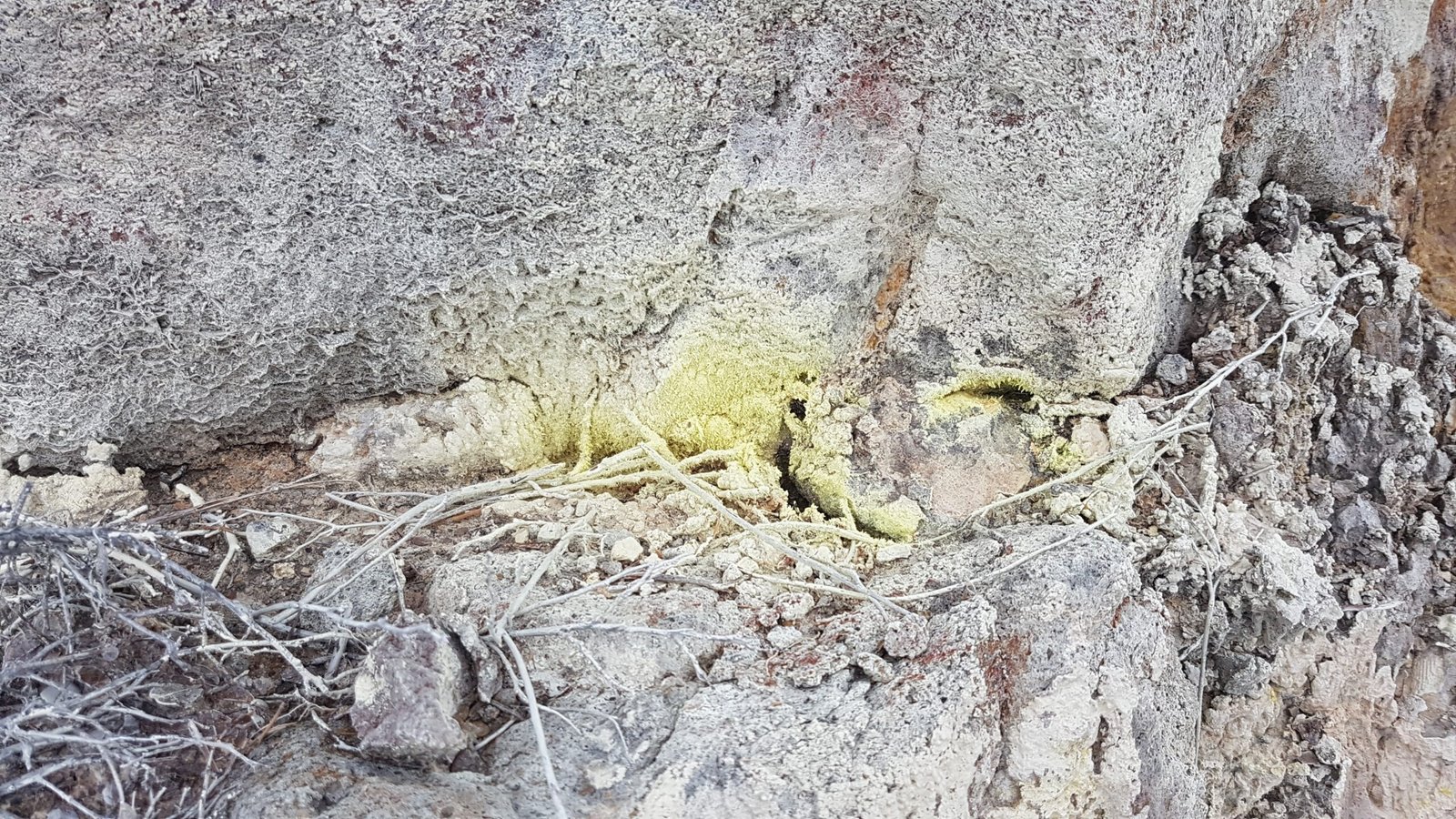
One of the most significant advantages of sulfur concrete is its sustainability. Traditional concrete production is a major contributor to global CO2 emissions. In contrast, sulfur concrete does not require water, reducing its environmental impact significantly. Additionally, sulfur is a byproduct of the petroleum industry, meaning its use in construction could help reduce waste. By incorporating moon dust, a naturally occurring material, the environmental benefits are further amplified. These materials offer a path towards greener construction practices, aligning with global efforts to combat climate change.
Challenges and Limitations
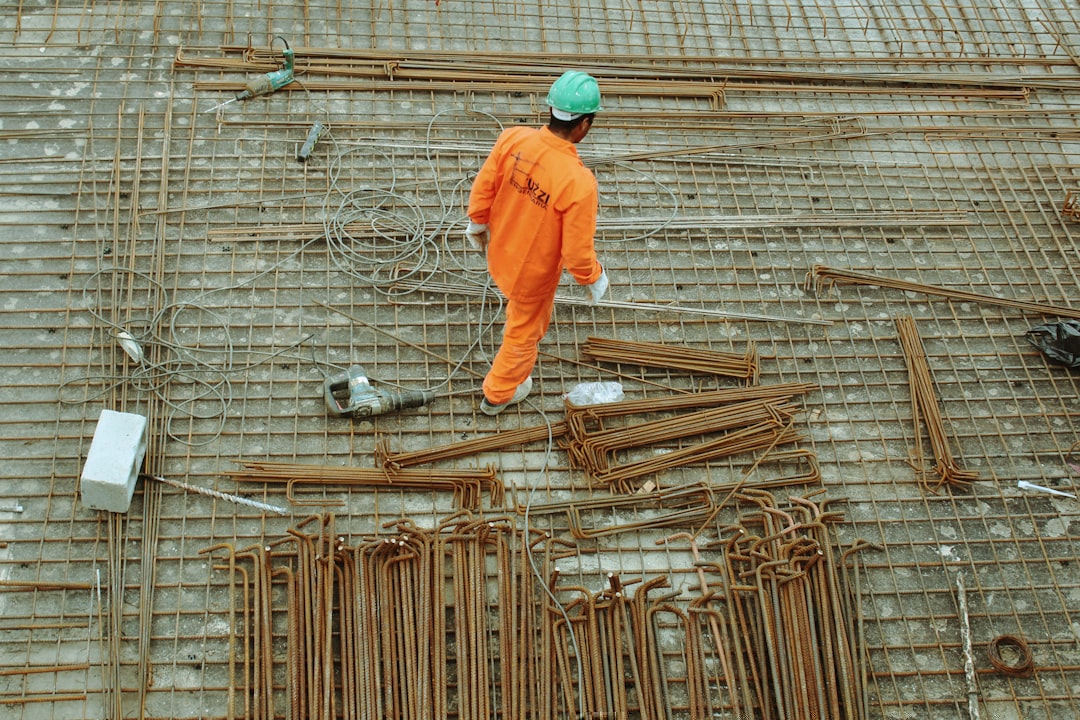
Despite its potential, sulfur concrete is not without challenges. One of the primary concerns is its resistance to heat. At high temperatures, sulfur can revert to a liquid state, compromising the structural integrity of buildings. This limitation makes it unsuitable for certain environments. Additionally, the extraction and transportation of moon dust present logistical challenges. While these hurdles are significant, ongoing research and innovation are focused on overcoming them. The potential benefits of these materials make the pursuit worthwhile, as they could revolutionize the construction industry.
Real-World Applications on Earth
The principles behind sulfur concrete and moon dust are already being explored for real-world applications. In regions where water is scarce, such as deserts, sulfur concrete offers a viable alternative for building infrastructure. Its durability and environmental benefits make it an attractive option for sustainable construction projects. Additionally, the unique properties of moon dust could inspire new materials for use in hostile environments, such as deep-sea or underground construction. These applications demonstrate the potential for space-age materials to solve pressing challenges here on Earth.
Future Prospects and Innovations
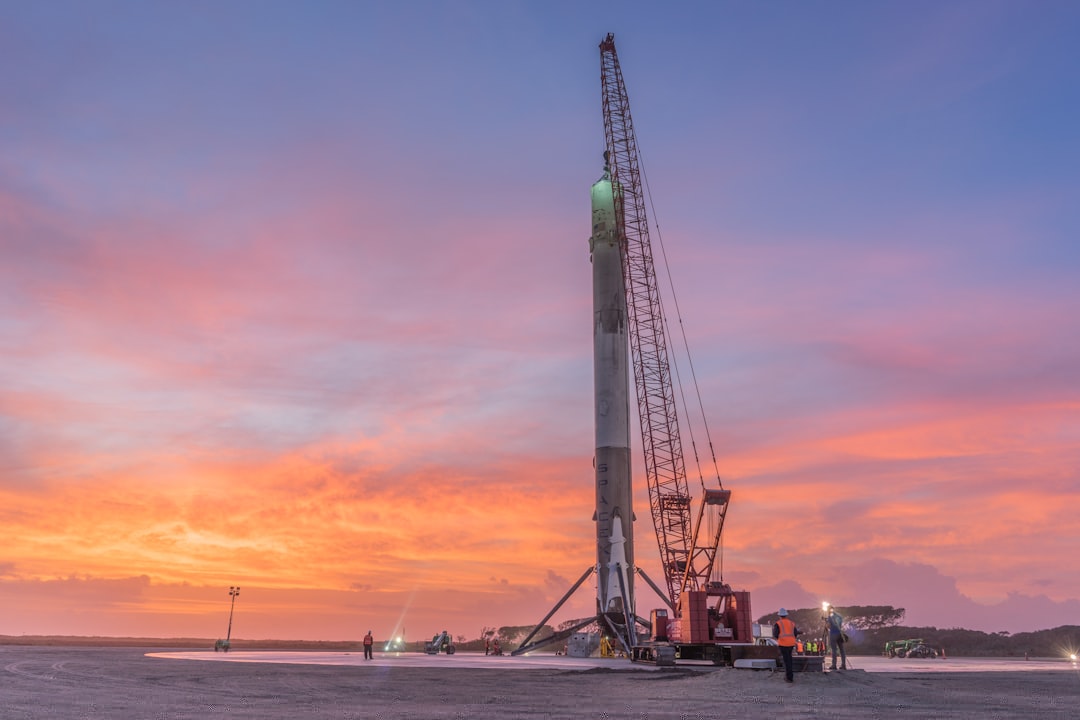
The future of construction is poised for significant change. As research into sulfur concrete and moon dust continues, new innovations are likely to emerge. The potential to create materials that are both strong and environmentally friendly is an exciting prospect. These innovations could lead to the development of new building techniques and designs, transforming the way we construct our cities and infrastructure. The possibilities are vast, and the lessons learned from space missions will undoubtedly play a crucial role in shaping the future of construction.
Lessons from the Cosmos
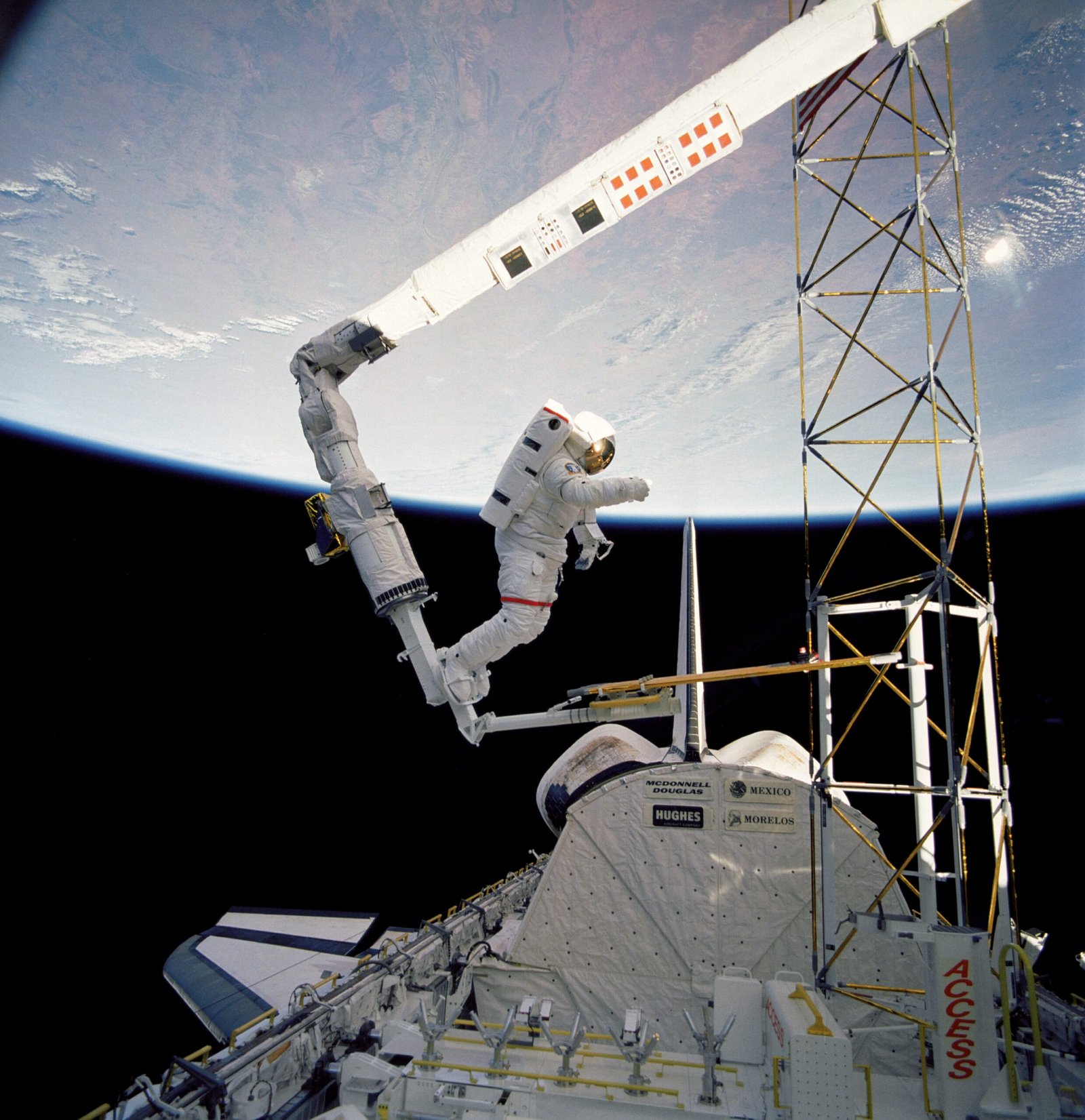
Space missions serve as a reminder of the boundless potential for innovation. The exploration of sulfur concrete and moon dust highlights the importance of looking beyond traditional methods. By embracing new materials and techniques, we can address pressing global challenges, such as climate change and resource scarcity. The cosmos offers a wealth of knowledge and inspiration, encouraging us to think creatively and push the boundaries of what’s possible. These lessons are invaluable as we strive to build a more sustainable and resilient world.
The Intersection of Science and Imagination
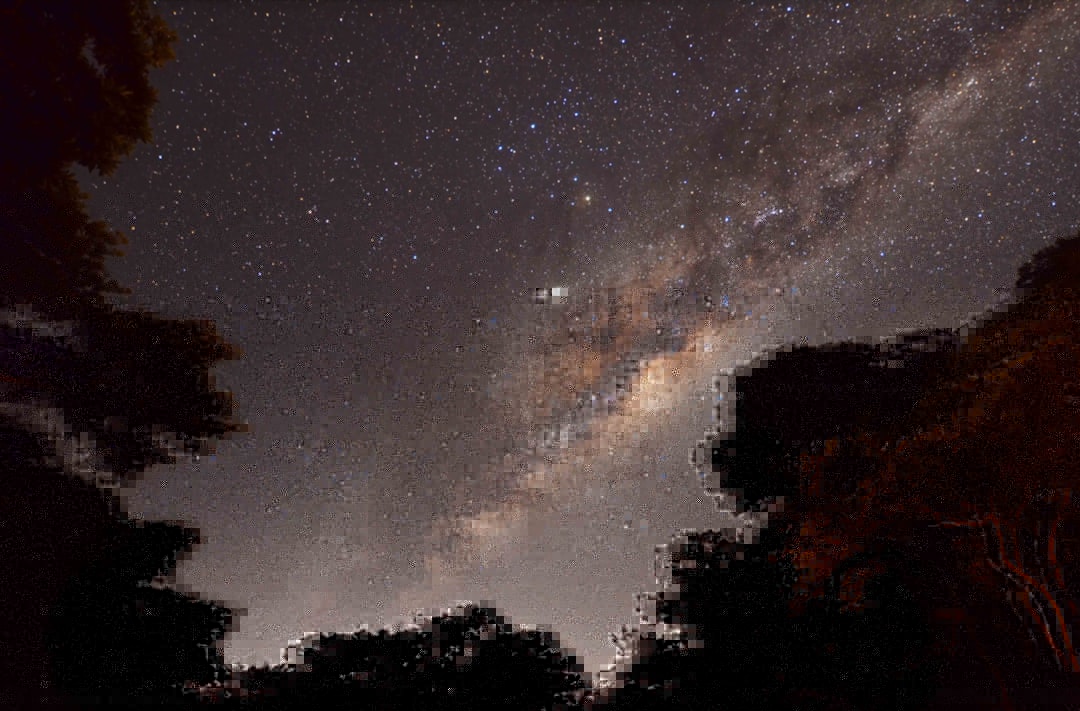
The journey into space is fueled by both science and imagination. The development of sulfur concrete and moon dust is a testament to this intersection. By harnessing the power of scientific discovery and creative thinking, we can unlock new possibilities for construction and beyond. This fusion of science and imagination is what drives progress and innovation, offering a glimpse into a future where the impossible becomes reality. As we continue to explore the cosmos, the potential for groundbreaking discoveries is limitless.
Closing Thoughts: A New Era of Construction
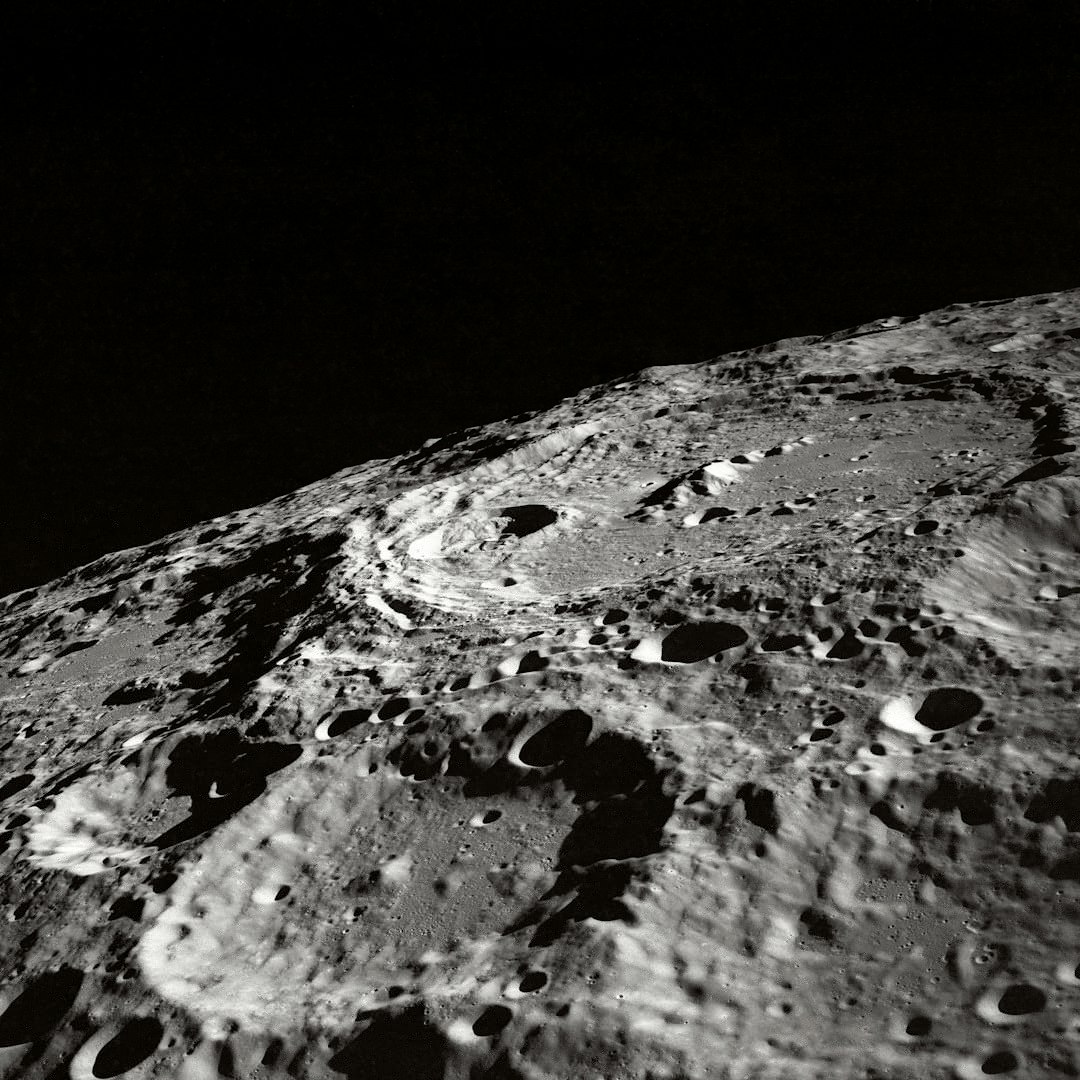
The exploration of sulfur concrete and moon dust marks the beginning of a new era in construction. These materials offer a glimpse into a future where sustainable, resilient buildings are the norm. The lessons learned from space missions are invaluable, providing insights into how we can address global challenges and build a better world. As we continue to push the boundaries of what’s possible, the potential for innovation is limitless. The question remains: how will we use these discoveries to shape the future of construction on Earth?