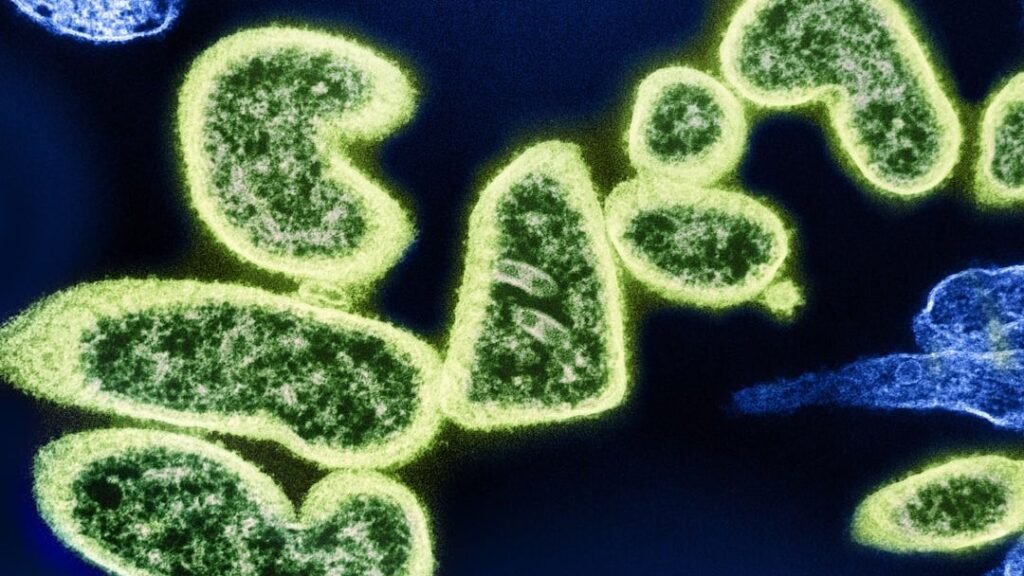

Antibiotic resistance is already one of the most serious public health threats of our time. Millions of people around the world are affected by infections that no longer respond to standard treatments, and the medical community has been sounding the alarm for years. Most of us think of hospitals, overprescribed medications, or factory farming when we hear about superbugs. Honestly, very few people are thinking about dry weather.
Here’s the thing though – emerging research is now pointing to a deeply unsettling connection between drought conditions and the acceleration of antibiotic-resistant bacteria in the environment. It’s a link that feels almost counterintuitive at first, but the science behind it is both fascinating and alarming. Let’s dive in.
A Surprising New Player in the Antibiotic Resistance Crisis
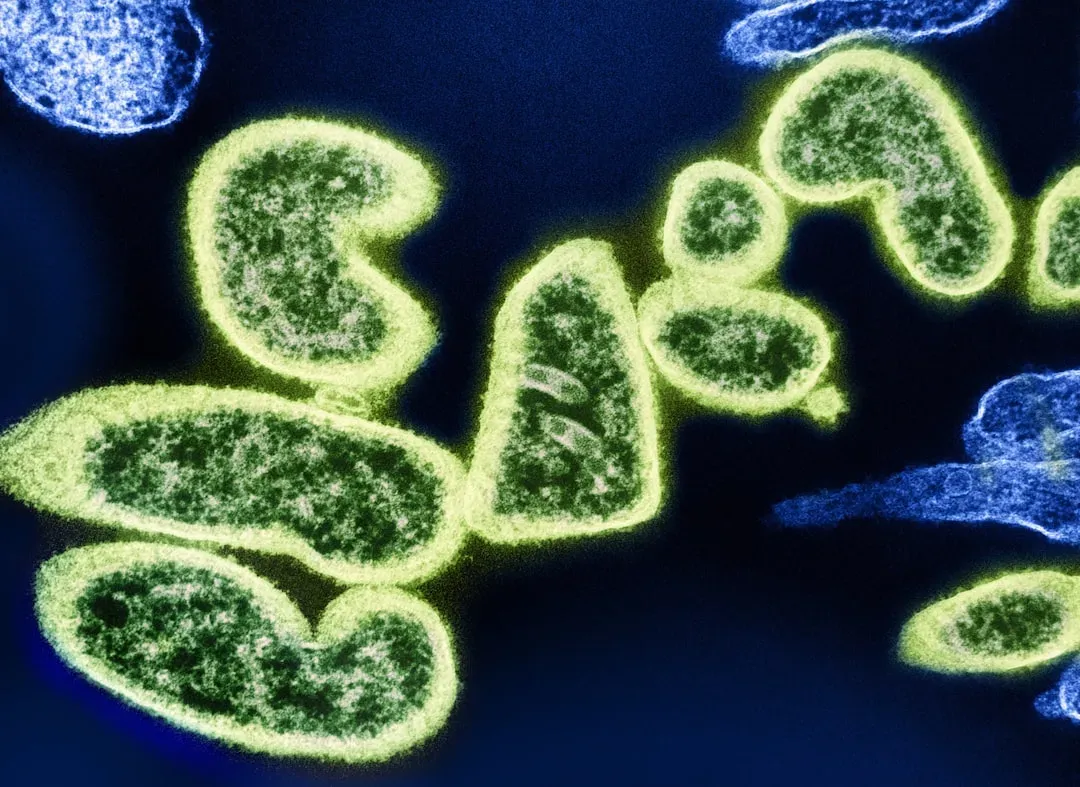
Most conversations about antibiotic resistance focus on hospitals and pharmaceutical misuse, which makes complete sense. Those are real and serious contributors. Yet a growing body of research now suggests that environmental stress, particularly drought, may be quietly reshaping the microbial world in ways that favor resistant bacteria.
When soils dry out, the bacterial communities living within them undergo significant changes. Moisture loss creates stress conditions that can accelerate the exchange of genetic material between bacteria, including the genes that encode resistance to antibiotics. Think of it like a pressure cooker situation where bacteria are forced to adapt quickly or die, and the ones that survive are often the toughest ones.
What Happens to Bacteria When the Soil Dries Out
Soil is not just dirt. It’s a living ecosystem packed with billions of microorganisms, and those organisms are incredibly sensitive to changes in moisture levels. When drought hits, the physical and chemical environment of the soil shifts dramatically, creating a very different kind of neighborhood for bacteria to live in.
Under dry conditions, bacteria crowd together in smaller pockets of remaining moisture. This forced proximity dramatically increases the chances of horizontal gene transfer, which is essentially bacteria sharing genetic information with each other. When antibiotic resistance genes get passed around in this way, even bacteria that were never directly exposed to antibiotics can suddenly become resistant. It’s almost like sharing a cheat code between players in a game, except in this case the stakes are human lives.
The Role of Climate Change in Making Things Worse
Climate change is expected to make droughts more frequent, more intense, and longer lasting across large parts of the world. That’s not a fringe scientific opinion, it’s a well-established projection backed by decades of climate research. So if drought conditions genuinely accelerate antibiotic resistance in soil bacteria, then climate change becomes a direct amplifier of the superbug crisis.
It’s hard to say for sure exactly how large the effect will be, but the trajectory is genuinely concerning. Regions that already face water scarcity, across parts of Africa, the Middle East, southern Europe, and the American Southwest, could become hotspots not just for food insecurity and displacement, but for the silent spread of resistant microbial strains. Two crises, feeding each other. That’s a deeply uncomfortable thought.
How Resistant Bacteria Move From Soil to Humans
Some people might wonder how bacteria living in dry soil end up posing a threat to people. It’s a fair question. The pathway is less direct than a sneeze, but it’s surprisingly well-established in the scientific literature.
Resistant bacteria can travel through dust particles blown by wind, through contaminated water sources, and through the food chain when crops are grown in affected soils. Livestock grazing on drought-stressed land can ingest resistant bacteria and carry those strains into the food supply. Farmers and agricultural workers are often the first to be exposed. From there, the spread can reach far wider communities, especially in regions where agricultural practices and human settlements are closely intertwined.
The Evidence Behind the Research
The research flagging this connection isn’t based on speculation. Studies analyzing soil samples across different moisture conditions have found measurable differences in the abundance and diversity of antibiotic resistance genes depending on how dry the environment is. Drier soils consistently show elevated levels of certain resistance markers compared to well-moistened soils.
Researchers have also looked at what happens when drought conditions are experimentally simulated in controlled environments, and the results align with what has been observed in natural field settings. The consistency across both lab and real-world data adds considerable weight to the hypothesis. This isn’t a fringe finding, it’s a pattern that’s showing up in multiple independent research efforts, which is exactly the kind of evidence that should make policymakers pay attention.
Why This Connection Has Been Overlooked for So Long
Let’s be real, the world of antibiotic resistance research and the world of climate science don’t always talk to each other as much as they should. These disciplines have historically operated in separate silos, with microbiologists focused on bacterial genetics and climate scientists focused on atmospheric and ecological modeling. The overlap between them is still a relatively young area of study.
There’s also the issue of visibility. The superbug crisis feels immediate and tangible when someone you know gets a resistant infection. Drought feels like a weather problem. Connecting the two requires a kind of interdisciplinary thinking that is genuinely difficult to sustain in research institutions that tend to reward specialization. I think that’s a structural problem as much as a scientific one, and it’s one of the reasons this particular threat has stayed under the radar for so long.
What This Means for the Future of Public Health
The implications here are serious and they stretch well beyond microbiology labs. If climate-driven drought accelerates the spread of antibiotic resistance genes in the environment, then fighting superbugs will require environmental policies, not just medical ones. That is a significant shift in how the problem needs to be framed.
Public health agencies, climate policy bodies, and agricultural regulators may need to start working together in ways they never have before. Monitoring antibiotic resistance genes in soil and water systems, particularly in drought-prone regions, could become as important as tracking resistance in hospitals. The research is still evolving, but the warning signal is clear enough that ignoring it seems like exactly the wrong move.
A Conclusion That Should Make Us Rethink Our Assumptions
If there’s one thing this research makes clear, it’s that the superbug problem is bigger than anyone’s medicine cabinet or hospital ward. Antibiotic resistance is not just a medical issue. It’s an environmental issue, an agricultural issue, and increasingly, a climate issue.
We tend to think of crises as separate events we can tackle one at a time. Drought over here. Superbugs over there. But nature doesn’t respect those categories. These threats are woven together in ways we’re only beginning to understand, and the more we learn, the clearer it becomes that solving one requires taking the others seriously. The question worth sitting with is this: if drought has been quietly shaping the microbial world for years already, what else are we missing? What do you think? Share your thoughts in the comments below.
Jan loves Wildlife and Animals and is one of the founders of Animals Around The Globe. He holds an MSc in Finance & Economics and is a passionate PADI Open Water Diver. His favorite animals are Mountain Gorillas, Tigers, and Great White Sharks. He lived in South Africa, Germany, the USA, Ireland, Italy, China, and Australia. Before AATG, Jan worked for Google, Axel Springer, BMW and others.