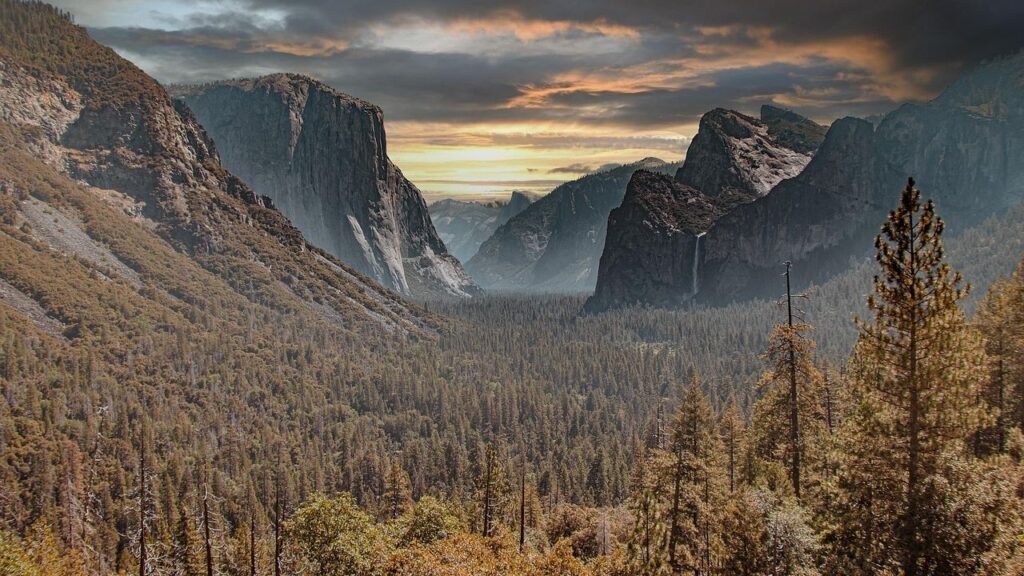

There’s something almost sacred about America’s national parks. Yellowstone’s geysers, the sweeping canyon walls of the Grand Canyon, the ancient redwoods standing tall in California’s fog. These places feel permanent, timeless, almost invincible. But here’s the thing – they’re not.
A growing body of research is now pointing to a deeply uncomfortable truth: the very places Americans treasure most are among the most vulnerable to the ravages of climate change. The findings are startling, and the implications stretch far beyond just a few scorched trees or flooded trails. Let’s dive in.
A System Built for a Climate That No Longer Exists
When the National Park Service was established in 1916, nobody was thinking about sea level rise or catastrophic wildfire seasons stretching across half a year. The parks were designed, managed, and staffed around a climate that, frankly, no longer exists in the same form. That’s a sobering starting point.
Research highlighted in a recent study makes clear that the entire national park system was essentially built on a set of environmental assumptions that are now being shattered. Rising temperatures, shifting precipitation patterns, and extreme weather events are rewriting the rulebook faster than park managers can adapt. It’s a bit like building a house on a foundation that’s slowly sinking – and only now noticing the cracks.
Which Parks Face the Greatest Threat?
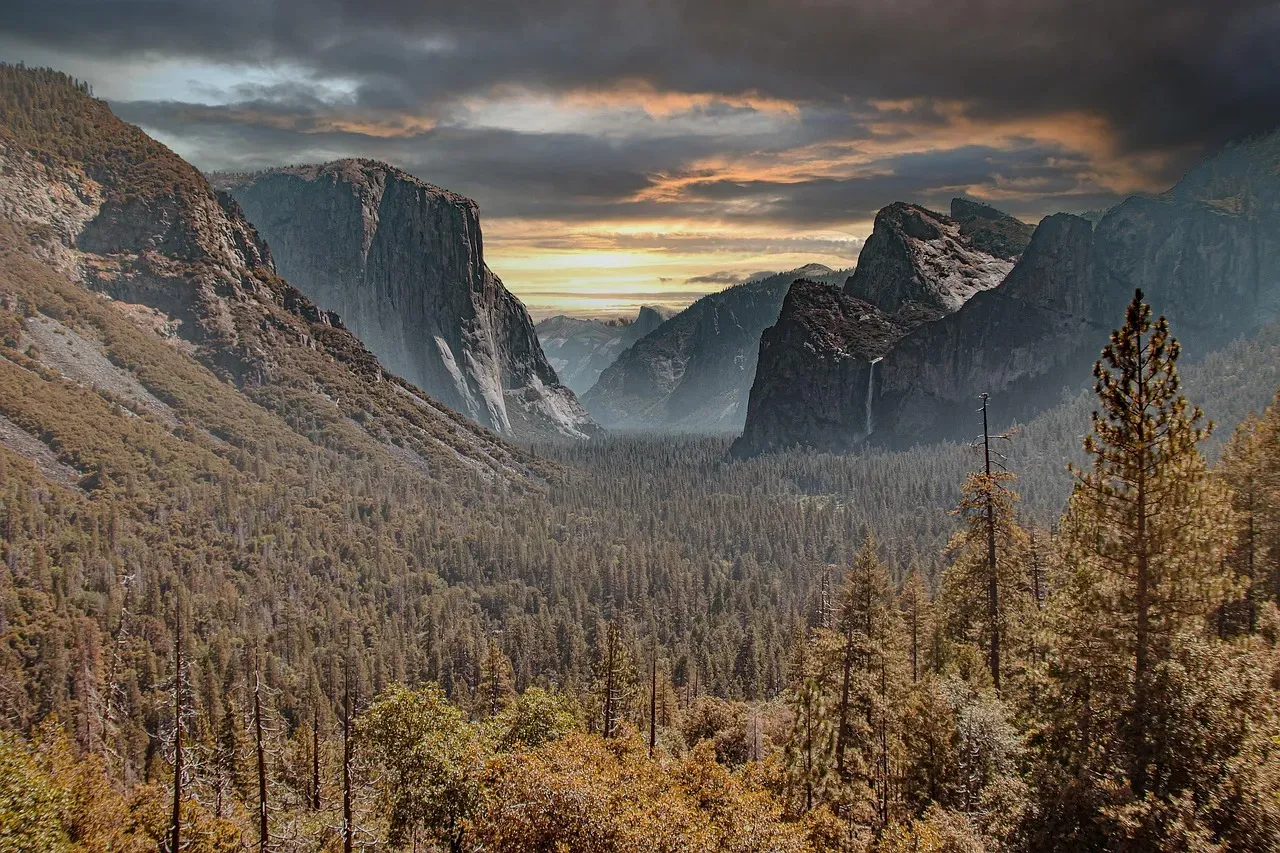
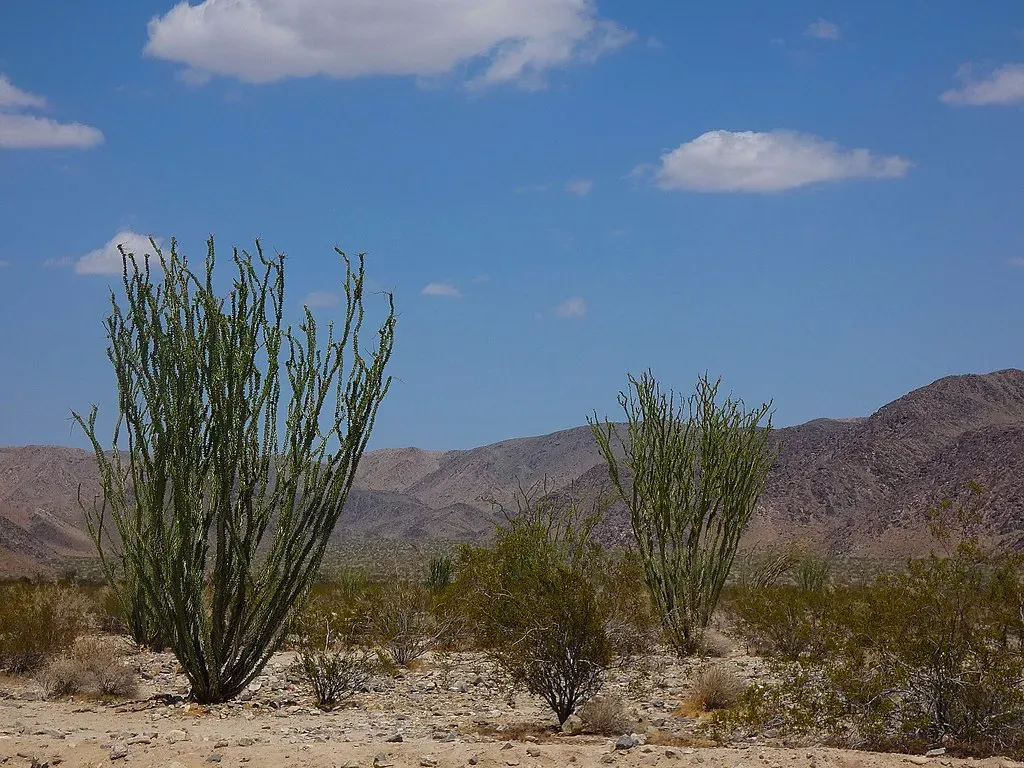
Not all parks are equally at risk, and that’s actually one of the more nuanced findings here. Coastal parks face surging seas and intensifying storms. Desert parks are cooking under record heat. Arctic and subarctic parks in Alaska are watching permafrost collapse beneath their feet. The diversity of threats is almost as vast as the park system itself.
Honestly, some of the most beloved parks sit at the intersection of multiple climate hazards simultaneously. Think about Everglades National Park dealing with saltwater intrusion while also absorbing the brunt of increasingly powerful hurricane seasons. Or consider how parks in the Pacific Northwest, once defined by their lush, rain-soaked forests, are now experiencing drought conditions and wildfire risk that would have seemed almost unthinkable two or three decades ago.
The Role of Human Visitation Making Things Worse
Here’s a layer people don’t always consider. Record visitation numbers at national parks in recent years are compounding climate stress in ways that are hard to untangle. More visitors means more foot traffic on fragile ecosystems, more vehicle emissions near sensitive habitats, and more pressure on infrastructure already strained by weather extremes.
The parks had record-breaking visitor numbers in recent years, with some welcoming tens of millions of people annually. That kind of foot traffic on landscapes simultaneously being hammered by drought, flooding, or wildfire creates a pressure-cooker situation. It’s a bit like trying to heal a wound while someone keeps picking at it.
Biodiversity at Serious Risk
Climate change isn’t just threatening the scenery. It’s threatening the very species that make these parks extraordinary. Many animals and plants within park boundaries have nowhere else to go, trapped by development on the outside and shifting conditions on the inside. Species migration is simply not an option for many of them.
Some of the most iconic wildlife in the park system, including grizzly bears, pikas, and certain trout species, are already showing measurable population stress tied to temperature and habitat changes. The pika is a particularly heartbreaking example. This small, high-altitude mammal cannot survive in warmer temperatures and has no higher ground to retreat to. When the mountain runs out, so does the pika.
Infrastructure Crumbling Under Pressure
Roads washing out. Trails eroding. Visitor centers flooding. The physical infrastructure of the national park system is taking a battering that years of deferred maintenance had already left it ill-equipped to handle. Climate change is essentially accelerating a crisis that was already quietly building.
The National Park Service faces a maintenance backlog estimated to be in the billions of dollars, and extreme weather events are piling new damage on top of old neglect. A single major flood or wildfire event can set back infrastructure by years, sometimes decades. It’s hard to feel optimistic when the system is already running so far behind.
Funding and Political Will Remain the Central Problem
Let’s be real for a second. The science is clear. The vulnerability is documented. The solutions, while complicated, are not a mystery. What’s missing is consistent, adequate funding and political commitment to treat national parks as the critical national assets they genuinely are.
Budget constraints have long limited the ability of park managers to implement adaptive strategies, hire sufficient staff, or conduct the kind of long-term ecological monitoring that would allow for smarter decision-making. Climate adaptation costs money, and sustained political will is just as important as dollars. Without both working together, even the best research in the world stays stuck on the page rather than shaping real action on the ground.
What the Future Could Look Like If Nothing Changes
Picture visiting Glacier National Park in thirty years and finding it renamed more honestly as Something That Used To Be Glacier National Park. That might sound dramatic, but glaciologists have been sounding this alarm for years. The glaciers are disappearing at a rate that shocks even seasoned researchers.
More broadly, scientists warn that without serious intervention, large portions of the national park system could become ecologically unrecognizable within the lifetimes of people alive today. That’s not a distant, abstract future. That’s a tomorrow being shaped by decisions made right now. The parks that define so much of American identity and pride are, in a very real sense, on a countdown clock.
A Nation’s Heritage Deserves More Than Lip Service
It would be easy to walk away from all of this feeling defeated. I think that would be the wrong response. The national park system has survived political battles, economic downturns, and resource crises before. Resilience is part of its story. Still, this moment feels genuinely different in scale and urgency.
What climate change demands is not panic but honest reckoning. The research is pointing a very clear finger at vulnerabilities that have been allowed to deepen for too long. A country that prides itself on its natural wonders owes those wonders more than inspirational Instagram posts and occasional park visits. It owes them serious, sustained, and courageous action. The question isn’t whether the parks are worth saving. The question is whether we’ll act in time to actually do it.
What do you think should be the first priority in protecting America’s national parks from climate change? We’d love to hear your thoughts in the comments.