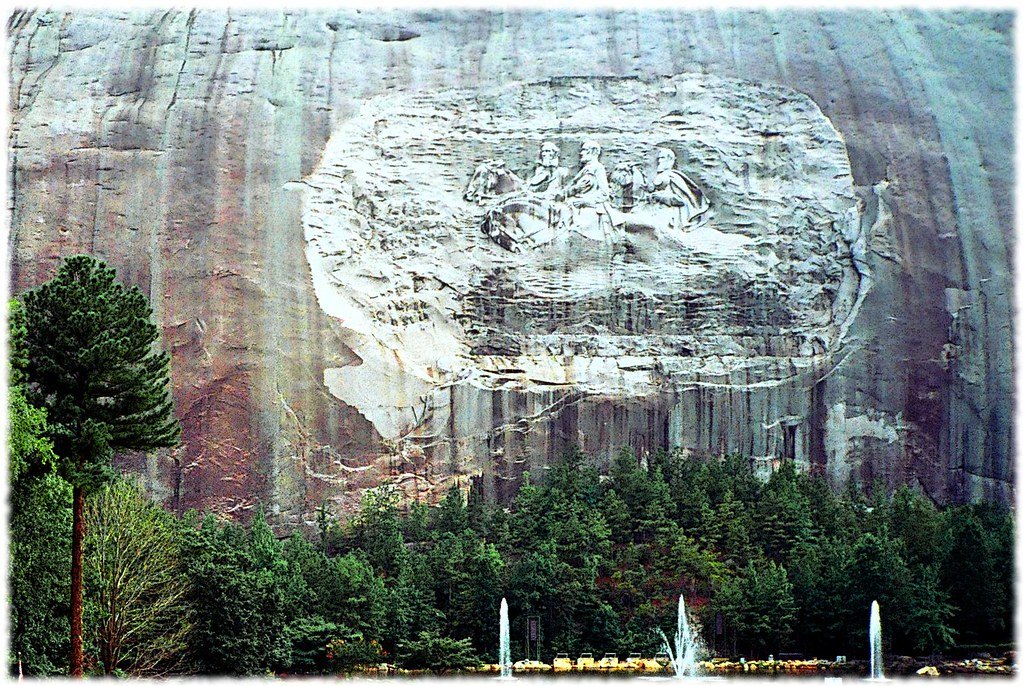

Stone Mountain looms over Georgia’s landscape like a silent witness to history, its gray granite face carved with figures that spark fierce debate even today. Imagine standing at the foot of this colossal rock, feeling the weight of centuries pressing down through the stone. For some, it’s a place of natural wonder and geological marvel. For others, it’s a painful reminder of a fractured past, etched in the largest Confederate monument in the world. The story of Stone Mountain is not just about geology or art; it’s a tale of power, memory, and the turbulent currents of American identity. What secrets does this mountain hold, and how did it become a battleground for the soul of a nation?
A Giant Born From the Earth
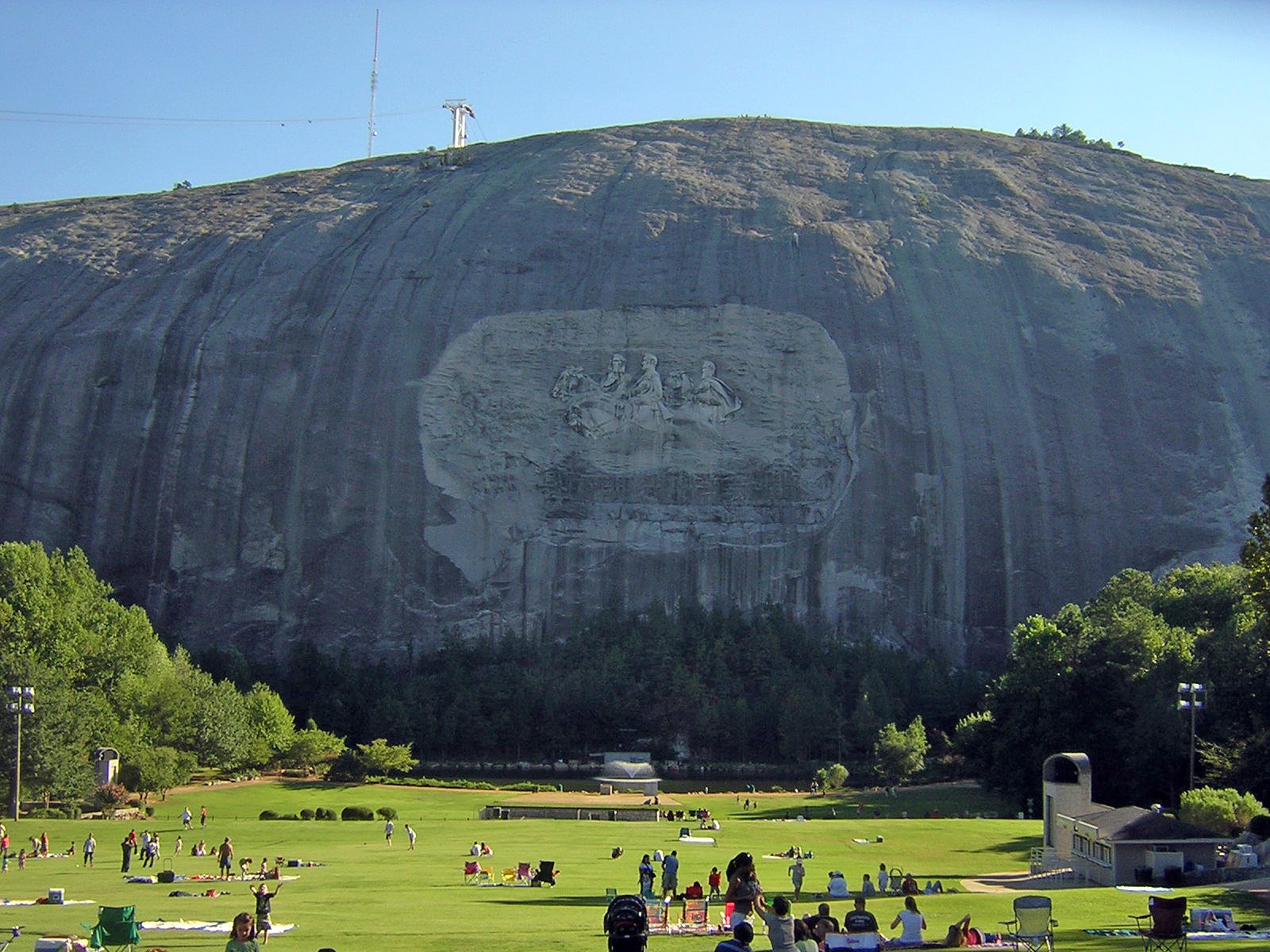
Stone Mountain is a monadnock, a solitary granite dome that rises almost 1,700 feet above sea level. Scientists estimate that it formed over 300 million years ago, long before humans set eyes upon it. The mountain’s smooth, rounded shape was created by the slow cooling of magma beneath the Earth’s surface, followed by millions of years of erosion. This ancient monolith is visible from miles away, standing out dramatically amid the rolling Georgia landscape. Nature lovers flock here to hike the trails, marvel at rare plants, and gaze at the panoramic views from the summit. Yet, beneath its natural beauty lies a story carved deep into its face—one that cannot be ignored.
The Largest Confederate Memorial Carving
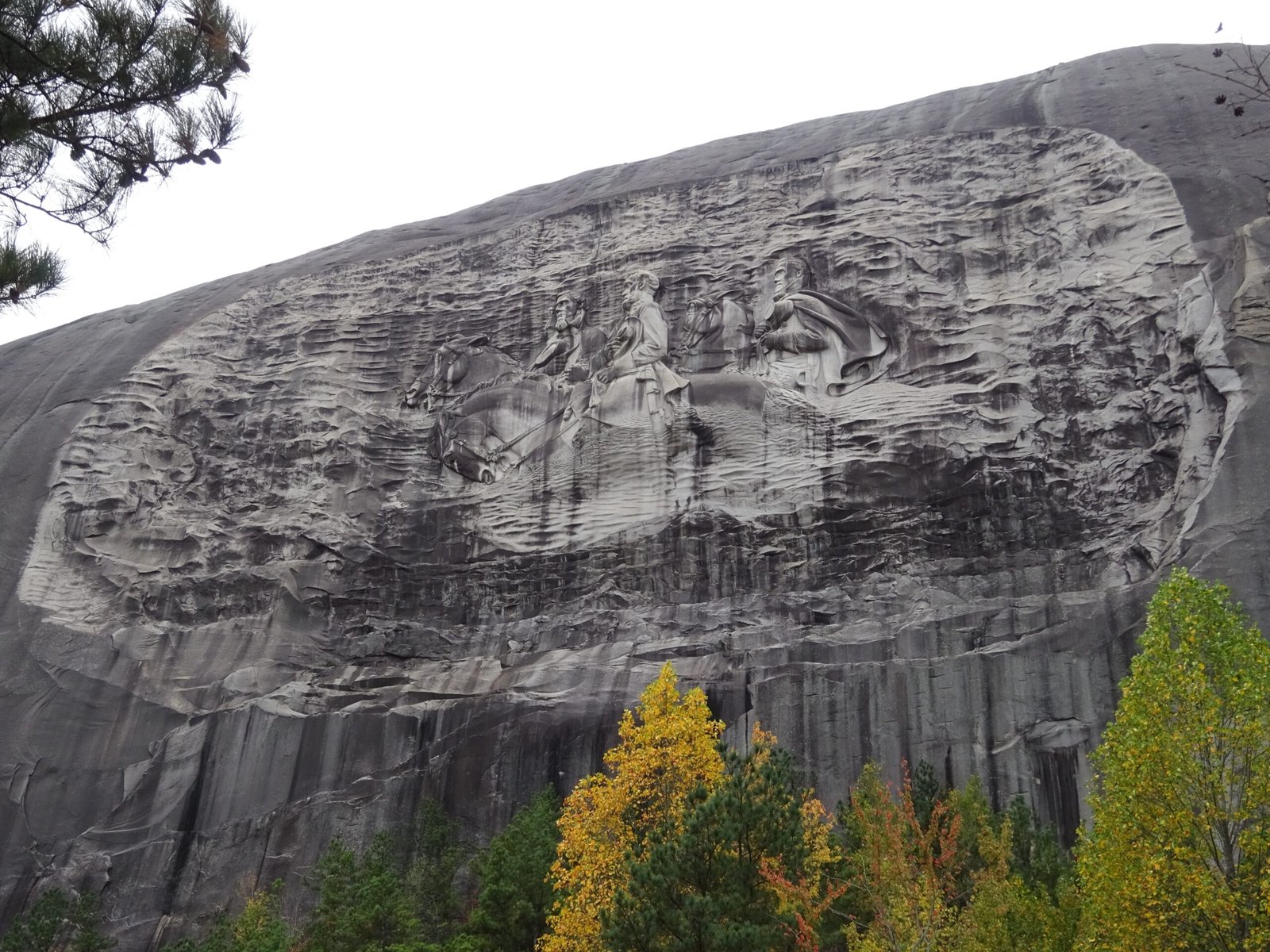
Stretching across three acres, the Stone Mountain carving is the largest bas-relief sculpture in the world. It depicts three Confederate leaders: Jefferson Davis, Robert E. Lee, and Stonewall Jackson, mounted majestically on horseback. The sheer scale of the sculpture is staggering—each figure is larger than the presidents on Mount Rushmore. This was no small artistic feat; it required decades of planning, design, and effort, with multiple artists and sculptors contributing over the years. Despite its technical brilliance, the monument’s subject matter has made it a flashpoint for controversy, symbolizing very different things to different people.
Confederate Roots and Lost Cause Mythology
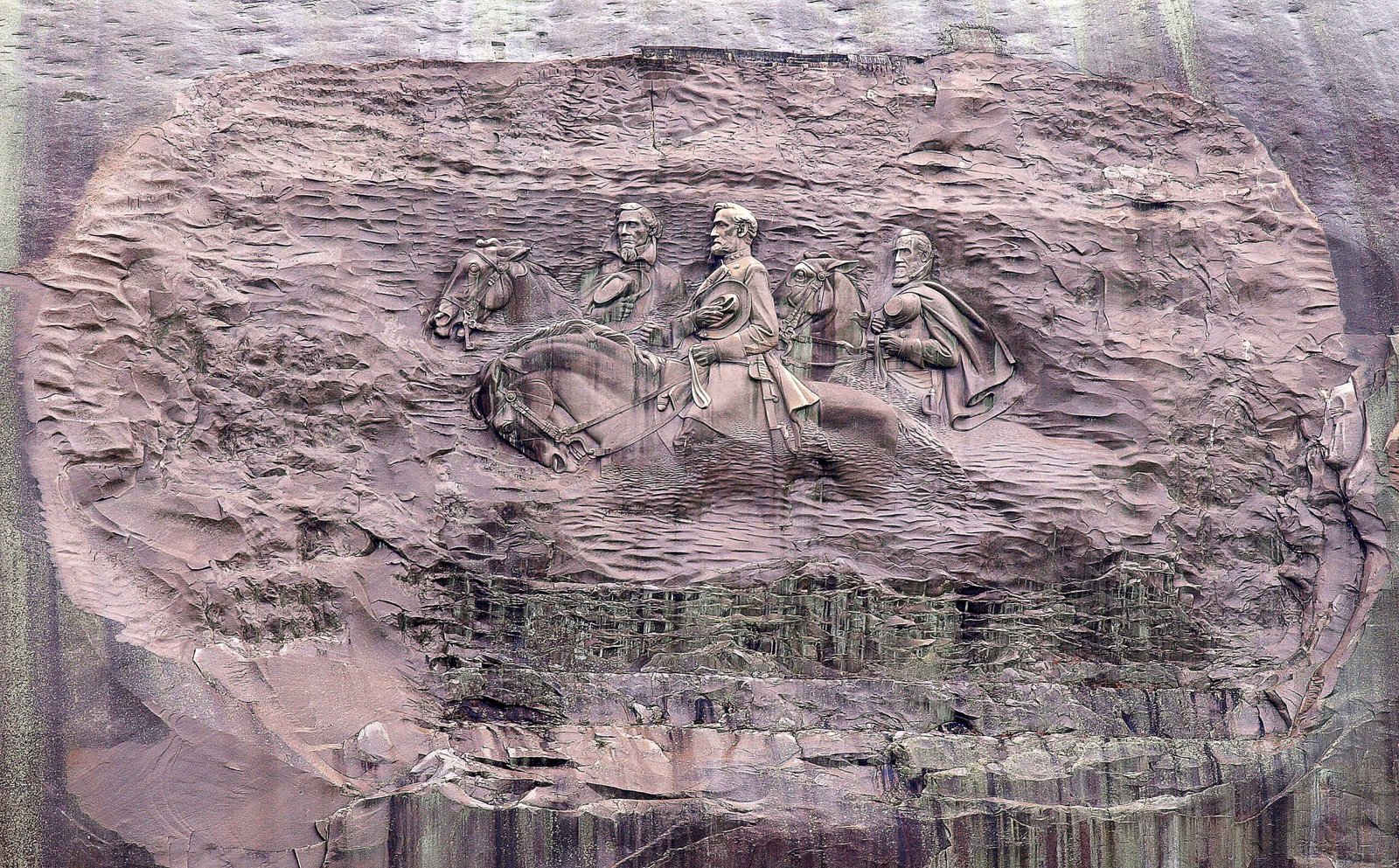
The idea to carve a Confederate memorial into Stone Mountain was first proposed in 1914, as part of a wave of Southern nostalgia for the “Lost Cause” narrative. This movement sought to romanticize the Confederacy and rewrite the history of the Civil War, framing it as a noble struggle for states’ rights rather than a fight to preserve slavery. Fundraising for the monument was led by groups like the United Daughters of the Confederacy, who wanted to create a lasting tribute to their ancestors. The choice of Stone Mountain was deliberate—a place that could not be ignored, a literal and figurative monument to the Confederacy’s enduring shadow.
Stone Mountain and the Ku Klux Klan
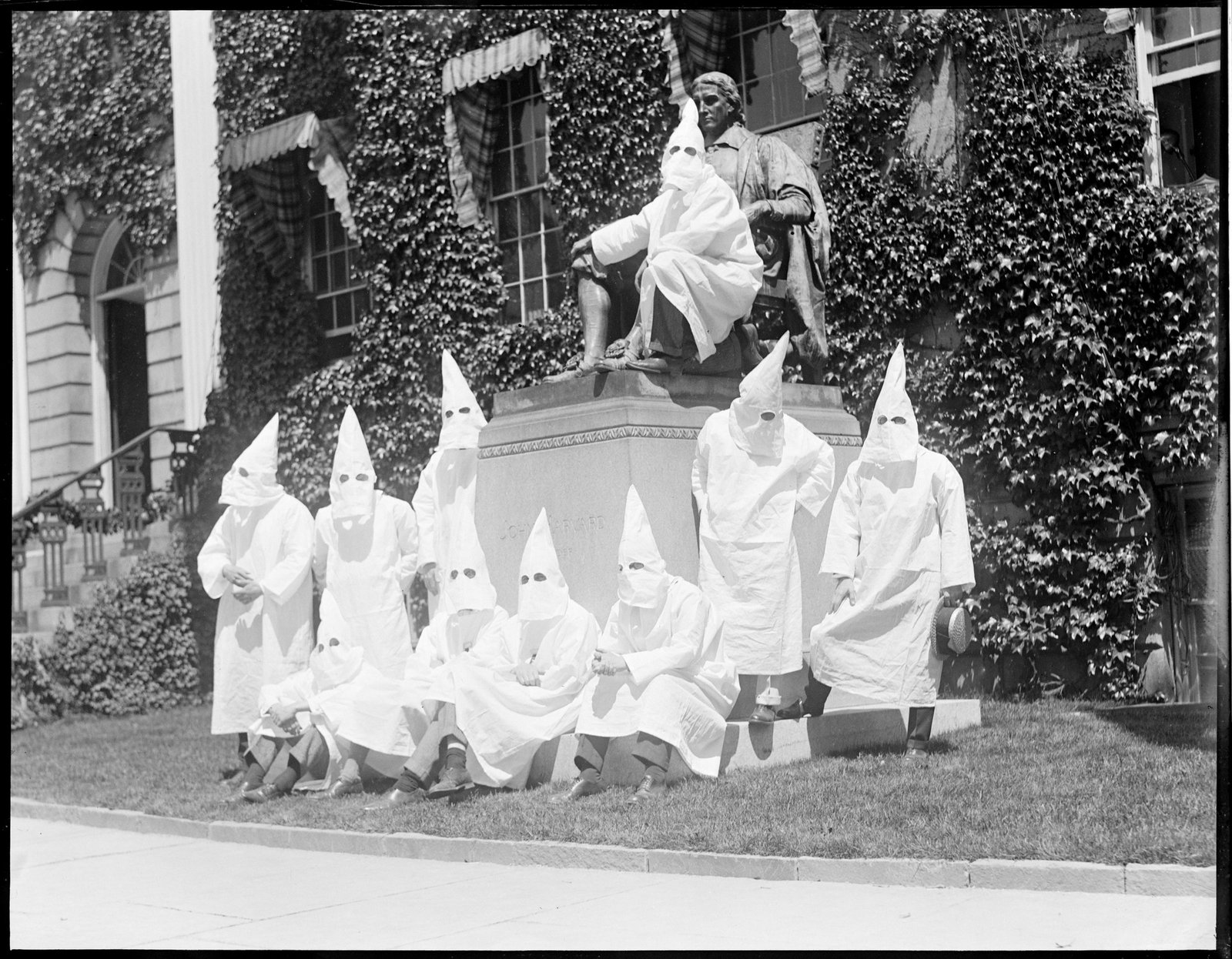
Stone Mountain’s history is inseparable from the resurgence of the Ku Klux Klan in the early twentieth century. In 1915, the Klan was dramatically reborn atop the mountain, with a midnight cross-burning ceremony that shocked the nation. The site became a sacred gathering place for the Klan, and the organization played a significant role in fundraising for the carving. For decades, Stone Mountain was synonymous with white supremacy, and Klan rallies were held at its base well into the late twentieth century. The mountain’s legacy became intertwined with terror and intimidation, casting a long shadow over its cultural significance.
The Artists Behind the Monument
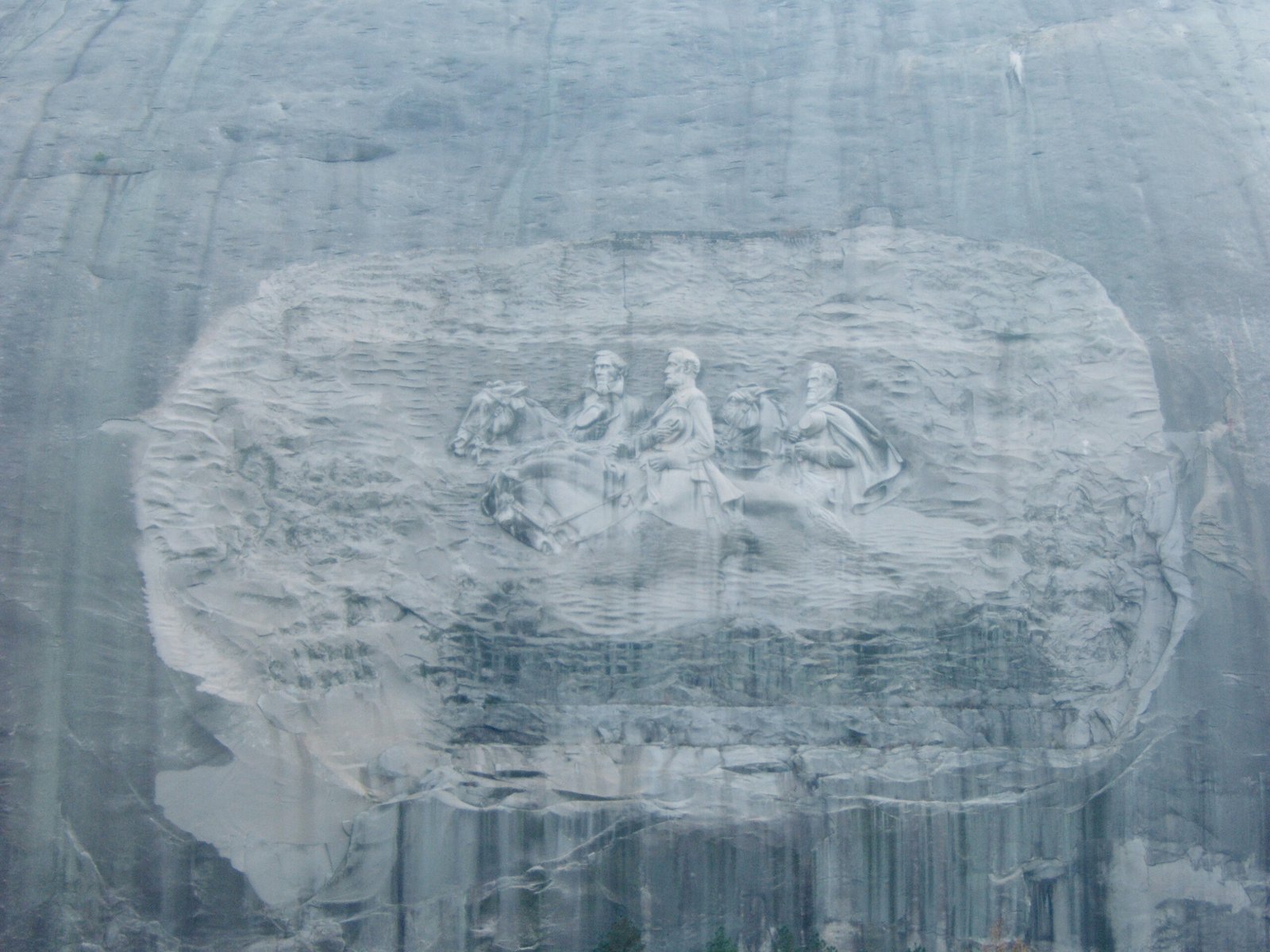
The creation of the Stone Mountain carving was anything but a simple artistic endeavor. The first sculptor, Gutzon Borglum, would later go on to carve Mount Rushmore but left the project after disputes with organizers. He was followed by Augustus Lukeman and eventually by Walker Hancock, each bringing their own vision and technique to the monumental task. The work was interrupted by wars, funding crises, and political infighting, and it wasn’t completed until 1972—almost 60 years after it was first conceived. The story of the artists is one of ambition, conflict, and the struggle to bring a controversial vision to life.
A Site of Natural Wonders
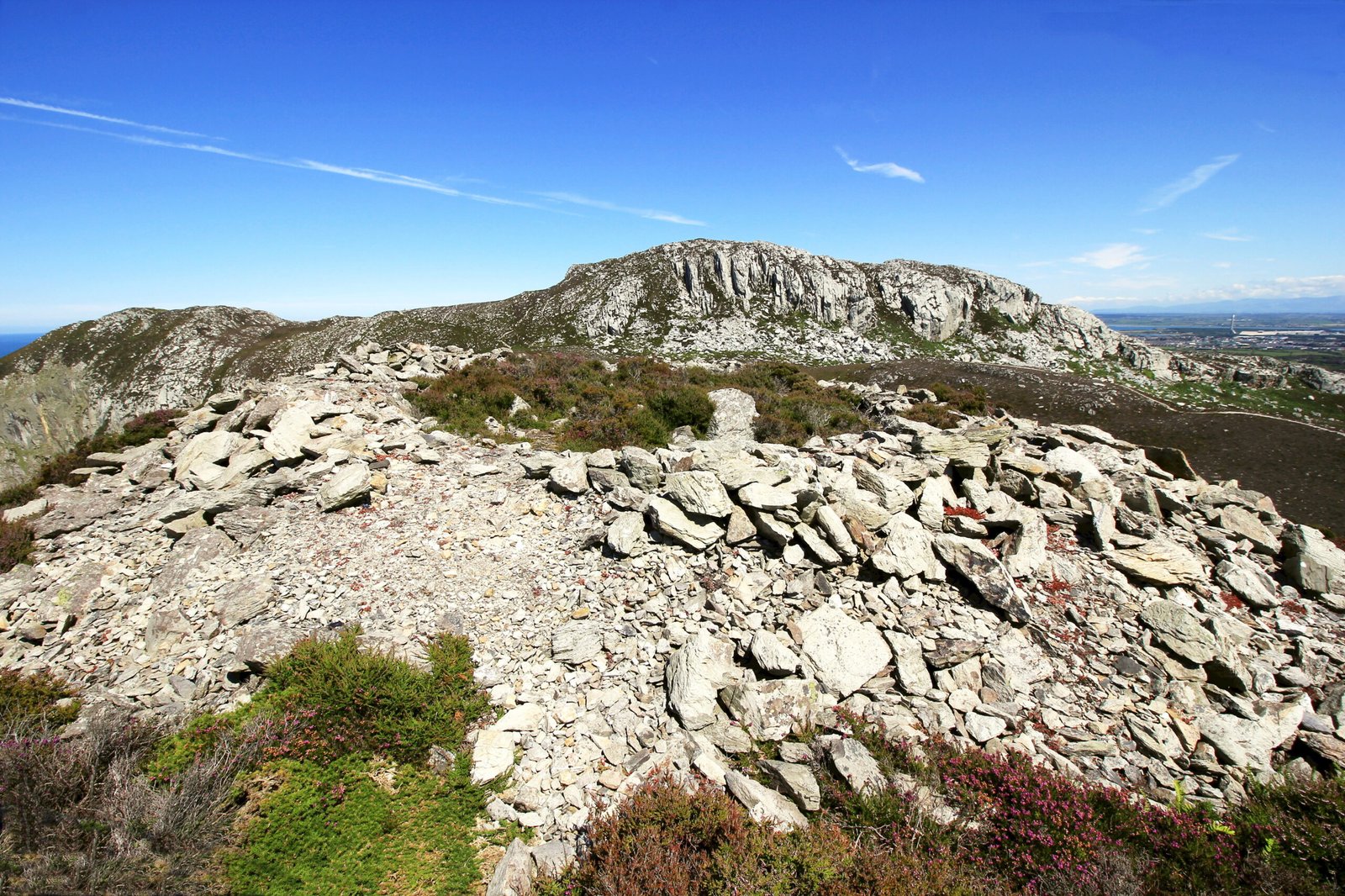
Despite its troubled history, Stone Mountain is also a haven for biodiversity. Rare plants such as the Confederate daisy and the granite stonecrop cling to its sunbaked slopes, thriving in cracks where little else can survive. The mountain is home to a unique ecosystem, supporting birds, reptiles, and insects that have adapted to its harsh environment. Hikers and naturalists are often surprised by the resilience of life here, where delicate blossoms can be found blooming against the granite. This intersection of natural and human history makes Stone Mountain a place of paradox—a landscape where beauty and pain coexist.
Modern-Day Controversy and Protests
In recent years, Stone Mountain has become a focal point for protests and heated debate. Many see the carving as a glorification of white supremacy and a painful reminder of slavery and segregation. Calls for its removal or alteration have grown louder, especially in the wake of nationwide movements for racial justice. Counter-protesters, however, argue that the monument is a part of Southern heritage and history. Demonstrations, marches, and heated town hall meetings have become common, turning the mountain into a stage for the ongoing struggle over America’s past and future.
Tourism, Economy, and Local Impact
Stone Mountain Park is one of Georgia’s most visited attractions, drawing millions of tourists each year. The park offers hiking trails, a scenic railroad, and family-friendly events, providing a significant boost to the local economy. Yet, the presence of the Confederate carving has also led to boycotts and lost business, as organizations and conventions choose to avoid the site. Local residents and business owners are often caught in the middle, balancing economic benefits with the moral and cultural costs of hosting such a controversial landmark.
Efforts for Reinterpretation and Education
Recognizing the need for change, some leaders have proposed ways to reinterpret Stone Mountain’s history without erasing it. Educational exhibits, guided tours, and public discussions aim to place the monument in a broader context, acknowledging both its artistic achievements and painful legacy. Efforts are underway to tell the stories of enslaved people and civil rights struggles in the region, turning the mountain into a place of learning and reflection. These initiatives strive to bridge the divide, fostering dialogue rather than confrontation.
The Future of Stone Mountain

The fate of Stone Mountain remains uncertain. Some advocate for removing or altering the carving, while others insist it should remain untouched as a record of history—however painful. Lawmakers and local officials are under increasing pressure to find a solution that balances heritage with respect for all citizens. The debate is far from settled, and the mountain continues to provoke strong emotions on all sides. As society evolves, so too does the meaning of Stone Mountain, ensuring that its story is far from over.
Stone Mountain stands as a testament to the complexities of American history—its grandeur and its scars. This towering monument, born from ancient earth and shaped by human hands, forces us to confront uncomfortable truths about our past and consider what kind of legacy we wish to leave behind. What does Stone Mountain mean to you?