In the misty shadows of British Columbia’s ancient forests, a ghostly figure moves with silent grace. Its white fur glows against the emerald moss and towering cedar trees, giving the impression of a spirit gliding through the wilderness. This is the Kermode bear, more commonly known as the “spirit bear”—a living marvel and a symbol of natural wonder. The Great Bear Rainforest, home to these mystical creatures, is a place where legend, science, and nature collide. The story of the spirit bear is one of rare genetic magic, deep cultural reverence, and the fragile beauty of an ecosystem like no other.
The Enigmatic Kermode Bear: More Than Just a White Bear
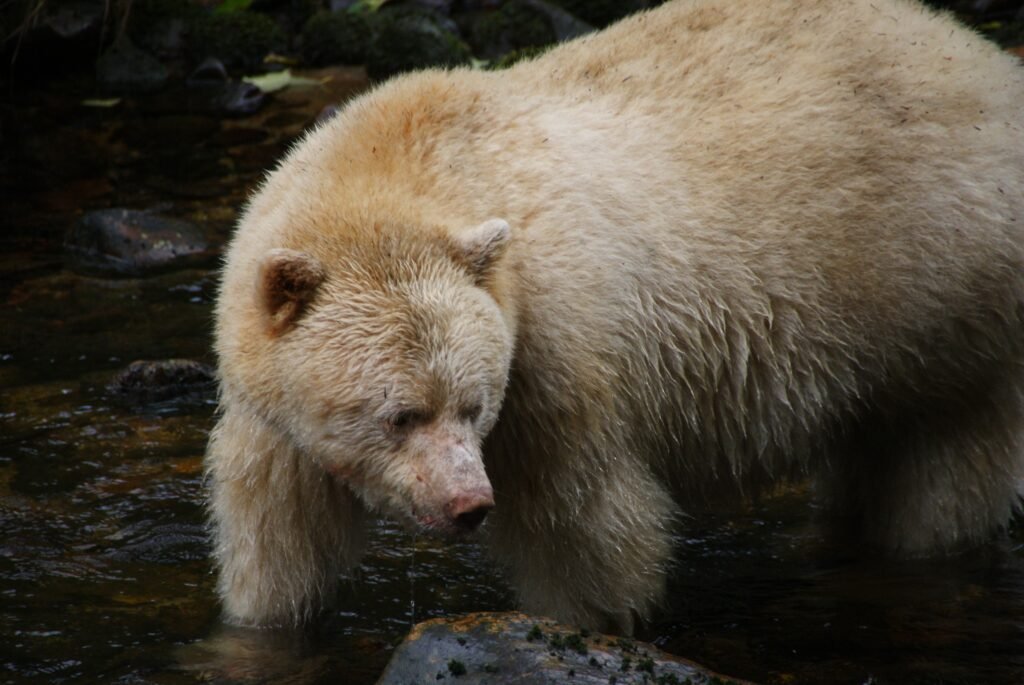
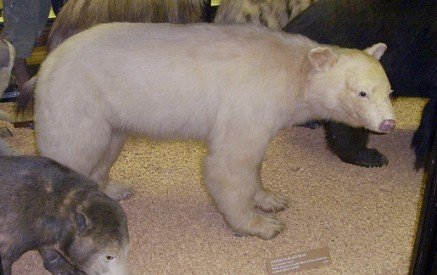
The spirit bear, or Kermode bear, is not an albino, nor is it a separate species. In fact, it is a rare subspecies of the North American black bear (Ursus americanus kermodei). What truly sets it apart is a unique genetic twist. A simple recessive gene causes some of these bears to be born with creamy white fur instead of the usual black. This phenomenon is astonishingly uncommon—only about one in ten Kermode bears carries this genetic trait. Their pale coats make them a breathtaking sight, almost as if nature herself wanted to create something extraordinary amid the green shadow of the rainforest.
The Science Behind the White Coat: A Genetic Anomaly
The secret to the spirit bear’s color lies in a single gene known as MC1R. This gene affects pigmentation, and when both parents carry the recessive variant, their offspring can be born with the iconic white fur. Interestingly, these bears are not albino—they retain dark eyes and noses, further distinguishing them from true albinos. Geneticists have marveled at how such an unusual trait persists in the wild, given that it could make the bears more visible to predators. Yet, in the dense, misty rainforest, their pale fur can act as camouflage among the filtered sunlight and fog, demonstrating nature’s unpredictable ingenuity.
A Land of Giants: The Great Bear Rainforest
Stretching over 6.4 million hectares along the Pacific coast of Canada, the Great Bear Rainforest is one of Earth’s last untouched temperate rainforests. Here, ancient cedars and hemlocks rise like cathedral columns, sheltering a web of life that feels almost primordial. The rainforest’s unique combination of climate, geography, and biodiversity creates a refuge for countless species, from salmon to wolves to eagles. In this living tapestry, the spirit bear stands as a symbol of the rare and remarkable, embodying the heart and soul of the land itself.
First Nations and the Sacred Spirit Bear
For thousands of years, Indigenous peoples—including the Gitga’at, Kitasoo/Xai’xais, and Tsimshian—have revered the spirit bear as sacred. Known as “Moksgm’ol” in the Tsimshian language, the bear is woven into stories, ceremonies, and cultural traditions. Many believe the spirit bear was created as a reminder of the last ice age, teaching respect for both the land and its creatures. This deep cultural bond has inspired conservation efforts, with First Nations leading the fight to protect both the bears and their habitat. The spirit bear is not just a genetic wonder—it is a living legend, carrying the wisdom and spirituality of an entire people.
The Role of Salmon: A Delicate Balance
Salmon are the lifeblood of the Great Bear Rainforest, nourishing not just spirit bears but the entire ecosystem. Every autumn, salmon return to their birthplace streams, providing a feast for bears, wolves, and eagles. Spirit bears, it turns out, are expert fishers. Their white fur may even give them an advantage—salmon are less likely to spot them against the bright sky, making it easier for these rare bears to catch their slippery prey. The link between salmon and spirit bears is an exquisite example of how interconnected life is in this wild corner of the world.
Threats to a Living Miracle
Despite their near-mythical status, spirit bears face serious threats. Logging, habitat loss, and climate change are all pressing dangers to the Great Bear Rainforest. Even small disruptions can have massive consequences in such a delicate ecosystem. Industrial development, oil pipelines, and overfishing all threaten the salmon runs that spirit bears depend on. Conservationists and local communities work tirelessly to defend this ancient land, but the struggle is ongoing. The spirit bear’s survival hangs in the balance, a stark reminder of how easily wonders can vanish.
Conservation Efforts: Hope on the Horizon
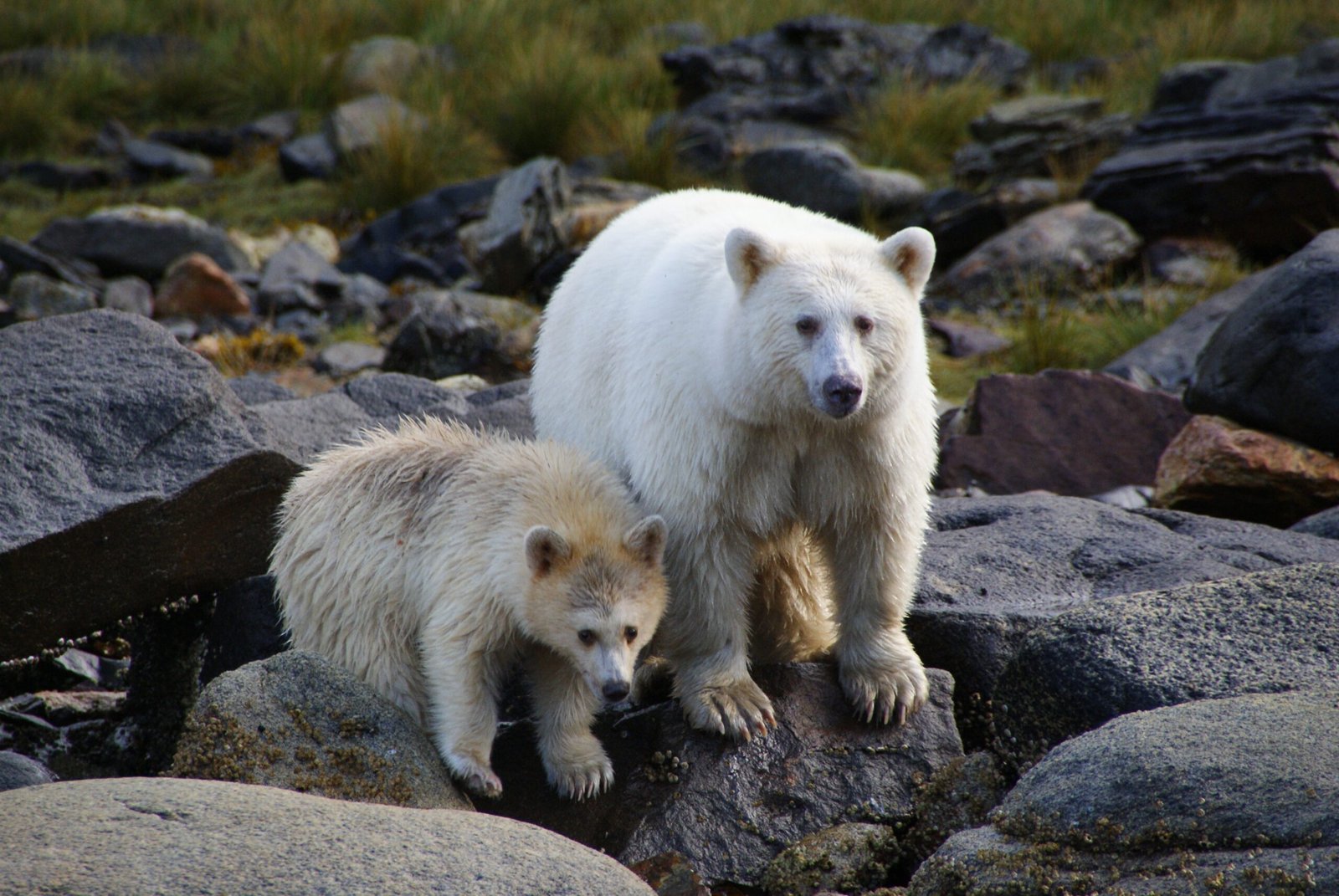
The story of the spirit bear is also one of hope and resilience. In recent decades, Indigenous stewardship and conservation partnerships have led to groundbreaking victories. Large swathes of the Great Bear Rainforest are now protected from logging and development. Eco-tourism, guided by local First Nations, provides sustainable income while raising awareness about the spirit bear’s plight. These efforts showcase what can be achieved when science, tradition, and activism join forces. The spirit bear’s continued existence is a testament to the power of community and the enduring value of nature.
The Spirit Bear in Popular Culture and Myth
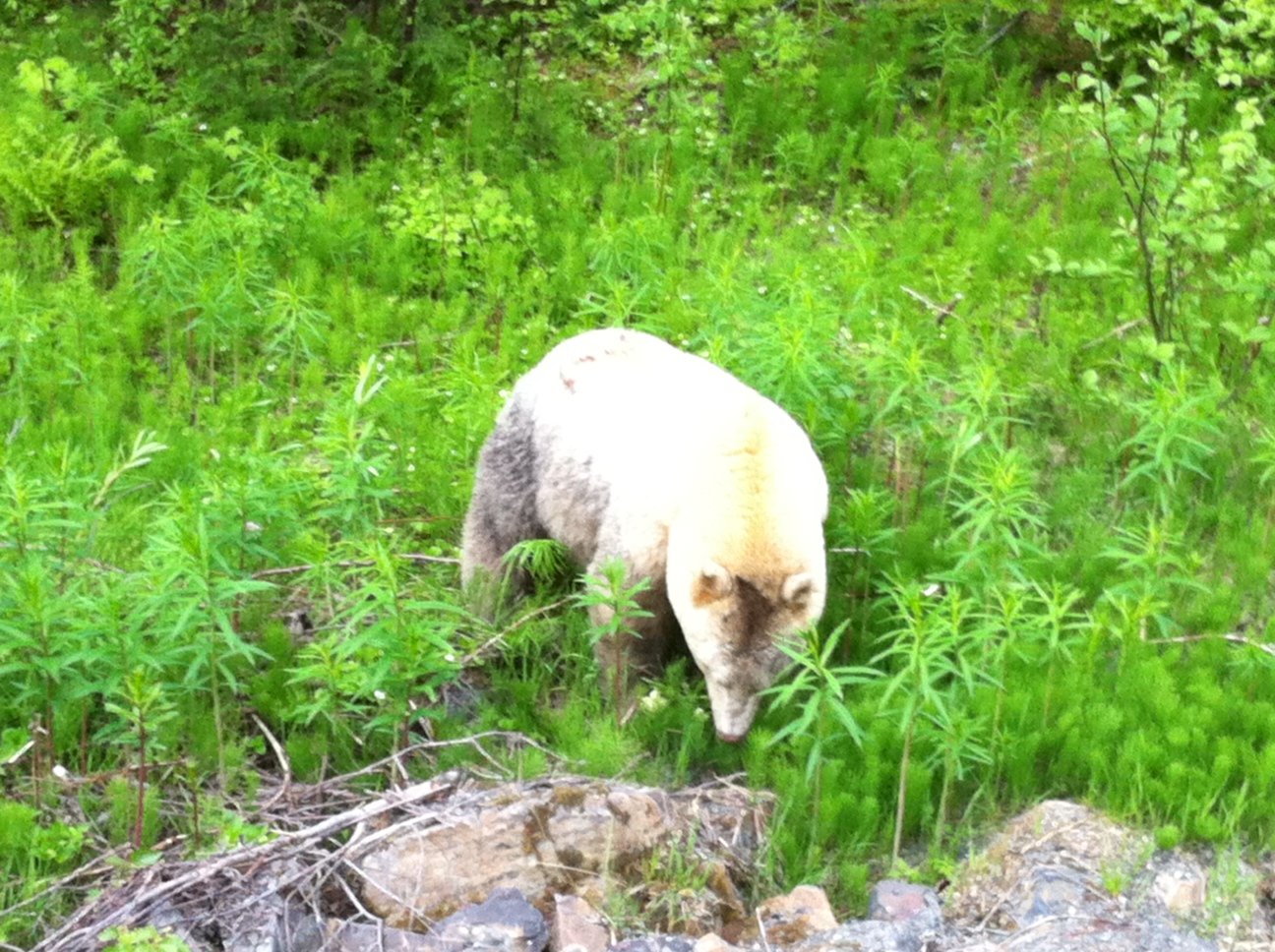
The spirit bear has captured imaginations far beyond its rainforest home. It appears in books, documentaries, and even children’s stories, often symbolizing mystery, resilience, and hope. Its ghostly appearance and elusive nature have inspired countless legends. For many, seeing a spirit bear is a life-changing experience—an encounter with the sublime that lingers in memory. Through art and storytelling, the spirit bear has become an ambassador for wilderness preservation, reminding us of the magic that still exists on our planet.
The Importance of Biodiversity in the Rainforest
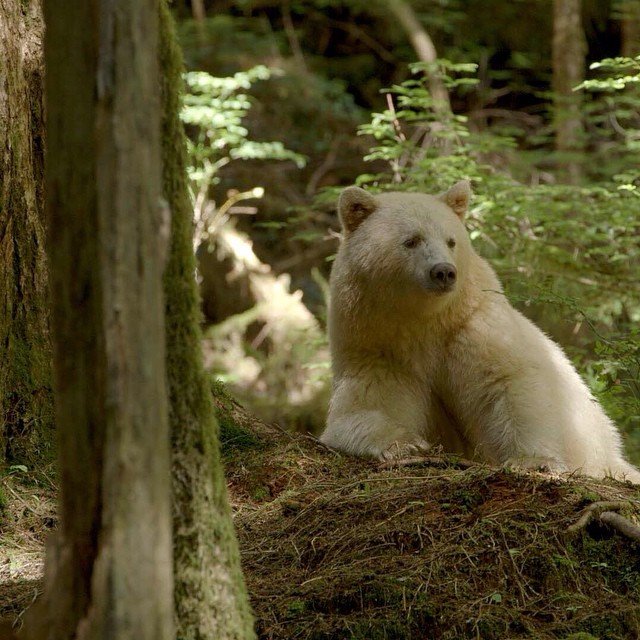
The Great Bear Rainforest’s astonishing biodiversity is what allows the spirit bear and so many other species to thrive. Every creature, from the tiniest insect to the grandest tree, plays a role in maintaining the forest’s balance. This intricate web of life means that even small changes can set off a cascade of effects, for better or worse. Protecting the spirit bear means protecting an entire ecosystem. It’s a powerful reminder that our actions ripple far beyond what we can see, affecting creatures and landscapes we may never know.
Visiting the Home of the Spirit Bear
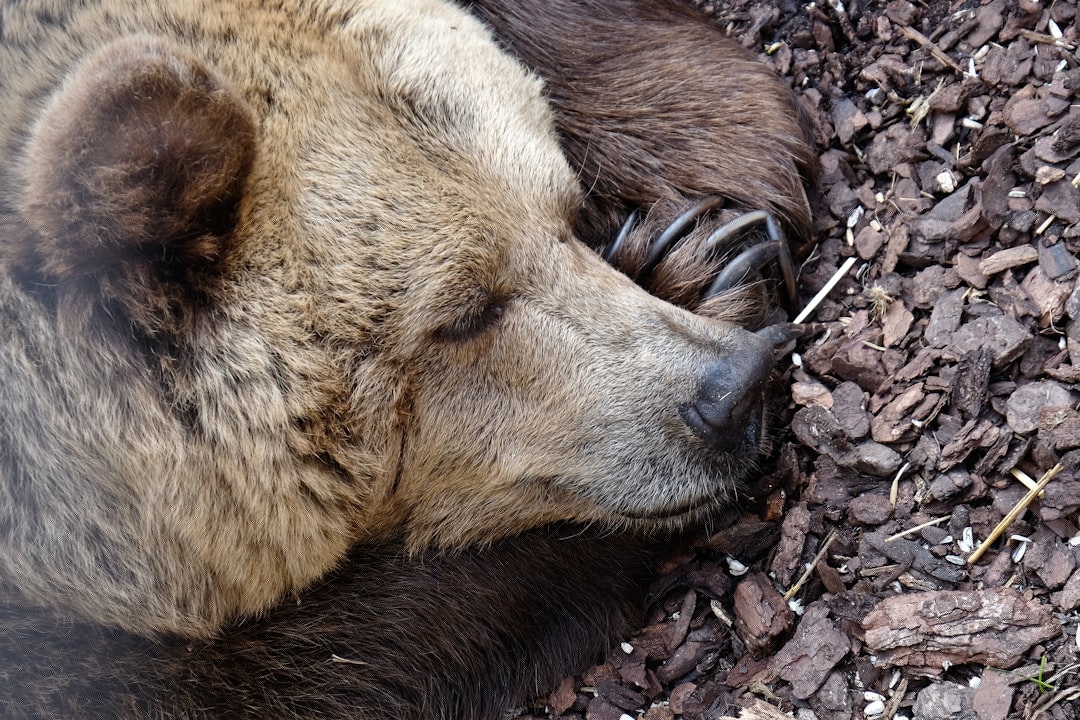
For those lucky enough to visit the Great Bear Rainforest, the experience is nothing short of magical. Guided tours led by Indigenous experts offer a chance to glimpse a spirit bear in the wild—a moment that can feel both surreal and deeply humbling. Visitors can also learn about the rainforest’s ecology and First Nations culture, gaining a deeper appreciation for both the land and its people. Responsible eco-tourism supports conservation efforts and ensures that the spirit bear’s story continues to inspire awe in generations to come.
The Spirit Bear as a Symbol of Nature’s Wonders
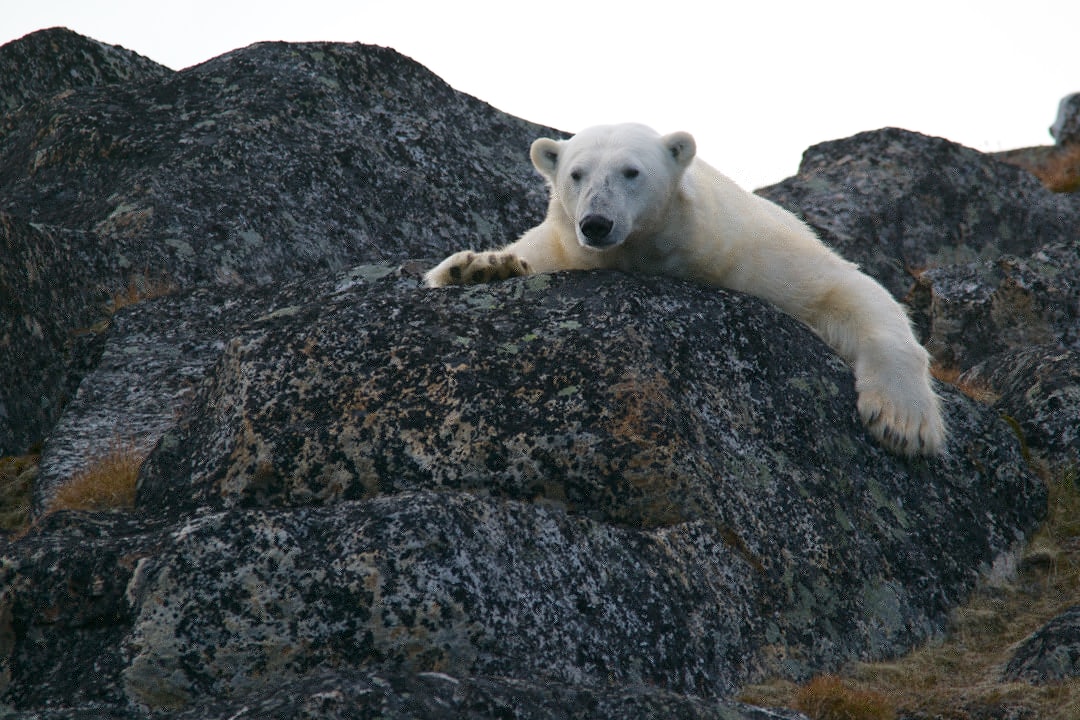
The spirit bear stands as a powerful symbol of the wonders that nature can create when left undisturbed. Its existence relies on a delicate balance of genetics, ecology, and human respect. The spirit bear’s story is a call to cherish and defend the precious places that still harbor life’s great mysteries. Can we rise to the challenge of protecting these living miracles for the future?