
Overcoming Decades of Population Drops (Image Credits: Unsplash)
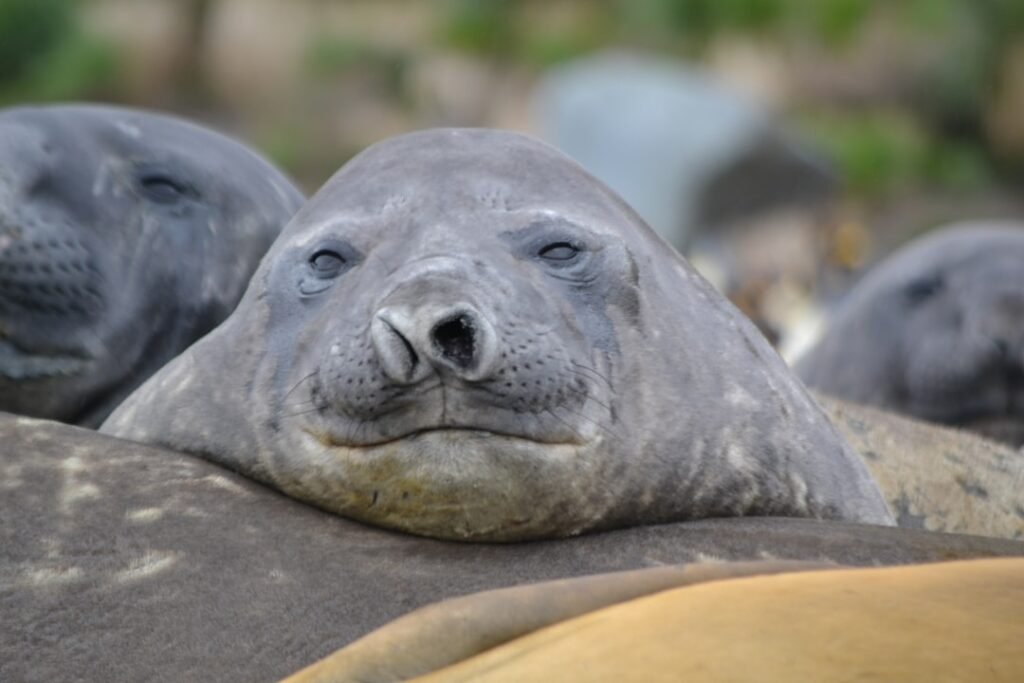
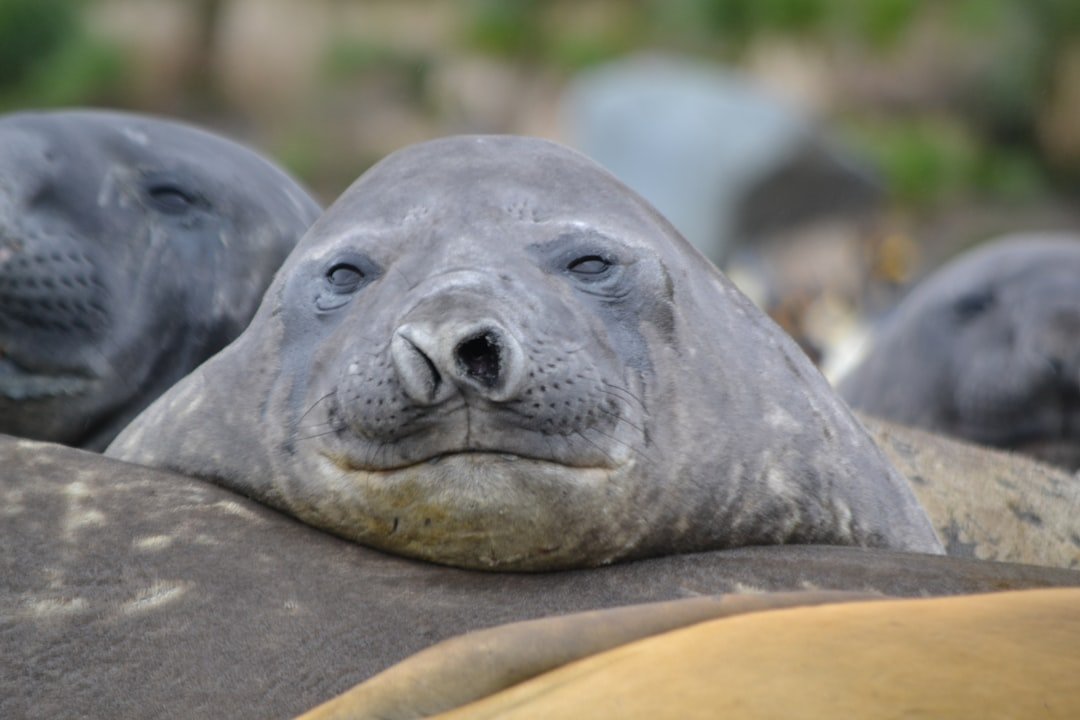
South Africa – Southern elephant seals have transitioned from near threatened to least concern in the latest regional assessment, highlighting effective protections on remote sub-Antarctic breeding grounds.[1][2]
Overcoming Decades of Population Drops
Populations at Marion Island suffered an 83% decline between 1951 and 1994, reaching a low of 421 pups in 1997.[2] The drop accelerated with a 37% reduction from 1986 to 1994, prompting an endangered listing in 2004.[2] Researchers attributed the downturn largely to food shortages, though exact causes remained elusive.
Recovery signs emerged soon after. Pup numbers climbed 33% to 552 by 2015 on Marion Island alone, signaling a maturing population of around 1,740 individuals there.[2] Across Marion and Prince Edward islands, the total reached about 5,500 seals by 2023, up from 3,000 in 2016, with nearly 1,400 pups born that year.[1] This rebound underpinned the 2025 Mammal Red List update by the Endangered Wildlife Trust and South African National Biodiversity Institute.
Key Factors Behind the Local Success
Absence of major threats over the past 40 years proved pivotal. Breeding colonies faced no rapid declines, thanks to their isolation far from human activity.[1] South Africa’s Seabirds and Seals Protection Act of 1973 and marine protected area designations shielded haul-out sites on sandy beaches and tussock grasslands.
Gene flow between islands further bolstered resilience, as seals moved between Marion and Prince Edward, maintaining diversity.[1] Ongoing monitoring through annual pup censuses provided critical data, even with limited access to Prince Edward Island.
- Legal safeguards under national environmental laws
- Remote sub-Antarctic location minimizing human impact
- Minimal fishery entanglements or prey competition
- Stable ocean conditions supporting foraging migrations
- Inter-island movement enhancing genetic health
Global Trends Paint a Patchier Picture
The International Union for Conservation of Nature rated southern elephant seals as least concern globally in 2014, citing few conflicts with fisheries due to their distant habitats.[1][3] Mid-1990s estimates placed the worldwide total at 650,000, with stability across sub-Antarctic islands from South Georgia to Macquarie.
Challenges persisted elsewhere, however. Unexplained drops hit Indian and Pacific Ocean groups into the early 2000s, possibly from climate shifts or prey changes.[3] Recent bird flu outbreaks devastated colonies in Argentina, raising questions about the species’ overall status.[1]
Experts Weigh In on the Recovery
Tamanna Patel, Mammal Red List coordinator at the Endangered Wildlife Trust, emphasized the role of habitat protection. “This tells us that conservation and increased protection of species habitats can result in species recovery,” she stated.[1]
Nic Rawlence from the University of Otago expressed cautious optimism. He noted surprise at the downgrade given unresolved past declines but highlighted the ecosystem’s capacity to sustain growth, urging further research into climate and food dynamics.[1]
Key Takeaways
- South African population doubled to 5,500 since 2016, with 1,400 pups in 2023.
- No major threats in 40 years enabled the least concern upgrade.
- Global least concern status masks regional vulnerabilities like disease and climate effects.
Continuous vigilance remains essential. Multidisciplinary studies into foraging patterns and environmental shifts will inform future strategies, ensuring these massive pinnipeds – males up to 5 meters and 3,700 kilograms – thrive amid changing seas.[3] This local triumph underscores conservation’s power, yet global coordination holds the key to long-term security. What steps should follow to protect these sub-Antarctic giants? Share your thoughts in the comments.