
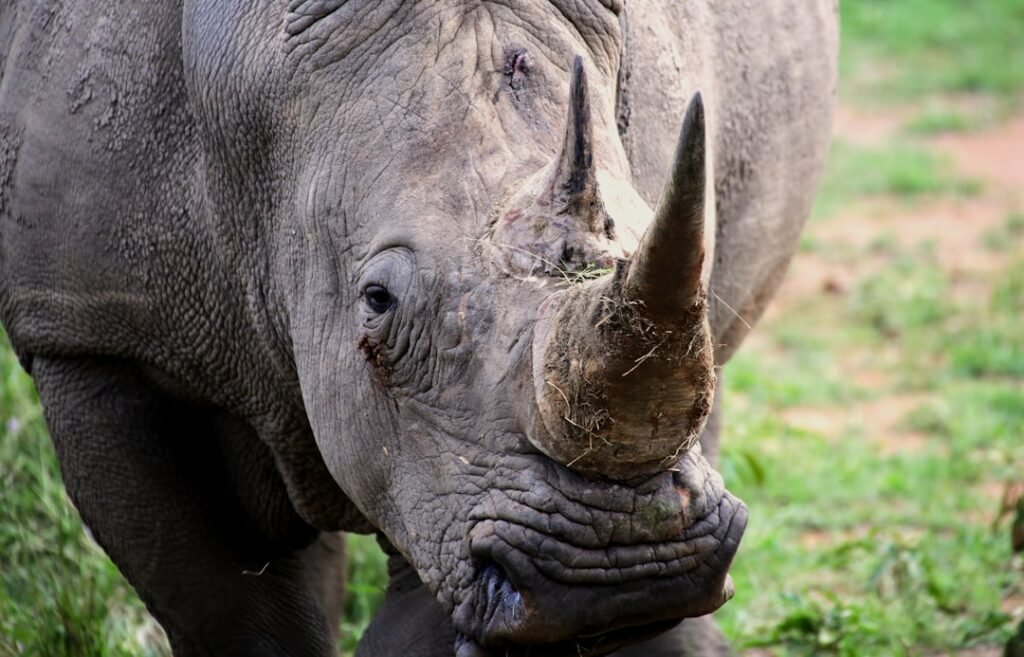


Nearly 300,000 Animals Killed: The Scale Shocks (Image Credits: Unsplash)
Official professional hunting records laid bare a staggering volume of animal deaths linked to international trophy hunts over nearly a decade.
Nearly 300,000 Animals Killed: The Scale Shocks
Between 2016 and 2024, professional hunters in South Africa reported killing almost 300,000 wild animals under state permits for foreign clients. These figures came directly from industry self-reports archived by the Department of Forestry, Fisheries and the Environment. The data covered a wide array of species, far beyond typical game animals.
Lions topped the list among high-profile victims, with about 3,600 recorded hunts during that period. Elephants and rhinos followed, exceeding 750 combined deaths. The routine nature of these killings challenged claims of selective or emergency management.
Foreign Elites Fuel the Demand
In 2024 alone, 7,756 international clients pursued hunts, with over 5,000 from the United States and Canada, and 2,149 from Europe – accounting for more than 95 percent of participants. These hunters targeted animals in a luxury market, where fees for a single lion reached around R250,000, generating over R570 million from lions in less than a decade.
The professional hunter sector reflected limited local involvement. Of 2,786 registered hunters in 2022, only 101 hailed from previously disadvantaged communities. This structure highlighted a trade serving global affluent buyers rather than broad rural economies.
Iconic Species Turned into Commodities
Lions drew particular scrutiny due to South Africa’s captive breeding operations, which supplied many for hunts without distinction in official logs between wild and bred animals. In 2024, at least 627 lions fell to bullets despite policy reviews calling for an end to such practices.
Elephant hunts commanded prices from R600,000 to over R1 million per animal, while rhinos fetched R1.5 million to R3 million. These megafauna appeared year after year in registers, normalizing their commercial harvest amid global conservation pressures.
| Species Group | Approximate Deaths (2016-2024) |
|---|---|
| Lions | 3,600 |
| Elephants & Rhinos | 750+ |
| Chacma Baboons | 3,000 |
| Jackals | 2,000 |
Overlooked Victims in the Shadows
Beyond marquee species, records listed nearly 3,000 chacma baboons, about 2,000 jackals, more than 350 honey badgers, and almost 300 brown hyenas. Otters, porcupines, monkeys, caracals, and even squirrels joined the tally as permissible targets.
These lesser-discussed deaths illustrated how the system expanded lethal quotas across ecosystems. Predators and small mammals faced the same commercial logic, eroding boundaries between trophy icons and everyday wildlife.
Key Takeaways
- Official data showed trophy hunting as quota-driven extraction, not adaptive conservation.
- Foreign clients dominated, with minimal benefits reaching local communities.
- Captive-bred animals blurred lines, undermining wild population protections.
The hunting industry’s conservation narrative clashed with data revealing consistent offtake without proven links to habitat gains or population stability. South Africa maintained one of the world’s most permissive regimes for megafauna hunts while grappling with stalled reforms on captive breeding. These statistics, compiled from government sources and PAIA requests, prompted calls for reevaluation. True wildlife stewardship demands transparency over extraction. What do you think about these figures? Share in the comments.


