
You know those moments when someone spots a tiny detail you completely missed, or picks up on a mood in the room before anyone says a word? It can feel like they’re tuned into a different channel of reality. In the last few years, scientists have been digging into why this happens, and the answer is not that they are magically gifted or that you are somehow lacking. Instead, their brain may simply be wired to take in more information, filter it differently, and connect the dots in ways that most people never notice.
When you understand how this works, your own day-to-day life starts to look very different. You begin to see that attention, sensitivity, and perception are not vague personality traits, but specific patterns in your nervous system. That means you can learn to work with them, not against them. You may not suddenly become a human microscope or emotional radar, but you can absolutely train your brain to pick up more from the world around you and to handle that extra richness without feeling overwhelmed.
You Don’t See Reality As It Is – You See What Your Brain Lets In
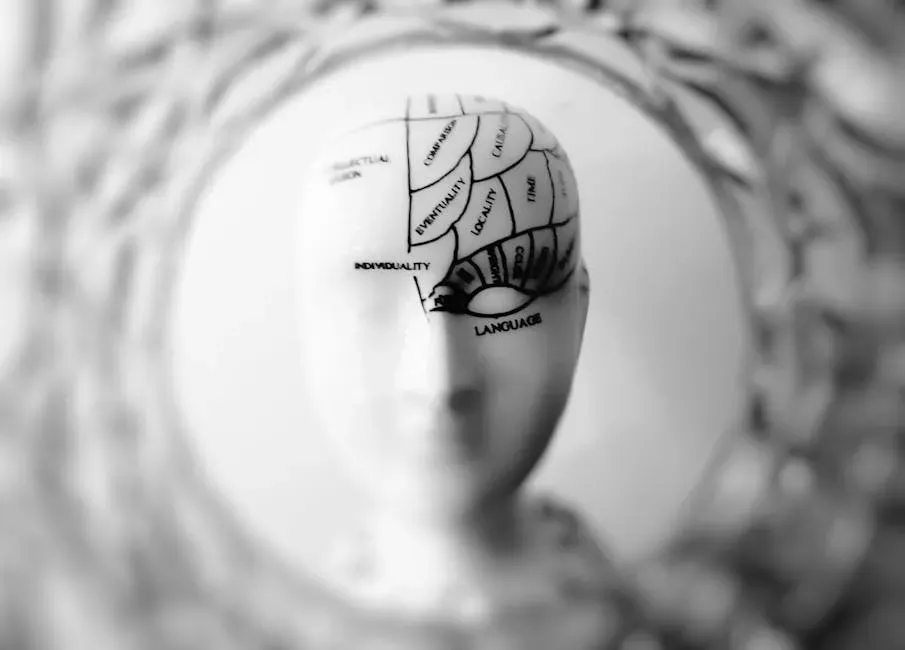
It’s tempting to think that what you see, hear, and feel is an accurate recording of the outside world, like a camera passively capturing everything. In reality, your brain is more like a ruthless film editor. At any given moment, your senses are flooded with far more information than you could ever consciously handle, so your brain throws most of it away, keeps what seems important, and fills in the gaps to create a smooth story you can live in. You walk around inside that story, not inside raw reality.
Some people, however, have filters that are just a bit looser or tuned a bit differently. You might notice subtle shifts in facial expressions, faint background sounds, or tiny visual patterns that other people step right over. Scientists studying perception have repeatedly found that your expectations, past experiences, and even your current mood shape what your brain decides to show you. When your brain is more open to uncertainty or more curious by default, you effectively absorb a richer, more detailed version of what is actually happening.
High Sensitivity: When Your Nervous System Runs on “High Gain”

If you often feel like lights are too bright, crowds are too loud, or emotions run deeper for you than for the people around you, you might fall into what researchers call high sensory sensitivity. In simple terms, your nervous system is running on high gain, like a microphone turned up just a bit more than average. You notice nuances in texture, taste, sound, and mood that others miss, but you may also get overwhelmed faster by clutter, chaos, or conflict.
Being highly sensitive is not a flaw, and it is not the same as being fragile or dramatic. Your brain is simply processing more input with more depth, which can give you richer experiences and stronger intuition if you manage the overload. You may find that you spot patterns early at work, sense tension in relationships before it erupts, or experience art and nature with intense vividness. The flip side is that you probably need more downtime, more quiet, and better boundaries than most people to keep that richness from turning into exhaustion.
Attention as a Spotlight: Why Some Minds Catch More Detail

Think of your attention as a moving spotlight sweeping across a dark stage. Wherever you point it, details spring into view and everything else fades into the background. Some people’s spotlights are narrow and intense; they lock deeply onto one thing and ignore the rest. Others, maybe including you, have a wider beam that picks up more of the scene at once. That broader focus can allow you to notice side characters, props, and subtle movements that others overlook.
Scientists have found that individual differences in attention control play a big role in how rich your experience of reality feels. If you can shift your focus quickly or hold several things in mind at once, you effectively weave together more information from your environment. That might show up as catching inconsistencies in a story, noticing a friend’s discomfort in a busy room, or spotting small opportunities that blend into the noise for most people. The tradeoff is that your attention may also be more easily pulled off track, so you have to get intentional about when to widen your beam and when to narrow it.
Pattern-Spotting Brains: Seeing Connections Others Never Notice
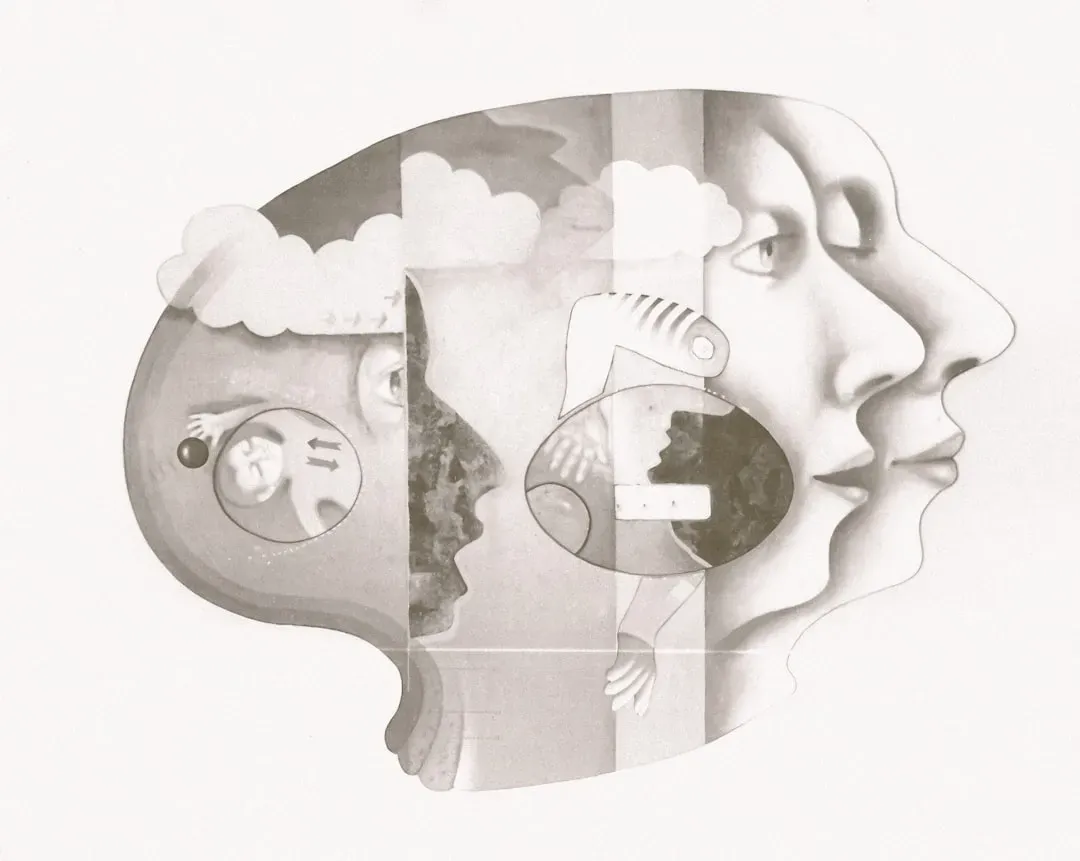
You’ve probably had the experience of suddenly realizing that two events are linked, or that a recurring problem at work always starts the same way, even though no one else seems to see it. That knack for connecting the dots is not just imagination; it reflects how your brain is wired to search for patterns. Some brains are especially good at picking up regularities in sound, language, movement, or social behavior and turning them into predictions about what might happen next.
Researchers studying learning and perception have found that when your brain is better at spotting patterns, you experience the world as more meaningful and layered. You’re not just hearing unrelated noises; you’re hearing rhythms, structures, and signals. You’re not just seeing random interactions; you’re seeing recurring scripts and likely outcomes. This can make life feel more coherent and even more beautiful, but it can also make you prone to reading too much into coincidences. The key is to lean into your pattern-spotting strengths while staying comfortable with the idea that not every pattern hides a deeper message.
Emotions as an Extra Sense: Reading the Room in High Definition

This ability can give you a much richer version of social reality. You’re not just hearing what people say; you’re sensing what they hesitate to say, what they might be afraid of, and what they secretly hope for. That makes you a powerful friend, partner, or colleague, because you can adapt quickly to the emotional weather around you. The downside is that you might absorb other people’s stress like a sponge and struggle to tell where their feelings end and yours begin. Learning to separate your own state from someone else’s is crucial if you want to keep this gift from draining you.
The Dark Side of a Rich Reality: Overstimulation and Burnout

Here’s the hard truth: taking in more of reality sounds impressive, but it can be brutal when life gets loud, fast, and unpredictable. If your senses, attention, and emotions are always running hot, situations that seem routine to others can feel like an assault to you. Busy open offices, constant notifications, dramatic group chats, or messy living spaces can leave you irritable, distracted, or mysteriously exhausted at the end of the day.
Scientists who study stress and mental health have noticed that when your nervous system is constantly overworked, you’re more vulnerable to burnout, anxiety, and sleep problems. That doesn’t mean your richer perception is the enemy; it means you have to respect your limits more than the average person does. You might need noise-canceling headphones, regular breaks from screens, slower mornings, or time alone after social events. When you stop treating yourself like a machine that can run at full capacity all day, you give your brain space to turn its heightened awareness into insight instead of overload.
Can You Train Yourself to Absorb More (Without Going Under)?

You might be wondering whether this ability to absorb a richer reality is something you are born with or something you can train. Research suggests there is a mix of both: your genes and early experiences set a baseline for how reactive your nervous system is, but your habits, environment, and mindset can dramatically shape what you actually notice. By practicing certain skills, you can deliberately expand or refine your perception without drowning in too much input.
Simple practices like mindfulness, slow observation, and focused listening help you tune into details you usually skim past. When you eat, you can pause and really notice texture and flavor. When you walk, you can pay attention to sound layers, light, and movement. When you talk to someone, you can watch their eyes and posture a little more closely. Over time, this kind of gentle training teaches your brain that it is safe to notice more, while also giving you better control over when to dial things down again.
Making Your Richer Reality Work for You

If you recognize yourself in these descriptions, the most important step is to stop treating your way of experiencing the world as a problem to fix. You are not “too much” for noticing more; you are simply tuned differently. That tuning can be a huge asset in careers that rely on nuance, like design, writing, counseling, research, education, or any role that depends on reading people and patterns. Even in everyday life, your ability to sense small shifts can help you prevent issues early, deepen relationships, and appreciate beauty where others see only routine.
To make this richness work for you, though, you need structure. You might set clear rest periods, limit multitasking, or deliberately seek calmer environments. You can also explain your needs to the people close to you: that you notice a lot, that you care deeply, and that you sometimes need quiet or space to reset. When you build a life that respects your brain’s way of absorbing reality, you stop fighting yourself and start feeling like the world finally makes sense on your terms.
Conclusion: Your Version of Reality Is Not Less – It Might Be More
When you look closely, the idea that some people absorb a richer version of reality is not mystical at all; it’s a reflection of how differently human brains filter, prioritize, and connect information. You may carry a nervous system that notices the extra details, a mind that spots patterns in the chaos, and a heart that reads the emotional undercurrents others overlook. That combination can feel like a burden in a world built for speed and simplicity, but under the right conditions it becomes a source of deep insight and quiet power.
You do not have to turn yourself into someone less sensitive, less observant, or less affected by the world to fit in. Instead, you can learn to manage the volume, protect your energy, and lean into what your mind already does so well. The next time you catch something no one else seems to see, maybe pause and trust that perception a little more. If reality has always felt a bit louder and more layered to you, could it be that you are not behind at all, but actually one step closer to how much is really there?