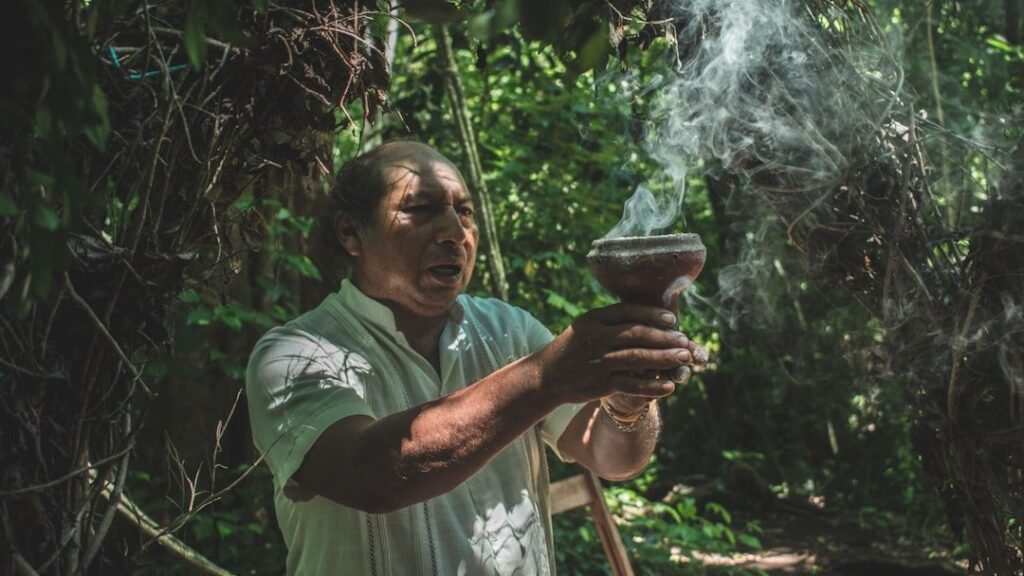

Have you ever wondered if ancient voices could speak truths about our future? For centuries, Native American tribes across this continent have passed down prophecies that seemed mystical, maybe even impossible to believe. Today, as we stand in 2026 facing unprecedented environmental changes, these old predictions are starting to sound less like folklore and more like warnings we should’ve heeded decades ago. Let’s be real here: what once seemed like spiritual mysticism is now matching up with our most sophisticated scientific models.
It’s fascinating and a little unsettling to realize that Indigenous elders predicted major shifts in our planet’s behavior long before our satellites and supercomputers confirmed them. Ready to explore how traditional wisdom intersects with modern science?
The Hopi Prophecies: Environmental Collapse Foretold Generations Ago
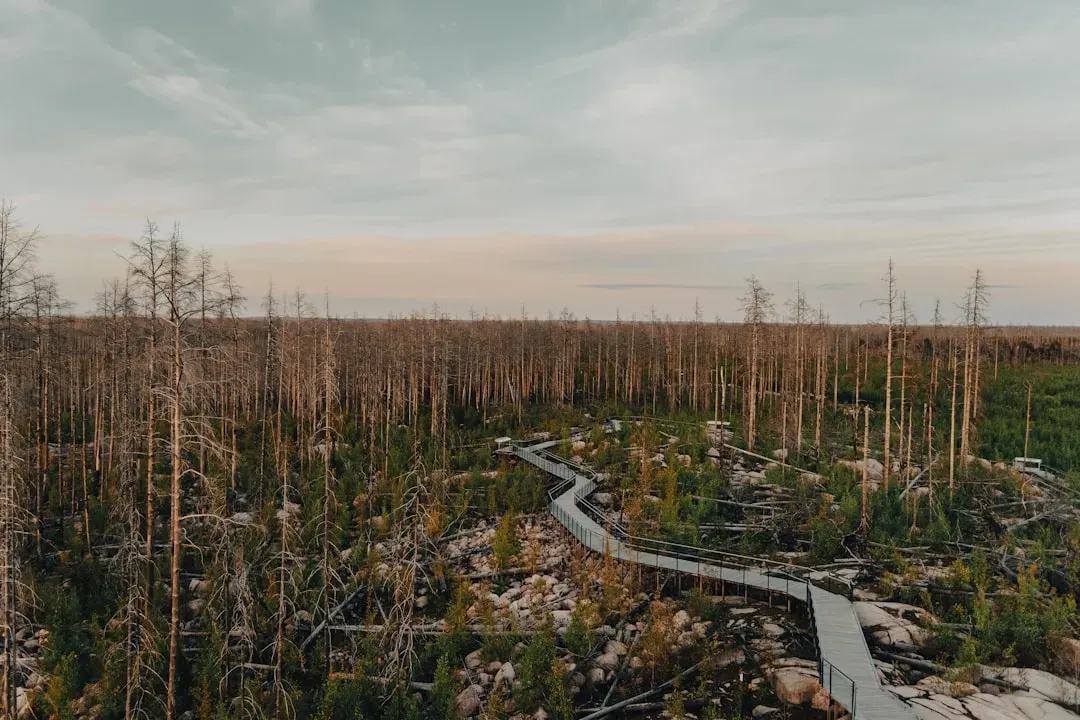
The Hopi warned the world of world shaking events of which WWI and WW2 were the first, yet their predictions extended far beyond warfare. The prophesized Earth changes include earthquakes, tsunamis, hurricanes, tornadoes, record flooding, wildfires, droughts, and famines. These aren’t vague statements open to any interpretation. They’re remarkably specific environmental phenomena we’re witnessing with increasing frequency.
What makes this truly compelling is the timing. Among those predictions that someone would travel to the moon and bring something back, and soon after, nature would show signs of losing its balance. This prophecy connects lunar exploration directly to environmental imbalance. Think about it: only three years after the 1969 moon landing, scientists began seriously documenting climate disruptions. Coincidence? The Hopi elders certainly didn’t think so. Their prophecies spoke to an understanding that human actions ripple through the entire ecosystem in ways we’re only now beginning to quantify scientifically.
Aquifer Depletion: Ancient Warnings Meet Modern Hydrology
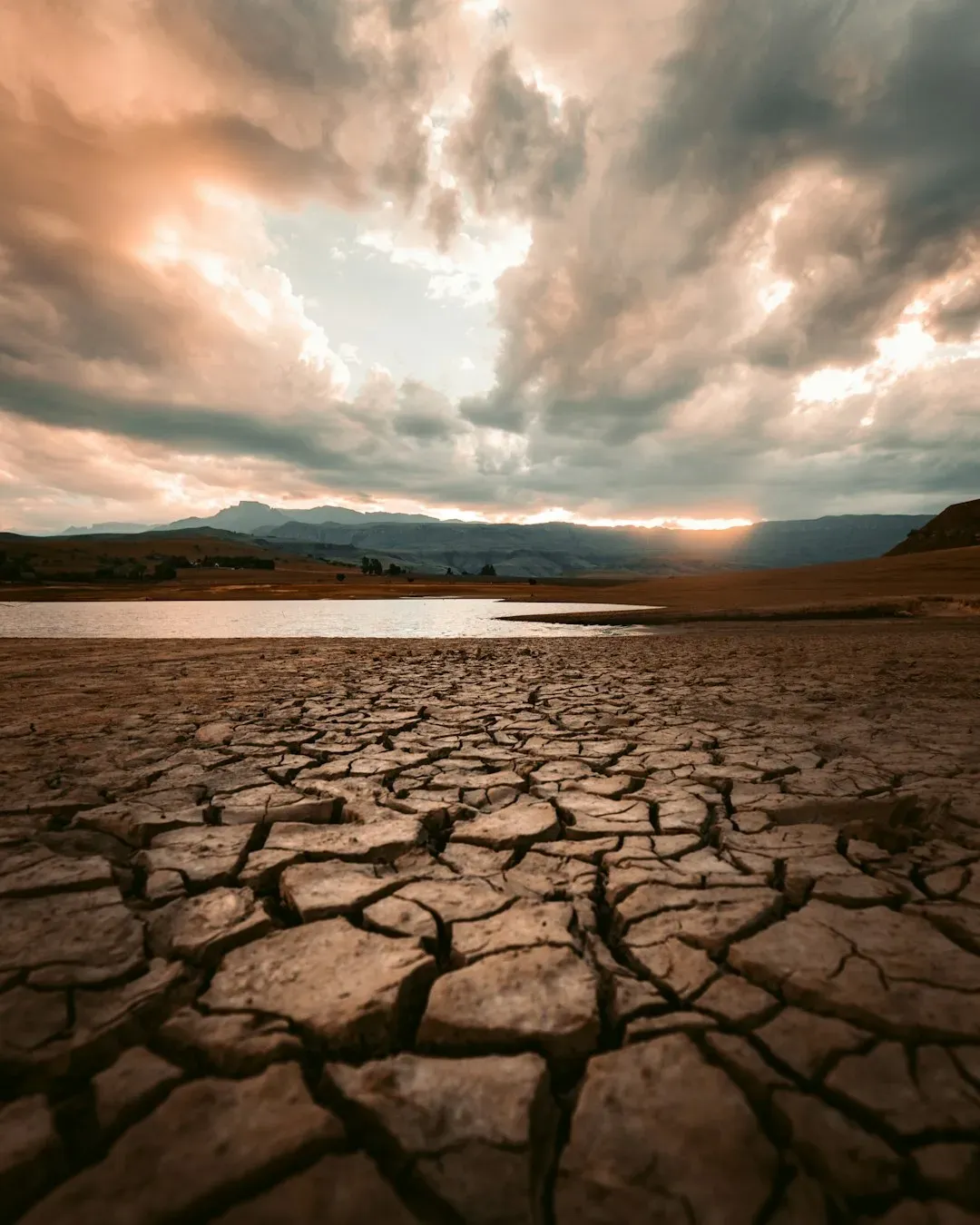
The Ogallala aquifer is stretching from New Mexico all the way to South Dakota, but it has also been drying up with imponderable repercussions for the future of agriculture and the entire breadbasket of America. Decades before modern hydrologists sounded alarm bells about groundwater depletion, Native elders spoke of water vanishing from beneath the earth.
There was a time when NASA scientists were asking Hopi elders about what they could share about the Earth changes. This is important: our most advanced space agency consulted traditional knowledge holders because their predictions about water scarcity were proving accurate. The indigenous understanding of interconnected water systems, developed through generations of careful observation, provided insights that complemented scientific data. I think it’s worth noting that these weren’t lucky guesses. They came from a worldview that sees everything as connected, where taking millions of gallons of water from one place inevitably affects another.
Weather Prediction Through Nature: Indigenous Methods Gaining Scientific Validation

Traditional or local knowledge of weather and climate may be informed by direct observations of nature, tribal world views and ceremonies, important events from the past, and what has been passed down from previous generations as stories and practice. What Western science dismissed as superstition for centuries is now being seriously studied and validated.
Local communities use indigenous indicators such as changes in vegetation, animal behaviour, celestial patterns and wind direction to predict hazardous events, and these methods, refined over generations, serve as localised and trusted early warning systems that enhance community preparedness. Research is finally catching up. Studies in Canada and South Africa have documented indigenous weather forecasting techniques that work remarkably well, especially for localized predictions. The methods rely on careful observation of subtle environmental cues that modern instruments might miss or that satellite data can’t capture with the same nuanced understanding.
Bird migration patterns, insect behavior, plant flowering cycles – these living barometers were reading atmospheric conditions long before Doppler radar existed. The scientific community is beginning to acknowledge that millennia of empirical observation produces valid, reliable knowledge.
Climate Change and the Concept of Balance: Two Knowledge Systems, One Conclusion
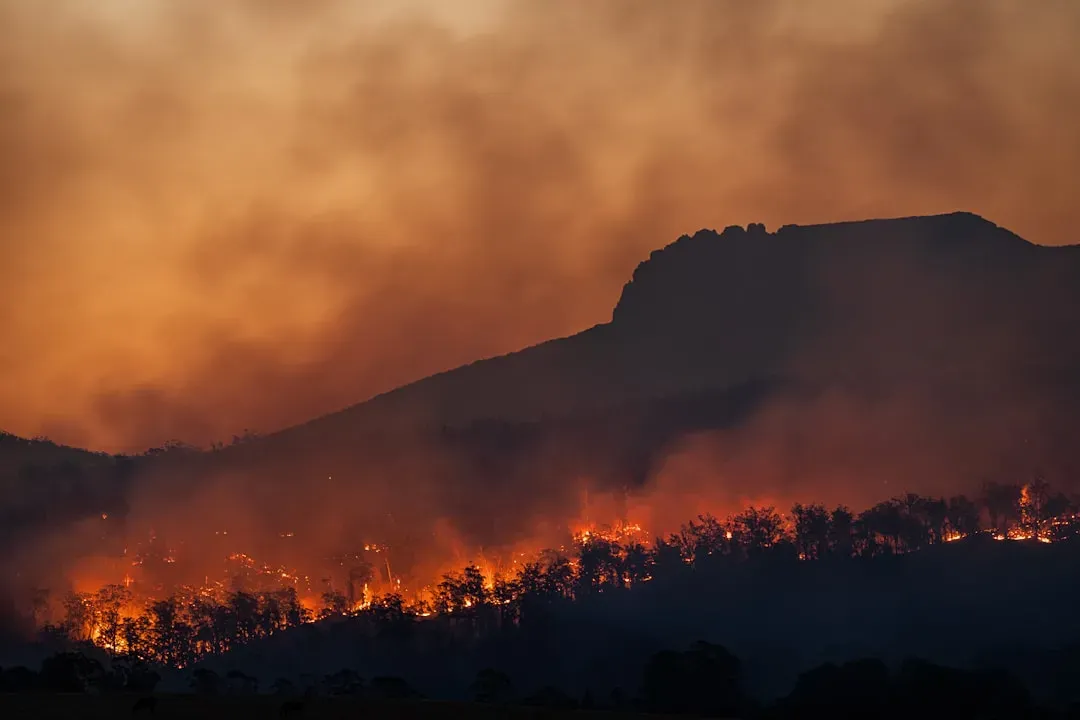
Climate change, deforestation, and global pollution echo the prophecies’ warnings of a world out of balance. The Hopi concept of “Koyaanisqatsi” translates to life out of balance. This wasn’t just a poetic expression. It represented a sophisticated understanding of ecological equilibrium.
Similar to many climate strategies of Indigenous groups across the country, the confederation’s climate adaptation plan draws on the tribes’ traditional ecological knowledge. Modern climate science speaks of tipping points, feedback loops, and ecosystem disruption using different language but describing the same fundamental reality. Both knowledge systems recognize that Earth operates as an integrated whole, where imbalances in one area cascade into others.
What separates these approaches is perspective. Western science tends to isolate variables for study. Indigenous knowledge sees the big picture first. Honestly, we need both. The integration of these worldviews creates a more complete understanding of our planetary crisis than either could achieve alone. Scientists are finding that Indigenous environmental management practices – controlled burns, sustainable harvesting, biodiversity protection – align perfectly with what climate models suggest we should be doing.
Technological Predictions: From Iron Snakes to Talking Cobwebs

The Hopi predicted technological events including a gourd of ashes falling to Earth (atomic bombs), snakes of iron spreading across the lands (railroads), people riding in horseless wagons on black ribbons (cars on roads), vehicles travelling on roads in the heavens (airplanes, rockets), spinning wheels with voices in them (records), people living in the sky (skyscrapers, space station), and a giant spiderweb crisscrossing the land (telegraph, telephone lines, or internet).
These statements were made and have been handed down over hundreds and even thousands of years. Here’s the thing: you can’t chalk this up to reinterpretation after the fact. The metaphors are too specific, too consistently documented across multiple sources and generations. The progression they describe – from railroads to internet connectivity – mirrors our actual technological trajectory.
Some might argue these predictions were vague enough to fit any innovation. Yet the “gourd of ashes” description for nuclear weapons is chillingly precise. The imagery of roads in the sky, great houses of mica (which some interpret as the glass-covered United Nations building), and talking cobwebs all predate the technologies they describe by centuries. Indigenous oral traditions preserved these visions with remarkable consistency, suggesting something more than coincidence was at work.
Astronomical Knowledge: Stars as Both Science and Prophecy
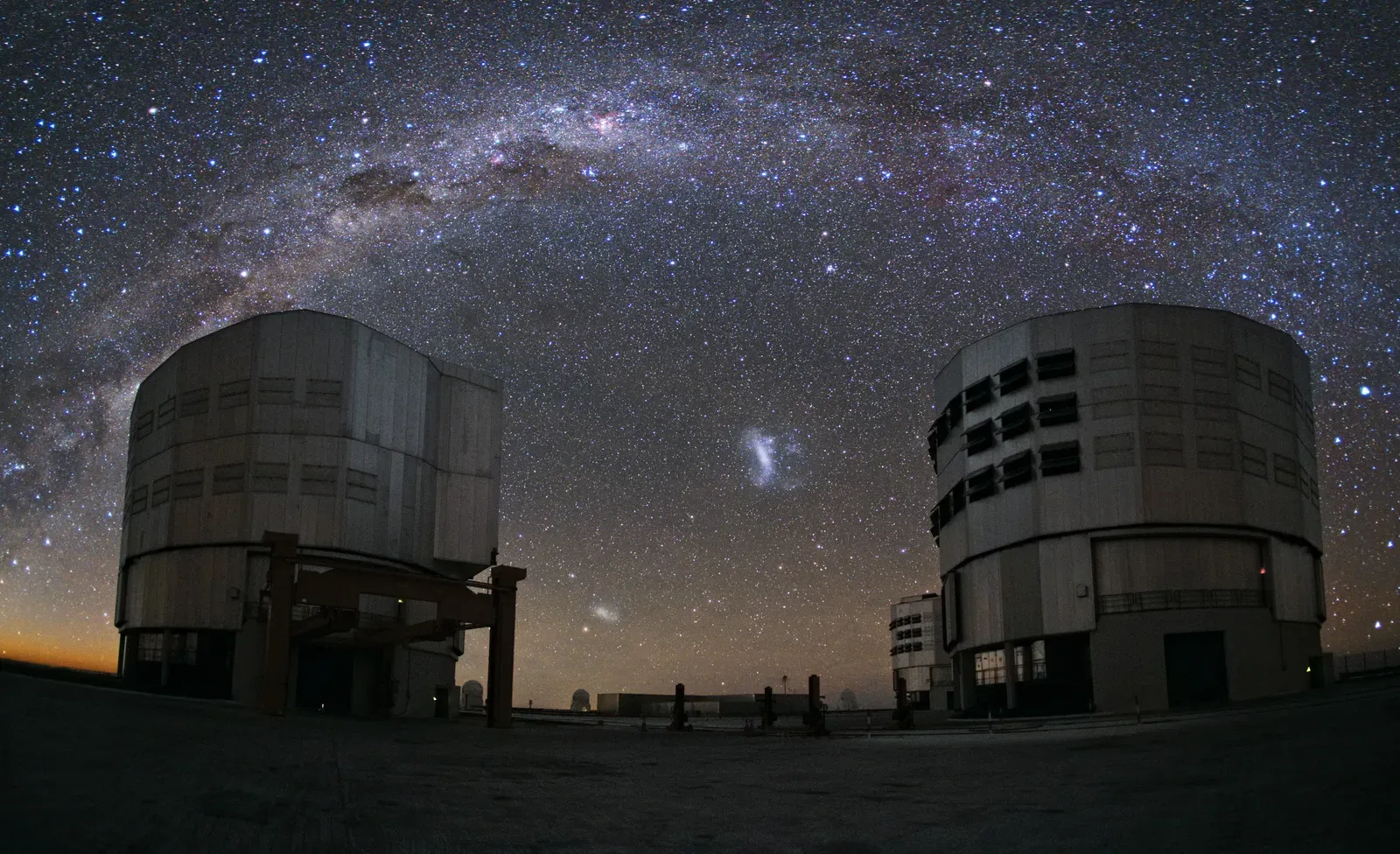
Astronomy has been practised by indigenous groups to create astronomical calendars which inform on weather, navigation, migration, agriculture, and ecology. Native American astronomical knowledge wasn’t just about storytelling. It was practical science applied to survival.
Observationally derived knowledge of natural cycles – the diurnal movement of astronomical bodies across the sky, annual migrations of the sun on the horizon and up and down the celestial meridian, phasing of the moon across the sky, migrations of planets, pulsating climate and geological activity, and the life cycles of plants, insects, aquatic creatures, birds, and animals demonstrates sophisticated scientific observation. Structures at Chaco Canyon and other sites show precise solar and stellar alignments used for calendrical purposes.
Modern astronomy validates these ancient observations. The accuracy of indigenous star knowledge, passed down orally for generations, often equals or exceeds early European astronomical records. Indigenous astronomers understood eclipse cycles, planetary motion, and seasonal changes with impressive precision. Their “Blue Star” and other celestial prophecies may reference actual astronomical events – comets, supernovae, or other phenomena – that their observations taught them to anticipate.
Social and Ecological Interconnection: Seeing Systems Whole
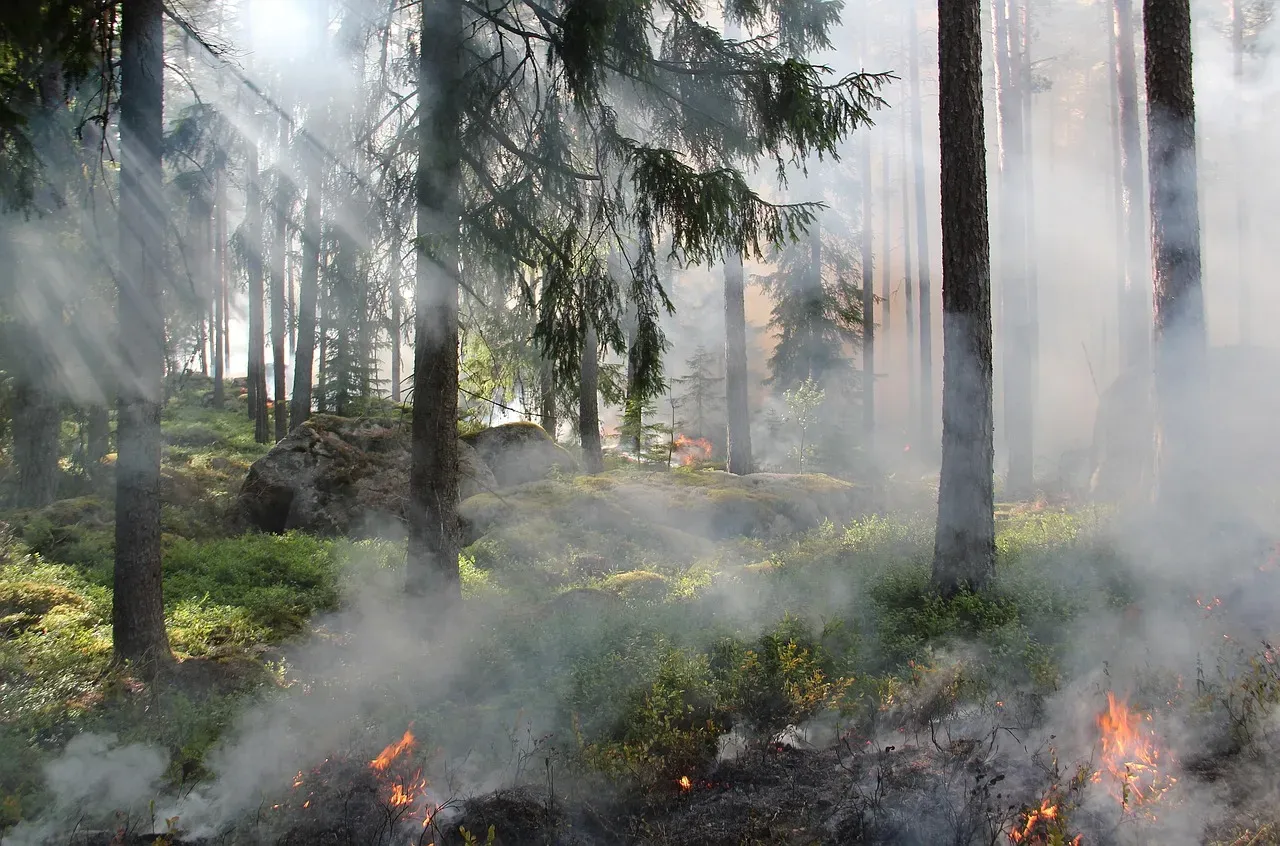
As ways of knowing, Western and Indigenous Knowledge share several important and fundamental attributes, as both are constantly verified through repetition and verification, inference and prediction, empirical observations and recognition of pattern events. The difference lies not in rigor but in scope and approach.
Every human action is considered cosmic and affects the web of universal relationship, and this is similar to tenets of quantum physics in regards to principles of non-locality. Indigenous philosophy arrived at conclusions about interconnection that quantum mechanics would later validate through mathematics. It’s hard to say for sure, but this suggests that deep observation of nature can reveal fundamental truths about reality that different methodologies might express differently yet ultimately converge upon.
The indigenous view that everything affects everything else mirrors what systems ecology now teaches. When Native prophecies warned that disrespecting the Earth would bring catastrophe, they were articulating a systems-level understanding. Modern science has spent centuries breaking nature into components to study them. We’re now reassembling those pieces and discovering what indigenous peoples never forgot: you can’t separate humans from their environment without consequences. The prophecies about environmental collapse weren’t mystical visions; they were logical conclusions drawn from observing cause and effect over generations.
Validation and Reconciliation: When Science Catches Up to Wisdom
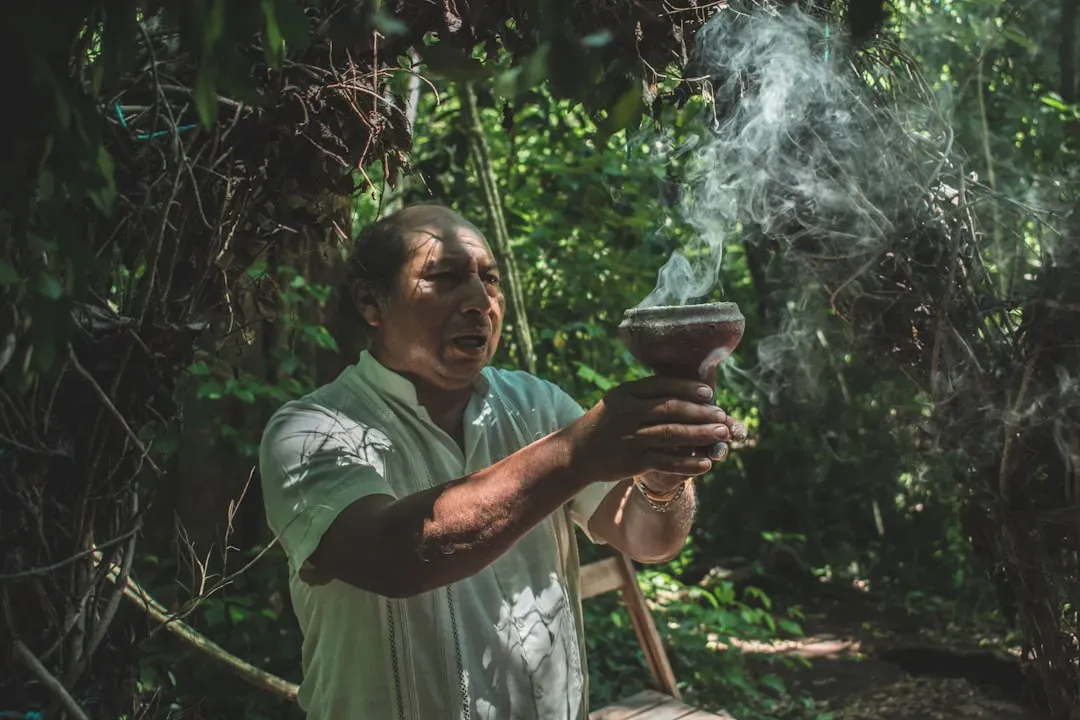
In instances where Indigenous and Western Science align, it validates the strength and reliability of mutual conclusions, whereas discrepancies between these knowledge systems should prompt further investigation, suggesting areas where understanding may be improved. The convergence is happening across multiple disciplines.
There is little doubt that modern science can gain a lot from such a dialogue. Examples abound: prescribed burning practices that prevent catastrophic wildfires, sustainable fishing and hunting protocols that maintain populations, agricultural techniques that preserve soil health, and medicinal plant knowledge that’s yielded important pharmaceuticals. Each represents indigenous knowledge that science eventually validated, often after centuries of dismissal.
What we’re witnessing isn’t indigenous knowledge “becoming” scientific. It was always systematic, empirical, and tested – just organized differently. The prophecies worked because they emerged from the same careful observation of patterns that underlies scientific method. As we face challenges our technology helped create, perhaps the most important prediction being fulfilled is the one suggesting we’d eventually need to listen to those who never stopped watching, never stopped learning from the land itself. What do you think would happen if we’d listened sooner? Tell us in the comments.