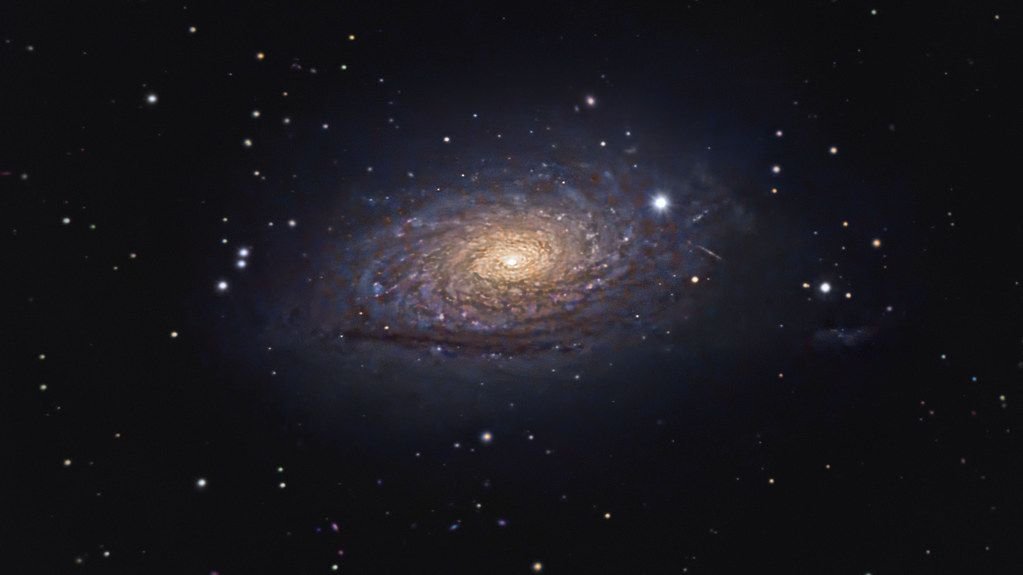

Imagine looking up at the night sky and realizing that what you see is not how the universe looks right now, but how it looked billions of years ago. Every faint smudge and tiny sparkle is a delayed message, sent across unimaginable distances, finally landing in your eyes tonight. It’s a bit like getting a postcard from a friend who mailed it during the dinosaur era and it just now showed up in your mailbox.
That’s what distant galaxies really are: ancient postcards from a younger universe. Their light has crossed cosmic oceans of space and time, surviving collisions, expansion, and the slow stretching of the universe itself. Once you really let that sink in, even a simple starry sky feels completely different – less like a ceiling, and more like a time machine that’s permanently switched on.
The Mind-Bending Idea of Looking Back in Time
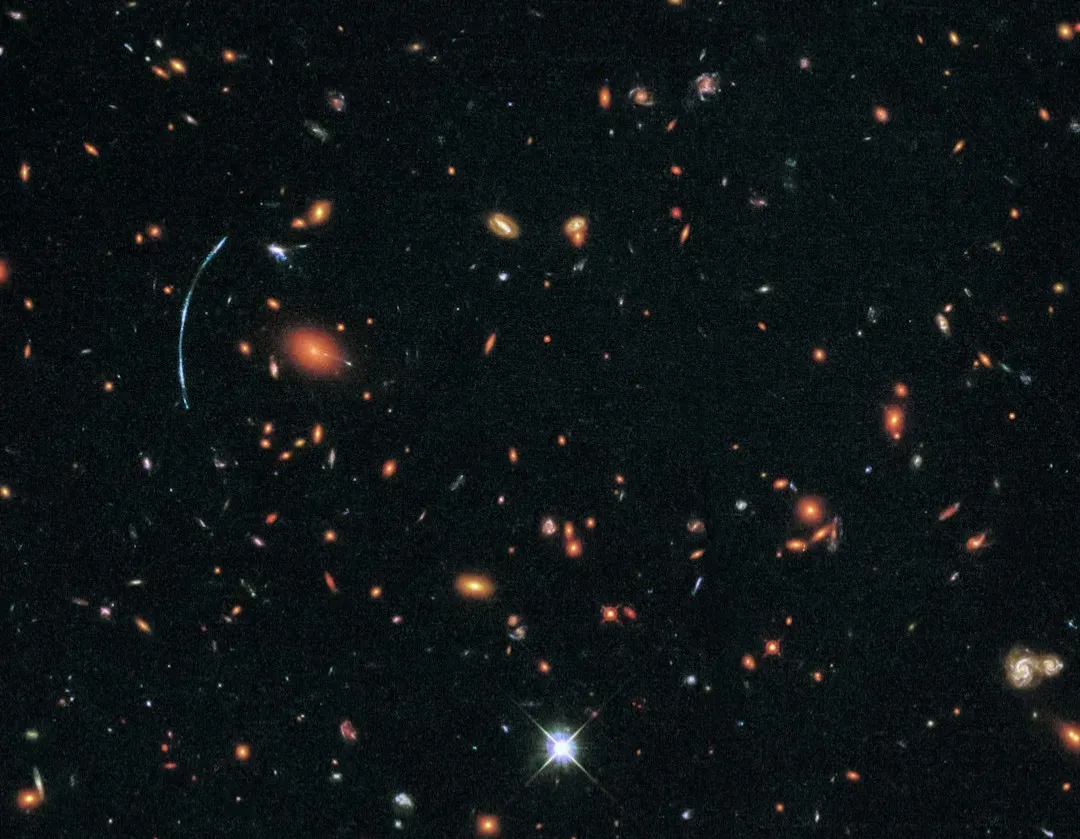
Here’s the wild part: when astronomers say they “see” a galaxy ten billion light-years away, they’re not seeing it as it exists today. They’re seeing it as it was ten billion years ago, when the light first left it. A light-year is just the distance light travels in one year, so when that light finally hits our telescopes, we’re literally looking back in time, not just across space.
This means the deeper we peer into the universe, the further back into its history we go. Nearby galaxies show us a middle-aged universe; extremely distant galaxies reveal a cosmic childhood, when stars were young and chaos was normal. It’s a strange feeling to realize that the universe doesn’t just keep records in rocks and fossils, but in actual beams of light still arriving right now, as you read this.
How We Even Know These Galaxies Are So Far Away
Galaxies don’t come with little floating name tags that say “hi, I’m 12 billion light-years away.” Astronomers have to measure distance using clever tricks, like how much the galaxy’s light has been stretched to the red side of the spectrum. As the universe expands, light waves traveling through it also get stretched, a phenomenon called redshift. The greater the redshift, the more the universe has expanded since the light left that galaxy, and the farther away it is.
Using this, along with comparisons to known types of stars and supernovae, researchers can estimate how long that light has been traveling. When telescopes like Hubble and the James Webb Space Telescope detect galaxies with extremely high redshifts, we’re talking about light that left when the universe was only a tiny fraction of its current age. In other words, we’re catching the universe in its awkward teenage phase – or even earlier.
The Role of Giant Telescopes as Time Machines

Our eyes alone are hopelessly underpowered for this kind of cosmic archaeology. That’s where space telescopes like Hubble and the James Webb Space Telescope step in, acting almost like supercharged glasses that let us see deeper and fainter than ever before. Hubble revealed galaxies more than ten billion light-years away; Webb has pushed that window even closer to the beginning, spotting candidates from when the universe was only a few hundred million years old.
These telescopes collect light for hours or even days from a single tiny patch of sky, slowly stacking up enough photons to build an image. The result can look unimpressive at first – just specks and smudges – but each of those dots is an entire galaxy, each with billions of stars. When I first saw one of those deep-field images, it honestly felt like standing at the edge of an endless ocean, realizing the shoreline goes on far beyond the horizon.
Why Some Galaxies Look So Different in the Early Universe
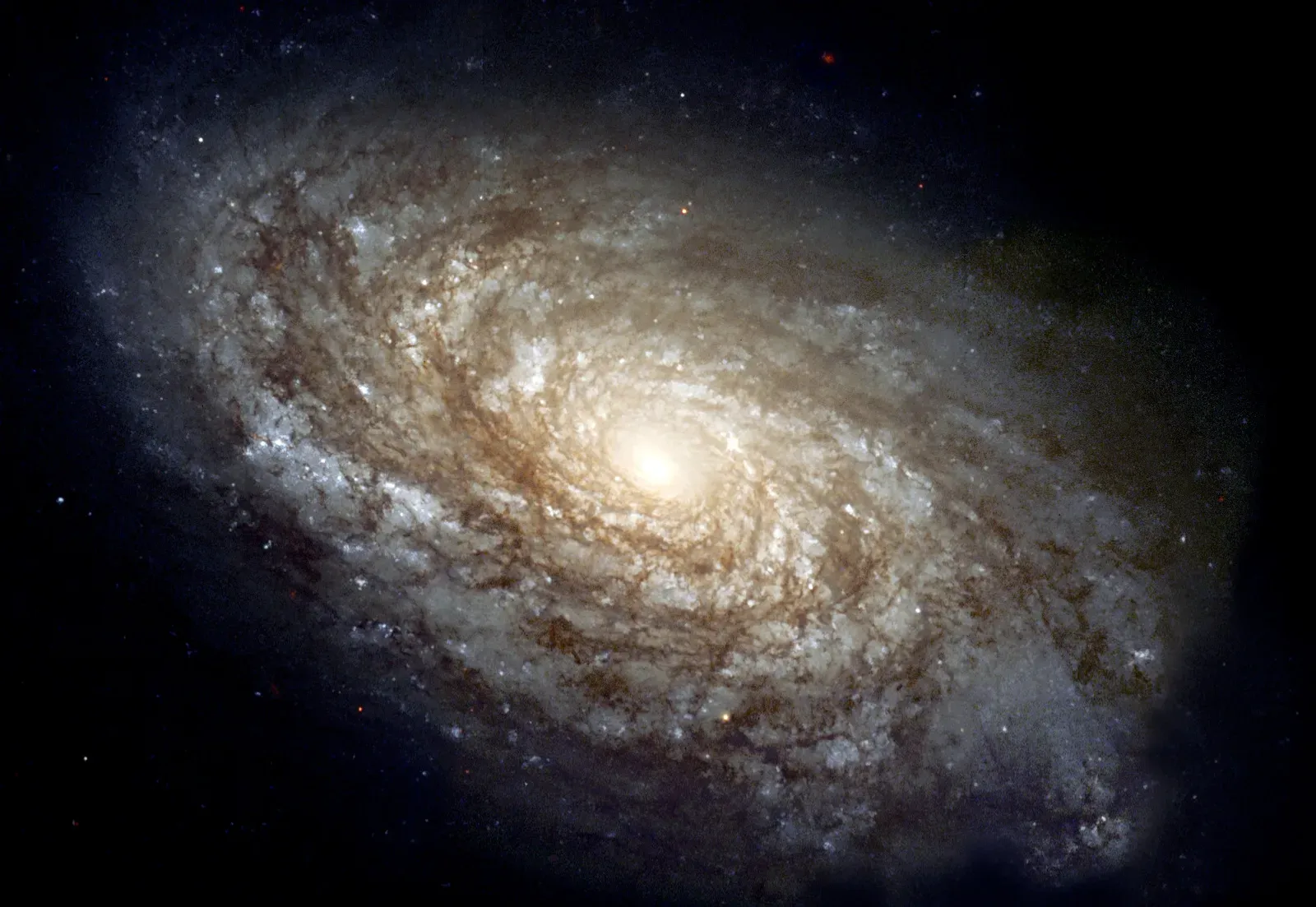
Those extremely distant galaxies don’t look like the neat, spiral-shaped ones you see on posters. Instead, they often appear clumpy, irregular, and chaotic, as if someone tried to draw a galaxy with their non-dominant hand. That’s because in the early universe, galaxies were still assembling, colliding, and merging at a frantic pace. Gravity was busy pulling matter together, but the process was messy and violent.
These baby galaxies were also full of hot, bright, short-lived stars that burned out quickly, blasting their surroundings with radiation and powerful winds. Over billions of years, repeated mergers and internal reshuffling transformed many of these early lumps into the grand spirals and smooth elliptical galaxies we see nearby today. It’s a bit like comparing a construction site to a finished city skyline: same place, very different vibe.
The Strange Idea That We’ll Never See Some Galaxies “As They Are Now”
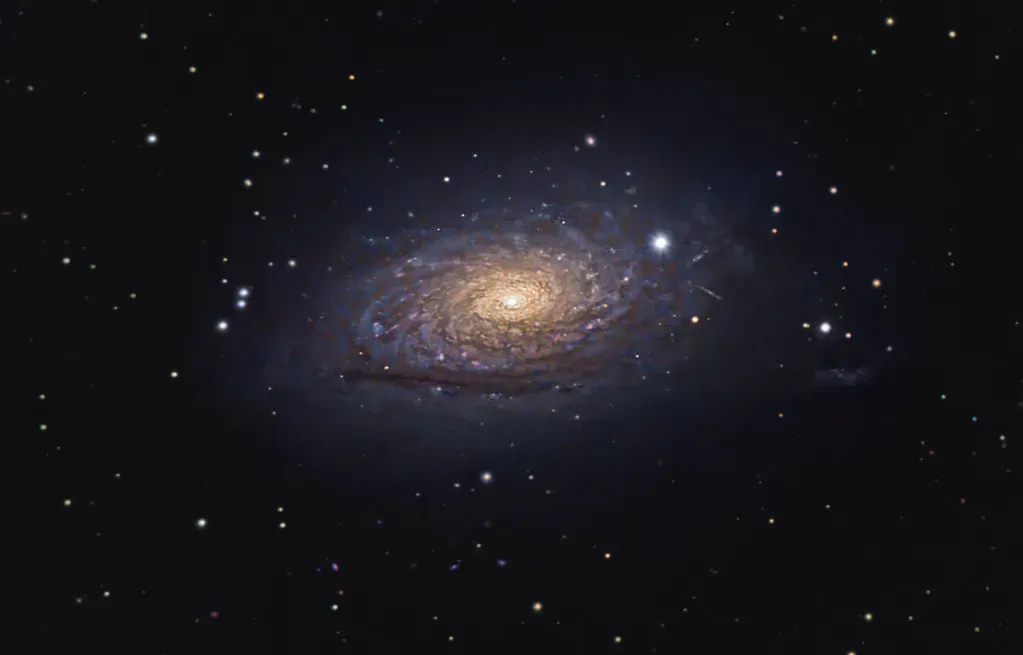
Here’s a twist that feels almost unfair: some galaxies are so far away, and the universe is expanding so rapidly, that we will never see them as they exist “today,” even if we waited forever. The light from their present-day state will never reach us, because the space between us and them is stretching faster than that light can catch up. The universe isn’t just big; it’s actively pushing things apart.
That means there are parts of the cosmos permanently out of our reach, separated not by physical walls but by the rules of space-time itself. When you realize that, the light we do receive from ultra-distant galaxies suddenly feels incredibly precious. It’s like getting the only photograph you will ever have of someone, taken long before you were born, and knowing no updated picture will ever arrive.
What These Distant Galaxies Reveal About Cosmic Origins
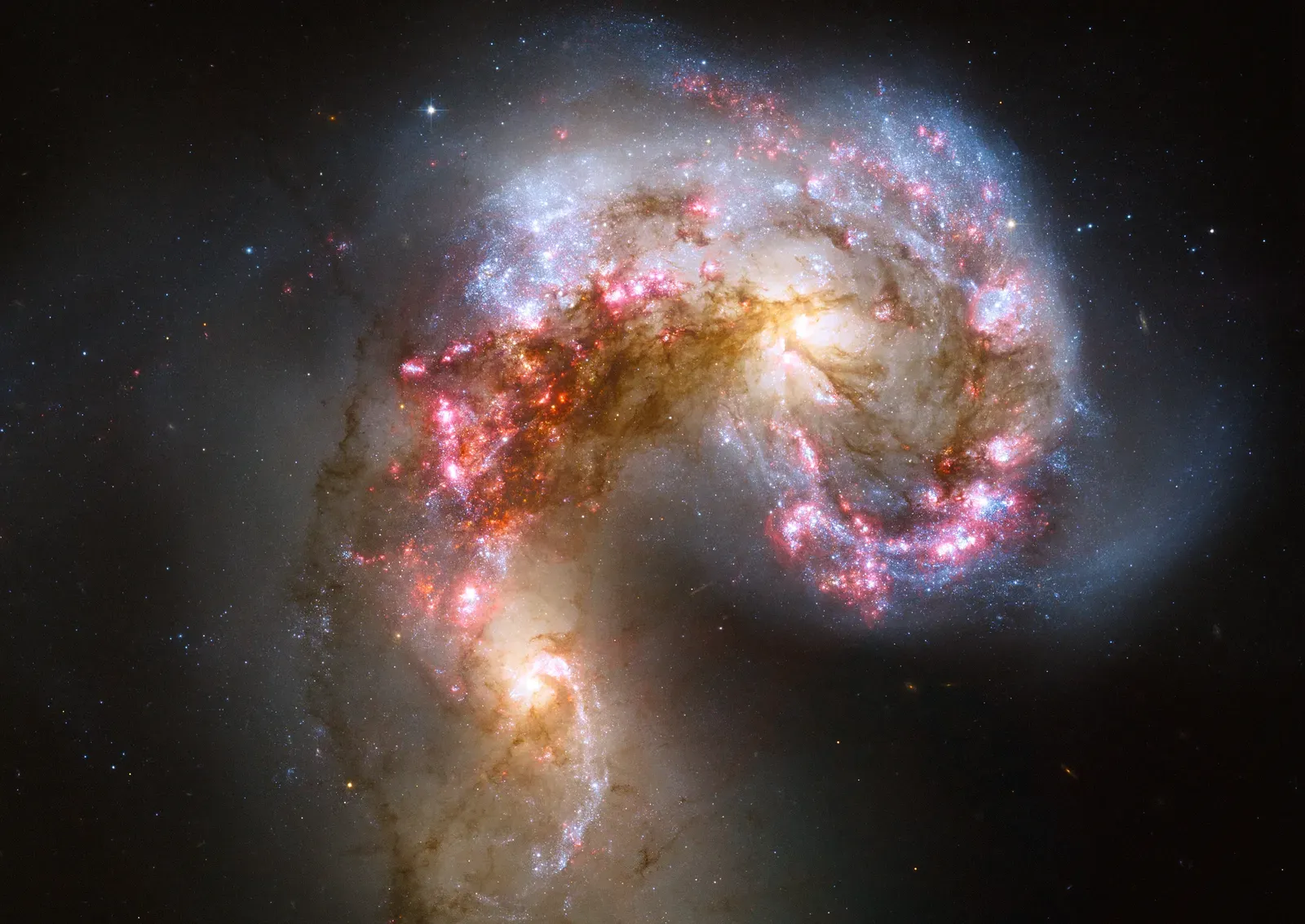
By studying galaxies whose light has been traveling for nearly the entire age of the universe, astronomers can test their ideas about how everything began and evolved. These observations help answer questions like: When did the first stars ignite? How fast did galaxies grow? When did the universe go from a dark, neutral fog to the clear, transparent cosmos we see today? The timing and properties of those early galaxies either support or challenge our theories.
Sometimes the data even surprises scientists, forcing them to rethink what they thought they knew. In the last few years, some very distant galaxies have appeared brighter or more massive than many models anticipated at such early times. That doesn’t mean the theories are completely wrong, but it does suggest the universe may have built large structures faster or more efficiently than we expected. In science, those surprises are not annoyances – they’re clues.
Why This Changes How We See Ourselves
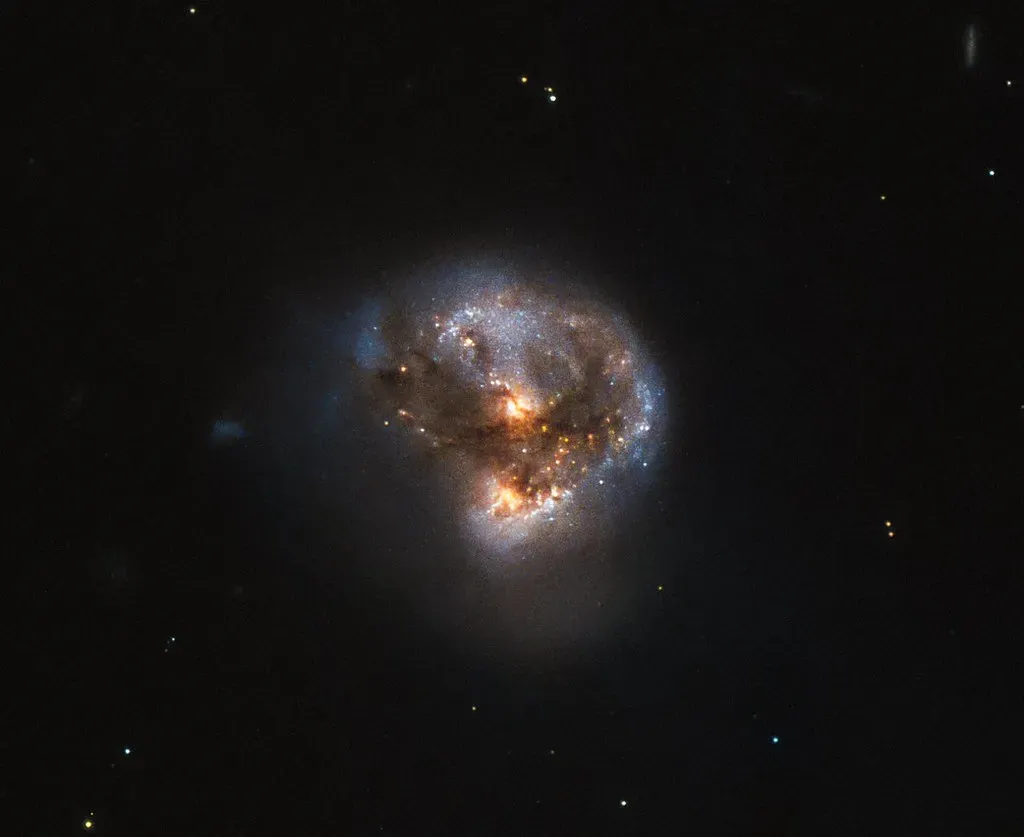
It’s easy to hear that a galaxy is billions of light-years away and just file it under “big number, cool fact, moving on.” But if you sit with the idea that the light hitting your eye right now left before Earth even formed, something shifts. You start to feel how deeply temporary and local our everyday concerns are, compared to a universe that’s been evolving for more than thirteen billion years. It’s humbling in the best possible way.
At the same time, there’s something quietly empowering about knowing that a species on a tiny rocky planet has built tools capable of reading that ancient light. We’re not just passive specks floating in a void; we’re active witnesses, decoding the universe’s long, slow messages. The next time you see a deep space image of faint, distant galaxies, it’s worth pausing for a second and asking yourself: what stories are still out there, racing toward us across the dark, waiting to finally arrive?