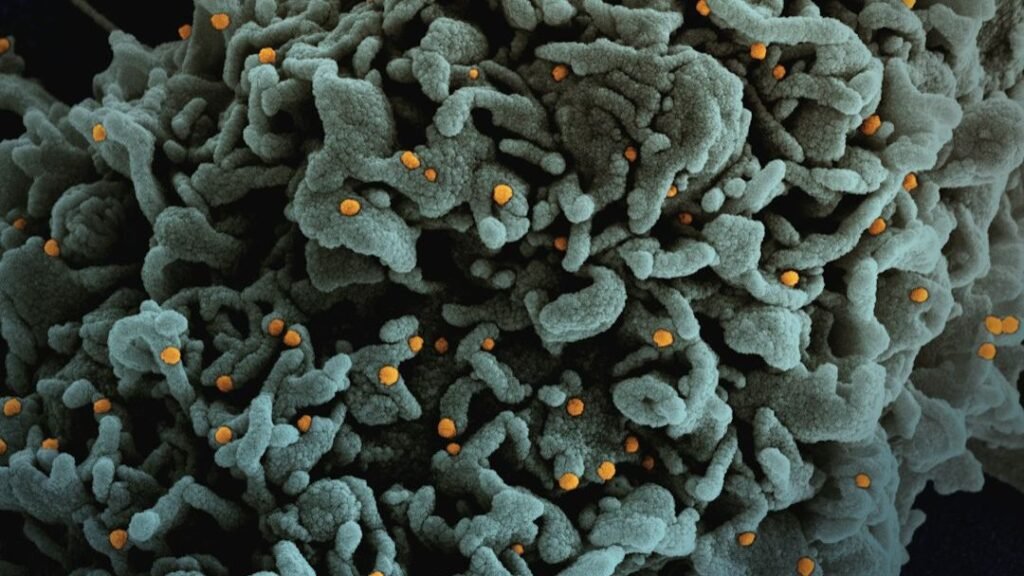

Imagine the cure for your child’s future illness disappearing because a frog you’ll never see or a snail you’ll never think about quietly went extinct. It sounds dramatic, but that’s exactly the kind of silent tragedy many scientists are afraid of. Some of the most promising medical clues on the planet are hidden inside animals that are hanging on by a thread.
We usually talk about saving endangered species in terms of beauty or ethics, but there’s a very practical, very personal reason too: our own health. From powerful painkillers to new cancer treatments, some of the most exciting ideas in medicine are coming from creatures that may not survive the century without help. Once they’re gone, their biochemical secrets go with them – no backups, no second chances.
Venomous Snakes: From Deadly Bite to Life-Saving Drugs
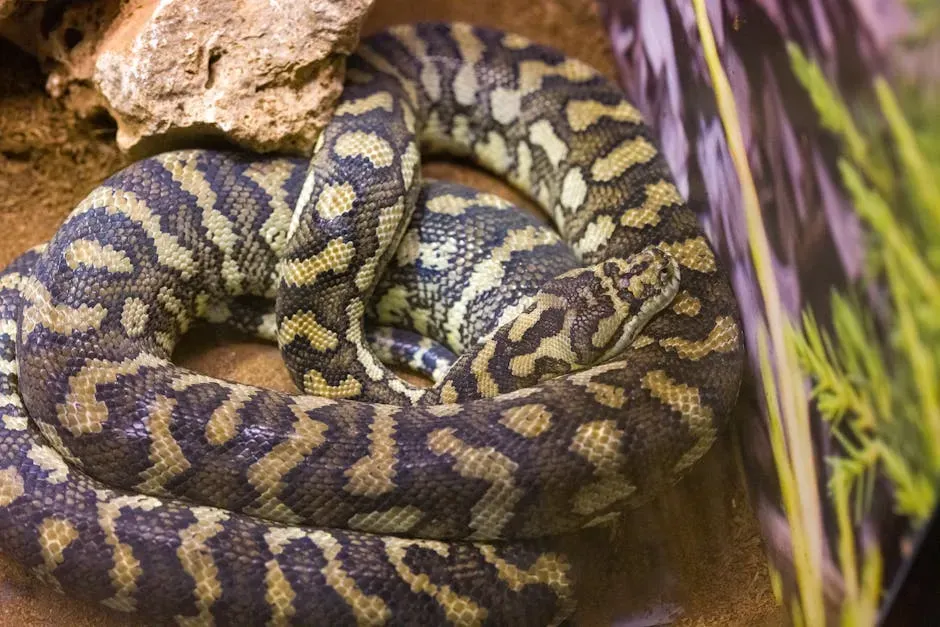
It’s hard to feel warm and fuzzy about a snake, especially a venomous one, but their toxins are turning out to be molecular gold mines. Several critically endangered vipers and pit vipers produce venoms that act with laser precision on blood, nerves, and muscles. Those same mechanisms that make a bite so dangerous can be harnessed to stop blood clots, lower blood pressure, or alter pain signals in extremely targeted ways.
Modern blood pressure drugs that influence how blood vessels tighten and relax were originally inspired by peptides found in the venom of a South American pit viper, and that success story has pushed researchers to look even more closely at other species’ venoms. Today, scientists are studying endangered snakes for compounds that might treat strokes, heart attacks, or even certain autoimmune diseases by tweaking how blood and immune cells behave. The irony is that while some people kill these snakes out of fear, the molecules inside them may one day be what keeps those same people alive.
Poison Dart Frogs: Micro Doses, Massive Potential
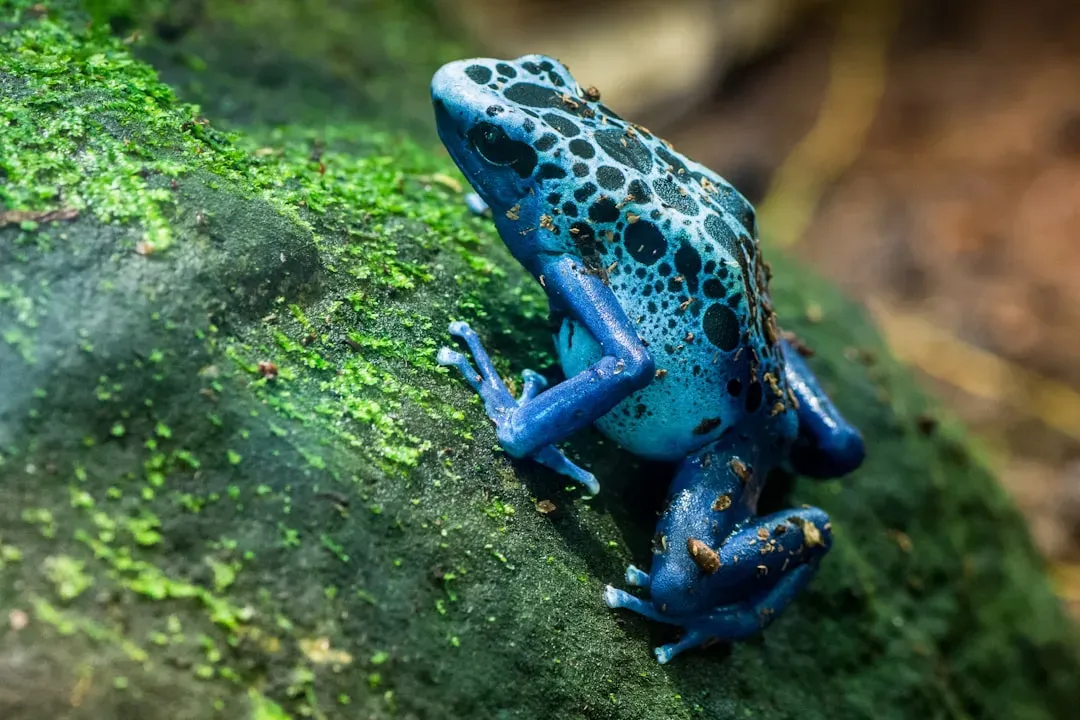
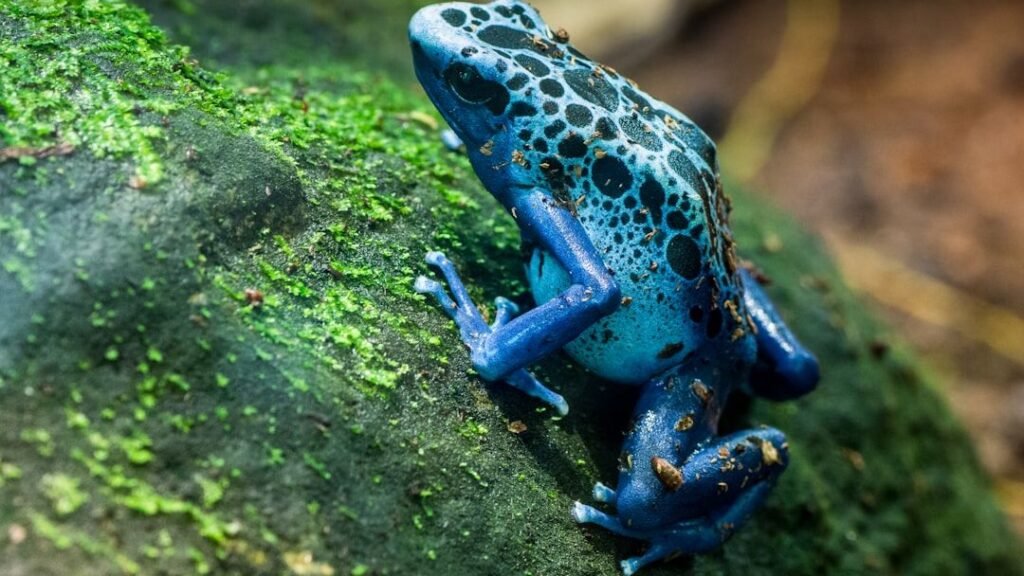
Brightly colored poison dart frogs look like tiny pieces of neon candy, but their skin is laced with potent toxins that can shut down nerves almost instantly. Indigenous communities in parts of Central and South America have long used these poisons on blow darts for hunting. Now, researchers are taking that traditional knowledge and combining it with modern chemistry to explore the medical potential of those same molecules. Many of these frogs are endangered as their rainforest homes shrink and fragment.
Their toxins are incredibly precise in how they latch onto nerve receptors and channels, which makes them fascinating tools for designing new pain medications or neurological drugs. One compound inspired by frog toxins helped scientists rethink how nerve signals can be blocked in a more controlled way, potentially without the heavy side effects of older painkillers. The heartbreaking twist is that some of these frogs are disappearing faster than we can even catalog their chemistry. Losing a single species could mean losing dozens of unique molecules that took millions of years to evolve.
Sharks and Rays: Ancient Cartilage, New Cancer Clues
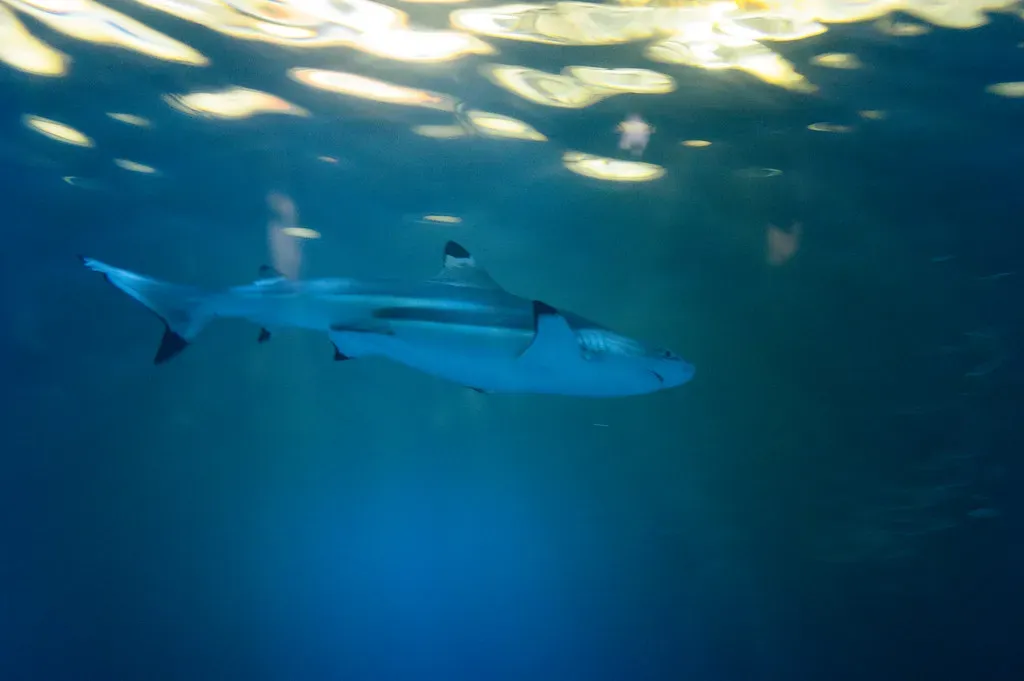
Sharks and rays have survived multiple mass extinctions, yet many of them are now threatened by overfishing and habitat loss. Their biology is unusual in all kinds of ways, but one of the most intriguing features is their skeletons, which are made of cartilage instead of bone. That cartilaginous tissue has attracted medical interest for decades, especially in relation to how blood vessels grow and how tumors spread.
While some early claims about shark cartilage and cancer were overhyped or flat-out wrong, more careful research has revealed specific molecules that influence how new blood vessels form. This is a crucial process in cancer growth, because tumors need their own blood supply to expand. Understanding these cartilage-derived compounds is helping scientists refine anti-angiogenic therapies – treatments that starve tumors by cutting off their blood flow. With several shark and ray species now endangered, we’re gambling with a research resource that might still be in its early chapters.
Horseshoe Crabs: Blue Blood and Safer Medicines
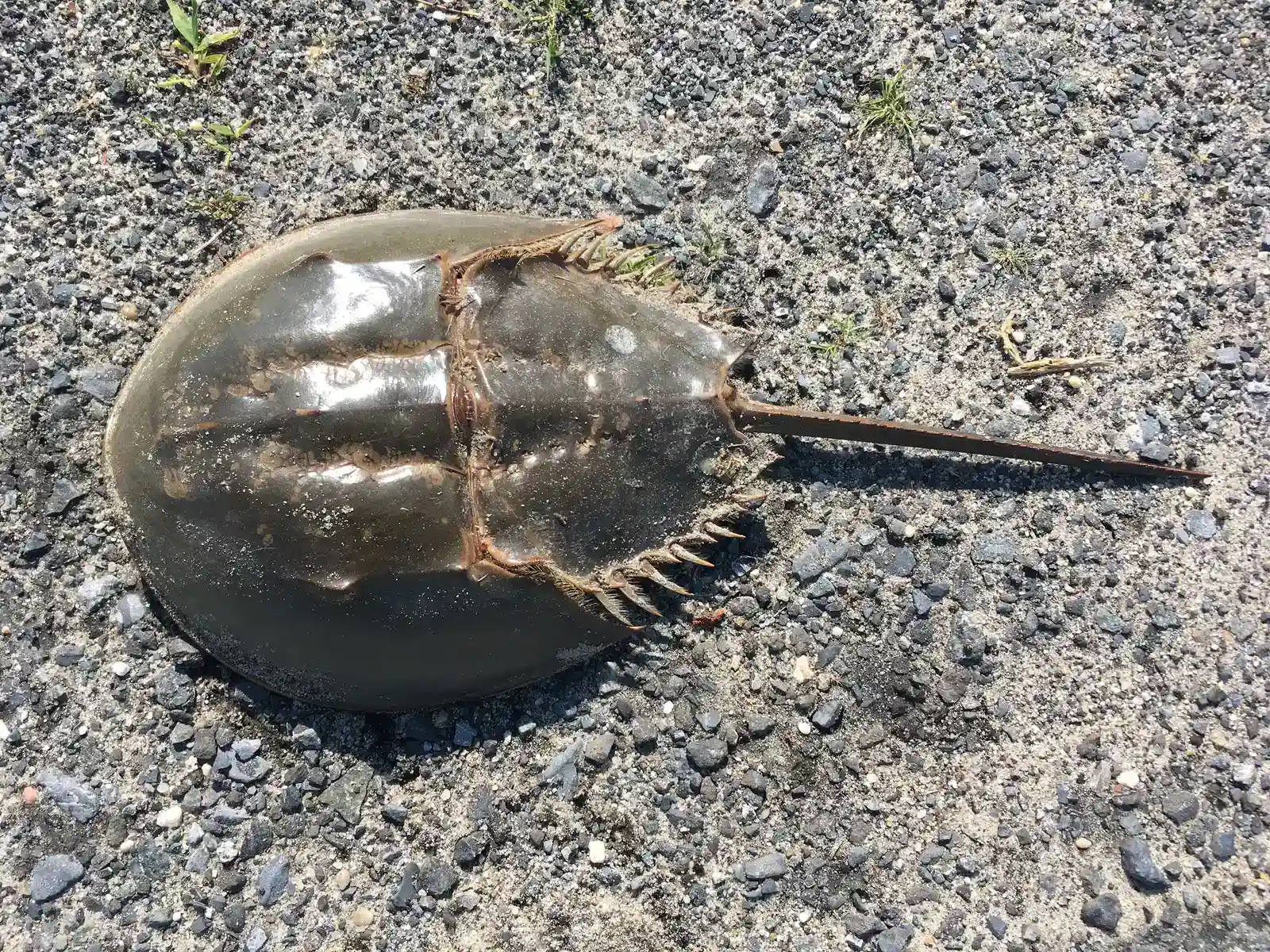
Horseshoe crabs look prehistoric because they basically are; they’ve been around for hundreds of millions of years. Their blue blood contains a compound that clots aggressively when it encounters bacterial toxins, which has made it indispensable for testing the safety of vaccines, injectable drugs, and medical devices. If you’ve ever had an injection in a hospital or clinic, there’s a decent chance it was checked indirectly thanks to a horseshoe crab.
For years, large numbers of these animals have been captured and bled to obtain that valuable substance, then released, not always successfully. Combined with habitat loss and their importance as food for other species, this pressure has pushed some populations into worrying decline. Scientists have developed and are improving synthetic alternatives that mimic the crab’s unique clotting reaction, but they still rely on studying the real thing to refine and validate those tests. Letting these living fossils slip into serious endangerment while we still depend on them for medical safety is like throwing away your only user manual before you’ve finished reading it.
Big Cats and Bone: Understanding Healing and Regeneration
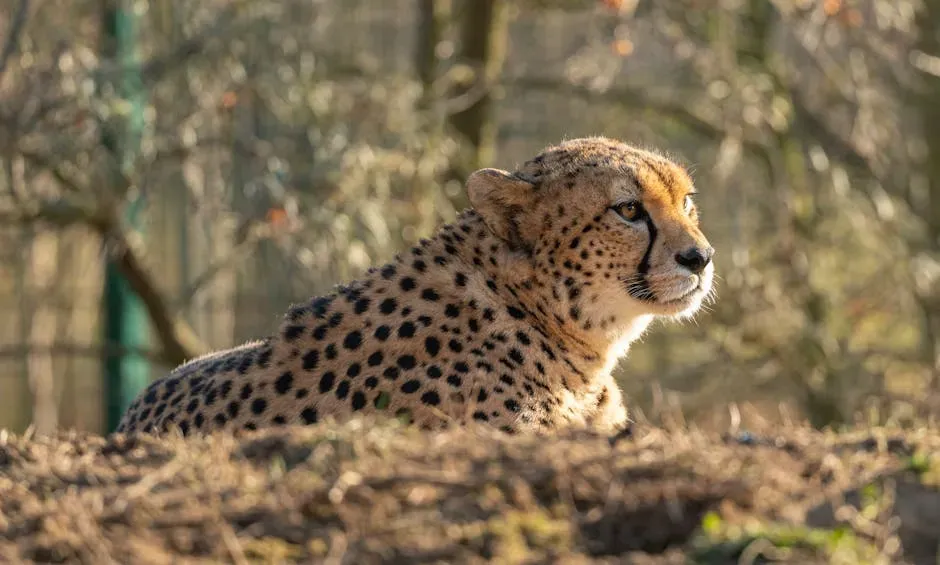
Endangered big cats like snow leopards, tigers, and some lion populations aren’t usually mentioned in the same breath as medical breakthroughs, but their bodies carry unusual clues. Large predators often suffer bone injuries from hunting or territorial fights yet can return to intense physical activity in ways that seem almost superhuman compared to us. Veterinary studies and imaging of their skeletons have highlighted differences in bone density, remodeling, and joint resilience that are deeply interesting to orthopedic researchers.
By examining how these animals’ bones repair themselves under repeated stress, scientists hope to learn more about preventing fractures, improving recovery from joint surgeries, or reducing age-related bone loss in humans. This kind of research is slow and careful, usually done with non-invasive scans and clinical observations in sanctuaries and zoos. Every time a population of big cats dwindles, the genetic diversity that might hold key variations in bone biology narrows. In a very real sense, some of the secrets to stronger human bones might be walking on four paws along a vanishing mountain ridge.
Coral Reefs: Chemical Libraries Under Siege
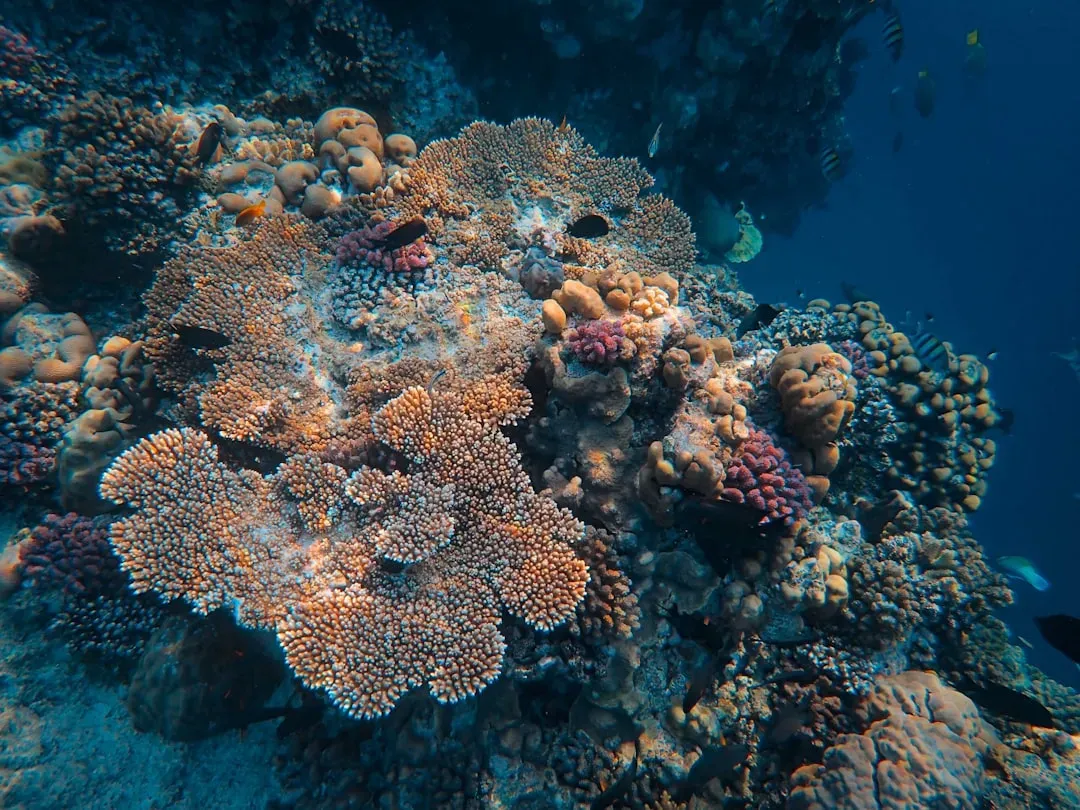
Coral reefs are often called the rainforests of the sea, and that’s not just a poetic line; they’re insanely rich in chemical diversity. Many reef-dwelling species – sponges, tunicates, soft corals, algae – produce powerful compounds to defend themselves from predators, infections, and competition. Some of the world’s most promising candidates for new cancer drugs, antiviral treatments, and anti-inflammatory medications have come from reef organisms that were once considered unremarkable lumps on the seafloor.
Climate change and ocean acidification are driving widespread coral bleaching and reef collapse, while pollution and overfishing add even more stress. As entire reef systems decline, we’re losing a living library of molecules that we barely understand. Several compounds from reef species are already in clinical use or advanced testing for conditions like cancer and chronic pain. It’s unsettling to realize that the next breakthrough might depend on a sponge or coral that simply won’t exist in another few decades if current trends continue.
Elephants, Bats, and the Genetics of Disease Resistance
Some endangered mammals hold genetic advantages that seem almost unfair – in ways that could help us. Elephants, for example, have far more copies of certain tumor-suppressing genes than humans, which is believed to contribute to their surprisingly low cancer rates despite their massive size and long lifespans. Studying how their cells detect and destroy damaged DNA is feeding directly into new ideas for cancer prevention and therapies that boost our own cellular quality control.
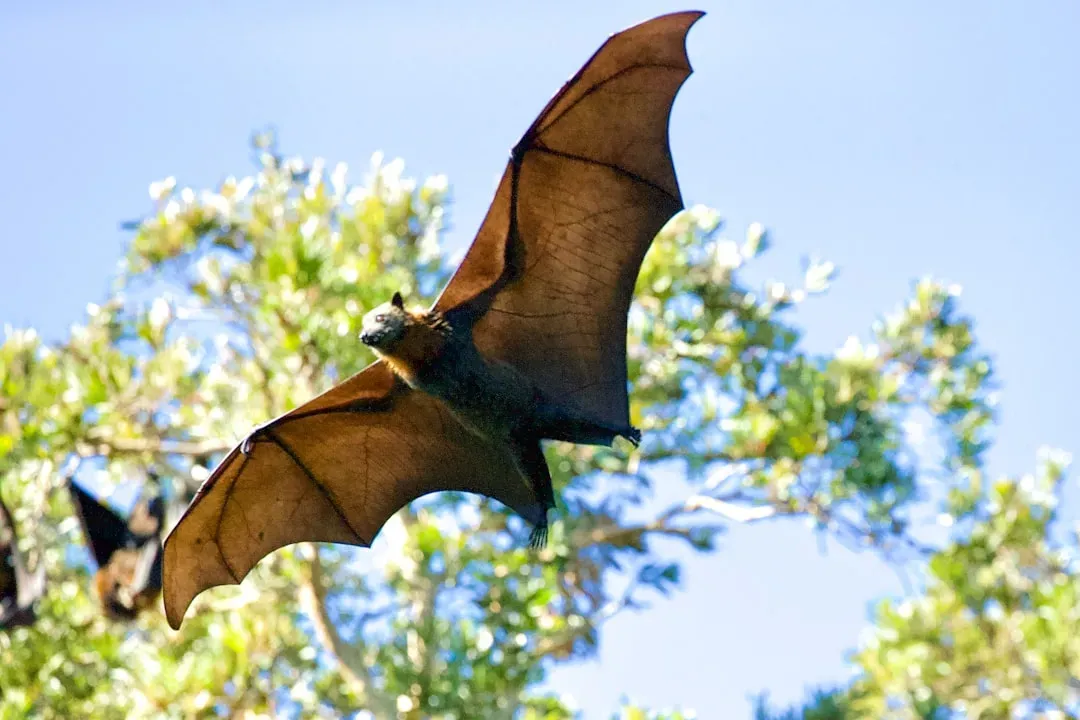
Many bat species, some of which are endangered, carry viruses that would be catastrophic in humans yet often remain healthy themselves. Their immune systems seem to walk a fine line between rapid response and avoiding damaging inflammation, a balance that could inform treatments for viral infections and inflammatory diseases. These genetic insights depend on broad, diverse populations to compare different lineages and environments. As habitat loss, hunting, and climate change squeeze elephants and bats into smaller, fragmented groups, we risk losing variations that might contain the most useful genetic blueprints.
Why Protecting Endangered Species Is Also Self-Defense
When you step back, a pattern becomes impossible to ignore: the same animals we’re pushing toward extinction may hold the keys to healing us. Venoms that can kill in minutes are being redesigned to protect hearts and brains. Reef chemicals that evolved for survival in crowded oceans are being turned into precisely targeted cancer drugs. The line between dangerous and life-saving is often just a matter of dose, context, and curiosity.
I used to think of conservation mostly in terms of beauty and morality – saving tigers because they’re majestic, or frogs because the rainforest feels richer with their calls. The more you look at the science, though, the more it feels like something deeper: basic self-preservation. Every species that disappears takes with it millions of years of trial-and-error experiments encoded in DNA and chemistry, experiments we could never recreate from scratch. In a world where nearly every family is touched by cancer, heart disease, or chronic pain, it’s hard not to wonder what future treatment might vanish with the next unsung creature that slips away.