
The idea sounds almost impossible: animals thriving in the darkest, coldest parts of the ocean, where sunlight never reaches, oxygen can be scarce, and food is more rumor than reality. And yet, thousands of meters below the surface, life not only exists – it bends the rules of biology so hard they almost snap. The deep sea feels less like our planet and more like an alien world that just happens to share our oceans.
What drew me into this topic was the unsettling thought that, down there, life plays by completely different rules. No green plants, no photosynthesis, almost no “normal” food chain… and still, entire communities survive. Once you start looking into them – worms that eat rock, microbes that breathe metal, fish that live on almost nothing – you can’t help but feel your idea of what’s “necessary for life” quietly fall apart.
The Midnight Zone: A World Where Sunlight Never Arrives
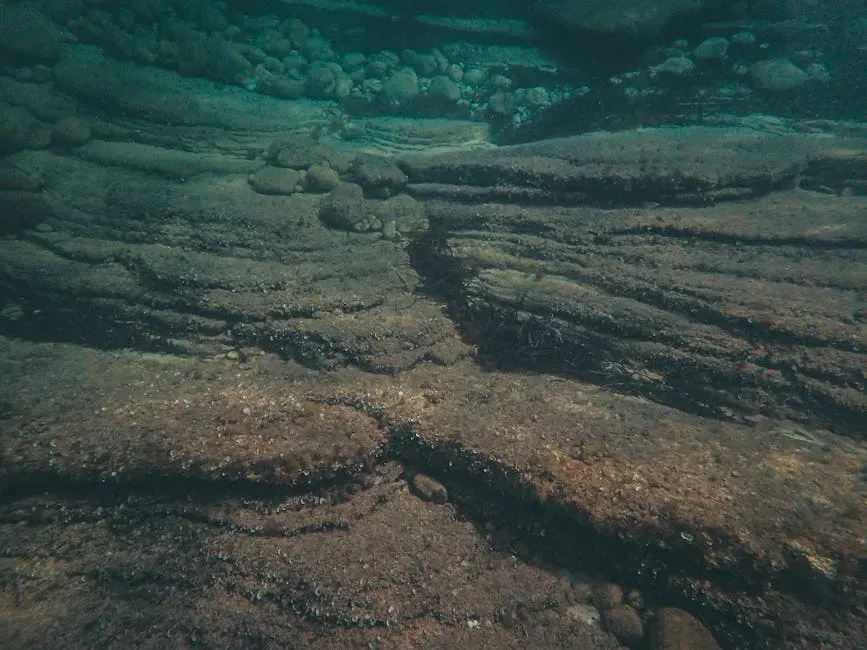
Imagine standing in a room so dark that even if you waited a thousand years, the lights would never come on – that’s the deep ocean. Sunlight disappears completely at around one thousand meters below the surface, and yet the seafloor can lie several thousand meters deeper than that. Down there, it’s near freezing, the pressure is crushing, and the darkness is permanent and absolute.
Most of us grow up thinking light is essential for life because on land, almost everything depends on plants capturing sunlight. But in the deep sea, light is more like a rumor than a resource. Creatures have either learned to do without it or produce their own faint glows. It’s a bit like discovering a city that functions perfectly even though no one has ever seen the sun.
Hydrothermal Vents: Underwater “Cities” Powered by the Earth Itself
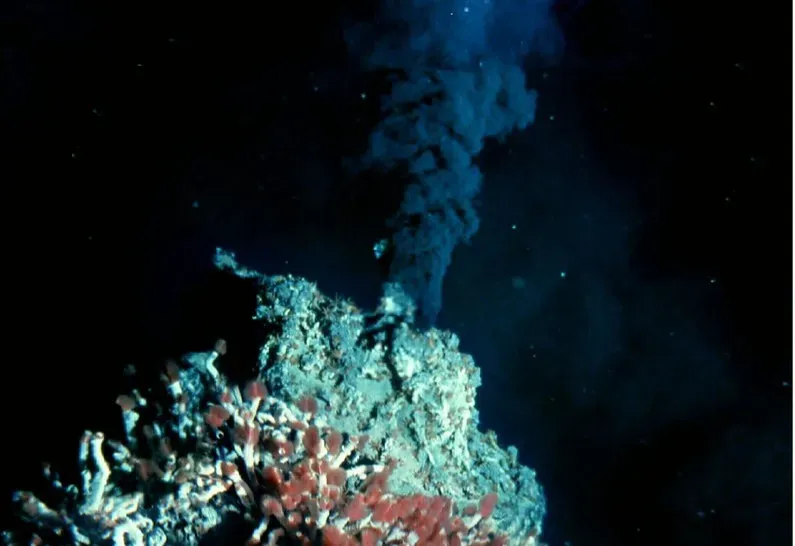
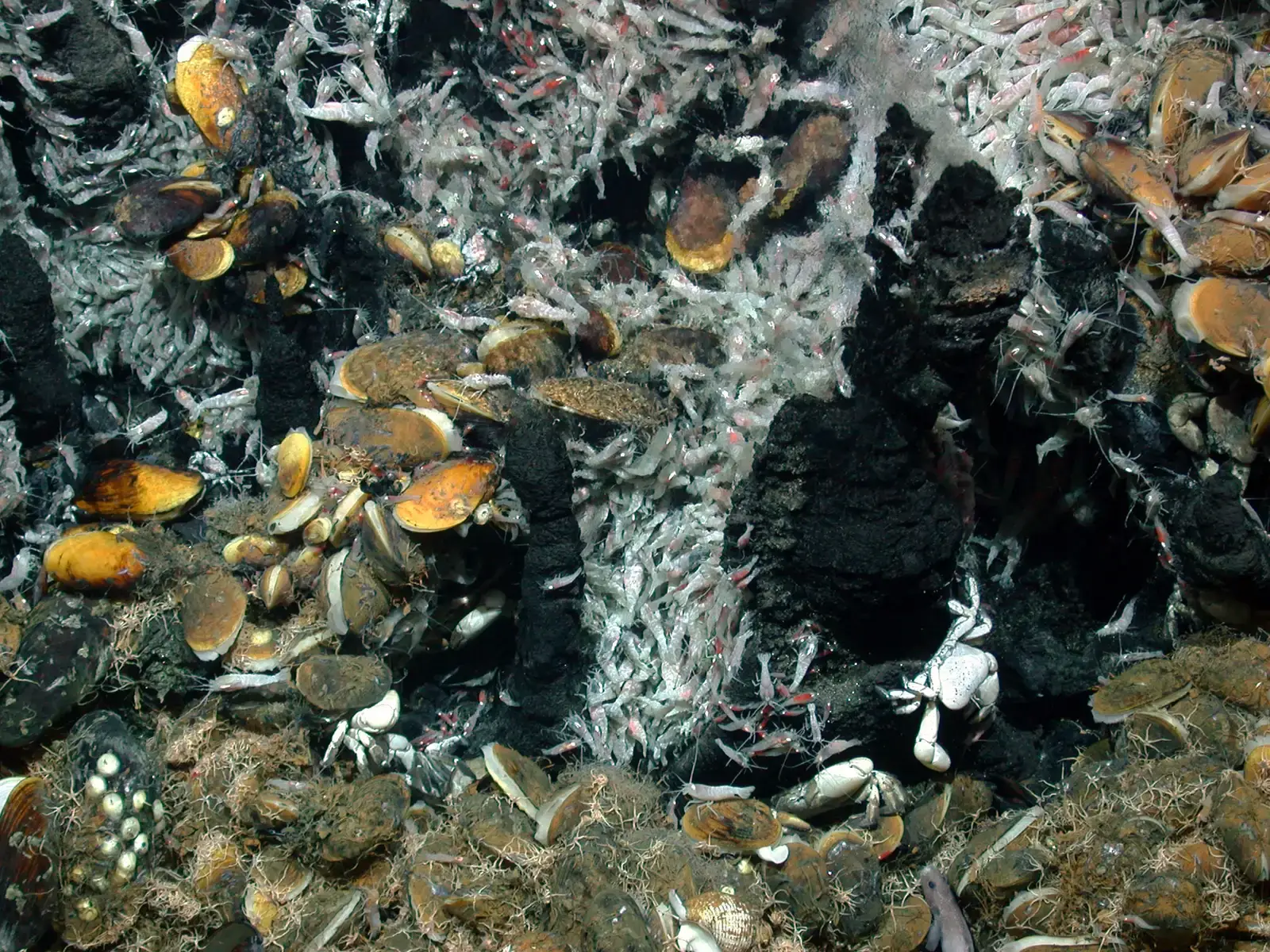
One of the most shocking discoveries in modern ocean science was the finding of hydrothermal vents in the late twentieth century. These are cracks in the seafloor where superheated, mineral-rich water gushes out like black smoke from undersea chimneys. Around these vents, the seafloor should have been lifeless – instead, scientists found swarming communities of gigantic tube worms, clams, crabs, and strange fish.
The secret is that these ecosystems don’t run on sunlight at all; they run on chemistry. Microbes near the vents use hydrogen sulfide and other chemicals in the vent fluid as an energy source, in a process called chemosynthesis. They’re essentially doing what plants do, but without the sun. Everything else – worms, crabs, snails – lives off those microbes, turning the dark seafloor into a bustling, ghostly city powered by the Earth’s internal heat.
Chemosynthesis: Life That Eats Chemicals Instead of Light
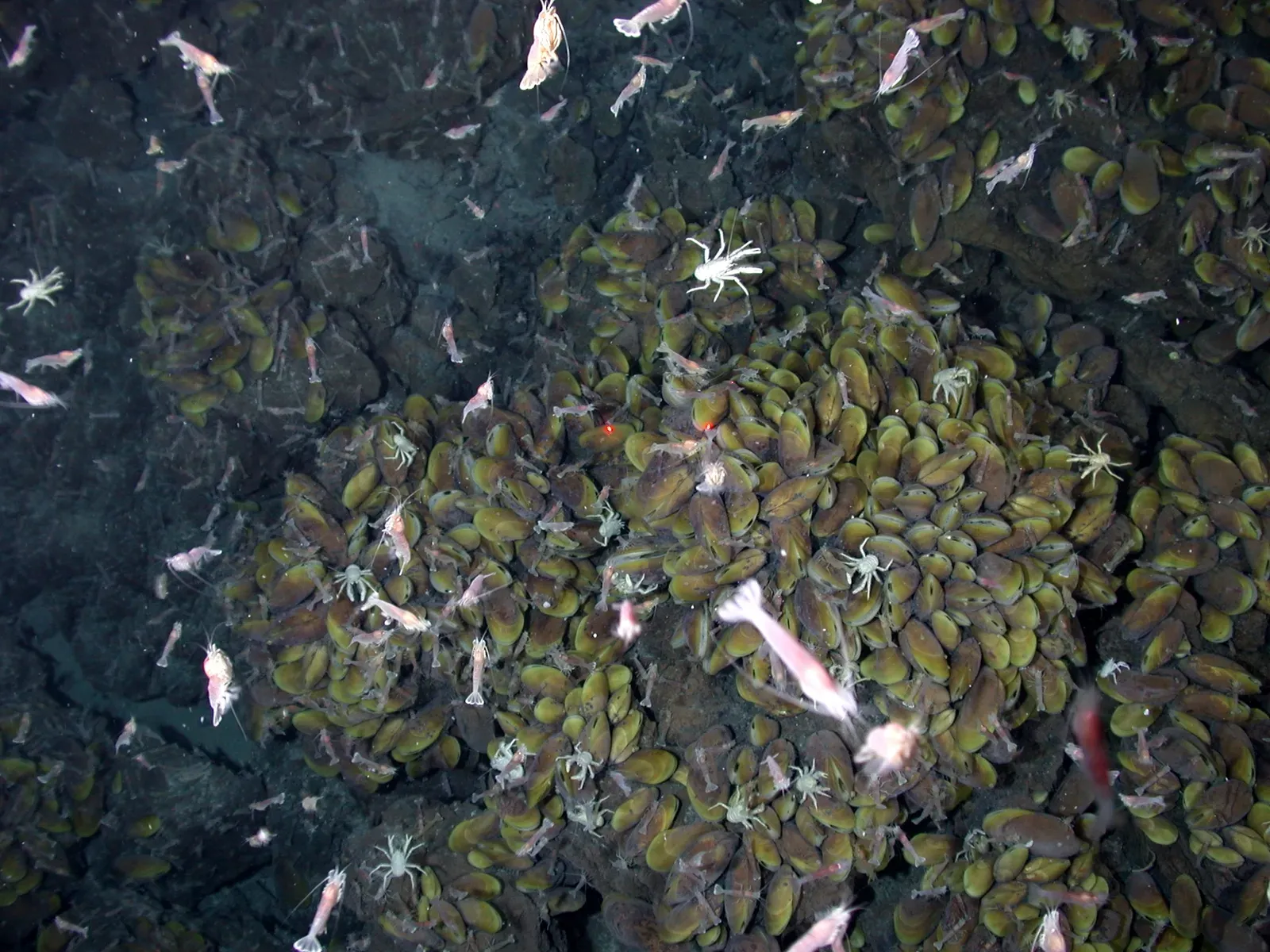
If photosynthesis is “eating light,” then chemosynthesis is “eating rocks and fumes.” Certain bacteria and archaea in the deep sea can use energy from chemicals like hydrogen sulfide, methane, or hydrogen to build sugars and other organic molecules. They turn toxic substances into fuel, the way a refinery turns crude oil into gasoline. To a human perspective, it’s a little like living off car exhaust and volcanic fumes.
What’s wild is that some animals don’t even need to digest food in the way we think of it. Giant tubeworms at hydrothermal vents, for example, host chemosynthetic microbes inside their bodies, which produce nutrients for them. The worms lose their mouths and guts as adults because they simply don’t need them. In a way, they’ve outsourced their entire metabolism to microscopic partners, becoming walking, living greenhouses for bacteria that never see the light.
Creatures That Barely Breathe: Surviving on Almost No Oxygen
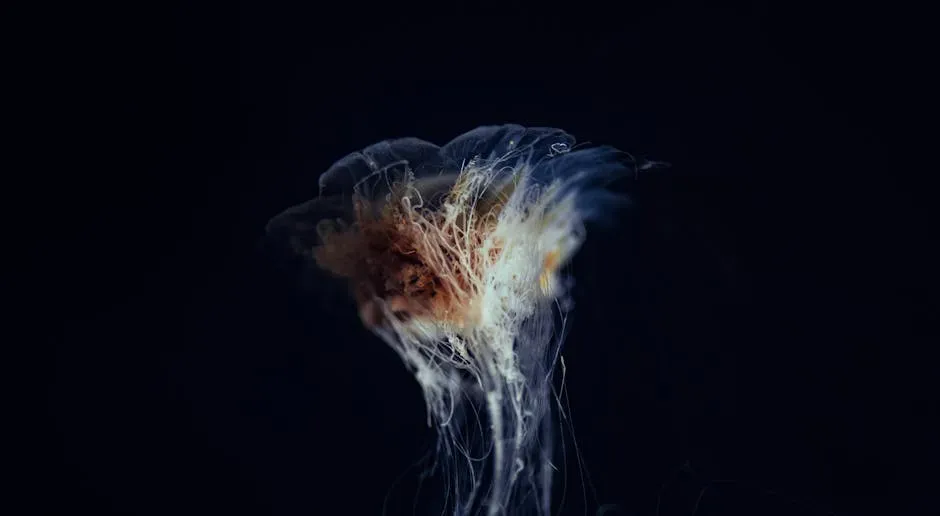
It’s hard to imagine an animal living without much oxygen, especially when we’re used to gasping after just a short sprint. Yet many deep-sea species live in oxygen minimum zones, layers of the ocean where the oxygen level drops to nearly undetectable amounts. Instead of suffocating, some fish, worms, and crustaceans slow their metabolism way down to survive on what little oxygen is available.
Some microbes can even do away with oxygen altogether, using alternatives like nitrate, sulfate, or iron for their respiration. It’s as if someone showed up at a party where all the oxygen had run out and quietly set up a backup life-support system that nobody else knew existed. These flexible strategies allow life to occupy zones of the ocean that would kill most surface creatures in minutes.
Zero-Food Strategies: Living on Almost Nothing at All
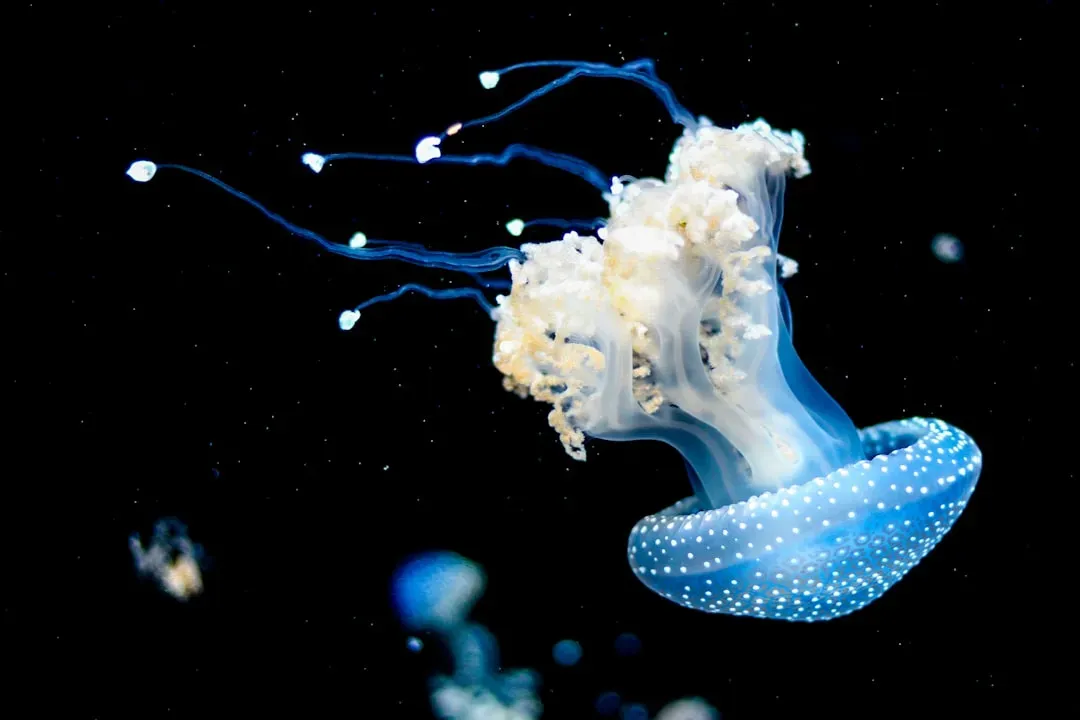
Far from vents and seeps, most of the deep seafloor is basically a food desert. Organic material falls from the surface as “marine snow” – tiny flecks of dead plankton, fecal pellets, and fragments of once-living things – drifting down slowly like dirty, underwater snowflakes. By the time it reaches the deep, most of the nutrients have already been stripped away. What’s left is sparse and unpredictable.
Deep-sea animals cope by being extremely frugal. Many fish and invertebrates have slow metabolisms, small muscles, and bodies made of jelly-like tissue that’s cheap to maintain. Some can go weeks, months, or even longer between decent meals. It’s the opposite of a high-performance sports car; they’re more like an old, efficient engine that barely sips fuel but just keeps going in the background, quietly and steadily.
Zombie Worms and Bone Eaters: Feasting on the Rare Dead
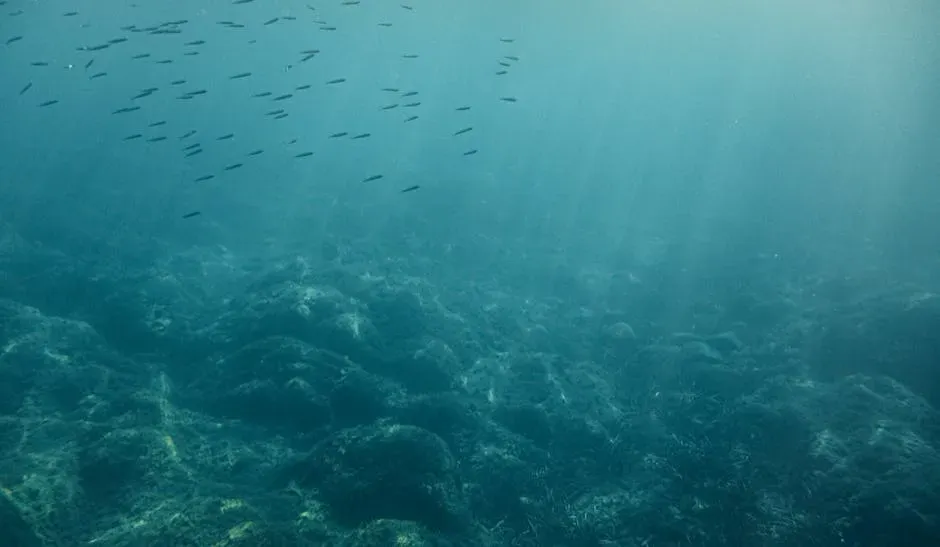
Every now and then, the deep sea hits the jackpot: a whale dies and sinks to the bottom, creating what’s called a “whale fall.” This massive carcass can feed an entire community for decades. One of the strangest residents is the so-called zombie worm, which feeds on the lipids inside whale bones. These worms don’t have mouths or stomachs; instead, they rely on symbiotic bacteria to break down the fats inside the bone.
Similar specialists live on other hard-to-digest remains, from fish bones to turtle shells. They turn what seems like useless trash into rich food sources, like a recycling plant that can pull energy out of scrap material nobody else can use. In a world where food is erratic and rare, any creature that can unlock a hidden resource has an enormous advantage, no matter how weird it has to be to do it.
Deep-Sea Brains and Bodies: Built for Scarcity and Pressure
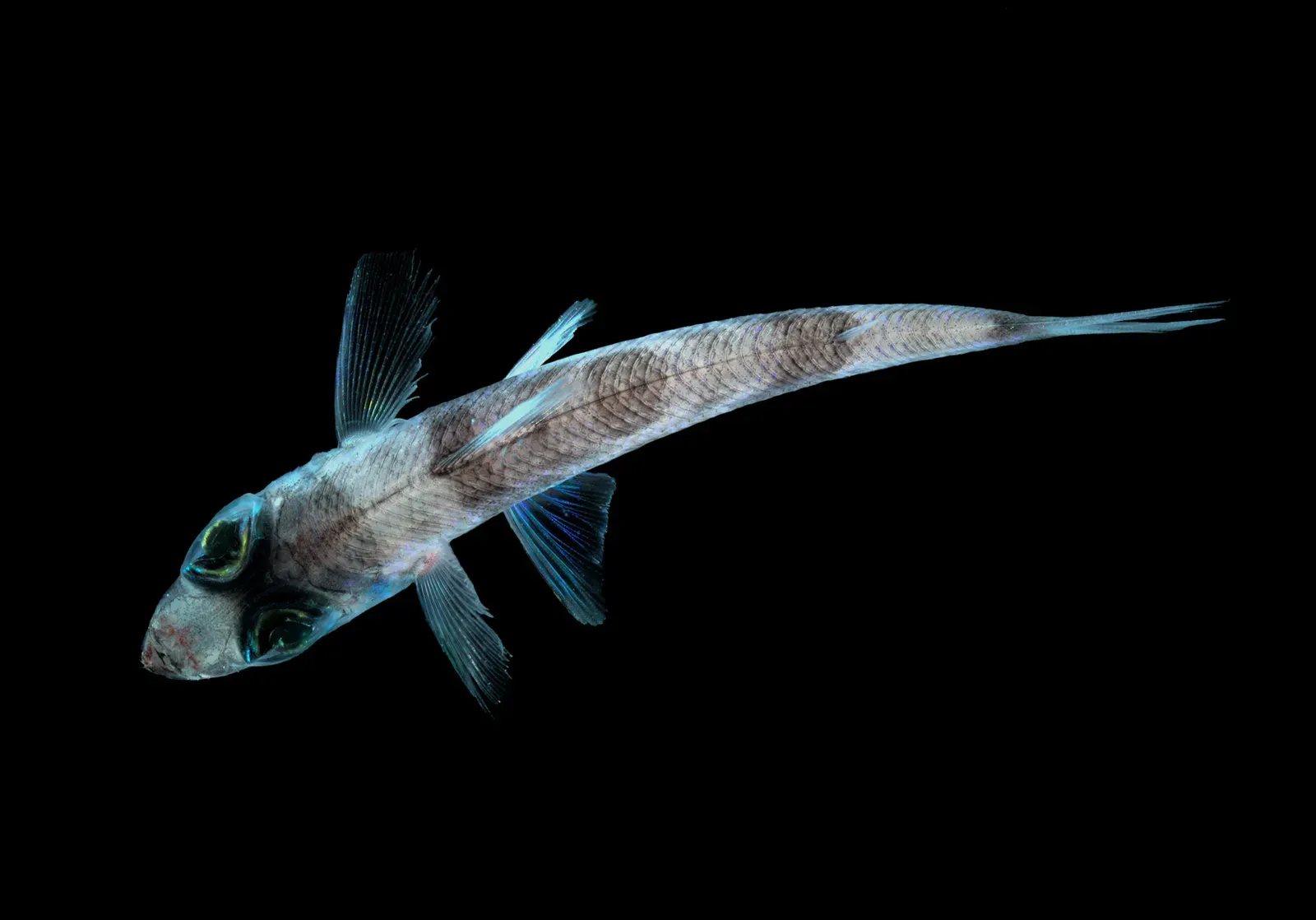
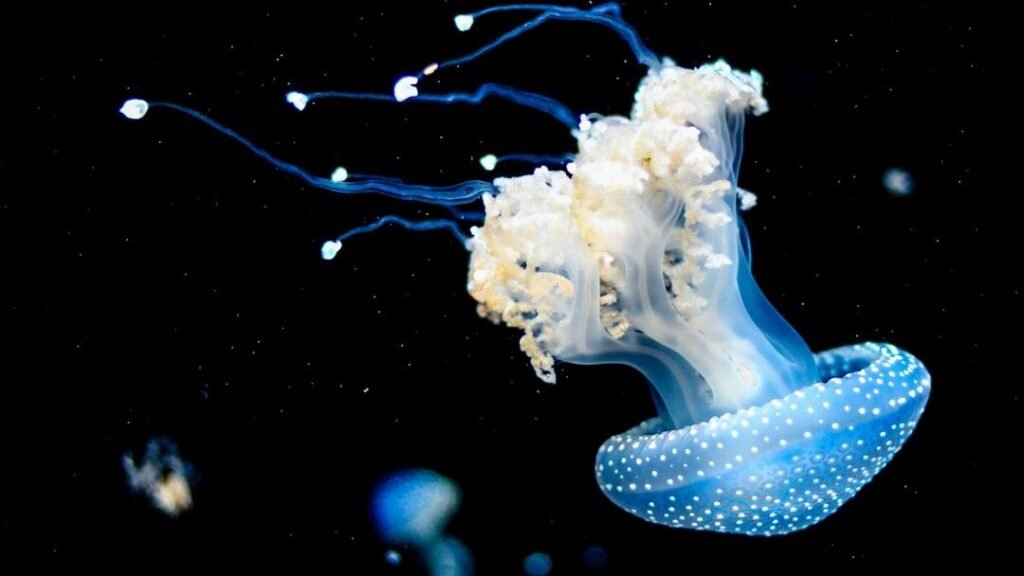
Deep-sea animals are often portrayed as monsters, but most of them are actually slow, delicate, and surprisingly small-brained compared to their shallow-water cousins. Large, energy-hungry brains aren’t very practical when food is scarce and meals are unpredictable. Many deep dwellers instead invest in big eyes, sensitive lateral lines, or long feelers to detect the faintest sign of movement in the darkness.
Their bodies match the environment too: soft, gelatinous tissue deforms under pressure instead of cracking, and minimal skeletal structures save energy. Some species have flexible enzymes and cell membranes that still work under crushing force and near-freezing temperatures. To a land mammal like us, it would feel like trying to live permanently inside a high-pressure freezer – yet for them, that’s simply home.
Bioluminescence: Making Light in a World Without Sun
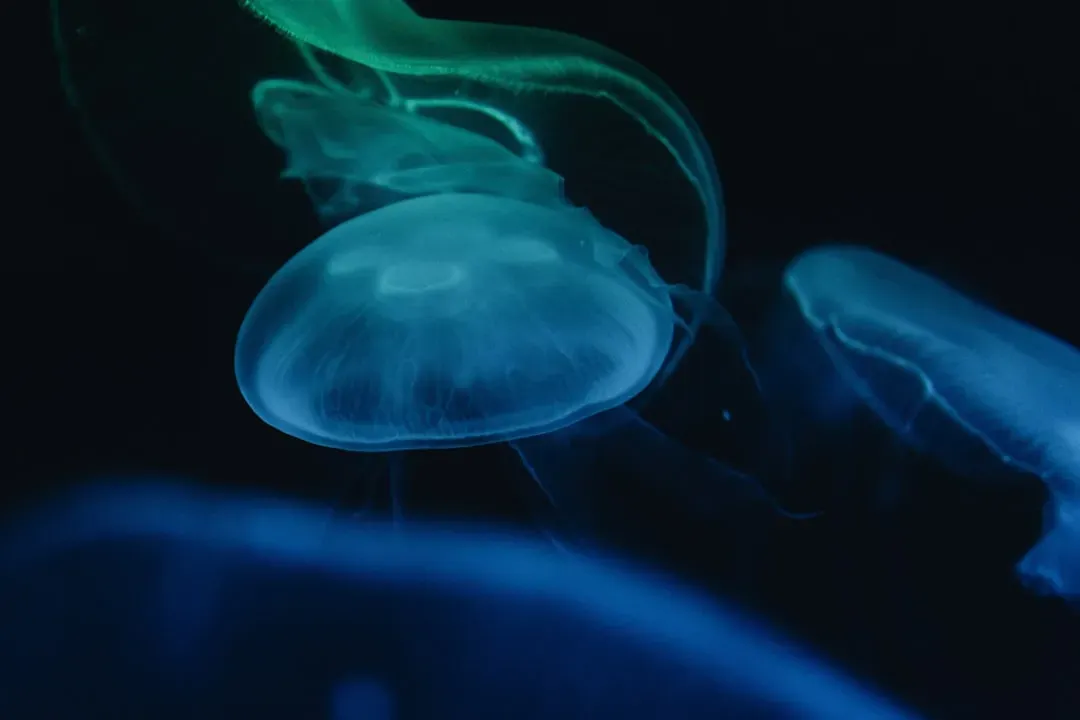
When sunlight can’t reach you, sometimes the only option is to make your own. Many deep-sea creatures produce bioluminescence – a cold, chemical light generated by reactions inside their bodies or via symbiotic bacteria. They use this light to lure prey, attract mates, confuse predators, or even create glowing “smokescreens” to slip away unseen.
Some fish dangle a glowing lure in front of their mouths like a tiny fishing rod, while others have light organs that act like headlights or Morse code flashers. In the blackness of the deep, a single flash can mean dinner, danger, or a potential partner. It’s a reminder that even in a place with no sun, life finds a way to write its own signals across the darkness.
Life in Isolation: Extreme Loners of the Abyss
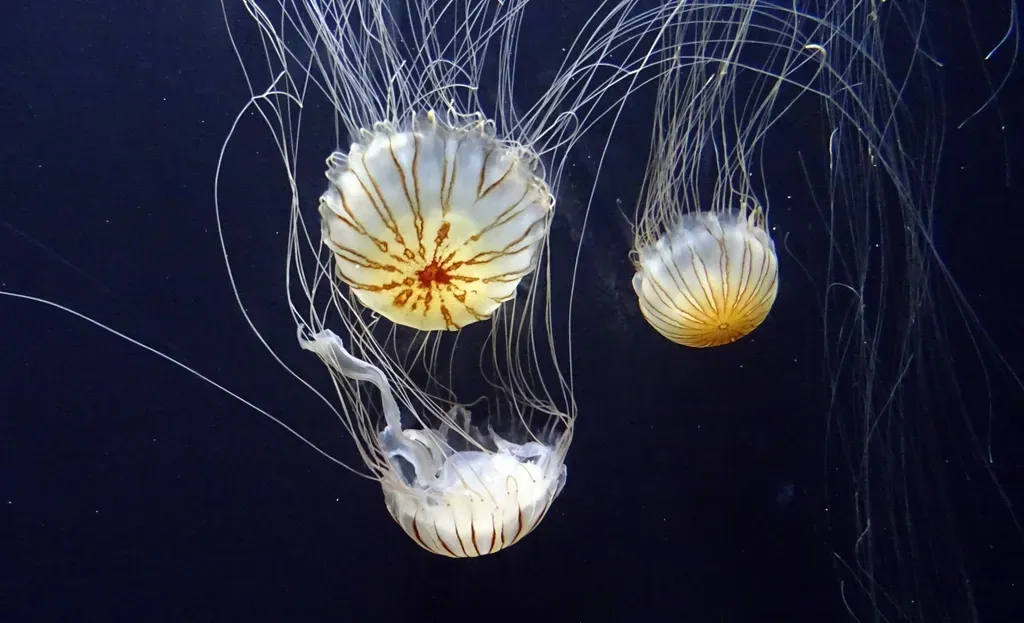
The deep ocean is not just dark; it’s incredibly empty in terms of sheer numbers of animals. Individuals may be spread out over vast distances, making encounters with others of their own kind rare. Some species have evolved strange reproductive strategies to deal with this, such as males permanently attaching themselves to females, or releasing gametes that can drift long distances in the currents.
This isolation also shapes behavior and body design. Many deep-sea animals are ambush predators, waiting patiently instead of chasing, because wasting energy on a failed attack can be dangerous when your next meal is uncertain. Others feed on almost anything they can catch, from live prey to sinking debris. It’s a quiet, solitary existence, more like living in a huge, dark desert than in the teeming reefs we usually picture when we think of the ocean.
What Deep-Sea Extremes Tell Us About Life Beyond Earth
The fact that some creatures can survive without sunlight, with almost no oxygen, and on vanishingly little food has changed how scientists think about life in the universe. Worlds like Jupiter’s moon Europa or Saturn’s moon Enceladus likely have oceans beneath their icy crusts, possibly heated by tidal forces and geothermal activity. If Earth’s deep vents and cold seeps can host complex ecosystems, similar environments elsewhere might do the same.
Even closer to home, these discoveries force us to accept that we still don’t fully understand our own planet. Huge regions of the deep ocean remain unexplored, and every new expedition seems to turn up species and survival strategies no one predicted. It’s a humbling thought: while we’re busy looking to the stars for signs of life, some of the strangest and most resilient forms of it have been hiding in our own backyard, in the absolute dark, all along.