
You walk outside, take a breath, look up at the sky, and feel the sun on your skin. You think you’re experiencing the world around you in full. Honestly, you’re not even close. The human sensory experience, impressive as it is, represents only a thin slice of what’s actually happening in the natural world at any given moment. Around you, invisible electrical fields pulse through the ground. Infrasonic conversations rumble beneath the threshold of your hearing. Light bounces in spectrums your eyes simply cannot decode.
Your collection of senses is pretty well-rounded, but by no means the best out there. Many animals have either bettered your senses or created entirely new ways of experiencing the world around them. Nature, it turns out, has been running a far more sophisticated sensory experiment than we ever gave it credit for. Prepare to be genuinely humbled by what you are about to discover.
The Shark’s Electrical Superpower: Sensing What You Cannot See
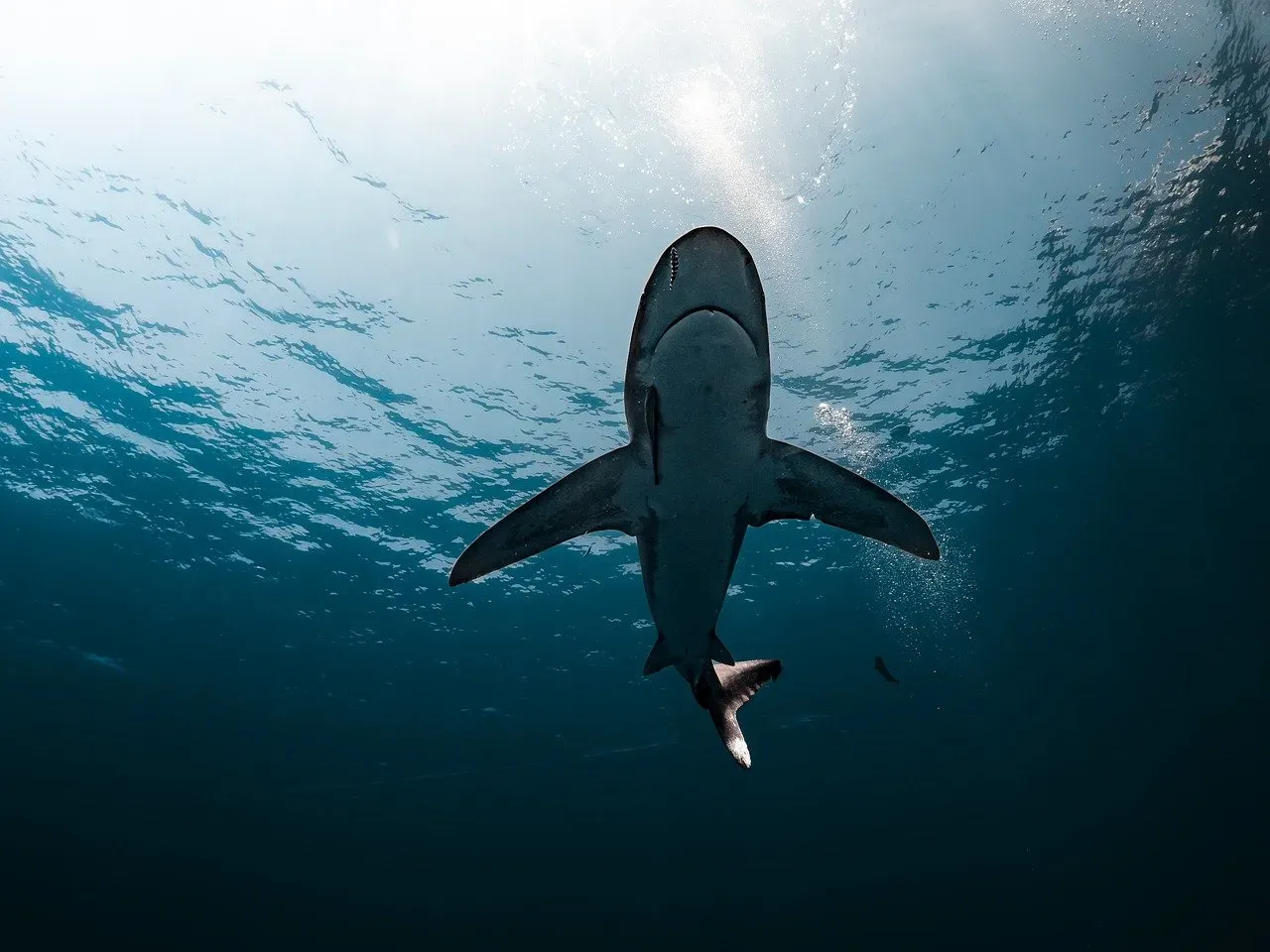
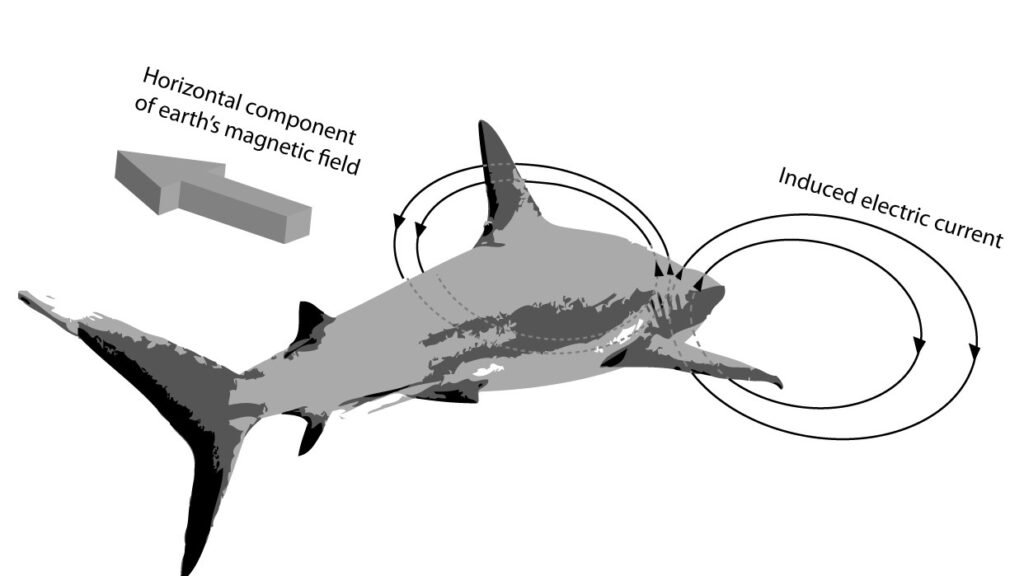
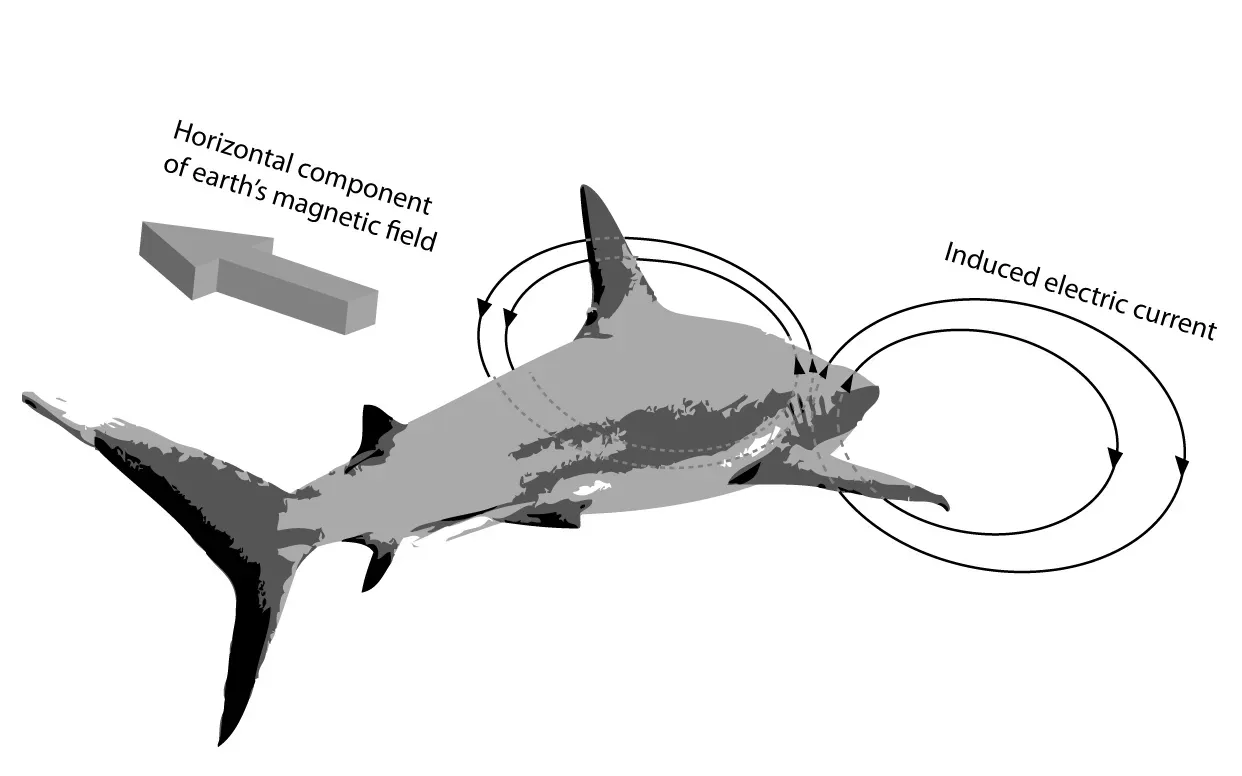
Sharks have the ability to detect electrical fields, a sense called electroreception. They possess clusters of pores on their heads, called ampullae of Lorenzini, which are filled with electrically conductive jelly. Think about that for a second. While you rely on your eyes and ears in the dark, a shark is essentially reading the electrical biography of every living thing nearby.
These jelly-filled canals opening through pores in the shark’s snout can detect electric fields as weak as five nanovolts per centimeter. This extraordinary sensitivity allows sharks to detect the minute electrical fields generated by the muscle contractions of prey animals, even when hidden under sand or murky water where visual cues are absent. The great white shark can detect the electrical equivalent of a single D-cell battery connected to electrodes placed 1,000 miles apart in the ocean. If that doesn’t stop you in your tracks, nothing will.
Dolphins and Echolocation: When Sound Becomes a Window Into Your Body
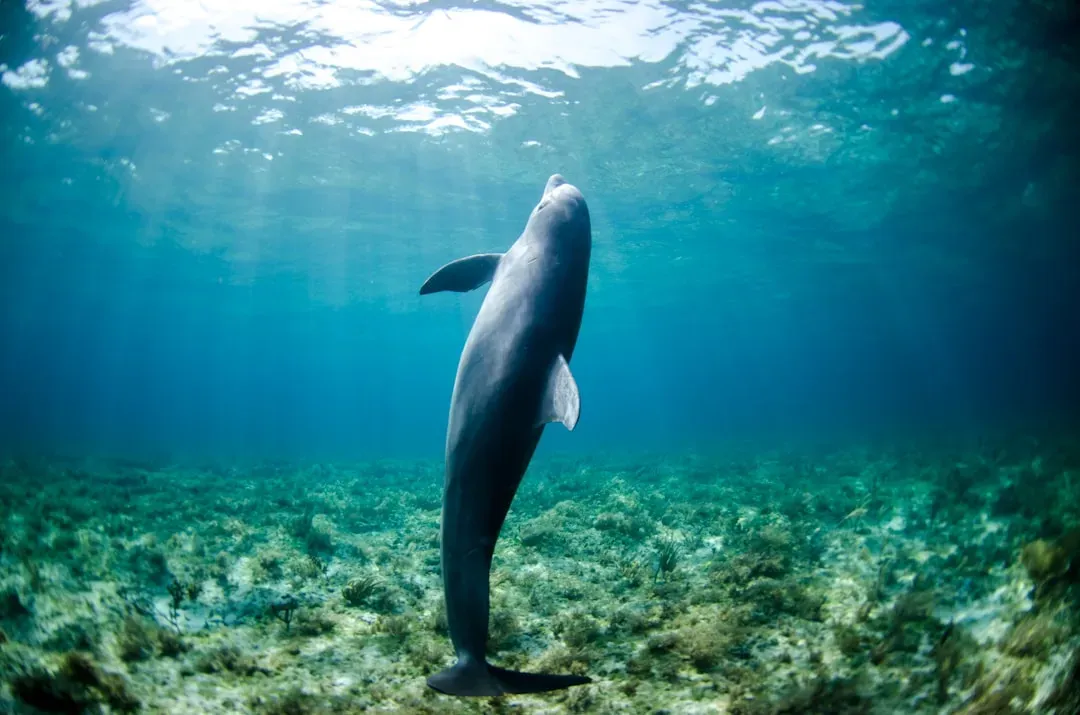
Dolphins use echolocation, a sophisticated sonar system, to navigate and hunt in the ocean. By emitting a series of clicks and listening to the returning echoes, they can determine the size, shape, and distance of objects around them. This sense is so accurate that it allows dolphins to catch fast-moving prey and swim with precision through often-turbulent waters. It’s like having a built-in ultrasound scanner running constantly, every second of every day.
The bottlenose dolphin emits as many as 1,000 clicks per second at a frequency beyond human hearing. Dolphins are capable of determining what an object consists of. When a dolphin echolocates on a person, they have the ability to see muscle tissue, bone tissue, scar tissue, metal pins or rods, artificial body parts, and many subtle differences from one human to the next. So the next time you swim near a dolphin, it’s essentially reading your medical history. Slightly unsettling, endlessly fascinating.
The Mantis Shrimp’s Vision: A Universe of Color You Will Never Experience
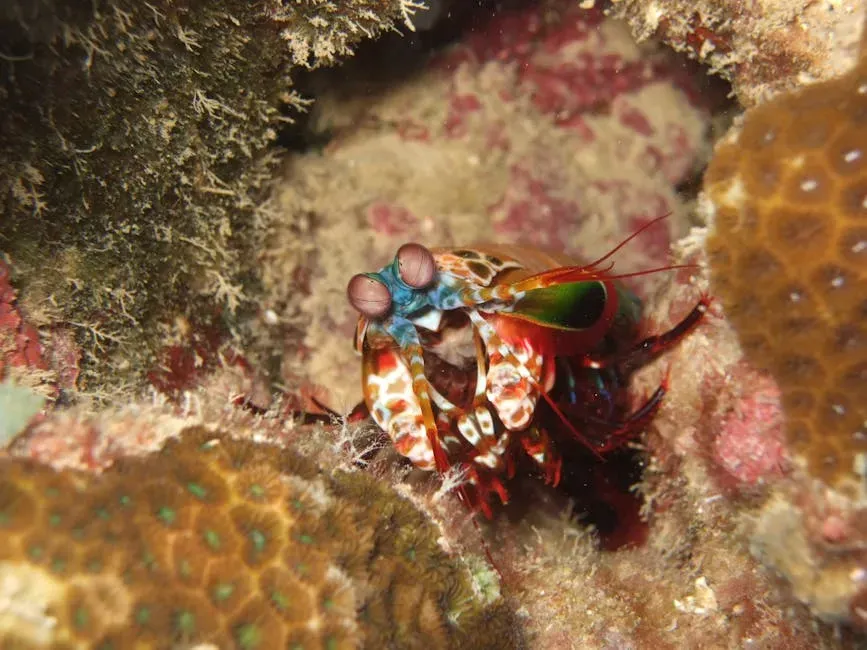
While you have three types of color-receptive cones in your eyes, mantis shrimp have between 12 and 16 different photoreceptor types. This extraordinary visual system allows them to see a spectrum of light far beyond human perception, including ultraviolet, infrared, and polarized light. You think you see a colorful coral reef. The mantis shrimp sees something so radically different, there are no human words to describe it.
The mantis shrimp’s eye contains the only known cells in the animal kingdom that can detect circular polarization. Their technology beat ours to this ability by as much as 400 million years. The mantis shrimp’s eyes sit on mobile stalks and can move independently of each other, providing enhanced depth perception and a nearly 360-degree field of vision. Perhaps most remarkably, these creatures process visual information differently than most animals – rather than comparing inputs from different photoreceptors in the brain, mantis shrimp appear to process colors at the eye level, allowing for nearly instantaneous color recognition.
The Elephant’s Infrasonic World: Conversations You Feel Through Your Feet

African elephants communicate using incredibly low rumbling sounds that cannot be heard by the human ear. These rumbles are carried through the air as sound waves and also through the ground as seismic waves. The elephants feel the seismic vibrations by using their trunk and their feet. Concentrated at the tip of their trunks and on the heels and toes of their feet are very sensitive receptor cells called Pacinian corpuscles. Imagine standing on the African plains, completely unaware that an entire detailed conversation is happening right beneath your feet.
Infrasonic refers to sounds below 20 Hz, the threshold of normal human hearing. These rumbling calls can travel for miles through the ground and air, allowing elephant herds to stay in touch across vast distances. Elephants use this for everything from warning about predators to coordinating group movements to expressing emotions. It’s essentially a secret underground communication network, and you are permanently locked out of it.
The Platypus: Nature’s Most Unlikely Electroreception Expert
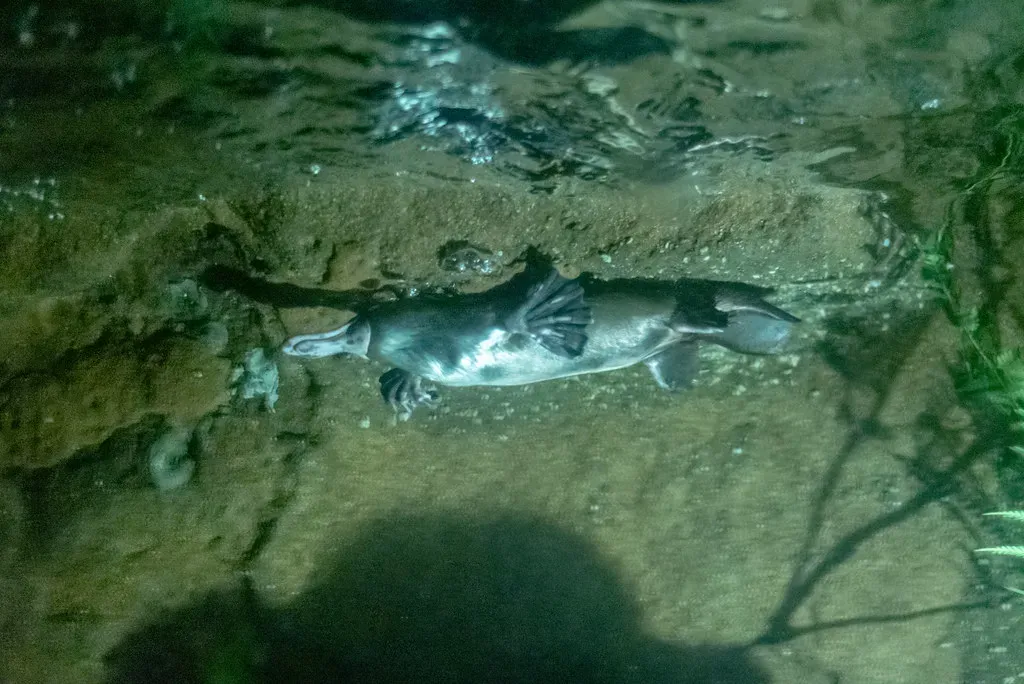
The platypus, one of Australia’s most iconic and unusual mammals, has an extraordinary capability known as electroreception. This means they can detect electrical fields generated by the muscular contractions of their prey, such as shrimp and small fish, in murky waters. This sense compensates for their poor eyesight underwater, allowing them to hunt effectively in darkness. Let’s be real – the platypus is already one of the strangest creatures on Earth. This just makes it stranger.
The platypus is already a bizarre animal, and its sensory abilities make it even stranger. While swimming with its eyes, ears, and nose shut, it relies on electroreceptors in its bill to detect the tiny electric fields produced by the muscles of its prey. This sixth sense allows the platypus to hunt for food in complete darkness underwater, picking up the faintest electrical signals. It’s like navigating an entirely dark room while detecting exactly where everything is, not with your hands, but with invisible energy fields. Try wrapping your human brain around that.
Bats and the Art of Seeing With Sound
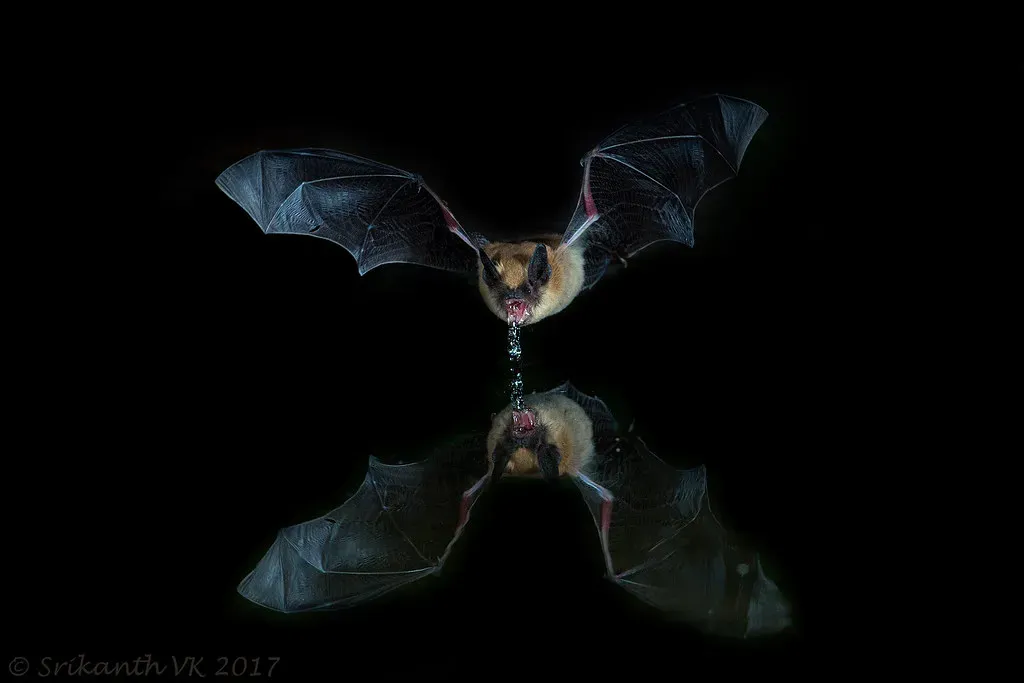
Most of the over 1,400 bat species use echolocation to navigate and hunt in darkness, emitting high-frequency sounds typically well beyond human hearing, and interpreting the returning echoes to create detailed mental maps of their surroundings. This remarkable system allows bats to detect objects as thin as a human hair in complete darkness and distinguish between different insect species based solely on their wing-beat patterns.
The precision of bat echolocation is so refined that they can detect differences in surface texture and identify prey items as small as mosquitoes while flying at speeds up to 60 mph. Their brains contain specialized neural pathways dedicated to processing these echoes, allowing for rapid interpretation of complex acoustic information. Some bat species have evolved specialized nose structures, like leaf-nosed bats, that help focus their sound emissions for even greater precision. Evolution, in this case, pulled off something genuinely spectacular.
Migratory Birds and Magnetoreception: The Living Compass

Experiments on migratory birds provide evidence that they make use of a cryptochrome protein in the eye, relying on the quantum radical pair mechanism to perceive magnetic fields. This effect is extremely sensitive to weak magnetic fields, and readily disturbed by radio-frequency interference, unlike a conventional iron compass. You read that right. Birds may literally be using quantum physics to navigate the globe.
This sensory ability helps birds and insects migrate and turtles remember the locations of rich feeding areas. Scientists at the University of Oxford have discovered that pigeons use magnetoreception – an ability to sense Earth’s magnetic field – to find their way. They also rely on visual landmarks, the position of the sun, and even smell to create mental maps of their environment. When you get confused without your GPS, spare a thought for the pigeon that has been navigating thousands of miles flawlessly for millennia without a single satellite overhead.
The Star-Nosed Mole: Touch So Advanced It Replaces Sight
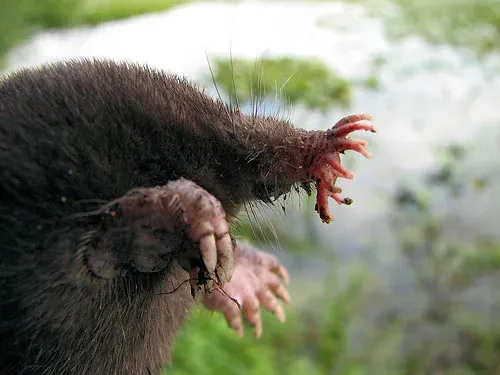
The star-nosed mole has more than 25,000 minute sensory receptors in touch organs, known as Eimer’s organs, with which this hamster-sized mole feels its way around. With the help of its Eimer’s organs, it may be perfectly poised to detect seismic wave vibrations. For this tiny creature, the world is not something you see. It’s something you feel, at mind-bending speed.
In only eight milliseconds the star-nosed mole can decide whether something is edible – in fact, this is one of the fastest responses to a stimulus in the animal kingdom and is the reason why it was recognized in the Guinness Book of World Records as the world’s fastest forager. With each touch, 100,000 nerve fibers send information to the mole’s brain. That’s five times more touch sensors than in the human hand, all packed into a nose smaller than a fingertip. It is also one of two animals in the world known to smell underwater, by blowing air bubbles and sucking them back into its nose.
The Catfish: Tasting the World With Its Entire Body
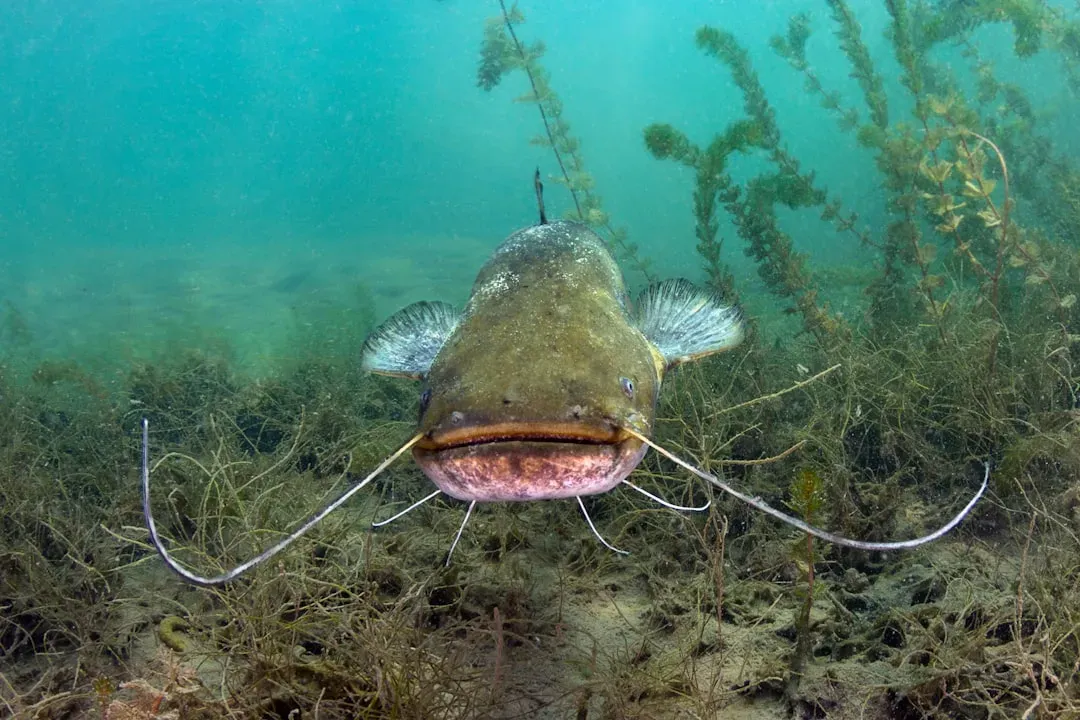
Catfish have evolved a remarkable method of taste detection by having taste buds not just in their mouths, but all over their bodies. This adaptation enables them to taste their surroundings and find food in the murky waters where they often reside. With around 100,000 taste buds, the catfish’s skin is an extraordinary sensory organ, allowing these fish to be effective scavengers. Imagine not tasting a meal, but tasting the entire room you are standing in. Every wall, every surface, every molecule of air. That is the catfish’s reality.
Catfish don’t just have taste buds in their mouths – their entire bodies are covered with them, totaling 175,000 compared to your 8,000, letting them essentially taste their environment in three dimensions. It’s a sensory experience so alien to human experience that it genuinely challenges your concept of what tasting even means. You taste with your tongue. The catfish tastes with its soul.
Pit Vipers and Infrared Vision: Hunting With Heat
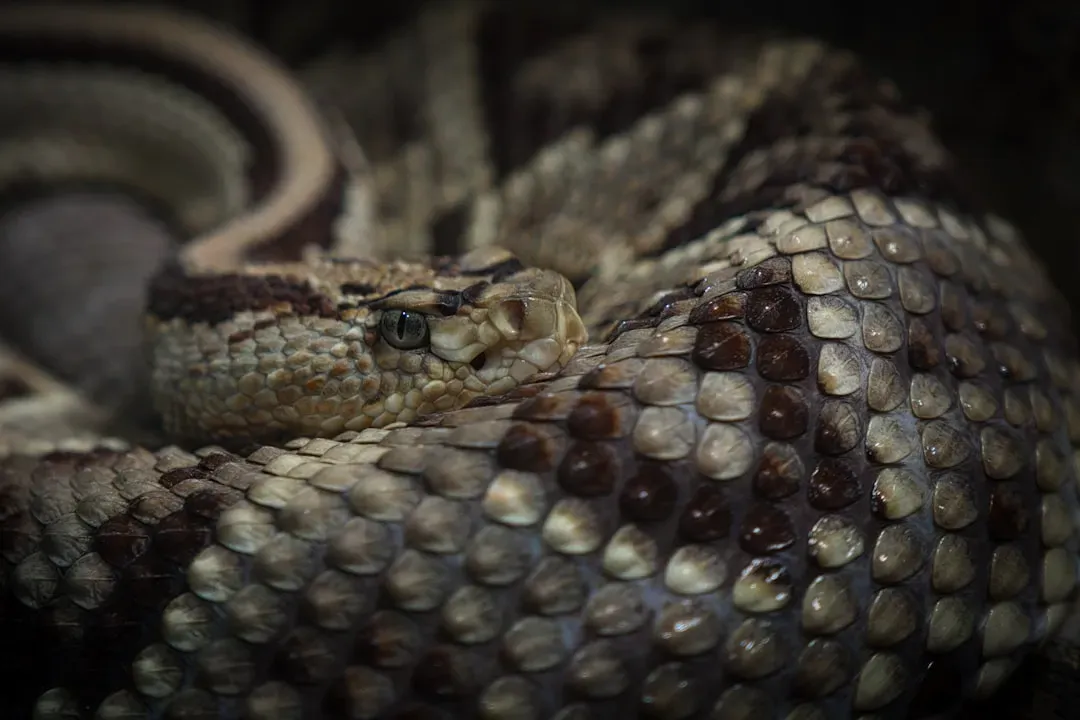
Certain species of snake have holes below their eyes called pit organs which house receptors that can detect heat emitted up to a metre away. This heat is mapped over the snake’s visual representation of its surroundings to create a multi-dimensional image allowing it to pin-point prey in all light levels. No night-vision goggles required. No batteries. Just biology doing something that sounds like science fiction.
The viper uses a sense of touch called thermoception to register the infrared aura radiating from its warm-blooded prey. Scientists found that the heat-sensing molecules in the snake’s pit organs are much like ones that are present in our skin. These enable us to experience the warmth of human contact, but those of the snake are so sensitive they detect the heat of a mouse up to one metre away. So while you stumble around in the dark, a pit viper is effortlessly watching a perfect heat map of everything around it. It’s hard not to be a little envious of that.
Conclusion: You Are Only Experiencing a Fraction of Reality
Here’s the thing that really sticks with you after learning all of this. What you perceive as a human is limited to a very narrow band of what is actually possible. Humans might have highly developed intellectual abilities, but these creatures with their super senses are no less impressive. You are walking through a world overflowing with electrical signals, magnetic fields, infrasonic conversations, and wavelengths of light that your body was simply never built to detect.
Some animals can detect forms of energy invisible to you, like magnetic and electrical fields. Others see light and hear sounds well outside the range of human perception. The animal kingdom is filled with creatures whose senses extend far beyond human capability, showcasing the incredible diversity of life on Earth. From the electroreceptive powers of the platypus to the echolocating abilities of dolphins and bats, these animals possess gifts that may seem like science fiction but are based in remarkable evolutionary adaptations. Understanding these extraordinary senses not only highlights the wonders of biology but also underscores the diverse strategies employed by different species to thrive in their unique environments.
The world you think you know is really just one version of it. Every creature around you is living inside its own sensory universe, rich with details you will never directly experience. Does that make you curious about which of your own hidden senses might still be waiting to be discovered? It should.