
You probably grew up hearing that humans sit comfortably at the top of the intelligence ladder, with a long empty drop before the next rung appears. Yet the more scientists look closely at other species, the more that ladder starts to look crowded, messy, and uncomfortably close to our feet. From octopuses that solve mechanical puzzles in the dark, to parrots that seem to wield words with intent, animal minds keep pushing past what textbooks once allowed. This is not just a collection of fun facts; it is a quiet revolution in how we define thinking itself. And if we are honest, it raises a slightly unsettling question: what if we have been badly underestimating our fellow creatures all along?
Octopus Problem-Solving That Feels Uncomfortably Familiar
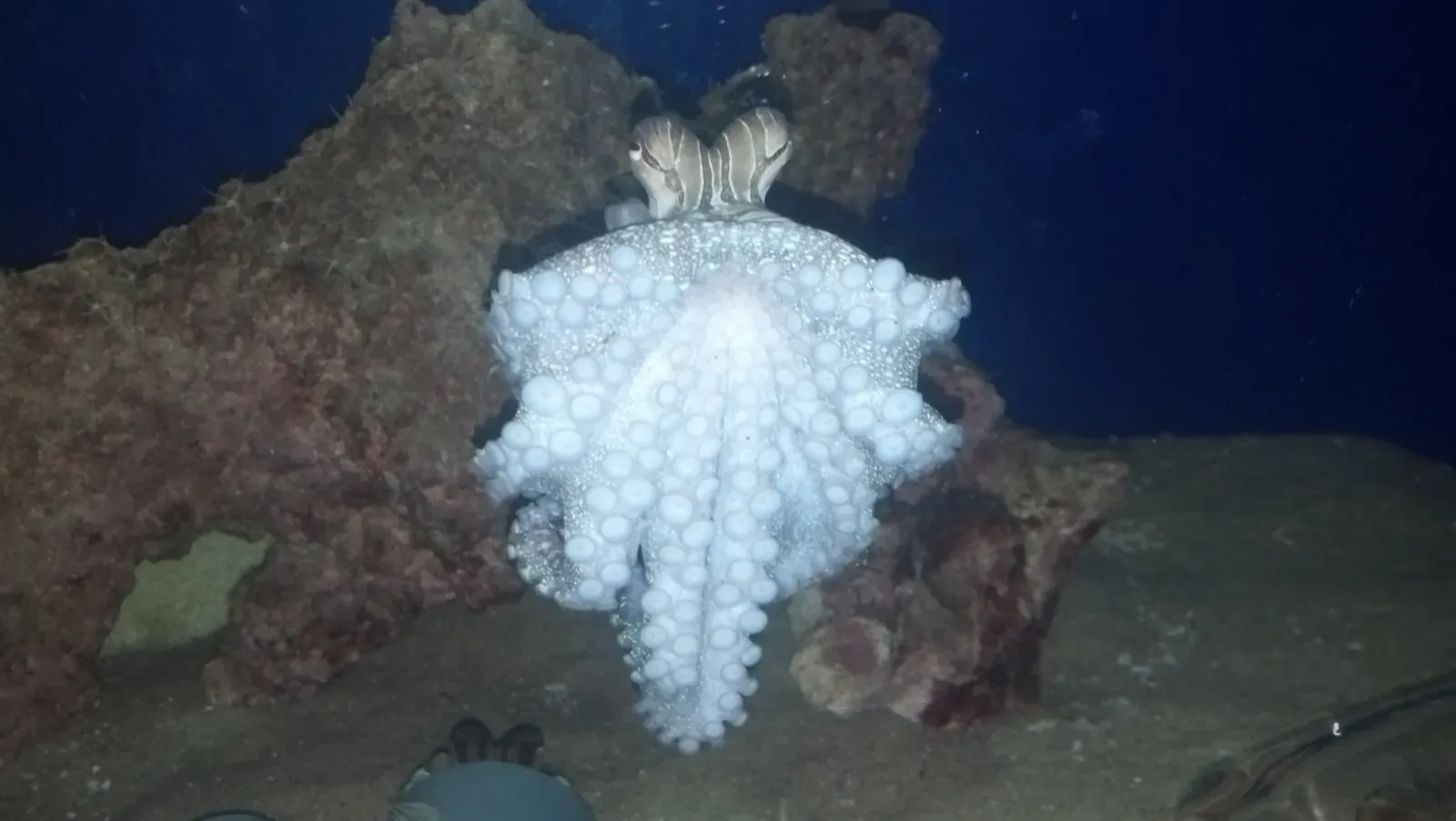
Walk into a marine lab that studies octopuses and it can feel less like visiting an aquarium and more like dropping by an escape room. These animals learn how to open screw-top jars, unlatch boxes, and navigate mazes after just a few tries, often remembering the solution days or weeks later. Some individuals even seem to specialize in sabotage, quietly flooding tanks or dismantling equipment in ways that leave researchers both impressed and mildly exasperated. This is all the more startling when you remember their brains are spread partly through their arms, organized nothing like our own centralized nervous system.
What really challenges expectations is how quickly octopuses adapt to new situations rather than just repeating fixed instincts. Experiments where they must choose between different shapes, textures, or colors to get a reward show a level of flexible learning more often associated with mammals. In the wild, they use coconut shells as portable armor and rearrange rocks to barricade their dens, acts that look a lot like planning. When a creature that lives barely two years can learn, innovate, and manipulate its world this deftly, the old idea that big, long-lived mammals own the patent on intelligence starts to crack.
Corvids That Build Mental Maps and Tools in Three Dimensions
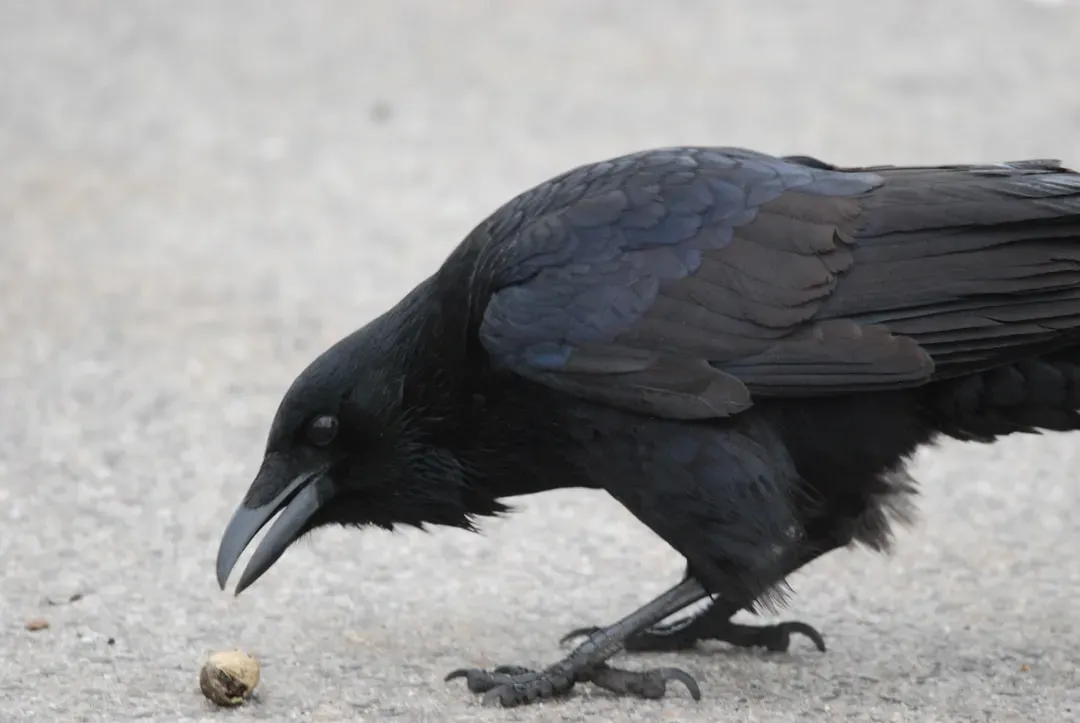
Among birds, crows and their corvid relatives keep turning up in studies that sound less like animal behavior and more like junior engineering projects. New Caledonian crows, for instance, shape sticks into hooked tools and then use them to fish grubs out of holes, sometimes even creating multi-part tools by combining pieces. In lab tests, some crows have been able to solve multi-step puzzles that require using one tool to retrieve another, then using the second to get food, a sequence that demands planning several moves ahead. Watching video of a crow doing this, it is hard not to feel like you are observing a feathered locksmith at work.
Wild corvids also stash food across wide areas and later recover it, relying on detailed spatial memory that can span seasons. Studies show they remember not just where items are but what those items were and whether they are likely to still be edible, a combination that edges into something like episodic memory. Ravens have been shown to select and save a tool they will need for a task many minutes later, enduring delays and distractions, which hints at a concept of the future. For animals with brains much smaller than a walnut, their ability to juggle space, time, and cause-and-effect overturns lazy assumptions about what a “bird brain” can do.
Parrots That Use Words With Startling Precision
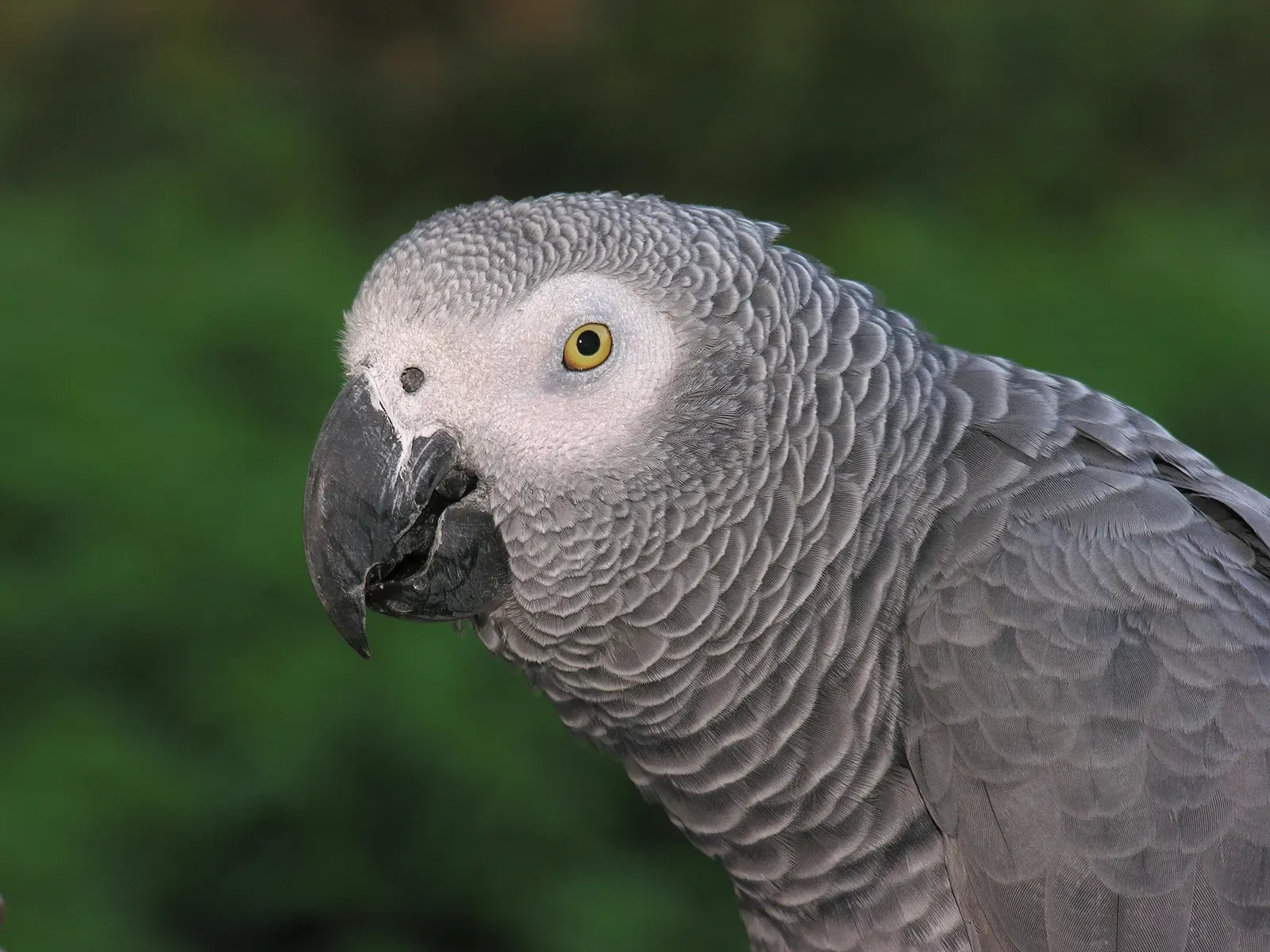
Parrots have long been the punchline of jokes about mimicry, but careful research has revealed something far beyond simple repetition. African grey parrots, in particular, have demonstrated the ability to label objects, colors, shapes, and even quantities in ways that track the meaning, not just the sound. In structured experiments, some have correctly identified the number of items in a group or picked out an object by a specific feature, like “green key” versus “yellow key,” even when the exact phrase had not been drilled in advance. Their errors often resemble the mistakes a young human child would make, rather than meaningless noise.
What makes this so striking is that their vocal learning is not limited to human-like speech. Parrots appear to build social and acoustic maps of their flocks, assigning and recognizing individual call “names” and adjusting them over time. In captivity, that same flexibility lets them appropriate human speech as just another tool for social interaction. While no parrot is giving a philosophy lecture, the underlying abilities to combine sounds with consistent meanings and to use them across different contexts edge them into a cognitive territory once assumed uniquely ours.
Dolphin Alliances and Underwater Social Strategy
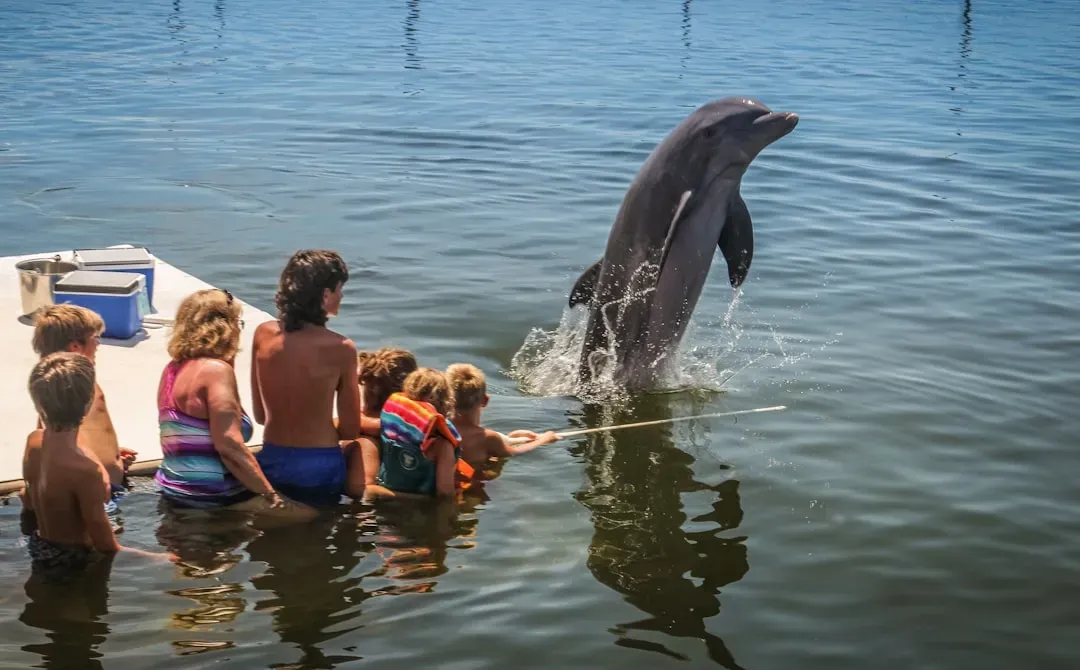
Dolphins often appear in popular culture as smiling, friendly companions, but in the wild they more closely resemble political operators navigating a complex landscape of shifting alliances. In certain bottlenose dolphin populations, males form long-term coalitions that cooperate to court and guard females, and those coalitions can themselves ally with other groups. Tracking these relationships over years has revealed layered social structures that resemble something closer to human friendship networks than simple dominance hierarchies. Individuals remember who has helped or hindered them and adjust their behavior in future encounters accordingly.
These social games sit on top of impressive communication skills, including individualized signature whistles that function almost like names. Dolphins recognize the whistle of a former ally or relative even after years of separation and large changes in group composition. They also coordinate during cooperative hunting, using position, timing, and sometimes bubble structures to herd fish in ways that require precise roles and attention to others’ actions. When you compare this to human team sports or group projects, the parallels are uncomfortable: we are not the only species balancing trust, strategy, and memory in real time.
Elephants That Remember, Mourn, and Navigate Invisible Maps
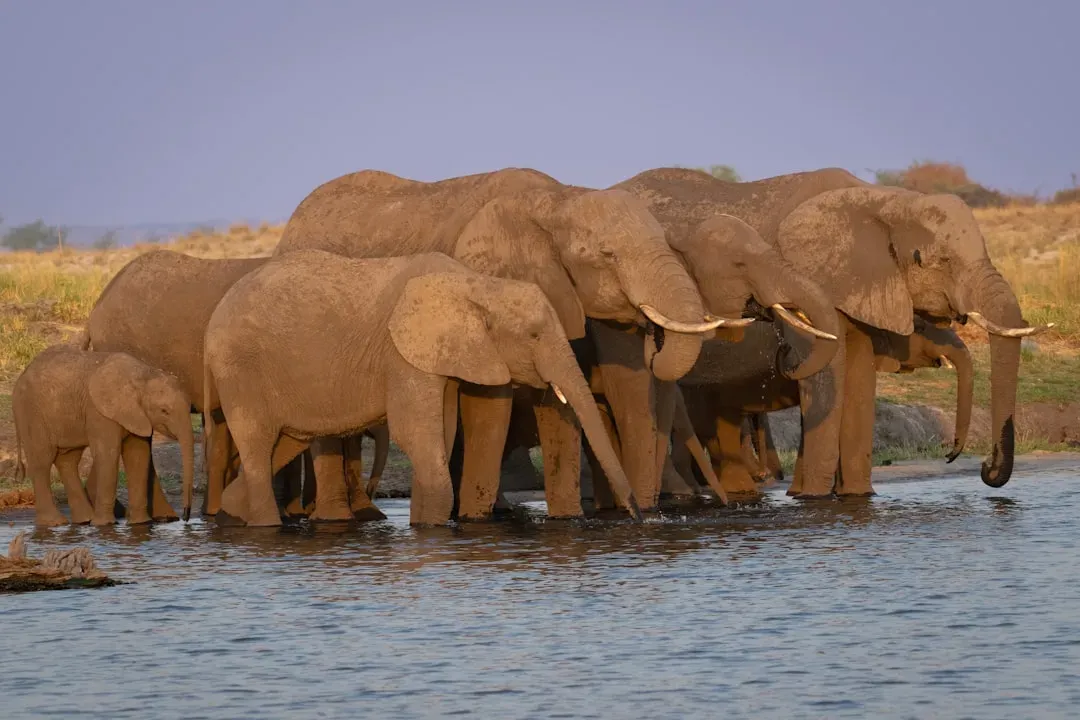
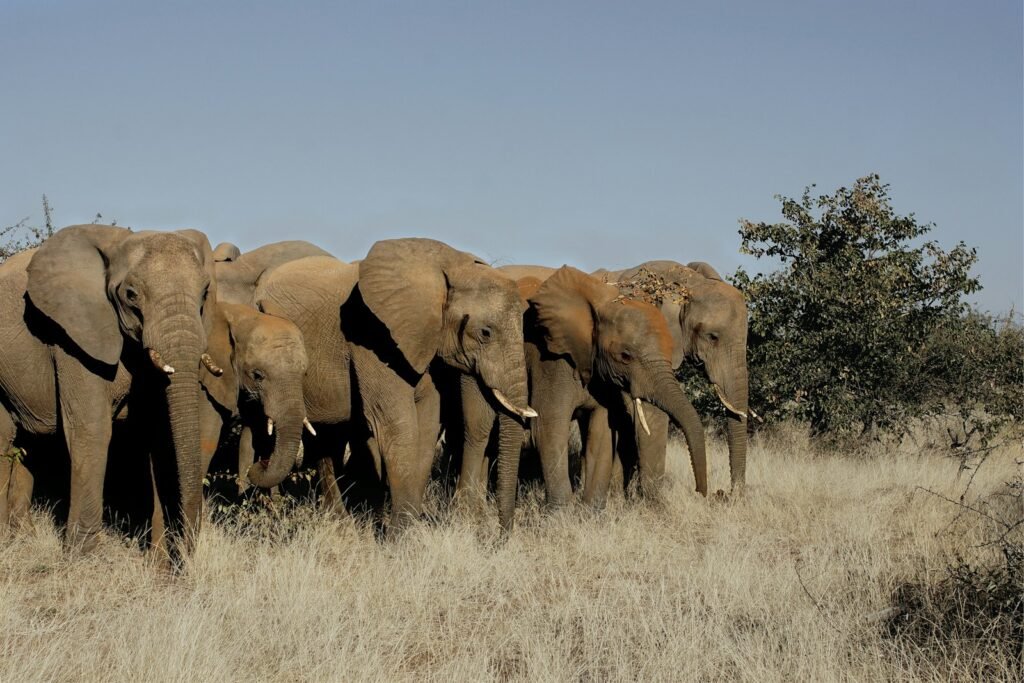
Elephants have long been associated with memory, and modern tracking studies have confirmed that reputation with hard data. Matriarchs in wild herds can lead their groups to distant waterholes or seasonal feeding grounds based on routes they first learned decades earlier, sometimes across landscapes heavily altered by drought or human activity. During extreme dry spells, groups led by older females often fare better, suggesting that the accumulated experience stored in one mind can literally determine who lives and who dies. Their spatial understanding stretches across regions large enough to rival small countries.
Emotionally, elephants also show patterns that look startlingly like grief and social awareness. They have been documented gently touching bones or tusks of dead elephants, lingering at carcass sites, and changing their travel routes after deaths in ways that suggest a shift in group state. Individuals recognize the calls of old companions even after long separations, and they rally around distressed calves with a coordination that looks very much like shared concern. When we dismiss that as mere instinct, we risk flattening an emotional landscape that is probably far richer and more nuanced than we once allowed.
Fish and Insects That Quietly Break the Intelligence Scale
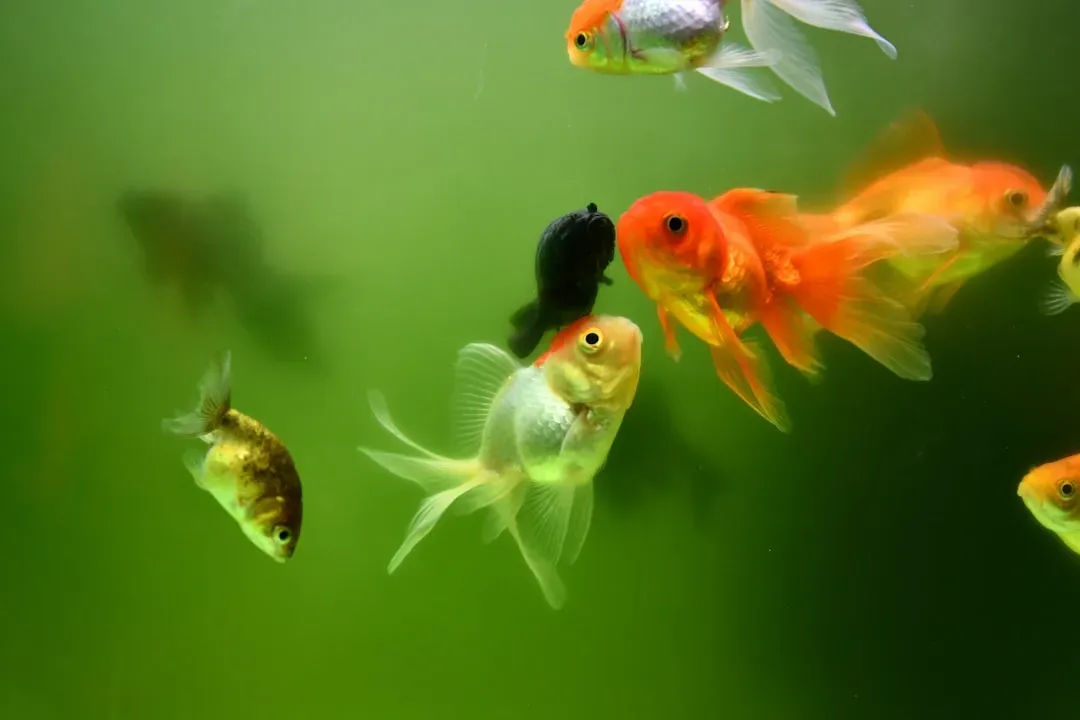
It is tempting to reserve talk of complex cognition for big-brained mammals and birds, but some of the most disruptive findings have emerged from far smaller creatures. Certain species of cleaner fish that remove parasites from larger fish have been shown to adjust their behavior depending on who is watching, essentially managing their “reputation” for fair service. In laboratory tests, they can learn to choose tokens associated with better rewards and change strategies when conditions shift, which hints at a surprisingly flexible decision-making system. This is cognition happening in an animal whose body could fit in the palm of your hand.
Insects, too, have forced scientists to redraw their mental maps. Bees can learn abstract concepts like “same” and “different,” navigate complex routes using landmarks and the sun, and communicate direction and distance of food sources using the famous waggle dance. Some ants collectively solve optimization problems, such as finding the shortest path to a resource, effectively turning their colonies into living computers that outperform simple algorithms in chaotic terrain. When very small nervous systems manage feats like these, it implies that intelligence may not require massive brains so much as efficient wiring and the right ecological pressures.
Redefining Intelligence: From Human-Centric Scale to Ecological Fit
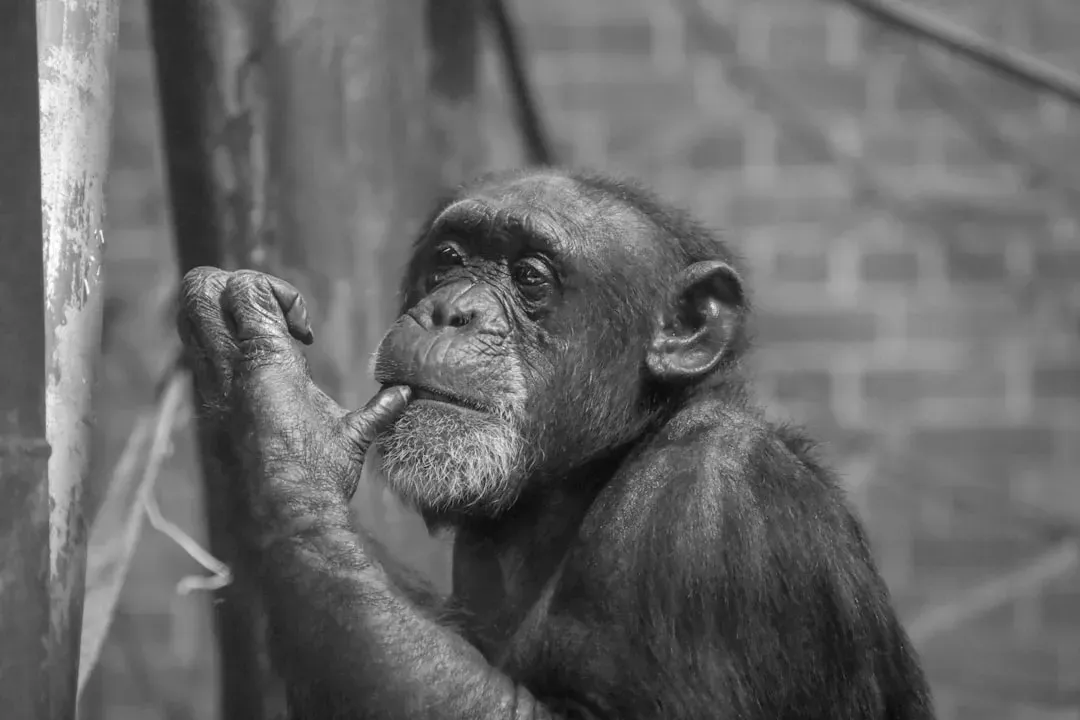
These stories are more than charming exceptions; taken together, they expose a flaw in how we have defined intelligence in the first place. For much of modern science, human-like traits such as language, symbolic reasoning, and tool use sat at the top of a single mental staircase, with other animals lined up quietly below. What current research reveals instead is more like a crowded landscape of peaks, each species perched on a summit shaped by its own evolutionary history and survival challenges. An octopus does not think like a crow, and a crow does not think like a dolphin, yet each navigates its world with an efficiency that would be disastrous to underestimate.
This shift carries real scientific and cultural weight. By focusing on ecological fit – how well a mind solves the specific problems of its environment – we gain a richer, more accurate picture of cognition across life. It also forces us to confront the uncomfortable realization that intelligence is not a single ladder we happen to top, but a sprawling network in which we are simply one particularly noisy node. That perspective change ripples into fields ranging from conservation planning to artificial intelligence, where researchers increasingly look to diverse animal strategies for inspiration rather than treating human minds as the only blueprint worth copying.
Where Animal Minds Still Surprise Scientists
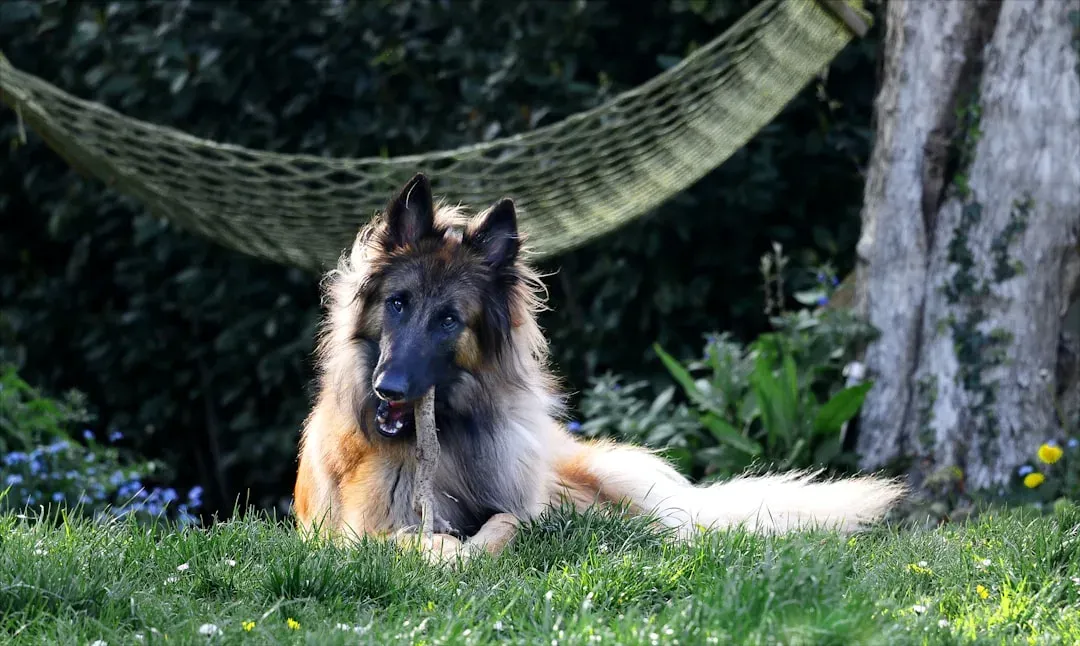
Despite decades of experiments, some findings still blindside researchers and expose gaps in our theories. Discoveries of flexible planning in birds with tiny brains, or sophisticated communication in species long written off as simple, suggest that we have underestimated both the hardware and the software of many animals. One reason is that much behavior only appears under very specific social or environmental conditions, so it stays invisible in standard lab setups. Fieldwork with long-term monitoring, new tracking technologies, and noninvasive brain imaging is only now starting to reveal the full picture.
There are open debates about how to interpret certain behaviors: is a crow truly reasoning about cause and effect, or applying learned patterns that just look like reasoning to us? Are elephants experiencing something like human mourning, or a different but equally complex emotional state? The responsible stance is not to leap to romantic conclusions, but also not to retreat into reflexive skepticism whenever a result feels uncomfortably close to human abilities. In many cases, the most honest answer is that animal minds are doing something sophisticated that does not fit neatly into our existing boxes yet, and that uncertainty is precisely what makes this field so alive.
How Ordinary People Can Help Rethink Animal Intelligence
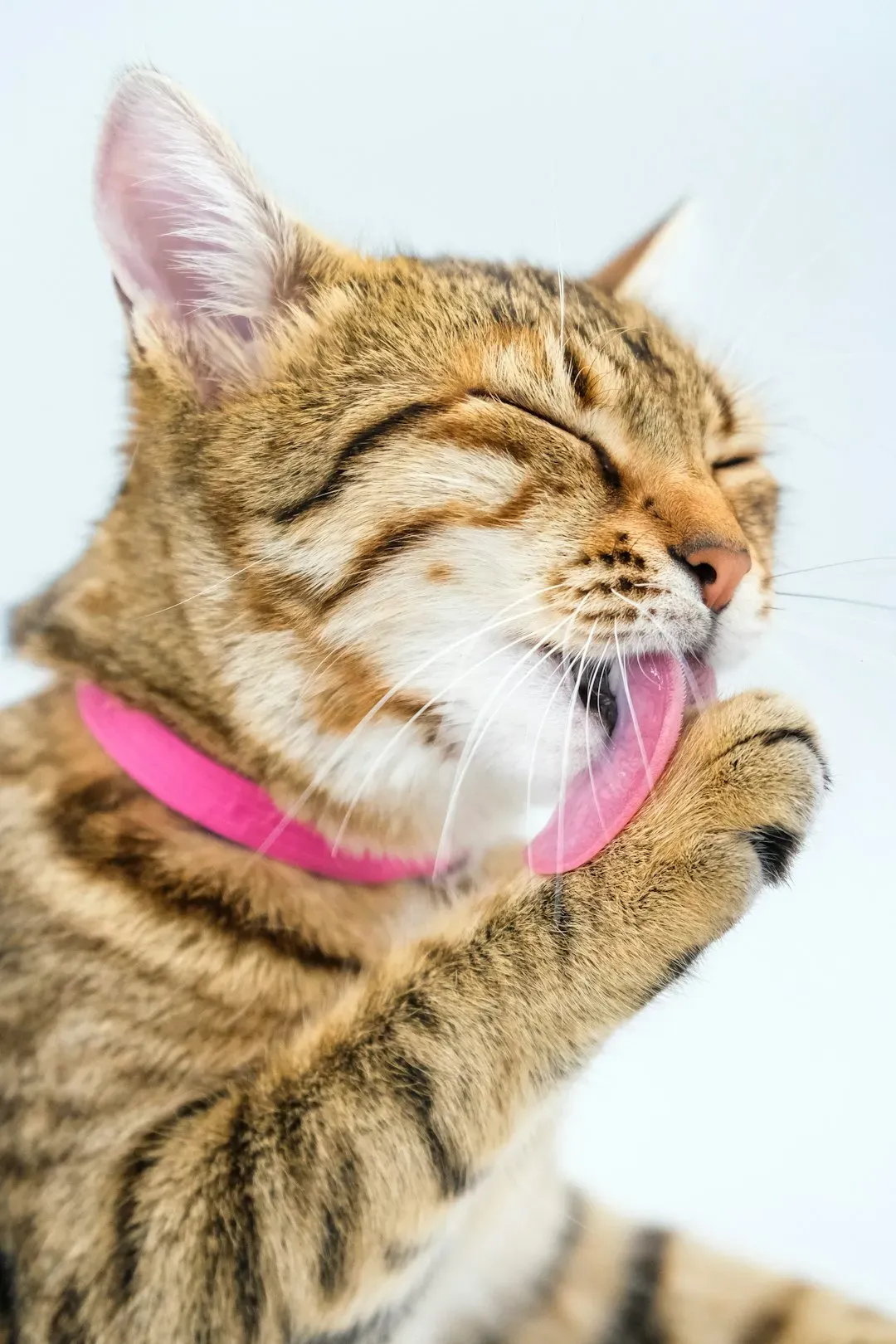
Rethinking animal intelligence is not just the job of specialists in lab coats; it starts with how each of us pays attention to nonhuman lives around us. Taking the time to really watch the birds in a city park, the behavior of pets, or even insects on a sidewalk can reveal small but telling signs of problem-solving, learning, and social negotiation. Supporting responsible zoos, aquariums, and wildlife centers that prioritize behavioral enrichment and research helps ensure animals are given chances to display their full cognitive potential rather than being reduced to bored exhibits. Even choosing to back conservation efforts that protect complex social species acknowledges that what we may be losing is not just bodies but cultures and knowledge stored in living minds.
On a more personal level, letting go of the automatic assumption that humans sit on a separate mental tier can change how we relate to everyday animals. It might influence how we design urban spaces that intersect with wildlife, how we think about animal welfare laws, or how seriously we take reports of unusual behaviors from farmers, fishers, or pet owners. Staying curious, reading widely from current research, and being willing to update long-held beliefs are small but meaningful steps toward a more honest view of our place in the cognitive community of Earth. Once you start to see other species as thinking, feeling problem-solvers in their own right, it becomes very hard to unsee it.
Suhail Ahmed is a passionate digital professional and nature enthusiast with over 8 years of experience in content strategy, SEO, web development, and digital operations. Alongside his freelance journey, Suhail actively contributes to nature and wildlife platforms like Discover Wildlife, where he channels his curiosity for the planet into engaging, educational storytelling.
With a strong background in managing digital ecosystems — from ecommerce stores and WordPress websites to social media and automation — Suhail merges technical precision with creative insight. His content reflects a rare balance: SEO-friendly yet deeply human, data-informed yet emotionally resonant.
Driven by a love for discovery and storytelling, Suhail believes in using digital platforms to amplify causes that matter — especially those protecting Earth’s biodiversity and inspiring sustainable living. Whether he’s managing online projects or crafting wildlife content, his goal remains the same: to inform, inspire, and leave a positive digital footprint.