
Revolutionizing Solar Storm Predictions (Image Credits: Cdn.mos.cms.futurecdn.net)
A groundbreaking model for predicting solar superflares has raised alarms for NASA’s upcoming crewed lunar mission, suggesting a postponement to avoid peak radiation hazards.[1][2]
Revolutionizing Solar Storm Predictions
Solar physicists led by Victor M. Velasco Herrera of the National Autonomous University of Mexico analyzed nearly 50 years of X-ray data from GOES satellites, spanning 1975 to 2025. Their work uncovered rhythmic patterns tied to magnetic energy accumulation on the sun’s surface.
Two cycles emerged as critical: a 1.7-year oscillation and a 7-year rhythm. Alignments between these cycles signal periods of elevated risk for superflares, defined as X-class events exceeding X10 intensity. The model forecasts extended danger windows – months to a year in advance – rather than pinpointing exact moments.[1]
Validation came unexpectedly. During peer review of their paper, published February 13, 2026, in the Journal of Geophysical Research: Space Physics, astronomers using the Solar Orbiter spacecraft detected four far-side superflares in May 2024. These included an X11.1, two X9-class events, and an X16.5 eruption. The discoveries matched the model’s predictions precisely.[2]
Velasco Herrera noted the serendipity: “We created our forecast without knowing about these far-side superflares. When they were discovered during our paper review process, they aligned perfectly with our predicted patterns.”[2]
Peak Activity in Solar Cycle 25
The sun currently operates at high activity levels within Solar Cycle 25. The model identifies two primary risk periods ahead.
- Mid-2025 through mid-2026, with hotspots in the southern hemisphere between 5 and 25 degrees south of the equator.
- Early 2027 to mid-2027, shifting to the northern hemisphere at 10 to 30 degrees north.
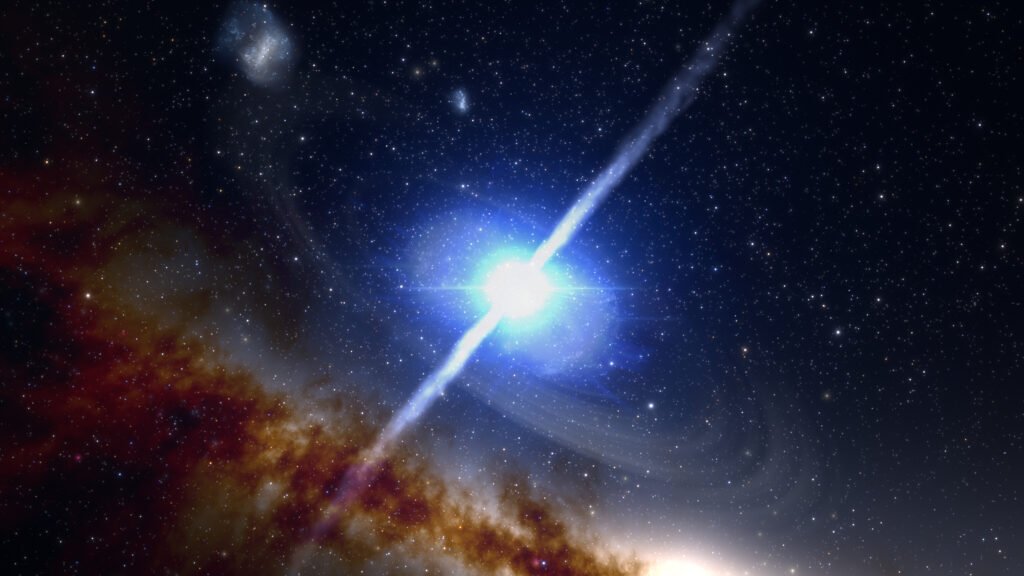
Superflares unleash intense X-ray radiation and charged particles. These events trigger geomagnetic storms capable of blacking out power grids, scrambling GPS signals, and frying satellite electronics. High-altitude flights and unshielded spacefarers face acute radiation exposure.[1]
Velasco Herrera emphasized the advance notice: “Traditional solar forecasting struggles with these extreme events because they happen so quickly and unpredictably. Our method gives space weather operators and satellite managers one to two years of advance warning about when conditions are most dangerous.”[1]
Radiation Threats to Lunar Astronauts
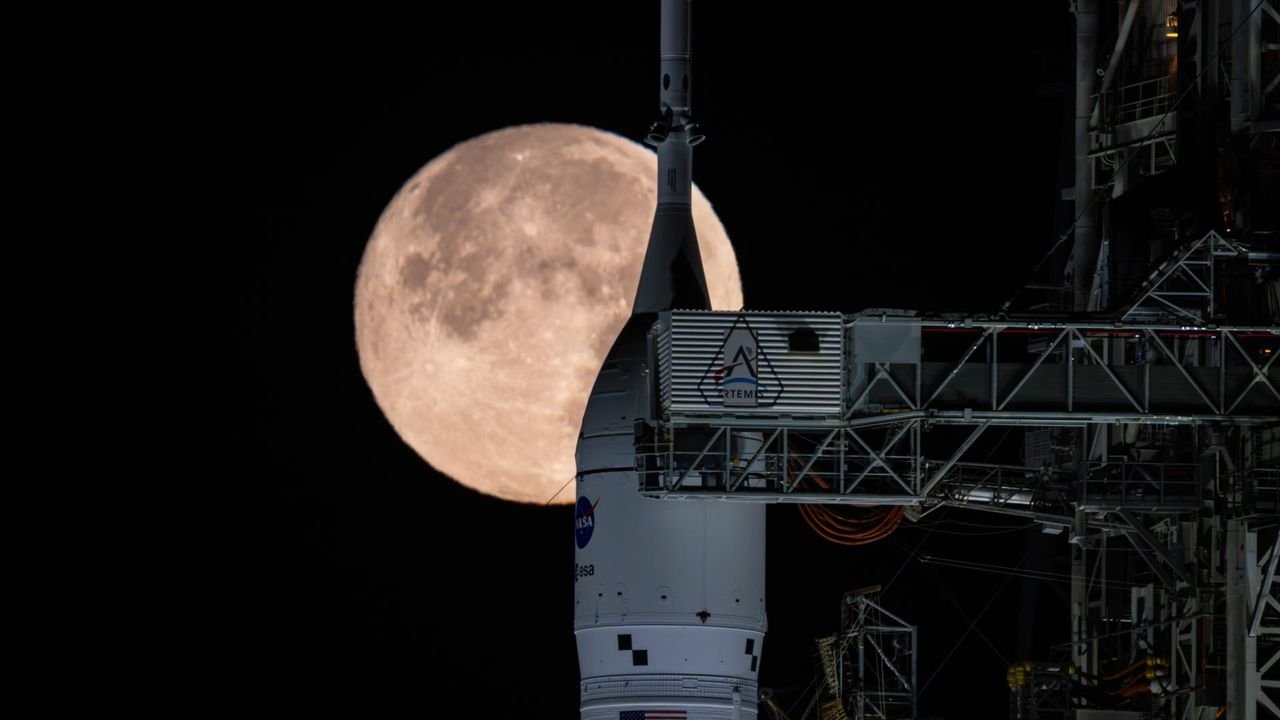
Artemis 2 will send four astronauts on a 10-day journey around the moon, placing them beyond Earth’s protective magnetic field. Without this shield, solar particles could deliver lethal doses during a superflare.
Operators might adjust orbits or activate safe havens in the spacecraft, but timing remains crucial. A launch during the current peak – from mid-2025 to mid-2026 – amplifies vulnerability, as the mission profile offers limited evasion options.[2]
Recent technical setbacks have already shifted timelines. NASA scrubbed a February launch window after liquid hydrogen leaks plagued a wet dress rehearsal. The agency now eyes March or April 2026 at the earliest, echoing delays from Artemis 1.[3]
Strategic Delays for Safety
Velasco Herrera urged caution: “Given how active the sun is right now, our forecasts suggest that delaying the launch until the end of 2026 may be a much safer decision.”[1]
| Risk Period | Location | Implications |
|---|---|---|
| Mid-2025–Mid-2026 | 5–25°S | High superflare probability; avoid launches |
| Early–Mid 2027 | 10–30°N | Next peak; plan accordingly |
This approach allows mission planners to reschedule around safer windows, bolstering overall space weather resilience.
Key Takeaways
- New model uses 50 years of data to predict superflare seasons with 1–2 years warning.
- Current peak through mid-2026 poses grave risks to deep-space missions like Artemis 2.
- Delaying to late 2026 prioritizes astronaut safety amid Solar Cycle 25’s intensity.
As NASA weighs these insights against technical readiness, the balance tilts toward prudence. Solar forecasting advancements promise safer voyages beyond low Earth orbit. What adjustments would you prioritize for Artemis 2? Share your thoughts in the comments.