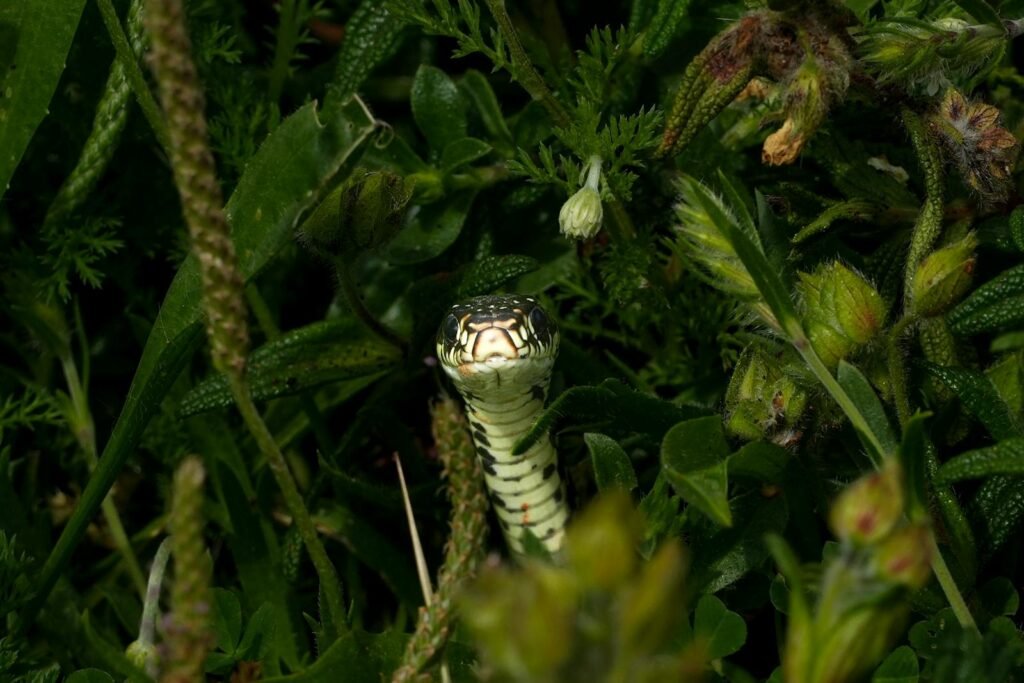

Picture this: you’re watering your tomatoes on a peaceful Sunday morning when suddenly, a sleek form glides between your cucumber plants. Your heart skips a beat, and your first instinct might be to grab the nearest garden tool. But what if I told you that this serpentine visitor could be the secret weapon your garden has been waiting for?
Most gardeners spend hundreds of dollars on pest control products, yet nature has already provided one of the most effective solutions right at our doorstep. These misunderstood creatures have been quietly protecting gardens for millions of years, and it’s time we gave them the credit they deserve.
The Rodent Problem Nobody Talks About

Mice and rats cause more garden damage than most people realize. A single mouse family can consume up to 20 pounds of seeds, bulbs, and young plants in just one season. They gnaw through irrigation lines, nest in compost piles, and spread diseases that can devastate entire crops.
These tiny destroyers multiply at an alarming rate, with one pair potentially producing 2,000 offspring in a single year. Traditional traps and poisons often prove ineffective, and chemical rodenticides pose serious risks to pets, children, and beneficial wildlife.
Nature’s Perfect Pest Control System

Snakes evolved as nature’s ultimate rodent control specialists over millions of years. Their keen sense of smell can detect a mouse from 200 feet away, and their patient hunting style makes them incredibly efficient predators. A single snake can consume dozens of rodents per year, working around the clock to keep populations in check.
Unlike cats or other predators, snakes don’t play with their prey or leave partially eaten carcasses around your garden. They’re clean, efficient, and operate with surgical precision. Think of them as your garden’s personal security team, working the night shift while you sleep.
The Economics of Snake Partnership
The average American household spends over $300 annually on pest control products and services. Professional rodent removal can cost anywhere from $500 to $2,000 depending on the severity of the infestation. Meanwhile, a resident snake provides these services completely free of charge.
Beyond direct cost savings, snakes help protect your investment in plants, seeds, and garden infrastructure. When you consider the value of the vegetables, fruits, and flowers they help preserve, their economic contribution becomes even more significant.
Identifying Your Garden Allies

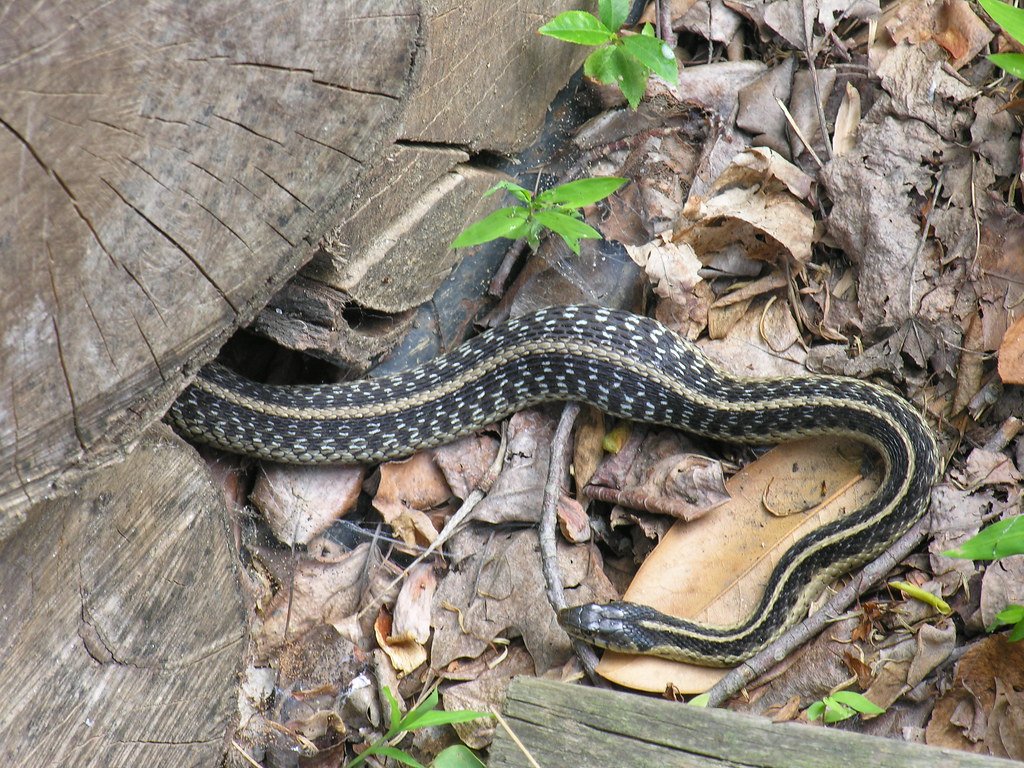
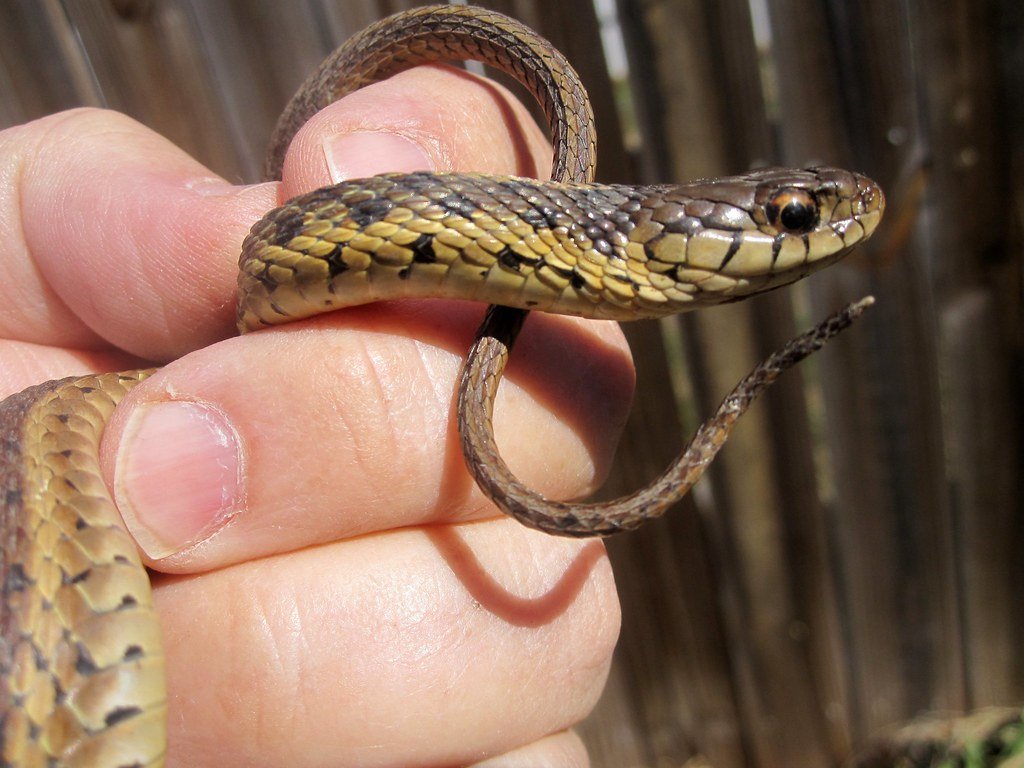
Most garden snakes are completely harmless to humans and pets. Common species like garter snakes, brown snakes, and ring-necked snakes are actually beneficial neighbors. These species typically measure between 12 to 36 inches long and have distinctive patterns that help with identification.
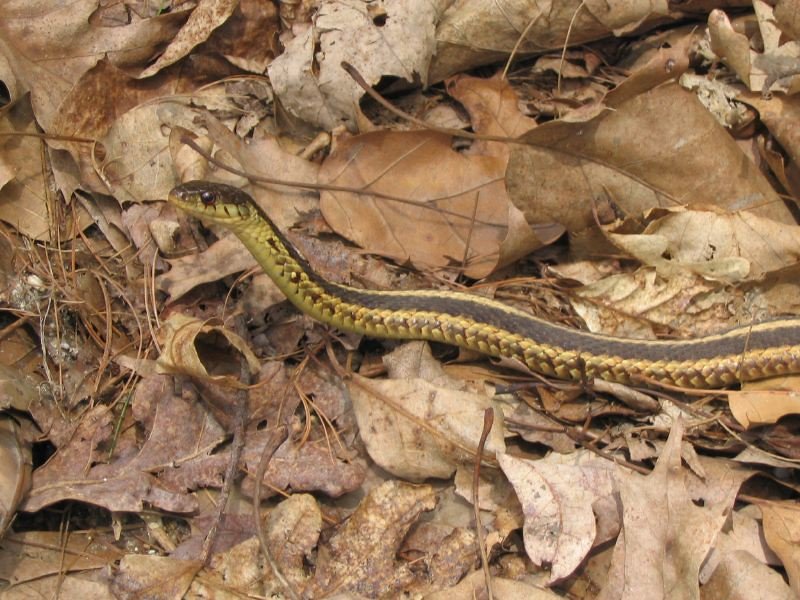
Garter snakes, for example, sport three distinctive stripes running down their bodies and are often found near water sources. Brown snakes are smaller, usually under 15 inches, and prefer hiding under logs or mulch. Learning to identify these helpful species takes the fear out of unexpected encounters.
The Myth of Aggressive Garden Snakes

Hollywood has done snakes no favors with its portrayal of these creatures as aggressive monsters. In reality, garden snakes are incredibly shy and would much rather flee than fight. They only bite when cornered or handled roughly, and most species lack the ability to cause serious harm to humans.
The vast majority of snake bites occur when people attempt to kill or capture snakes unnecessarily. Simply giving these creatures space and respect eliminates almost all risk of negative encounters. They’re much more afraid of you than you are of them.
Slug and Snail Control Beyond Expectations
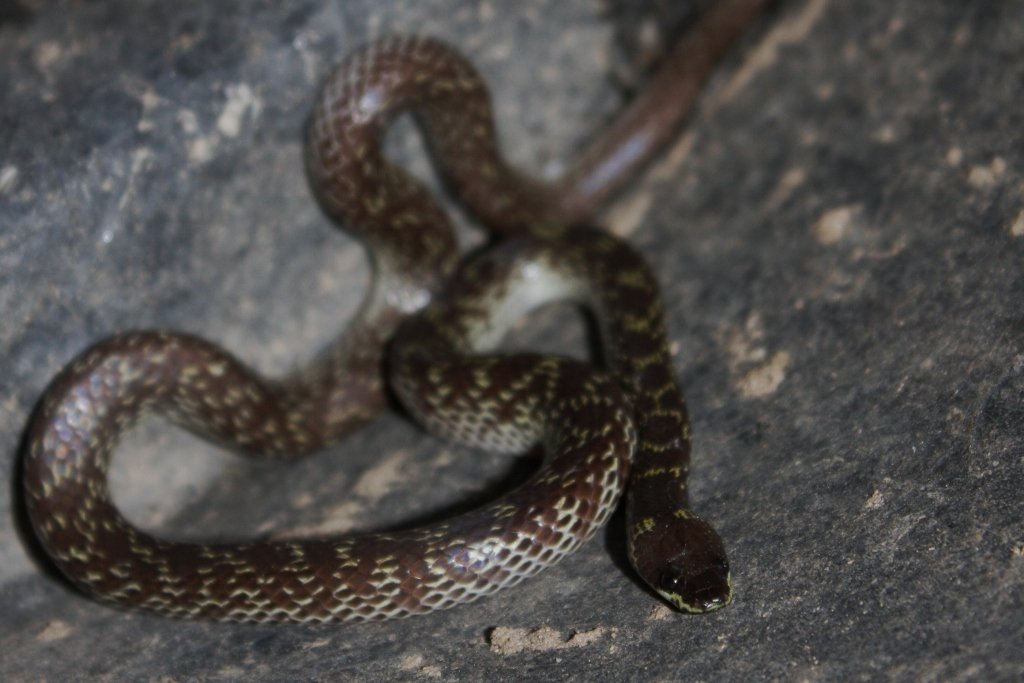
While rodent control gets most of the attention, many snake species also consume slugs, snails, and other garden pests. Brown snakes, in particular, specialize in eating soft-bodied invertebrates that damage delicate seedlings and leafy greens. A single brown snake can consume hundreds of slugs per season.
This dual-purpose pest control is particularly valuable for organic gardeners who avoid chemical pesticides. Snakes provide a natural, sustainable solution that works in harmony with other beneficial garden creatures.
Creating Snake-Friendly Garden Spaces
Encouraging beneficial snakes doesn’t require major garden renovations. Simple changes like maintaining brush piles, rock gardens, or undisturbed areas provide essential habitat. Snakes need places to hide, hunt, and regulate their body temperature throughout the day.
Avoiding broad-spectrum pesticides and maintaining diverse plant communities also supports healthy snake populations. These creatures thrive in gardens that mimic natural ecosystems, complete with varied textures, heights, and microhabitats.
The Surprising Intelligence of Garden Snakes
Recent research has revealed that snakes possess more cognitive abilities than previously thought. They can learn to navigate complex environments, remember feeding locations, and even recognize individual humans. Some species demonstrate problem-solving skills that rival those of mammals.
This intelligence makes them incredibly effective at adapting to garden environments and optimizing their hunting strategies. They learn your garden’s layout, identify high-traffic rodent areas, and position themselves for maximum efficiency.
Seasonal Benefits Throughout the Year
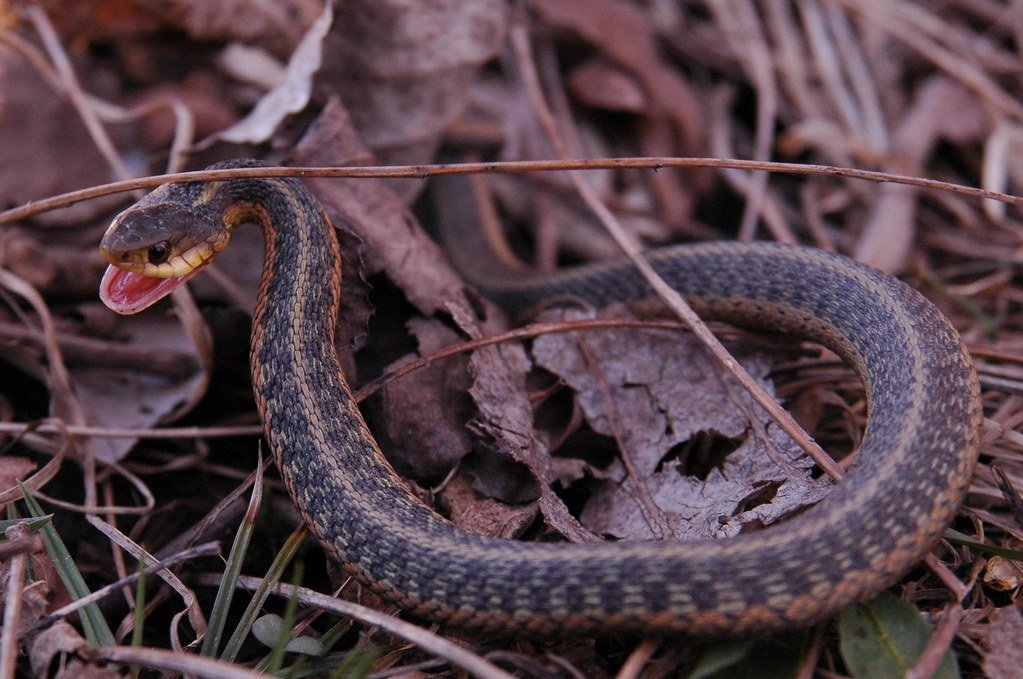
Garden snakes provide year-round pest control benefits, adapting their activity patterns to match seasonal changes. During spring emergence, they immediately begin hunting after months of dormancy. Summer brings peak activity as they take advantage of abundant prey populations.
Even during cooler months, snakes continue to provide benefits by occupying territories and deterring rodent establishment. Their presence alone can discourage mice and rats from setting up permanent residence in your garden areas.
Coexisting Safely with Garden Snakes

Successful coexistence requires understanding basic snake behavior and taking simple precautions. Wearing gloves when working in dense vegetation, checking before reaching into dark spaces, and maintaining clear pathways reduces the likelihood of surprise encounters.
Teaching children to observe snakes from a respectful distance rather than fear them creates a positive relationship that benefits everyone. Most snake encounters become fascinating learning opportunities rather than frightening experiences.
The Ecological Web of Garden Benefits

Snakes play crucial roles in maintaining healthy garden ecosystems beyond direct pest control. By controlling rodent populations, they indirectly protect bird eggs and nestlings from predation. This supports beneficial bird species that also contribute to garden pest management.
Their presence indicates a balanced, healthy garden environment that supports diverse wildlife. Gardens with resident snake populations often show greater overall biodiversity and more stable pest-predator relationships.
Debunking Common Snake Myths

Many gardeners believe myths that prevent them from appreciating their serpentine helpers. Snakes don’t chase people, they can’t hypnotize prey, and they don’t travel in pairs seeking revenge. These misconceptions stem from cultural fears rather than scientific reality.
Understanding the truth about snake behavior helps gardeners make informed decisions about management practices. Most snake “problems” resolve themselves naturally without human intervention when given appropriate space and time.
Species-Specific Garden Contributions

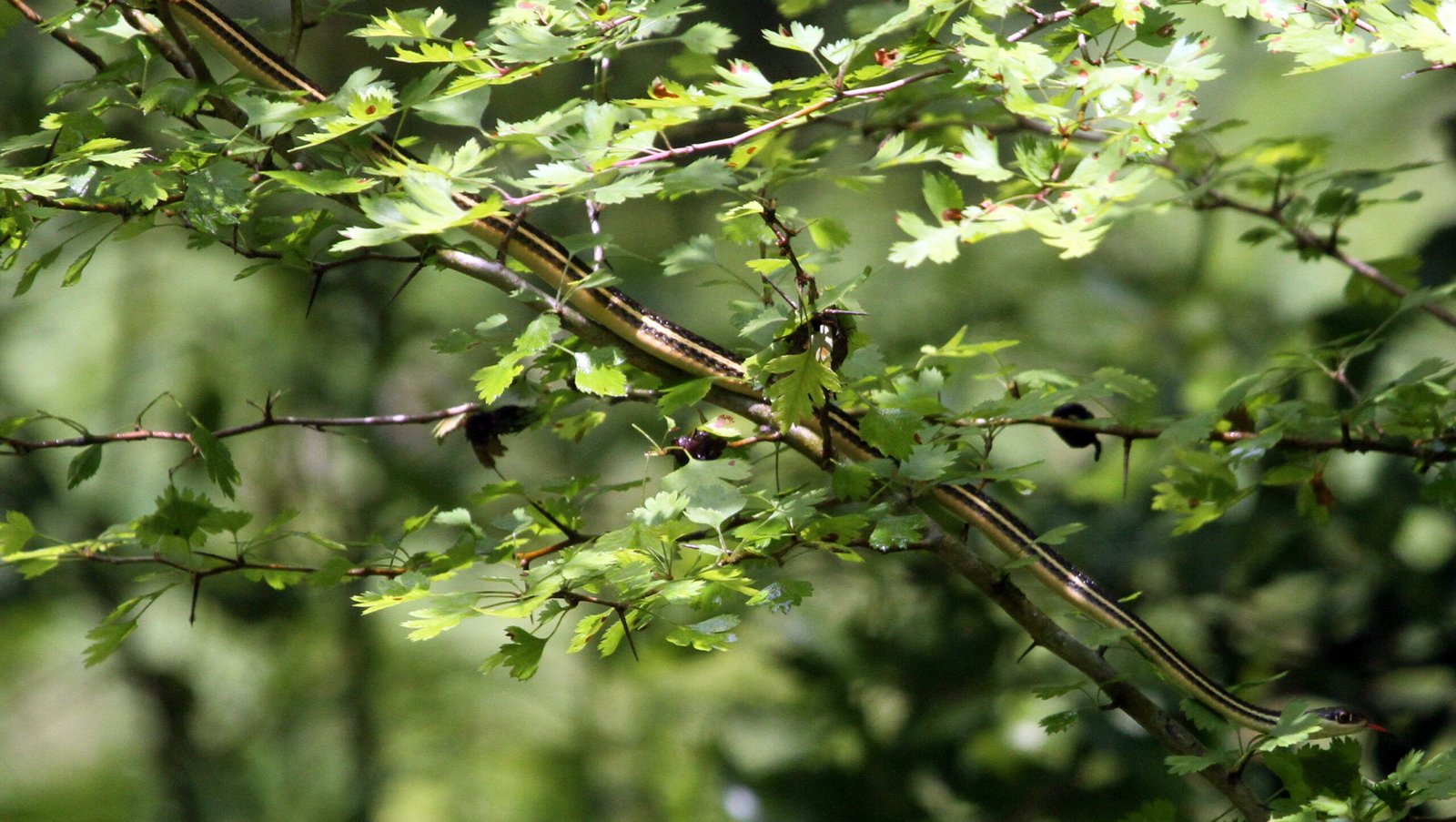
Different snake species offer unique benefits to garden ecosystems. King snakes control other snake populations, including venomous species, while rat snakes excel at climbing and hunting in elevated areas. Each species has evolved specific hunting strategies that target different pest problems.
Encouraging species diversity creates a more comprehensive pest management system that adapts to changing seasonal conditions and prey availability. Multiple species working together provide more effective control than any single species alone.
The Chemistry of Snake Deterrence

Snakes possess chemical detection systems that make them incredibly effective at locating prey while avoiding threats. Their forked tongues collect chemical information from the environment, creating detailed maps of scent trails that guide hunting behavior.
This sophisticated sensory system allows snakes to track rodents through complex garden environments, following scent trails that lead directly to nesting sites and feeding areas. They can detect prey presence days after animals have passed through an area.
Conservation and Garden Stewardship
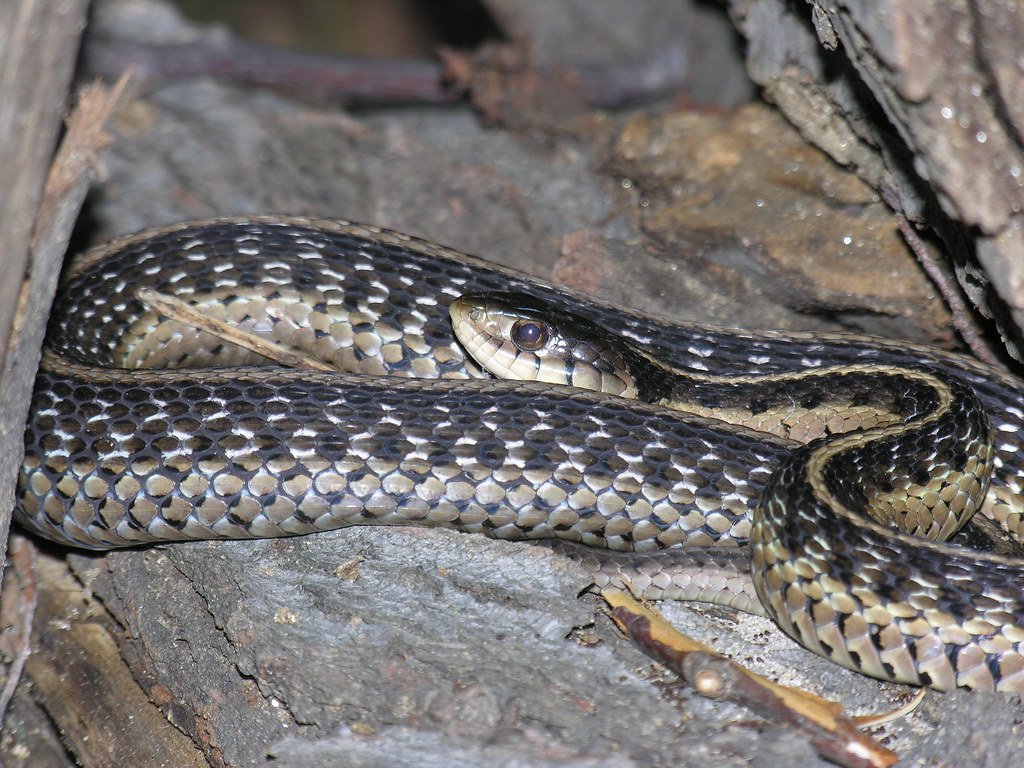
Many snake species face population declines due to habitat loss and unnecessary persecution. Gardens that welcome snakes contribute to conservation efforts while receiving valuable ecosystem services in return. This creates a mutually beneficial relationship that supports both wildlife and human interests.
Educating neighbors about snake benefits helps create community-wide conservation networks. When entire neighborhoods embrace snake-friendly practices, the cumulative effect significantly impacts local wildlife populations and garden health.
Measuring the Impact of Snake Presence
Gardeners can monitor the effectiveness of their snake allies by tracking pest damage levels, observing prey species populations, and noting changes in garden health over time. Many gardeners report dramatic reductions in rodent damage within the first year of snake establishment.
Keeping simple records of snake sightings, pest damage incidents, and garden productivity provides valuable data for evaluating this natural pest control strategy. The evidence consistently supports the benefits of snake partnership in garden management.
Beyond Pest Control: Unexpected Benefits
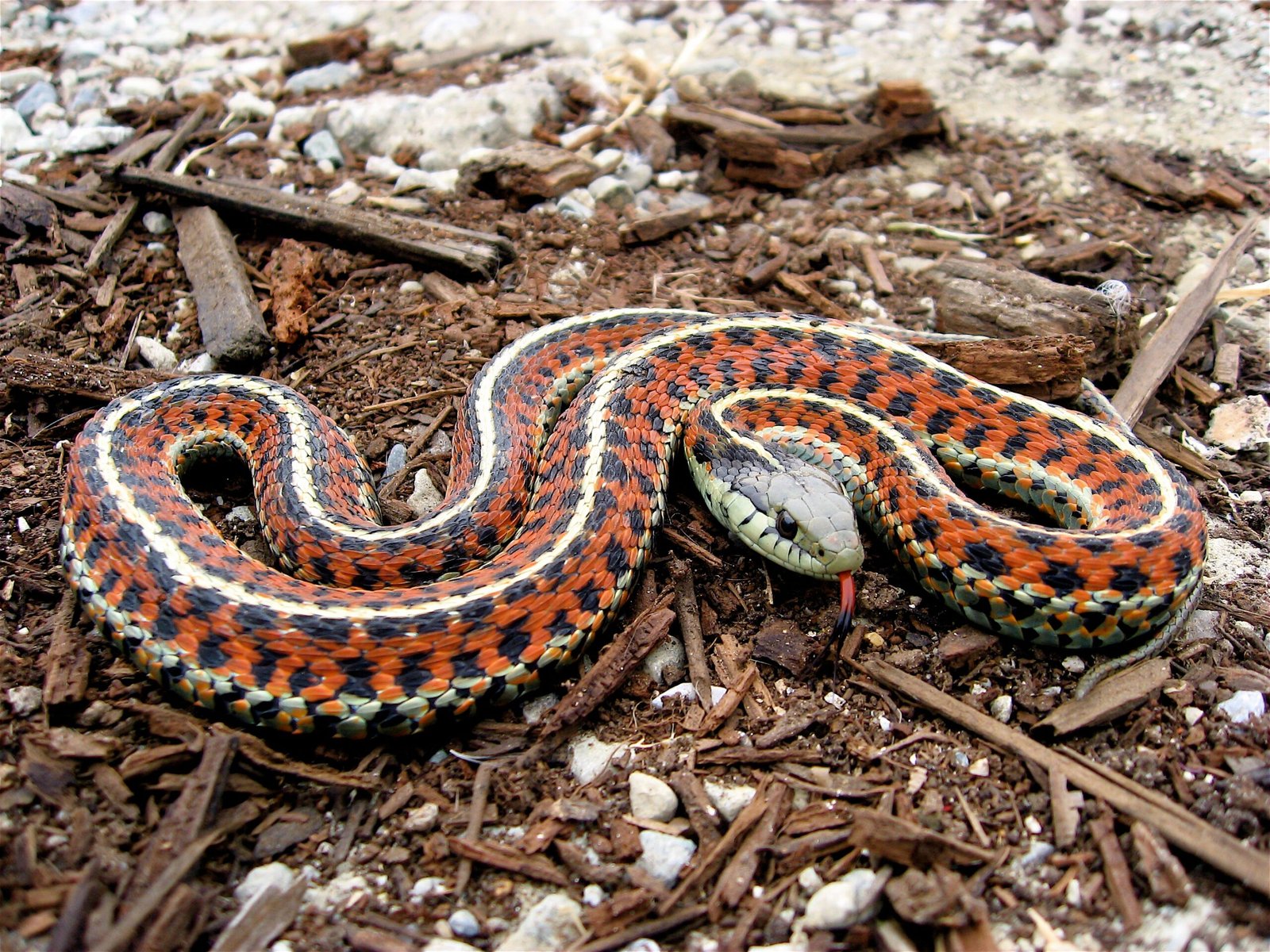
Snake presence in gardens provides benefits beyond pest management, including educational opportunities for children and adults. Observing snake behavior teaches valuable lessons about ecosystem relationships, predator-prey dynamics, and wildlife adaptation strategies.
These encounters foster deeper connections with nature and promote environmental stewardship. Gardens become living laboratories where families can witness natural processes and develop appreciation for wildlife diversity.
The Future of Snake-Garden Partnerships
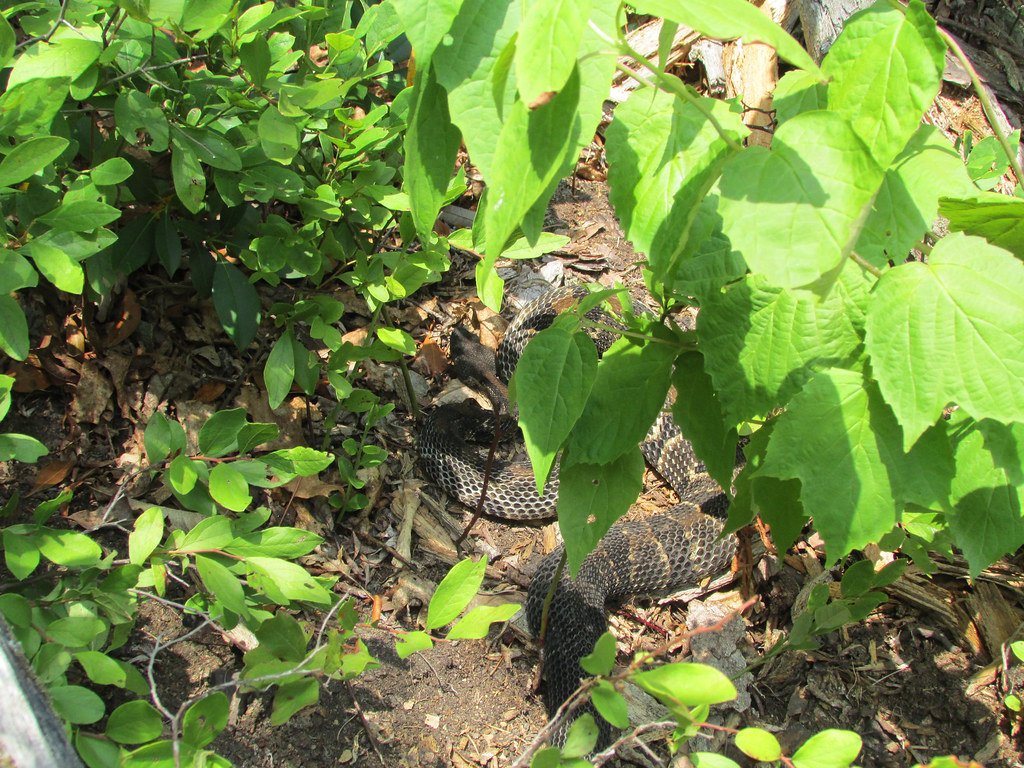
As gardeners increasingly seek sustainable, chemical-free pest management solutions, snake partnerships represent a growing trend in ecological gardening. Research continues to reveal new benefits of snake presence in agricultural and residential landscapes.
Climate change and evolving pest pressures make natural predator relationships more valuable than ever. Snakes offer adaptable, resilient pest control that adjusts to changing conditions without requiring human intervention or resource investment.
Conclusion: Embracing Your Serpentine Allies

The next time you spot a snake in your garden, resist the urge to reach for a shovel or call for help. Instead, take a moment to appreciate the sophisticated predator that has chosen your garden as its hunting ground. These remarkable creatures offer services that no commercial pest control system can match.
By welcoming snakes into our gardens, we participate in an ancient partnership that benefits both human and wildlife communities. We save money, reduce chemical dependency, and support biodiversity while learning to coexist with one of nature’s most efficient predators.
The choice is yours: continue spending hundreds of dollars on pest control products that may harm beneficial wildlife, or embrace the free, effective, and environmentally friendly services that snakes provide. Your garden – and your wallet – will thank you for making the right decision.