Imagine waking up to the earth vanishing beneath your feet. One moment, your backyard is a stretch of green grass; the next, it’s a gaping hole, swallowing trees, roads, and sometimes even houses whole. This isn’t a scene from a disaster movie—it’s a startling reality for many Floridians. In Florida, sinkholes are not rare surprises but a lurking threat, shaping landscapes and shattering lives in the blink of an eye. What is it about the Sunshine State that makes it so prone to this dramatic phenomenon, earning it the chilling nickname “Sinkhole Alley”? Let’s journey beneath the surface and uncover the science, stories, and stakes behind Florida’s vanishing ground.
The Landscape Beneath: Florida’s Hidden Underworld
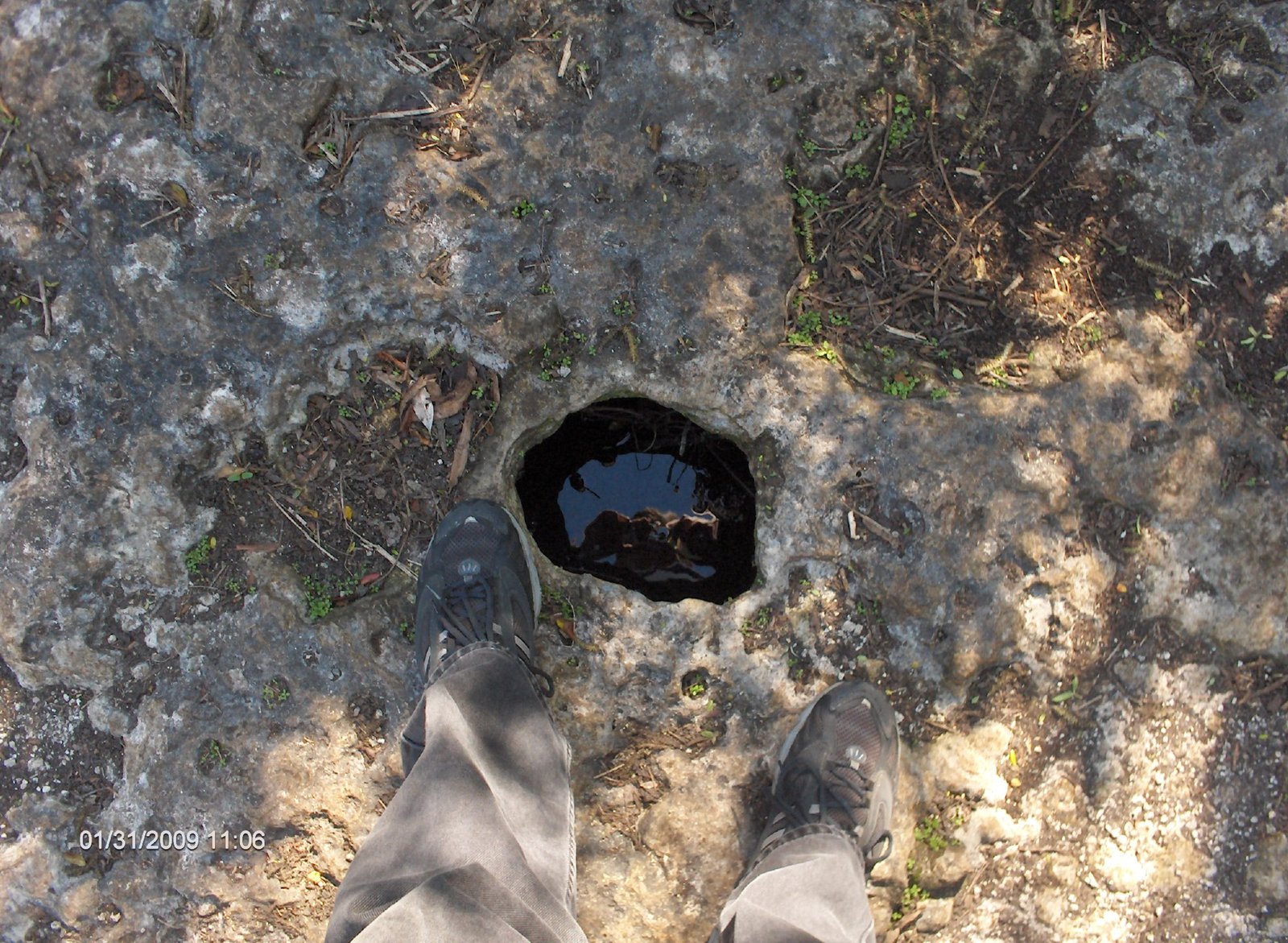
Florida may look flat and stable, but beneath its surface lies a labyrinth of limestone and underground rivers. This limestone bedrock is highly porous, meaning it acts almost like a gigantic sponge. Water seeps through cracks and gradually dissolves the rock, forming hidden caves and voids. Over time, these empty spaces grow larger, sometimes supporting entire neighborhoods until gravity wins and the ground above collapses. The result? A sudden, dramatic sinkhole. This underworld is as dynamic as it is dangerous, constantly shifting in response to rainfall, drought, and human activity. People living in Florida often have no idea what mysteries lie just a few feet below their lawns.
Why Florida? The Unique Geology of the State
Florida is a geological oddity in the United States. The state sits atop a massive platform of limestone, left behind by ancient seas that once covered the region. Unlike more solid bedrock found elsewhere, Florida’s limestone dissolves easily when exposed to slightly acidic water. Rainfall, naturally acidic due to dissolved carbon dioxide, slowly eats away at the rock over thousands of years. This process, called chemical weathering, is relentless. The combination of abundant rainfall, porous rock, and a high water table means Florida is a hotspot for sinkhole formation. In fact, more sinkholes occur in Florida than in any other state, making sinkhole insurance a common part of life for homeowners.
Spectacular Collapses: Sinkholes That Made Headlines
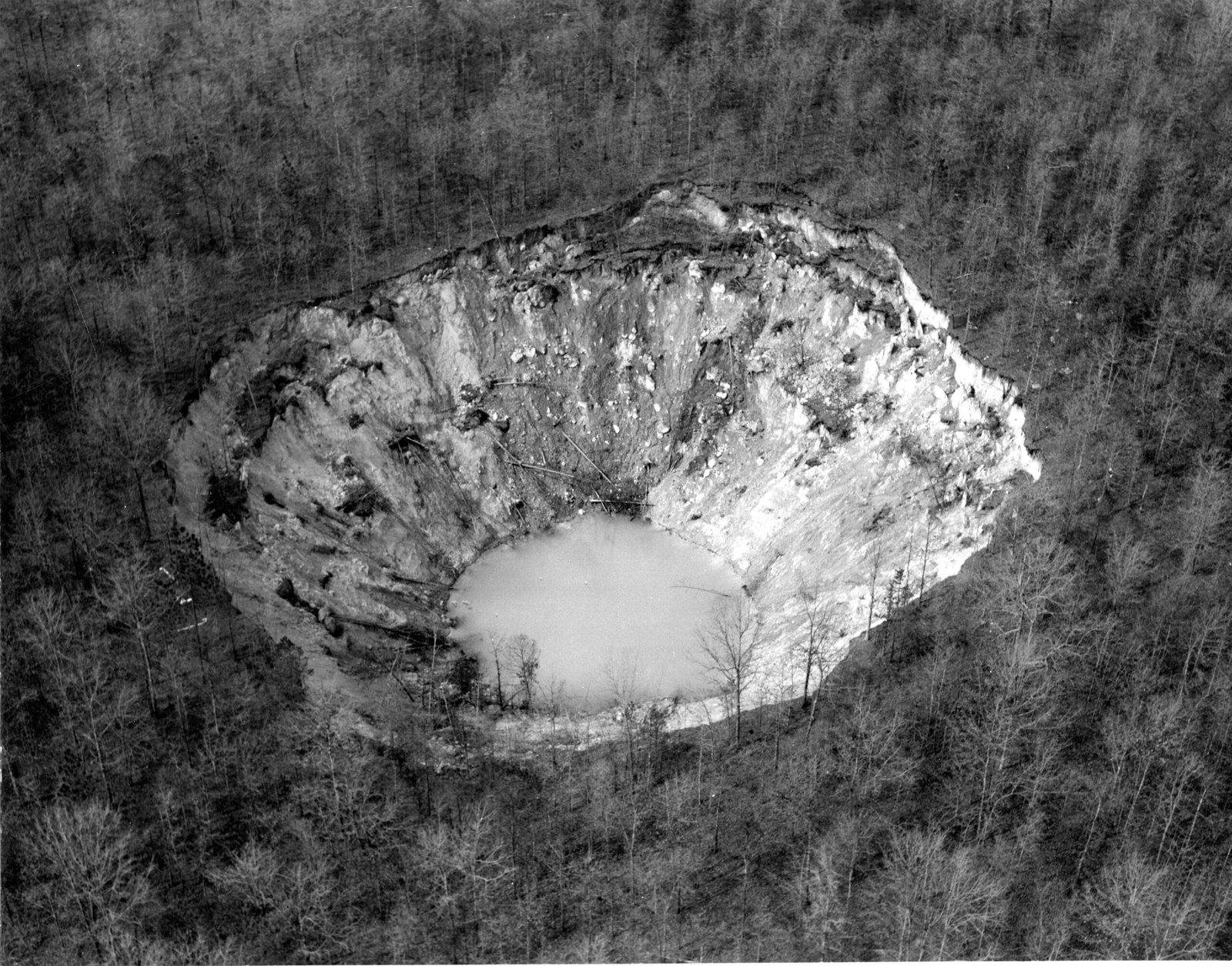
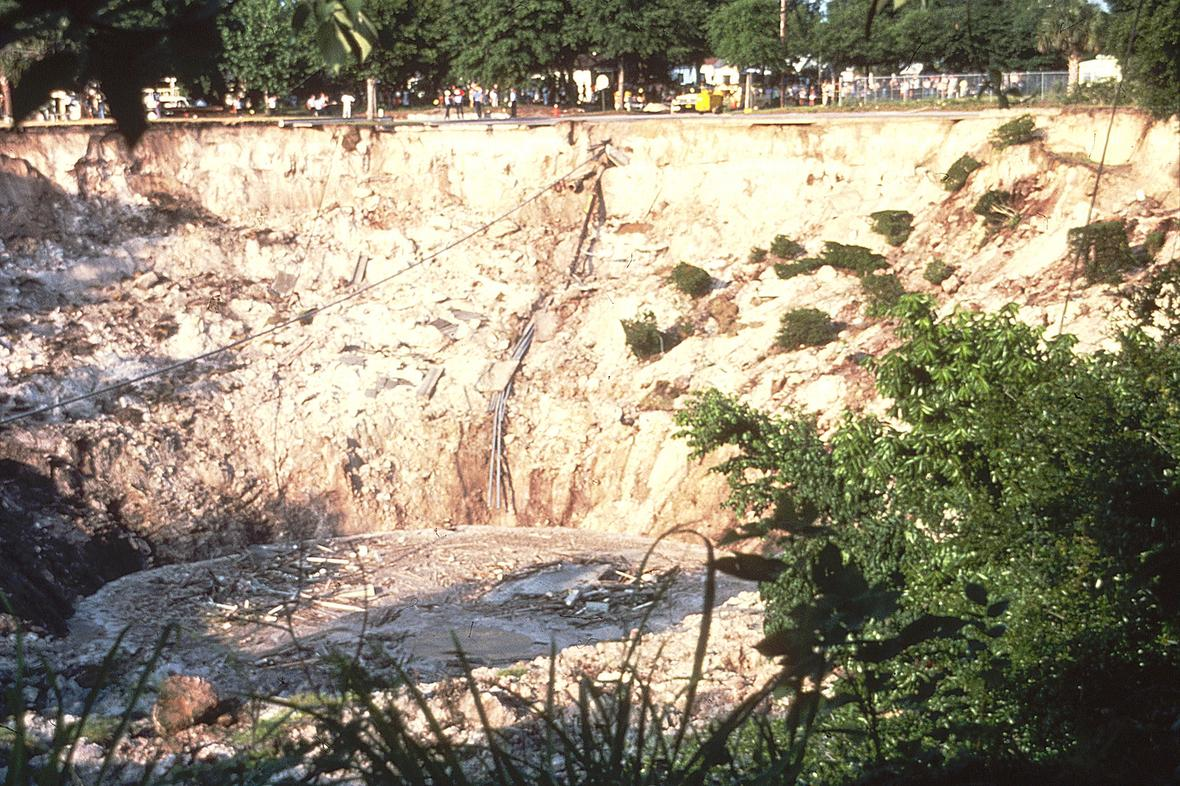
Some sinkholes are so massive and sudden that they become headline news. In 2013, a sinkhole opened beneath a home near Tampa, tragically swallowing a bedroom and claiming a life. In other cases, entire sections of highways have caved in, forcing emergency closures and causing chaos for commuters. The infamous Winter Park sinkhole of 1981 devoured a swimming pool, several cars, and even part of a Porsche dealership, leaving a gaping wound in the city that became a tourist attraction. These dramatic events are reminders that, in Florida, the ground can never be taken for granted. Each story is a testament to nature’s unpredictability and power.
The Science of Sinkholes: How Do They Form?
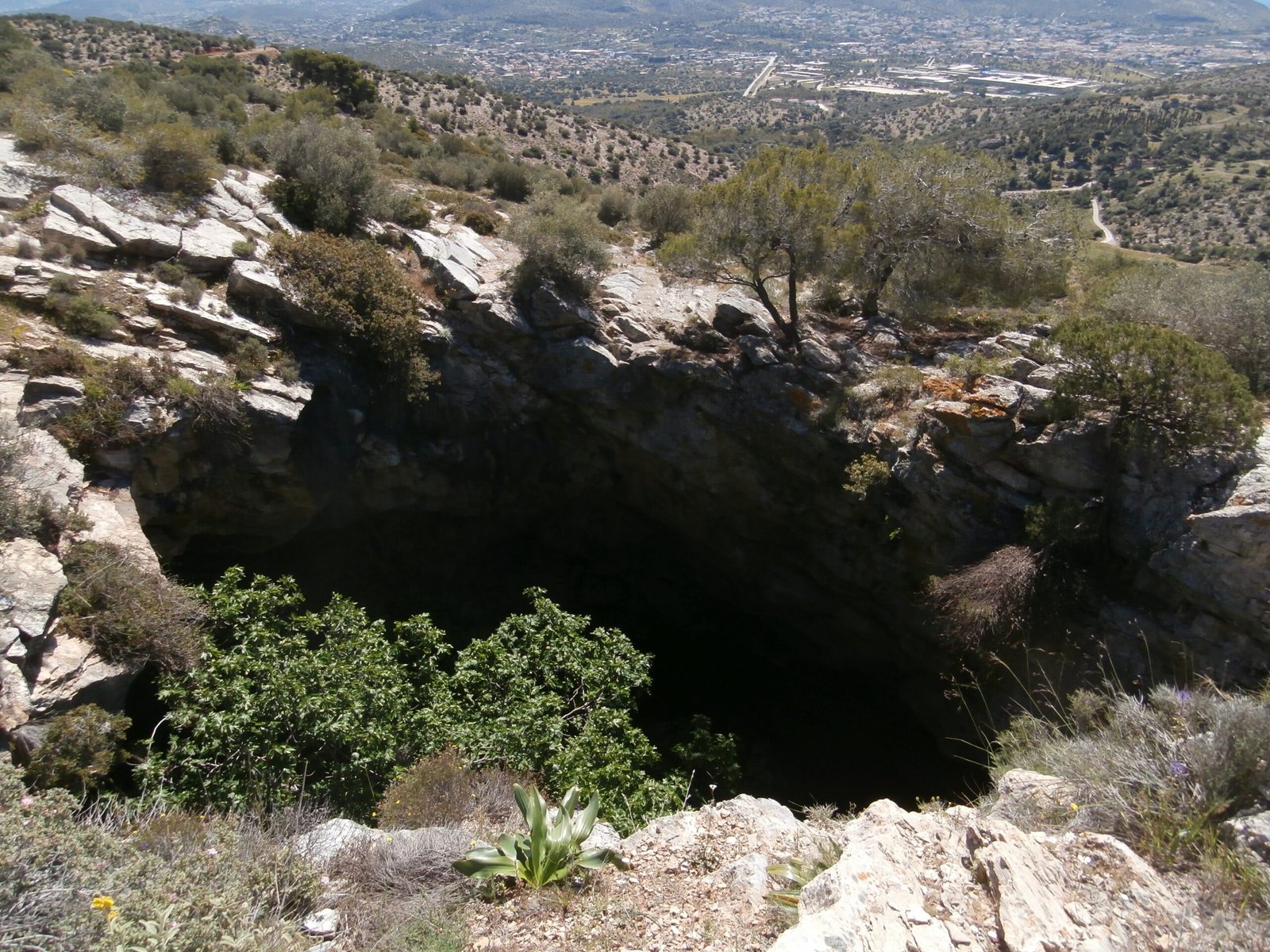
Sinkholes form when water dissolves the rock beneath the surface, creating an empty space or cavern. Over time, the soil and rock above this cavity become unsupported. Eventually, the weight becomes too much, and the surface collapses suddenly, often without warning. There are three main types of sinkholes commonly found in Florida: dissolution, cover-subsidence, and cover-collapse. Dissolution sinkholes happen when water directly erodes exposed limestone. Cover-subsidence sinkholes develop slowly as sandy soil trickles down into gaps below, while cover-collapse sinkholes appear dramatically when the ground above a void gives way all at once. Each type carries its own risks, but all share the same unsettling potential for surprise and destruction.
Human Footprints: How Development Fuels Sinkholes

Florida’s rapid growth and development have played a significant role in sinkhole activity. As new subdivisions and shopping centers spring up, heavy construction can add stress to the already fragile ground. Wells that pump groundwater for drinking or irrigation can lower the water table, removing the “support” that helps hold up the earth above limestone cavities. When water levels drop suddenly—like during a drought or after intense pumping—the risk of collapse skyrockets. Roads, pipes, and buildings can also redirect rainwater, causing it to concentrate in certain spots and speed up the erosion of underground rock. In this way, Florida’s own expansion has become a catalyst for its most unsettling natural disaster.
Climate Change: A New Player in Sinkhole Formation?
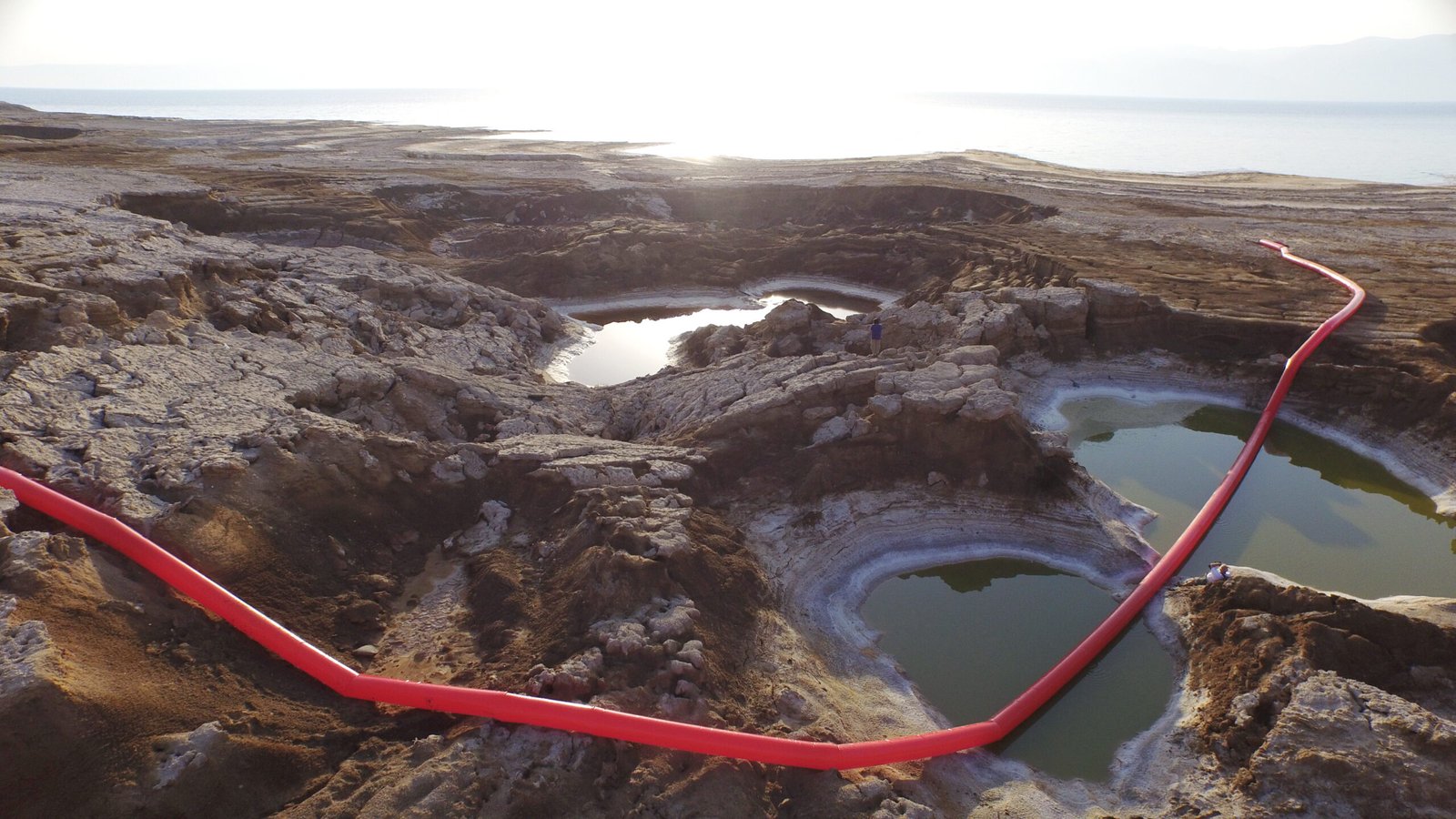
As the climate changes, Florida faces new challenges that could worsen sinkhole risks. More intense rainstorms, alternating with periods of drought, put extra stress on the land. Heavy rains can suddenly flood underground voids, while droughts can lower the water table, both triggering collapses. Rising sea levels may also invade groundwater supplies, increasing the salinity and acidity of water that dissolves limestone even faster. Scientists are watching these trends with concern, knowing that unpredictable weather could make sinkholes both more frequent and more destructive in the years ahead. The intersection of geology and climate is creating a perfect storm beneath Florida’s feet.
Living with the Threat: How Floridians Cope
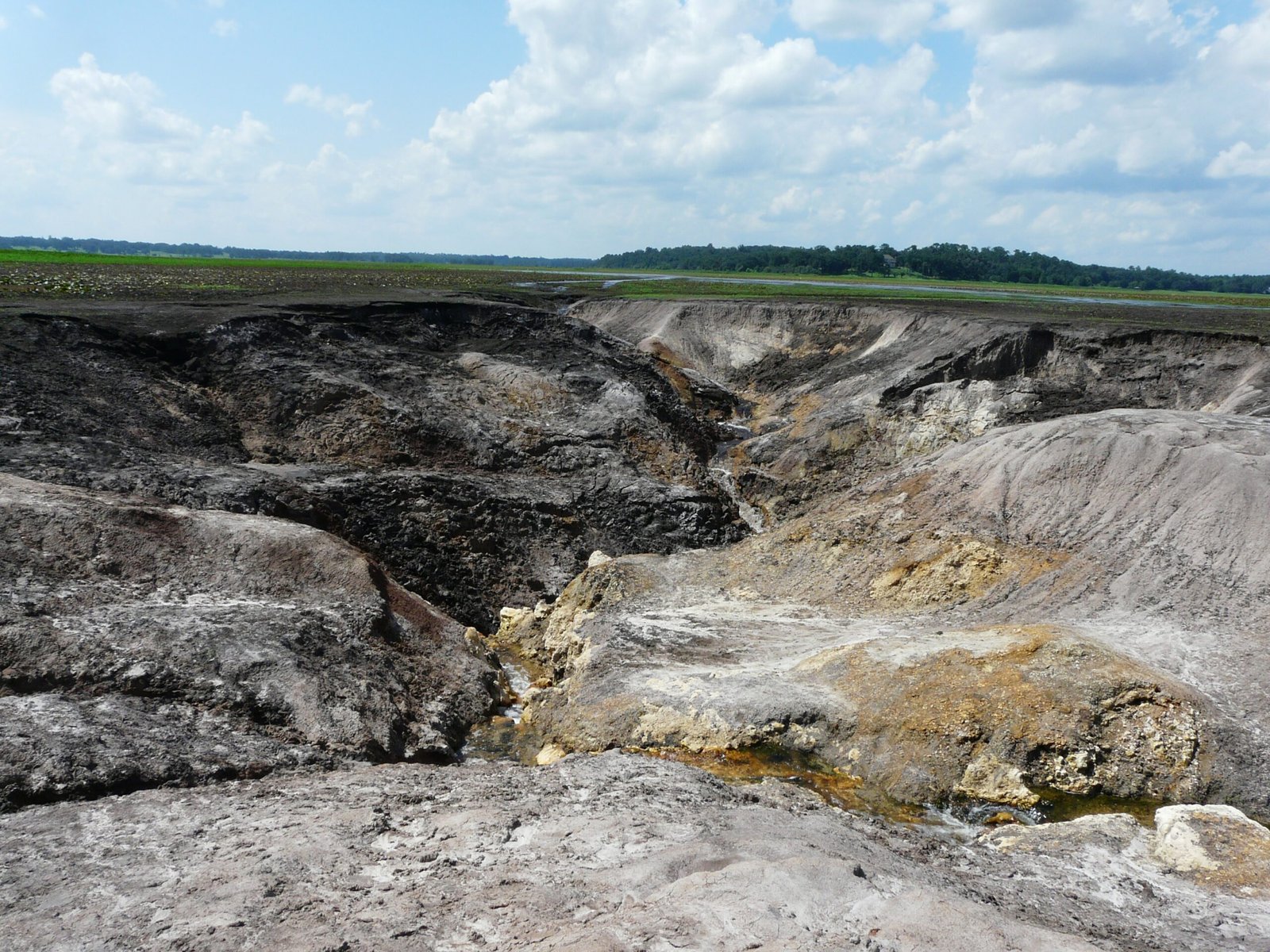
For many Floridians, sinkholes are just another part of life—like hurricanes and alligators. Some homeowners invest in ground-penetrating radar surveys before buying property, hoping to avoid hidden dangers. Sinkhole insurance is a booming industry, though policies can be expensive and coverage varies. Communities have learned to respond quickly, with emergency crews trained to cordon off dangerous areas and evacuate homes if necessary. In places where sinkholes are most common, local governments build stricter regulations for new construction and infrastructure. Despite the risks, the beauty and climate of Florida keep drawing people in, leading to a delicate dance between nature’s unpredictability and human resilience.
Hidden Dangers: Signs a Sinkhole Might Be Coming
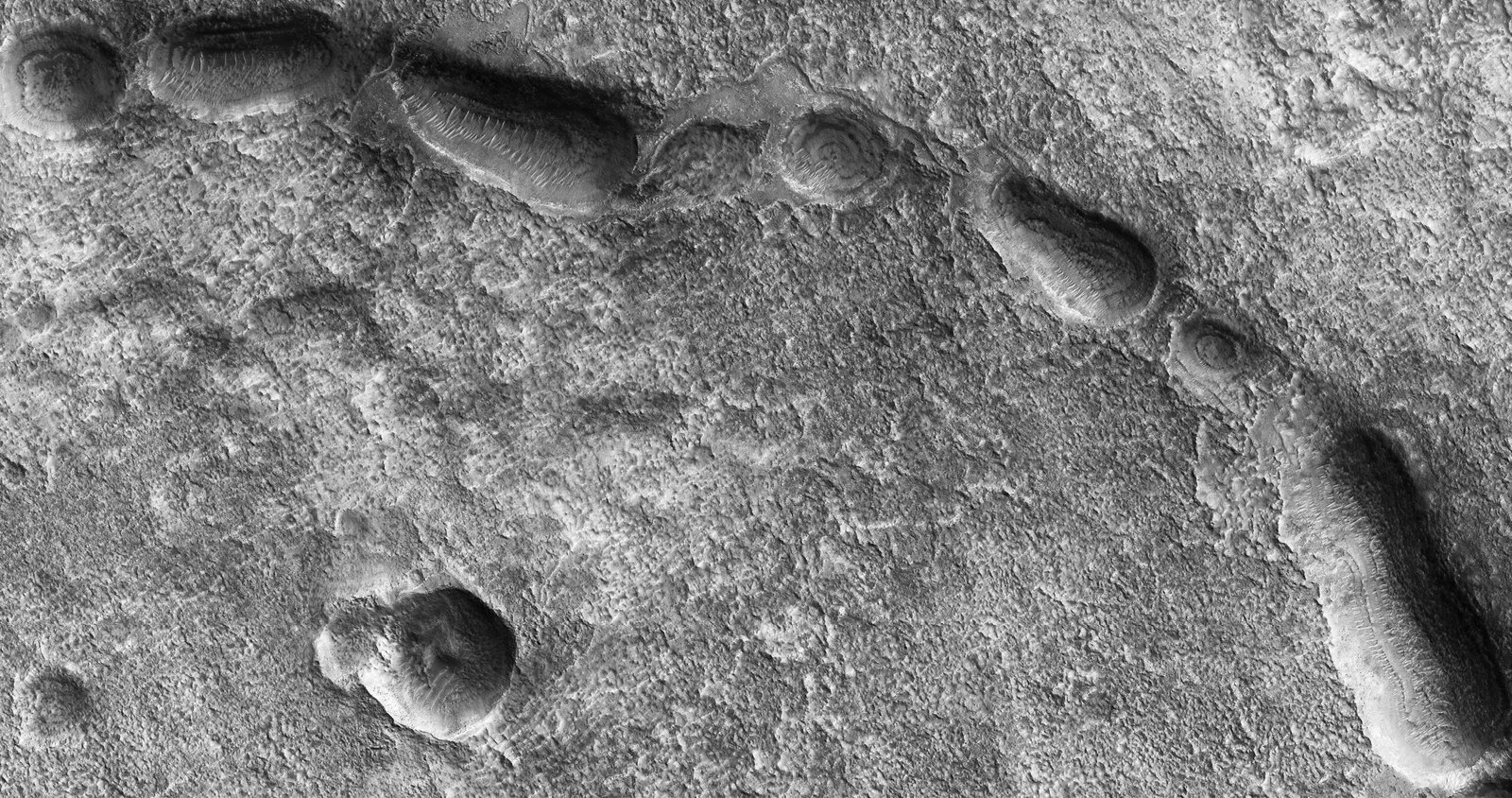
Sinkholes often strike without warning, but there are some telltale signs that trouble might be brewing underground. Cracks suddenly appearing in walls, driveways, or floors can signal that the ground is shifting. Doors and windows that stick or won’t close may point to uneven settling. Puddles that won’t drain or mysterious depressions appearing in a yard are red flags. In rural areas, trees or fence posts that start tilting may be an early warning. Unfortunately, many sinkholes develop silently, giving no hint until the collapse. That uncertainty adds to the fear and fascination Floridians feel toward the ground beneath them.
The Cost of Collapse: Economic and Emotional Impact
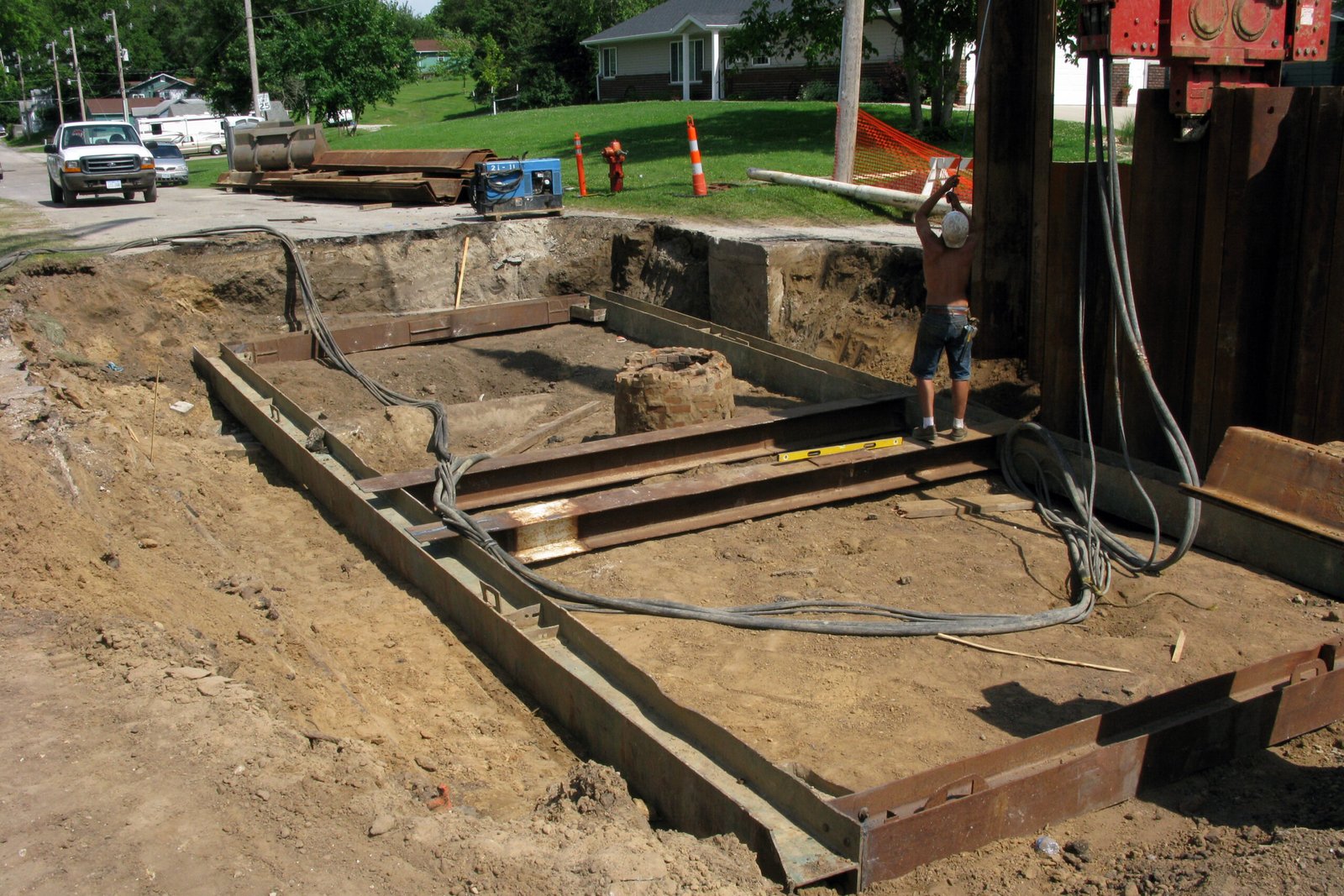
Sinkholes don’t just swallow land—they devour peace of mind and financial security. Repairing sinkhole damage can cost tens of thousands of dollars, and insurance doesn’t always cover every loss. Entire neighborhoods have seen property values plunge after a major sinkhole event, leaving homeowners with few options. The emotional toll is just as severe: families forced to abandon their homes, children frightened by the sight of the earth opening up, and communities left grappling with trauma and uncertainty. For many, the threat of sinkholes is a constant source of anxiety, shaping where they live, work, and dream.
Nature’s Marvels: Sinkholes as Windows into Earth’s History
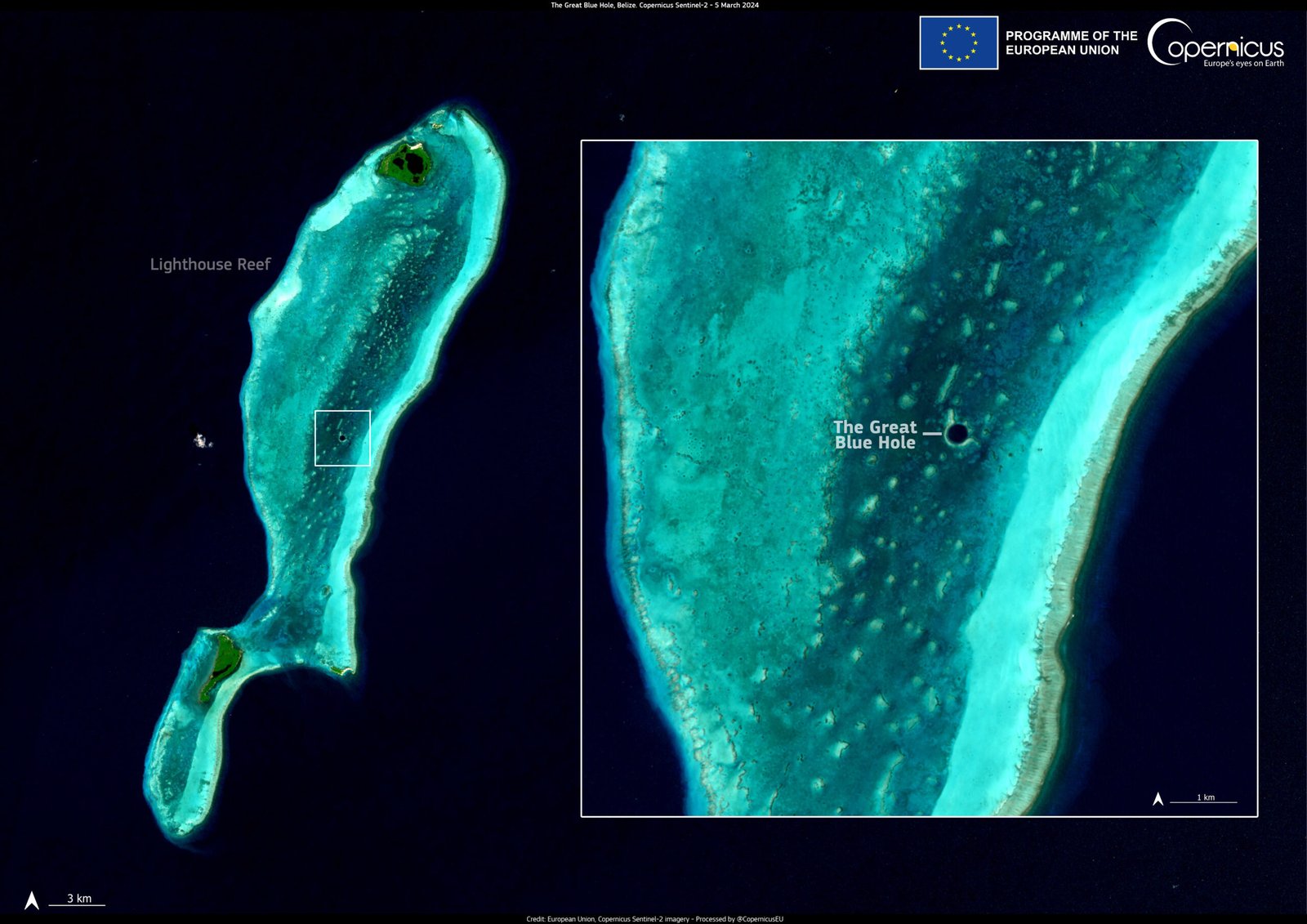
Despite their dangers, sinkholes also offer a fascinating glimpse into Florida’s ancient past. Some of the world’s most important fossil discoveries have come from deep within sinkholes, where bones of prehistoric animals and ancient humans have been perfectly preserved. Divers explore flooded sinkholes called “blue holes,” finding rare species of fish and plants that exist nowhere else. Scientists use sinkholes to study climate patterns going back thousands of years, piecing together the story of how Florida’s landscape has evolved. In this way, what starts as a disaster can become a treasure trove of knowledge and a testament to nature’s complexity.
Can We Prevent Sinkholes? Science and Solutions
While it’s impossible to stop all sinkholes, scientists and engineers are searching for ways to predict and reduce their impact. New technologies like satellite radar and 3D mapping help spot subtle changes in the ground before a collapse. Some projects involve injecting grout or concrete into underground cavities to stabilize the earth, though these fixes are expensive and not always practical for large areas. Researchers are also studying how water usage and urban planning can be adjusted to minimize risk. Education and preparation, more than anything, are proving to be the best defenses against Florida’s unpredictable ground.
Florida’s Unseen Future: Living on the Edge
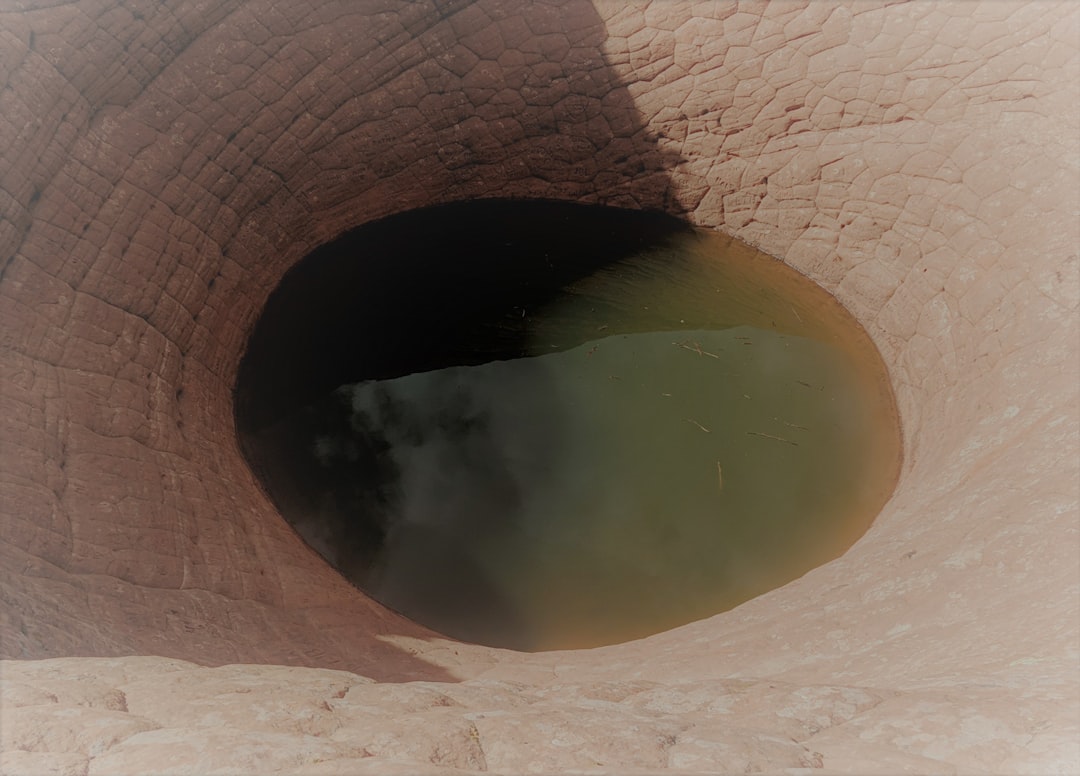
Florida’s relationship with sinkholes is a dance with uncertainty. As more people move to the state, the risks and consequences of living atop this fragile foundation will only grow. Every new development, every storm, and every shift in climate could tip the balance and trigger the next collapse. Yet, there’s also resilience and courage in how Floridians face the unknown, adapting to a landscape that is always changing beneath their feet. The story of Sinkhole Alley is one of beauty and danger, warning and wonder. Would you dare to build your life on such shifting ground?