It almost seems too surreal to be true: in Singapore, the air is so pristine that even the humble fungi have started to put on a show. Imagine delicate mushrooms with iridescent caps, lichens that glisten like tiny gems, and molds that seem more like works of art than invaders of bread boxes. In a place where the air is ranked among the cleanest in the world, nature has responded in the quirkiest, most beautiful way. This isn’t just a tale of environmental success—it’s a story that blends science, wonder, and the kind of unexpected magic that happens when people and nature work together. Let’s dive into the fascinating world of Singapore’s airborne wonders and meet the ‘fancy fungi’ thriving in this city-state’s sparkling clean atmosphere.
The Surprising Beauty of Urban Fungi
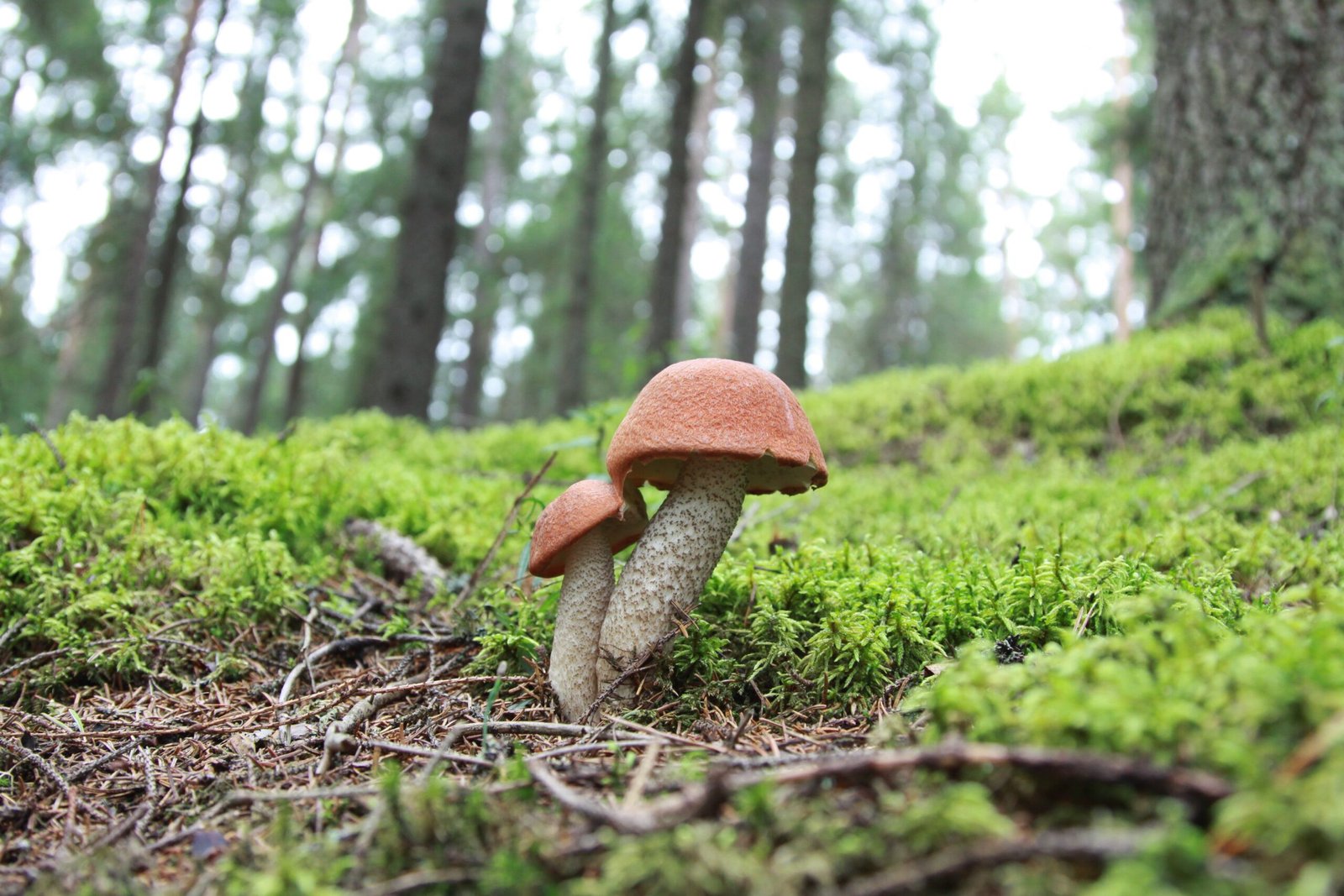
Walking through Singapore’s lush parks or shaded walkways, you might spot mushrooms with colors that rival the orchids blooming nearby. These aren’t just your average garden fungi; they appear bolder, brighter, and sometimes almost translucent. Scientists believe that in an environment with fewer pollutants, fungi can develop more vibrant pigments, almost like how a painter’s colors pop on a clean white canvas. These unexpected bursts of color can turn an ordinary morning stroll into a treasure hunt for nature lovers. For many, it’s a reminder that even in the heart of a bustling city, tiny miracles are happening right under our noses.
What Makes Singapore’s Air So Remarkably Clean?
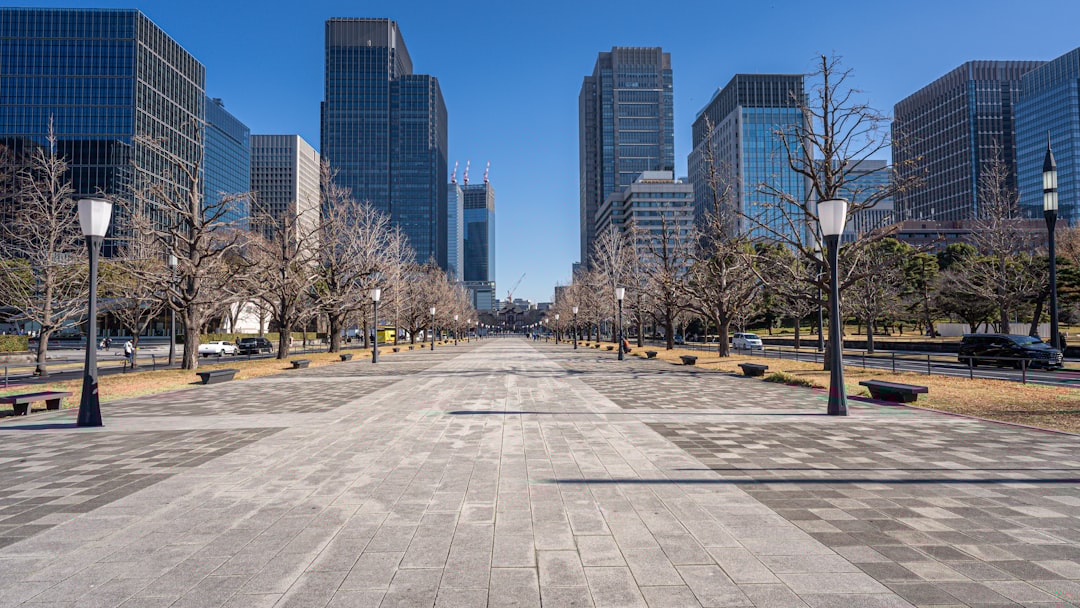
Singapore’s clean air didn’t happen by accident. Decades of strict regulations, green urban planning, and relentless public campaigns have paid off. The city has banned open burning, enforced strict limits on vehicle emissions, and invested in cutting-edge air filtration systems. The government even monitors air quality in real-time, sharing updates with the public. All these measures mean that the air here rivals that of remote mountain towns, creating a healthy environment where not just people, but even sensitive organisms like fungi, can flourish.
Fungi: Nature’s Hidden Air Quality Sensors
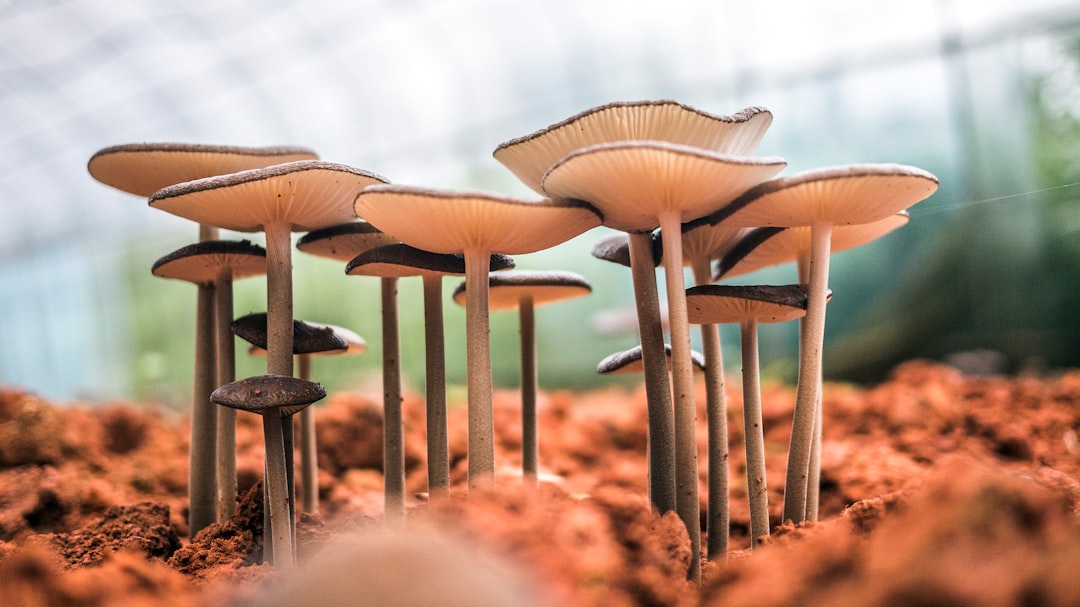
Fungi are more than just curious shapes on a log—they’re nature’s own air quality detectives. Certain species are picky about where they grow, thriving only in places free from harmful pollutants like sulfur dioxide or heavy metals. In Singapore, the presence of rare, delicate fungi is a silent testament to the purity of the air. Mycologists, or fungi scientists, often use these organisms as living indicators, a bit like canaries in a coal mine. Here, their abundance and diversity send a clear, reassuring message about the city’s environmental health.
How Air Pollution Shapes Fungal Life
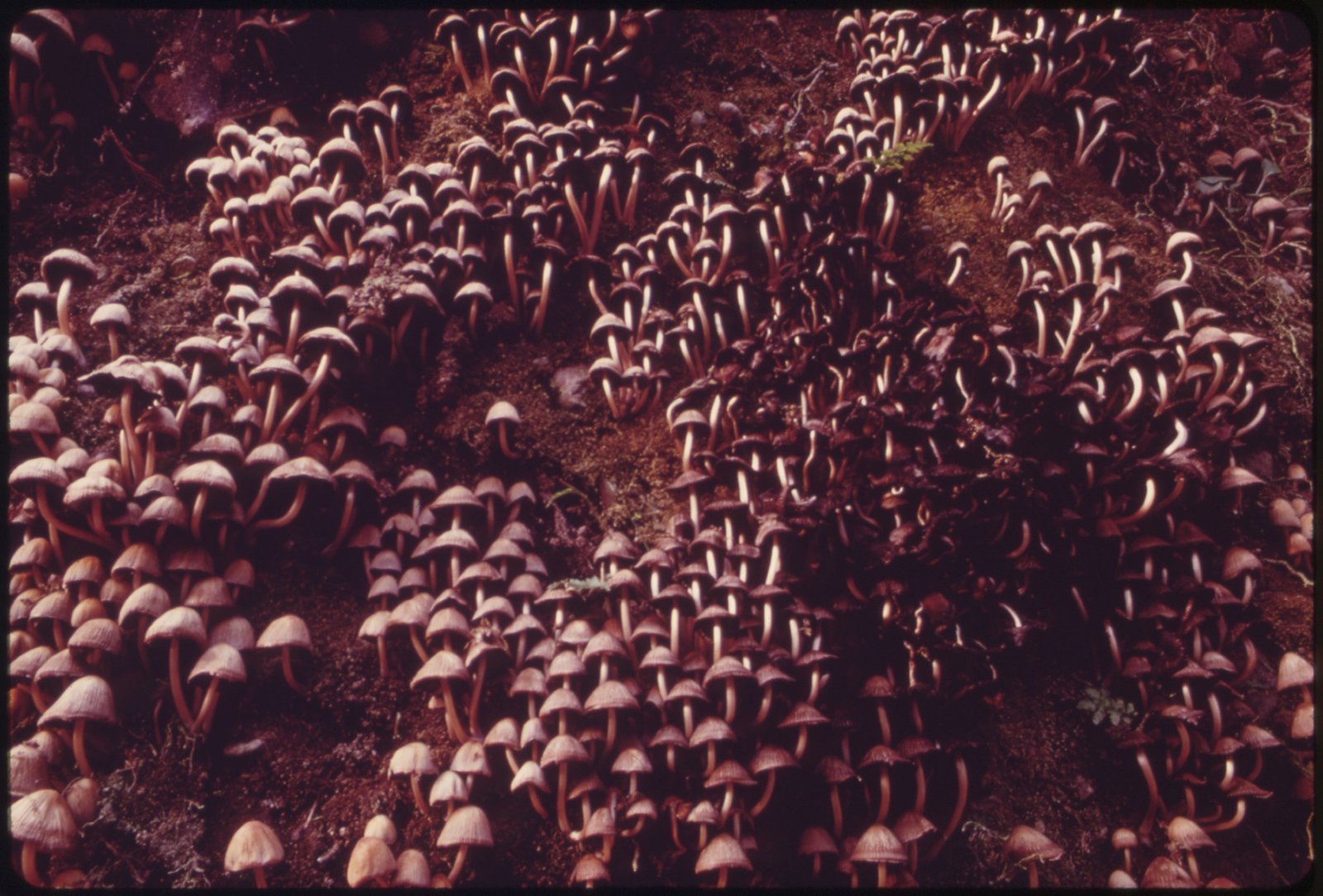
In cities plagued by smog, fungi often struggle to survive. Pollutants can damage their delicate tissues, alter their shapes, or even kill them outright. What’s more, certain contaminants can dull the colors of mushrooms or suppress the growth of intricate lichen patterns. Singapore, with its low levels of airborne toxins, allows fungi to reach their full potential. The result? Fungi here can grow larger, display more vivid colors, and form more complex structures than their cousins in more polluted places.
The Science of Fungal Pigmentation
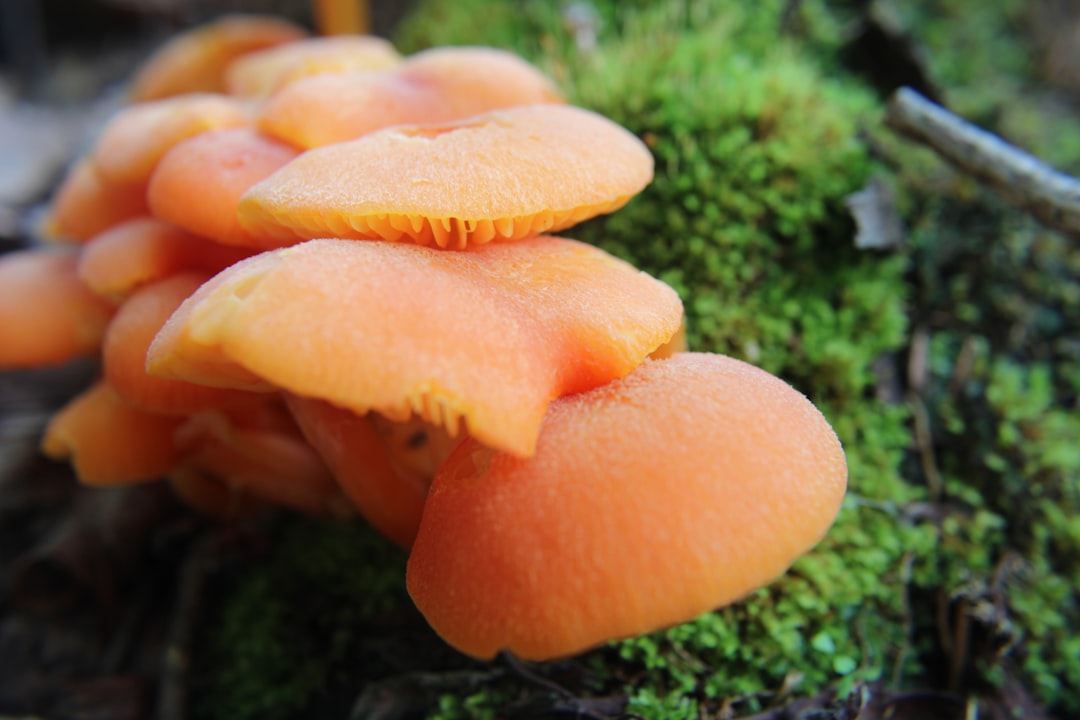
Why do Singapore’s fungi seem so fancy? It comes down to pigmentation. Clean air allows fungi to invest energy in making pigments that not only look beautiful but also protect them from sunlight and predators. In dirty environments, these pigments sometimes break down or never fully form, leaving fungi looking faded or sickly. Here, free from the chemical stressors that plague other cities, mushrooms and molds can dress up in their boldest hues—fiery oranges, deep blues, and even shimmering violets.
Singapore’s Unique Urban Ecosystems
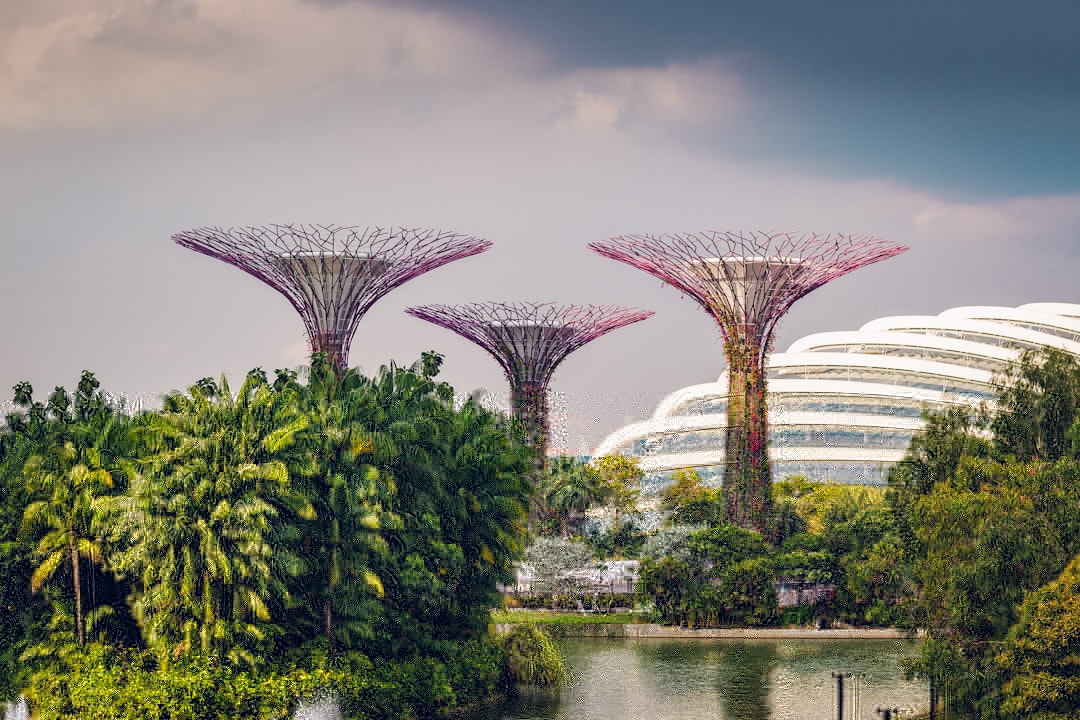
This city-state is a marvel of green engineering, blending high-rise apartments with vertical gardens and winding nature trails. Fungi take full advantage of these habitats, popping up on tree trunks, park benches, and even the edges of rain-soaked sidewalks. The city’s diverse plant life provides fungi with shelter and food, while the clean air ensures they can grow uninhibited. It’s a living example of how urban spaces, when thoughtfully designed, can nurture surprising levels of biodiversity.
Fungi as Artists: The Rise of Bio-Design
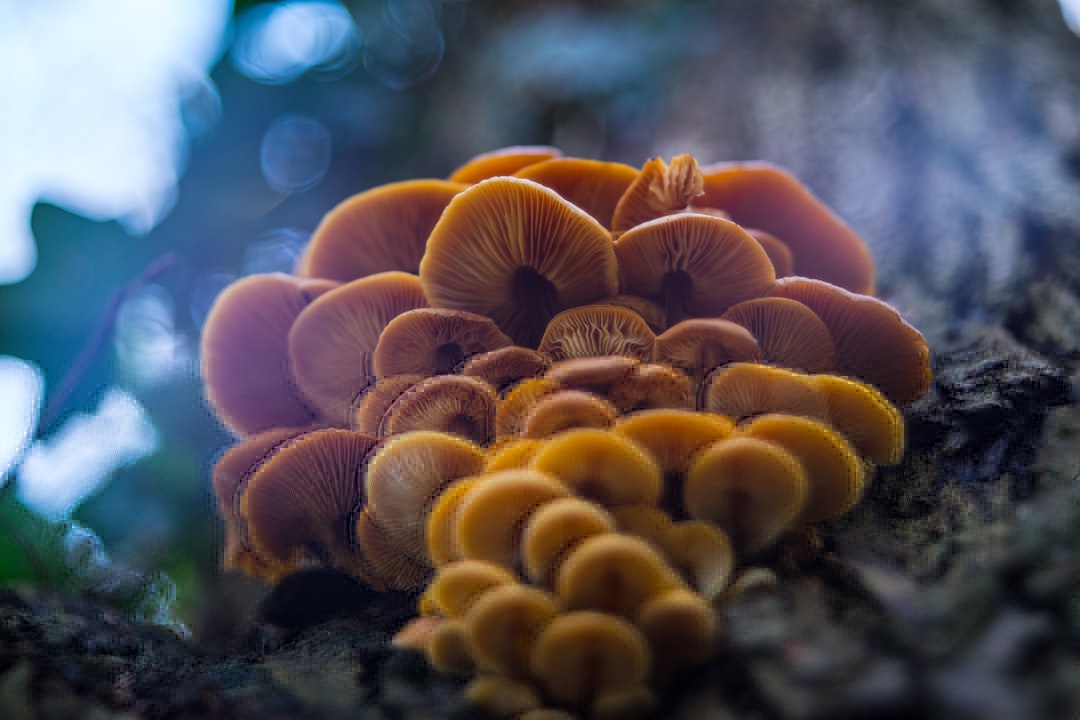
Some Singaporean designers and artists have started to notice the city’s spectacular fungi. Inspired by their shapes and colors, they’ve begun incorporating fungal imagery into textiles, ceramics, and even architecture. For example, you might see motifs of luminous mushrooms on batik fabrics or sculptural installations mimicking fungi in public parks. This creative exchange blurs the lines between science and art, showing how clean air not only benefits the environment but also sparks human creativity.
Health Benefits of Clean Air for People and Fungi
It’s not just fungi that are flourishing—Singapore’s residents are breathing easier too. Clean air means lower rates of asthma, allergies, and respiratory illnesses. For fungi, it means fewer stressors and more opportunities to thrive. In fact, scientists have found that in areas with high air quality, both human and fungal health improve side by side. It’s a win-win situation, where a single environmental victory brings benefits to all living things.
The Role of Environmental Policy
Singapore’s government takes air quality seriously, with fines for polluters and incentives for clean energy. These strong policies have made the city an international role model. From controlling industrial emissions to encouraging electric vehicles, Singapore’s approach is multi-layered and relentless. The success of these policies is now visible not just in data charts, but in the vibrant fungal communities dotting the city’s green spaces.
Citizen Science: Locals Join the Hunt for Fancy Fungi
Ordinary Singaporeans are getting in on the action too. Nature walks and ‘fungi safaris’ have become popular weekend activities, with families and students snapping photos of the most beautiful mushrooms they can find. Social media is full of dazzling fungal finds, many of which are cataloged by amateur naturalists. This citizen science movement adds a sense of adventure to environmental stewardship, making the protection of clean air everyone’s business.
Unusual Fungi: Rare Finds in the City
Some of the fungi spotted in Singapore are so rare that they make seasoned scientists do a double-take. Bioluminescent mushrooms, which glow faintly in the dark, have been documented in urban parks. There are also delicate coral fungi with branched, seaweed-like shapes, and tiny cup fungi that look like drops of orange paint. These unusual finds highlight the hidden richness of Singapore’s urban ecology, turning ordinary walks into moments of discovery.
Fungi’s Role in Urban Sustainability
Fungi aren’t just pretty—they play a crucial role in keeping the city clean and green. By breaking down dead leaves and wood, they recycle nutrients back into the soil. Some even form partnerships with trees, helping roots absorb water and minerals. In Singapore, where every patch of greenery is carefully managed, fungi are silent partners in the city’s sustainability efforts. Their presence means healthier parks, stronger trees, and richer soil.
How Climate and Weather Influence Fungal Growth
Singapore’s tropical climate—with its humidity, warmth, and frequent rain—creates ideal conditions for fungi. But without clean air, even the best climate can’t guarantee their survival. The combination of perfect weather and low pollution means fungi here can fruit almost year-round, producing a dazzling array of shapes and colors. It’s a reminder that climate and air quality must work together to support vibrant urban ecosystems.
Fungi and Education: Inspiring the Next Generation

Schools and universities in Singapore are weaving fungi into their science curriculums. Students learn about the importance of biodiversity and environmental protection through hands-on experiments and nature walks. By seeing the connection between clean air and the colorful fungi around them, young people gain a deeper appreciation for conservation. Some even go on to study mycology, inspired by the living laboratory outside their classroom doors.
Challenges Ahead: Keeping the Air Clean
Despite its successes, Singapore faces ongoing challenges. Regional haze from forest fires, increasing urbanization, and the pressures of a growing population threaten air quality. Maintaining these high standards will require vigilance, innovation, and community involvement. The fate of Singapore’s fancy fungi—and the health of its people—depends on continued commitment to clean air policies.
The Global Significance of Singapore’s Example
The story of Singapore’s clean air and fancy fungi has resonated far beyond its borders. Environmentalists and city planners from around the world look to Singapore as proof that urban life and nature don’t have to be at odds. The city’s success shows that with the right policies, cities everywhere can create conditions where even the most sensitive organisms can thrive, sending a hopeful message to the world.
Fungi, Art, and the Human Imagination
Artists, poets, and writers have long been fascinated by fungi, seeing them as symbols of transformation and hidden beauty. In Singapore, the clean air has given these organisms a chance to inspire new works of art and literature. Galleries and public spaces now feature mushroom-inspired installations, and local poets write about the “jewel-like” fungi found in city parks. This cross-pollination between nature and culture adds another layer of richness to Singapore’s story.
Future Research: What’s Next for Singapore’s Fungi?
Scientists are only beginning to understand the full impact of clean air on fungal life. New studies are underway to catalog the city’s fungi, analyze their pigments, and explore their potential uses in medicine and technology. Some researchers hope to discover new species or even harness fungal compounds for sustainable materials. The possibilities are as vast as the imagination, with Singapore’s clean air providing the perfect backdrop for groundbreaking discoveries.
Lessons from Nature: Clean Air as a Common Goal
If there’s one thing Singapore’s fancy fungi teach us, it’s that clean air benefits all forms of life—from the tiniest mushroom in a city park to the people breathing deeply on their daily commute. The city’s experience is a powerful reminder that environmental progress is possible, and that small changes can lead to extraordinary results. When nature is given room to breathe, it responds with creativity, beauty, and resilience.