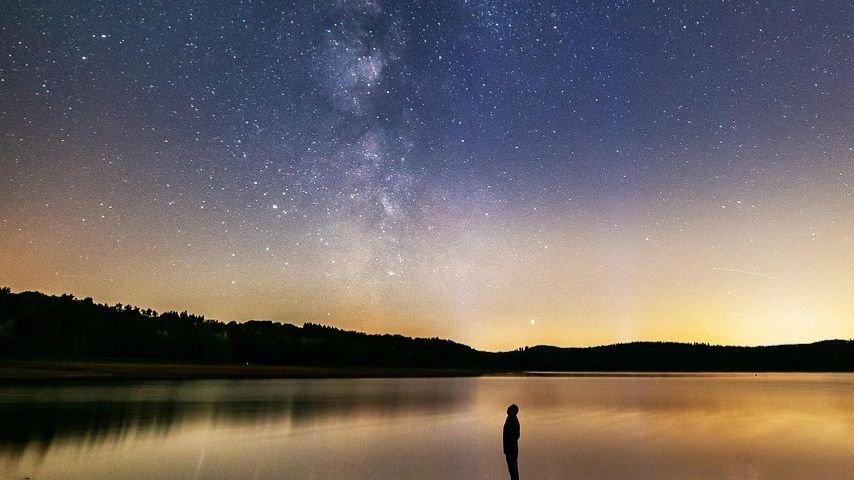
For more than two decades, dark energy has played the role of invisible puppet master, driving the universe to expand faster and faster, seemingly without limit. Now a new set of tantalizing results hints that this mysterious force might not be constant after all – it may actually be weakening over time. If that holds up, it would overturn one of the core assumptions in modern cosmology and rewrite our best predictions for how everything, from distant galaxies to the atoms in your body, ultimately meets its end. This is not a minor tweak to a model; it is a direct challenge to the idea that we live in a universe doomed to accelerate forever. The stakes are cosmic: how we interpret faint ripples in ancient light and subtle distortions of galaxies could determine which future the universe is really heading toward.
The Cosmological Constant Was Supposed To Be Boring – and Final
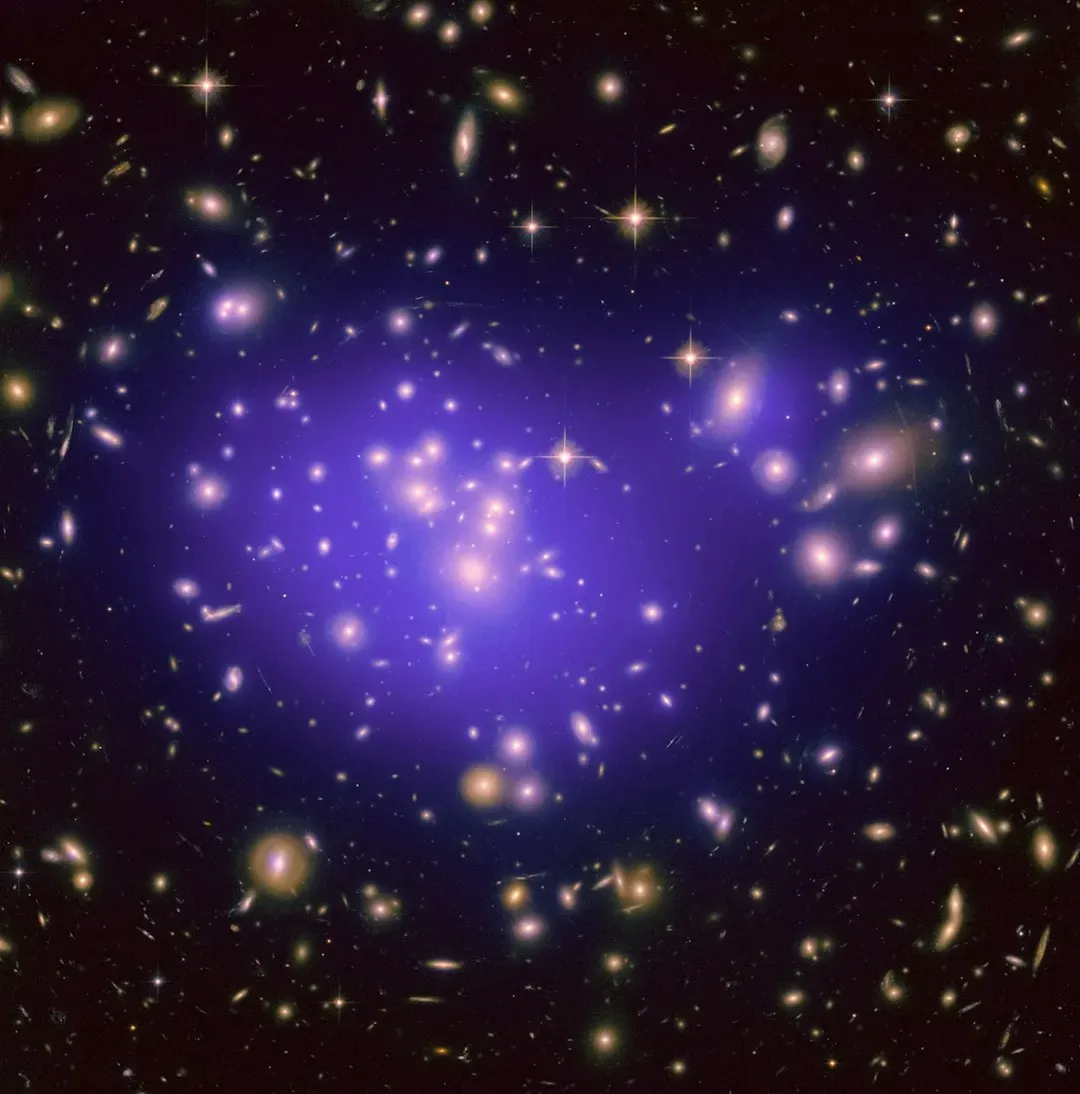
When astronomers discovered in the late 1990s that the expansion of the universe is accelerating, the simplest explanation was something called the cosmological constant. In that picture, dark energy is just a fixed property of space itself, the same everywhere and everywhen, never changing in strength. This idea plugged neatly into Einstein’s equations and, for years, matched what telescopes could see: distant supernovae looked dimmer than expected, meaning galaxies were receding faster than gravity alone could explain.
That apparent simplicity turned the cosmological constant into the standard answer printed in textbooks and plotted into simulations. It underpinned the so‑called Lambda–Cold Dark Matter model, the workhorse of modern cosmology. In that model, there is no suspense about the far future: expansion speeds up forever, galaxies drift apart, stars burn out, and the universe thins toward a cold, dark emptiness. The cosmological constant became such a background assumption that questioning it sounded almost like doubting gravity itself.
New Sky Surveys Are Whispering: Dark Energy May Be Evolving
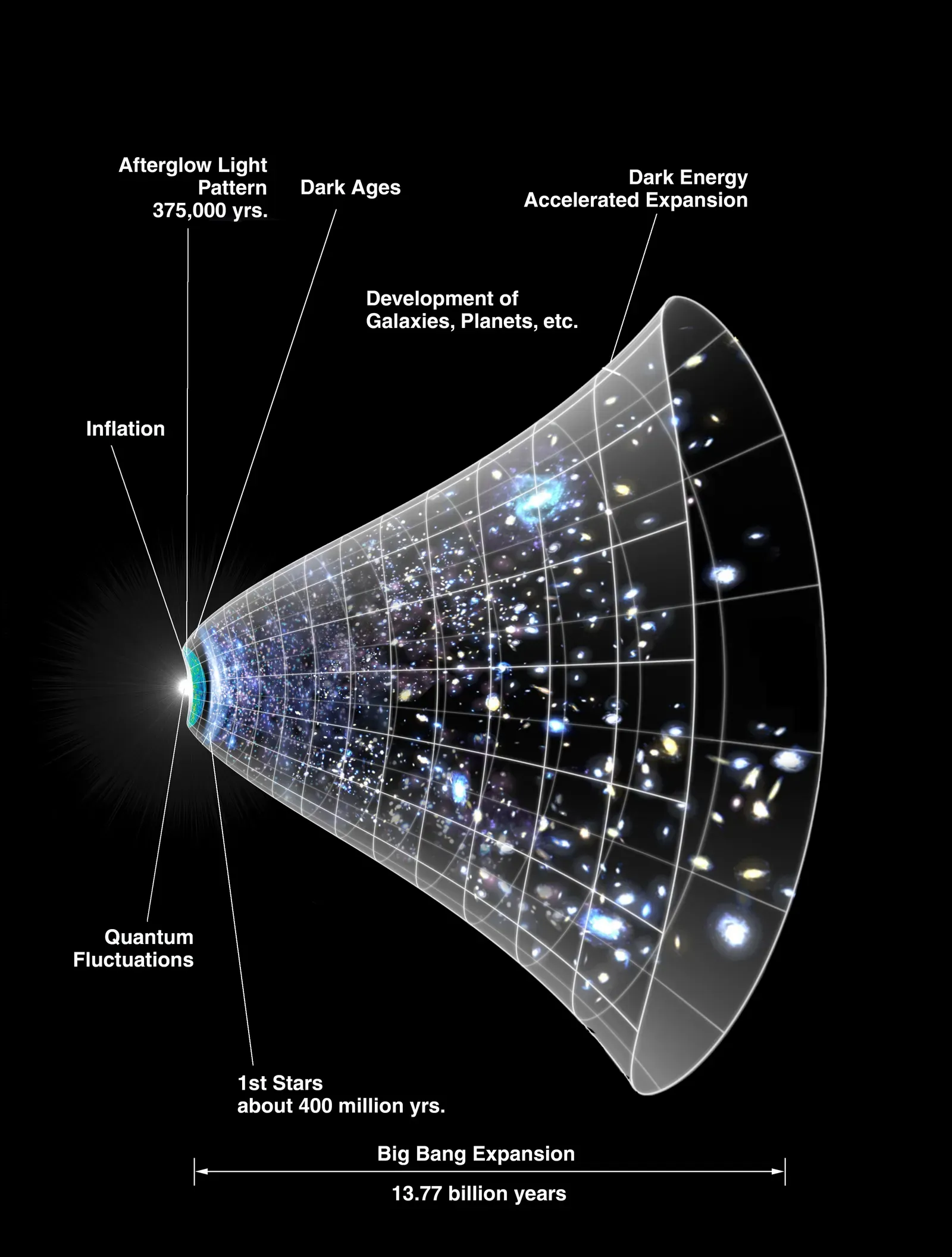
Over the past few years, huge surveys of the sky have quietly started to complicate this clean story. Projects that map the shapes and positions of tens of millions of galaxies have found small but persistent tensions when they compare how structures grow with what a perfectly constant dark energy would predict. At the same time, upgraded measurements of the cosmic microwave background – the afterglow of the Big Bang – have sharpened our view of the early universe, giving cosmologists a tighter baseline to compare the present-day universe against.
To be clear, no serious team is claiming we have definitive proof that dark energy is fading. The hints show up as slight preferences in the data for models where the dark energy “equation of state” drifts over time instead of being pinned exactly to the textbook value. But when independent experiments, using different telescopes and different methods, all start leaning in the same direction, scientists pay attention. The pattern is less like a single loud shout and more like a low, repeating murmur that says something is off with the simple picture.
A Weakening Dark Energy Would Change the Universe’s Fate
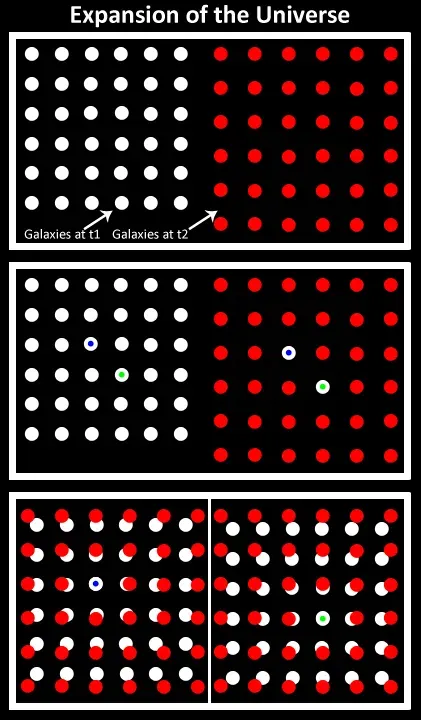
In the standard story, a constant dark energy eventually dominates everything, and expansion accelerates without limit. Distant galaxies slip beyond our cosmic horizon, never to be seen again, and over unimaginable timescales, the universe glides toward a “big freeze.” If dark energy really weakens with time, that script changes in a profound way. Expansion might still continue, but the acceleration could slow, stall, or even reverse over extreme timescales.
In more dramatic versions of the idea, if dark energy steadily declines, gravity could slowly regain the upper hand. The universe might shift from an accelerating phase into a more leisurely expansion, or in some theoretical scenarios, eventually slip into a slow contraction. That raises possibilities ranging from a softer, more stable long-term future to a distant “big crunch” in which everything collapses back together. We are not anywhere near proving such a fate, but the fact that it is suddenly back on the table shows how disruptive a weakening dark energy would be.
Inside the Data: Supernovae, Ripples, and Warped Galaxies
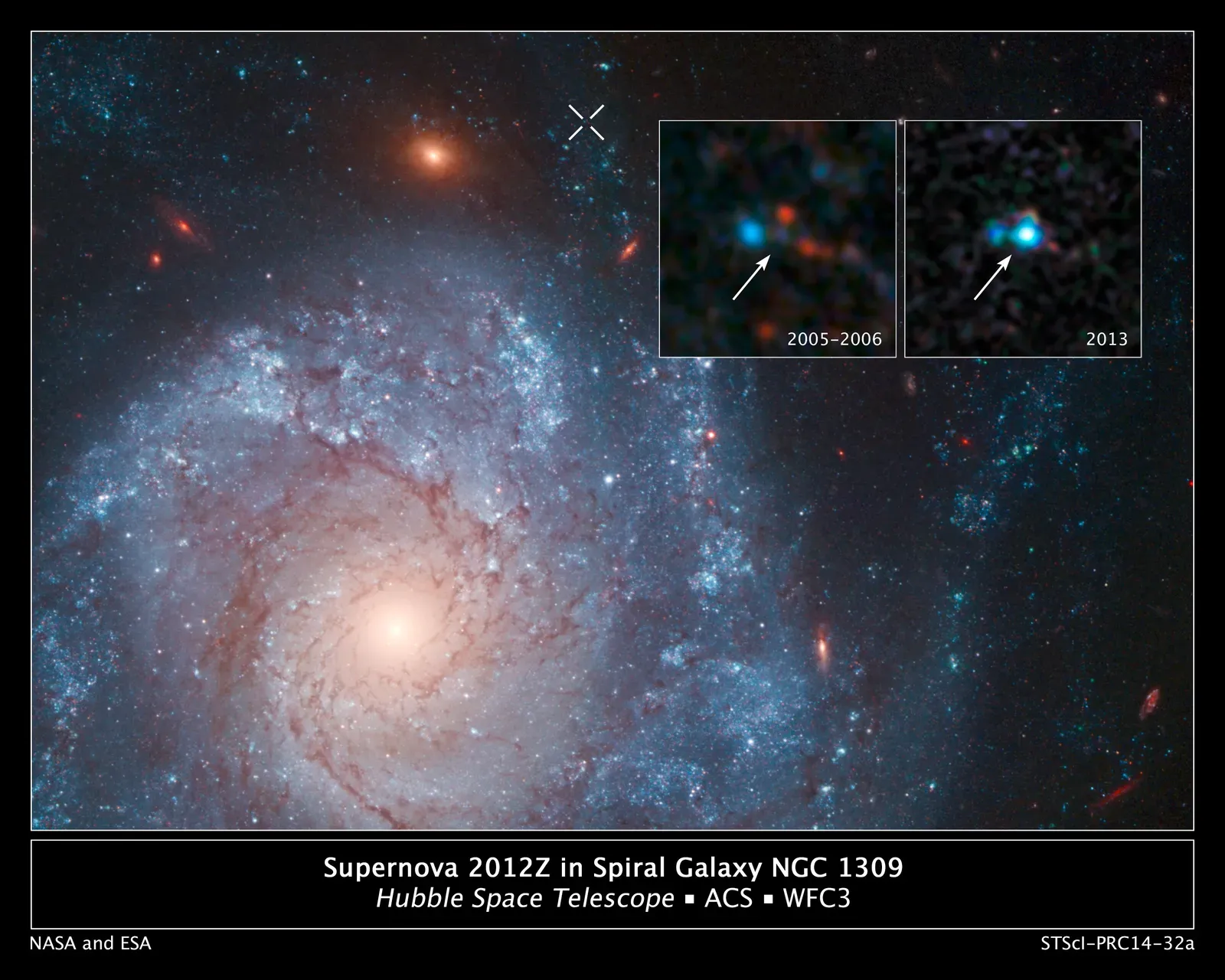
So where does this bold claim about weakening dark energy actually come from? One major line of evidence comes from Type Ia supernovae – stellar explosions that act as “standard candles” for measuring cosmic distances. By comparing how bright they appear at different epochs, astronomers can reconstruct how fast the universe was expanding at those times. Some recent supernova compilations allow a small time variation in dark energy and find the data do not strictly demand a perfectly constant value.
Other clues come from baryon acoustic oscillations – faint fossil ripples in the distribution of galaxies that act as a sort of cosmic yardstick. Combined with gravitational lensing, where the gravity of matter bends and distorts the images of background galaxies, these measurements let scientists test how structure has grown over billions of years. When they plug the observations into models, versions where dark energy slightly evolves sometimes produce a better fit than the unwavering cosmological constant. The differences are subtle, but they are exactly the kind of precision discrepancies that have historically pushed physics into new territory.
What This Upends: From Textbook Lambda to a Dynamic Cosmos
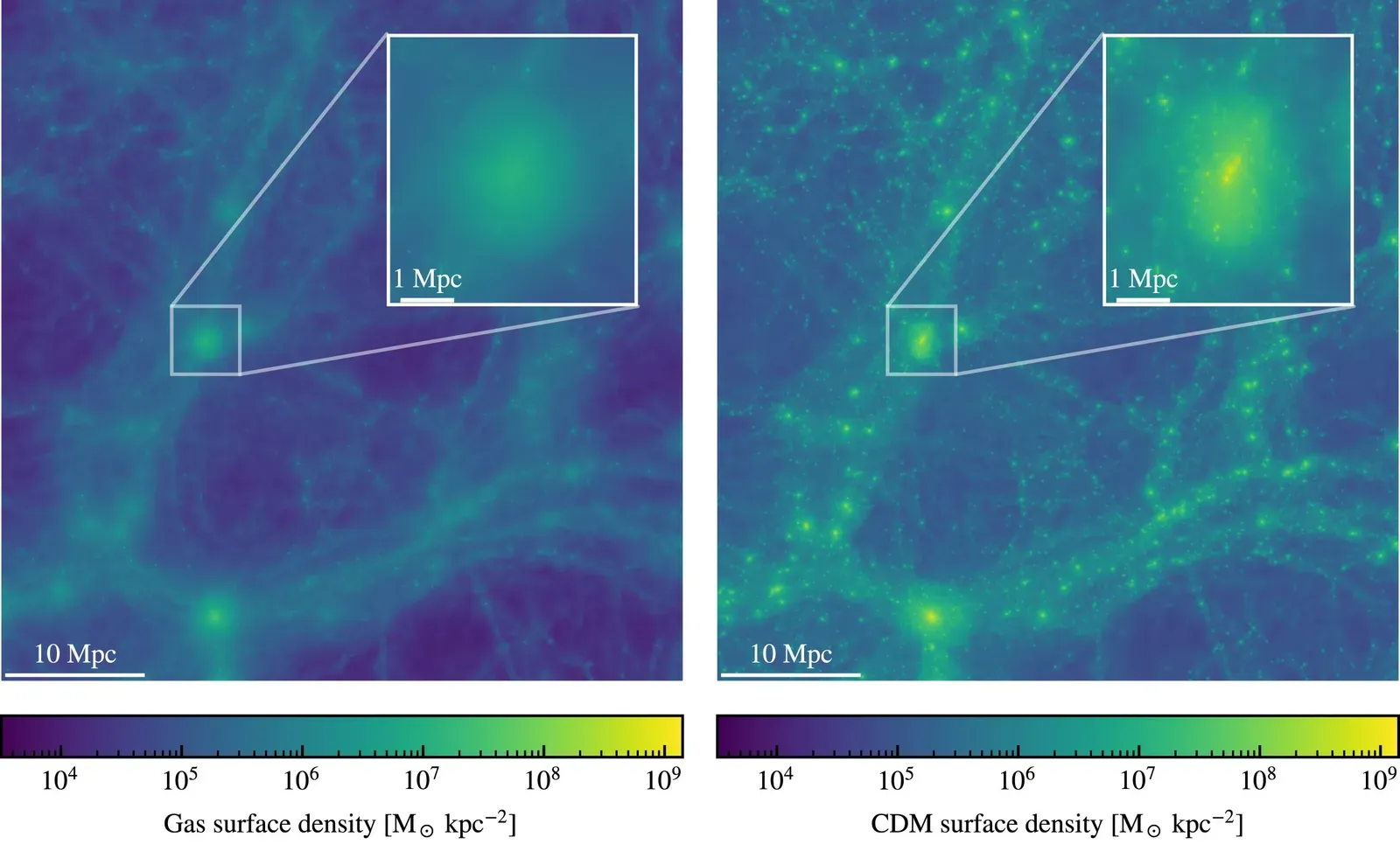
If dark energy is not constant, we are staring at a deep conceptual shift in how we think about the fabric of reality. Instead of a simple fixed number in Einstein’s equations, dark energy might behave more like a field that slowly rolls or relaxes over time, akin to a cosmic fluid changing its pressure. That moves us away from the clean elegance of the Lambda–Cold Dark Matter model into a messier but potentially more truthful picture, where the universe’s acceleration is just one phase in a longer, evolving story. It would mean the last twenty-odd years of “standard” cosmology captured only a snapshot, not a permanent law.
This is where things get philosophically uncomfortable and scientifically exciting. Much of precision cosmology – deriving the age of the universe, estimating its overall composition, predicting its far future – rests on assuming that dark energy stays fixed. A weakening dark energy would force every one of those results back onto the workbench. It would also reopen theoretical ideas that many had set aside, from slowly changing scalar fields to more radical revisions of gravity itself. In a field that has grown used to quoting parameters to three decimal places, admitting that the dominant component of the universe might be variable is a dramatic act of humility.
The Deeper Significance: Cracks in the “Standard Model” of Cosmology
Stepping back, the possible weakening of dark energy is part of a broader pattern: the once-impeccable standard cosmological model is showing hairline cracks. Alongside the dark energy puzzles, there is the much-discussed tension between different measurements of the Hubble constant, the current expansion rate of the universe. Early-universe methods, anchored in the cosmic microwave background, tend to give one value, while late-universe probes like supernovae yield a noticeably higher one. These disagreements are not yet catastrophic, but they persist even as data sets grow cleaner and more precise.
From an expert’s point of view, that persistence is the most interesting thing. When independent techniques, each refined by different teams around the world, continue to pull in slightly different directions, it suggests that the shared underlying assumptions might be incomplete. A dynamic dark energy could be one of the missing pieces that helps reconcile these measurements, altering how expansion and structure growth are linked over time. Or, if the dark energy hints fade with better data, that will be equally informative, tightening the leash on any new physics. Either way, the standard model of cosmology is being stress-tested in a way it has not been since its rise to dominance in the early 2000s.
How Upcoming Telescopes Could Settle the Question
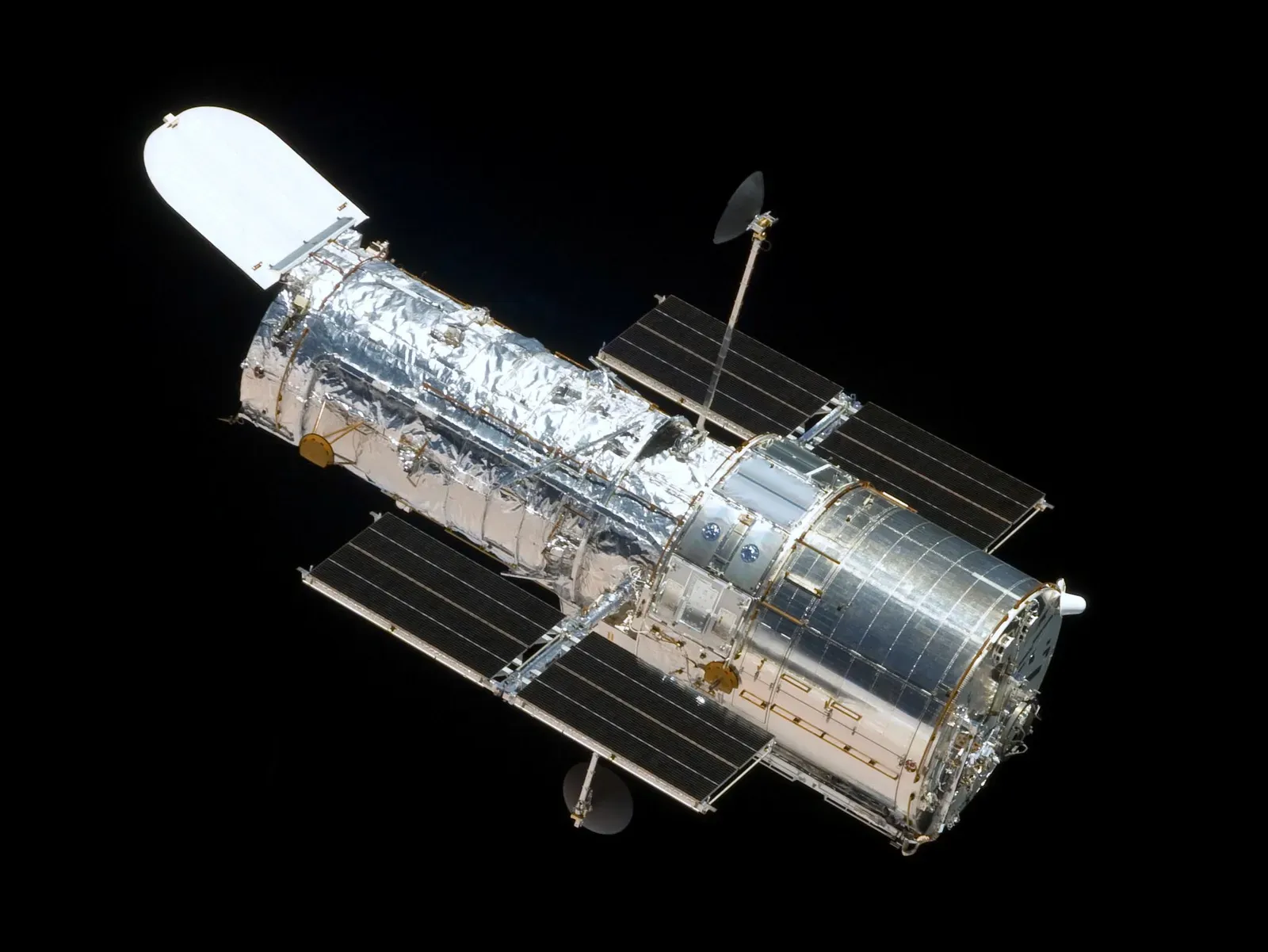
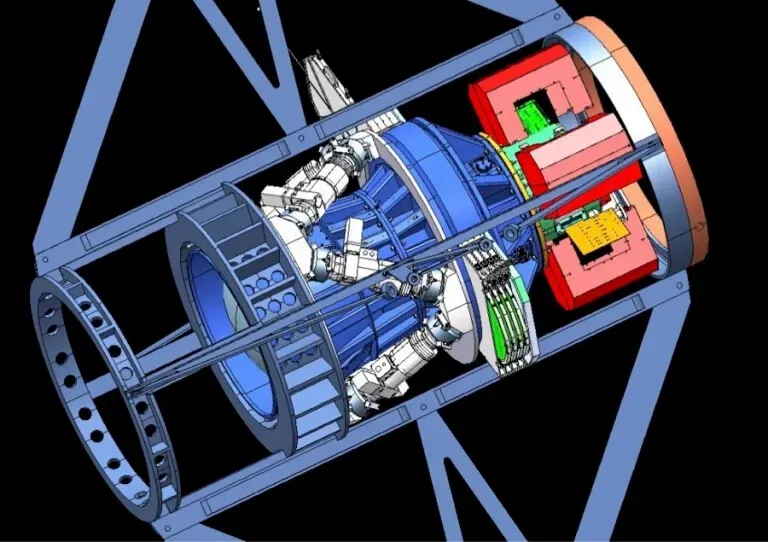
The good news is that we are not doomed to argue about tiny statistical wiggles forever; a wave of new observatories is arriving specifically designed to probe dark energy. Space missions and ground-based surveys are beginning to map billions of galaxies, not just millions, and to track how cosmic expansion and structure growth coevolve with unprecedented precision. By combining supernova distances, galaxy clustering, weak lensing, and other probes in a single, coherent analysis, cosmologists hope to trap dark energy in a much narrower theoretical box.
What matters here is not one flashy result, but the convergence of multiple methods that respond differently to changes in dark energy. If the weakening trend is real, it should appear consistently across independent measurements, in ways that are very hard to fake with simple observational errors or calibration glitches. If instead the apparent fading turns out to be a mirage created by subtle biases, the new data should expose that, too. In that sense, the next decade of sky surveys is less about confirming a preconceived story and more about letting the universe tell us how bold we need to be in rewriting our models.
Rethinking the End of Everything – and Our Place in It
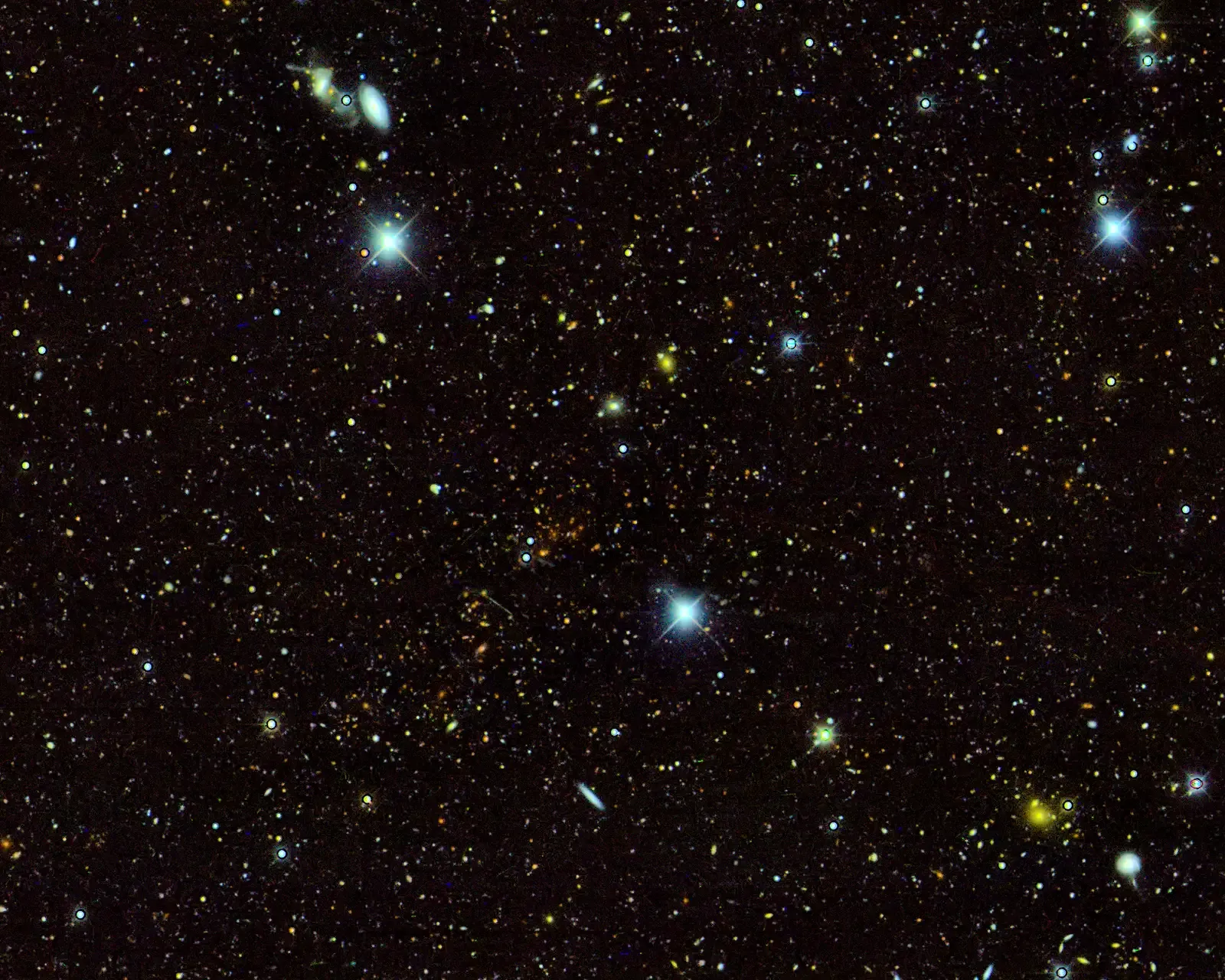
It is one thing to debate parameters on a plot and quite another to realize those numbers encode the ultimate storyline of reality. A constant dark energy writes a bleak but straightforward ending: an ever-emptier cosmos where each galaxy becomes an isolated island, and eventually even stars and atoms grow cold. A weakening dark energy introduces a twist, suggesting that the era of runaway acceleration might itself be temporary, a phase rather than a fate. That does not suddenly make the universe friendly or eternal, but it does remind us that cosmic history may be more episodic and less predetermined than the neat diagrams in popular science books imply.
On a human level, there is something oddly grounding about that uncertainty. We are still tiny, still fragile, still living in a brief flash between a hot, dense beginning and an unimaginably distant future, whatever form it takes. But the fact that our instruments can now detect slight deviations in how the entire universe breathes, and that such deviations might flip our understanding of its end, is staggering. Paying attention to dark energy is not about morbid curiosity over a far-off doom; it is about recognizing how much remains to be learned about the stage on which all of nature plays out.
How Curious Readers Can Follow – and Pressure-Test – These Claims
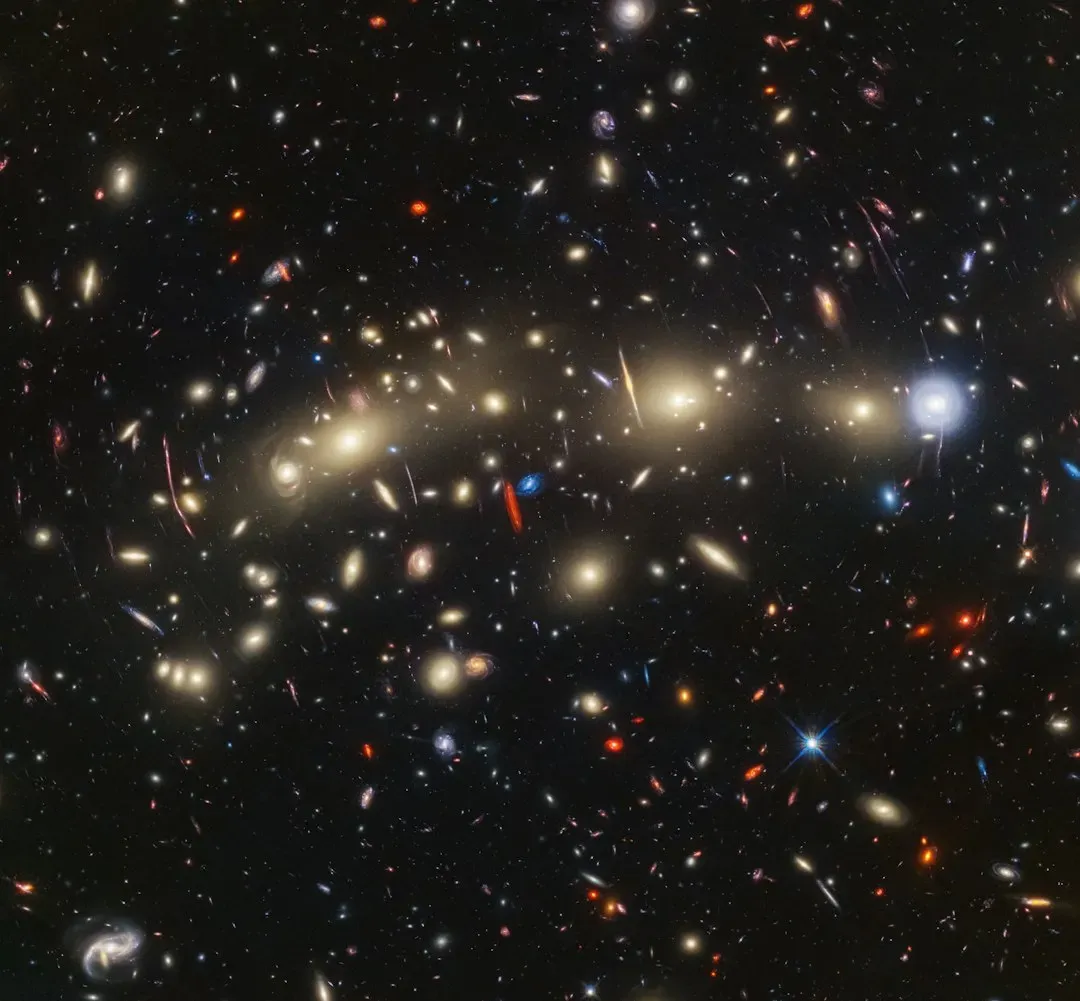
You do not need a PhD or a giant telescope to be part of this conversation about the universe’s fate. Many of the key dark energy surveys publicly share their data, images, and educational material, and it is increasingly common for results to be discussed in open talks, videos, and outreach events. Taking the time to read beyond headlines and to look for how different teams interpret the same measurements is one of the simplest ways to engage. When you see claims about weakening dark energy, ask what specific observations they rely on and whether other methods agree.
There is also real value in simply keeping your curiosity alive in the face of uncertainty. The story of dark energy is a reminder that even ideas that feel settled can be overturned by better measurements and a willingness to question assumptions. Following these developments through trusted science outlets, museum programs, or university lectures not only keeps you informed; it helps create a culture that expects evidence, welcomes revisions, and resists easy narratives. In a universe where even the fate of everything can still surprise us, that habit of mind might be the most important thing we carry forward.
Suhail Ahmed is a passionate digital professional and nature enthusiast with over 8 years of experience in content strategy, SEO, web development, and digital operations. Alongside his freelance journey, Suhail actively contributes to nature and wildlife platforms like Discover Wildlife, where he channels his curiosity for the planet into engaging, educational storytelling.
With a strong background in managing digital ecosystems — from ecommerce stores and WordPress websites to social media and automation — Suhail merges technical precision with creative insight. His content reflects a rare balance: SEO-friendly yet deeply human, data-informed yet emotionally resonant.
Driven by a love for discovery and storytelling, Suhail believes in using digital platforms to amplify causes that matter — especially those protecting Earth’s biodiversity and inspiring sustainable living. Whether he’s managing online projects or crafting wildlife content, his goal remains the same: to inform, inspire, and leave a positive digital footprint.