

The Allure of Fledgling Feasts (Image Credits: Pixabay)
Northwestern Hawaiian Islands – Seasonal flocks of fledgling seabirds transform remote atolls into hotspots of predator activity, drawing sharks into fierce territorial battles that reshape marine habitats.
The Allure of Fledgling Feasts
Every summer, millions of young seabirds leave their nests in the Northwestern Hawaiian Islands, becoming easy targets for opportunistic predators. This natural phenomenon creates a bounty that attracts tiger sharks from across the Pacific, leading to dramatic shifts in their behavior. Researchers from the University of Hawaiʻi at Mānoa observed these patterns through satellite tagging and acoustic monitoring, revealing how the birds’ arrival intensifies competition among shark species.
The influx peaks at sites like French Frigate Shoals, where seabirds such as wedge-tailed shearwaters and masked boobies dominate the landscape. Tiger sharks, known for their bold hunting strategies, converge in large numbers to capitalize on the vulnerable chicks. This seasonal migration not only sustains the sharks but also influences their daily movements, with individuals patrolling nesting areas more aggressively during breeding months.
Tiger Sharks Dominate the Hunt
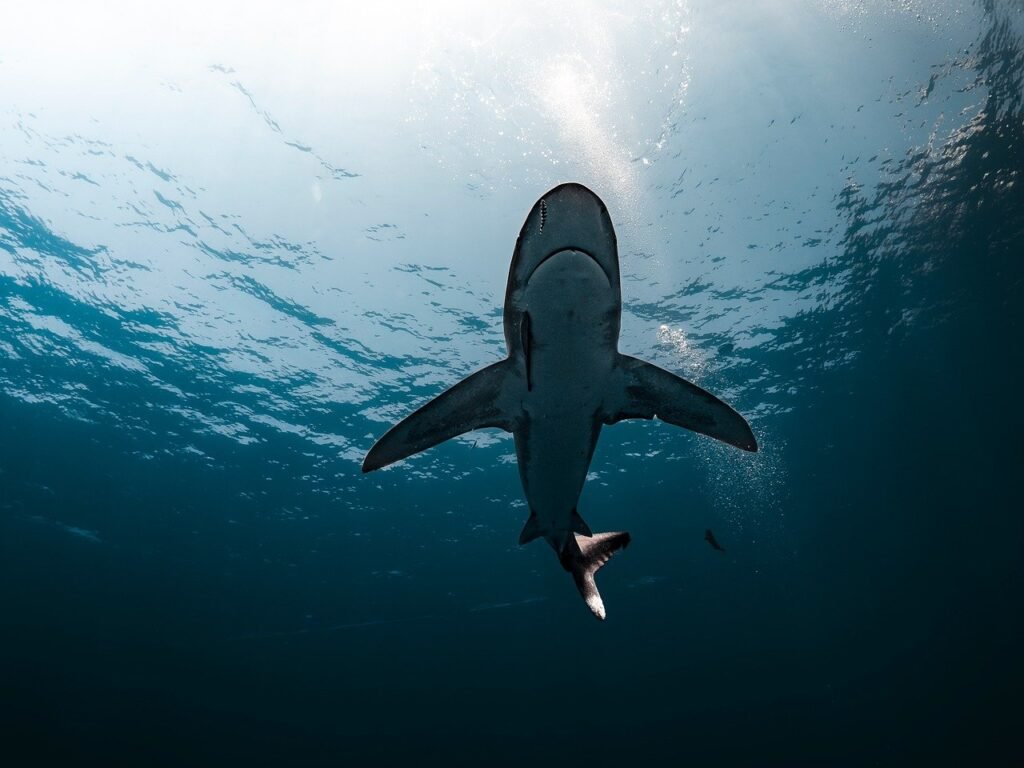
Tiger sharks emerge as the primary beneficiaries of this avian abundance, using their size and speed to claim the best foraging zones. Studies show these apex predators increase their residency time near bird colonies by up to 50 percent during nesting season, displacing smaller species like Galapagos and sandbar sharks. The research, led by the Hawaiʻi Institute of Marine Biology Shark Lab, documented how tiger sharks’ presence creates “turf wars” that force competitors to relocate to deeper or less productive waters.
Co-author Dr. Carl Meyer of the Shark Lab explained the broader implications: “This study highlights the far-reaching impact of seabirds, showing they can shape the movements of top predators like tiger sharks, which then ripple through the entire food web.” Such dynamics underscore the interconnectedness of Hawaii’s marine ecosystem, where a temporary surge in prey availability alters predator distributions for months.
Ripple Effects on the Ecosystem
The shark competitions extend beyond immediate predation, affecting the balance of the entire food web. When tiger sharks dominate shallow lagoons, other species retreat, potentially reducing pressure on reef fish and invertebrates in those areas. However, this shift can lead to overabundance in alternative habitats, straining resources and altering biodiversity patterns across the archipelago.
Environmental threats amplify these vulnerabilities. For instance, Hurricane Walaka in 2018 destroyed key nesting islands, causing bird populations to decline and subsequently changing shark foraging routes. Scientists warn that ongoing climate pressures, including rising sea levels and warmer oceans, could disrupt this delicate equilibrium further, with cascading consequences for conservation efforts.
- Tiger sharks increase residency near colonies by up to 50% during nesting season.
- Galapagos and sandbar sharks shift to deeper waters to avoid competition.
- Seabird declines from storms like Hurricane Walaka alter predator distributions.
- These interactions support Hawaii’s marine biodiversity but face climate threats.
- Monitoring helps protect fragile atolls like French Frigate Shoals.
Conservation Strategies in Focus
Protecting this intricate ecosystem requires targeted interventions, such as enhancing monitoring of shark movements and seabird populations. The University of Hawaiʻi’s findings, published in the journal Ecosphere, emphasize the need for integrated management plans that consider these predator-prey links. Efforts include restricting human activities near critical nesting sites to minimize disturbances that could exacerbate habitat shifts.
Collaboration between researchers and agencies aims to safeguard native wildlife amid growing environmental challenges. By understanding how seabirds influence top predators, conservationists can better predict and mitigate impacts from natural disasters or human influences. These insights prove vital for preserving Hawaii’s unique marine heritage.
Key Takeaways
- Seabird nesting drives seasonal shark migrations, creating competitive “turf wars” among species.
- Tiger sharks lead the hunt, displacing others and altering habitat use in the Northwestern Hawaiian Islands.
- Climate events like hurricanes can trigger cascading ecosystem effects, highlighting the need for proactive conservation.
In the vast Pacific, the interplay between seabirds and sharks reminds us of nature’s fragile balance, where one species’ survival hinges on another’s abundance. As Hawaii’s waters face mounting pressures, these discoveries call for vigilant stewardship to ensure thriving ecosystems for generations. What steps do you believe are essential to protect such interconnected habitats? Share your thoughts in the comments.