
Imagine standing at the edge of a turquoise bay in Western Australia, with salty winds brushing your face, and gazing at what looks like a field of ancient stone mushrooms rising from the shallow waters. You might think these formations are just rocks, but look closer—these are living fossils, quietly pulsing with life. Shark Bay’s stromatolites are not just geological curiosities; they are living monuments to the dawn of life itself. These mysterious microbial reefs played a starring role in transforming Earth’s atmosphere, making our blue planet habitable for complex creatures—including us. Their story isn’t just history; it’s a living, breathing window into Earth’s deepest past and its ongoing wonders.
The Ancient Architects of Life

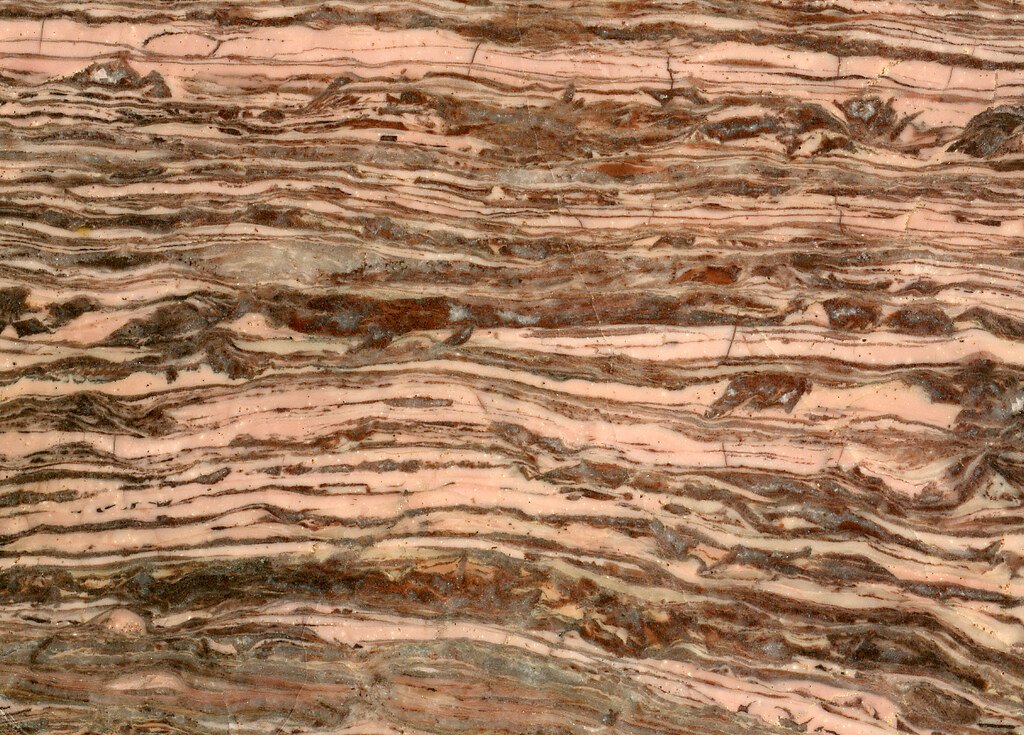
Stromatolites are often called “living rocks,” but they are much more than that. They are layered structures built by colonies of cyanobacteria—simple, photosynthesizing microbes that have been shaping the planet for billions of years. Imagine microscopic builders stacking grains of sand and minerals, layer upon layer, over centuries. Each layer records a page of Earth’s deep history, stretching back almost 3.5 billion years. These structures are among the earliest evidence of life on Earth, predating dinosaurs by billions of years. Their resilience and slow-building patience have allowed them to persist even as continents shifted and climates changed. The stromatolites at Shark Bay are not just relics; they are the living descendants of those ancient architects.
What Exactly Are Stromatolites?

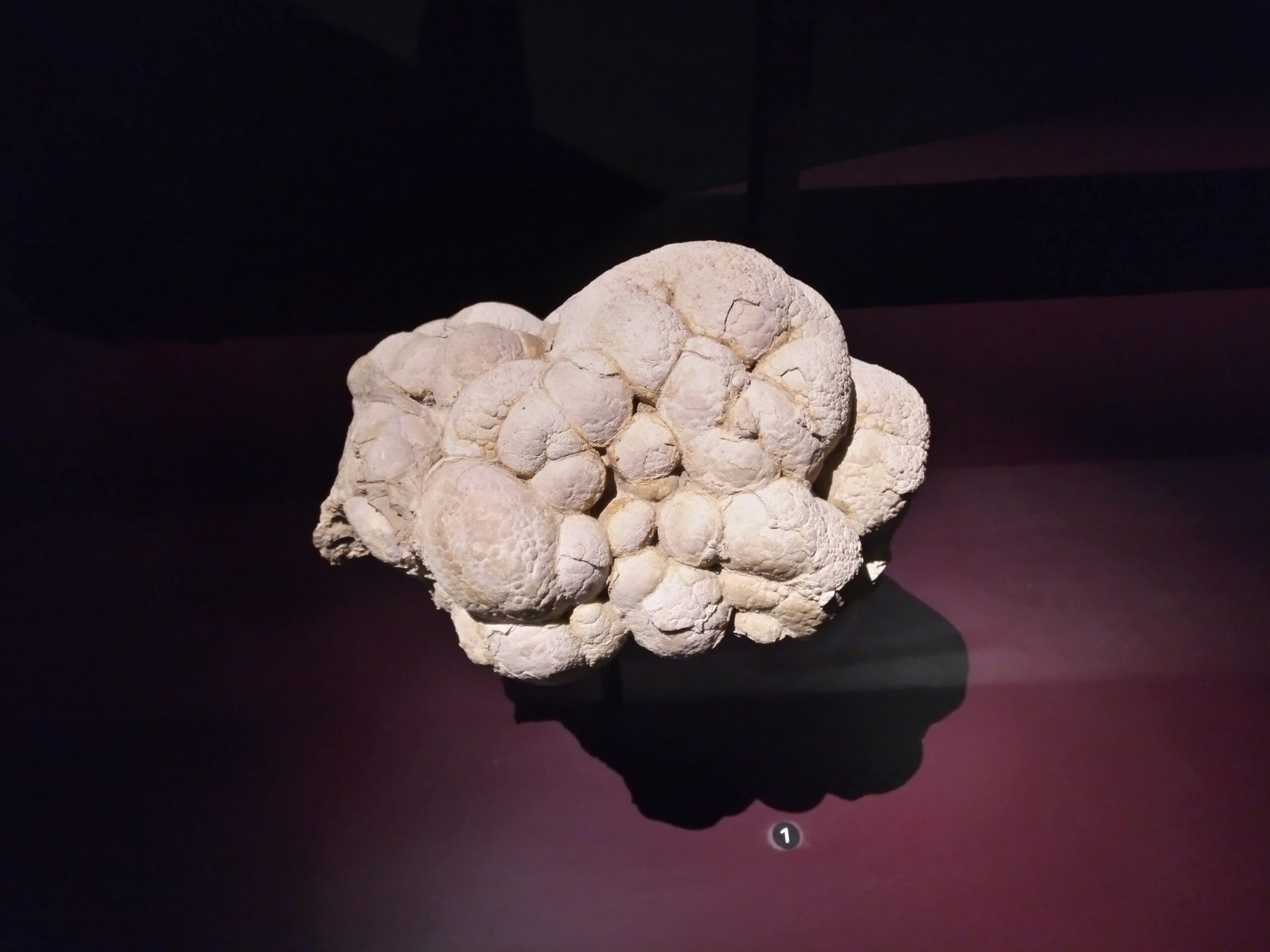
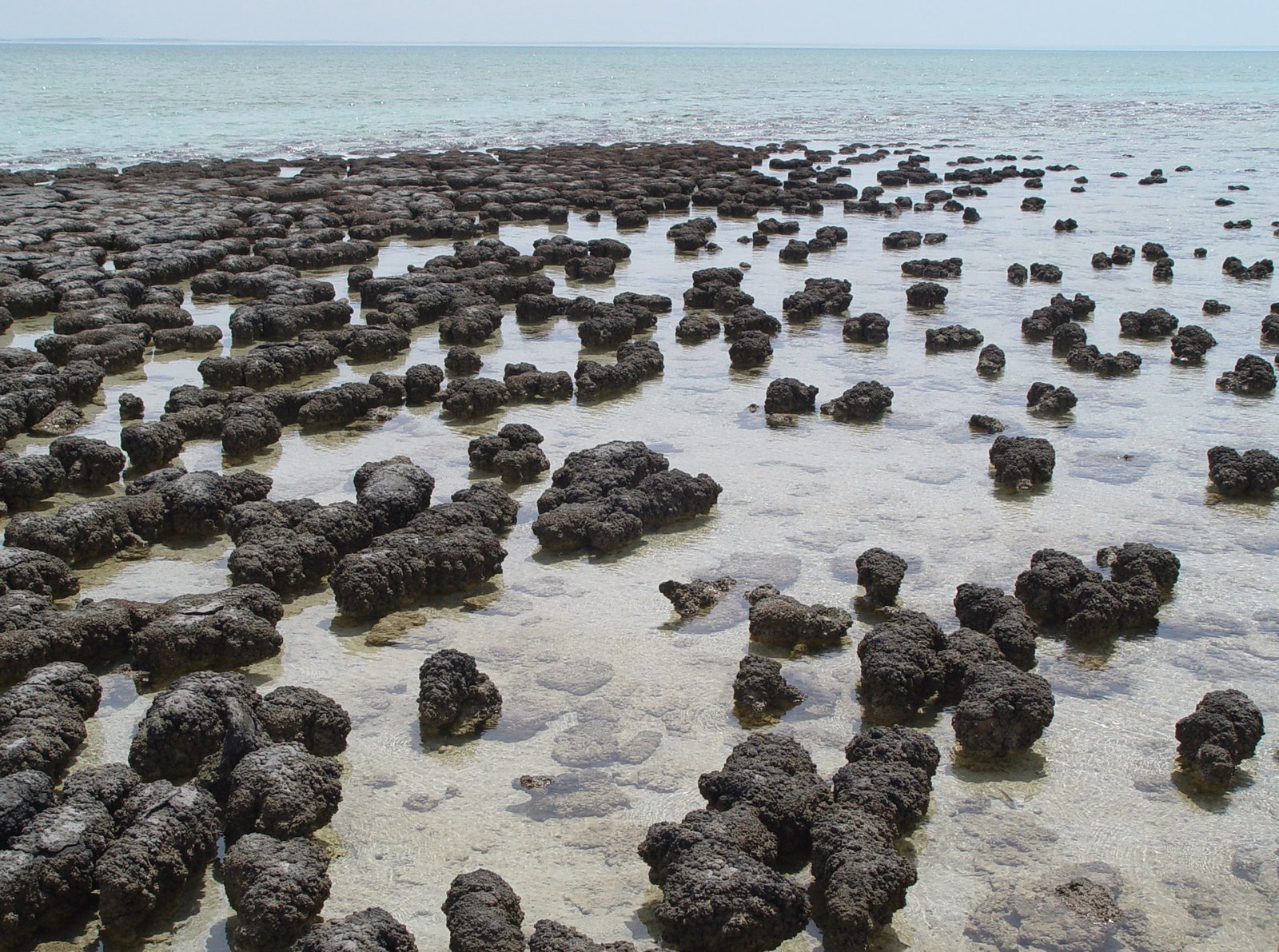
At first glance, stromatolites look like odd, lumpy rocks, but under the surface, they teem with life. Each one is formed by layers of cyanobacteria trapping sediment, which gradually hardens into stone. This process is like a living version of making bricks and mortar—a biological construction site that never stops. Over time, new layers pile atop the old, creating domes, columns, or flat sheets, depending on environmental conditions. In Shark Bay, these formations rise above the waterline at low tide, revealing their intricate textures and patterns. The word “stromatolite” comes from the Greek for “layered rock,” and that’s exactly what they are: a living history written in stone.
The Crucial Role of Cyanobacteria

Cyanobacteria are often called blue-green algae, but they’re actually bacteria with the remarkable ability to perform photosynthesis. Long before plants ever took root, these microbes were already harnessing sunlight to split water molecules and release oxygen. This simple act had world-changing consequences. By producing oxygen as a byproduct, cyanobacteria began a slow transformation of the planet’s air, tipping the balance from a hostile, oxygen-poor atmosphere to one that could support complex life. The cyanobacteria that build stromatolites are like tiny, tireless workers, each one contributing to a global revolution with every breath.
Shark Bay: A Sanctuary for Ancient Life
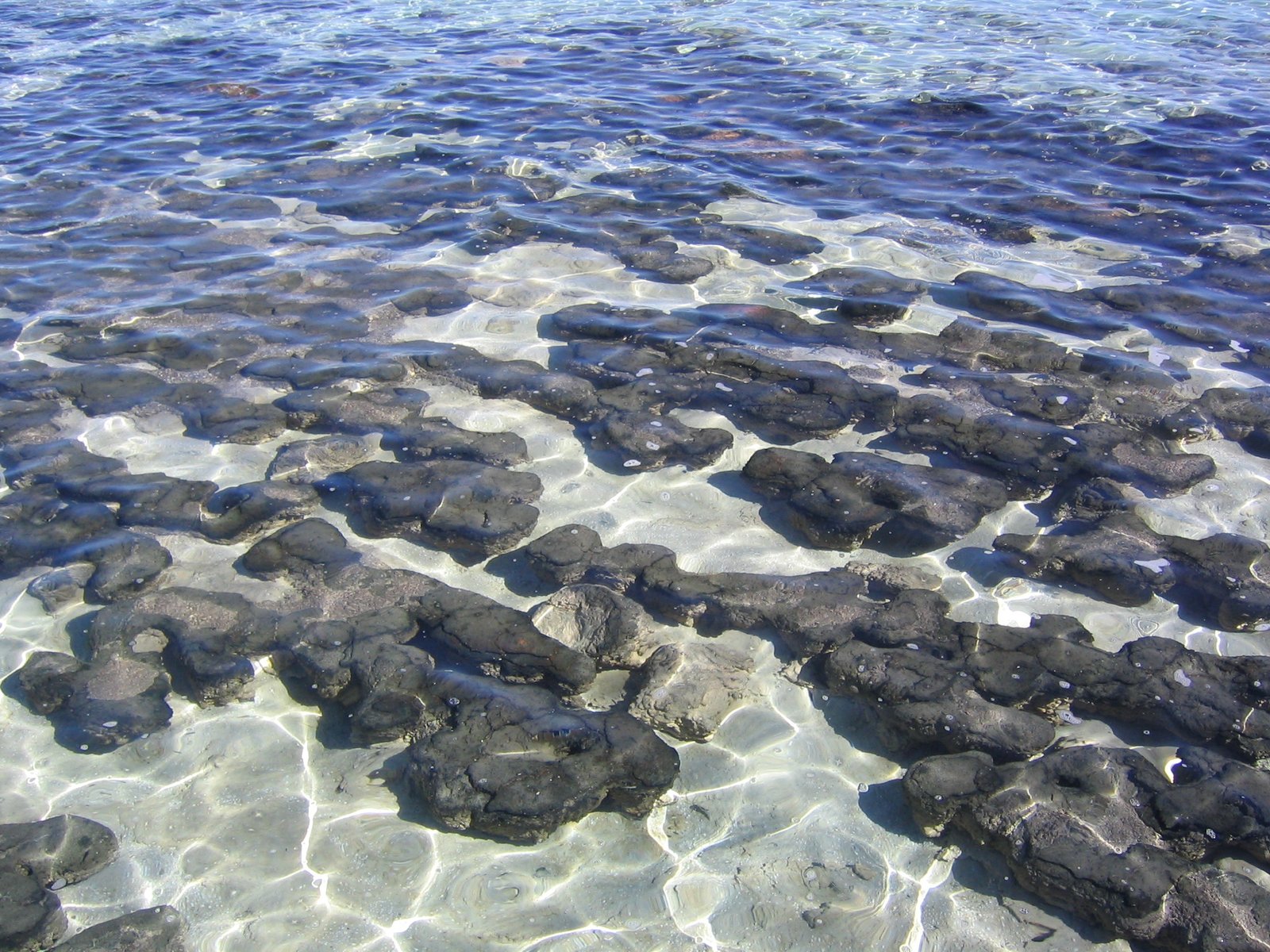
Shark Bay, a UNESCO World Heritage site on Australia’s western coast, is home to the largest and most diverse living stromatolites on Earth. This region’s unique blend of hypersaline waters, warm temperatures, and limited grazing by animals creates a perfect haven for these ancient life forms. The bay’s salty water deters most predators, allowing stromatolites to thrive much as they did billions of years ago. Walking along the shoreline, you can spot these rocky domes scattered in the shallows, bathed in sunlight and gently lapped by waves. Shark Bay is more than a natural wonder; it’s a time machine that lets us witness life as it once was.
How Stromatolites Changed Earth’s Atmosphere
If you could travel back in time before the rise of stromatolites, you’d find an Earth with a suffocating, toxic atmosphere. There was little oxygen—certainly not enough for animals or humans. Then, as stromatolites spread across ancient shorelines, their cyanobacteria began releasing oxygen as a waste product. This process, called the “Great Oxygenation Event,” was one of the most dramatic shifts in Earth’s history. Over millions of years, oxygen accumulated in the atmosphere, paving the way for new forms of life to evolve. Without stromatolites, complex life as we know it might never have existed.
The Great Oxygenation Event: A Turning Point

The Great Oxygenation Event, triggered by the tireless work of cyanobacteria in stromatolites, ranks among the most pivotal moments in Earth’s story. Before this event, the planet’s skies were hazy with methane and other gases, and the oceans were teeming with anaerobic microbes. As oxygen levels slowly rose, many of these ancient life forms went extinct—unable to survive the new, oxygen-rich conditions. But for other organisms, this was a chance to flourish. Oxygen made it possible for new, energy-hungry life forms to emerge, including the ancestors of all animals. The world became more colorful, dynamic, and full of possibilities.
Stromatolites as Earth’s First Ecosystem Engineers
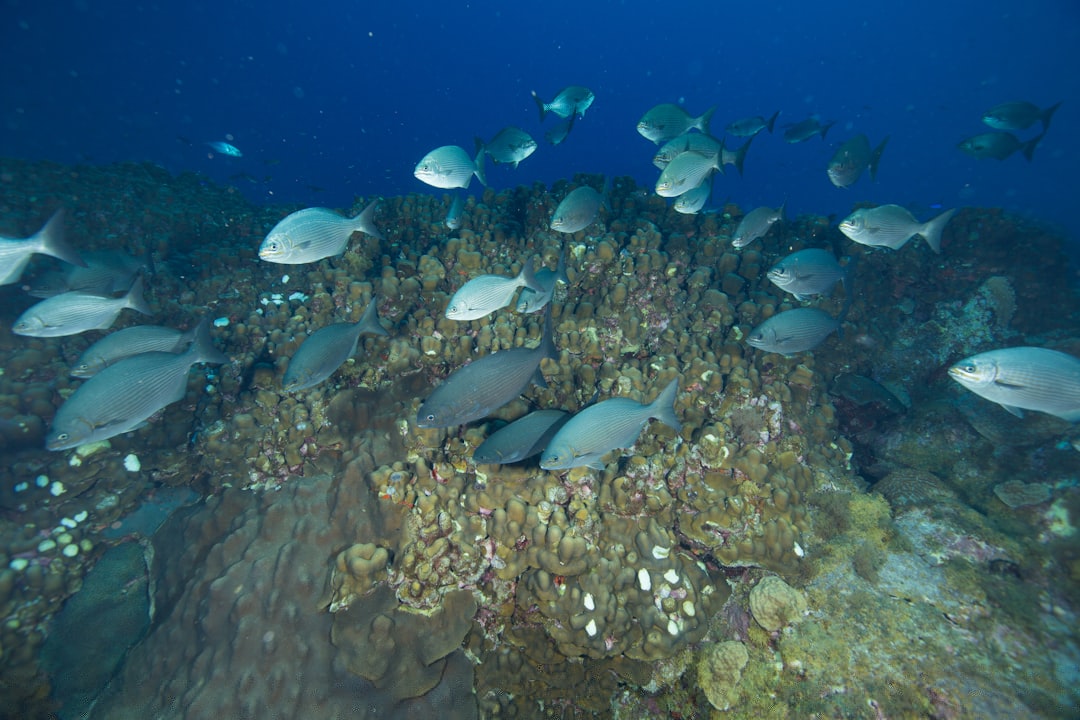
Stromatolites didn’t just change the air; they also shaped their environments, acting as the world’s first “ecosystem engineers.” By trapping sediments and building reefs, they created new habitats for countless other organisms. In some ways, stromatolites were the coral reefs of their time—providing shelter, food, and stability in shallow seas. Their presence influenced the chemistry of the oceans and even helped regulate the planet’s climate. Today, scientists look to stromatolites for clues about how life can transform its surroundings in profound and lasting ways.
Modern Stromatolites: A Rare Survivor

While stromatolites once thrived across the globe, today they are rare, confined to special environments like Shark Bay. Changes in climate, competition from faster-growing organisms, and the arrival of grazing animals all but wiped them out in most places. The few that remain are a testament to resilience—survivors from an ancient world holding on in the face of change. Visiting Shark Bay, you can witness this living legacy and reflect on the fragility of life’s earliest innovations. It’s a humbling reminder that survival often depends on finding just the right niche.
How Do Stromatolites Grow?
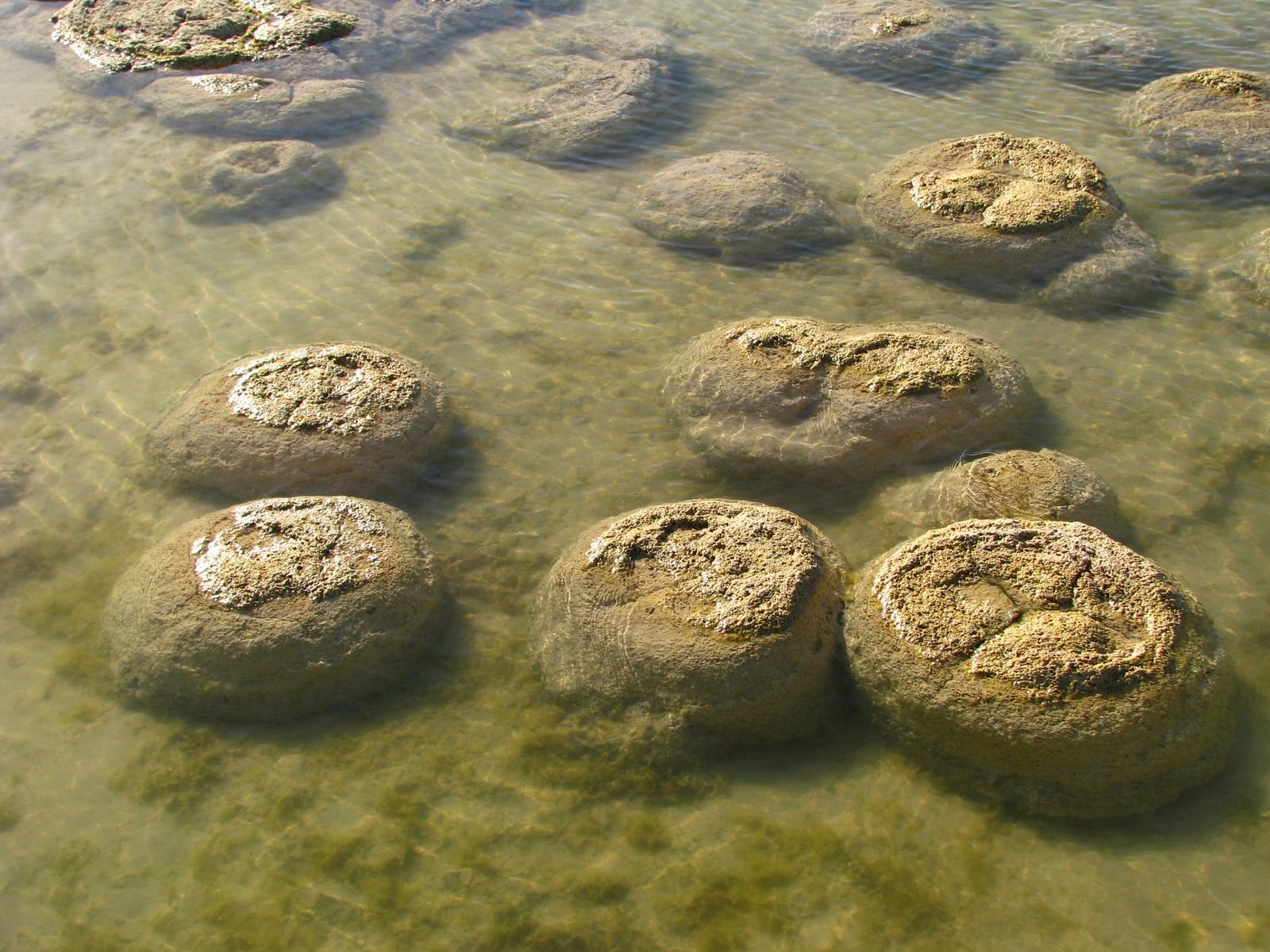
Stromatolites grow slowly, sometimes just a fraction of a millimeter per year. Their growth depends on the balance between photosynthesis, mineral precipitation, and sediment trapping. Cyanobacteria at the surface harness sunlight to create energy, producing sticky mats that catch fine particles from the water. Over time, minerals like calcium carbonate accumulate, hardening the structure. The result is a beautiful, layered formation that records the passage of time like tree rings. Each stromatolite is a living archive, preserving clues about past climates, ocean chemistry, and microbial life.
Stromatolites and the Search for Extraterrestrial Life

Stromatolites are a hot topic for astrobiologists searching for life on other planets. Why? Because their simple, resilient structure suggests that life might arise—and leave traces—even in harsh environments. If similar “living rocks” once existed on Mars or another world, they could leave behind fossilized evidence, waiting to be discovered. Stromatolites show us that life needs only a little sunlight, water, and time to leave a lasting mark. They remind us that even the simplest organisms can change a planet, and perhaps, the universe is full of hidden histories waiting to be uncovered.
Why Shark Bay’s Stromatolites Endure

The survival of stromatolites in Shark Bay is a delicate balance of salt, sunlight, and protection. The bay’s hypersaline waters are inhospitable to most grazers, giving stromatolites a rare sanctuary. Seasonal tides and shallow depths allow sunlight to penetrate, powering the cyanobacteria’s photosynthesis. The bay’s isolation and strict conservation measures help protect these fragile communities from pollution and human disturbance. This unique combination of factors means that Shark Bay is one of the last places on Earth where stromatolites can thrive as they did in ancient times.
What Stromatolites Teach Us About Resilience
Stromatolites are living lessons in persistence. Despite dramatic shifts in climate, ocean chemistry, and competition from more modern organisms, they have endured for billions of years. Their story is one of adaptation—surviving in places others cannot. They remind us that resilience is often about patience, slow growth, and finding stability in challenging environments. As we face our own environmental challenges today, stromatolites can inspire us to value endurance, adaptability, and the quiet power of life’s simplest forms.
Stromatolites: Time Capsules of Earth’s History
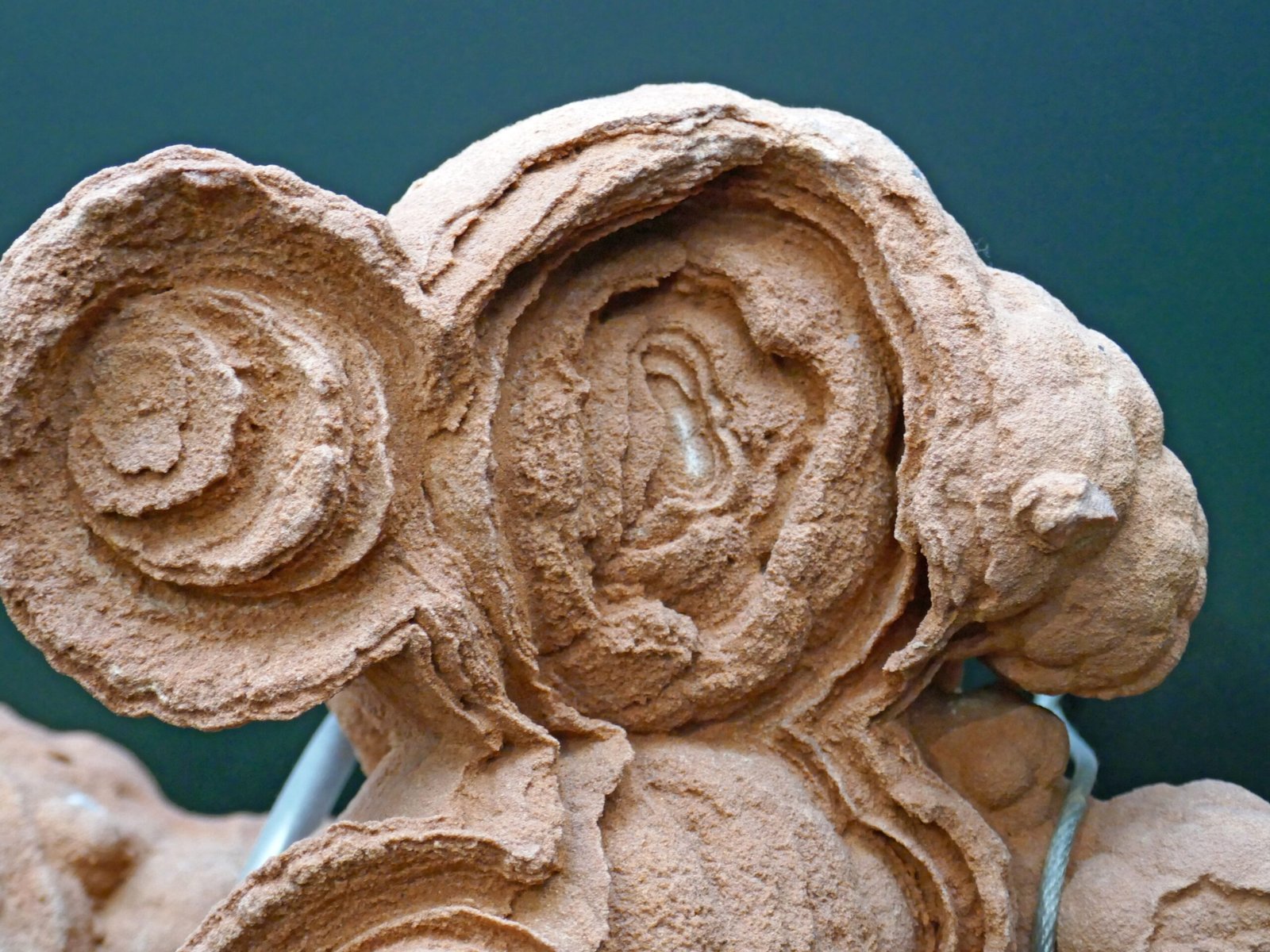
Each stromatolite is more than a living organism—it’s a time capsule. The layers within these formations tell a story of shifting climates, rising and falling sea levels, and the evolution of life itself. By studying stromatolites, scientists can reconstruct ancient environments, track changes in Earth’s atmosphere, and even glimpse the origins of photosynthesis. These living rocks are like the pages of a planet-sized diary, preserving moments from deep time that would otherwise be lost. They connect us to the distant past and help us understand our place in the story of life.
Fascinating Patterns and Shapes

Stromatolites come in a surprising variety of shapes, from rounded domes to flat mats and even branching columns. These patterns depend on water depth, wave energy, and the specific types of microbes involved. In Shark Bay, you can find stromatolites forming striking mosaics across the tidal flats, each with its own unique texture and color. The beauty of these formations is subtle but profound—a reminder that even the simplest life forms can create intricate and enduring works of art. Their shapes are living sculptures, shaped by time, water, and the invisible hand of biology.
Stromatolites and Climate Change Research

Because stromatolites are sensitive to changes in water chemistry and temperature, they are valuable indicators for climate scientists. Their layered structures trap chemical signatures of past environments, allowing researchers to reconstruct ancient climates and understand how life responds to change. Studying stromatolites helps us predict how today’s ecosystems might adapt to rising temperatures, shifting sea levels, and other challenges. In a world facing rapid environmental change, these living fossils offer both warnings and hope.
Visiting Shark Bay: A Journey Through Time
Traveling to Shark Bay is like stepping into a natural history museum with no walls. The stromatolites here draw visitors from around the world—scientists, tourists, and dreamers alike—each eager to witness life’s oldest architects at work. Guided walks along the boardwalk at Hamelin Pool let you observe these living rocks up close, while interpretive signs reveal their fascinating story. The experience is both humbling and awe-inspiring, connecting you to the earliest chapters of Earth’s story in a way few places can.
Stromatolites and the Origins of Photosynthesis
Stromatolites are at the heart of one of life’s greatest innovations: photosynthesis. Cyanobacteria perfected the art of turning sunlight into energy long before plants existed. This process not only fueled their own growth but also set off a chain reaction that made complex life possible. Photosynthesis remains the engine behind almost all life on Earth today. By studying stromatolites, researchers gain insight into the origins of this vital process and the ways it continues to shape our world.
Modern Threats to Stromatolite Survival
Despite their ancient lineage, stromatolites are vulnerable to modern threats. Pollution, climate change, and rising sea levels can disrupt the delicate balance of Shark Bay’s ecosystem. Increased tourism and coastal development also pose risks, potentially damaging these fragile formations. Conservation efforts are crucial to preserving stromatolites for future generations, ensuring that these living links to the past are not lost. Their survival depends on careful stewardship and respect for the unique environments they call home.
How Stromatolites Inspire Today’s Scientists

Stromatolites continue to captivate and challenge scientists from many fields—microbiology, geology, climate science, and astrobiology, to name a few. Their persistence and adaptability spark questions about life’s origins, resilience, and potential elsewhere in the universe. Researchers draw inspiration from stromatolites’ ability to thrive in extreme conditions, using them as models for studying early Earth and the search for extraterrestrial life. The lessons stromatolites offer are as relevant today as they were billions of years ago.
The Enduring Mystery of Living Rocks

Standing at the water’s edge in Shark Bay, it’s hard not to feel a sense of wonder at the sight of stromatolites. These living rocks are silent witnesses to the unfolding story of life on Earth, connecting us to a time when the world was young and the air was thin. Their story is one of transformation—of patient, persistent life reshaping the very air we breathe. As we gaze upon these ancient architects, we are reminded of the power of small beginnings and the profound impact of even the simplest organisms. Isn’t it astonishing to think that the key to our own existence lies in these humble, living stones?