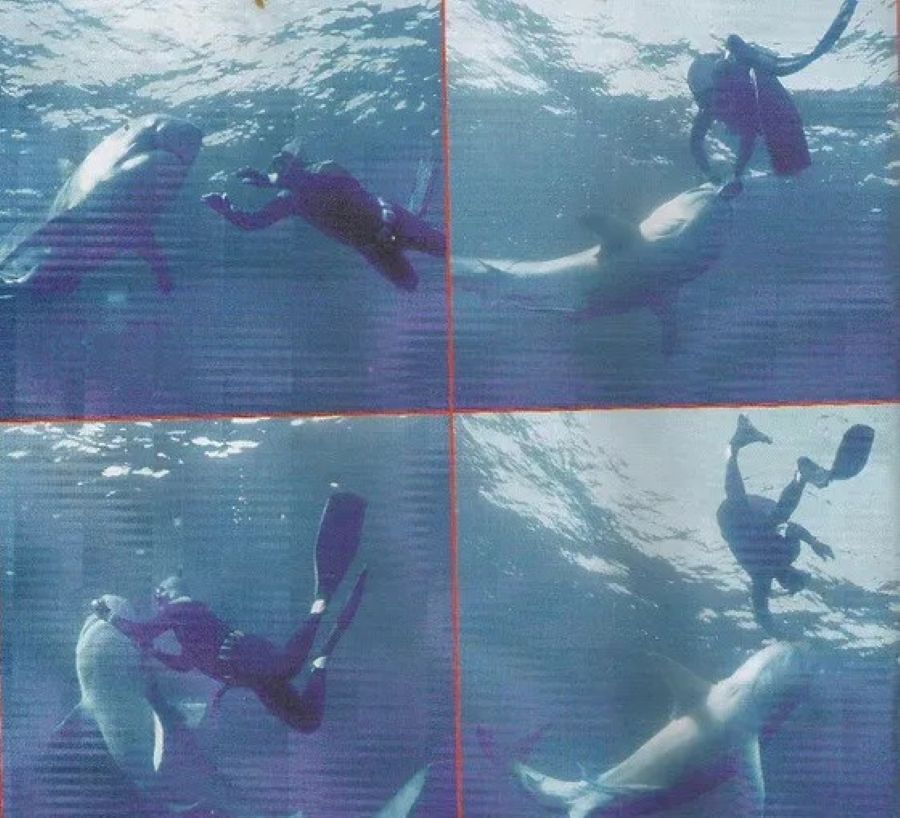
If you spend any time in Hawaii or dream about those glassy blue shorelines, the idea that shark attacks jump in October is the kind of detail that sticks in your mind. It sounds almost like an island myth at first, something locals might tell tourists at a beach bar as the sun goes down. But the pattern is real, it shows up in decades of records, and scientists have been quietly piecing together why this particular month stands out.
When you pull back and look at the bigger picture, you notice that shark attacks in Hawaii are still rare, but they’re not random. You see clusters in certain years, certain islands, and most intriguingly, in certain months. October keeps popping up. You are not dealing with some horror-movie “shark season,” but you are looking at a time of year when shark behavior, ocean conditions, and human habits line up in a way that nudges the odds upward.
Why October stands out in Hawaii’s shark records

When you look at long-term data from Hawaii, you see something curious: attacks are scattered across the year, but late summer and early fall often see a noticeable bump, with October frequently at or near the top. You are not talking about hundreds of incidents; across years, the numbers remain low, but the pattern is persistent enough that researchers stopped calling it coincidence. It is especially pronounced for certain islands, like Maui, where several serious incidents have clustered in the fall months.
You might expect things like tourist peaks or holiday crowds to explain everything, but October is not the busiest vacation month in Hawaii. That alone hints that something else is going on offshore. When scientists compare incident dates with ocean conditions, shark movements, and life cycles of key species, October starts to look less like a spooky month and more like a logical convergence point for biology, behavior, and chance.
Tiger sharks and their October maternity migrations
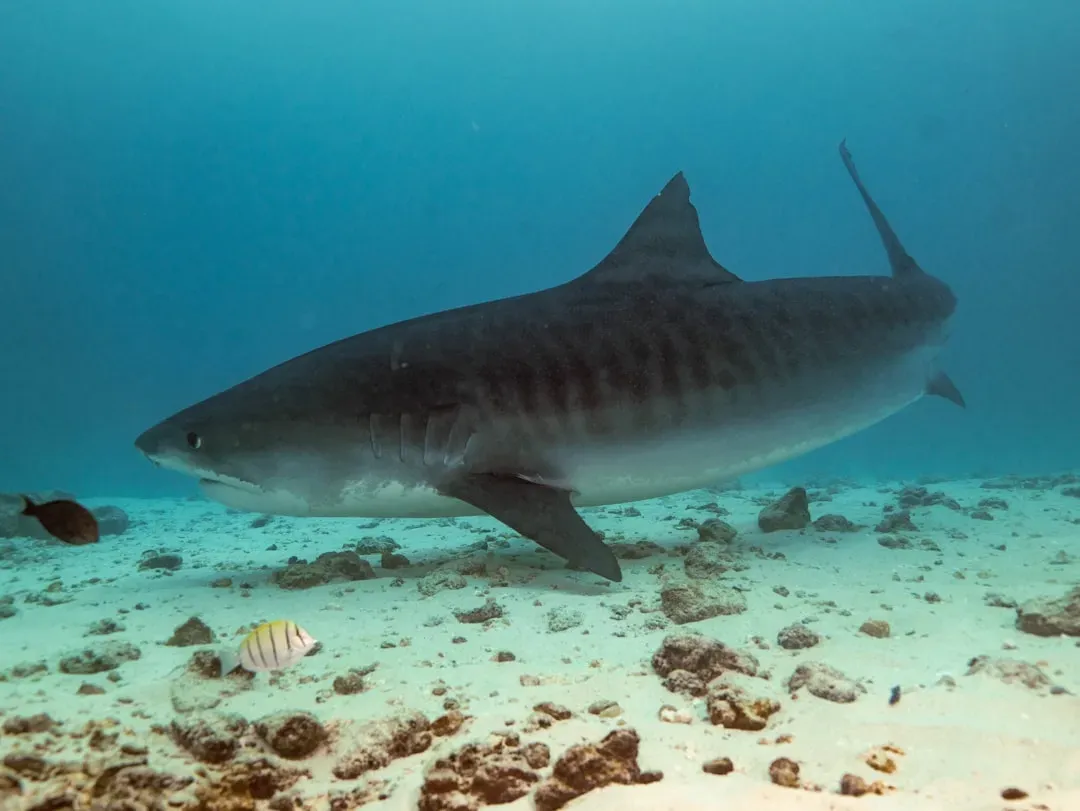
A big part of the October story in Hawaii revolves around tiger sharks. These large, powerful predators are responsible for a significant share of serious bites in the islands, and they do not just wander the Pacific at random. Tracking studies using satellite tags have shown that mature female tiger sharks undertake long migrations and appear near the main Hawaiian Islands more often in certain seasons, especially around late summer into fall. For pregnant females, October lines up with an important phase in their reproductive cycle.
You can picture it like a slow, underwater commute. Female tiger sharks travel from remote offshore areas or other island chains and spend more time in the nearshore waters around islands such as Maui and Oahu as they approach the time to give birth, which is believed to be in the late fall to early winter window. When more large sharks are moving through shallow coastal zones, your chances of crossing paths with one, even briefly, naturally go up. It is not that they are hunting humans; it is that their normal life cycle temporarily overlaps more with your favorite surf spot.
Nearshore pupping grounds and shallow coastal hotspots

Scientists suspect that some of Hawaii’s coastal areas function as pupping grounds or nursery zones for tiger sharks, especially in the latter part of the year. You can think of these spots as underwater maternity wards: relatively shallow, warmer, and rich in fish, with reef structure that offers some protection for newborn sharks. If you are paddling or swimming over a sandy bottom near a reef drop-off in October, there may be more large pregnant sharks cruising nearby than at other times of the year.
This matters because nearshore waters are exactly where you like to be too – surfing breaks close to the reef, snorkeling near coral, stand-up paddling along the coast, or swimming past the wave line. The more time sharks spend in these coastal corridors, the more overlap there is between their world and yours. Scientists are careful not to overstate this; even in likely pupping seasons, the vast majority of days pass with no incidents. But if you imagine two busy highways crossing a little more often in one month, you get a feel for why October shows up in the records.
Murky water, changing light, and how sharks “see” you

October in Hawaii often comes with seasonal shifts in weather and ocean conditions that change visibility in the water. Early fall can bring more rain, runoff from streams, and occasional storms that stir up sediment and organic matter along the coast. When you step into the surf on one of those days, the water might look greener or browner than usual, with lower visibility. That is exactly the kind of environment where a shark that relies on contrast, movement, and silhouettes, more than fine visual detail, can misinterpret what it is sensing.
From a shark’s perspective, you on a surfboard or a paddleboard in murky water can resemble a turtle or injured fish, especially when the light is low or the surface is choppy. Scientists often describe bites as cases of mistaken identity or investigative behavior, where a shark tests something with its mouth and then moves on. In clearer conditions, that test may never happen. In October, with shifting light angles, earlier sunsets, and more frequent cloudy or rainy days, that margin of error grows just a little wider, which can be enough to show up in long-term statistics.
Autumn tourism, surf seasons, and your changing behavior
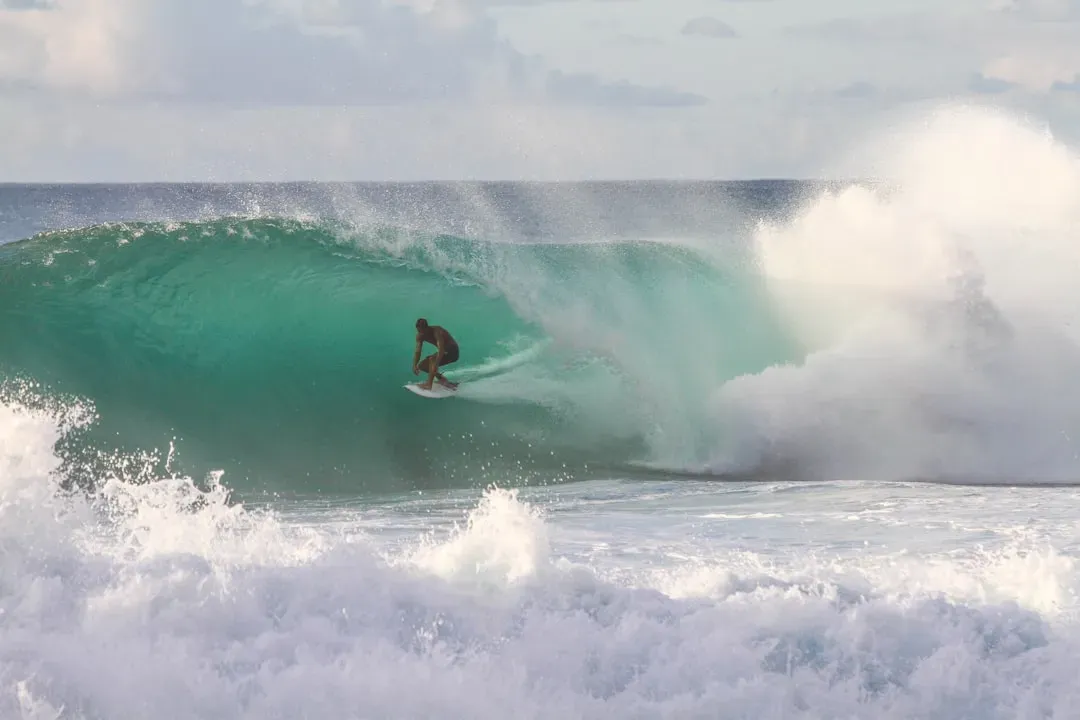
Even though October is not the biggest tourist month in Hawaii, it is still a busy time in the water, especially for certain activities. As summer crowds thin, you might find more dedicated surfers, divers, and long-stay visitors out there, logging longer sessions in spots they love. On some islands, early swells of the winter surf season start to arrive, pulling people toward reefs and channels that see powerful waves and deeper water. The more hours humans collectively spend in these zones, the more chances there are – mathematically – for a rare encounter.
There is also a psychological effect that can nudge risk upward. After a long, calm summer with no high-profile incidents, you might feel more relaxed and less vigilant. Locals and repeat visitors often develop strong routines and favorite spots and may push a little farther out or stay out later in the day. Add in the fact that some people chase bigger waves, darker water, or remote breaks in the fall, and you are not just looking at shark behavior; you are looking at your own habits gently shifting in ways that align with shark hotspots and timings.
Patterns, probabilities, and why the risk is still low
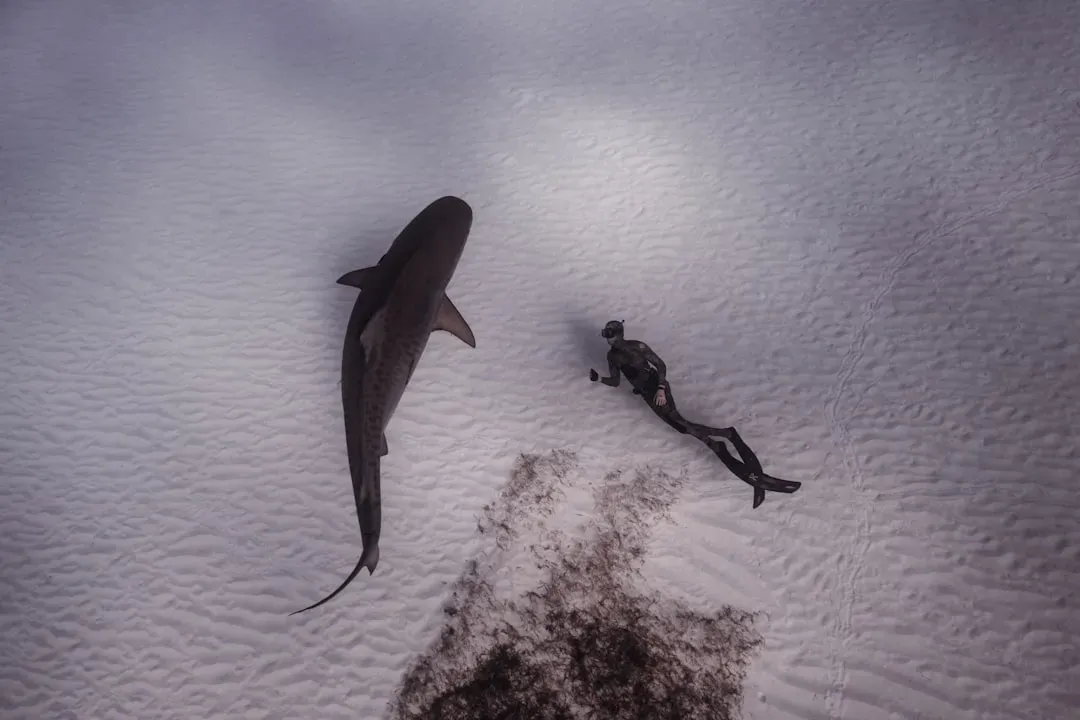
When you hear that attacks “spike” in October, it is easy to imagine a dramatic, dangerous season. The reality is more nuanced. Over many years, Hawaii typically records only a small number of unprovoked shark bites annually, with fatal incidents remaining very rare. October may have more cases than most months in some data sets, but you are still talking about a tiny fraction compared to the number of people in the water. Statistically, driving to the beach is far more dangerous than anything that happens once you get into the ocean.
Scientists emphasize this because your brain tends to latch onto vivid stories and headlines, not dry probabilities. A single serious incident can overshadow months of completely uneventful days. Understanding that October represents a modest uptick in an already-low risk helps you respond intelligently, not fearfully. You are not being told to avoid the ocean, but to treat it with the same informed respect you might give a winding mountain road or a powerful snowfield: beautiful, inviting, and deserving of thoughtful choices.
How you can read conditions and lower your risk in October

Once you know that October brings a slight increase in shark encounters for understandable reasons, you can actually use that knowledge to your advantage. You can start by paying closer attention to water clarity, time of day, and local conditions. If the water is murky, brownish from runoff, or full of floating debris, especially near river mouths or harbor entrances, it is wise to skip that session or move to a clearer beach. Avoid swimming alone far from shore, especially at dawn, dusk, or in deeper channels where visibility drops quickly.
You can also listen carefully to local advice. Lifeguards, dive operators, surf schools, and long-time residents develop a keen sense of where sharks have been sighted and when conditions feel off. If you hear about recent shark sightings or carcasses of turtles or whales in an area, give that zone a wide berth until conditions change. These are not rules meant to scare you; they are like trail signs in a national park. By following them, you keep the odds comfortably in your favor, even in a month when the data shows a bit of an uptick.
What scientists are still trying to figure out

Even with tracking tags, incident records, and decades of observation, scientists will tell you that there is still a lot you do not know about shark behavior around Hawaii. You have a strong suspicion that female tiger shark migrations and pupping seasons are important, but the exact timing and locations are not fully mapped. Environmental patterns like El Niño events, longer-term ocean warming, and changes in prey populations may also tweak when and where sharks move, adding complexity to any simple October narrative.
This uncertainty is actually a good reminder to stay humble about the ocean. You are dealing with wild animals in a dynamic environment, not a mechanical system with tidy rules. Researchers continue to tag sharks, analyze movement data, and refine their understanding of seasonal patterns around the islands. As that science improves, you can expect better guidance on specific areas and times of elevated risk. For now, the best approach is to treat the October spike as a real but modest pattern in a much larger, evolving picture.
Balancing respect, fear, and your love for the ocean
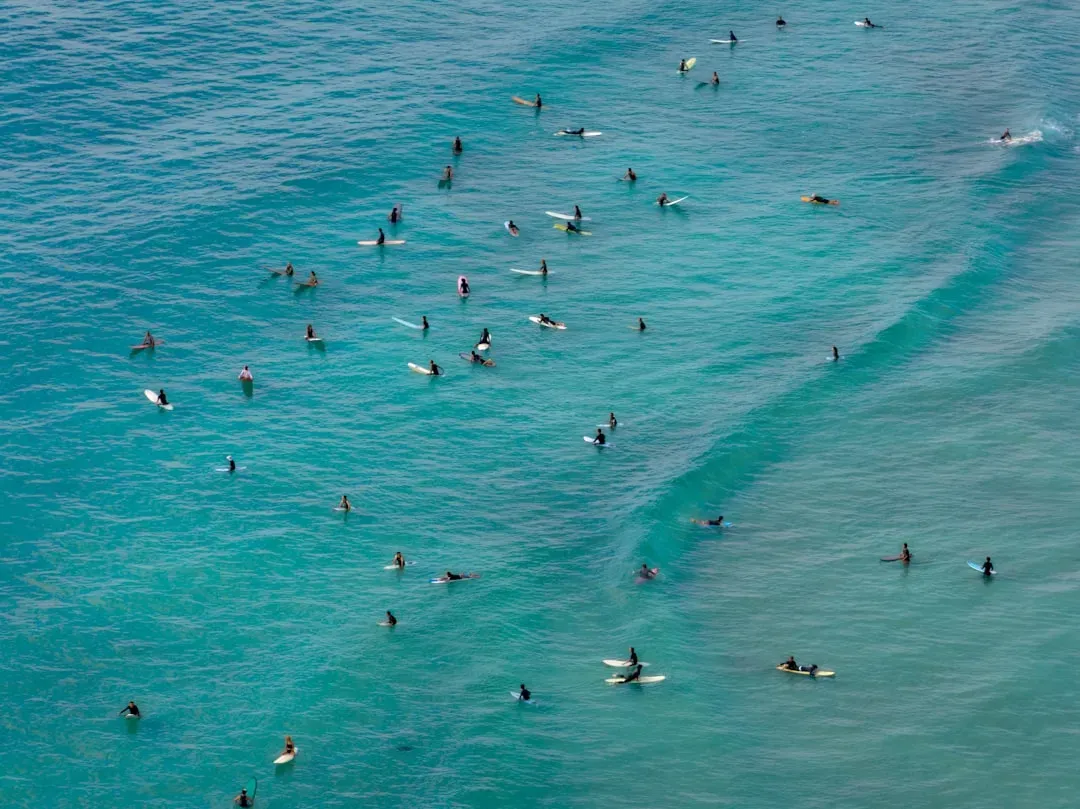
If you love Hawaii, you probably have a deep emotional connection to the water there – the color, the warmth, the way waves feel under your board or against your skin. News about shark attacks, especially in a specific month like October, can shake that sense of ease. You might catch yourself scanning every shadow or flinch at every bit of floating kelp. That reaction is natural, but it does not have to define your relationship with the ocean. Understanding what is actually happening helps you replace blunt fear with informed respect.
When you recognize that shark attacks remain rare, that the October bump has logical roots in shark biology and environmental conditions, and that you have practical ways to lower your risk, you get some of your peace back. You can still feel awe when a fin appears in the distance, maybe mixed with a chill down your spine, but it becomes part of the reality of sharing the water with top predators, not a reason to never go in again. In a way, accepting that risk – small but real – is part of what makes surfing, swimming, or diving in Hawaii feel so alive.
Conclusion: What October really means for you in Hawaii’s waters

When you put all the pieces together, October in Hawaii is not a curse or a legend; it is a month when shark life cycles, ocean conditions, and human habits overlap just enough to nudge the odds a bit higher. Female tiger sharks likely spend more time near shore as they approach pupping, visibility can drop with fall weather, and dedicated surfers and swimmers keep pushing out into the water even as days get shorter. The result is a detectable spike in incidents, but still against the backdrop of very low overall risk.
If you treat that knowledge as a tool instead of a warning siren, you are in a strong position. You can choose clearer water, daylight hours, guarded beaches, and local advice, especially in October, without giving up the experiences that draw you to Hawaii in the first place. You are not being asked to fear the ocean, only to meet it with eyes open, aware that you are entering a wild, shared space. The next time you wade into warm Hawaiian surf in the fall, will you think differently about what might be gliding silently below – and how you choose to be there anyway?