In the murky depths of European boglands, nature has preserved a remarkable secret from over two millennia ago. Known as bog bodies, these naturally mummified human remains offer an unparalleled glimpse into the lives and deaths of our Iron Age ancestors. The enigmatic allure of these bodies lies in their extraordinary preservation, allowing scientists and historians to piece together the stories of individuals who lived thousands of years ago. As we delve into the mysteries of these ancient remains, we uncover not just facts, but vivid narratives that span time and culture.
The Preservation Mystery of Bog Bodies
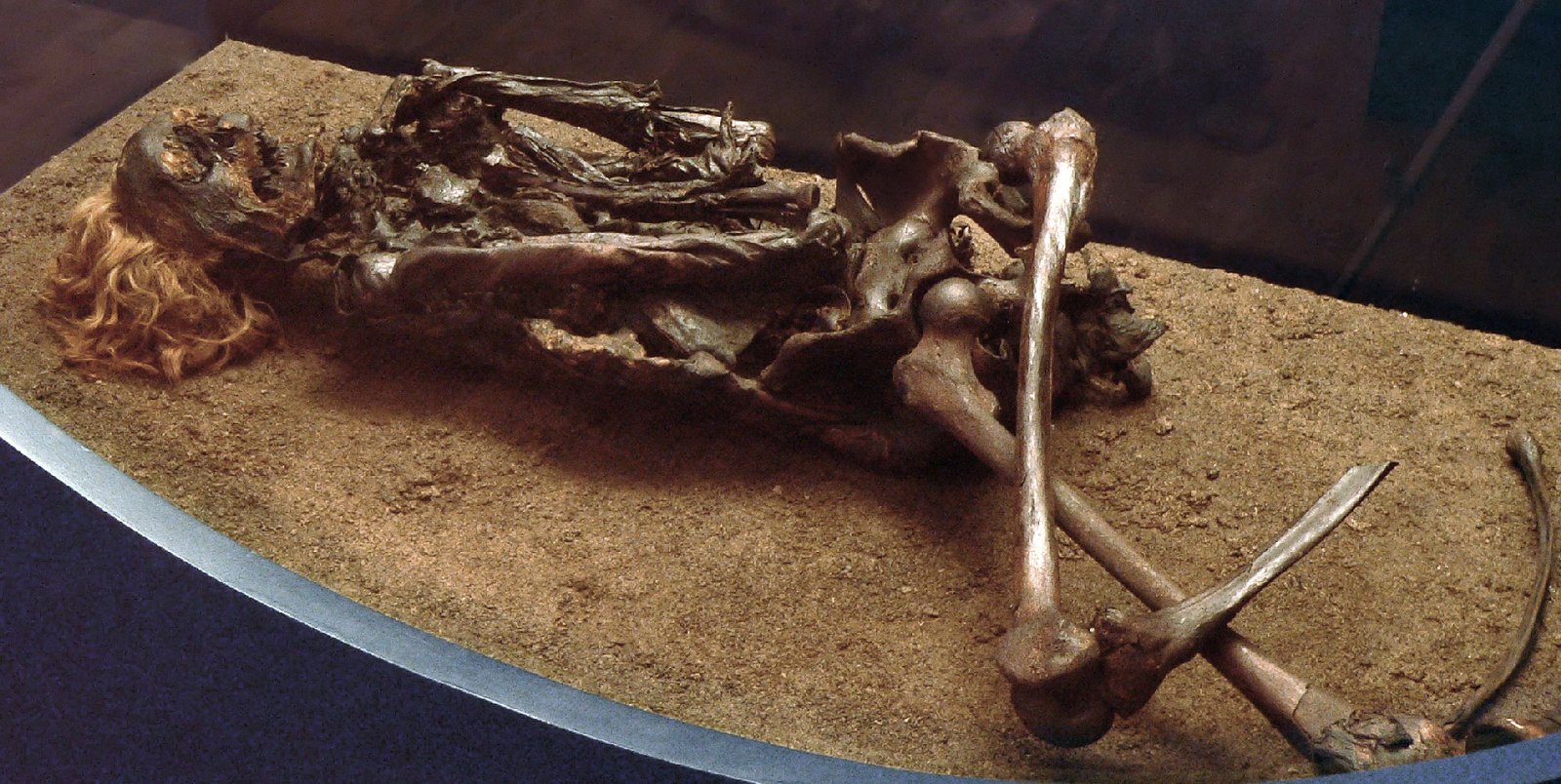
Bog bodies are a testament to nature’s own preservation methods. The acidic, low-oxygen environment of peat bogs acts like a time capsule, halting the decay process and preserving the soft tissues of those who found their final resting place there. This natural mummification process is what sets bog bodies apart from other archaeological finds. Unlike bones that can crumble over time, the skin, hair, and even internal organs of bog bodies are often remarkably intact. This preservation allows us to study the bodies in ways that would be impossible with mere skeletal remains, offering insights into everything from diet to cause of death.
Unraveling the Stories Behind the Faces
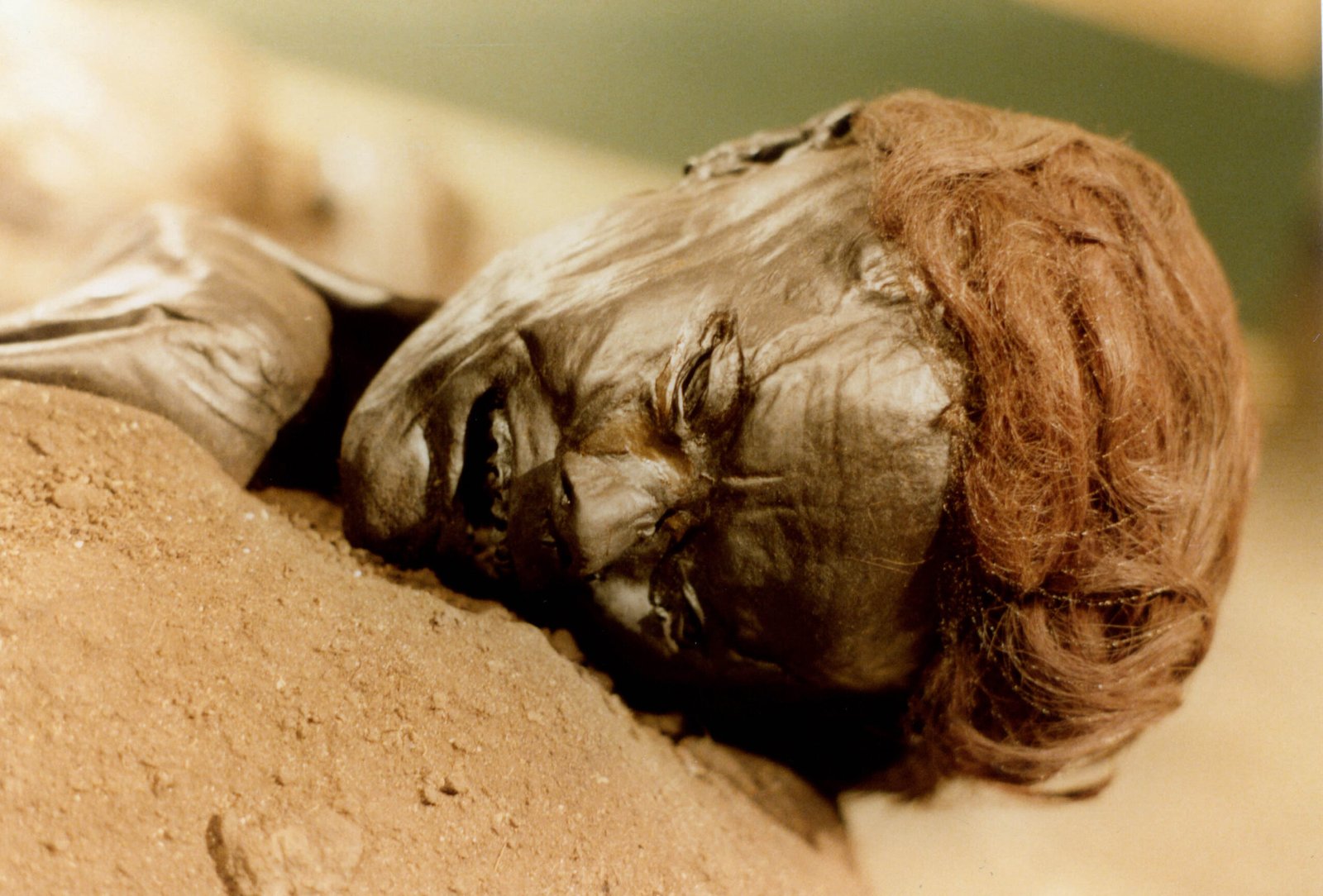
Each bog body tells a unique story, a snapshot of a life lived long ago. The expressive faces of these individuals often bear the marks of their final moments, providing clues about their deaths. For instance, the Tollund Man, found in Denmark, appears serene, as if asleep, yet a noose around his neck reveals a more sinister tale. These stories, etched in skin and bone, provide a narrative that transcends centuries. By examining these clues, researchers can piece together the social and cultural contexts in which these individuals lived and died, adding depth to our understanding of Iron Age societies.
Insights into Iron Age Diet and Health

The preserved stomach contents of many bog bodies offer a rare glimpse into the diet of Iron Age peoples. Analysis of these remains has revealed a diet rich in grains, seeds, and occasionally meat, reflecting the agricultural practices of the time. Moreover, dental examinations show varying degrees of tooth wear, indicative of a diet that included coarse grains. These findings not only inform us about what people ate but also highlight the health challenges they faced, such as malnutrition or disease, providing a window into the everyday lives of our ancestors.
Clothing and Adornments: A Peek into Fashion
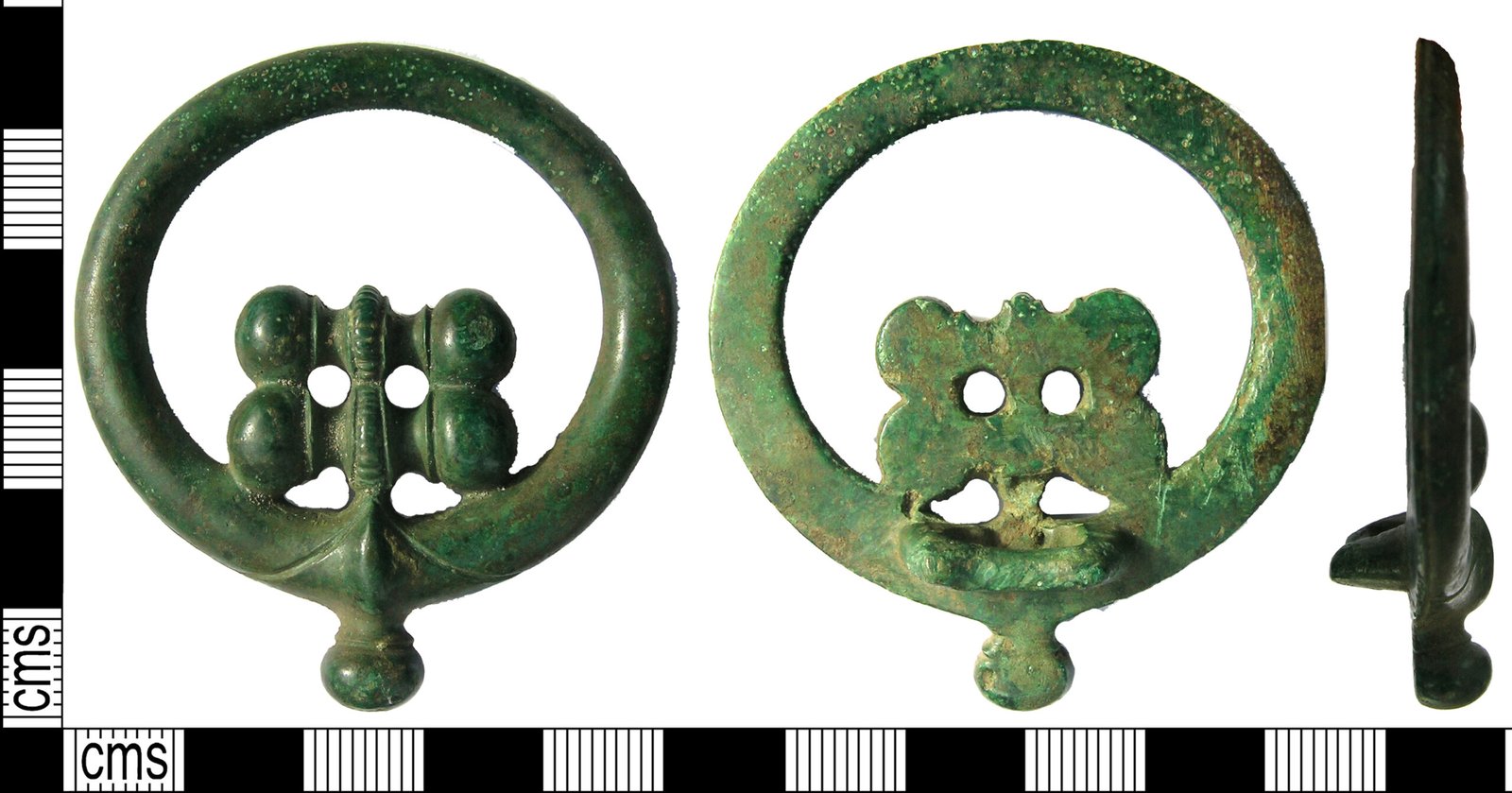
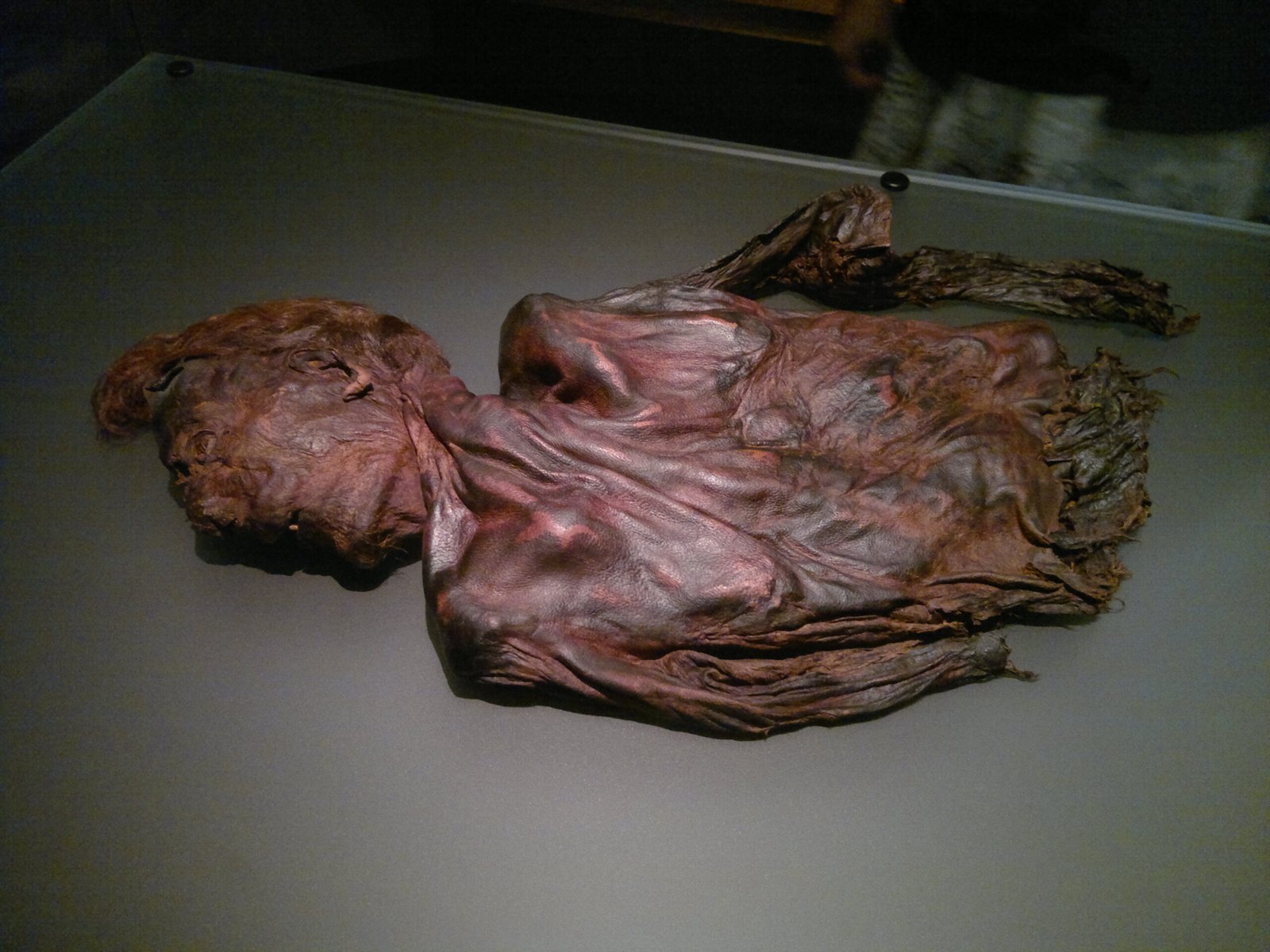
The garments and adornments found with bog bodies offer an intriguing look into the fashion and craftsmanship of the Iron Age. Many bodies are discovered with woolen garments, leather shoes, and even intricate jewelry, suggesting a society that valued both functionality and aesthetics. For example, the Huldremose Woman was found wearing a woolen skirt and two skin capes, showcasing the textile skills of the time. These artifacts help archaeologists understand the materials and techniques used in clothing production, shedding light on trade and cultural exchange during the Iron Age.
Rituals and Sacrifices: The Dark Side of the Bog
One of the most captivating aspects of bog bodies is the evidence of ritualistic practices. Many bodies exhibit signs of violent death, such as strangulation or stab wounds, hinting at possible sacrificial rituals. The Lindow Man, discovered in England, is believed to have been a victim of such a ritual, with injuries suggesting a carefully orchestrated death. These findings raise questions about the religious beliefs and societal norms of the time, suggesting a world where the line between life and death was intertwined with spiritual significance.
The Role of Nature in Preservation

Nature plays a crucial role in the preservation of bog bodies, acting as both a protector and a destroyer. The waterlogged conditions of bogs, combined with their acidic nature, create an environment where organic materials like skin and hair can survive for centuries. However, this same environment can be harsh on bones, often leaving them in a fragile state. This duality highlights the delicate balance between preservation and decay, reminding us of the ephemeral nature of life and the enduring power of the natural world to tell our stories.
Scientific Advances in Bog Body Research
With the advent of modern technology, the study of bog bodies has reached new heights. Techniques such as CT scans and DNA analysis allow researchers to delve deeper into the lives of these ancient individuals. For instance, isotopic analysis can trace a person’s geographic origin and even movements during their lifetime. These scientific advances not only enhance our understanding of individual bog bodies but also provide broader insights into the migration patterns and genetic diversity of Iron Age populations.
Comparisons Across Cultures and Continents

While bog bodies are predominantly found in Northern Europe, similar preservation phenomena occur worldwide, offering points of comparison across cultures. From the peat bogs of Ireland to the frozen tundra of Siberia, these naturally preserved remains provide a global perspective on how different environments influence the preservation process. By comparing these finds, scientists can better understand the universal aspects of human life and death, as well as the unique cultural practices that define different societies.
What Bog Bodies Teach Us About Mortality
Bog bodies invite us to confront the inevitability of death and the ways in which cultures throughout history have grappled with this reality. The preservation of these bodies serves as a poignant reminder of our own mortality and the fleeting nature of human existence. Yet, in their silent testimony, they also offer a connection to our ancestors, urging us to reflect on the continuity of human experience. Through the study of bog bodies, we gain not only historical knowledge but also a deeper appreciation for the shared journey of life and death.
A Call to Preserve Our Past
As we continue to uncover and study bog bodies, there is a growing recognition of the importance of preserving these ancient treasures. The delicate balance of conditions that allowed for their preservation is threatened by modern developments and climate change. It is imperative that we protect these sites, not only for their archaeological value but also for the insights they offer into our shared past. By safeguarding these remnants of history, we ensure that future generations can continue to learn from the secrets of the Iron Age dead.
In the end, bog bodies stand as silent witnesses to a world long gone, yet their stories resonate with us today. They remind us of the complexity of human life and the enduring mysteries that tie us to our ancestors. As we uncover their secrets, we gain not just knowledge, but a deeper understanding of what it means to be human.