The quest to understand whether we are alone in the universe has long captivated the human imagination. For centuries, we have gazed at the stars, wondering about the existence of other worlds and the possibility of life beyond Earth. Today, this age-old question is being addressed with unprecedented precision and creativity by NASA’s Jet Propulsion Laboratory (JPL) in California. With its cutting-edge technology and innovative missions, JPL stands at the forefront of space exploration, leading the search for extraterrestrial life and unraveling the mysteries of the cosmos.
The Heartbeat of Space Exploration

At the core of NASA’s quest for life is the Jet Propulsion Laboratory, a powerhouse of innovation and exploration nestled in the foothills of Pasadena, California. JPL is not just a laboratory; it is a dynamic hub where scientists, engineers, and visionaries work tirelessly to push the boundaries of what we know about the universe. Their work is not confined to the theoretical; it manifests in the form of spacecraft and missions that venture into the unknown. JPL embodies the spirit of discovery, representing humanity’s insatiable curiosity and the desire to explore beyond our earthly confines.
The Mars Rovers: Pioneers on the Red Planet
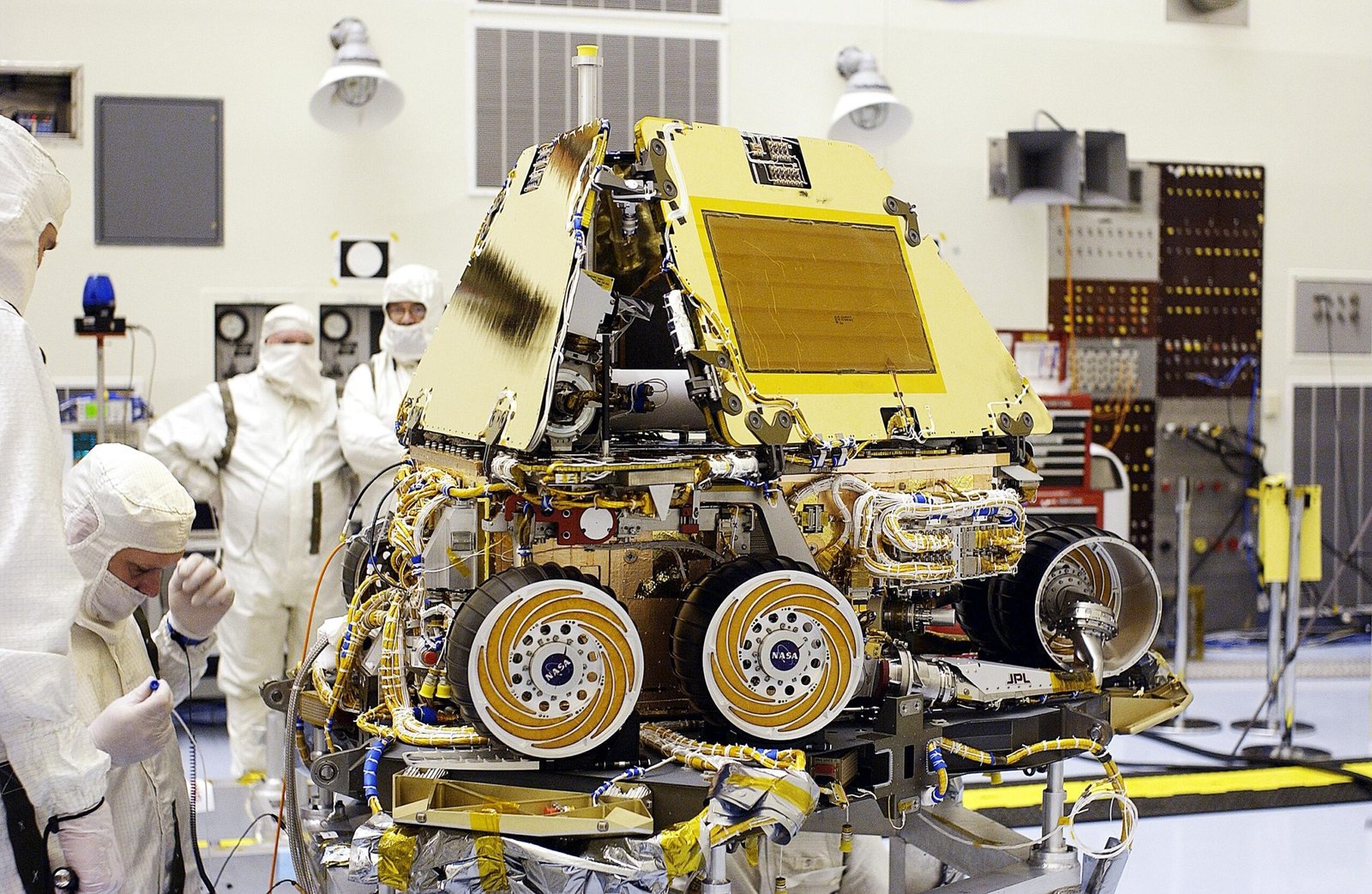
Mars, our neighboring planet, has always been a prime target in the search for life. JPL has spearheaded numerous missions to Mars, deploying a fleet of rovers that act as robotic pioneers on this enigmatic planet. These rovers, including Spirit, Opportunity, Curiosity, and Perseverance, have traversed the Martian terrain, conducting experiments, and sending invaluable data back to Earth. Through their eyes, we have uncovered evidence of ancient riverbeds, the presence of organic molecules, and conditions that could have once supported life. The rovers are not just machines; they are extensions of human curiosity, exploring where we cannot yet go.
Europa and Enceladus: Oceans Beneath the Ice

Beyond Mars, JPL’s focus extends to the icy moons of our solar system, such as Europa and Enceladus. These moons, orbiting Jupiter and Saturn respectively, are intriguing candidates in the search for life due to the vast oceans hidden beneath their icy crusts. JPL’s planned missions, like the Europa Clipper, aim to probe these mysterious waters, searching for signs of life. The presence of water, energy, and essential chemicals makes these moons tantalizing prospects in the quest to find habitable environments beyond Earth. It’s like exploring a frozen world, where life might be waiting beneath a thick layer of ice.
Exoplanets: Worlds Beyond Our Solar System
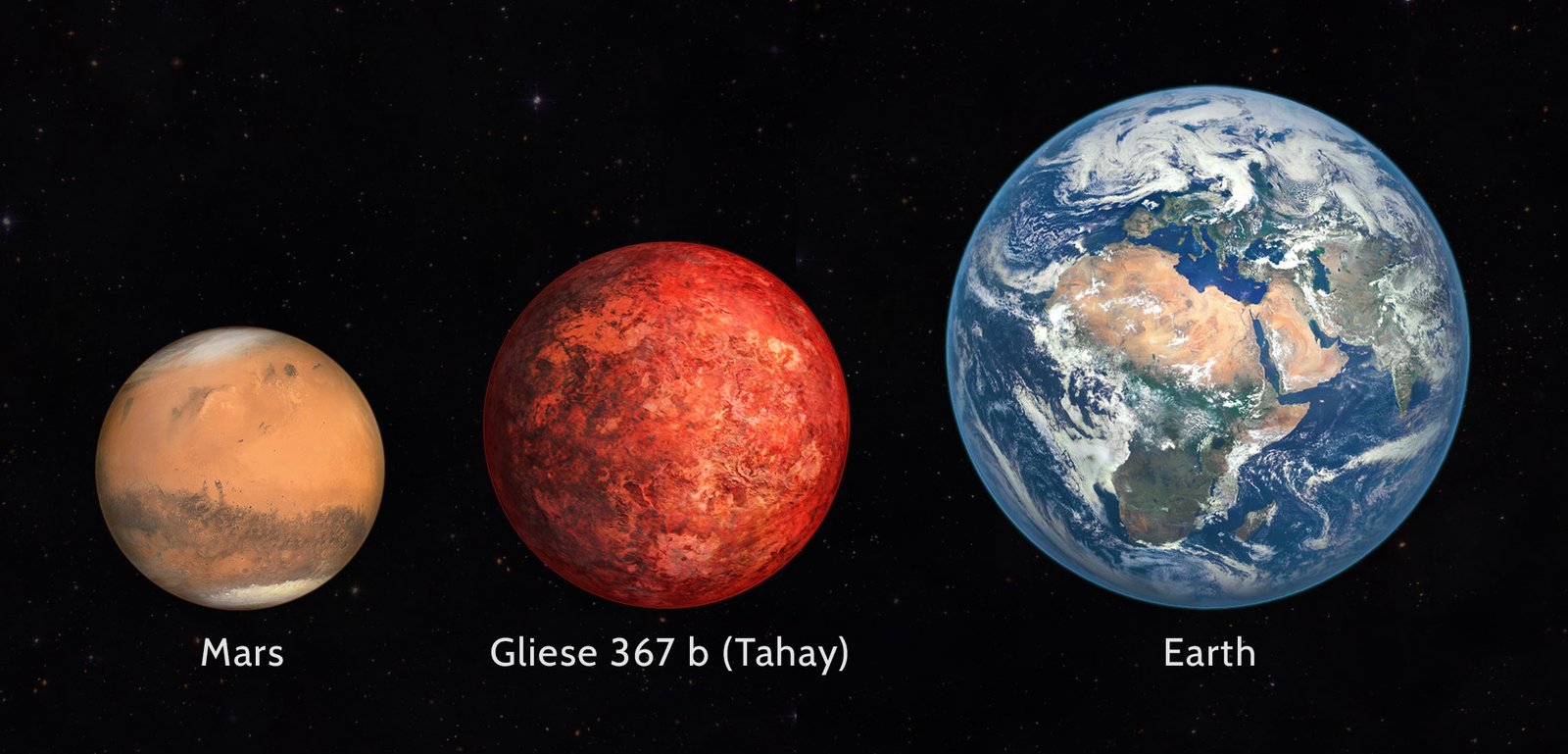
JPL is also at the forefront of the study of exoplanets—planets that orbit stars beyond our solar system. With missions like the Kepler Space Telescope and the upcoming Nancy Grace Roman Space Telescope, JPL is uncovering a plethora of worlds that challenge our understanding of planetary systems. By analyzing the atmospheres of these distant worlds, scientists are searching for biosignatures—chemical indicators of life. The discovery of Earth-like exoplanets in the habitable zone, where conditions might be right for liquid water, brings us closer to answering the question of whether we are alone in the universe.
Technology and Innovation: The Tools of Discovery

The search for life in the universe is as much about technology and innovation as it is about exploration. JPL’s engineers are constantly developing new tools and techniques to enhance our ability to explore the cosmos. From advanced spectrometers to detect chemical compositions to sophisticated imaging systems that capture the stunning beauty of distant worlds, JPL’s technology is at the cutting edge of scientific discovery. These innovations not only advance our understanding of the universe but also have applications here on Earth, benefiting society in myriad ways.
Collaborative Efforts: A Global Endeavor

The search for extraterrestrial life is not a solitary pursuit; it is a global endeavor that involves collaboration with scientists and institutions around the world. JPL works closely with international partners, sharing data, resources, and expertise to enhance our collective understanding of the cosmos. This collaborative spirit underscores the universal nature of the quest for knowledge, transcending borders and bringing humanity together in the pursuit of a common goal. It is a testament to the power of cooperation and the shared desire to explore the unknown.
Public Engagement: Inspiring Future Generations

JPL’s search for life in the universe is not confined to laboratories and spacecraft; it extends to the public, inspiring future generations of scientists, engineers, and explorers. Through outreach programs, educational initiatives, and engaging multimedia content, JPL brings the wonders of space exploration to people of all ages. By igniting the imagination and fostering a sense of wonder, JPL ensures that the legacy of exploration continues, motivating young minds to pursue careers in science and technology and to dream of reaching for the stars.
Ethical Considerations: The Responsibility of Discovery

As we search for life beyond Earth, ethical considerations come into play. JPL is mindful of the responsibilities that come with exploration, ensuring that missions are conducted in a way that preserves the integrity of other worlds. The potential discovery of extraterrestrial life raises profound questions about our place in the universe and our responsibility to protect and respect life in all its forms. JPL’s approach is guided by a commitment to ethical exploration, ensuring that our quest for knowledge is conducted with care and respect.
The Future of Exploration: What Lies Ahead

The future of space exploration is bright, with JPL at the helm of many ambitious missions that promise to expand our understanding of the universe. From probing the depths of our solar system to searching for life on distant exoplanets, the possibilities are endless. As technology advances and our knowledge grows, the dream of finding life beyond Earth becomes ever more attainable. JPL’s dedication to exploration ensures that we will continue to push the boundaries of what is possible, venturing further into the cosmos in search of answers to the questions that have intrigued humanity for generations.
Conclusion: A Journey of Discovery
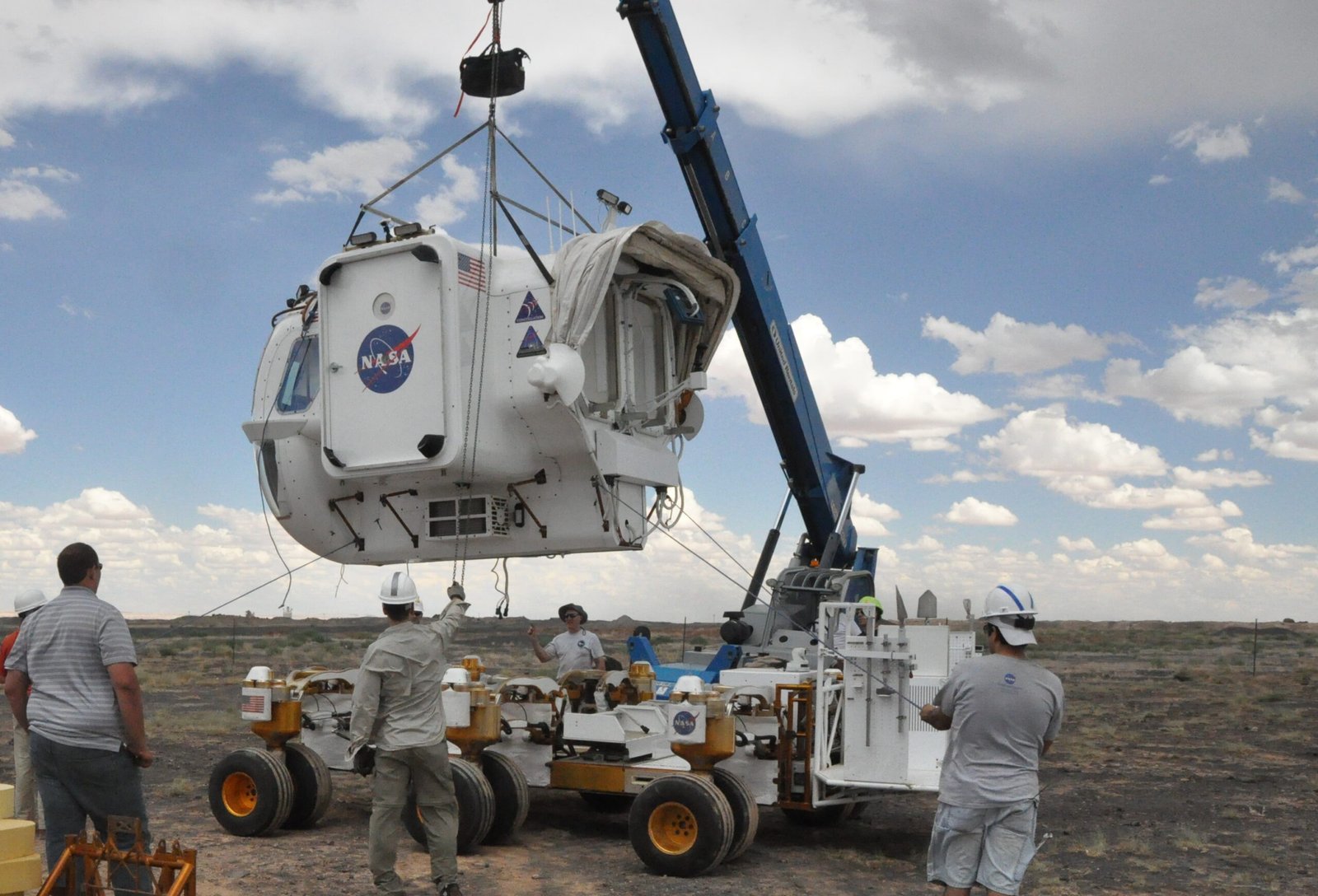
The search for life in the universe is a journey of discovery, driven by curiosity and the desire to understand our place in the cosmos. NASA’s Jet Propulsion Laboratory in California leads this quest, combining scientific expertise, technological innovation, and a spirit of collaboration to explore the unknown. As we journey further into the universe, we are reminded of the infinite possibilities that await us and the profound impact that the discovery of life beyond Earth would have on our understanding of existence. The search continues, and with each mission, we come one step closer to answering the age-old question: Are we alone in the universe?