
Imagine walking along the ocean floor, surrounded by strange, silent creatures, when suddenly one of them explodes in a burst of fleshy, glistening innards. It sounds like something out of a science fiction movie, but this is real—and it’s the sea cucumber’s last-ditch, shocking defense against hungry attackers. Who would have guessed that these seemingly passive, sausage-shaped animals would use such a dramatic and bizarre tactic to survive? The ocean is full of surprises, but few are as wild or as weird as the sea cucumber’s gut-launching escape act.
Meet the Humble Sea Cucumber
Sea cucumbers might look like squishy, sluggish blobs, but they are actually fascinating marine animals with ancient roots. Belonging to the echinoderm family, which also includes sea stars and sea urchins, these creatures can be found crawling along seabeds all over the world, from shallow tropical waters to the icy depths of the Antarctic. They come in a rainbow of shapes, sizes, and colors, yet most people walk right by them, never realizing how tough and resourceful they really are. Despite their unassuming appearance, sea cucumbers play a crucial role in the ecosystem, recycling nutrients and keeping the ocean floor healthy for everyone else.
The Bizarre Defense: Evisceration Explained
The most jaw-dropping trick in the sea cucumber’s playbook is something marine scientists call “evisceration.” When a predator gets a little too close for comfort, the sea cucumber contracts its powerful muscles, literally shooting some of its internal organs—most often its sticky, toxic guts—out through its anus. The resulting spectacle is both gruesome and mesmerizing, leaving predators confused, entangled, or even poisoned. It’s a move so outrageous that it’s hard to believe it’s part of nature’s survival toolkit, but for sea cucumbers, it’s the ultimate act of self-preservation.
Why Launch Your Guts? The Science Behind the Strategy
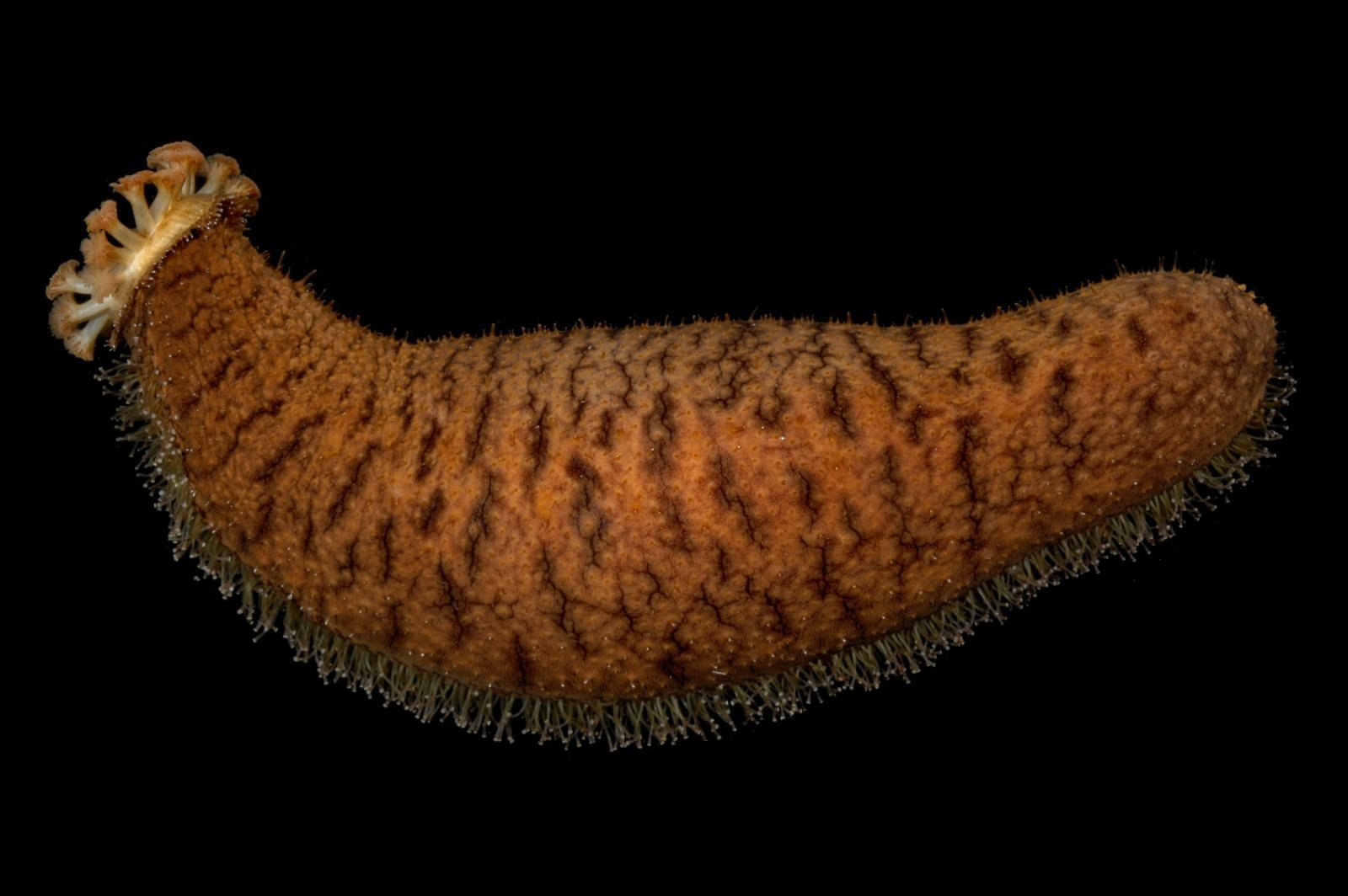
At first glance, sacrificing your own organs seems like a terrible idea. But for the sea cucumber, it’s a calculated risk that often pays off. Their expelled guts are not just gross—they’re loaded with toxins that can seriously irritate or even kill smaller predators. The sticky strands can also tangle up attackers, buying the sea cucumber precious time to crawl away. And remarkably, these animals can regenerate their lost organs within a few weeks or months, making this shocking defense less costly than it first appears. It’s an example of nature’s trade-offs: a short-term loss for long-term survival.
The Predators: Who Dares Disturb the Sea Cucumber?
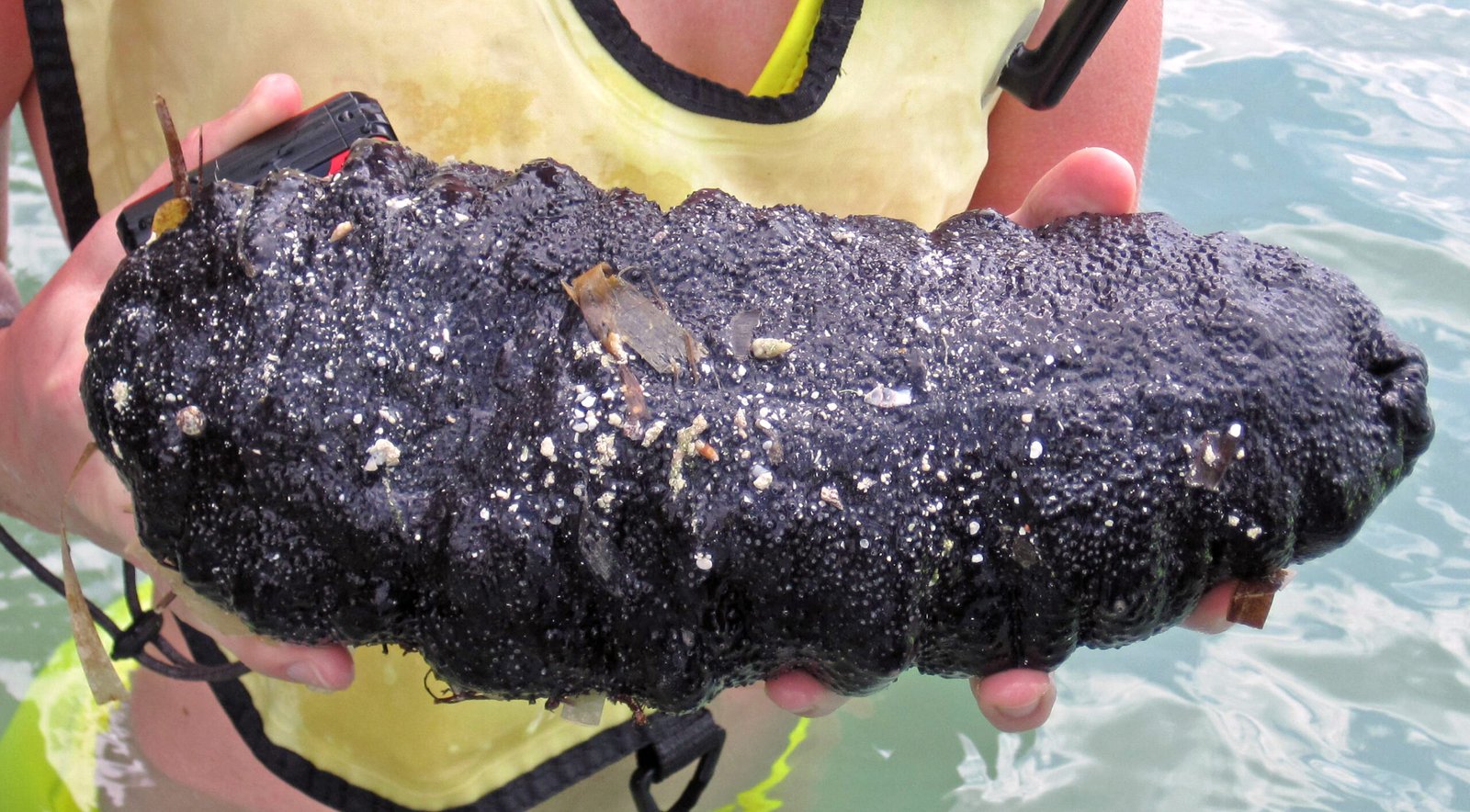
While it might seem like nothing would want to eat a slow-moving, slimy sea cucumber, the ocean is full of hungry mouths. Fish, crabs, starfish, and even some snails view sea cucumbers as a potential meal. But after a face full of toxic, sticky entrails, many predators learn to steer clear of these unassuming creatures. Some animals, like the triggerfish, have developed strategies to avoid the gut-launch, but many others are left stunned and defeated by the sea cucumber’s explosive surprise. The lesson? Never judge an animal by its looks.
The Guts: A Closer Look at the Ejected Organs
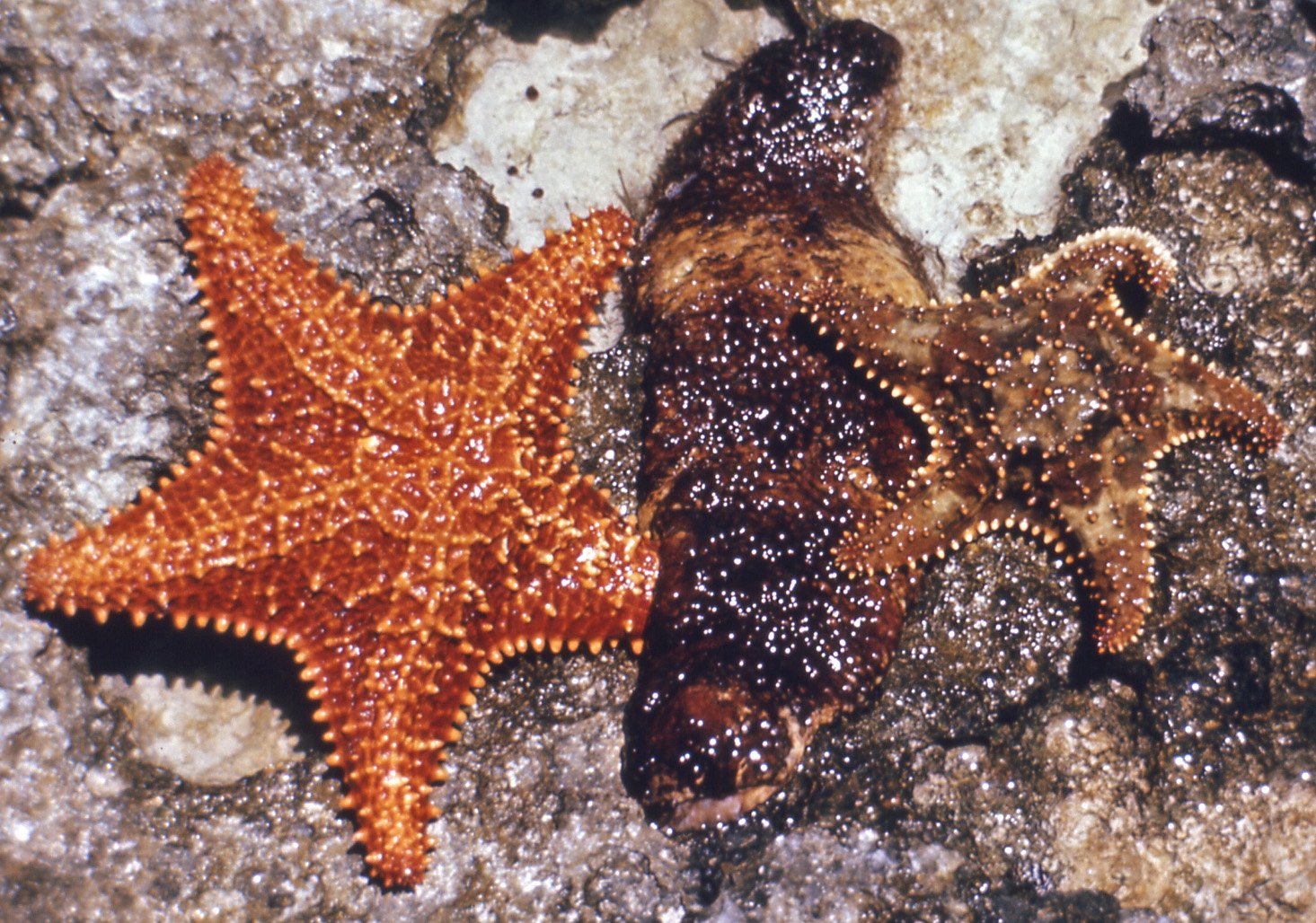
What exactly comes out of a sea cucumber during this wild defense? Most often, it’s the respiratory trees—tubular organs that function much like lungs—as well as parts of the digestive system. These organs are coated with a sticky substance called holothurin, a chemical that is both adhesive and toxic. Some species even eject specialized thread-like structures called Cuvierian tubules, which swell and harden upon contact with water, creating a web of gluey strands that can immobilize attackers. It’s a defense that is as sophisticated as it is shocking.
Regeneration: The Miracle of Recovery
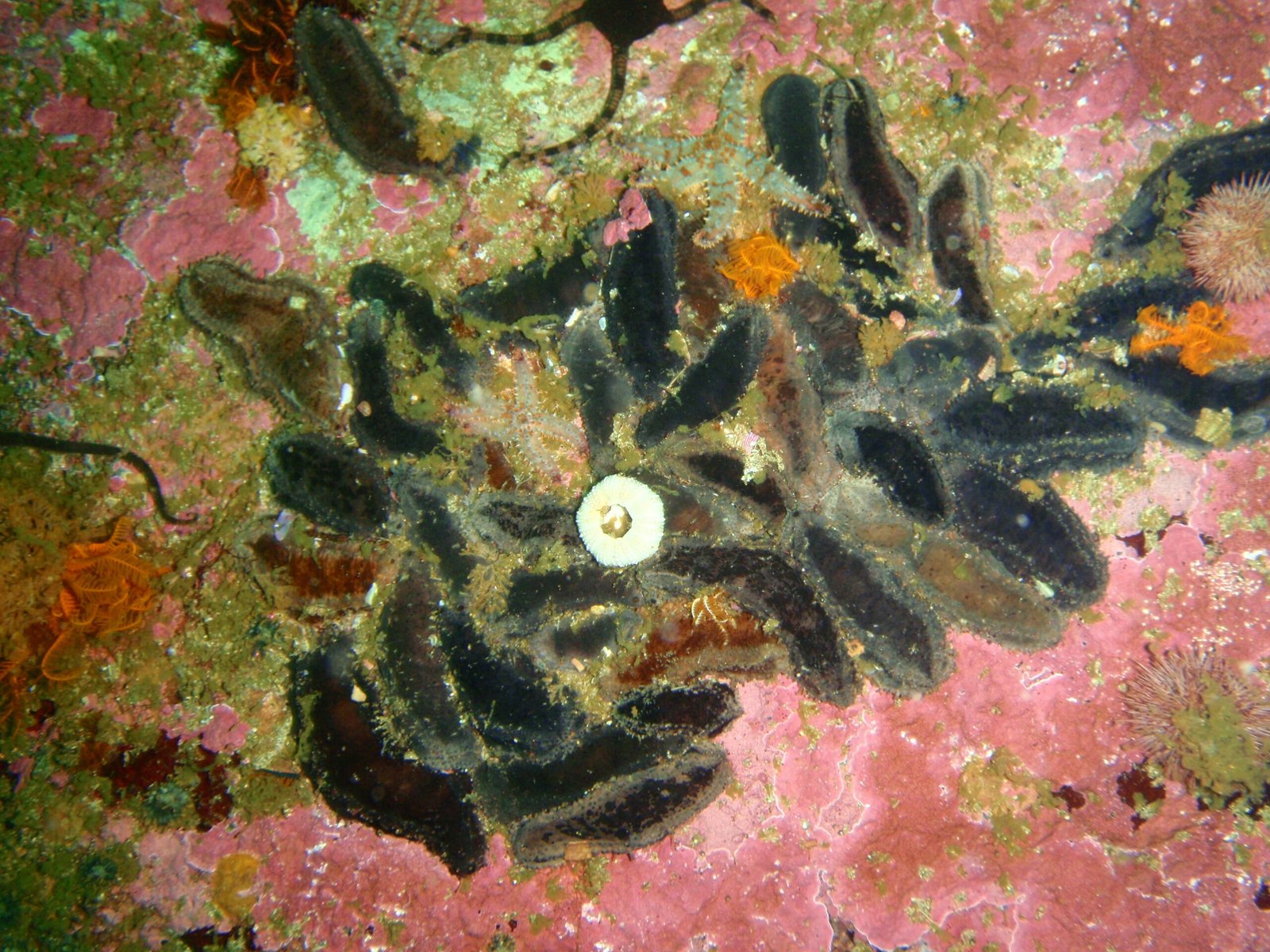
The sea cucumber’s ability to regrow lost organs is nothing short of miraculous. After ejecting their guts, these animals enter a period of rest and regeneration, during which they rebuild everything they lost, cell by cell. This process can take weeks to months, depending on the species and environmental conditions. During this time, the sea cucumber is more vulnerable, but thanks to its low-energy lifestyle and hidden habitat, it often manages to recover without further trouble. Scientists are fascinated by this feat of regeneration, hoping it might one day inspire new medical treatments for humans.
Other Odd Defenses in the Animal Kingdom
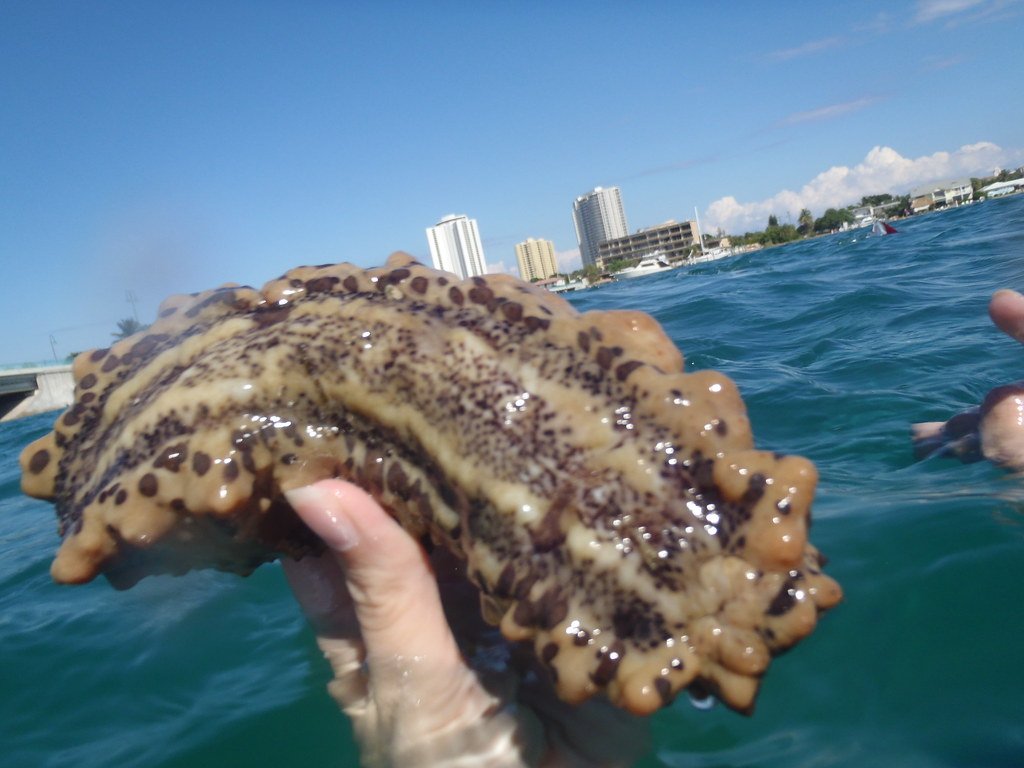
While sea cucumbers’ gut-launching act is certainly unique, the animal kingdom is full of strange and unexpected defenses. For instance, the horned lizard squirts blood from its eyes, and some octopuses escape by releasing clouds of ink. These oddball strategies remind us that survival in the wild often requires thinking outside the box—or, in the sea cucumber’s case, outside the body. Nature’s creativity knows no bounds, and every weird defense has evolved for a reason.
The Role of Toxins: Nature’s Chemical Warfare
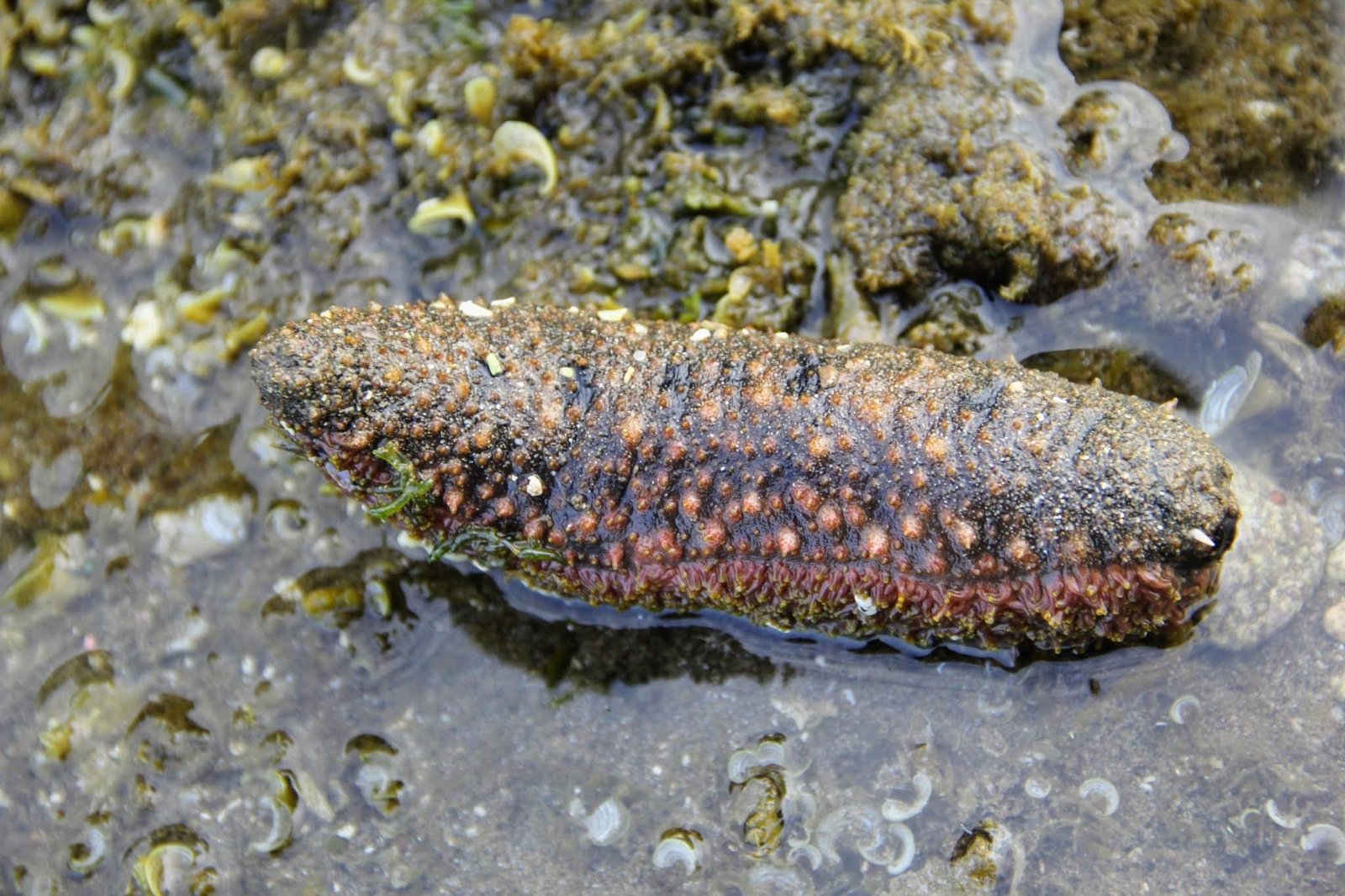
Sea cucumbers don’t just rely on stickiness to deter predators; their guts are armed with powerful toxins, too. Holothurin, the main chemical culprit, can cause irritation, numbness, or even death in small predators. Some indigenous cultures have used dried sea cucumbers as a poison for fishing, taking advantage of these natural chemicals. Although these toxins are effective against many animals, larger predators with tougher stomachs sometimes manage to eat sea cucumbers anyway, proving that no defense is foolproof in the wild.
Sea Cucumbers and the Ocean Ecosystem
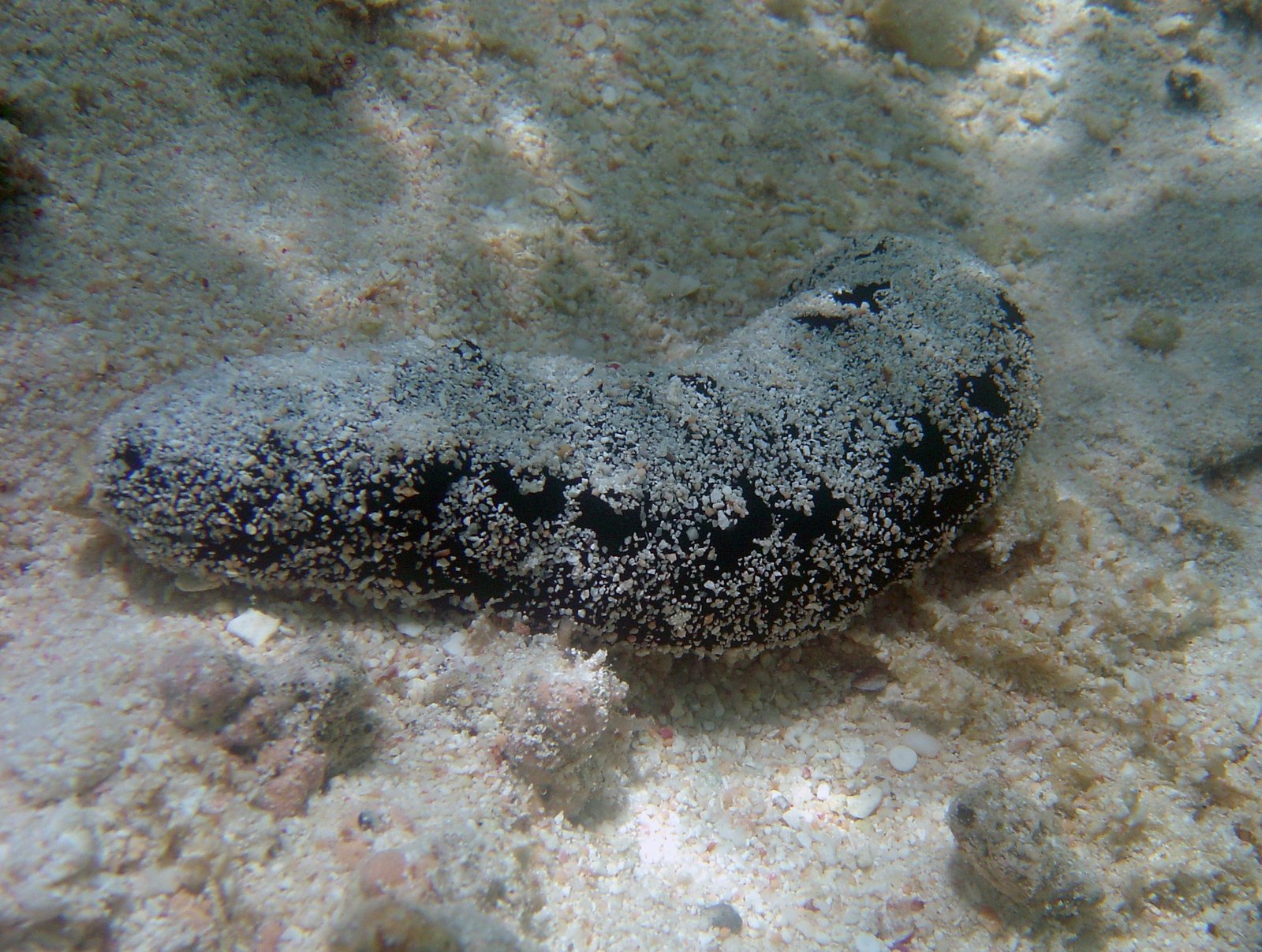
Beyond their wild defenses, sea cucumbers are vital to the health of our oceans. As they crawl along the seafloor, they eat debris and recycle nutrients, helping to keep the marine environment balanced and clean. Their gut-launching behavior, while dramatic, is actually just one small part of their larger role as ecosystem engineers. Without sea cucumbers, other marine life would struggle, and the ocean floor could quickly become clogged with detritus.
Human Fascination and Scientific Curiosity
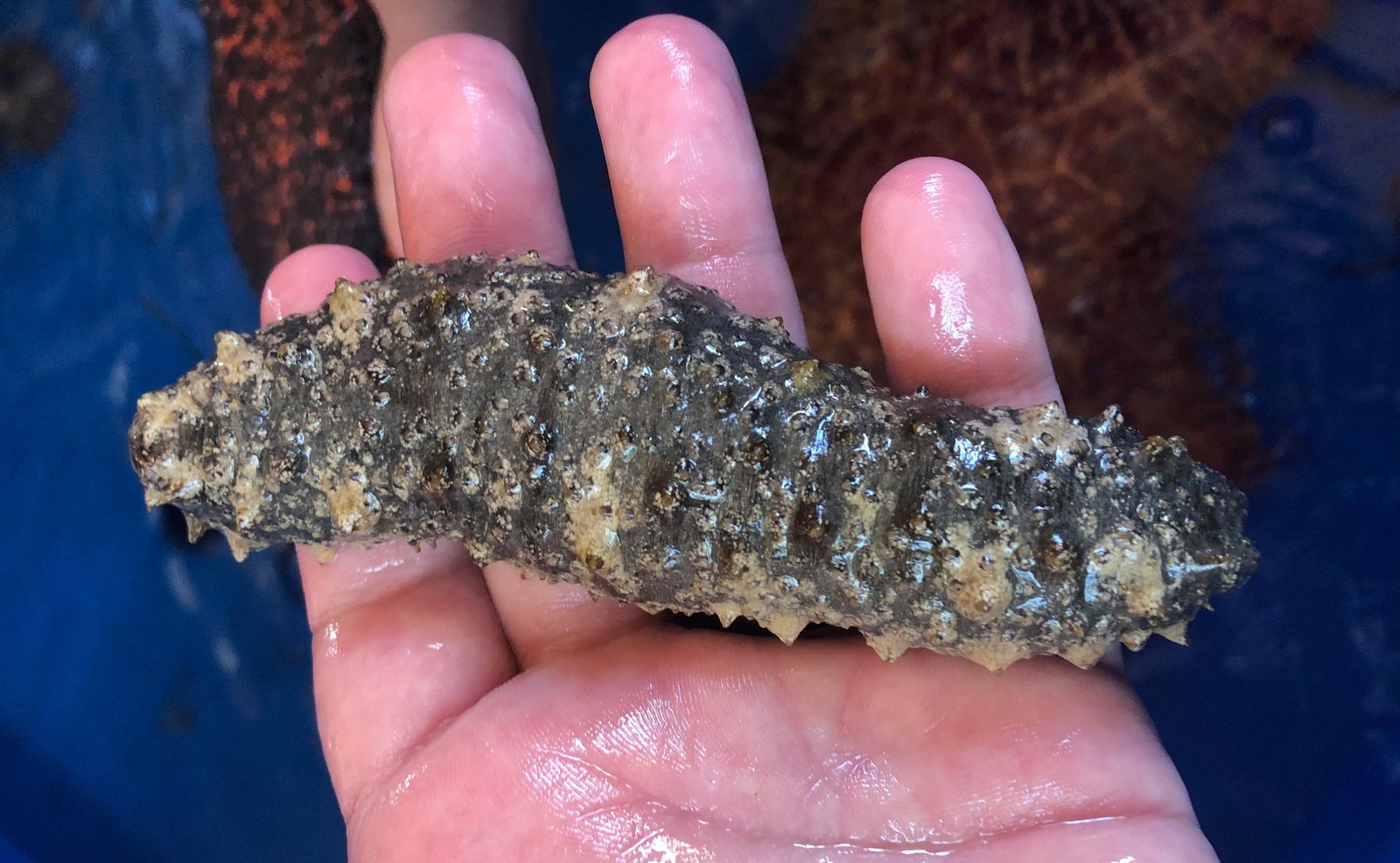
Sea cucumbers have captured the imagination of scientists and nature lovers alike. Their bizarre defenses and incredible regenerative abilities have made them a subject of intense study. Researchers are particularly interested in how sea cucumbers regrow lost organs, hoping to unlock secrets that could help heal injuries or even regenerate tissues in humans. Meanwhile, people around the world are learning to appreciate these odd creatures—not just as curiosities, but as essential parts of the ocean’s web of life.
Nature’s Ultimate Escape Artists
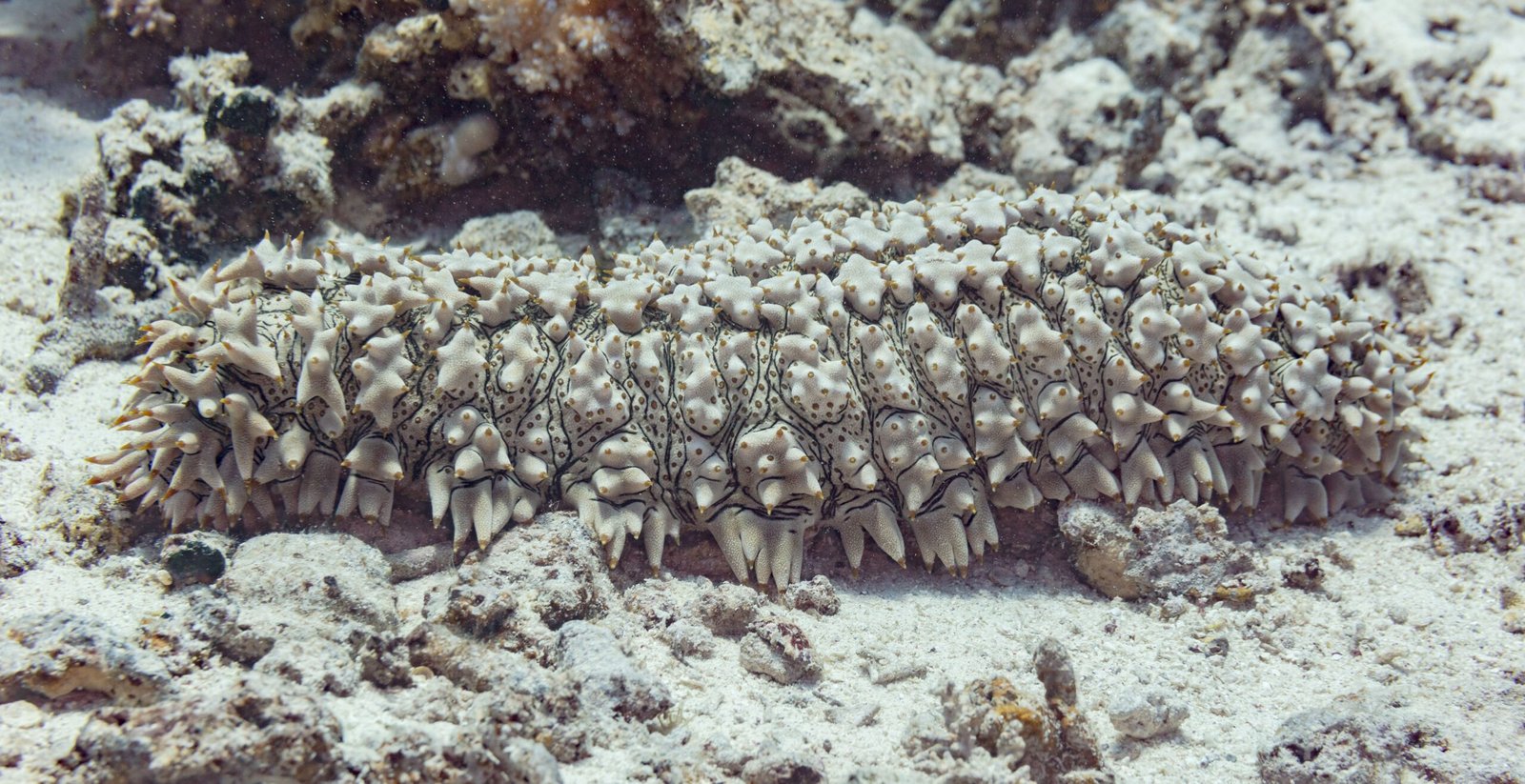
The next time you think of the ocean’s greatest survivors, remember the humble sea cucumber. With its astonishing ability to launch its own guts out of its butt, this animal proves that sometimes the most unassuming creatures have the most dramatic stories to tell. The sea cucumber’s gut-launching act is more than just a quirky fact—it’s a testament to the creativity, resilience, and sheer strangeness of life on Earth. Would you ever have guessed that a creature could fight for its life by turning itself inside out?