
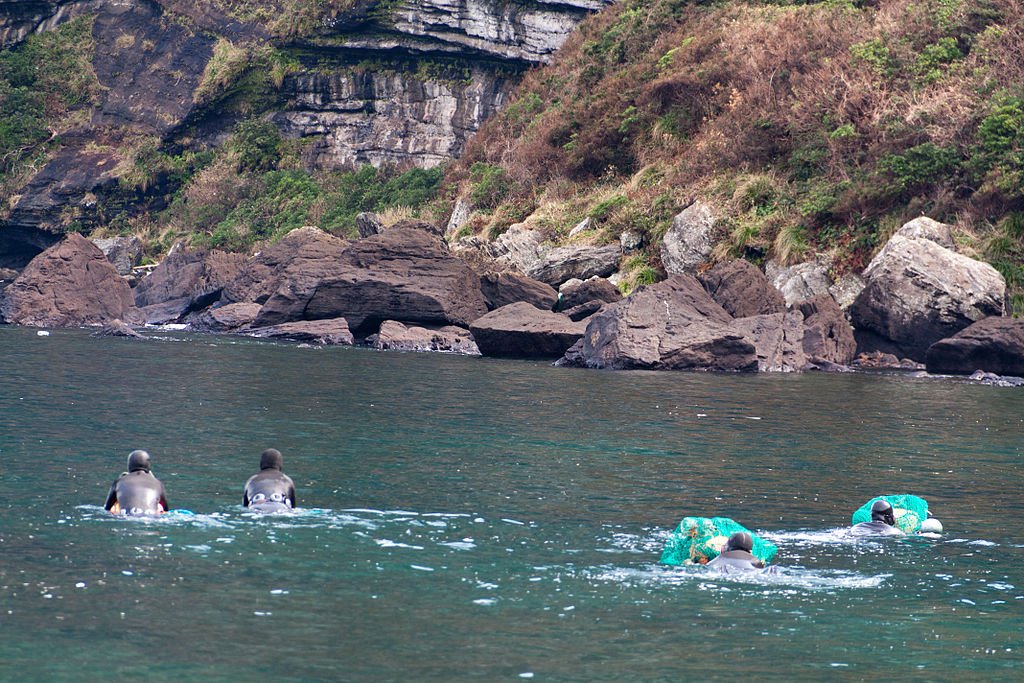
For hundreds of years, the women of South Korea’s Jeju Island have dived into freezing seas, diving as deep as 10 meters (33 feet) without oxygen, in search of abalone, sea urchins, and octopuses. They are called Haenyeo, or “women of the sea,” and they keep up this physically demanding labor well into their 80s, some even giving birth while pregnant. Now, a revolutionary study finds that their remarkable endurance might be encoded in their DNA.
Published in Cell Reports, the study reveals special genetic adaptations that enable the Haenyeo to resist cold and control blood pressure during deep diving. But is it all genetics, or years of training? Scientists are exploring the mystery deeper.
The Haenyeo: A Dying Tradition With Extraordinary Physiology
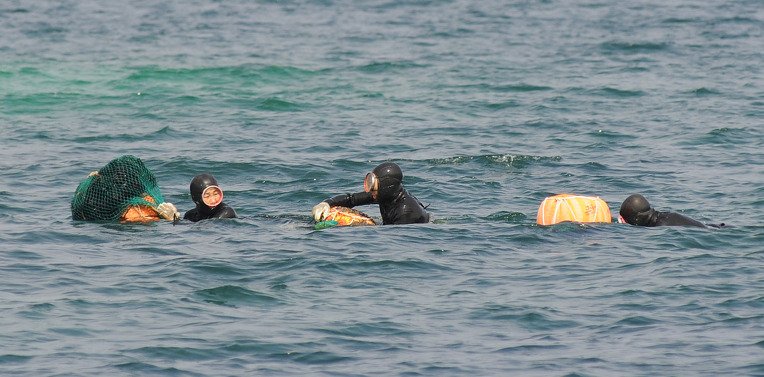
The Haenyeo tradition dates back to 434 A.D., but it wasn’t until the 17th century that women took over the practice, as men were often lost at sea during wars. Today, the number of active Haenyeo has dwindled from 30,000 in the 1960s to fewer than 4,000, most of whom are over 60 years old.
What makes them remarkable isn’t just their age it’s their athleticism. They dive for up to seven hours a day, holding their breath for 30-60 seconds per plunge, in waters as cold as 12.8°C (55°F). By comparison, most recreational freedivers use wetsuits and avoid such extreme conditions.
Cold Resistance: A Genetic Edge Against Hypothermia
To understand their resilience, researchers compared the genetics of 30 Haenyeo with 30 non-diving Jeju women and 31 mainland South Koreans. They discovered that Jeju Islanders whether divers or not carry a distinct variant of the sarcoglycan zeta gene, which influences cold sensitivity.
This protein affects smooth muscles, which control involuntary functions like blood vessel constriction. The genetic tweak may explain why the Haenyeo endure frigid waters without succumbing to hypothermia a condition that sets in for most people at water temperatures below 15°C (59°F).
Blood Pressure Mystery: A Protective Gene for Deep Divers
A second significant finding was a gene variant for Fcγ receptor IIA, present in one-third of Jeju Islanders but only 7% of mainland Koreans. This protein helps regulate inflammation of blood vessels, potentially lowering diastolic blood pressure the pressure between heartbeats.
In a simulated diving test, when the subjects did not breathe and were submerged in cold water, individuals with the variant had very much lower peaks in diastolic pressure. This may save the Haenyeo from diving-induced hypertension, a stroke and heart attack risk factor.
Training vs. Genetics: What Shapes a Haenyeo?
While genetics play a role, lifetime training also reshapes the body. Researchers observed that experienced divers’ heart rates dropped over 40 beats per minute within 15 seconds of diving, an adaptation not seen in non-divers.
“This isn’t just genetics,” says Melissa Ilardo, lead author of the study. “Their bodies have learned to conserve oxygen more efficiently.” Unlike the Bajau “sea nomads” of Indonesia who have evolved larger spleens for diving the Haenyeo’s abilities seem honed by decades of practice.
Could These Discoveries Help Medicine?
The study’s implications stretch beyond freediving. Tatum Simonson, a geneticist at UC San Diego, notes that understanding hypoxia (low oxygen) adaptations could aid research on heart disease, lung conditions, and high-altitude sickness.
Similarly, Cara Ocobock, an anthropologist studying cold adaptation in Finnish reindeer herders, suggests that such research could help humans adapt to climate change-induced extremes.
A Fading Legacy And a Scientific Treasure
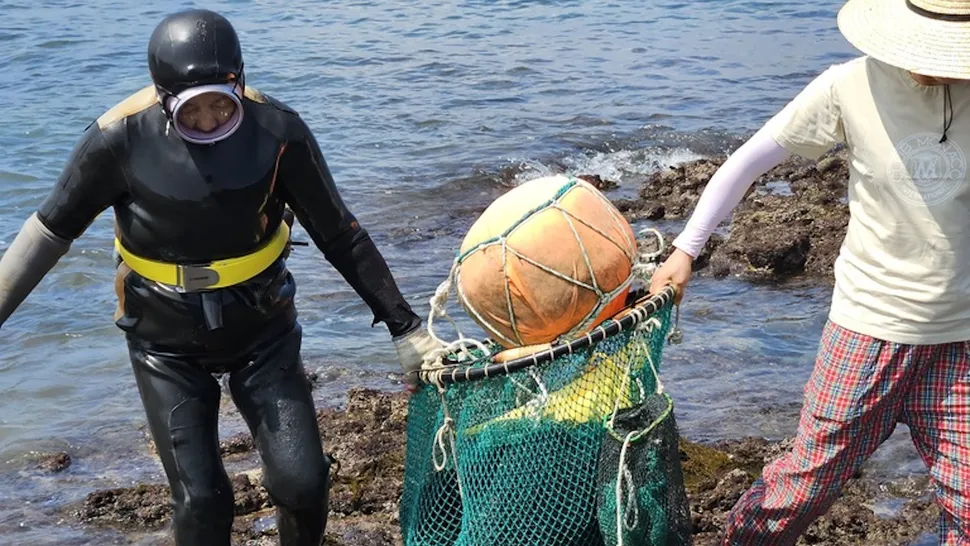
With younger generations giving up the tradition, the Haenyeo’s ranks are dwindling fast. But their genetic and physiological secrets could live on in science, providing clues to human endurance, aging, and survival in harsh environments.
As Ilardo says: “They’re not just surviving, they’re thriving in conditions that would incapacitate most people. That’s worth understanding.”
Final Thought: Nature, Nurture, or Both?
The Haenyeo’s abilities are likely a mix of evolutionary genetics and lifetime conditioning. Their story challenges our understanding of human limits proving that age and environment don’t define capability. As science unravels their secrets, one thing is clear: the sea’s most resilient women still have much to teach us.
Sources :
Jan loves Wildlife and Animals and is one of the founders of Animals Around The Globe. He holds an MSc in Finance & Economics and is a passionate PADI Open Water Diver. His favorite animals are Mountain Gorillas, Tigers, and Great White Sharks. He lived in South Africa, Germany, the USA, Ireland, Italy, China, and Australia. Before AATG, Jan worked for Google, Axel Springer, BMW and others.