Decoding the Clouds’ Chemistry (Image Credits: Wikimedia)
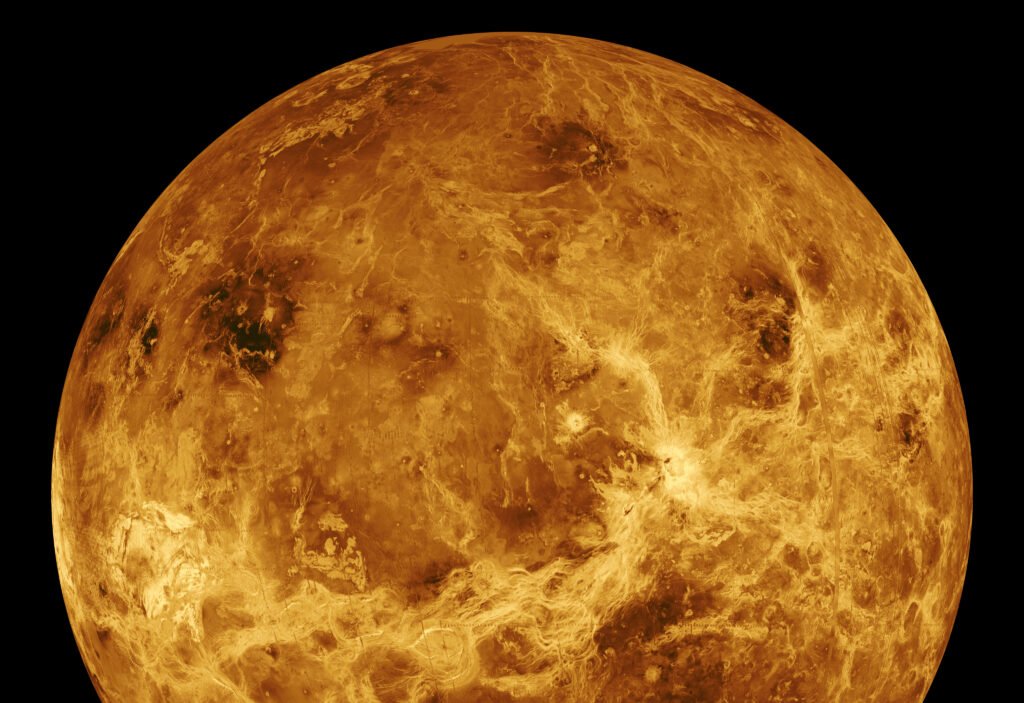
Venus has long stood as the solar system’s most hostile world, with surface conditions that scorch and crush anything familiar to life on Earth. Yet scientists now turn their gaze upward to its clouds, where temperatures and pressures resemble those in Earth’s temperate zones. A recent study from MIT reveals that key organic molecules could endure the planet’s acidic veil, opening fresh debate on habitability in unexpected places.
Challenging Venus’s Reputation
Researchers have dismissed Venus as lifeless for decades due to its runaway greenhouse effect and crushing atmospheric pressure at the surface. Temperatures there exceed 450 degrees Celsius, accompanied by winds that rival hurricanes. Still, the upper atmosphere tells a different story, hosting milder conditions around 30 degrees Celsius and pressures akin to Earth’s sea level.
These layers, suspended dozens of kilometers above the ground, feature clouds thick with sulfuric acid droplets. Such an environment would dissolve most Earth-based organics swiftly. The MIT team, however, identified structures that buck this trend, suggesting Venus merits closer scrutiny for microbial possibilities.
Decoding the Clouds’ Chemistry
Sulfuric acid dominates Venus’s cloud deck, creating a brew far harsher than battery acid on Earth. Acidity levels reach pH values below zero in these droplets, posing a formidable barrier to complex chemistry. Yet the upper reaches maintain a balance of moderate heat and humidity that echoes habitable niches.
Cyclopentane-based molecules, which mimic components found in DNA and RNA, form the focus of this work. These ring-shaped organics represent life’s foundational units. The study exposed them to simulated Venusian conditions, tracking their stability over time.
MIT’s Experimental Breakthrough
Laboratory tests replicated the clouds’ sulfuric acid concentrations and temperatures precisely. Results showed the cyclopentane structures resisted breakdown for extended periods, far longer than expected. This durability hints at how life’s precursors might persist amid the acid rain.
Traditional views held that such acids would hydrolyze organic bonds rapidly. The findings challenge that, demonstrating selective stability for certain molecular forms. Researchers noted these molecules could even catalyze reactions essential for replication or metabolism.
Key aspects of the experiment included:
- Exposure to 90% sulfuric acid solutions, mirroring Venus observations.
- Temperatures held at 20-50 degrees Celsius to match cloud altitudes.
- Monitoring via spectroscopy for structural integrity over hours and days.
- Comparison to Earth extremophiles’ tolerances for validation.
- Prediction models extending results to real Venusian dynamics.
Implications for Microbial Life
If these molecules hold up, Venus’s clouds emerge as a prime astrobiology target. Microbes might float in aerial layers, buoyed by hydrogen balloons or lightweight structures. Such life would differ radically from Earth’s, adapted to acidity and lacking liquid water.
Past missions like NASA’s Pioneer and Soviet Venera probes hinted at cloud anomalies, such as unexplained gases. The MIT work provides a chemical foundation for those signals. It suggests airborne ecosystems could cycle nutrients without touching the inferno below.
Next Steps in Venus Exploration
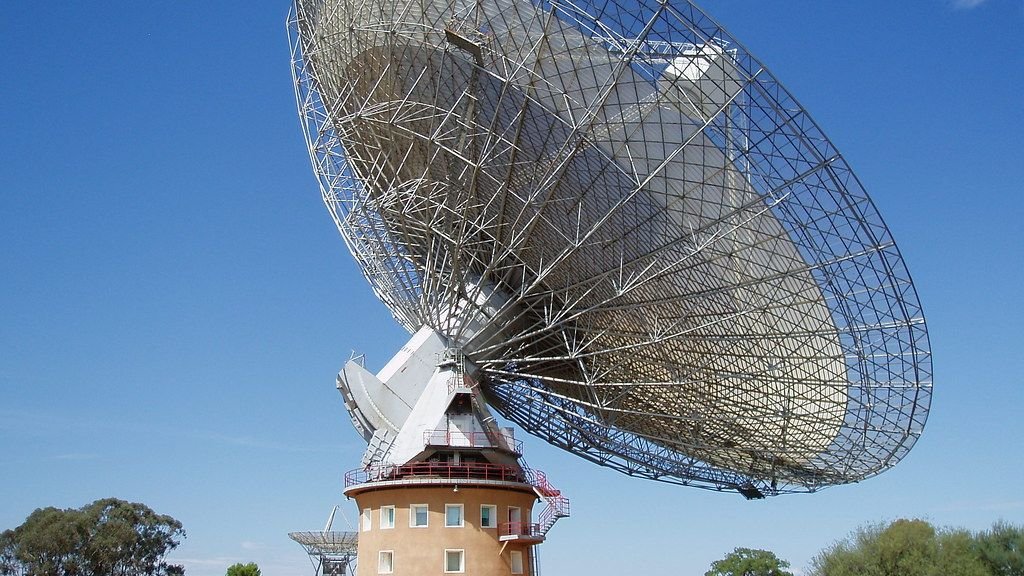
Upcoming missions, including NASA’s DAVINCI and VERITAS, aim to sample cloud chemistry directly. These probes will descend through the atmosphere, analyzing droplets for organics. Radio telescopes and flybys continue to map cloud variations globally.
Challenges remain, from instrument corrosion to data interpretation amid thick haze. Yet the stability of these DNA-like structures bolsters optimism. Astrobiologists now weigh Venus alongside Mars and icy moons as a life-hunting frontier.
Key Takeaways
- Venus’s upper clouds offer Earth-like temperatures amid acidic depths.
- Cyclopentane molecules endure sulfuric acid, resembling life’s core units.
- MIT findings position Venus as a viable spot for microbial habitats.
This discovery reframes Venus not as a dead world, but a dynamic one where life might defy odds. As probes venture deeper, the clouds hold secrets that could redefine our cosmic neighborhood. What are your thoughts on Venusian life – plausible or still science fiction? Share in the comments.