
You might remember learning about our solar system in school. Those neat diagrams showed planets moving in perfect circular orbits, all lined up like beads on a flat disc. Turns out, reality is messier. Our planetary neighborhood doesn’t follow those textbook rules nearly as well as we thought. Something knocked things off course a long time ago, and scientists think they’ve figured out what it was.
The clue lies in how the giant planets actually move around the Sun. Their paths aren’t quite right. They’re tilted, stretched, and just a bit wonky compared to what they should be. This puzzle has bothered astronomers for decades.
The Solar System Is More Warped Than You Think
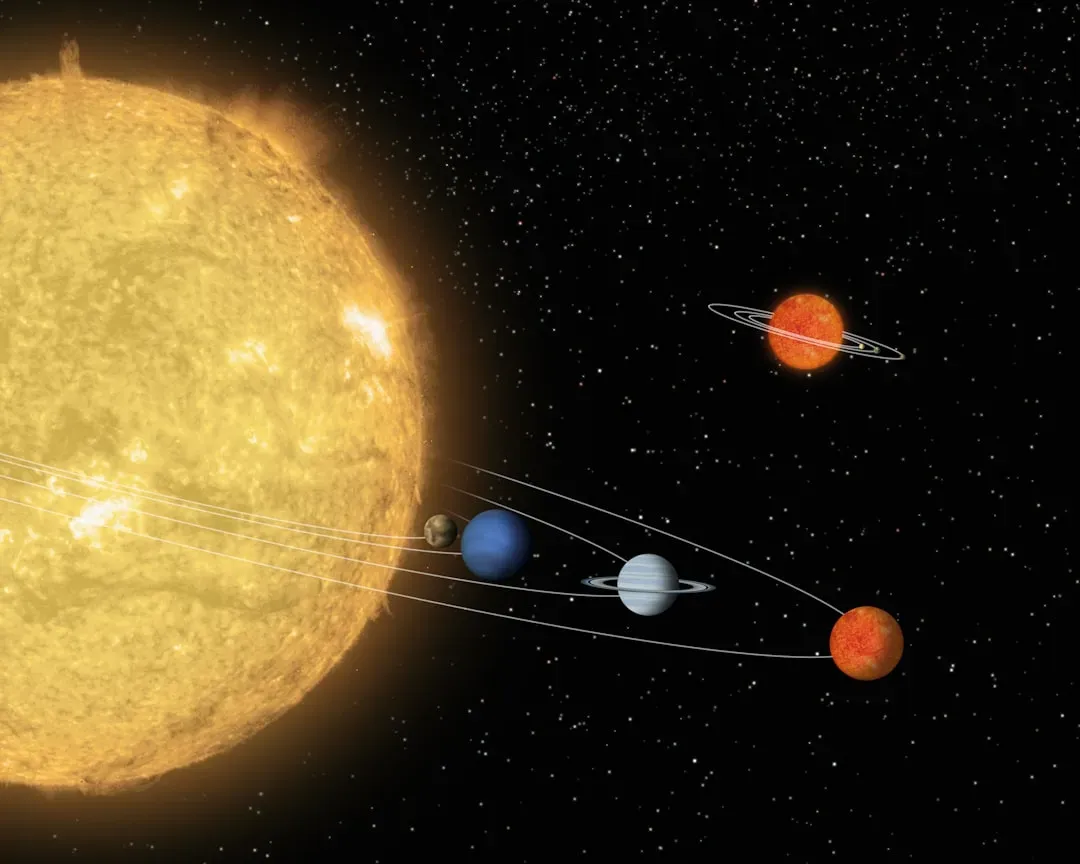
In reality, our Solar System’s disk is far from flat and the whole system is actually warped. When you look closely at the orbits of Jupiter, Saturn, Uranus, and Neptune, something immediately stands out. Their orbits are a little more elliptical and tilted relative to each other, not dramatically, but enough to puzzle astronomers for decades.
The problem is that standard theories of planetary formation predict something different. Planets should emerge from a rotating disk of gas and dust, all spinning in the same direction on roughly the same plane. Standard formation models predict the giant planets emerged from the protoplanetary disk on the same plane as the rest of the planets, but something seems to have pushed them off course. It’s hard to say for sure, but the evidence keeps pointing toward an external force rather than just internal jostling between planets.
An Uninvited Guest Crashed The Party
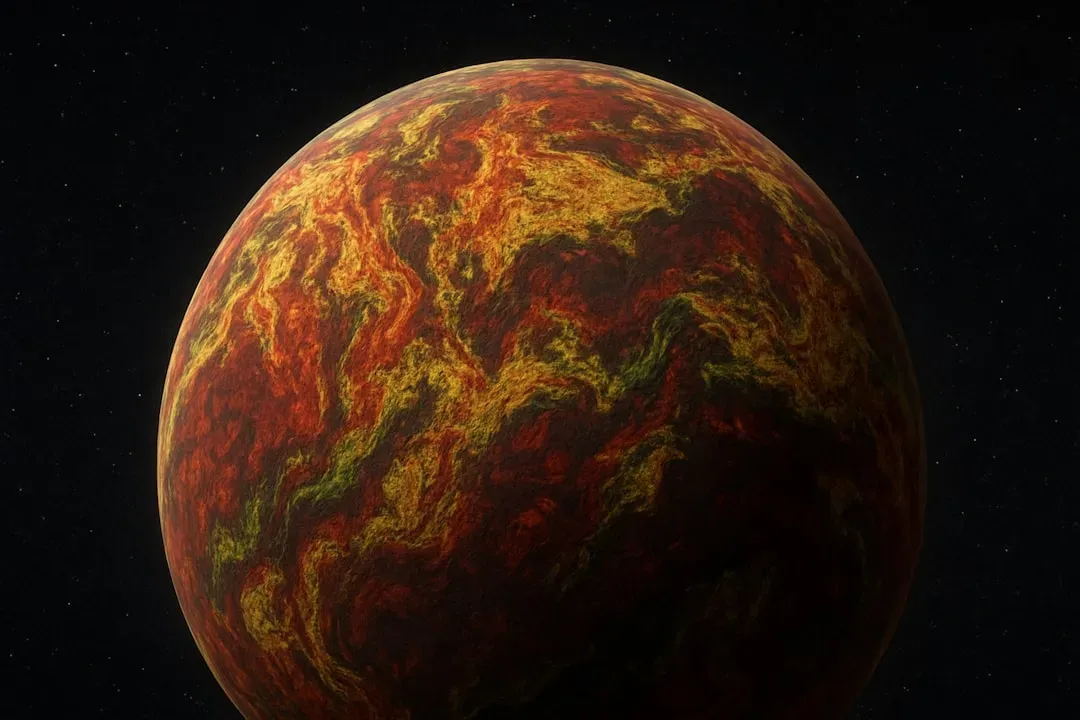
Physicists Garett Brown and Hanno Rein from the University of Toronto and planetary scientist Renu Malhotra of the University of Arizona have hypothesized that a trespassing object may have been the culprit. They’re talking about something massive. Really massive. An uninvited guest anywhere between 2 and 50 times the mass of Jupiter barged in fast enough to both shift the disk’s tilt and elongate the planets’ orbits before making a quick escape.
This wasn’t some tiny asteroid or comet. This was a substellar object, a rogue planet or brown dwarf between two and fifty times Jupiter’s mass, wandering the Galaxy without a stellar anchor. Picture an enormous cosmic wanderer, untethered from any star, drifting through the darkness of space until it happened upon our young solar system. Then it swept through like a wrecking ball, leaving permanent gravitational scars before vanishing back into the void.
Computer Simulations Reveal The Odds
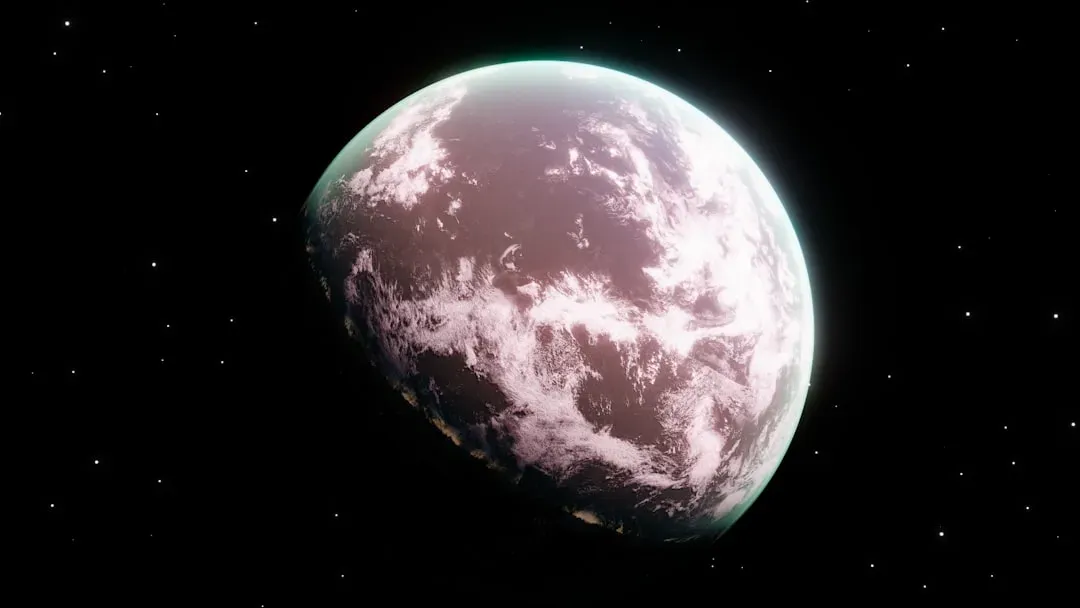
The researchers ran 50,000 computer simulations spanning 20 million years each, varying the intruder’s mass, speed, and trajectory. Most attempts produced solar systems that looked nothing like ours. The planets ended up in completely wrong positions or with bizarre orbits that don’t match what we actually observe.
However, something interesting happened in roughly one out of every hundred simulations. A single close encounter reproduced the orbital characteristics astronomers observe today. The winning scenario involved an object about eight times Jupiter’s mass swooping within 1.7 astronomical units of the Sun, barely beyond Mars’s current orbit, at a velocity between one and three kilometres per second. That’s remarkably close for such a massive visitor. The gravitational disturbance would have been intense.
Earth Survived The Chaos Intact
Here’s the good news. The flybys that successfully reproduced the giant planets’ orbits left the inner solar system largely intact, and rocky planets survived the encounter and acquired orbital characteristics similar to what we observe. So while the interloper threw the outer planets into disarray, Earth and its neighbors came through relatively unscathed.
This makes sense when you think about it. The intruder didn’t have to approach the inner planets closely to wreak havoc on the outer giants. Jupiter, Saturn, Uranus, and Neptune are so massive that even a distant gravitational tug could alter their paths significantly over time. The smaller rocky planets closer to the Sun were shielded by distance and the Sun’s dominant gravitational influence.
Where Did This Intruder Come From And Where Did It Go
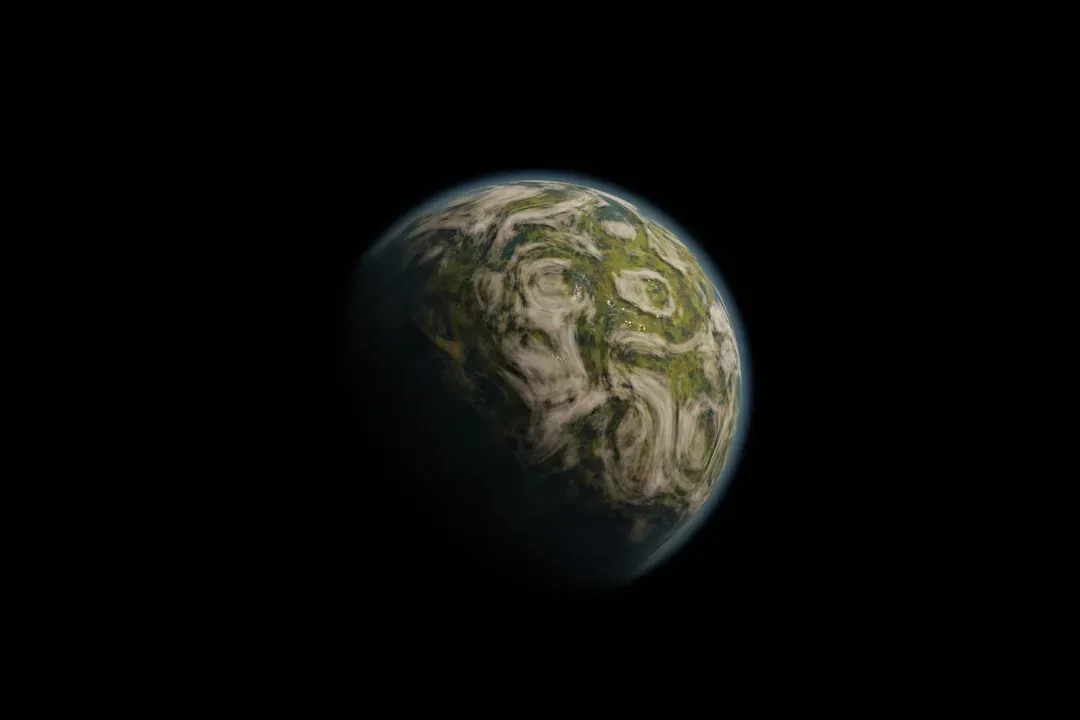
If there really was such an intruder, what exactly the object was and where it went are questions still hanging in space. Scientists have two main theories. Was this a rogue planet that escaped into the void, or an object with an orbit so eccentric that it travels to the furthest reaches of the Solar System and takes billions of years to complete its orbit?
Substellar objects appear relatively common in the Galaxy, rogue planets and brown dwarfs untethered to stars, drifting through interstellar space. The Milky Way alone may have billions to trillions of rogue planets. Some of these cosmic nomads were ejected from their home systems during chaotic early planetary formation. Others might have formed in isolation, never belonging to any star at all. The one that disrupted our solar system could have been either type.
When Did This Cosmic Collision Happen
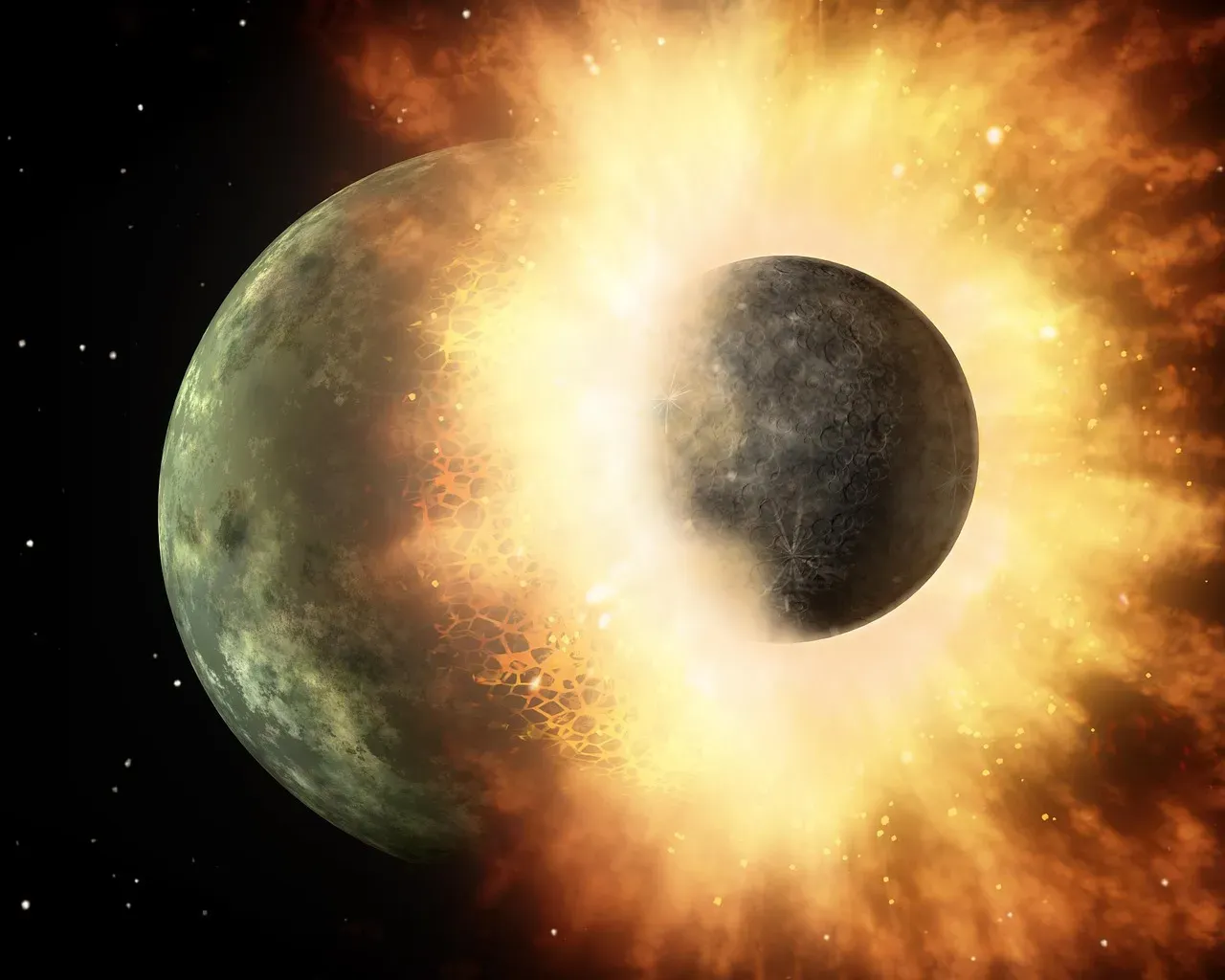
Our solar system is thought to have emerged from a nebula about 4.6 billion years ago. The interloper must have arrived during the early, chaotic phase when the planets were still settling into their orbits. The researchers estimate roughly a one in 9,000 chance that such an encounter occurred during the Solar System’s residence in its birth cluster, when stars were packed more densely and close passes were more common.
Young star systems don’t form in isolation. They’re born in dense stellar nurseries where thousands of stars cluster together. In such crowded environments, close encounters between stellar systems are far more likely than in the relatively empty space we inhabit today. Our Sun probably spent its first few hundred million years in such a cluster before drifting away to its current lonely position in the galaxy.
Could It Return One Day
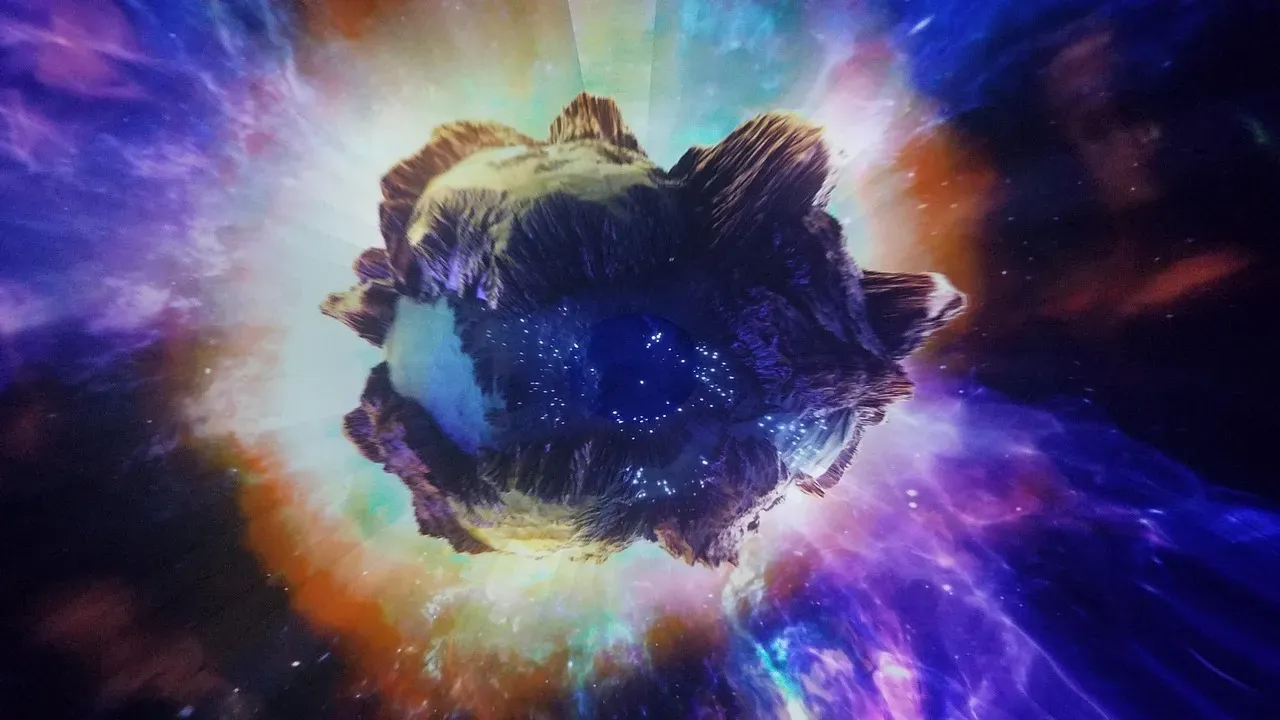
It could come back one day. Let’s be real, that statement is both fascinating and terrifying. If the object is on an extremely elongated orbit rather than having escaped entirely, it might loop back around eventually. However, we’re talking about timescales that are almost incomprehensibly long. An orbit that takes it to the outer reaches of the solar system and back could require hundreds of millions or even billions of years to complete.
The more likely scenario is that the intruder is long gone, ejected from the solar system entirely after its brief but dramatic visit. It’s probably out there right now, drifting through interstellar space, perhaps approaching some other unsuspecting planetary system. I know it sounds crazy, but that’s the nature of these cosmic wanderers. They roam the galaxy, occasionally barging into stellar neighborhoods and leaving chaos in their wake.
What This Means For Other Planetary Systems
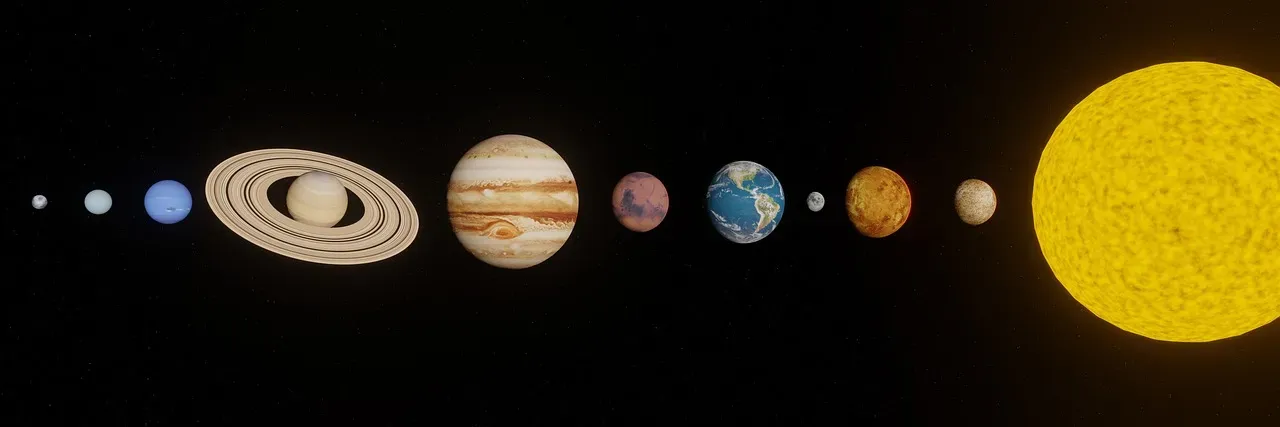
If such encounters can reshape planetary architectures, then the diversity of exoplanet systems discovered in recent years might partly reflect similar close calls with passing wanderers. Astronomers have discovered thousands of exoplanets orbiting other stars, and many of them have bizarre configurations. Some giant planets orbit absurdly close to their stars. Others move in wildly eccentric paths or travel backward relative to their star’s rotation.
For years, scientists struggled to explain this diversity. Internal processes like planetary migration and gravitational interactions between planets can account for some of it. The flyby hypothesis offers a cleaner explanation, one dramatic event rather than a complicated sequence of internal adjustments. Perhaps our solar system isn’t unusual at all. Maybe most planetary systems experience these violent encounters at some point in their history. We just happened to get lucky that ours occurred early enough and in just the right way to leave Earth habitable.
Conclusion: A Hidden Chapter In Our Solar System’s History
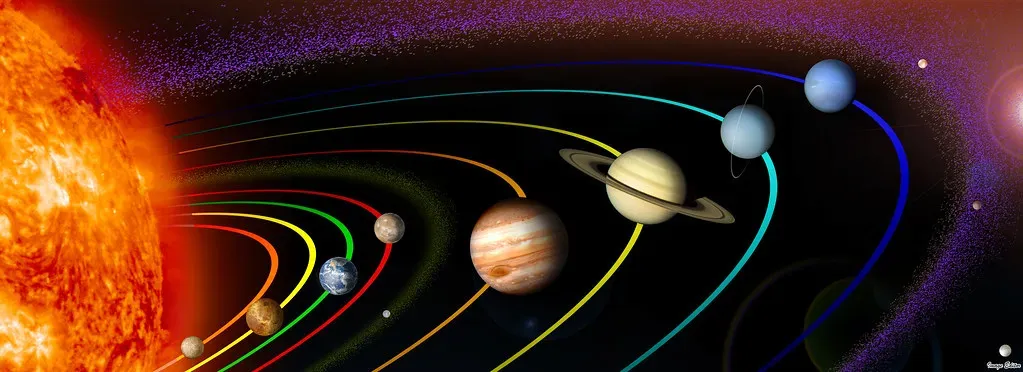
The warped orbits of our giant planets tell a story that textbooks often miss. Billions of years ago, during the chaotic infancy of our solar system, a massive interloper swept through and permanently altered the architecture of our planetary neighborhood. The evidence is written in the tilted, stretched orbits we observe today.
This discovery reminds us that our cosmic home has a more violent and dramatic history than we might have imagined. The solar system we know and love almost turned out very differently. What do you think about this ancient cosmic intruder? Could there be other secrets hiding in the orbital patterns of distant objects waiting to be discovered?
Jan loves Wildlife and Animals and is one of the founders of Animals Around The Globe. He holds an MSc in Finance & Economics and is a passionate PADI Open Water Diver. His favorite animals are Mountain Gorillas, Tigers, and Great White Sharks. He lived in South Africa, Germany, the USA, Ireland, Italy, China, and Australia. Before AATG, Jan worked for Google, Axel Springer, BMW and others.