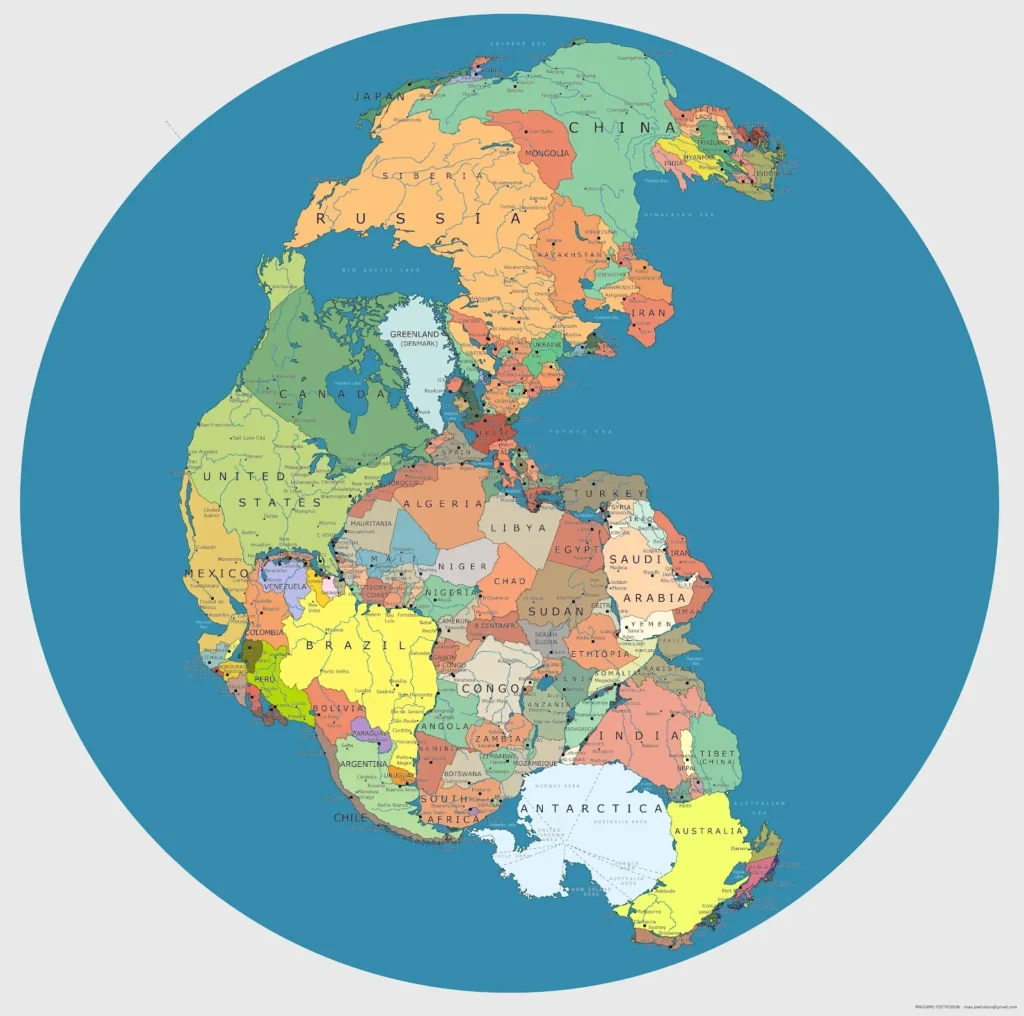

Imagine waking up one day to discover that the entire planet’s land surface is fused into a single, colossal mass. No Atlantic Ocean. No Pacific. Just one enormous stretch of earth surrounded by a titanic global sea. It sounds like science fiction, but this is exactly what leading scientists are now predicting will happen. The math, the geology, the plate tectonics – it all points to one jaw-dropping conclusion.
You might think this is a problem for the distant future, something safely tucked away in the realm of “not my concern.” Here’s the thing – understanding what that future looks like tells us a great deal about how life, evolution, and even survival on this planet truly works. Get ready to look at Earth in a way you never have before. Let’s dive in.
The Supercontinent Cycle: Earth Has Done This Before
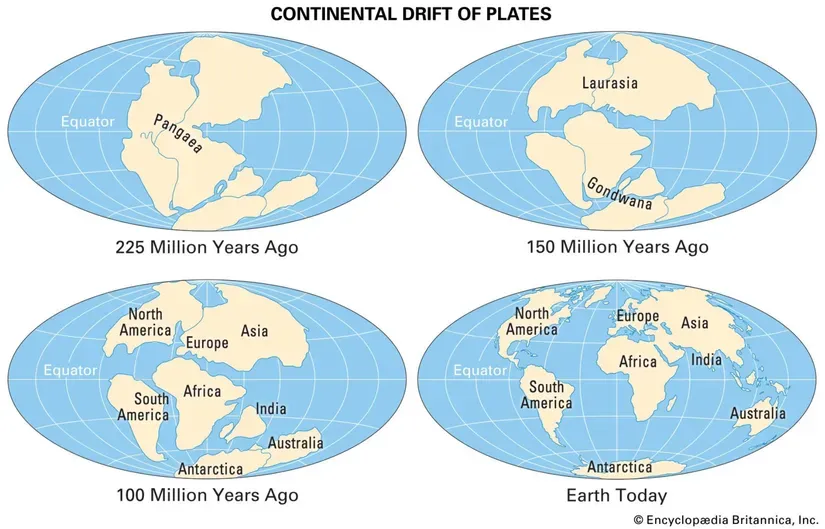
If you think Earth’s current map has always looked the way it does now, think again. From Columbia to Rodinia to Pangaea, Earth has seen a few supercontinents come and go in its ancient past, and researchers now theorize that these giant landmasses form in regular cycles roughly once every 600 million years. That’s a mind-bending scale of time, but the pattern is surprisingly consistent.
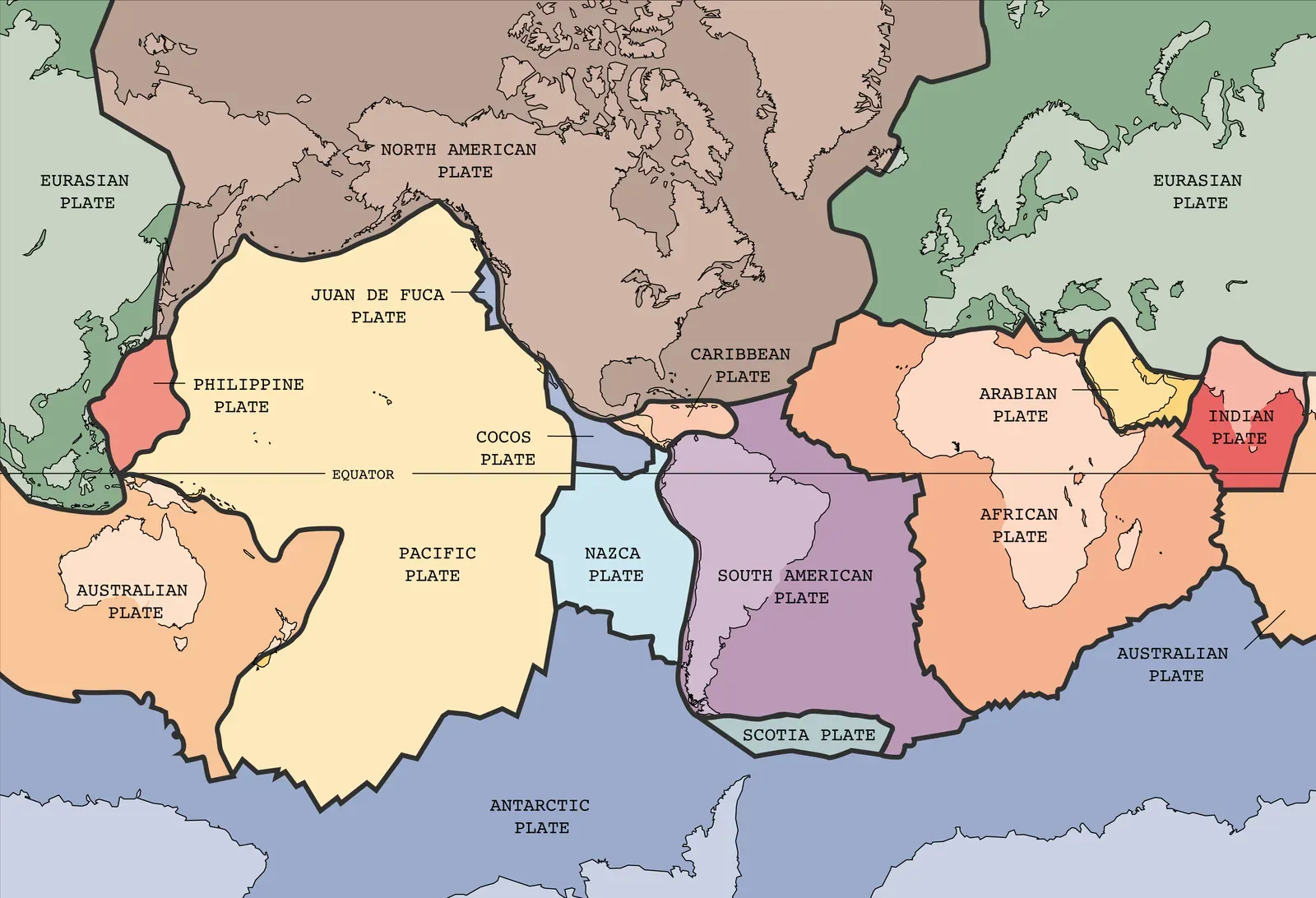
Scientists hypothesize there have been as many as 10 supercontinents throughout Earth’s history, and the reason they keep forming is plate tectonics, since the Earth’s surface is divided into seven major and eight minor plates that collide and subduct beneath each other over vast geologic periods. Think of the plates like slow-moving puzzle pieces that drift apart, then inevitably drift back together – an eternal, planetary shuffle.
The most recent supercontinent, known as Pangaea, formed more than 300 million years ago and gradually disintegrated across the next hundred million years. You are standing on the scattered remnants of that ancient giant right now, whether you know it or not.
Meet Pangaea Ultima: Earth’s Next Giant Landmass
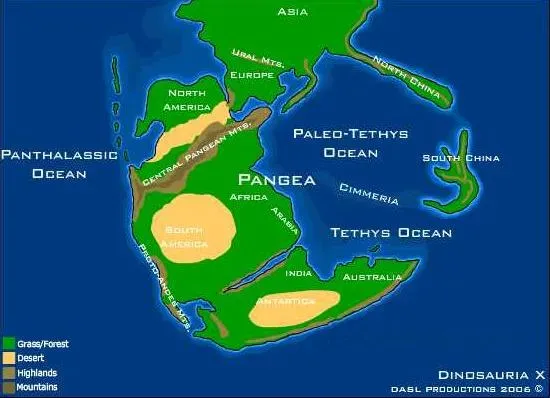
The next supercontinent, dubbed Pangaea Ultima, is expected to form at the equator in about 250 million years, as the Atlantic Ocean shrinks and a merged Afro-Eurasian continent crashes into the Americas. Scientists have given it several names – Pangaea Proxima, Pangaea II – but the concept is essentially the same regardless of label.
To form Pangaea Ultima, Africa would rotate into the coast of North America, and Eurasia would rotate clockwise and converge. As the supercontinent assembles, today’s Ring of Fire in the Pacific will give way to a ring of fire around what is now the Atlantic as it starts closing. Honestly, picturing this is like imagining an extremely slow-motion car crash that takes hundreds of millions of years to complete.
Paleogeologist Ronald Blakey has described predictions of the next 15 to 85 million years of tectonic development as fairly settled without supercontinent formation. Beyond that, he cautions that the geologic record is full of unexpected shifts in tectonic activity driven by currents deep in the Earth’s mantle, making longer projections “very, very speculative.” So yes, uncertainty is baked in – but the general direction of travel is hard to dismiss.
How Tectonic Plates Actually Drive This Massive Process
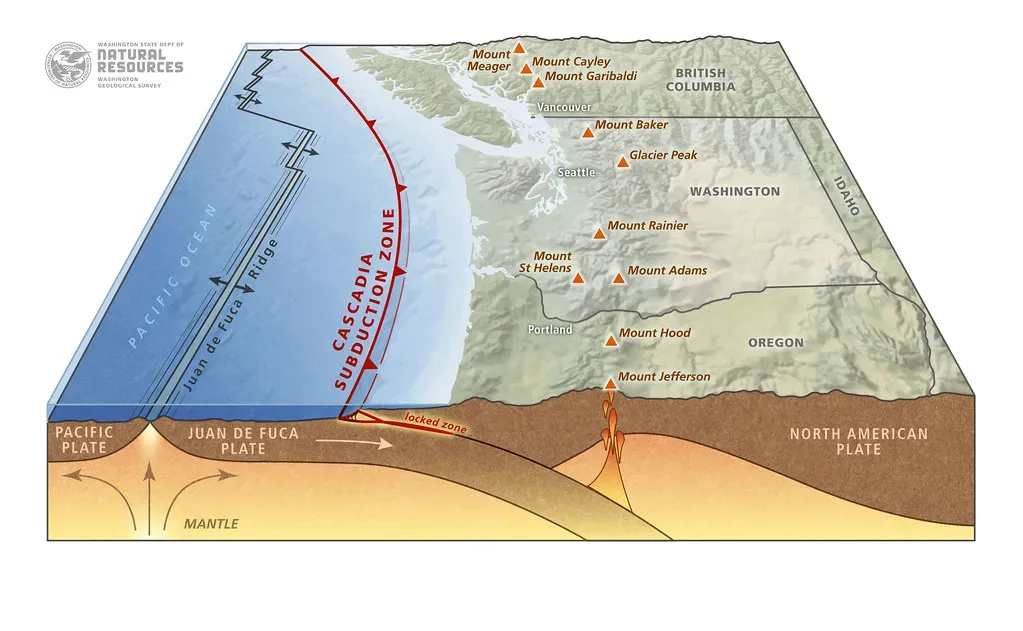
Continents sit on tectonic plates, which are slabs of crust that float on the mantle. The mantle acts like a boiling pot of water: Earth’s molten core heats the rock at the bottom, causing it to slowly rise, while cooling slabs of crust sink in subduction zones back to the bottom. It’s essentially a giant conveyor belt operating in extremely slow motion beneath your feet.
Inch by inch, subducting ocean will disappear and bring continents closer together, resulting in a collision that culminates in a new supercontinent. Once that supersized landmass has formed, the incessant inward pull ceases as new subduction zones initiate at the coastlines, and somewhere in the interior hot mantle eventually rises, causing the supercontinent to tear and begin a new cycle. It’s a loop. Always has been.
The supercontinent’s assembly would involve the collision of various tectonic plates, and some of those plates will tumble below others, sloughing off molten material that bubbles back up as a globe-warming surge of volcanism. That last detail matters enormously for what life on Earth will experience – more on that shortly.
A World Turned into a Furnace: The Climate Catastrophe Ahead
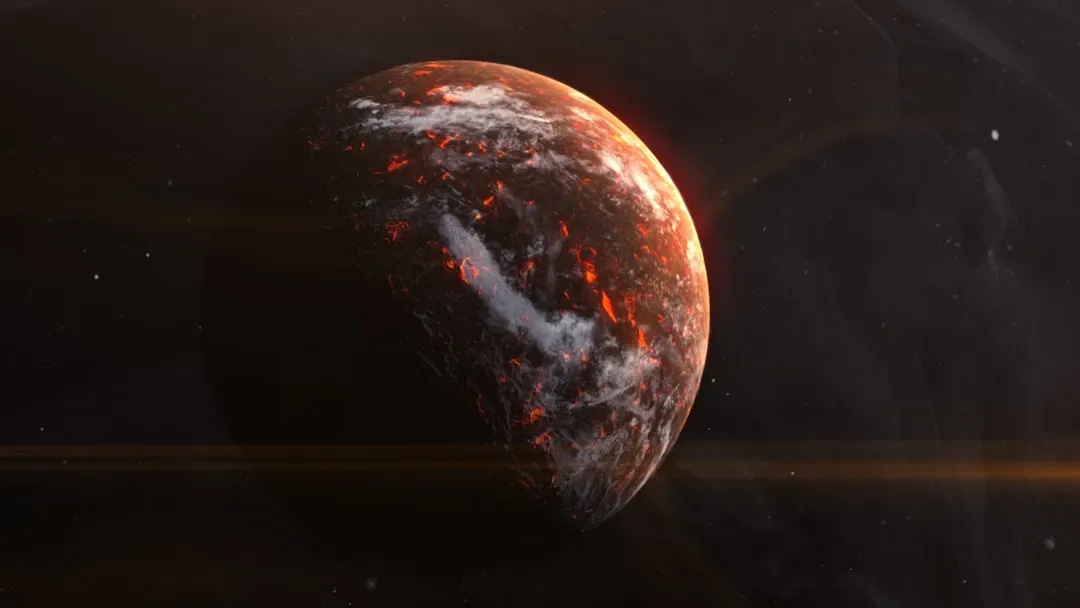
A recent study published in Nature Geoscience uses supercomputer climate models to examine how Pangaea Ultima, forming 250 million years from now, will result in extreme temperatures making the new supercontinent uninhabitable for mammals. This study was conducted by an international team of researchers led by the University of Bristol. The findings are, to put it lightly, deeply sobering.
This new continent will be hot: not only will much of its equatorial landmass lack the cooling effect brought about by oceans, but it will absorb more radiation from an older, more active sun and be swamped in significantly more carbon dioxide due to volcanic activity. It’s a triple threat. Increased CO2 from volcanism, reduced ocean cooling, and a brighter sun all arriving at once.
Even at the low end of the predicted range of CO2 concentrations, average global temperatures would rise to around 20.9 degrees Celsius, about 5.5 degrees higher than today. Baseline temperatures that hot would manifest in temperature swings wild enough to kill mammals, which die at temperatures as low as 35 degrees Celsius if it is very humid. That’s not a gradual inconvenience. That’s a planetary death sentence for most warm-blooded life.
What Happens to Mammals – and Potentially to Us
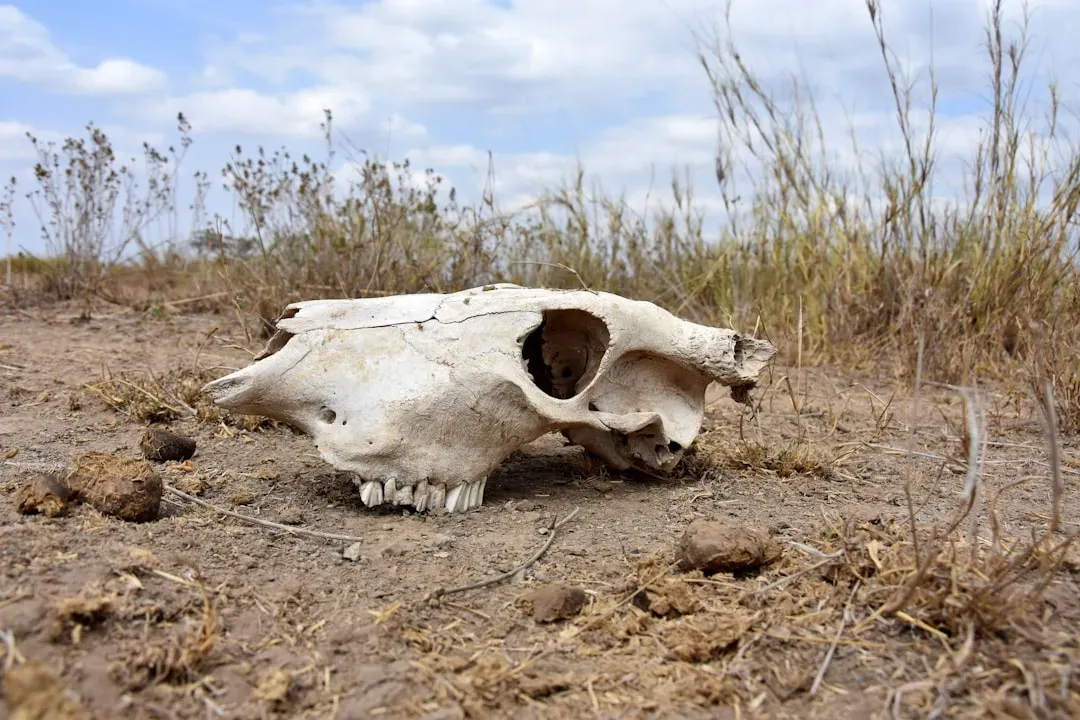
According to the study, just roughly one tenth to one quarter of Pangaea Ultima would be suitable for mammals, compared with about two thirds of Earth’s landmass before human-caused climate change. This would likely trigger a slow-moving mammal mass extinction over tens of millions of years. Let that sink in – the vast majority of Earth’s surface simply too hot for any mammal to exist on.
The reason mammals, including humans, have survived for so long on Earth is due to their uncanny ability to adapt to extreme weather conditions. However, while evolution has resulted in mammals being able to lower their survivable limit in cold temperatures, they aren’t able to increase their survivable limit in hot temperatures. You can bundle up against the cold. You can’t just evolve away the heat.
If humans are still around in 250 million years, some scientists speculate that they might have found ways to adapt, with Earth resembling the fictional desert planet from the 1965 novel Dune, raising questions about whether humans might become more specialist in desert environments, become more nocturnal, or take shelter in caves. I know it sounds crazy, but fiction sometimes has a funny way of predicting where science ends up.
The Great Dying – History’s Warning Sign
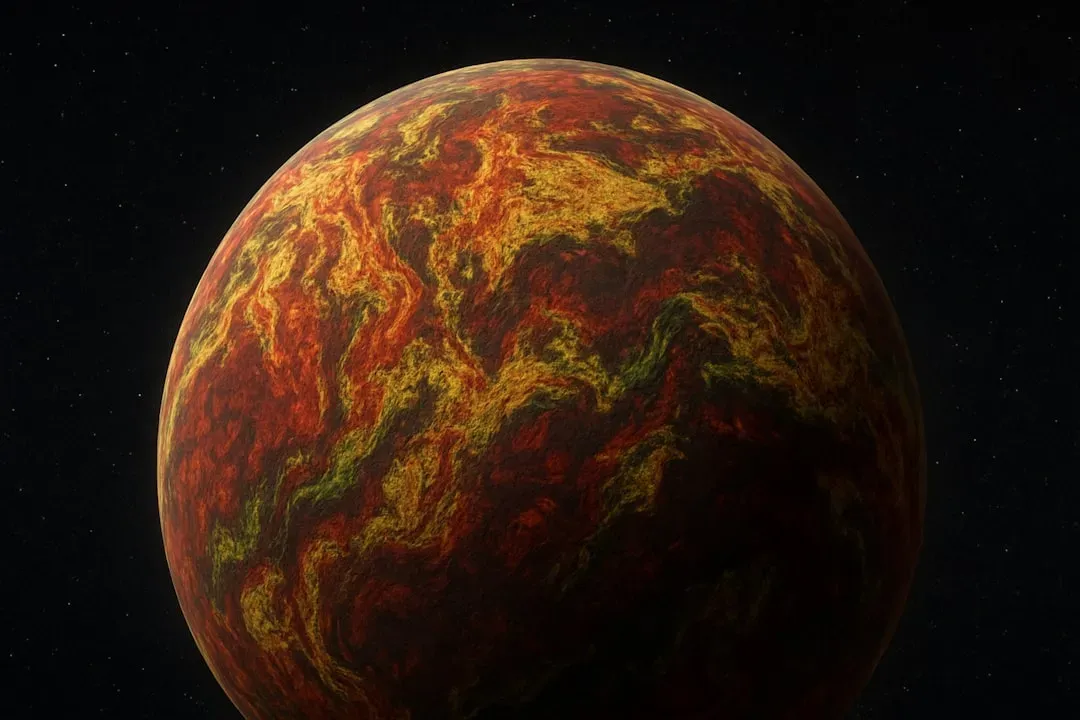
The Late Permian extinction, the Great Dying that killed off some 90% of all species on Earth, played out after the formation of Pangaea. That chilling historical precedent is exactly why scientists are not dismissing the Pangaea Ultima scenario as mere speculation. History has already run this experiment once, and the results were devastating.
Supercontinent formation, according to climatologist Alexander Farnsworth at the University of Bristol, seems to create conditions that more easily lead to mass extinction. In fact, it has coincided with four of the last five mass extinctions in the geologic past. Four out of five. That’s not a coincidence. That’s a pattern – and patterns in geology tend to repeat.
South America is predicted to be wrapped around the southern tip of Africa and Antarctica, completely enclosing what may become a supertoxic inland sea that begins to poison the surrounding oceans, lands, and atmosphere, potentially leading to another great extinction event. The scale of what’s being described here is almost impossible to absorb. Yet the geological record insists it has happened before.
Could Life Survive? The Glimmers of Hope
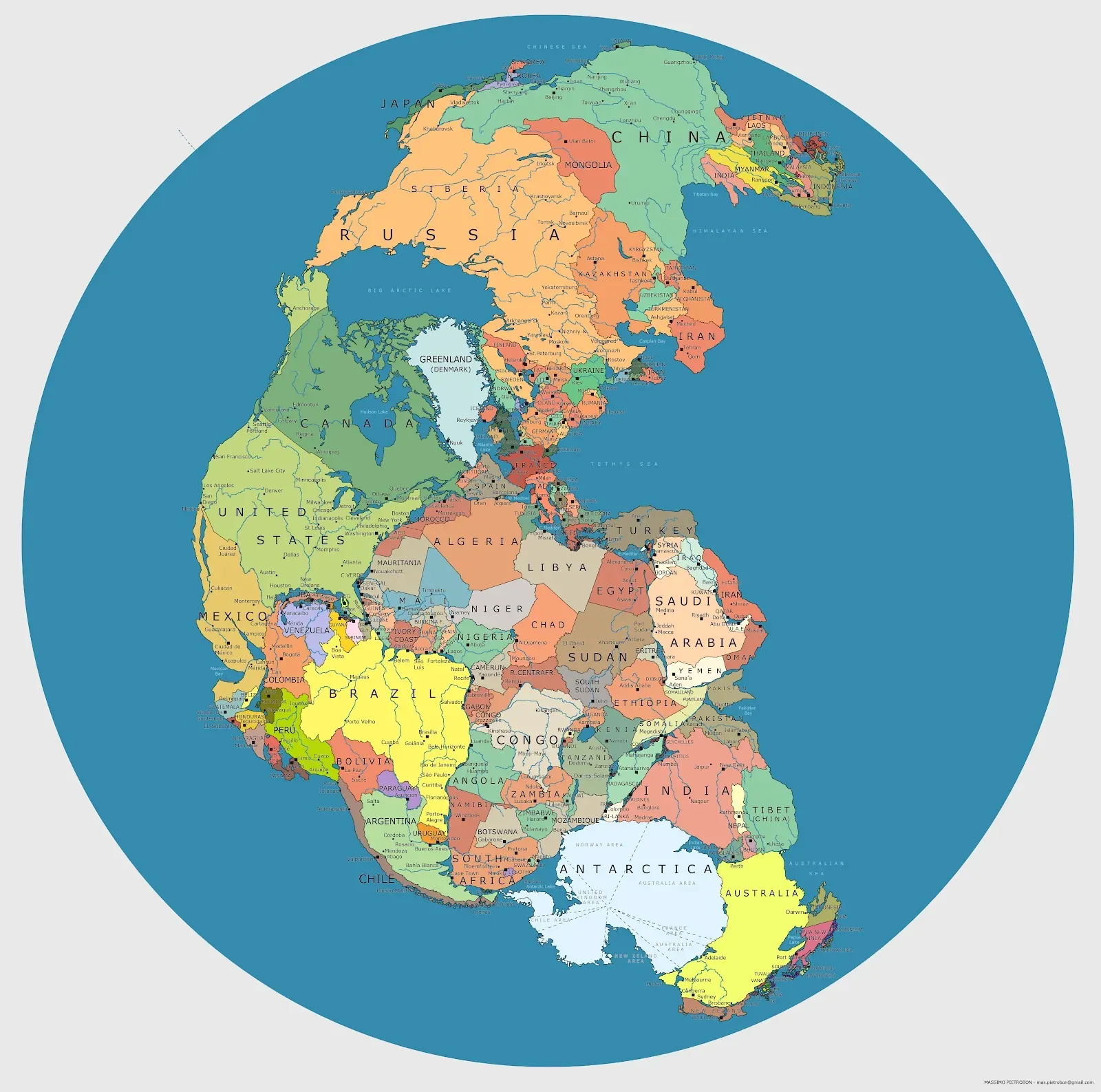
One of the proposed supercontinents, Amasia, would sit at a far higher and cooler latitude than Pangaea Ultima. According to geochemist Jessica Whiteside at the University of Southampton, if the supercontinent that straddles the north pole forms instead, then mammals probably end up continuing to dominate. So where this supercontinent lands – literally – matters enormously for whether life gets a fighting chance.
Not every scientist believes every mammal species would die. Birds survived even as all other dinosaurs perished 66 million years ago. Similarly, a subset of mammals could potentially endure in the heat, though a return to the age of reptiles would be considered more likely. Life is extraordinarily stubborn. Earth has been pushed to the edge of total biological collapse before and bounced back every single time.
Although Pangaea Ultima sounds bleak, the timescales of such tectonic upheavals mean the future presented in this study is not exactly imminent. Still, the story it tells about how intimately connected geology, climate, and biology truly are is one worth paying attention to right now, not just in 250 million years.
Conclusion: A Distant Future With a Very Present Lesson
Here’s what makes the supercontinent story so remarkable – it isn’t just a thrilling piece of deep-time science fiction. It is a mirror. Scientists from NASA’s Goddard Institute for Space Studies, the University of Lisbon, and Bangor University have leveraged NASA supercomputers to explore possible scenarios for Earth’s supercontinents and climate hundreds of millions of years into the future, and what they’ve found reveals just how fragile the balance of life on this planet actually is.
You live on a world that is always in motion. The ground beneath your feet is drifting, continents are colliding in super-slow motion, and the planet is running a geological program that has been running for over four billion years. It is crucial to understand that projections extending hundreds of millions of years into the future are inherently speculative – but the patterns science has uncovered are far too consistent to ignore.
The real takeaway isn’t fear. It’s perspective. Earth doesn’t belong to us; we belong to it. And understanding how dramatically it can change – and has changed – is one of the most humbling reminders that the planet we call home is far more dynamic, far more powerful, and far more surprising than we ever give it credit for. What would you do differently knowing the ground you’re standing on has always been – and always will be – on the move?
Hi, I’m Andrew, and I come from India. Experienced content specialist with a passion for writing. My forte includes health and wellness, Travel, Animals, and Nature. A nature nomad, I am obsessed with mountains and love high-altitude trekking. I have been on several Himalayan treks in India including the Everest Base Camp in Nepal, a profound experience.