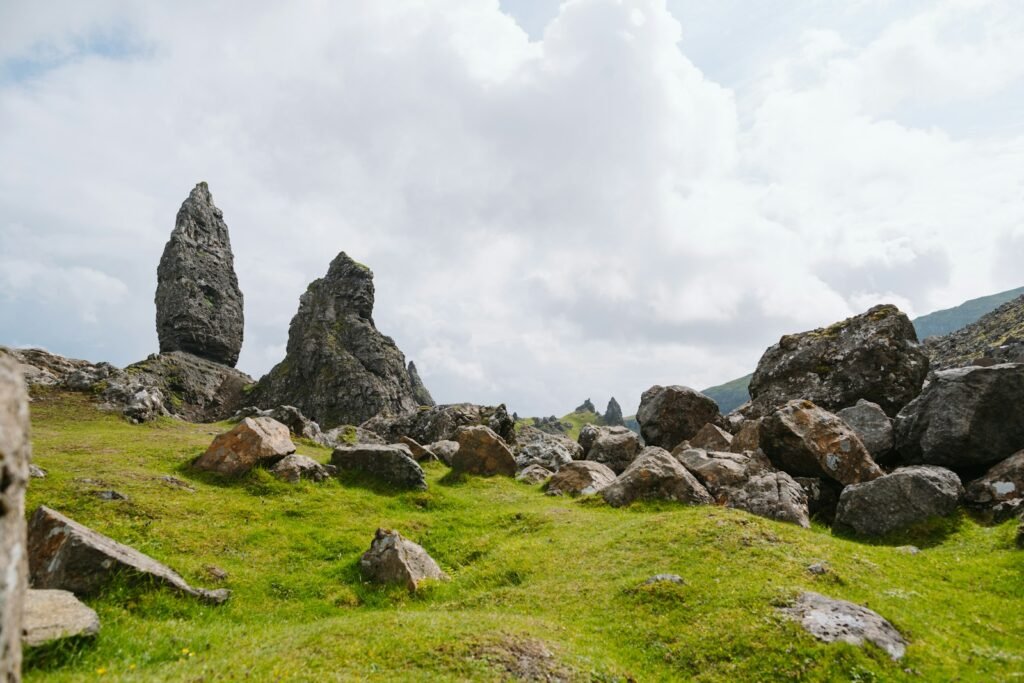

For centuries, colossal stones have loomed over windswept hills and jungle clearings, daring us to explain how and why they were raised. From Stonehenge to Göbekli Tepe, their silent presence has fueled wild theories about lost civilizations, forgotten technologies, even visitors from the stars. Now, a new wave of research is quietly rewriting the story, replacing speculation with data from lasers, isotopes, microscopic plant remains, and 3D simulations. What is emerging is not a tale of mystery solved overnight, but of human ingenuity pushed to its limits over millennia. As scientists peel back each layer of evidence, the real question becomes less “How did they do it?” and more “What were these structures doing to the people who built and used them?”
The Hidden Clues Locked in Stone
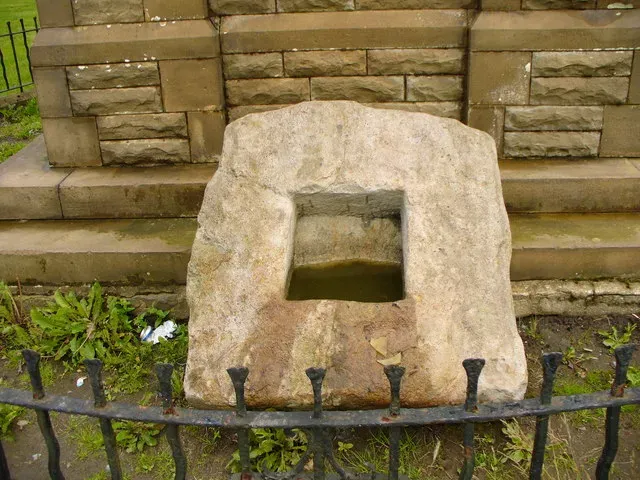
One of the most surprising twists in recent years is that the stones themselves are turning into witnesses. Under high-powered microscopes, researchers are finding chisel marks, polish lines, and quarry-specific fracture patterns that read like fingerprints. At Stonehenge, for instance, detailed petrographic analysis has linked many of the so‑called bluestones to specific outcrops in the Preseli Hills of Wales, revealing long-distance transport routes that once seemed implausible. Similar work in the Levant and Anatolia has tied giant pillars and slabs back to their bedrock origins, narrowing down where ancient quarry workers stood, where they cut, and how they may have levered blocks free. These are not just rocks anymore; they are crime-scene evidence frozen in place.
Geochemical signatures add another layer, helping to distinguish stones that look identical to the naked eye. Minute differences in trace elements and isotopes let scientists match scattered monoliths to lost quarries that are now buried under soil or modern development. This kind of forensic geology has overturned old assumptions that builders always used the closest available stone; in some cases, they clearly went out of their way for specific materials. That choice hints at meaning: maybe certain rocks had mythic value, acoustic properties, or visual effects that mattered more than convenience. Every new match between a standing stone and a distant quarry tightens the web of connections linking landscapes, people, and ritual.
From Ancient Tools to Modern Science
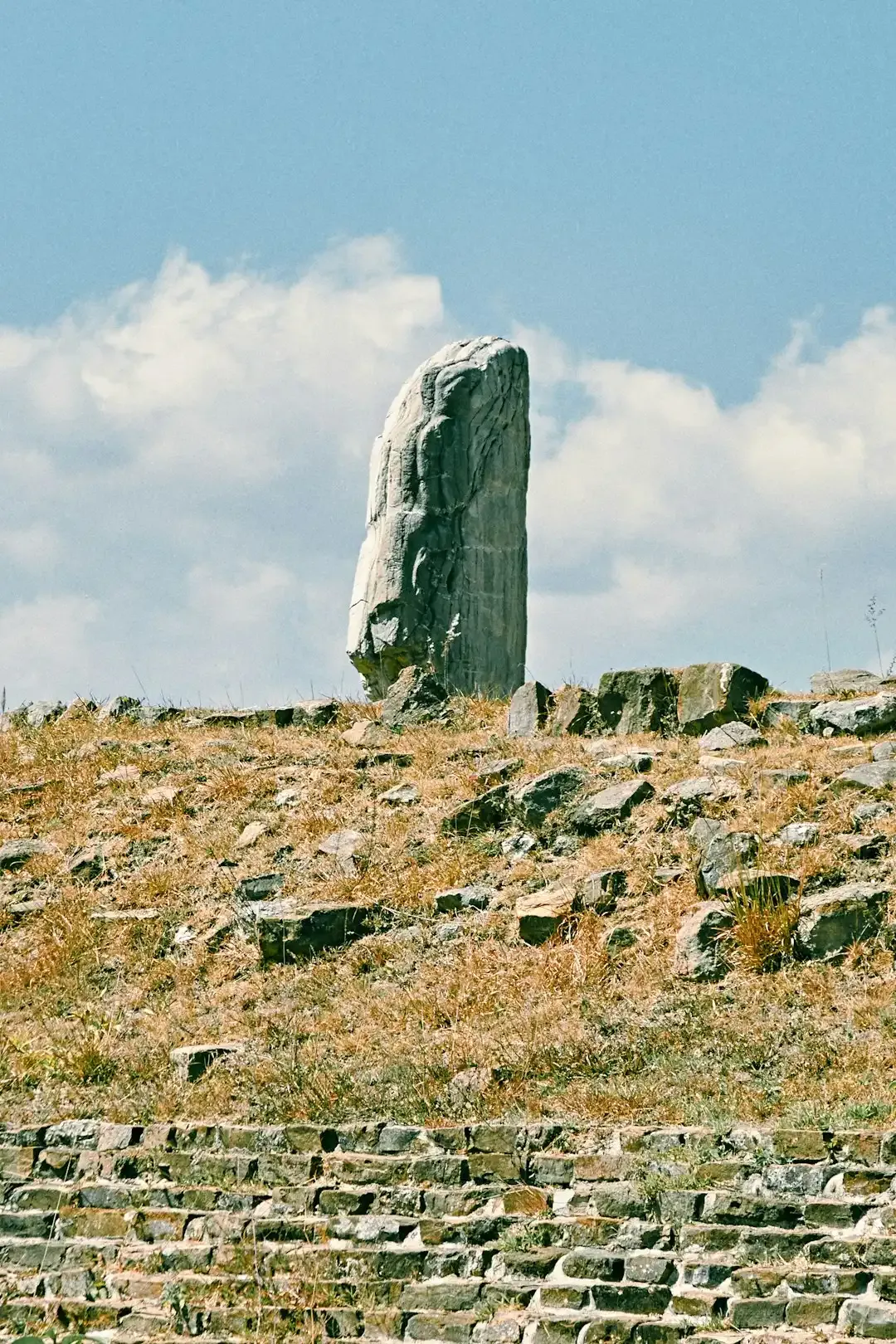
For a long time, it was fashionable to assume that megalithic structures required lost technologies beyond ropes, rollers, and levers. Modern experiments are taking a sledgehammer to that idea. Teams of archaeologists, engineers, and volunteers have repeatedly shown that with enough people, wood, and know‑how, multi-ton stones can be moved kilometers across rough ground. At one test site, researchers used sledges greased with water and plant fibers to drag large blocks along earthen tracks, measuring exactly how many people and how much force were needed. The results are surprisingly modest, suggesting that coordinated communities – not secret machines – powered most of these monuments.
Advanced tools are, however, revolutionizing how we see the finished sites. Laser scanning, or LiDAR, can strip away vegetation and modern clutter, revealing hidden stone circles, avenues, and outlying markers aligned with the main monuments. Ground-penetrating radar maps what lies beneath the surface without a single shovel hitting dirt, exposing buried stones, ditches, and postholes that complete the architectural picture. In some cases, computer models are used to simulate how structures might have been assembled step by step, testing whether proposed methods could actually work. These digital reconstructions are turning archaeological guesswork into testable engineering problems, making the ancient builders feel less mythical and more impressively human.
Celestial Alignments and the Architecture of Time
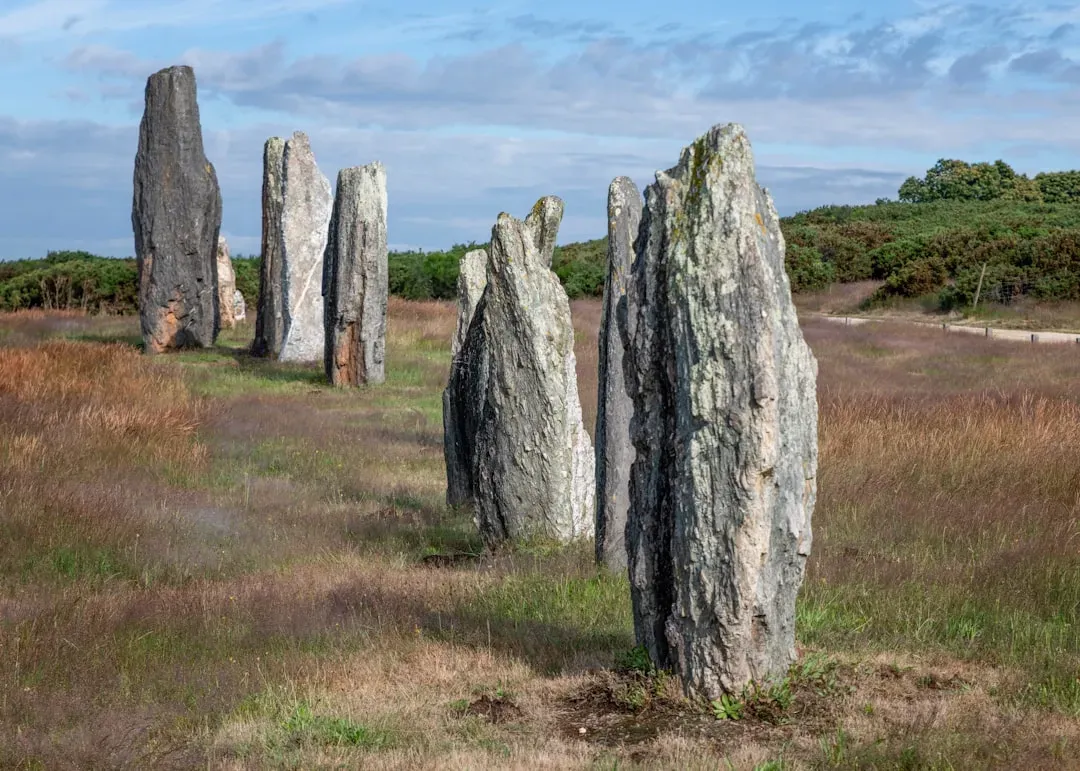
Many of the most famous megalithic sites are now understood as precision instruments for watching the sky. This is not a new idea, but modern measurements are exposing just how exact some of these alignments really are. At sites in Britain, Ireland, and continental Europe, lines drawn between stones, entrances, and sightlines often lock onto sunrise or sunset at the solstices or equinoxes with striking accuracy. In other regions, such as the Andes or Southeast Asia, alignments may track the rising of particular stars or the movement of the Moon over long cycles. Far from random, these stone arrangements appear to have been tuned to the rhythms of the heavens like the gears of a vast, open-air clock.
Archaeoastronomers, who study this intersection of architecture and sky, now combine field surveys with planetarium software that can roll the heavens back thousands of years. This lets them see what the builders actually saw, correcting for changes in Earth’s tilt and the slow drift of the stars. When a doorway channels first light on the longest day of the year – or when a carved pillar aligns with a once-prominent star – it suggests that these structures embodied calendars, agricultural guides, and ritual theaters in one. The sky was not a backdrop for these monuments; it was a partner in their design, turning cold stone into living markers of time and season.
Buried Lives: Human Stories Behind the Megaliths
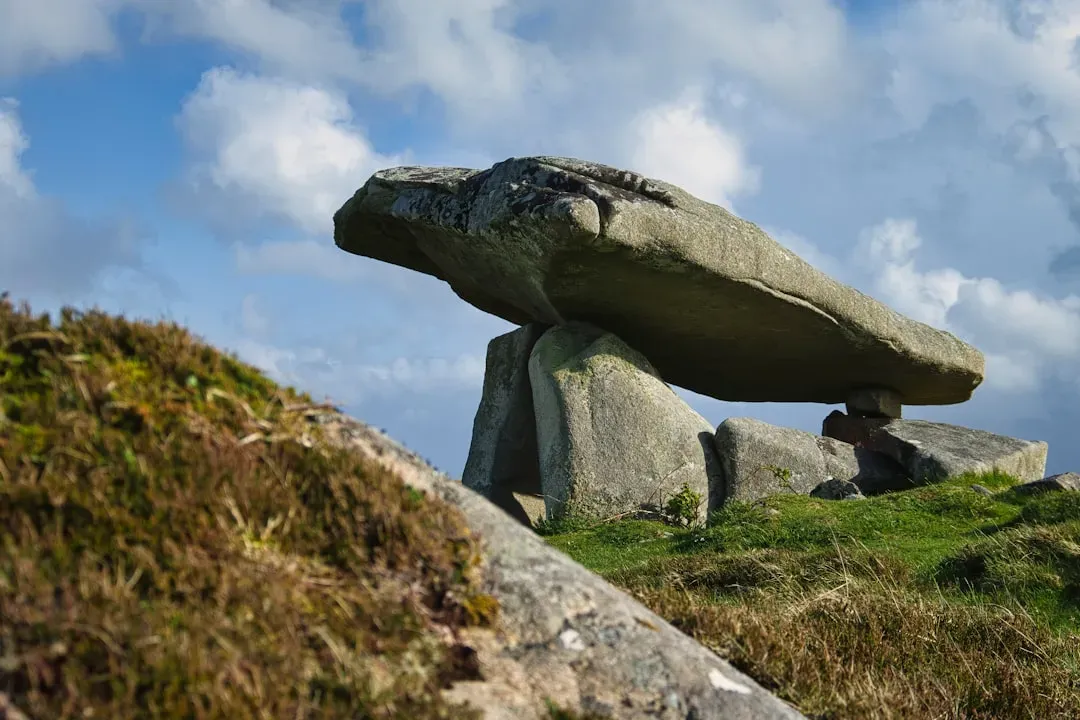
Behind every stone raised into the sky are human bodies, both living and dead. Recent excavations and DNA studies at megalithic tombs and related settlements are exposing the social lives of the people who built them. In some chambered tombs, skeletons show signs of healed injuries, nutritional stress, and shared disease patterns, hinting at tight-knit communities weathering hard times together. Ancient DNA, when it survives, can map out kinship networks, revealing who was buried next to whom and whether elite lineages dominated these resting places. Radiocarbon dating layers these stories with a timeline, showing that many monuments were used and modified for generations, not just a single ceremonial moment.
Bioarchaeologists are reading even more detailed biographies from bones and teeth. Chemical signatures in tooth enamel can reveal where individuals grew up, showing patterns of mobility and marriage across distant regions. Joint wear and muscle attachment marks can sketch out daily labor, from heavy lifting to repetitive tool use. Together, these data suggest that building megaliths was as much about shaping communities as shaping stone. Whether used for funeral rites, seasonal gatherings, or oath-taking ceremonies, the structures seem to have anchored social memory, turning landscapes into shared history books made of rock and earth.
Challenging Myths Without Killing the Mystery
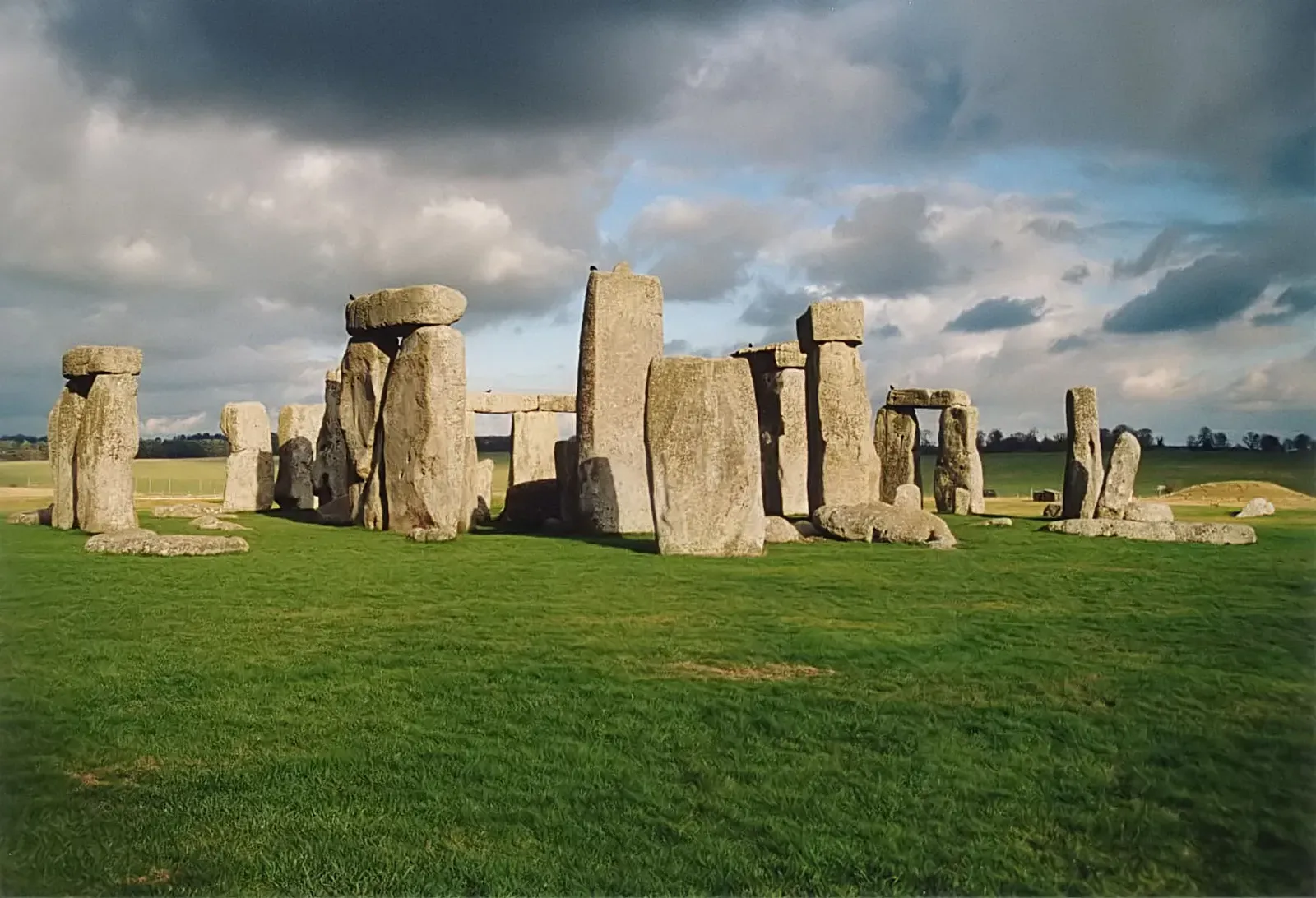
As more data pour in, some popular myths about megalithic structures are quietly collapsing. There is no credible evidence that they required advanced metal cranes, anti-gravity tricks, or knowledge imported wholesale from distant, vanished super-civilizations. Instead, what we see again and again is patient, cumulative knowledge: small-scale experiments refined over generations until communities could reliably move bigger stones, span wider spaces, and align structures with increasing precision. That might sound less spectacular than exotic theories, but in many ways it is more impressive, because it shows what ordinary humans can do with limited tools and enormous determination.
Still, serious science does not drain these places of wonder. Uncertainties remain around exact rituals, specific myths, and the full symbolic meaning of many carvings and layouts. Instrument readings cannot tell us what songs were sung in the echoing spaces between pillars or what stories parents told their children when the solstice sun lit up a darkened chamber. The real shift is that the mystery is moving from “How could they possibly do this?” to “What did it feel like to live in a world where raising stone into the sky was worth decades of work?” That is a more human question, and it invites us to imagine ancient lives with empathy rather than condescension.
Why It Matters: The Analysis Behind the Awe
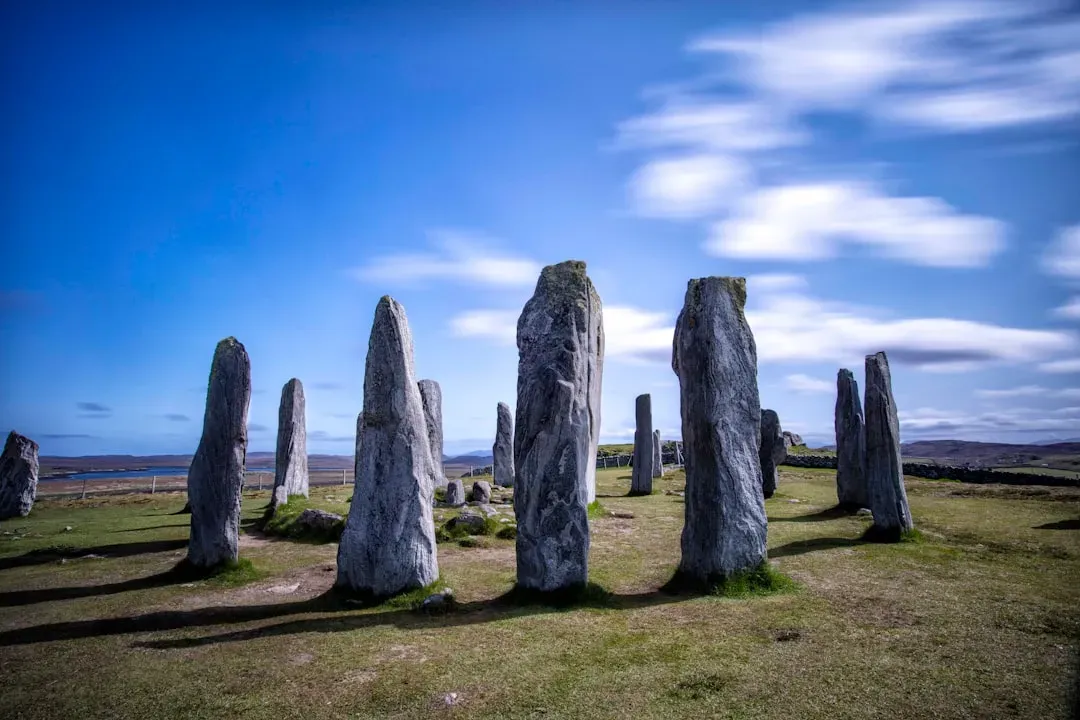
Understanding megalithic structures is not just about solving a historical puzzle; it is a test of how we think about human capability. When we default to explanations involving lost technologies or outside intervention, we are underestimating ancient people and, in a way, ourselves. The growing body of evidence shows that with organization, shared purpose, and time, communities can transform landscapes in ways that echo for thousands of years. These projects required not only engineering, but also negotiation, leadership, and conflict resolution – social technologies that are just as sophisticated as pulleys and levers. Studying them forces archaeologists, engineers, and social scientists to collaborate, breaking down silos between disciplines that are often treated as separate worlds.
There is also a sobering modern parallel. Today we debate whether societies can coordinate action on climate change, infrastructure, and long-term planning that stretches beyond election cycles. Megalithic builders, in their own way, cracked that problem: they invested in projects whose payoff was symbolic, seasonal, and generational, not immediate. By reverse‑engineering how they organized labor, managed resources, and maintained shared beliefs, researchers gain insight into what holds large groups together – or pulls them apart. In that sense, every newly mapped stone circle or reanalyzed tomb is not just a window into the distant past, but a mirror held up to our own fractured, hurried age.
Global Perspectives: A World of Stones and Stories
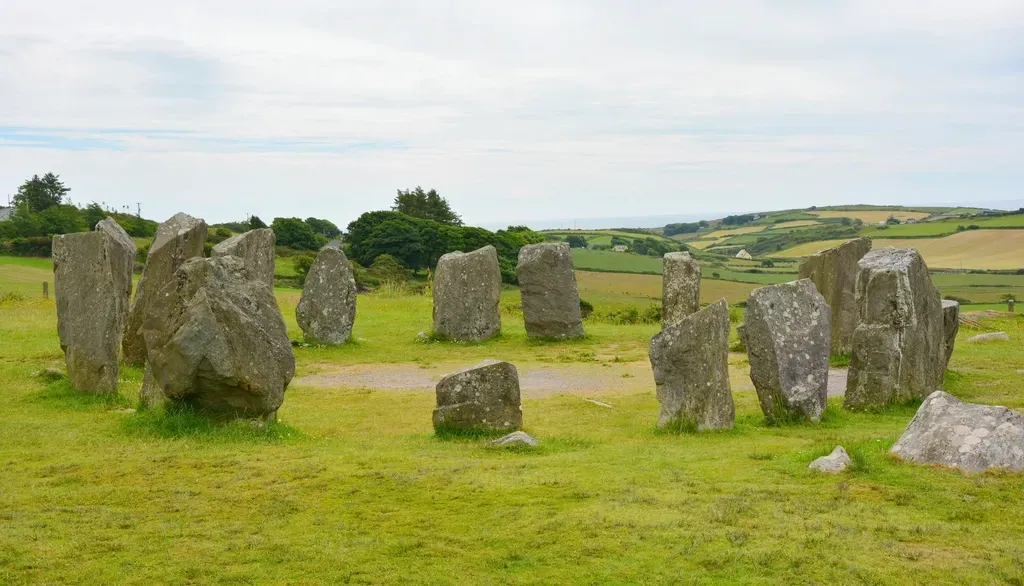
It is tempting to think of megaliths only in terms of a few famous sites, but the story is far more global and diverse. From the standing stones of Western Europe to massive ceremonial platforms in the Pacific, from African stone circles to megalithic complexes in Asia and the Americas, researchers are documenting patterns and differences that defy simple explanations. In some regions, stone structures cluster along trade routes, suggesting that they doubled as territorial markers and meeting grounds. In others, they appear in marginal lands, perhaps staking spiritual claims in places that were risky or liminal. The variety of forms – circles, rows, dolmens, terraces, pyramids – underscores that there was no single “megalithic culture,” but many local traditions converging on stone as a durable medium.
Modern techniques are evening the playing field for less famous sites. Satellite imagery and airborne LiDAR have uncovered hidden features beneath forests and fields in places that had barely been surveyed before. As these new data are integrated, long-standing Eurocentric narratives about where monument building “began” are giving way to a more complex picture of multiple centers of innovation. Researchers are careful to avoid drawing overly neat lines between distant cultures based only on superficial similarities – parallel solutions can arise independently. Yet the global spread of big-stone architecture still raises a tantalizing possibility: that across vast distances and different environments, people kept reaching for stone as a way to talk to gods, ancestors, and each other in a language meant to outlast them.
The Future Landscape: New Tech, New Questions

The next decade of megalith research is likely to be driven as much by algorithms as by trowels. High-resolution 3D models, created from drone photography and laser scans, are already being fed into software that can test structural stability, acoustic behavior, and visibility lines in ways no field notebook ever could. Some teams are using machine learning to spot patterns in site layouts, carvings, and alignments that human eyes might miss, flagging subtle regularities across hundreds of monuments. Non-invasive techniques, such as improved ground-penetrating radar and portable geochemical sensors, will allow researchers to peer beneath and inside stones and soils with minimal disturbance. That, in turn, could unlock data at sites that are too fragile or sacred for full excavation.
At the same time, there are ethical and practical challenges on the horizon. Many megalithic sites are under pressure from tourism, development, and climate-related erosion, forcing hard choices about what to preserve, what to stabilize, and what might inevitably be lost. Collaborations with descendant communities and local stakeholders are becoming central, reshaping research priorities and questions. Rather than treating these monuments purely as scientific objects, more teams are acknowledging them as living places woven into ongoing cultural identities. Future breakthroughs may come not only from sharper instruments and bigger datasets, but from listening more closely to the stories, taboos, and values that surround these stones today.
How You Can Engage With the World’s Ancient Giants
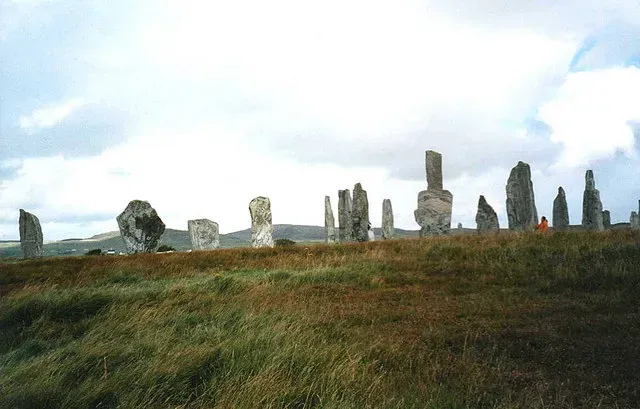
You do not need a PhD or a field permit to be part of this unfolding story. Thoughtful visitors play a crucial role in keeping megalithic sites intact for future research and future generations. When you stand before a stone circle or walk along a massive platform, small choices matter: staying on marked paths, avoiding touching or climbing on stones, and respecting local guidelines all reduce wear and tear. Many sites now offer on‑site or online interpretation that reflects current research rather than outdated legends, and taking the time to read or listen can turn a casual visit into a deeper encounter. Even choosing less-crowded times or lesser-known sites can help ease pressure on the most fragile monuments.
Beyond travel, there are other ways to get involved. Public archaeology projects, citizen science platforms, and local historical societies often welcome volunteers to help with surveys, digital mapping, or archival research. Supporting organizations that fund site preservation, especially those working in under-resourced regions, amplifies the impact of ongoing science. You can also stay curious: follow new findings from reputable institutions, question sensational claims that dismiss human ingenuity, and share more grounded stories with friends and family. The next time you see an image of a solitary stone against a dramatic sky, you will know it is not just a relic of a mysterious past, but a testament to human creativity still being decoded, one careful measurement at a time.
Suhail Ahmed is a passionate digital professional and nature enthusiast with over 8 years of experience in content strategy, SEO, web development, and digital operations. Alongside his freelance journey, Suhail actively contributes to nature and wildlife platforms like Discover Wildlife, where he channels his curiosity for the planet into engaging, educational storytelling.
With a strong background in managing digital ecosystems — from ecommerce stores and WordPress websites to social media and automation — Suhail merges technical precision with creative insight. His content reflects a rare balance: SEO-friendly yet deeply human, data-informed yet emotionally resonant.
Driven by a love for discovery and storytelling, Suhail believes in using digital platforms to amplify causes that matter — especially those protecting Earth’s biodiversity and inspiring sustainable living. Whether he’s managing online projects or crafting wildlife content, his goal remains the same: to inform, inspire, and leave a positive digital footprint.