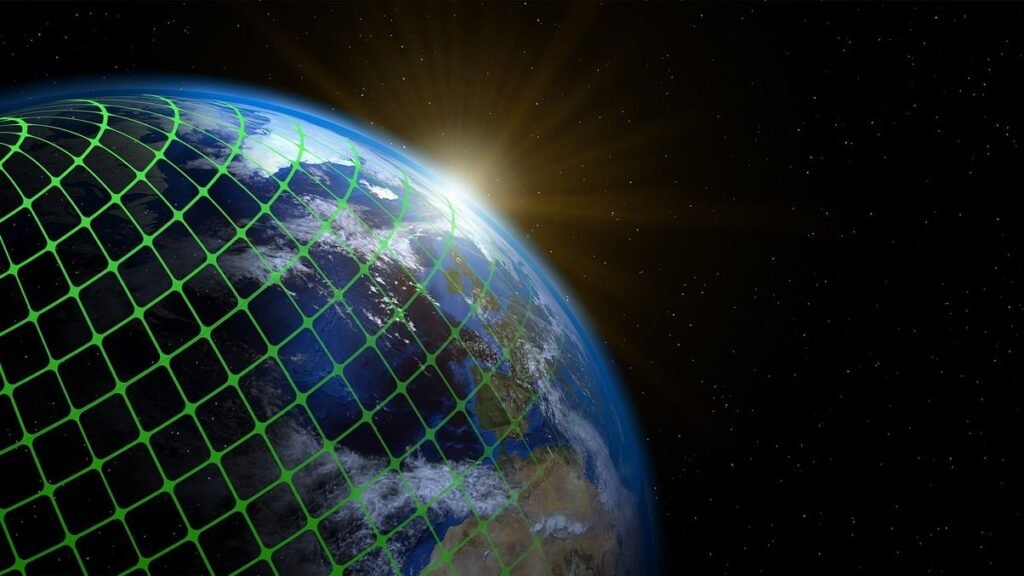

Imagine waking up to a headline saying that Earth itself might be a cosmic construction project, carefully “tuned” by an older civilization. It sounds like the plot of a late-night sci‑fi movie, but a small group of serious scientists and technologists has been asking a provocative question: what if our planet shows signs of intentional design, not just random evolution?
This doesn’t mean mainstream science suddenly believes aliens planted trees and oceans here. It does mean that ideas once dismissed as pure fantasy are being reframed in more technical, testable ways. Between new exoplanet discoveries, advances in astrobiology, and mind-bending theories about civilization-scale engineering, a growing number of researchers are at least willing to say: let’s check. And that simple shift – from laughing it off to running the numbers – changes everything.
The Wild Idea: Could Earth Be a Deliberate Project?
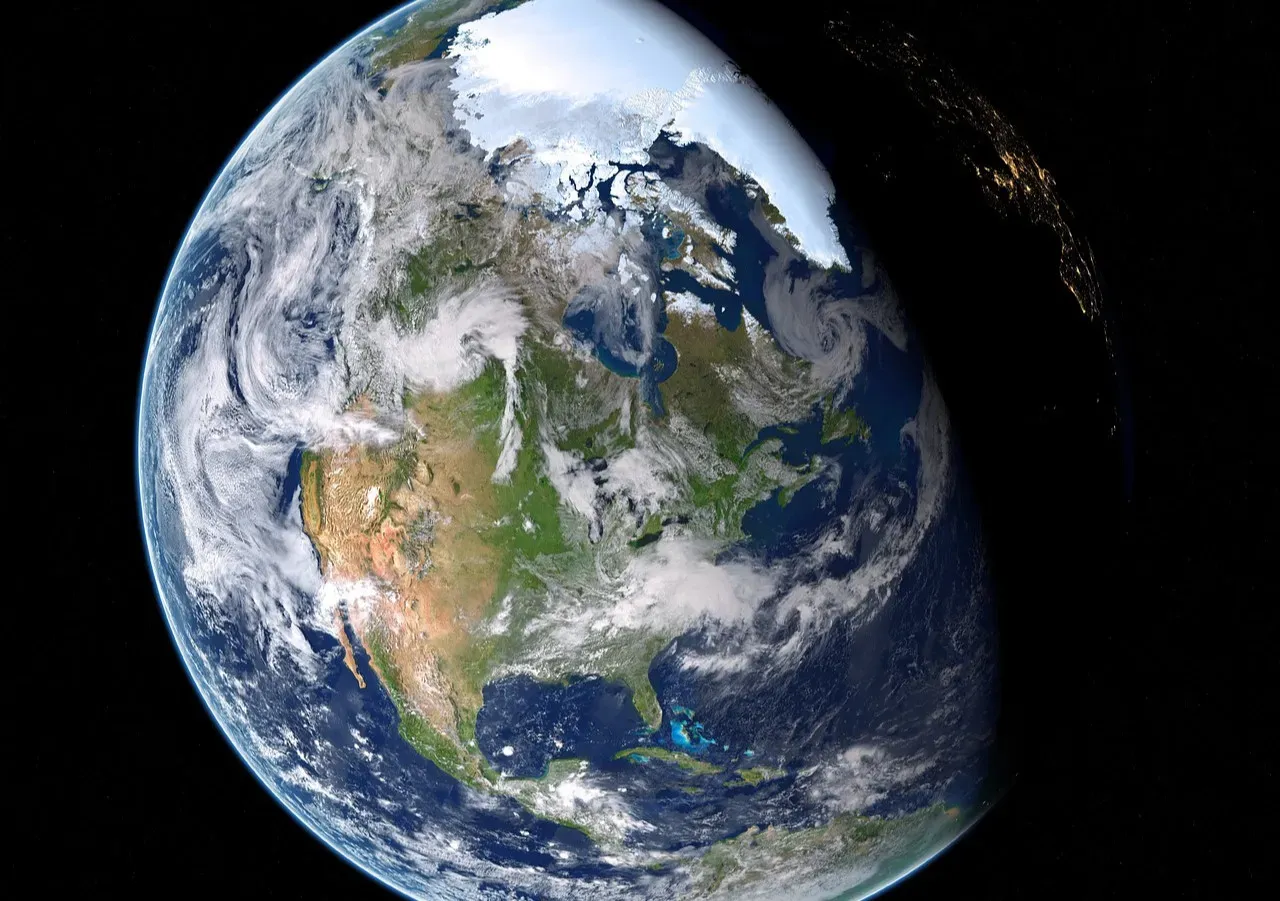
Here’s the core of the claim: some scientists and philosophers have floated the possibility that Earth’s habitability is not just a lucky roll of the cosmic dice, but the result of intentional planetary engineering by a far older civilization. In other words, terraforming – but done billions of years ago, at a scale and subtlety that would make it almost indistinguishable from nature. Instead of obvious alien megastructures, the “fingerprints” would be baked into geology, chemistry, and biology itself.
This line of thought sits at the extreme edge of what’s sometimes called “physical eschatology” and “cosmic engineering,” fields that study long‑term futures and large‑scale manipulation of the universe. A few theorists have argued that if civilizations survive long enough, they might alter stars, rewrite planetary atmospheres, or even seed entire galaxies with life. From that perspective, asking whether Earth might be an old side project of such a civilization is less of a joke and more of a strange but logically consistent question. It’s unsettling, because it flips the script: maybe we’re not the first intelligent hands to touch this planet.
Fine-Tuned for Life – Or Carefully Tuned by Someone?

One of the big motivations behind the terraforming idea is the eerie way Earth seems to sit in several “just right” zones at once. We orbit in the star’s habitable zone, have a relatively stable climate, a big stabilizing moon, a protective magnetic field, liquid water on the surface, and a chemical mix that’s weirdly friendly to complex life. In astrophysics, these factors are usually treated as a rare but natural alignment of conditions, a cosmic lottery win that just happened to land in our favor.
Terraforming advocates ask a more pointed question: what if this isn’t just luck? They point to the concept of planetary “fine‑tuning,” arguing that if we someday learn to engineer planets ourselves – altering atmospheres, redirecting asteroids to deliver volatiles, controlling greenhouse gases – then we might recognize signatures of similar work in our own backyard. It’s like walking into a forest and noticing perfectly straight rows of trees: you can still argue it’s natural, but at some point the pattern itself begs for another explanation.
Alien Terraforming: From Sci-Fi Daydream to Testable Hypothesis
Terraforming has been a staple of science fiction for decades, especially in stories about making Mars, Venus, or rogue planets habitable. What’s changed in recent years is that serious research has started to quantify how such engineering might really work: how much CO₂ you’d need to release to warm Mars, how energy‑intensive it would be to thicken an atmosphere, or how long it would take for engineered microbes to reshape a biosphere. These studies, while focused on our future capabilities, accidentally give us a playbook for what alien terraforming might look like in the fossil record.
Some researchers have suggested turning those models backward: instead of just asking “how could we terraform Mars?”, they ask “if someone terraformed Earth eons ago, what lingering traces would we expect?” That means looking for odd chemical ratios, highly improbable coincidences in evolutionary timing, or geophysical features that make more sense as outcomes of design than of chance. None of this is proof, of course, but the key shift is methodological: the idea moves from barstool speculation into the realm of falsifiable, or at least constrainable, hypotheses.
Searching for Technosignatures in Earth’s Deep Past
Astrobiologists have already embraced the hunt for biosignatures – signs of life in the atmospheres of exoplanets, like oxygen paired with methane in non‑equilibrium amounts. The more speculative branch of this work focuses on technosignatures: evidence of technology, such as unnatural light patterns, waste heat from massive structures, or odd radio emissions. The alien terraforming question adds a new twist: are there technosignatures hiding in our own geological history?
Some thinkers have pushed the idea of a “Silurian hypothesis,” which asks whether a prior industrial civilization on Earth – human or not – could have left detectable traces after tens or hundreds of millions of years. Extend that logic to alien terraforming, and you look for things like abrupt, non‑impact‑related shifts in atmospheric composition, strangely timed mineral deposits, or global-scale changes that don’t line up neatly with known natural drivers. So far, nothing in the data screams artificial origin, but the mere act of systematically checking forces geology, climate science, and astrobiology into a fascinating collaboration.
Natural Evolution vs. Cosmic Design: What Mainstream Science Says
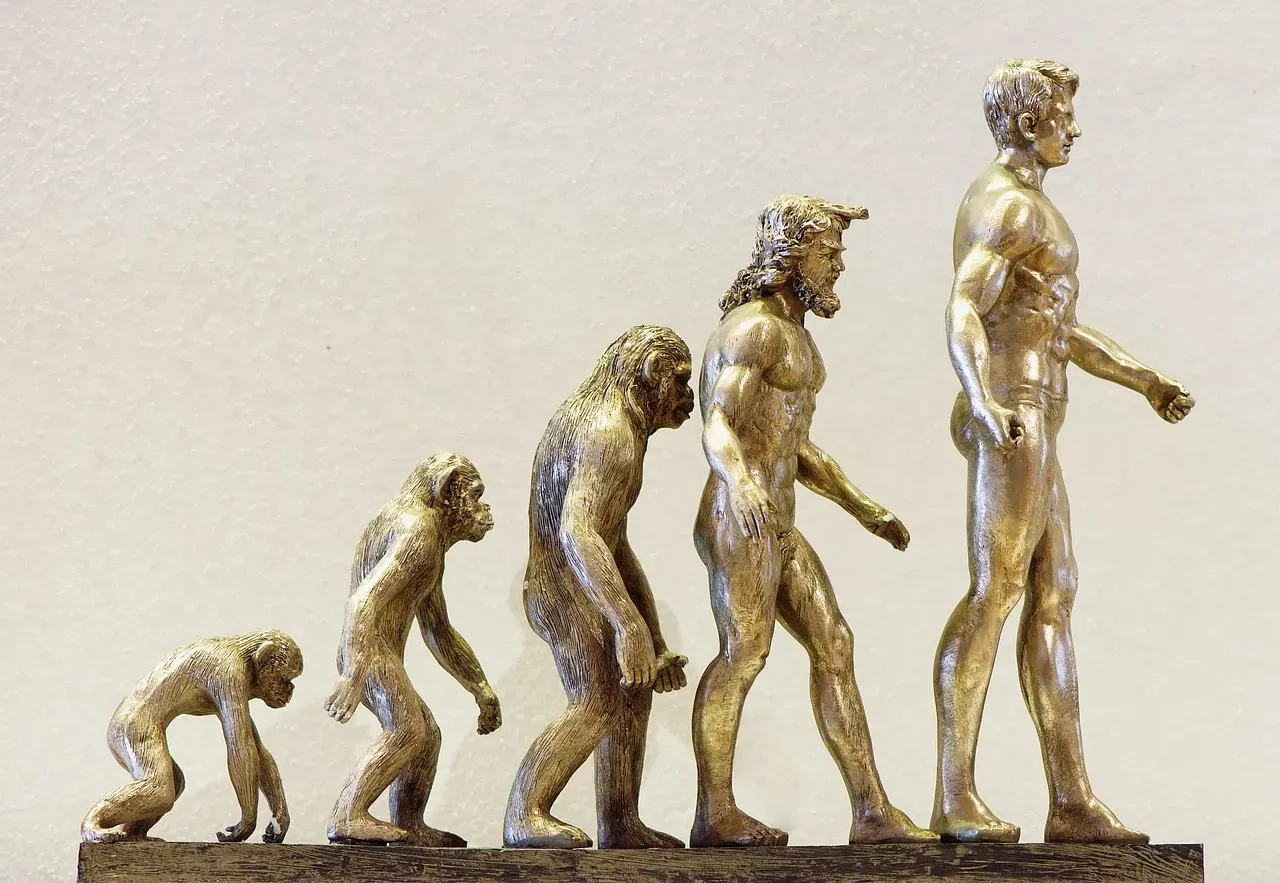
Mainstream scientists are, unsurprisingly, very cautious about any claim that leans toward intelligent design, especially when it touches biology or planetary history. The consensus view remains that Earth’s habitability is the outcome of natural processes filtered through enormous timescales and anthropic reasoning: we notice the conditions are good because, in bad conditions, we would not be here to notice anything at all. Evolution by natural selection, planetary formation models, and climate feedback theory together explain a huge amount without needing any external engineer.
From that standpoint, alien terraforming is considered an extraordinary claim that would require extraordinary evidence, not just a string of coincidences. Skeptical researchers point out that humans are pattern‑seeking by nature; we’re quick to interpret alignment and balance as intentional even when randomness can produce similar outcomes. To them, the danger is that once you start entertaining cosmic gardeners, you risk explaining away genuine scientific puzzles with a hand‑wavy “because aliens” instead of digging deeper into physics, chemistry, and geology. Yet even some skeptics admit that ruling the idea out a priori, without ever checking, would be unscientific in its own way.
The Simulation and Seeded-Life Angles: Are We a Nested Experiment?
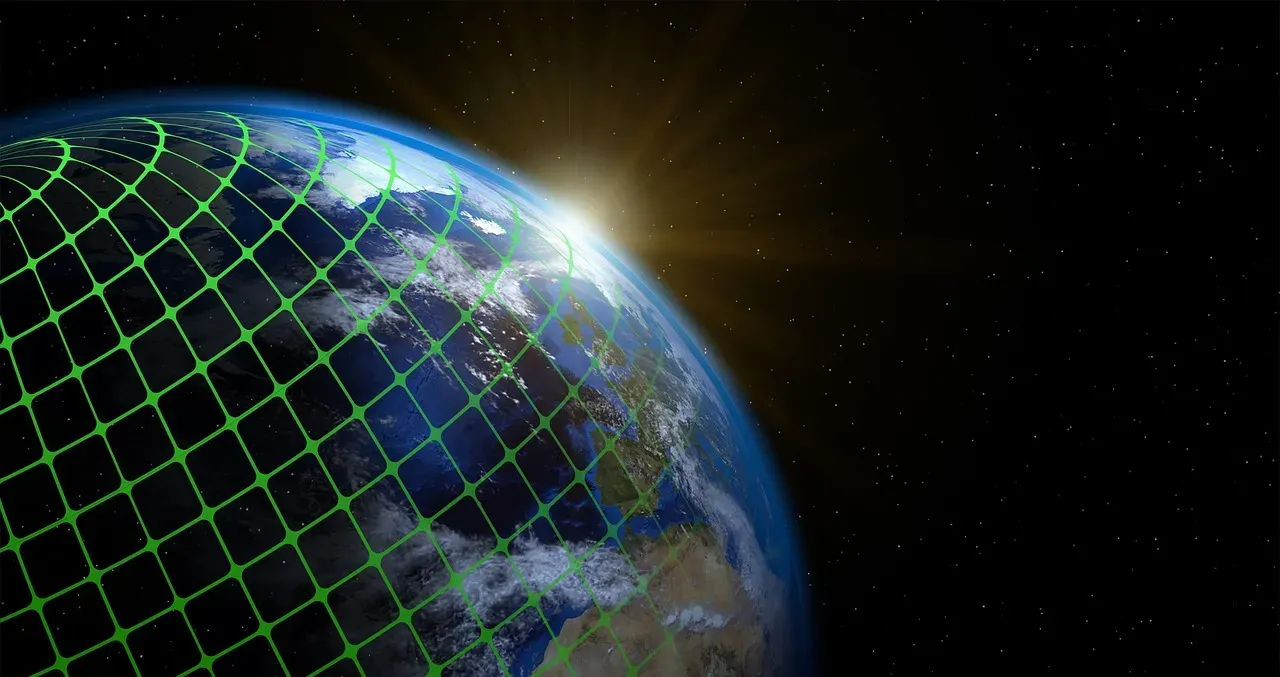
Alongside terraforming, two other radical ideas often enter the conversation: seeded life and simulation. Panspermia – in both natural and directed forms – suggests that life on Earth may have been seeded from elsewhere, either by drifting microbes on rocks or by intentional delivery from an advanced civilization. In this view, the planet itself could be mostly natural, but the initial conditions for life were nudged, like dropping starter yeast into an otherwise ordinary batch of dough.
Then there is the simulation argument: the possibility that what we perceive as a physical universe is actually a computational construct run by an ultra‑advanced civilization. In a simulated cosmos, “terraforming” could be as simple as changing parameters in a model. While this idea is philosophically and technically controversial, it offers a radical reframe: maybe we are asking the wrong question when we separate natural and artificial, because in a simulated reality the two blend together. For many people, that’s both thrilling and deeply disorienting, like realizing the rules of the game might themselves be adjustable settings.
Why These Ideas Won’t Go Away (And Why They Matter Anyway)
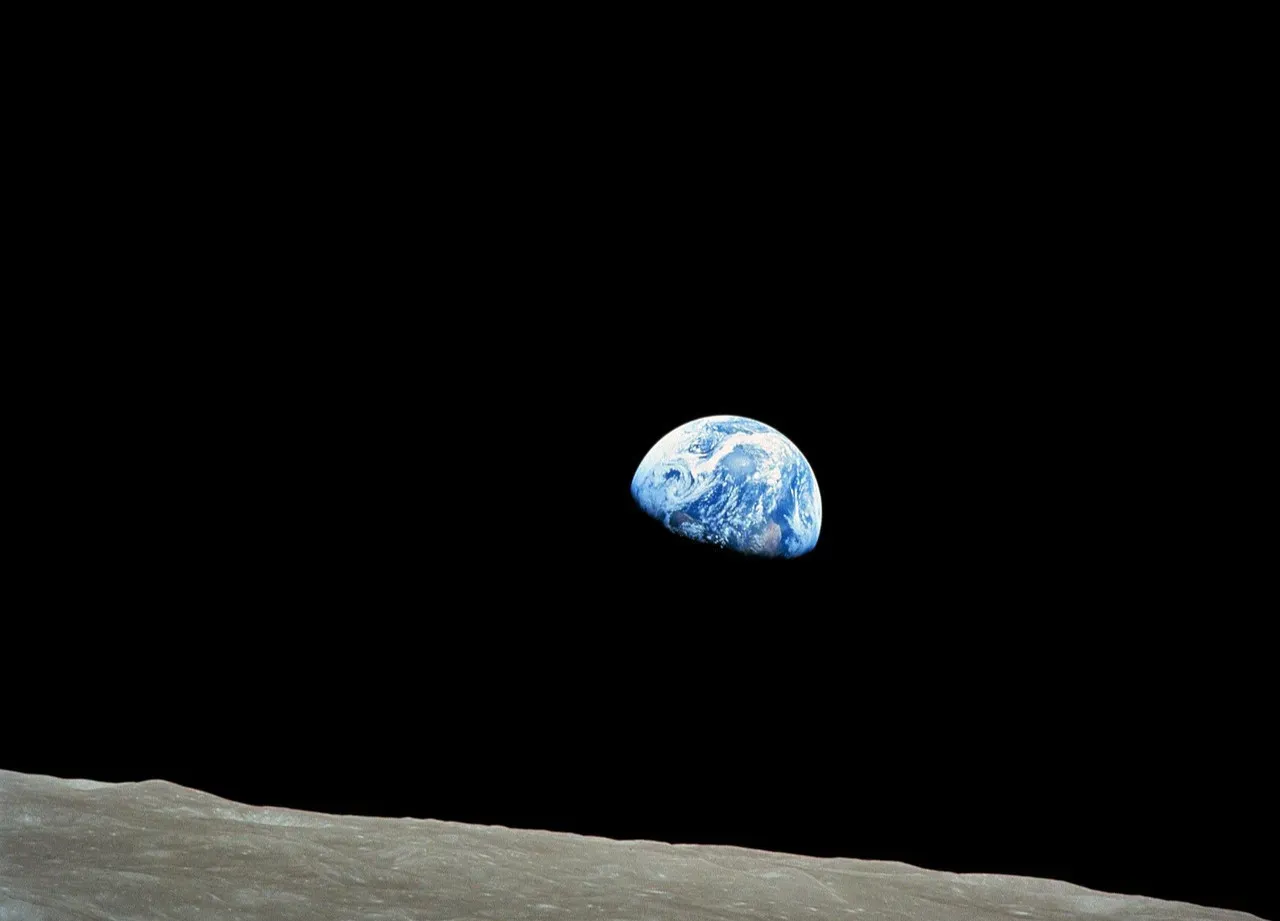
Even if alien terraforming turns out to be completely wrong, the questions it raises are strangely useful. Thinking through how you might detect artificial planetary engineering forces scientists to sharpen their tools for studying exoplanets, climate feedbacks, and biosignatures. It pushes us to ask what “normal” looks like on a cosmic scale, so that genuine anomalies – natural or not – stand out more clearly. In a way, the hypothesis acts like a stress test for our understanding of how planets and life co‑evolve.
On a more personal level, there’s an emotional charge to all of this that’s hard to ignore. The idea that Earth could be a crafted world pokes at deep questions about purpose, responsibility, and our place in the universe. When I first read some of these papers, I didn’t suddenly start believing in alien gardeners – but I did feel the floor tilt a little under my feet. Whether we are alone on a lucky rock or late arrivals in a very old, very large cosmic project, the stakes are the same: what we do with this world, right now, still matters more than any origin story.