
There is a quietly shocking idea emerging from modern neuroscience: the end of consciousness might not be a slow fade to black, but a sharply timed neurological event. Not just a vague moment when “the lights go out,” but a measurable shift in brain activity that marks the final instant when subjective experience is still happening. It sounds almost sci‑fi, yet it is grounded in real operating rooms, EEG traces, and patients hovering at the edge of anesthesia or even death.
What makes this even more gripping is what appears to happen right before that cutoff: brief surges of highly organized brain activity, strange patterns that look less like shutdown and more like an intense last burst. Are these patterns connected to the final fragments of awareness, or are they just the nervous system’s last mechanical twitches? Scientists are not all in agreement, but the clues they are uncovering are starting to narrow down both the timing and the texture of our final conscious moments.
The Race To Pinpoint the “Off Switch” of Consciousness

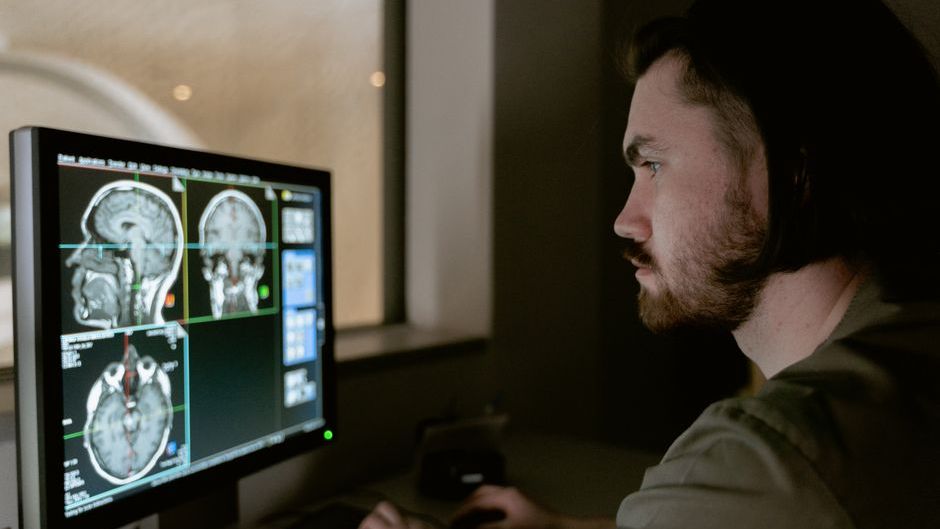
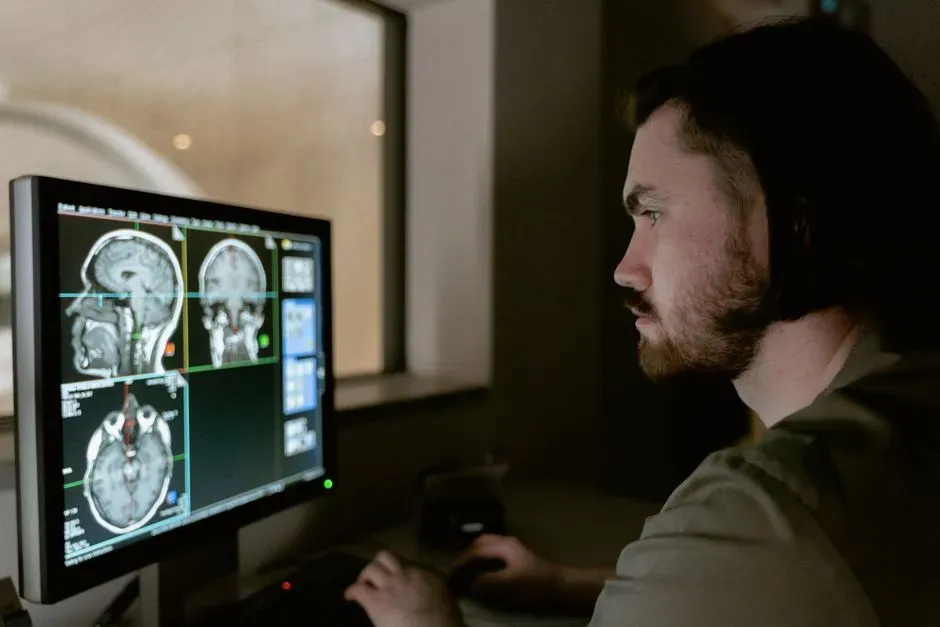
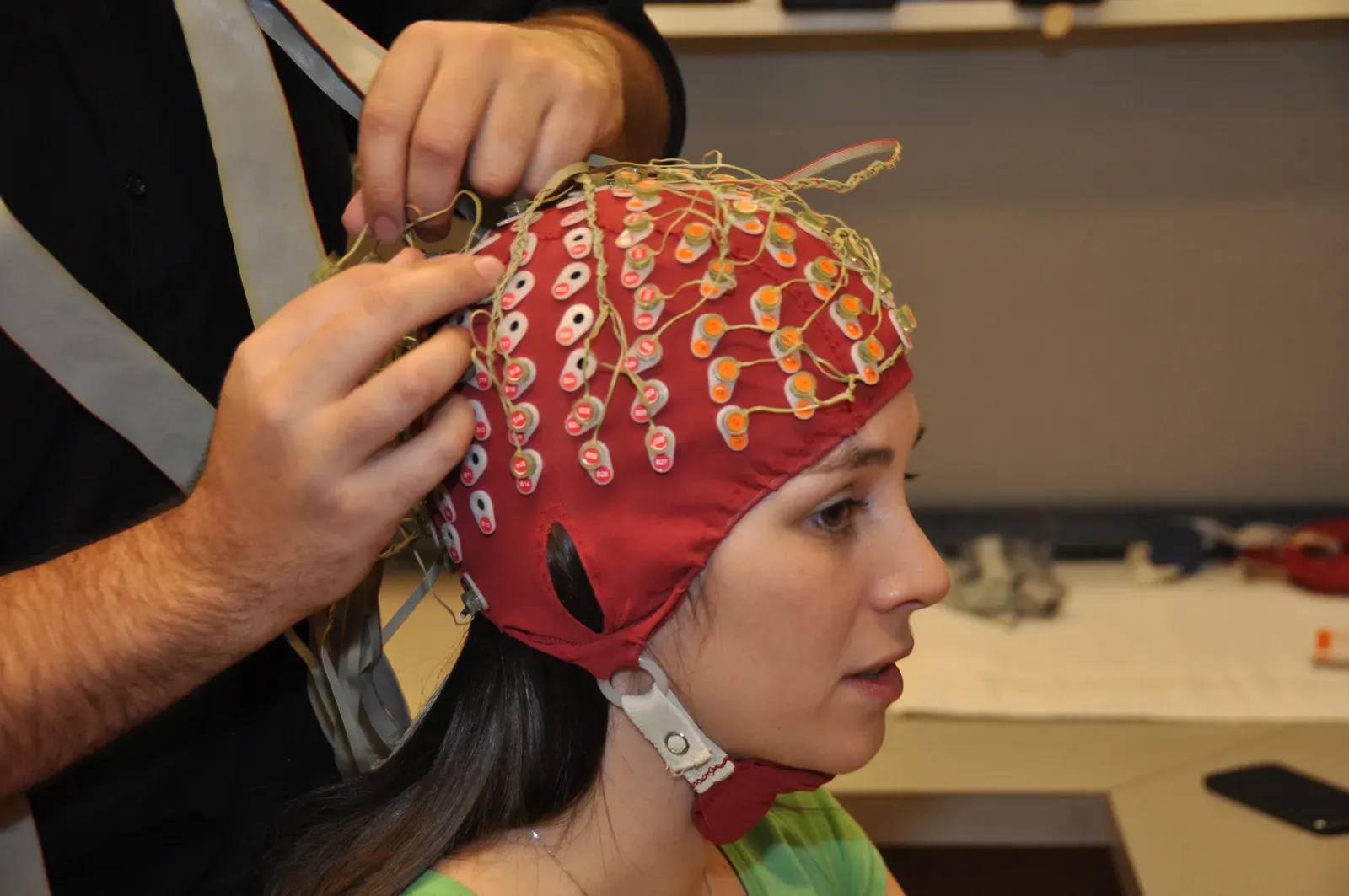
For decades, consciousness was treated as something too slippery to measure precisely, more philosophy than lab science. That has changed. Today, researchers hook people up to sophisticated EEG, fMRI, and intracranial electrodes while they fall asleep, go under anesthesia, or emerge from coma, watching for the exact point when subjective reports of experience vanish. Instead of asking abstractly what consciousness is, they are asking a simpler, more testable question: when, in the brain’s electrical story, does it disappear?
This race is not just academic curiosity. Anesthesiologists desperately want a reliable signal that says a patient is truly unconscious and cannot feel the surgeon’s scalpel. Intensive care teams want a clearer line between potentially recoverable awareness and irreversible loss. The emerging picture suggests there really is a narrow neurological window – sometimes measured in seconds – where the brain flips from supporting experience to something more like a complex but empty machine. That idea is unsettling, but also strangely reassuring, because it hints at a concrete biological basis for one of the deepest mysteries we have.
What Happens Right Before We “Black Out”? The Strange Pre‑Shutdown Burst
One of the most surprising findings from recent research is that the brain does not always simply quiet down as consciousness fades. In some studies of deep anesthesia and near-death states, scientists have caught brief, intense bursts of brain activity just before silence. Instead of a simple dimming, there is a spike: a surge of fast, synchronized oscillations spreading across brain regions that normally communicate during waking awareness. On readouts, it can look eerily like the brain trying to rally itself one last time.
Similar patterns have been reported in certain patients whose hearts have stopped, where a short-lived wave of coordinated activity appears after blood flow ceases. No one can yet prove what this activity “feels like,” or whether it corresponds to any final thoughts, visions, or sensations. But the timing is suggestive: this burst comes just before the signal of consciousness seems to blink out, as if the system briefly overclocks itself before finally losing the ability to sustain experience. To me, that image – a last flare rather than a slow fade – is both beautiful and unsettling.
Brain Waves, Complexity, and the Moment Experience Ends
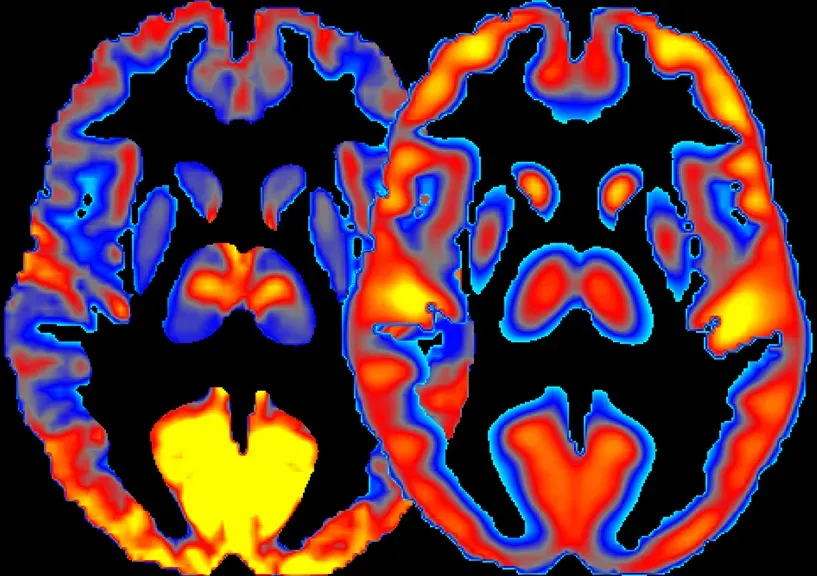
Under the hood, a big part of this research focuses on how complex and integrated brain signals are, rather than just how strong they look. Conscious brains tend to show rich, varied patterns that mix local detail with global coordination. As people drift into deep sleep, anesthesia, or coma, those patterns usually become simpler and more repetitive, like a rich symphony collapsing into a single, dull rhythm. At some point in that progression, researchers see a threshold where the brain’s activity is still present, but its complexity can no longer support flexible, connected experience.
Some teams have even tried to quantify this with mathematical indices that measure how much information and integration the brain’s activity contains at any given moment. When the value drops below a certain range, people stop reporting awareness, even if some activity continues. This gives a plausible candidate for the “precise moment” consciousness ends: not the last spike of electricity, but the instant when large-scale patterns lose the richness needed for a point of view. It is a humbling thought that your entire inner world may hinge on whether your brain’s activity stays just above or just below this fragile threshold.
Anesthesia, Surgery, and the Ethics of Knowing When You’re Gone
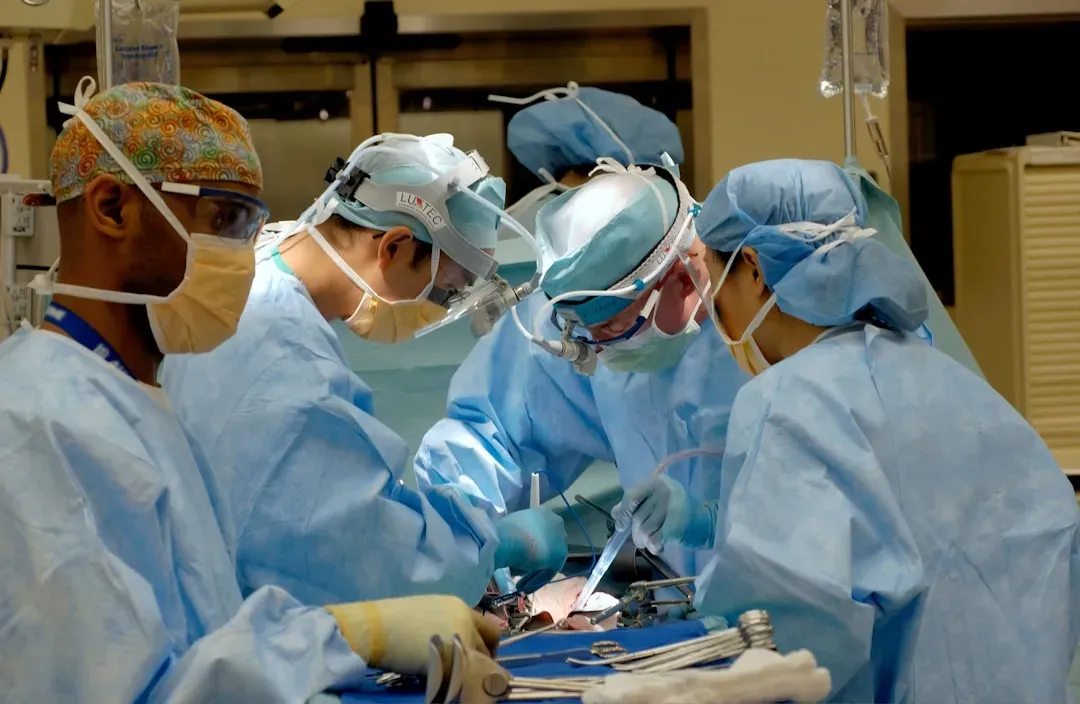
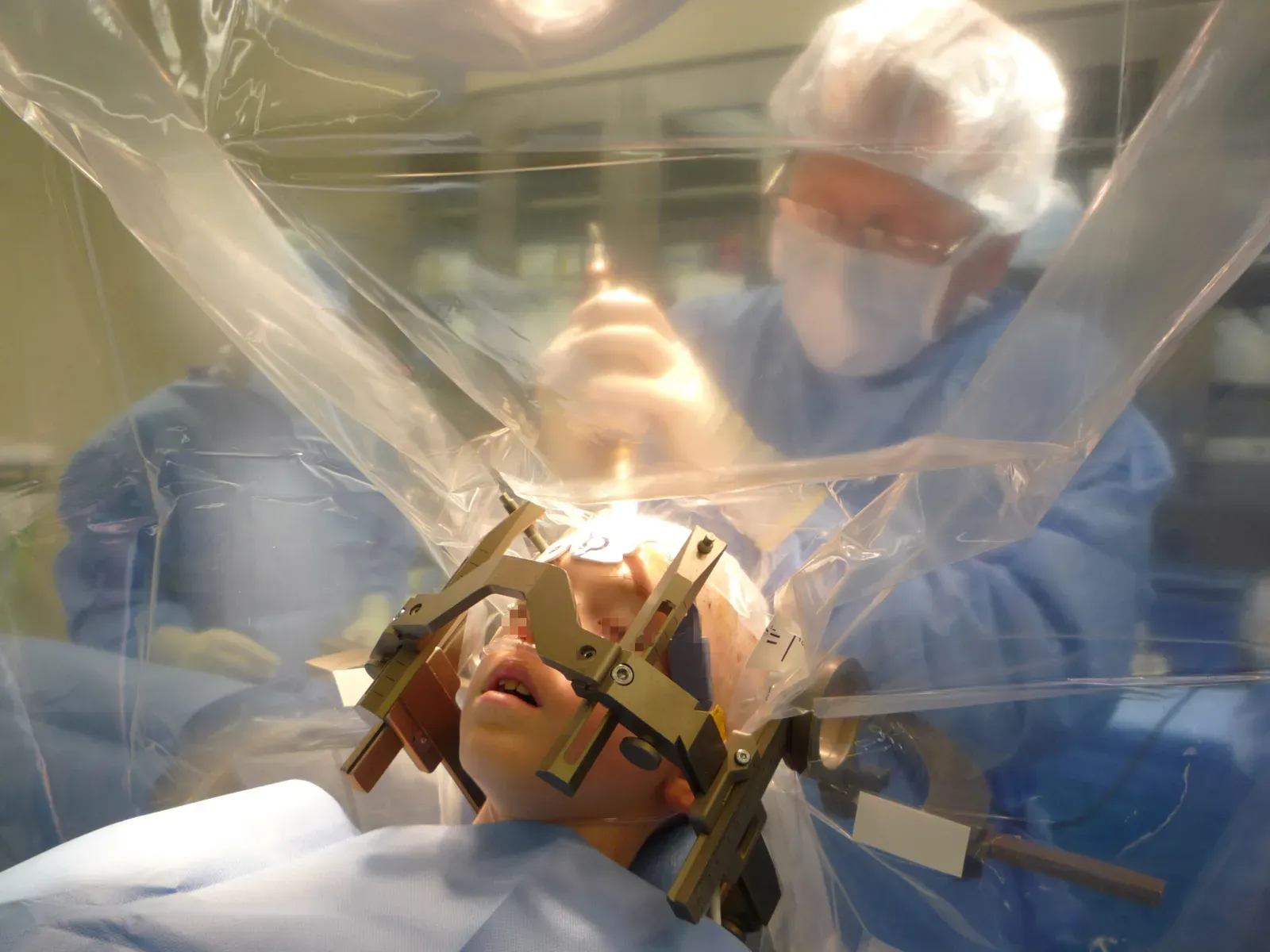
Operating rooms have become unlikely frontiers for consciousness science. When patients are slowly sedated, doctors can correlate their reports – “I’m still here,” “I feel dreamy,” “I feel nothing” – with continuous brain recordings. Over and over, they see recognizable changes in communication between key brain regions, especially between deep structures and the cortex, lining up with that final reported moment of awareness. Once that connectivity drops past a specific point, people simply stop experiencing the world, even if their brains still show activity in isolated pockets.
This has serious ethical stakes. A small but nonzero number of patients report feeling pain or awareness during surgery despite appearing properly sedated, a nightmare scenario that these new measures aim to eliminate. If we can reliably pinpoint the neurological moment when experience ends, anesthesia can be titrated to keep patients safely on the other side of that line. At the same time, these findings challenge us to accept a harsh conclusion: a brain can look active on a screen and still be, from the inside, utterly dark. Clinically and morally, that distinction matters more than we sometimes admit.
Near‑Death Surges, Tunnels of Light, and the Limits of Interpretation
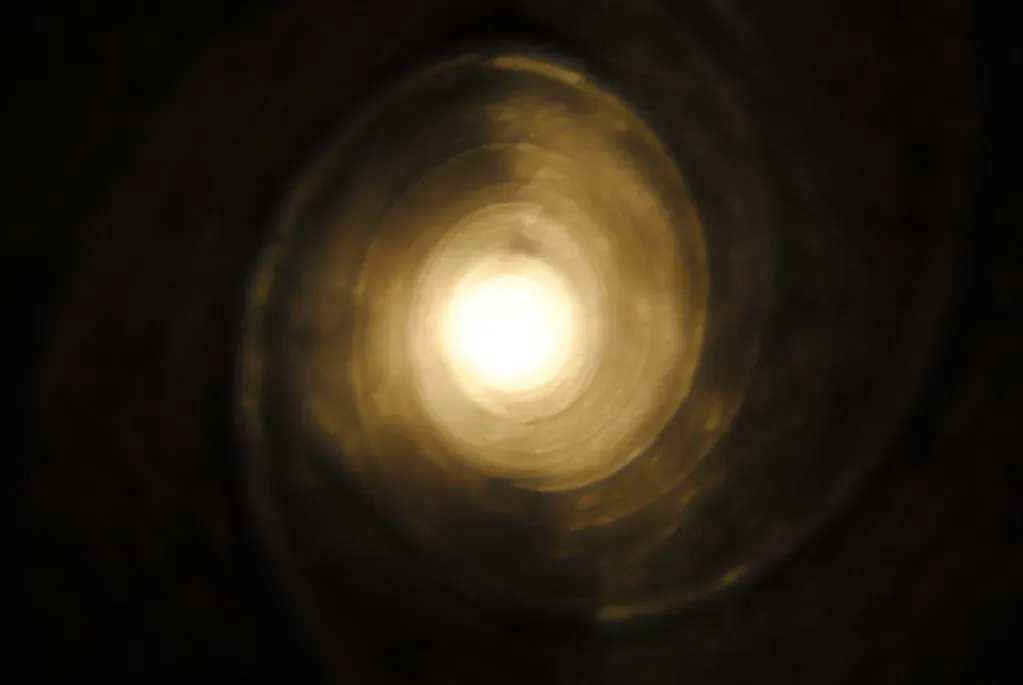
Whenever people talk about the last moments of consciousness, near-death experiences inevitably come up: tunnels, lights, presences, and review-like flashes of life events. Some of the same brain surges seen right before shutdown have been proposed as a possible biological basis for at least parts of these reports. A brain experiencing a sudden, chaotic rush of activity in visual and emotional networks could, in theory, produce vivid, meaningful imagery even as the body is failing. The fact that many reports share common themes suggests that certain neural circuits may be reliably involved.
But this is exactly where careful thinking is needed. Many near-death accounts are based on memories formed after the event, sometimes under intense emotional and cultural pressure. Brain recordings in real human dying are still rare, and animal data can only take us so far. So while it is tempting to claim that we have “explained” near-death visions with last-gasp surges, the truth is we are still connecting dots with a lot of space between them. Personally, I think the most honest stance is that these surges are incredibly suggestive, but not yet definitive, evidence of what might precede the final loss of awareness.
Do We Really Have a Single Cutoff Point, or a Sliding Scale of “Gone‑ness”?
There is a seductive simplicity in the idea of a precise neurological instant when consciousness stops, like flipping a light switch. Real brains, however, are messy. People under anesthesia sometimes show hidden processing of sounds or words even when they later insist they were fully out. Patients in so-called minimally conscious states can hover for months at the edge of awareness, sometimes responding in tiny, inconsistent ways that defy easy classification. All of this pushes against the fantasy of a single clean line between “on” and “off.”
Many scientists now suspect that what we call the end of consciousness might actually be a rapid but graded transition through different layers of diminished awareness. For doctors and families, though, medical decisions often demand a yes-or-no answer, not a philosophical essay. That tension is uncomfortable. It forces us to admit that even if we can identify narrow time windows and specific patterns that usually precede the final loss of experience, there will always be gray zones. My own view is that we should embrace that uncertainty rather than pretend it is already solved, especially when real lives and endings hang in the balance.
Why This Research Changes How We Think About Life, Death, and Dignity
Even in its incomplete state, this research quietly changes how we talk about dying. If consciousness tends to end not at the last heartbeat, but slightly before or slightly after a cascade of specific brain changes, then our old phrases about “the moment of death” are too crude. Instead, there might be a short window where the body is technically failing, yet a fragile stream of experience still flickers, shaped by those pre‑shutdown bursts and collapsing networks. That idea can be comforting or terrifying, depending on how you look at it.
To me, the most important shift is practical and ethical: we can ground decisions about pain relief, life support, and end-of-life rituals in a more realistic understanding of when someone is likely still “there” in a meaningful sense. If consciousness depends on integrated, complex patterns that we can increasingly measure, then protecting those final moments from unnecessary fear or suffering becomes a concrete, scientific goal, not just a poetic wish. In a strange way, studying the disappearance of consciousness may be one of the most compassionate things modern neuroscience can do.
Conclusion: A Precise Ending, Wrapped in Uncertainty
When you put all of this together, a provocative picture emerges: consciousness does not simply fade out like the last glow of a campfire; it seems to end at a biologically specific turning point, preceded in many cases by a brief storm of organized brain activity. That turning point is not about the last cell firing, but about when the brain can no longer sustain the rich, integrated patterns that give rise to a point of view. I find it hard not to see that as both precise and deeply fragile, like a tightrope walk where one small shift sends you into the void.
At the same time, the honest truth is that we are still piecing this story together with limited data and a lot of humility. The seductive headlines about scientists “pinpointing” the moment consciousness ends often oversell how much we really know. My opinion is that we are closer than ever to mapping the contours of that final instant, but still far from claiming we have fully captured it. Maybe that is exactly how it should be: the end of subjectivity is probably too big to fit neatly in a single graph or formula. And yet, knowing that we can at least glimpse the edges of that moment raises a quiet, nagging question: if your entire inner universe can vanish in a heartbeat of lost complexity, what does that make every conscious second you have right now?