There’s something almost poetic about the idea of returning land to what it once was. Not just planting trees, but genuinely trying to resurrect the kinds of forests that existed before humans plowed everything flat. That’s exactly what’s happening across parts of Britain right now, and honestly, the results are turning heads in the scientific community.
What sounds like a simple conservation project is actually a deeply complex, fascinating experiment in ecological memory. Researchers are discovering that ancient woodland doesn’t just come back on its own terms, it has rules. Let’s dive in.
The Difference Between a Forest and an Ancient Woodland
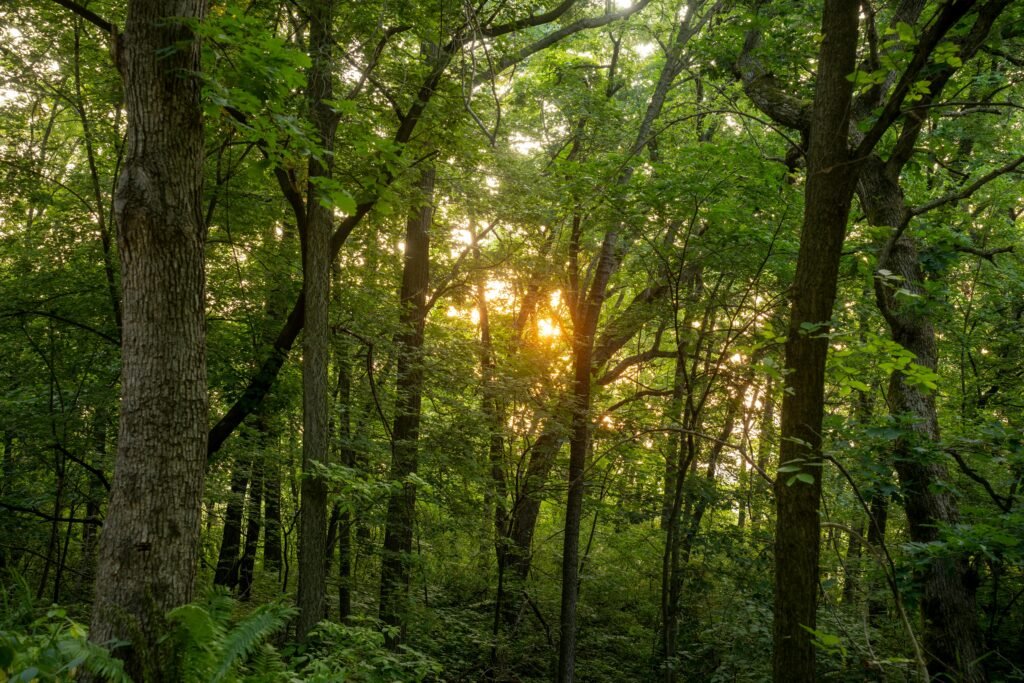
Let me be clear about something most people get wrong. Not all forests are created equal. A plantation of conifers planted in the 1980s and a thousand-year-old woodland are about as similar as a parking lot and a coral reef.
Ancient woodlands are ecosystems that have been continuously wooded for centuries, in Britain’s case typically since at least 1600. They contain layers of biodiversity that simply cannot be replicated quickly, including rare fungi, specialist invertebrates, and understory plants that take generations to establish. That depth of complexity is what makes them irreplaceable, and also what makes restoring them so incredibly difficult.
Why Farmland Is Being Targeted for Restoration
Here’s the thing about farmland: vast stretches of it across Britain and Europe were once ancient woodland before agricultural expansion cleared them. Identifying which fields sit on top of former woodland sites is now a key conservation priority.
Researchers and conservationists are using historical maps, soil surveys, and ecological indicators to find these ghost forests hiding beneath crop fields. Once identified, the land becomes a candidate for what’s called ancient woodland restoration planting, a targeted effort to reintroduce native tree and plant species that would have historically dominated those soils. It’s a bit like finding an old painting under layers of whitewash and carefully restoring it.
The Science of Bringing Back What Was Lost
Restoring ancient woodland isn’t as straightforward as scattering some acorns and walking away. The soil itself carries an ecological memory. Ancient woodland soils are rich in specific fungal networks, seed banks, and microbial communities that simply don’t survive decades of intensive agriculture.
This is where science gets genuinely exciting. Researchers have found that transplanting small amounts of ancient woodland soil onto restoration sites can dramatically accelerate recovery, essentially jump-starting the underground ecosystem that trees depend on. It’s like seeding a sourdough starter instead of waiting for wild yeast to find you. The difference in outcomes can be remarkable, with woodland wildflowers and fungi appearing years earlier than in untreated plots.
Which Species Are Leading the Comeback
Oak, hazel, field maple, and small-leaved lime are among the native species being reintroduced to former farmland sites. These aren’t random choices. They’re guided by historical records and ecological studies that reveal what once grew in specific regions. Getting the right tree in the right place matters enormously.
Woodland floor plants like wood anemone, bluebells, and yellow archangel are also critical indicators of restoration success. These species spread incredibly slowly, sometimes just a few meters per decade, so their presence signals genuine ecological progress rather than just a bunch of trees standing in a field. Honestly, seeing a carpet of bluebells return to a site that was a wheat field a decade ago? That’s the kind of thing that gives conservationists genuine hope.
The Timeline Problem Nobody Talks About Enough
Let’s be real: ancient woodland restoration operates on a timescale that makes humans uncomfortable. We’re talking decades, sometimes centuries, before a restored site reaches anything close to the biodiversity richness of a truly ancient woodland.
This creates a real tension in conservation funding and public communication. Politicians and donors want visible results, preferably before the next election cycle. Restoration ecologists are working on a biological clock that doesn’t care about quarterly reports. I think this mismatch is one of the biggest unresolved challenges in the field, and it deserves far more honest discussion than it currently gets.
How Rewilding Principles Are Influencing the Approach
The broader rewilding movement has started to reshape how restoration projects are designed. Rather than rigidly controlling every species planted, some projects now embrace a more hands-off philosophy once the initial framework species are established. The idea is to let natural processes take over as soon as possible.
This means allowing natural regeneration to fill gaps, tolerating some level of browsing by deer, and resisting the urge to “tidy up” the woodland as it develops. Dead wood, for instance, is now recognized as one of the most biodiverse habitats in a woodland ecosystem, yet it was historically removed as a sign of poor land management. Letting a fallen oak rot in peace is now considered good science. It’s hard to say for sure how transformative this philosophical shift will be, but early evidence from several rewilding sites is genuinely encouraging.
What This Means for Britain’s Environmental Future
Britain is one of the least forested countries in Europe, with ancient woodland covering only a tiny fraction of the landscape. Restoration efforts targeting former farmland represent one of the most promising pathways to reversing centuries of ecological loss. The scale of ambition is growing, and so is the evidence base supporting it.
Government schemes, private landowners, and conservation charities are increasingly aligning around ancient woodland restoration as a flagship environmental strategy. The combination of carbon sequestration, biodiversity recovery, water management benefits, and cultural heritage value makes this a rare case where conservation and policy goals actually overlap cleanly. Whether the funding and political will can match the ecological need is the real question hanging over all of it. What’s clear is that the science is sound, the urgency is real, and the forests are waiting.
Conclusion: Some Things Are Worth the Wait
Ancient woodland restoration might be the ultimate lesson in patience. In a world obsessed with instant results and scalable solutions, here is a conservation effort that asks us to think in centuries, not quarters. That takes a certain kind of courage, both from the scientists doing the work and the society choosing to invest in it.
Personally, I find something deeply grounding about the idea that we can undo some of what industrial agriculture erased, not completely, not quickly, but meaningfully. The soil remembers. The seeds are waiting. The question is whether we’re willing to stay the course long enough to see what comes back.
What do you think, is it worth transforming farmland to restore what was lost centuries ago? Drop your thoughts in the comments.