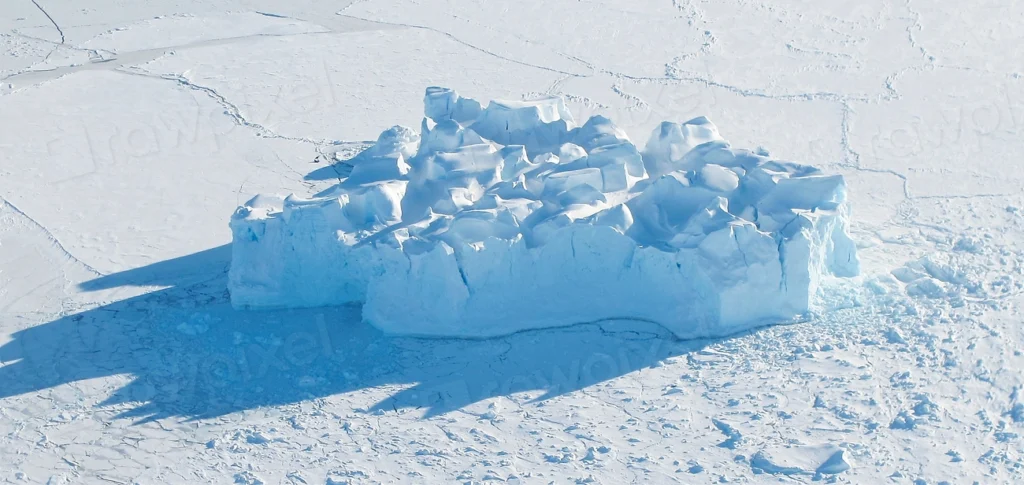

The search for Earth’s ultimate deep freeze has moved from a hunch on a map to a pinpoint on a ridge where winter never lets go. For decades, Vostok Station held the crown with a staggering air temperature of minus 89.2 degrees Celsius, but satellites have now revealed skin temperatures even lower on a high Antarctic plateau. The discovery is less a single dot and more a constellation of tiny hollows that act like natural cryogenic bowls, cooling the surface to as low as minus 98.6 degrees Celsius under perfect conditions. It’s the kind of cold that turns metal brittle and makes batteries forget they were ever charged. And yet, by decoding how and where this cold forms, scientists are rewriting our understanding of extremes on a warming planet.
The Hidden Clues
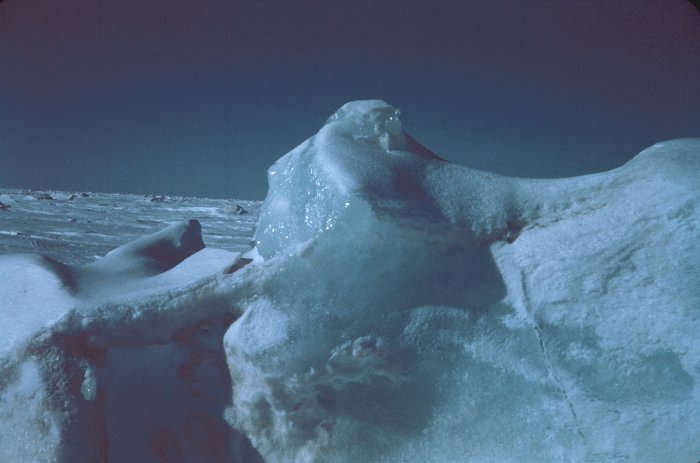
How cold is cold enough to make your breath crystallize into glassy dust midair? On a slender ridge of the East Antarctic Plateau, satellites have found clusters of micro-basins where the surface temperature plunges well below anything a human has measured in person. The air above may be slightly warmer, but the surface itself loses heat like a bare hand against space, slipping toward the coldest values ever observed on Earth’s skin.
The clue was a pattern that repeated every clear, windless night of the austral winter: the hollows cooled faster and stayed colder longer than the surrounding snow. Persistent, bone-dry air let heat radiate away into the night sky with almost no return. Add high elevation, months without sunlight, and barely a whisper of wind – and you have a recipe for a cold trap that outdoes even Antarctica’s famous weather stations.
From Ancient Tools to Modern Science
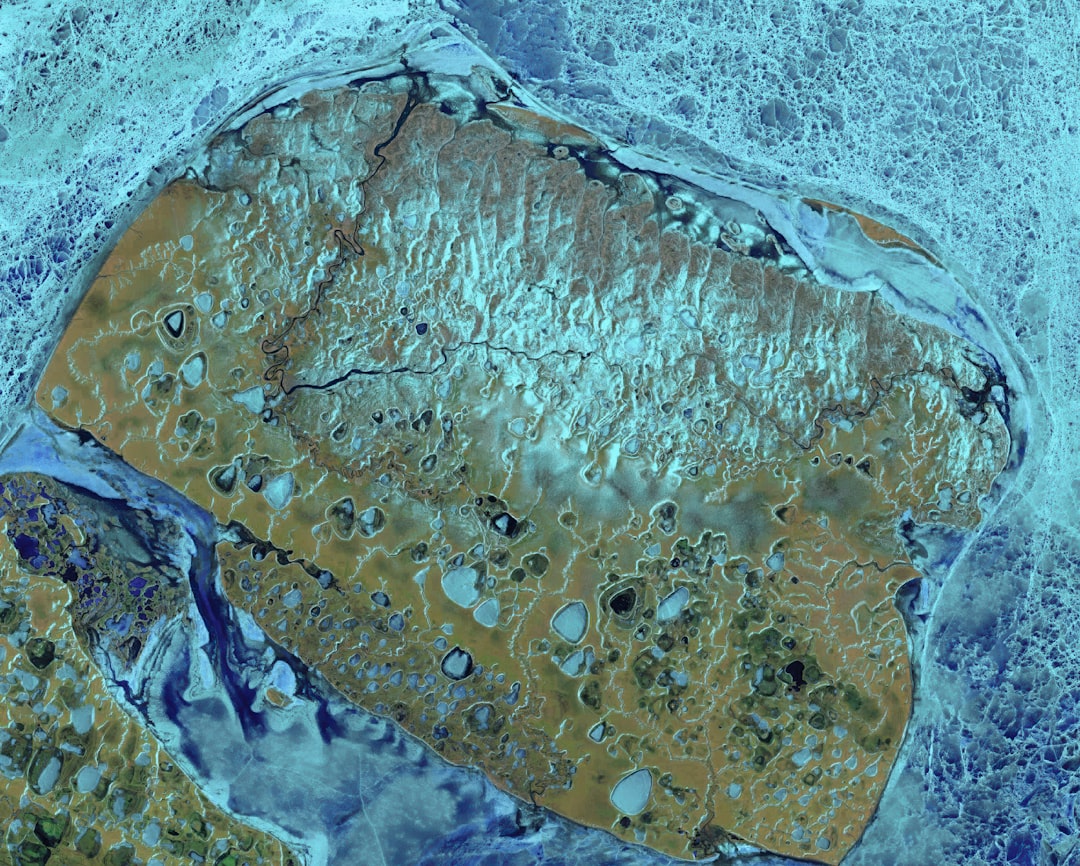
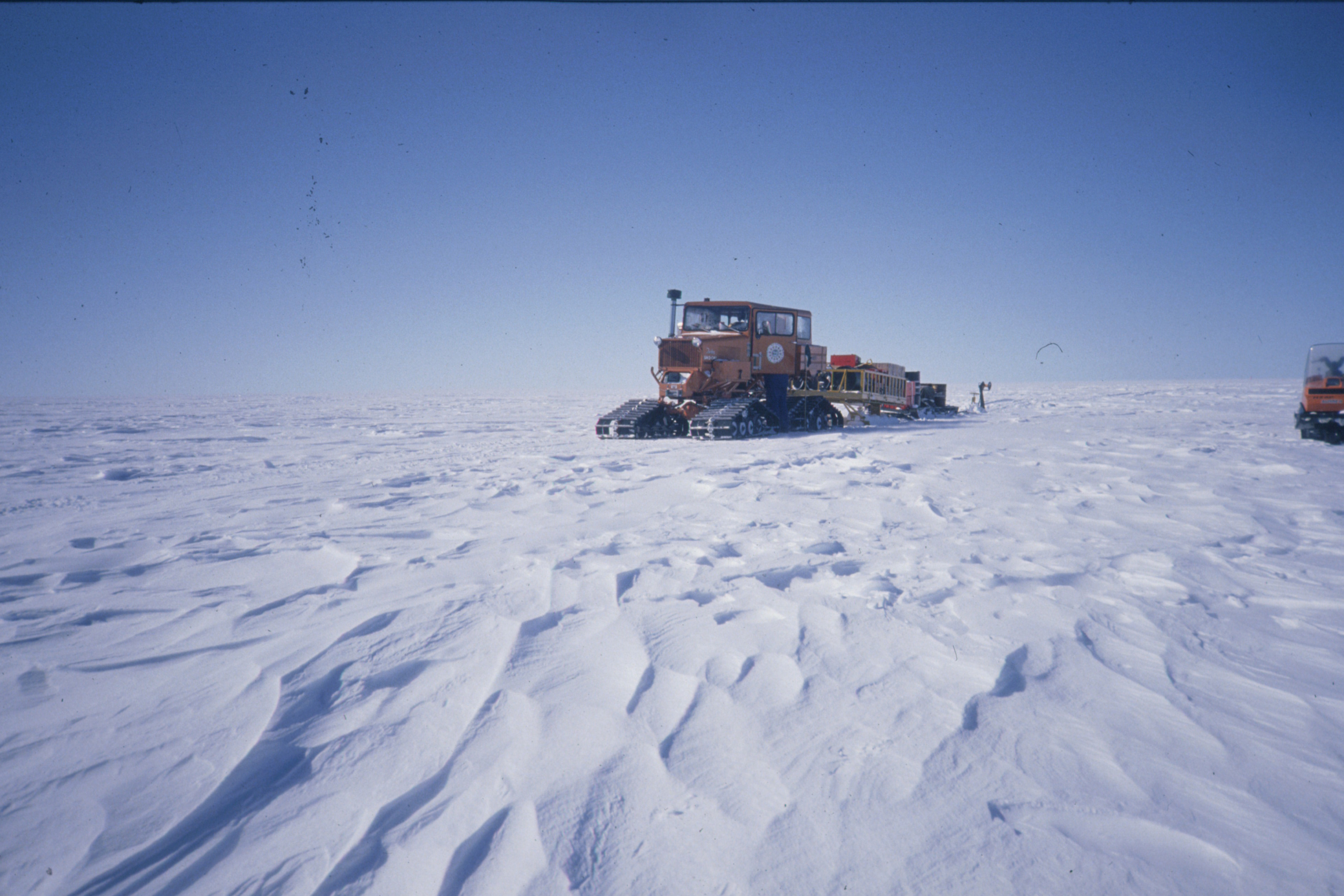
Finding extremes used to be simple: place a thermometer, wait, record. That worked at Vostok, but the coldest places revealed by satellites are far from any hut, wire, or generator, and their temperatures occur in bursts during rare combinations of clarity and calm.
Today, scientists blend thermal infrared imagery from polar-orbiting satellites with careful cloud screening to capture the fleeting moments when the sky locks clear and the ice radiates heat away. Higher-resolution sensors sharpen the view, while years of repeated passes build confidence that these aren’t flukes but a recurring feature of the plateau’s winter heartbeat. Field teams still matter, but in these conditions, technology goes where people can’t linger.
On the Ridge Between Ice Giants
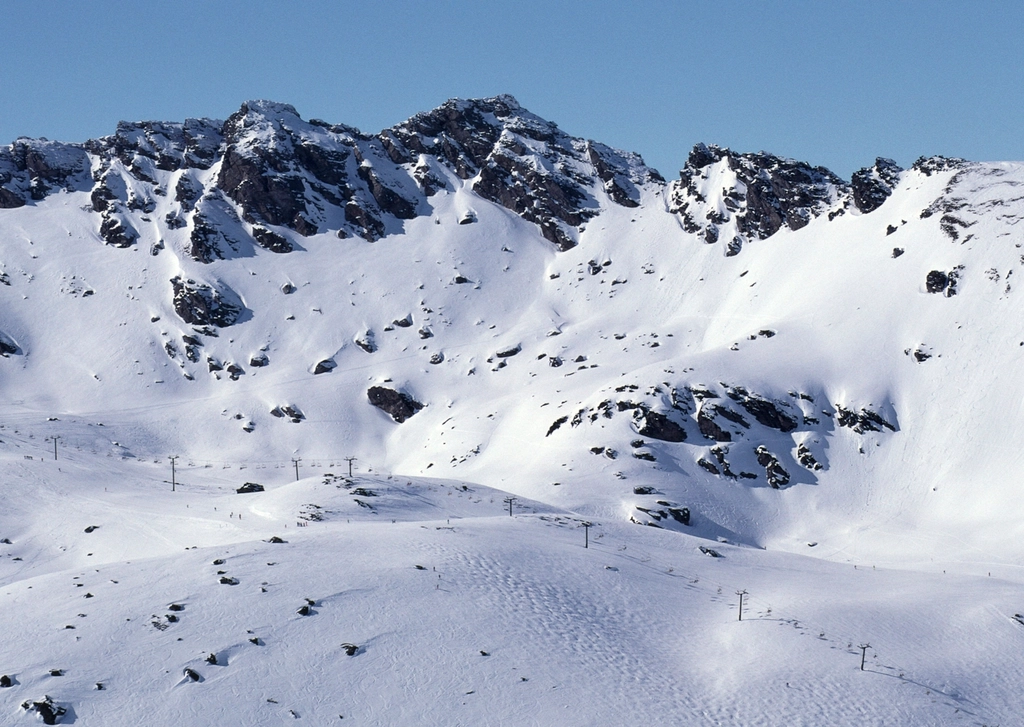
The coldest surface spots sit along a subtle crest linking some of the highest domes of East Antarctica – think of it as the spine of a frozen continent. Up there, the ice is thousands of meters thick, the air is thin, and the horizon folds into a white infinity that swallows sound. In small depressions only a few meters deep, dense air pools like liquid and refuses to mix, letting temperatures sink to astonishing lows.
These hollows are quiet by design: gentle slopes block the katabatic winds that usually scour the plateau. With no mechanical stirring, the boundary layer decouples, and the ground keeps cooling as if under a glass bell. It’s not a single magical crater but a band of perfect calm stretched across the roof of the world.
The Physics of Extreme Cold
Radiative cooling is the engine here, and water vapor is the throttle. Dry air acts like a window in the infrared, allowing more of the surface’s heat to stream straight into space with little downwelling radiation to offset the loss. The less moisture overhead, the louder the surface “glows” away its warmth.
Elevation matters too: a higher, thinner atmosphere means fewer molecules to send heat back down. The polar night removes the solar safety net, so the energy ledger runs negative for weeks on end. Calm winds keep the cold pressed to the surface, preventing warmer layers aloft from mixing in and spoiling the chill.
And crucially, surface measurements differ from the familiar two-meter air temperature. What satellites see is skin temperature, the top hair’s breadth of snow that can run colder than the air above – an effect that helps explain why these readings surpass anything seen at staffed stations.
Why It Matters
Extreme cold isn’t just a novelty; it’s a test bench for Earth systems. Calibration teams use these ultra-stable, ultra-cold scenes to validate satellite instruments, ensuring that the numbers guiding weather and climate models stay honest. Materials scientists and engineers study how electronics, batteries, and composites behave when chemistry moves in slow motion.
There’s also a climate story hiding in the frost. The existence of record-setting cold patches inside a warming climate underscores a core lesson: averages and extremes don’t always move in lockstep. Understanding why these cold pools form – and when they fail – improves models of boundary layers, cloud formation, and snowfall, all critical for predicting ice-sheet health and sea-level rise.
Global Perspectives
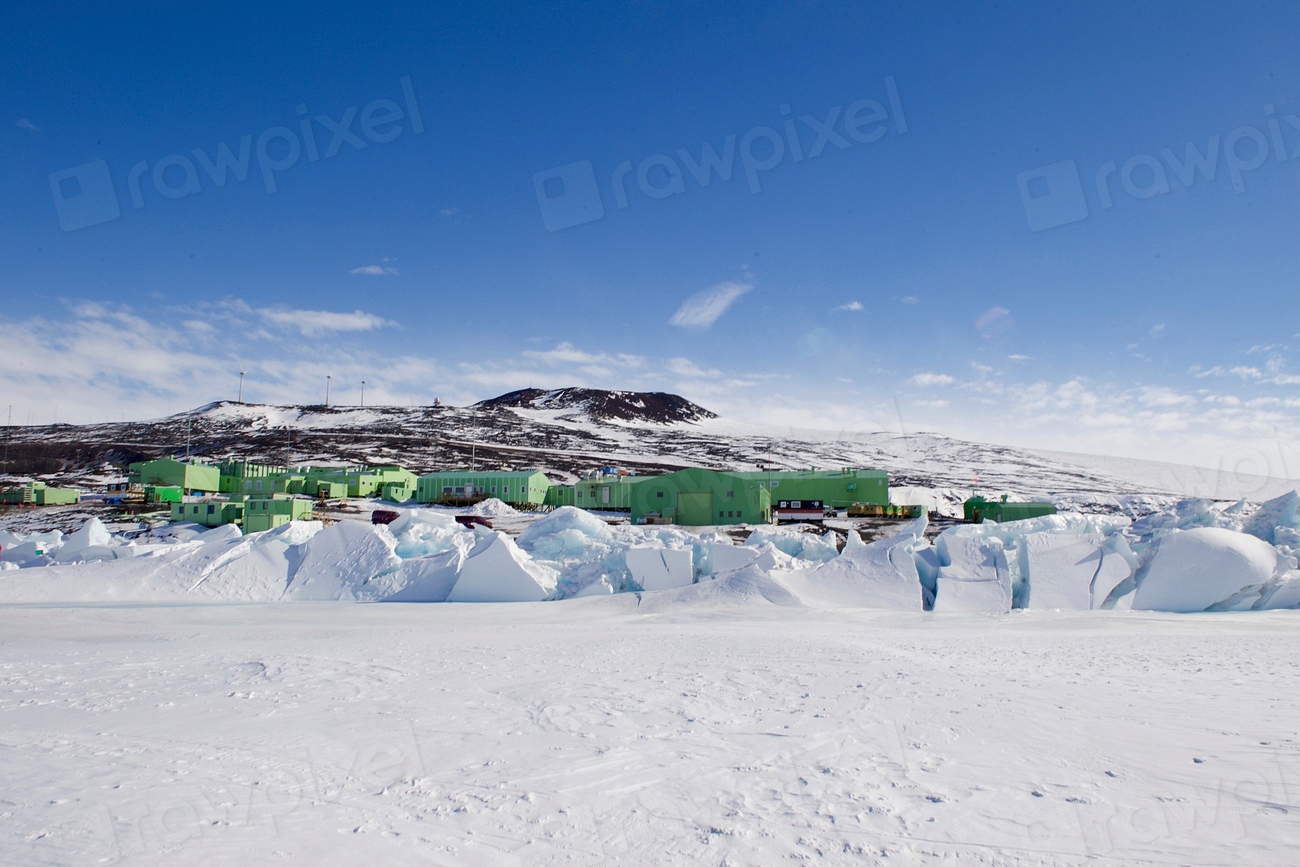
The East Antarctic interior can still deliver breathtaking cold while the world as a whole warms, much as deserts can host flash floods in a drought year. Extremes occupy the thin edges of probability, and better maps of those edges help societies plan for fragile supply chains, air operations, and science campaigns in polar regions. Lessons from Antarctica even travel off-world, informing how we think about frigid traps on the Moon’s poles and the dry valleys of Mars.
My coldest day – about minus thirty in interior Alaska – felt like stepping into a room full of needles; the Antarctic plateau would make that day feel almost forgiving. Comparing those scales helps explain why logistics, medicine, and power systems must be reimagined when temperatures skirt the limits of materials. It’s not just about more insulation; it’s about redesigning what “works” when electrons and lubricants slow to a crawl.
Inside the Numbers
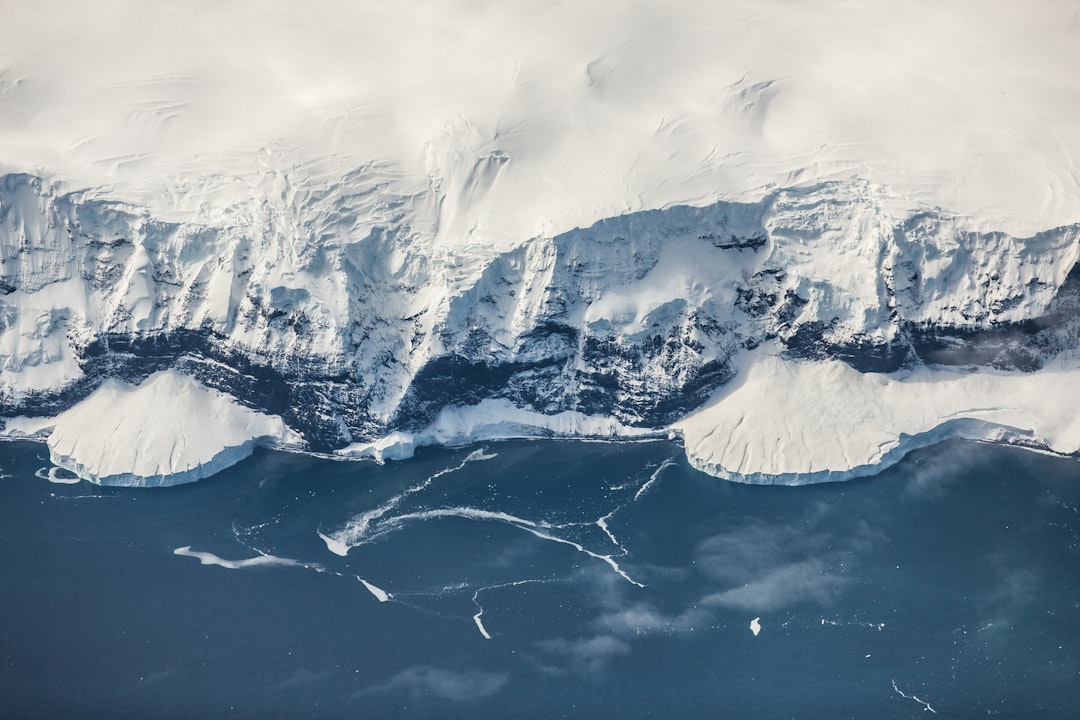
Records tell the story in layers. The coldest directly measured air temperature remains the legendary reading at Vostok Station on July 21, 1983. But the coldest surface skin temperatures, captured by satellite over subsequent winters, sink several degrees lower on the plateau’s high ridge under perfectly clear, still skies.
Elevation helps set the stage by reducing atmospheric back-radiation, while unbelievably dry air widens the window for heat to escape. Day after day of polar night stacks the odds, and those shallow hollows keep the cold pooled just where satellites can see it. When the spell breaks – say, a gust or a veil of cloud – the record evaporates as quickly as it formed.
The Future Landscape
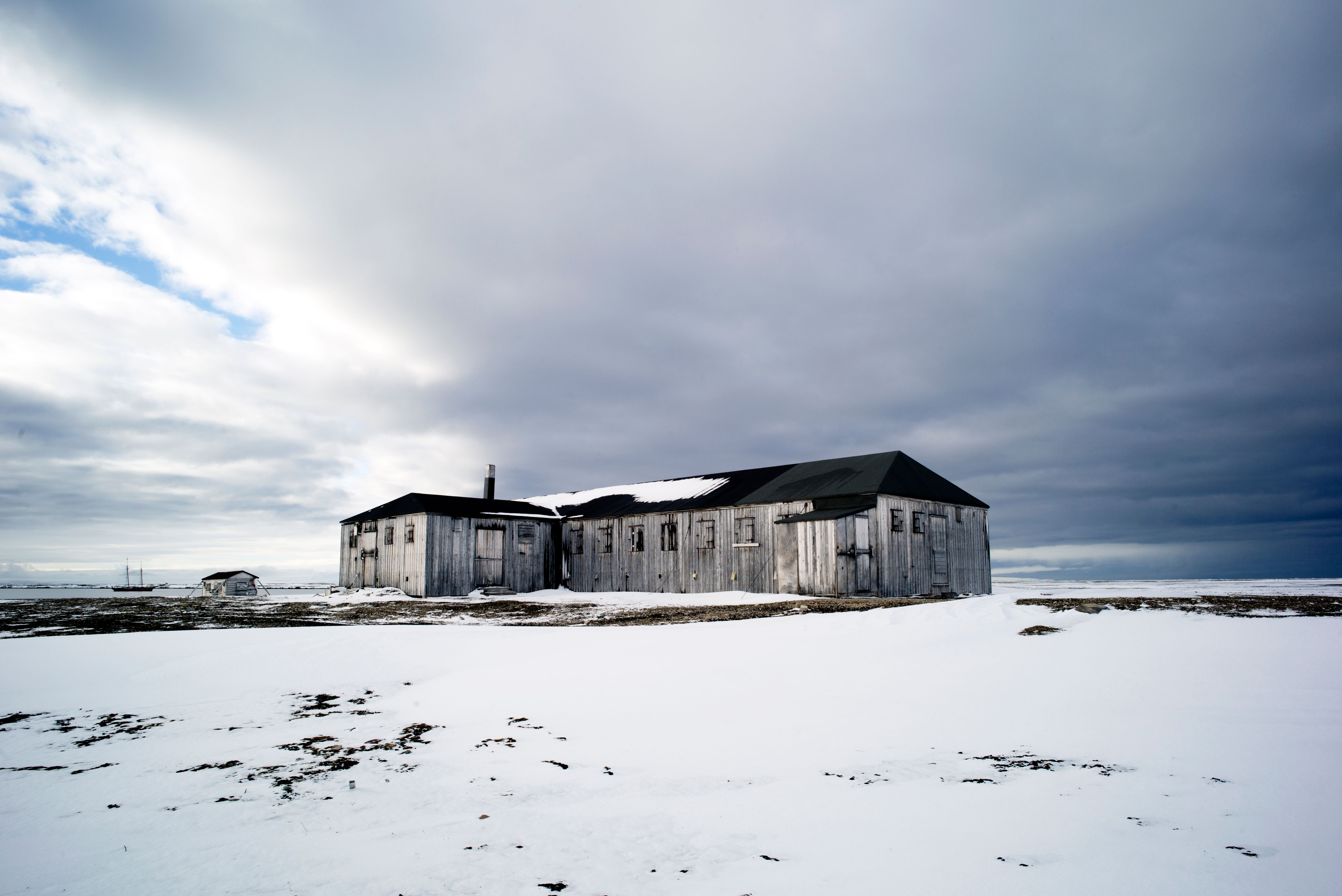
The next leap will come from denser constellations of thermal sensors, smarter algorithms to sniff out even brief clear-sky windows, and autonomous towers tough enough to sit inside those hollows for a full winter. Engineers are experimenting with low-power electronics, novel battery chemistries, and wind-shielded radiometers that can keep working when frost behaves like cement. Each improvement nudges us closer to a definitive, on-the-ice confirmation of those satellite minima.
There are obstacles: data dropouts during polar night, frost coating optics, and the reality that a single drifting snow dune can bury a season’s worth of work. Partnerships between national programs and commercial small-satellite companies could fill gaps with rapid-repeat thermal imaging. Tie that to machine learning tuned on years of polar data, and we may soon map a living atlas of Earth’s cold traps, hour by hour, winter after winter.
How You Can Engage
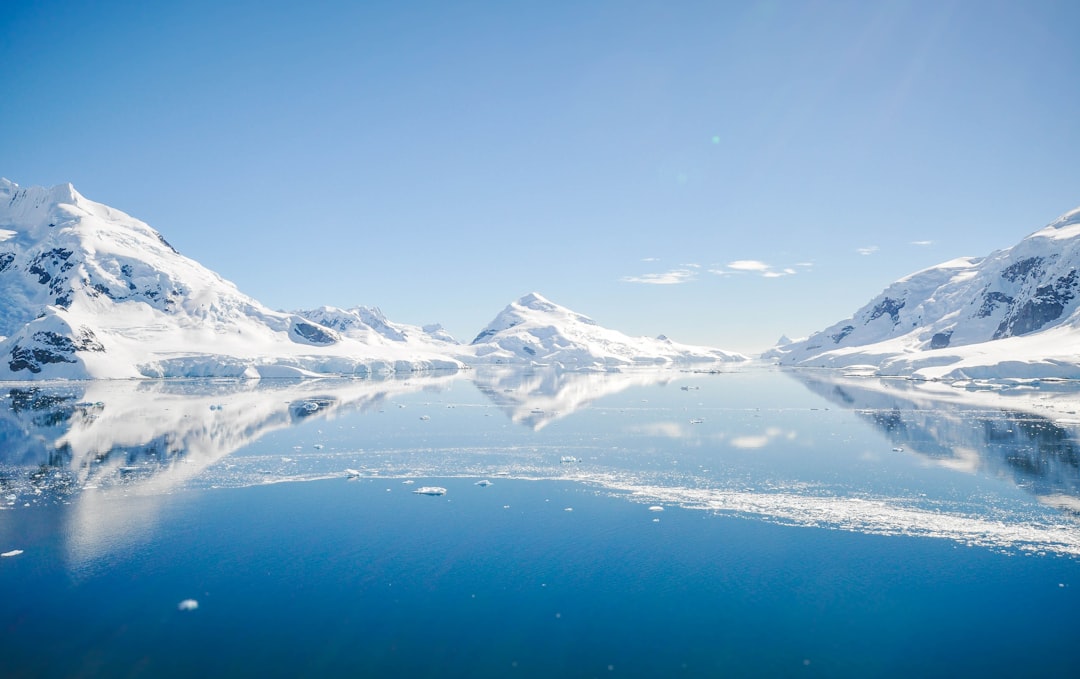
Stay curious about polar research and share what you learn – understanding that a headline about record cold doesn’t contradict global warming, it refines it. Support organizations that fund fieldwork and long-term satellite missions, the backbone of polar knowledge. If you’re an educator, bring the physics of radiative cooling into the classroom with simple night-sky experiments and discussions about measurement versus inference.
For the rest of us, the most practical step is to back policies that keep data flowing openly, from raw satellite streams to curated climate records. Reliable, transparent measurements are a public good, the foundation for everything from aviation safety to sea-level planning. In a world of noisy takes, the quiet of a polar night can still teach us how to listen.
Suhail Ahmed is a passionate digital professional and nature enthusiast with over 8 years of experience in content strategy, SEO, web development, and digital operations. Alongside his freelance journey, Suhail actively contributes to nature and wildlife platforms like Discover Wildlife, where he channels his curiosity for the planet into engaging, educational storytelling.
With a strong background in managing digital ecosystems — from ecommerce stores and WordPress websites to social media and automation — Suhail merges technical precision with creative insight. His content reflects a rare balance: SEO-friendly yet deeply human, data-informed yet emotionally resonant.
Driven by a love for discovery and storytelling, Suhail believes in using digital platforms to amplify causes that matter — especially those protecting Earth’s biodiversity and inspiring sustainable living. Whether he’s managing online projects or crafting wildlife content, his goal remains the same: to inform, inspire, and leave a positive digital footprint.