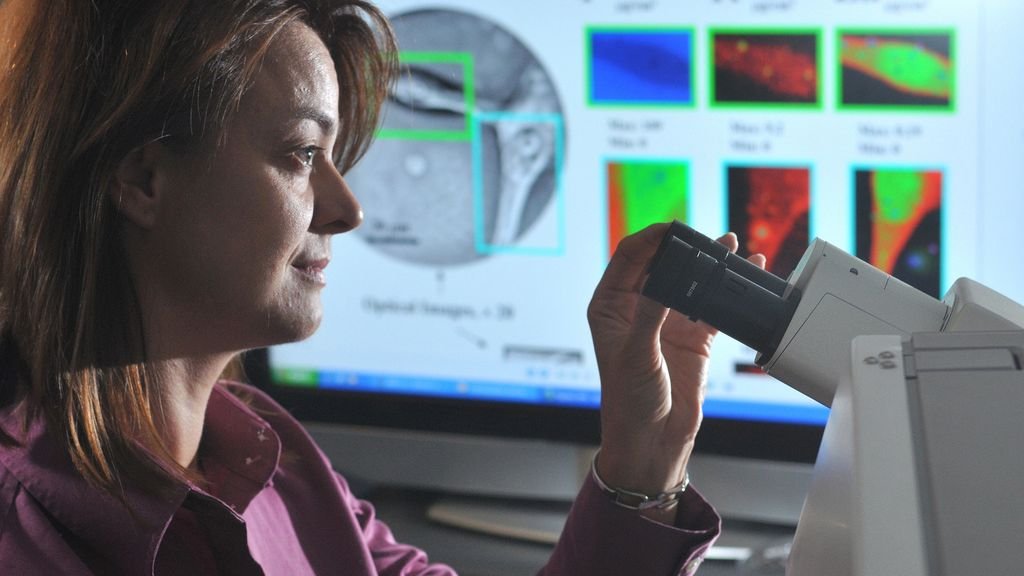

Imagine being 87 years old and still crushing memory tests that trip up people several decades younger. No forgetting where you left your keys. No losing the thread of a conversation. Just a razor-sharp, fully operating mind that somehow refuses to follow the standard rules of aging. It sounds like something out of a science fiction film, yet it’s very real. A group of extraordinary individuals known as SuperAgers are forcing researchers to completely rethink everything they thought they knew about the aging brain.
In late February 2026, a landmark study published in the prestigious journal Nature delivered findings that genuinely stunned the neuroscience community. The results don’t just hint at something interesting; they point toward a biological secret that could eventually reshape how we treat memory loss, Alzheimer’s disease, and cognitive decline worldwide. Want to know what makes these remarkable brains tick? Let’s dive in.
Who Exactly Are SuperAgers, and Why Do Scientists Care So Much?

SuperAgers are a unique group of adults over age 80 whose performance on tests of episodic memory is equal to or better than that of people in their 50s. That’s not a minor difference. That’s a gap of roughly three decades, casually erased. Think of it like a marathon runner who somehow gets faster with every passing year instead of slower.
The term “SuperAger” was coined by Dr. M. Marsel Mesulam, who founded the Mesulam Institute for Cognitive Neurology and Alzheimer’s Disease at Northwestern in the late 1990s. Since 2000, a cohort of 290 SuperAger participants has passed through the Mesulam Center’s doors, and scientists have autopsied 79 donated SuperAger brains. That is an enormous and deeply valuable scientific dataset.
Over more than 25 years of SuperAger research at Northwestern, scientists have documented biological and behavioral differences in this group, from slower cortical thinning to lifestyle factors such as stronger social engagement. The latest study is the first to identify a genetic difference between SuperAgers and typical older adults. That, honestly, is a game-changer on its own.
The Groundbreaking Discovery: A Brain That Keeps Growing New Cells
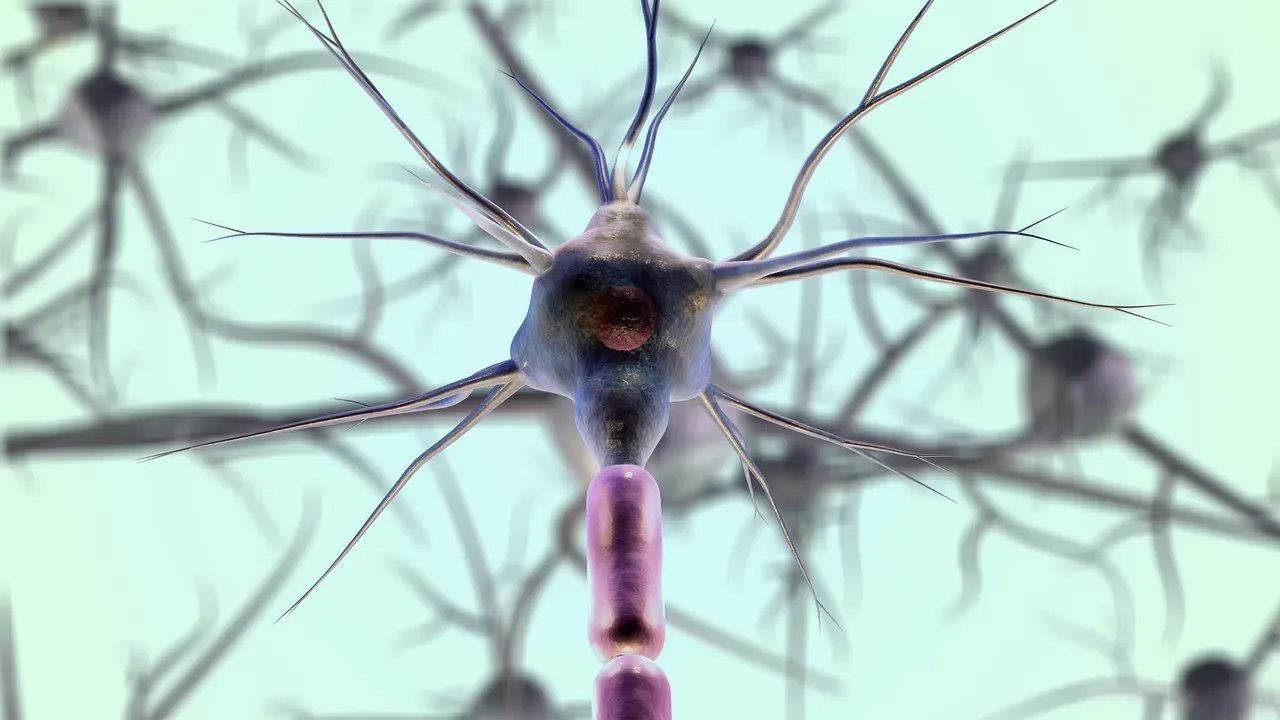
Here’s the finding that floored researchers. People who have razor-sharp minds in their 80s and 90s produce twice the number of young neurons as cognitively healthy adults, and roughly two and a half times as many as people with Alzheimer’s disease. Twice as many. In their eighties. That is genuinely extraordinary.
SuperAgers don’t just preserve their memory abilities well into their 80s and beyond; their brains continue to generate new neurons in the hippocampus at levels far higher than typical older adults, and even much younger individuals. That is the groundbreaking finding from a new study led by scientists at the University of Illinois Chicago, who examined donated brains from the Northwestern University SuperAger Program.
This shows the aging brain has the capacity to regenerate, which is huge, according to study coauthor Dr. Tamar Gefen, an associate professor of psychiatry and behavioral sciences at the Mesulam Institute for Cognitive Neurology and Alzheimer’s Disease at Northwestern University Feinberg School of Medicine in Chicago. While a mature neuron is stable, a young neuron is the most adaptable and plastic type of brain cell, with an enhanced ability to grow, integrate and wire itself into a brain.
How the Scientists Actually Studied These Remarkable Brains
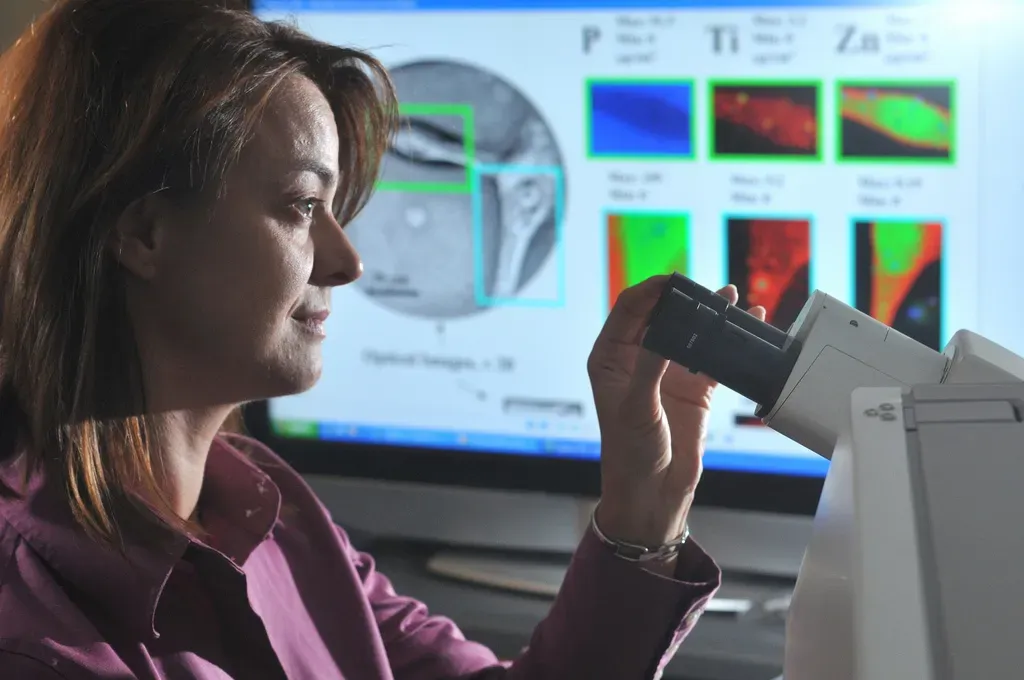
The researchers analyzed post-mortem brain tissue, nearly 356,000 individual cell nuclei, with a focus on the hippocampus, which is essential for forming new memories and supporting learning and spatial navigation. That is a staggering level of detail, almost like reading the code of a computer chip line by line.
The study used a specific technique to measure the birth of new neurons in five types of donor brains: SuperAgers, healthy young adults, older adults with no sign of cognitive decline, older adults with early dementia, and older adults diagnosed with Alzheimer’s disease. The tool, called multiomic single-cell sequencing, allowed researchers to determine which types of brain cells support memory and cognition as the hippocampus ages.
The researchers searched for three stages of developing neurons in the brains’ hippocampi: stem cells, which could potentially evolve into neurons; neuroblasts, adolescent stem cells on their way to becoming neurons; and immature neurons, which are just shy of becoming functional. It’s a beautifully layered process, when you think about it. Like watching a seed, a sprout, and a young tree all at once.
The “Resilience Signature”: A Cellular Blueprint for Staying Sharp
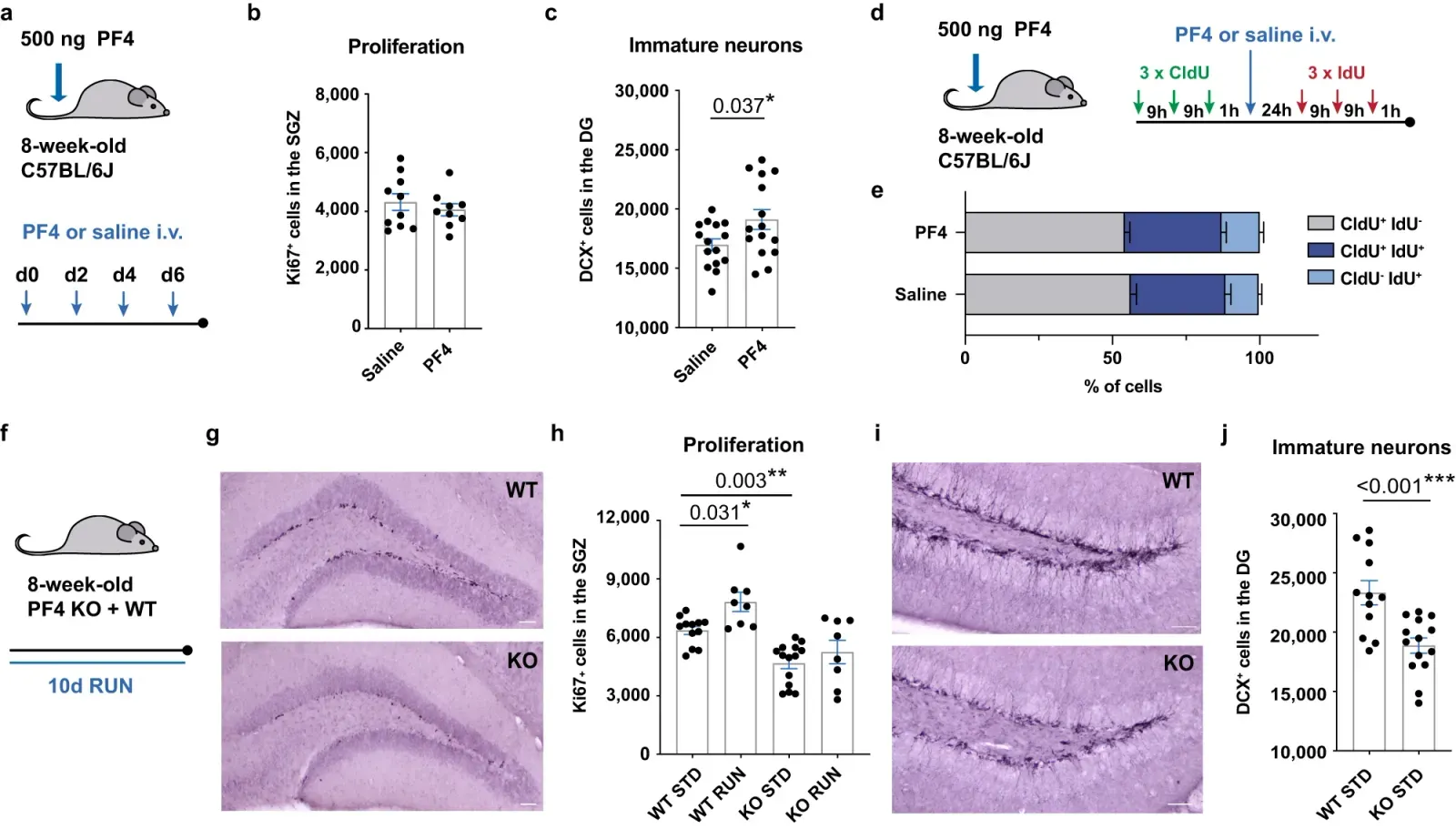
One of the most exciting concepts to emerge from this research is something scientists are calling a “resilience signature.” The scientists discovered a distinct “resilience signature” in SuperAgers’ hippocampi, a unique cellular environment that supports the birth and survival of new neurons. It’s almost like SuperAgers have a built-in maintenance crew inside their brains that never clocks out.
What’s emerging from this study is the idea that SuperAgers are, in general, very distinct. The genetic programs that support brain cell survival and communication stay on in SuperAgers, but they’re switched off in Alzheimer’s disease. That contrast is striking. The same switch that stays lit in a SuperAger goes completely dark in someone with Alzheimer’s.
The researchers observed that the new neurons had different epigenetic signatures, or blueprints for responding to environmental change, depending on the brains’ cognitive health. Researchers believe hippocampal neurogenesis may be the secret ingredient, with data to support that, and individuals diagnosed with Alzheimer’s disease generated almost no new neurons.
Supersized Neurons and a Thicker Brain: The Structural Advantage
Beyond the sheer number of new neurons, the physical architecture of SuperAger brains is itself remarkable. Another study found extremely large and very healthy neurons in the SuperAgers’ entorhinal cortex, one of the first areas of the brain to get hit by Alzheimer’s disease. These aren’t just neurons that survived. They are thriving in ways that seem almost defiant of biology.
The brains of SuperAgers contained more newly developed neurons than younger adults in their 30s and 40s. Let that sink in. An 85-year-old SuperAger, in terms of new neuron production, is outperforming a 35-year-old. That is the kind of finding that makes scientists do a double-take.
Analyses of brain tissue found the cingulate cortex, an area responsible for attention, motivation, and cognitive engagement, is thicker in SuperAgers compared with people in their 50s and 60s. The hippocampus of SuperAgers also has roughly three times fewer tau tangles, one of the hallmarks of Alzheimer’s disease. Structurally, it’s a completely different brain. Same age, very different biological story.
Is It All Genetics, or Can You Actually Influence Your Own Brain?

This is probably the question most people immediately ask, and the answer is genuinely nuanced. SuperAgers may have a genetic advantage, but research shows that people who practice good brain health may also prevent cognitive decline. Honestly, that’s both humbling and hopeful at the same time.
SuperAgers also share similar traits. They tend to be positive and challenge their brain every day by reading or learning something new. Many are physically active and continue to work into their 80s. SuperAgers are also social butterflies, surrounded by family and friends, and they can often be found volunteering in their community. It’s a remarkably active, engaged portrait of later life.
For years, researchers have recommended activities like exercise and lifelong learning to support brain health. The study provides a potential biological explanation for why those things work. It suggests these activities aren’t just keeping the brain “busy,” but may be directly influencing the biological machinery that promotes the growth of new neurons and builds resilience against decline. So the advice isn’t just old-fashioned wisdom. There is now actual biological backing for it.
What This Means for the Future of Alzheimer’s Treatment
Perhaps the most consequential piece of all this research is what it could mean for millions of people living with or at risk for Alzheimer’s disease. If scientists can discover ways to replace dead neurons or stimulate new ones to grow faster, they might be able to treat a variety of neurodegenerative diseases, including Alzheimer’s disease. That possibility is not as distant as it once seemed.
The findings suggest that preserving the integrity of the excitatory synapses, the brain’s primary sites of neuronal communication and memory formation, could be a potential target for drug interventions aimed at preventing cognitive decline. Understanding the tools that the brain uses to generate neurons and maintain cognitive function in old age could help researchers develop drugs that induce neurogenesis in people with cognitive decline.
The study also found changes in two types of brain cells, astrocytes and CA1 neurons, are key drivers of how well cognition and memory hold up as the hippocampus ages. The CA1 neurons are crucial for memory, helping consolidate and retrieve past experiences, and these are among the first brain cells attacked by tau in Alzheimer’s disease. Targeting these cells therapeutically could open an entirely new front in the battle against memory loss.
Conclusion

What the SuperAger research tells you, at its core, is that aging does not have to mean inevitable decline. The brain is more plastic, more regenerative, and more surprising than science gave it credit for even a decade ago. These remarkable individuals are not just lucky outliers. They are biological blueprints.
For you, reading this right now, the takeaway is both inspiring and actionable. Stay socially connected. Keep challenging your mind. Move your body. These aren’t vague wellness platitudes anymore. They now have genuine biological weight behind them, tied to the very mechanisms that keep a SuperAger’s hippocampus humming with new neurons well into their ninth decade of life.
Science is still peeling back the layers on exactly what makes a SuperAger’s brain so extraordinary. The genetic signatures, the resilience pathways, and the cellular environments are all being mapped in finer and finer detail. One thing, though, is already abundantly clear: the aging brain, at least in some people, never really gives up on itself. The real question worth sitting with is this: what kind of brain are you building right now, today, for the self you’ll be at 85? What do you think? Tell us in the comments.