
In a world where a hospital CT scan can feel intimidating, imagine a microbe that treats like a sunny afternoon. The star is Deinococcus radiodurans, a rose-tinted bacterium that shrugs off doses that would tear human DNA to shreds. Scientists study it not just for the shock value, but because its survival tricks could inspire new ways to protect patients during cancer treatment and even safeguard astronauts far from Earth. The story blends a decades-old mystery with very modern tools, and it’s racing toward practical ideas that once sounded like science fiction. If you’ve ever wondered how nature solves the hardest problems, this is one of its boldest answers.
The Hidden Clues
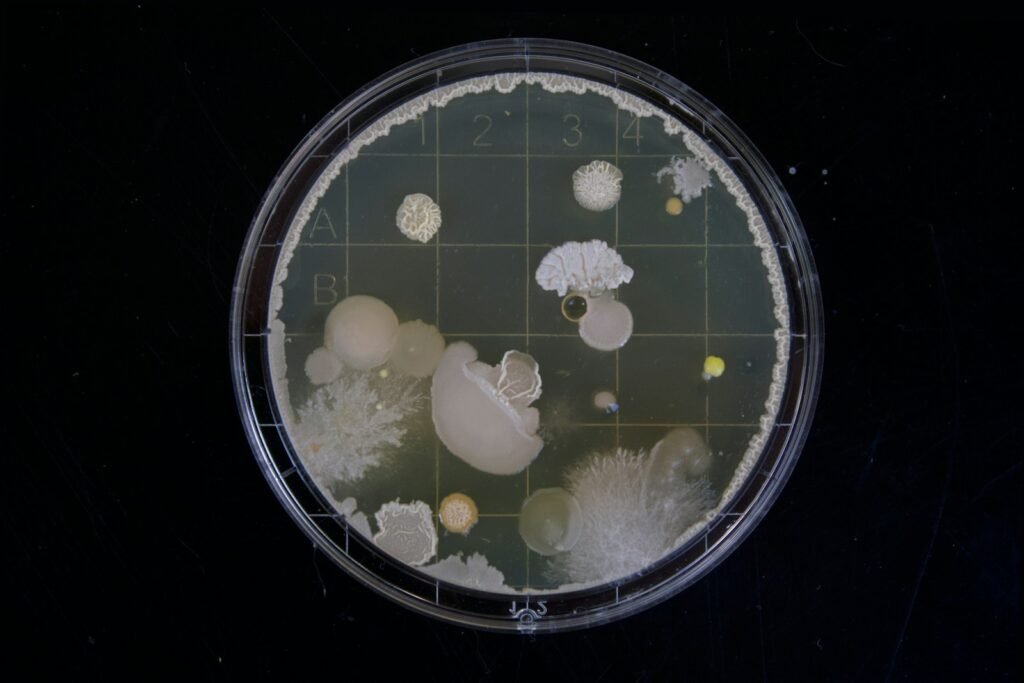
What if a microbe could survive levels that would obliterate a human in moments? That’s not a movie plot; it’s a measured fact about Deinococcus radiodurans, which endures thousands of grays of ionizing where people cannot tolerate even a fraction. Its colonies look harmless – peachy-pink dots on a petri dish – yet the genetics inside are built like a fortress. The contrast is unsettling and thrilling at once, the kind of paradox that pushes research forward. The key is not a magic shield, but a choreography of repair and protection that works faster than the damage piles up.
I remember the first time I saw those pink colonies under the lab hood and felt a strange mix of awe and disbelief. The question lingering in the air was simple: how can something so small be so unbreakable, and what could we borrow from it without becoming reckless?
From Ancient Tools to Modern Science

The microbe’s legend began in mid‑twentieth‑century experiments, when attempts to sterilize food with intense kept failing because a stubborn bacterium wouldn’t die. That discovery turned a practical headache into a grand scientific puzzle, and the organism was eventually named for its uncanny resilience. Over the years, evolving methods – from electron microscopy to whole‑genome sequencing – have peeled back layers of its defenses. Each new instrument, from precision sources to high‑throughput proteomics, added a sharper piece to the picture. Together, they reveal not one trick, but a network of strategies.
Today, the microbe doubles as both a historical curiosity and a living toolkit. It’s a reminder that yesterday’s failed sterilization can become tomorrow’s blueprint for medicine.
The Toughest Cell on Earth?
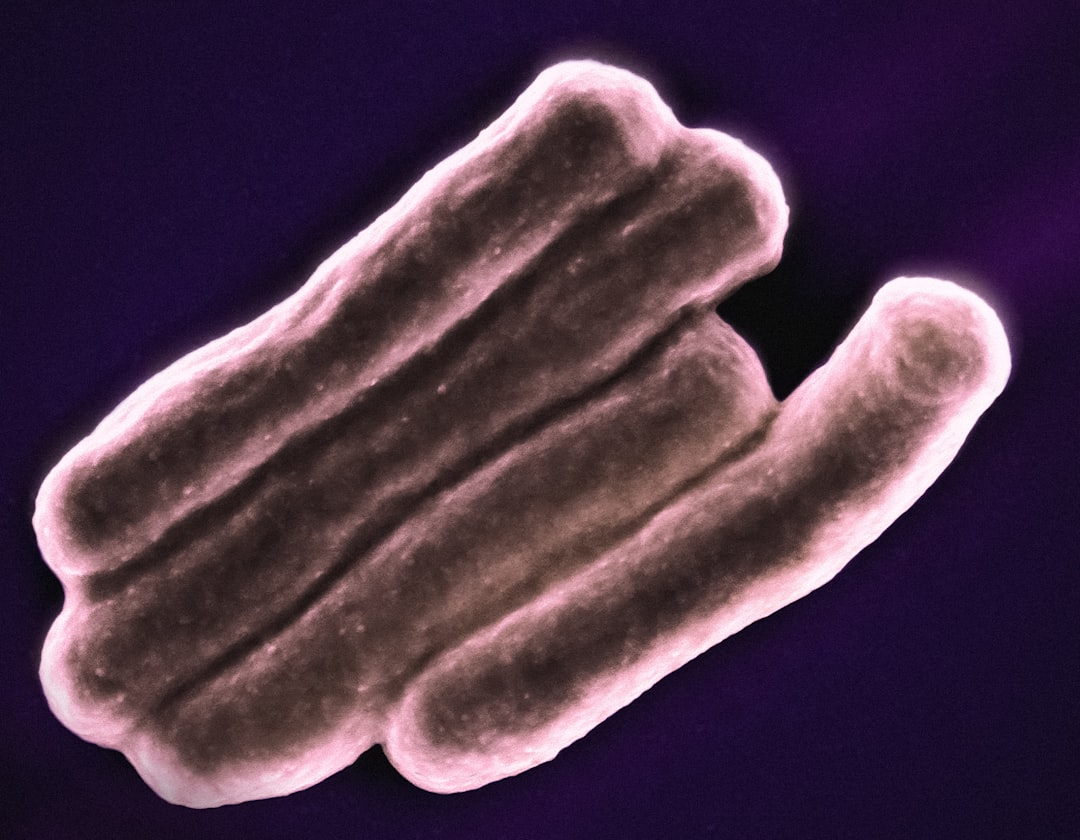
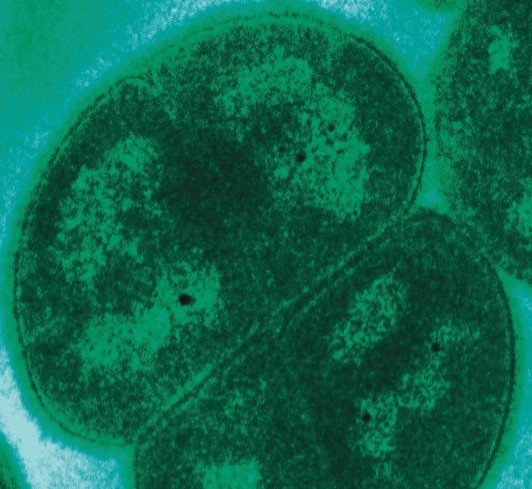
Deinococcus radiodurans keeps multiple copies of its genome, like carrying spare maps in case one gets ripped. Its DNA is packed and tethered in ways that limit chaos, helping broken fragments find their partners during repair. The cell’s proteins are shielded by manganese‑rich antioxidants and small peptides that neutralize the most destructive byproducts of before they derail repair enzymes. That detail matters: if the proteins stay functional, the cell can methodically rebuild its genome even after brutal exposure. The bacterium’s thick envelopes and pigments add another layer, reducing collateral damage.
Lab tests show survival at doses that would vaporize the plans of most life forms. It’s the biological equivalent of a black box flight recorder – battered, but still readable when everything else has failed.
and DNA: A High‑Stakes Dance
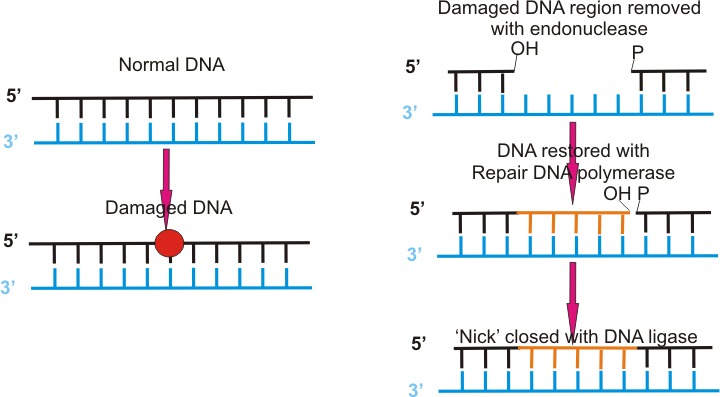
Ionizing breaks DNA strands and floods cells with reactive oxygen species, a one‑two punch that usually ends in cellular catastrophe. Deinococcus responds with an orchestrated repair cascade, stitching double‑strand breaks through precise recombination while keeping its repair machinery intact. Think of a city rebuilding after a storm while its power grid stays on; the work is messy but steady, and lights never go out. The cell also stockpiles molecular parts that reduce oxidative stress, preventing the biochemical traffic jams that doom other species. Because protein function is preserved, repair can proceed for hours, letting chromosomes reassemble accurately.
In simulated space and high‑altitude tests, the organism has even endured vacuum, freeze‑thaw cycles, and bursts of when partially shielded. The message is consistent: survival is a systems property, not a single gene trick.
Medical Frontiers: What We Can Borrow
Medicine doesn’t need to turn people into super‑bacteria; it needs targeted shields for the right moments. Researchers are exploring manganese‑peptide antioxidant complexes modeled on Deinococcus chemistry to protect healthy tissues during radiotherapy, where collateral damage still limits treatment plans. There’s interest in formulating these as short‑lived protectants that guard normal cells without helping tumors, a tightrope that oncologists know well. Another route borrows from extremophile playbooks more broadly, like proteins that dampen DNA damage or stabilize enzymes under stress. Early studies in cells and animal models suggest that protecting proteins, not just DNA, could improve recovery after exposure.
Beyond radiotherapy, the same chemistry might help preserve vaccines and biologic drugs during transport, keeping delicate proteins stable without deep cold. It’s a simple idea with huge reach: less waste, more reliable dosing, and better access in places where refrigeration falters.
Why It Matters
is both a lifesaving tool and a lurking hazard, from medical imaging and cancer care to space travel and nuclear cleanup. Traditional radioprotective drugs can be blunt instruments – helpful but limited by side effects, narrow timing windows, or uneven protection across tissues. By contrast, the Deinococcus approach focuses on keeping cellular machinery operational so that natural repair can run to completion. That’s a philosophical shift: instead of blocking damage entirely, ensure the fixers stay on their feet. If this strategy scales safely, it could reduce complications, shorten recoveries, and let clinicians push tumors harder while sparing healthy organs.
Stepping back, the organism shows how evolution solves catastrophic stress with layered resilience. That pattern – redundancy, precision repair, and antioxidant buffering – could inform everything from hospital protocols to how we design ‑tolerant crops for deep‑space missions.
The Future Landscape
The next decade will likely test protein‑protective formulations in early‑stage trials as adjuncts to radiotherapy, with careful monitoring to avoid shielding tumors. Expect work on targeted delivery – hydrogels, smart nanoparticles, or timed infusions – to confine protection to specific tissues like salivary glands, gut lining, or bone marrow. Gene‑level imports will remain controversial; boosting repair in human cells sounds alluring, but it risks unintended consequences like genomic instability. A safer middle ground is transient, local protection that fades once treatment ends, leaving no long‑term footprint. Space agencies, meanwhile, are watching closely for astronaut shielding that pairs materials science with cellular resilience.
All of it will hinge on rigorous toxicology and clear endpoints: fewer side effects, equal or better tumor control, and measurable quality‑of‑life gains. If those boxes are ticked, extremophile‑inspired medicine could move from the margins to the mainstream.
Global Perspectives
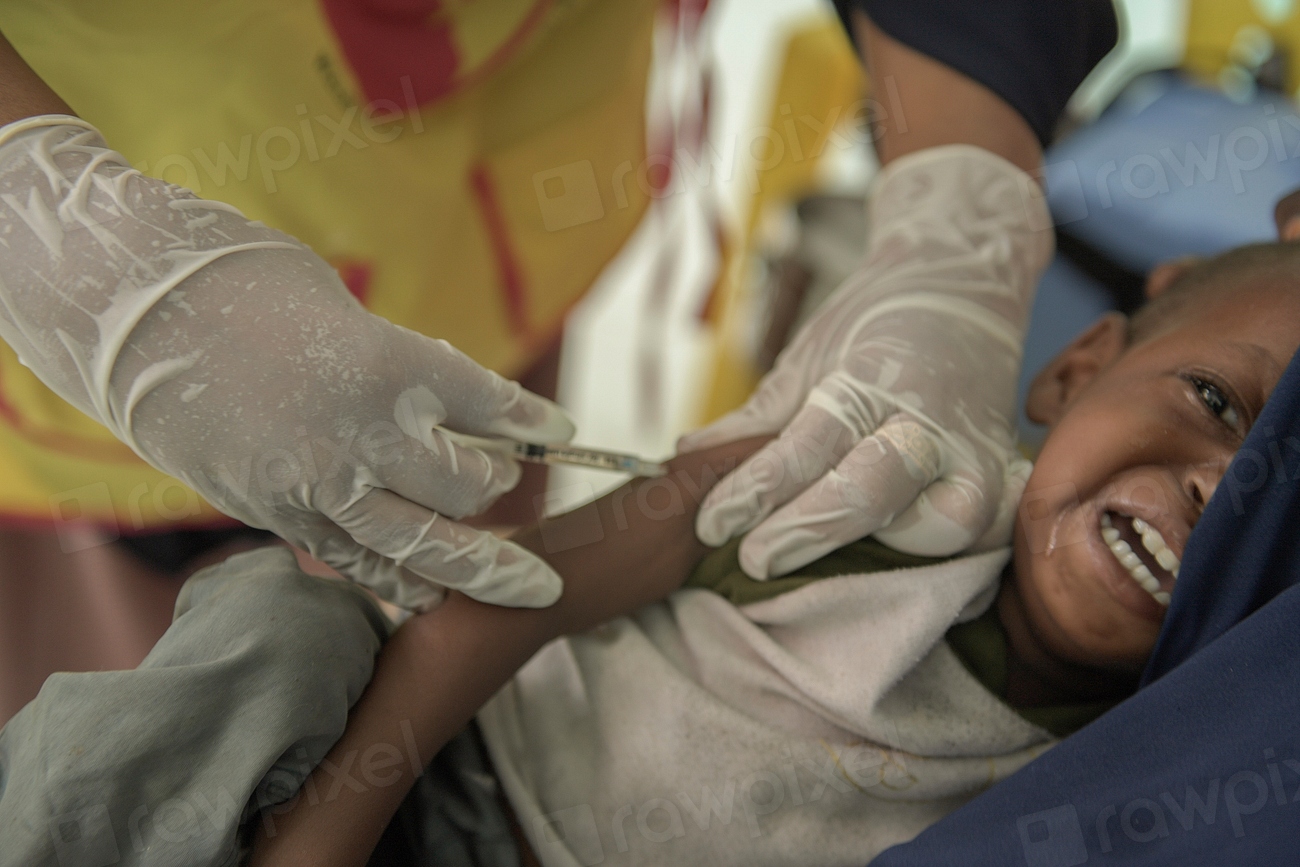
risks are not distributed evenly around the world, and neither is medical access. In regions where cancer care is expanding fast, protectants that are affordable, stable at room temperature, and easy to administer could be transformative. Low‑cost protein stabilizers might also help preserve temperature‑sensitive biologics in rural clinics, trimming losses that quietly erode public health budgets. Collaboration matters here: partnerships between hospitals, universities, and biotech startups can adapt extremophile insights to local needs rather than shipping a one‑size‑fits‑all kit. My own bias is simple – solutions should work in crowded city centers and remote villages, not just in gleaming research hubs.
There’s also a broader environmental angle: organisms like Deinococcus may help bioremediate contaminated sites, reducing exposure for workers and nearby communities. Cleaner ground means fewer health trade‑offs, and that’s a win far beyond the lab.
From Lab Bench to Bedside: The Hurdles
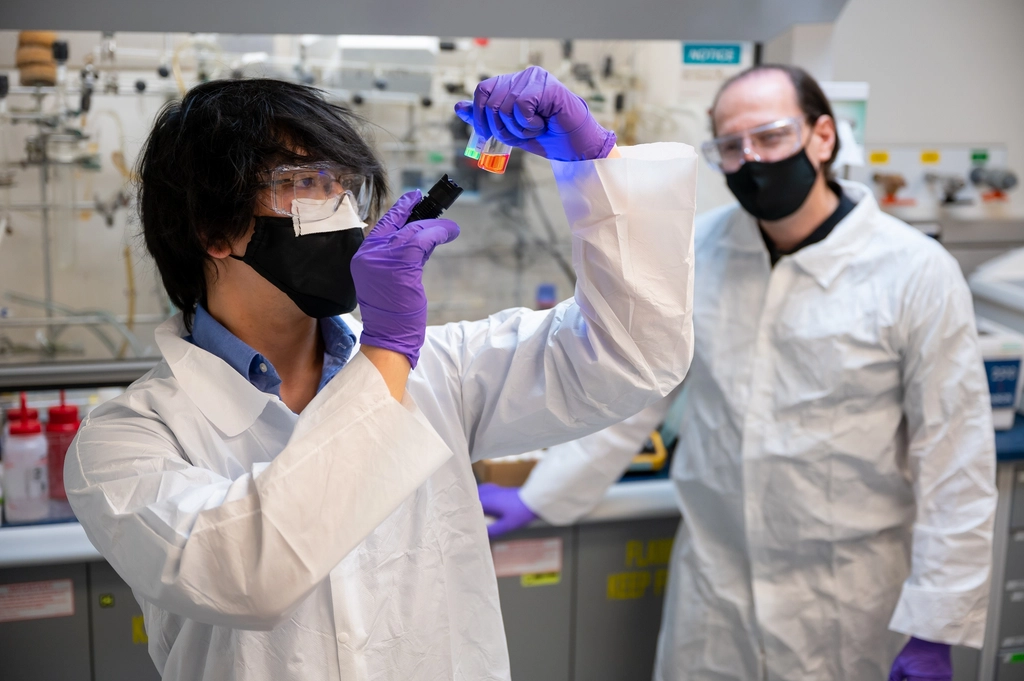
Turning a rugged survival trick into a safe medicine is slow, meticulous work. Researchers must prove that any protectant benefits healthy tissue without giving tumors an edge, a line that demands smart trial design and frank reporting. Manufacturing has to be consistent, shelf‑stable, and scalable so that a promising compound doesn’t die in a bottleneck. Regulators will ask for long‑term safety data, especially for repeated exposures or pediatric use, and they’re right to insist. Cost will be the quiet decider; if it can’t reach everyday oncology clinics, it won’t change many lives.
Still, the path is clearer than it was even a few years ago. Knowing that protein protection is central gives developers a decisive target instead of chasing every broken strand of DNA.
How You Can Get Involved
Stay curious and share responsibly whenever shows up in the news; fear thrives in silence, but facts change the conversation. If a loved one is entering radiotherapy, encourage questions about tissue protection, side‑effect management, and clinical trials that aim to spare healthy organs. Support nonprofits that fund extremophile research and translational oncology, because early grants often light the fuse for breakthrough studies. Teachers and parents can spark the next generation by running simple microbiology demos and talking about how oddball organisms drive real‑world innovation. For space‑minded readers, follow missions studying survival in orbit; the medical spinoffs often emerge where you least expect them.
In the end, this tiny pink survivor challenges us to build medicine around resilience, not just resistance – what would you want protected if you could lend your cells a shield?
Suhail Ahmed is a passionate digital professional and nature enthusiast with over 8 years of experience in content strategy, SEO, web development, and digital operations. Alongside his freelance journey, Suhail actively contributes to nature and wildlife platforms like Discover Wildlife, where he channels his curiosity for the planet into engaging, educational storytelling.
With a strong background in managing digital ecosystems — from ecommerce stores and WordPress websites to social media and automation — Suhail merges technical precision with creative insight. His content reflects a rare balance: SEO-friendly yet deeply human, data-informed yet emotionally resonant.
Driven by a love for discovery and storytelling, Suhail believes in using digital platforms to amplify causes that matter — especially those protecting Earth’s biodiversity and inspiring sustainable living. Whether he’s managing online projects or crafting wildlife content, his goal remains the same: to inform, inspire, and leave a positive digital footprint.