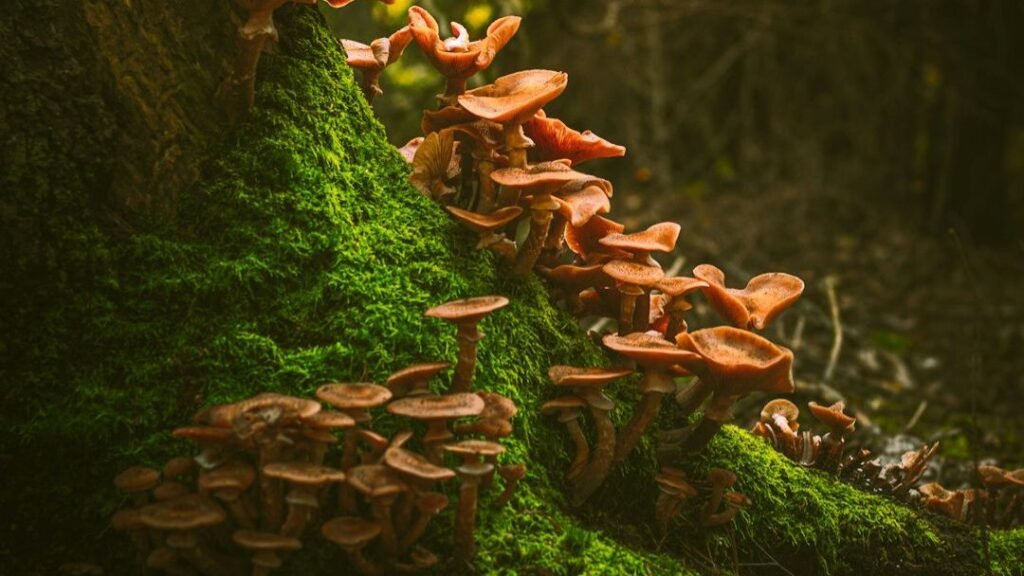

There’s something almost poetic about the fact that one of the most profound experiences a human being can have fits inside a small, unassuming fungus. For decades, researchers struggled to explain what psilocybin actually does to the brain on a mechanical level. They knew it altered consciousness dramatically. They just couldn’t figure out exactly how. Now, that’s starting to change in ways that nobody quite expected.
A new wave of neuroscience is cracking open one of the oldest mysteries in psychedelic research, and the findings are raising eyebrows in laboratories around the world. What scientists are discovering goes far deeper than serotonin receptors and trippy visuals. This is about the very structure of human awareness. Let’s dive in.
The Big Question Science Couldn’t Answer Until Now
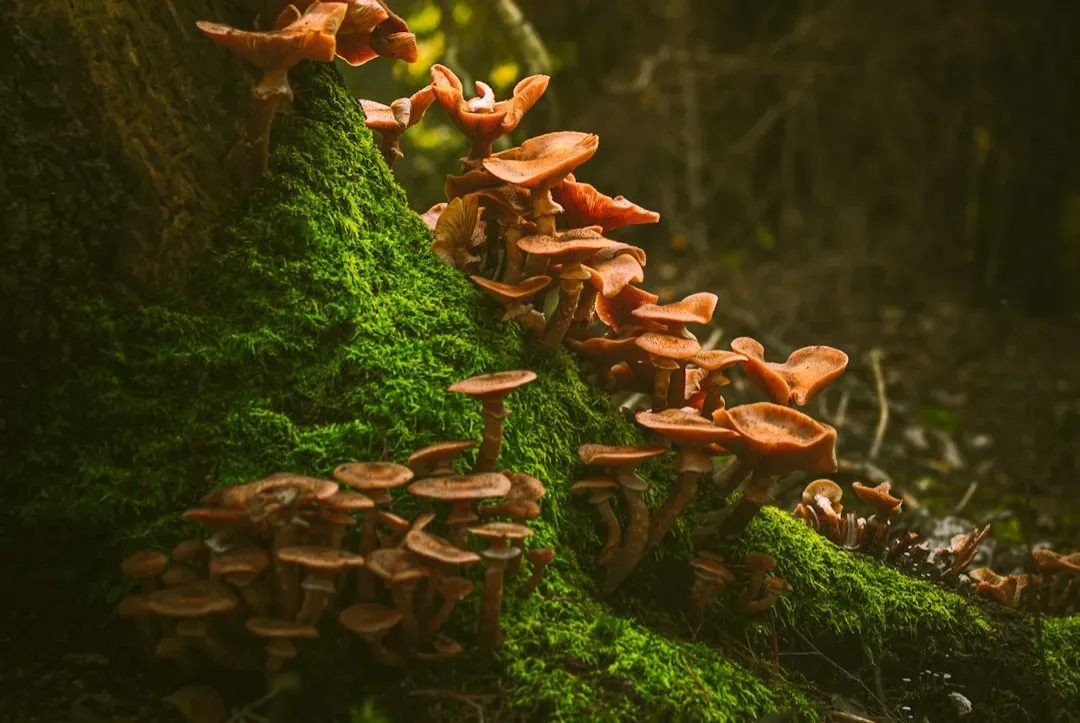
Here’s the thing most people don’t realize: despite decades of psychedelic research, scientists had never fully pinned down the neurological mechanism that causes the profound shift in consciousness that psilocybin produces. It wasn’t for lack of trying. The compound has been studied since the 1950s, and yet the “why” behind the experience remained stubbornly elusive. It’s a bit like knowing a light switch exists without understanding anything about electricity.
Recent research published in 2025 has started to fill in those gaps in genuinely exciting ways. Using advanced brain imaging technology, scientists have been able to observe in real time how psilocybin disrupts the brain’s default mode network, which is essentially the mental chatter system that defines your ordinary sense of self. When that system goes quiet, something else emerges. Something that researchers are now describing as a fundamentally different state of consciousness, not just a distorted one.
What Psilocybin Does to the Brain’s Default Mode Network
Honestly, the default mode network might be the most underappreciated concept in modern neuroscience. It’s the part of your brain that’s active when you’re not focused on the outside world, when you’re daydreaming, ruminating, or mentally rehearsing conversations you’ll probably never have. It’s your internal narrator. Your ego. Your sense of being a separate “you.”
Psilocybin essentially turns down the volume on that narrator dramatically. Studies using fMRI imaging show that under psilocybin, the default mode network becomes destabilized and fragmented. The rigid communication patterns between brain regions that define normal consciousness start breaking down. What replaces them is a kind of neural crosstalk, where brain regions that rarely talk to each other suddenly begin exchanging information at a remarkable rate. It’s a bit like watching a very tightly structured office building suddenly transform into a jazz improvisation session.
Entropy, Consciousness and a Radical New Theory
Scientists working in this space have started applying a concept called “neural entropy” to explain what psilocybin does. Put simply, entropy in this context means disorder or unpredictability. The idea is that under psychedelics, brain activity becomes dramatically more complex, more varied, and in a sense, more free.
What’s surprising is that higher entropy in brain activity seems to correlate with richer, more expansive states of consciousness. This flips the common intuition that more organized brain activity equals better mental function. It suggests that the tightly controlled, low-entropy state of normal waking consciousness might actually be a kind of restriction. Not a feature, but a filter. The implications of that idea, I think, are genuinely staggering, both for how we treat mental illness and for how we understand what human awareness even is.
The Dissolving Sense of Self and Why It Matters
One of the most consistently reported experiences under psilocybin is a phenomenon researchers call “ego dissolution.” This is the sensation that the boundary between yourself and the rest of the world has become blurry or disappeared entirely. For some people, it’s terrifying. For others, it’s described as the most profound experience of their life.
What’s fascinating from a scientific standpoint is that ego dissolution isn’t just a subjective feeling. Brain scans show measurable, physical changes in the areas responsible for self-referential thinking when it occurs. The intensity of ego dissolution also appears to correlate with long-term therapeutic benefits, particularly in studies involving depression and end-of-life anxiety. In other words, the more completely a person’s sense of separate self dissolves during the experience, the more lasting positive change they tend to report afterward. That’s not just interesting. It’s potentially revolutionary for psychiatry.
The Therapeutic Promise Behind the Neuroscience
The timing of all this research is not accidental. In recent years, regulatory agencies including the FDA have been closely watching clinical trials for psilocybin-assisted therapy, particularly for treatment-resistant depression, PTSD, and addiction. Several major research institutions, including Johns Hopkins and Imperial College London, have produced compelling data showing that even a single or small number of psilocybin sessions can produce significant and lasting improvements in mental health outcomes.
What the newer neuroscience adds to this picture is a mechanism. Before, clinicians could observe that the therapy worked without fully understanding why. Now, the theory is becoming clearer: by temporarily dismantling the brain’s rigid default patterns and allowing a more fluid, high-entropy state of neural connectivity, psilocybin may essentially allow the brain to “reset” entrenched thought patterns. Think of it like defragmenting a hard drive that’s been running the same corrupted software for years. The brain doesn’t just relax. It reorganizes.
What Sets Psilocybin Apart From Other Psychoactives
Let’s be real, not all mind-altering substances work the same way, and lumping psilocybin in with other drugs does a disservice to what the science is actually showing. Unlike alcohol or opioids, psilocybin is non-addictive by every measurable standard, and it doesn’t produce the kind of receptor downregulation that causes dependence. Its effects on consciousness appear to come specifically from its action on a particular serotonin receptor, the 5-HT2A receptor, which is densely concentrated in the brain regions associated with perception and self-awareness.
What makes this especially interesting is that the brain changes produced by psilocybin seem to outlast the drug itself significantly. Neuroimaging studies have detected measurable changes in brain connectivity weeks and even months after a single session. It’s hard to say for sure whether this represents permanent neural rewiring, but the pattern is consistent enough to take seriously. The drug leaves, but something in the brain’s architecture shifts.
Where the Science Goes From Here
The research landscape in 2026 looks genuinely different from where it stood even five years ago. Psilocybin studies are no longer fringe science conducted in hushed academic corners. They’re appearing in top-tier journals, attracting serious funding, and quietly reshaping the conversation around consciousness itself. Several countries and a growing number of U.S. states have begun reforming laws around therapeutic use, reflecting a cultural shift that would have seemed unthinkable a generation ago.
Still, important questions remain open. Scientists are still working to understand why some people have transformative experiences while others find them difficult or frightening. The relationship between dosage, set and setting, and long-term outcome is still being mapped. Researchers are also grappling with something philosophically thorny: if consciousness can be so dramatically altered by a few grams of fungus, what does that tell us about the nature of consciousness itself? It’s hard not to find that question a little dizzying, in the best possible way.
Conclusion: A Fungus That Forces Us to Think Differently
What strikes me most about this research isn’t the clinical promise, impressive as that is. It’s the deeper implication sitting at the center of it all. Everything you experience as “you,” your memories, your personality, your sense of being a continuous self moving through time, appears to be a construction. A pattern of neural activity. One that can be interrupted, dissolved, and rebuilt in ways that might leave you healthier, more open, and genuinely changed.
That’s not something you casually accept and move on from. It asks something of us. Whether you’re a scientist, a patient, or just someone curious about the nature of your own mind, psilocybin research is holding up a mirror that’s difficult to look away from. The fungus isn’t magic, strictly speaking. The magic, it turns out, was always inside the brain. What do you think that says about the mind we spend our whole lives living in? Drop your thoughts in the comments below.