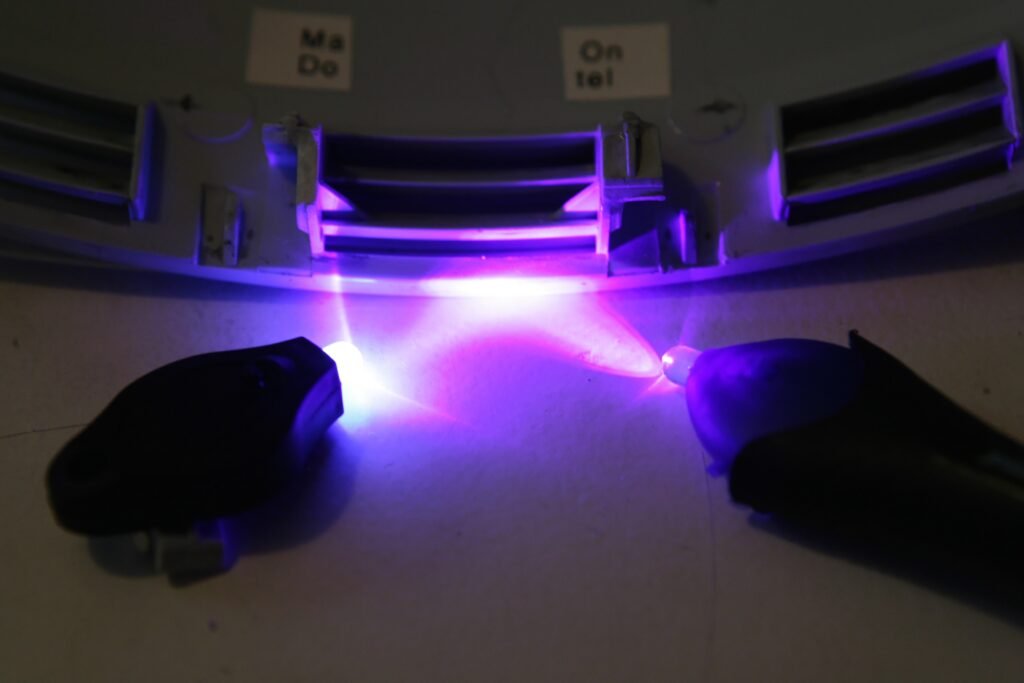

Imagine a color so foreign, so utterly outside the realm of human experience, that it exists in our world but hides in plain sight. Now picture scientists stumbling upon this secret hue—one that dances in the ultraviolet (UV) spectrum, imperceptible to human eyes but dazzling to the creatures and instruments that can see it. It sounds like science fiction, right? Yet, this isn’t a fantasy—this is the latest jaw-dropping revelation from the world of natural science. A new color, never before described by humans, has been discovered in nature, but you’ll only catch a glimpse of it if you can see in UV. This breakthrough doesn’t just rewrite color theory—it challenges how we understand the very fabric of reality.
The Hunt for the Invisible: How Scientists Found the New Color
For centuries, humans believed we’d cataloged every color nature has to offer. It took a team of researchers, armed with state-of-the-art UV imaging equipment and a dash of curiosity, to prove us wrong. Their journey began deep in the rainforests of South America, where unusual patterns caught their attention under UV light. Unlike anything previously recorded, these patterns glowed with a vibrancy that defied existing color charts. The team meticulously documented these findings, running tests to ensure this wasn’t a trick of the equipment or contamination. What they uncovered was a wavelength of light entirely outside our visible spectrum—an authentic “new color” that exists only in the ultraviolet.
Understanding Color Beyond Human Eyes
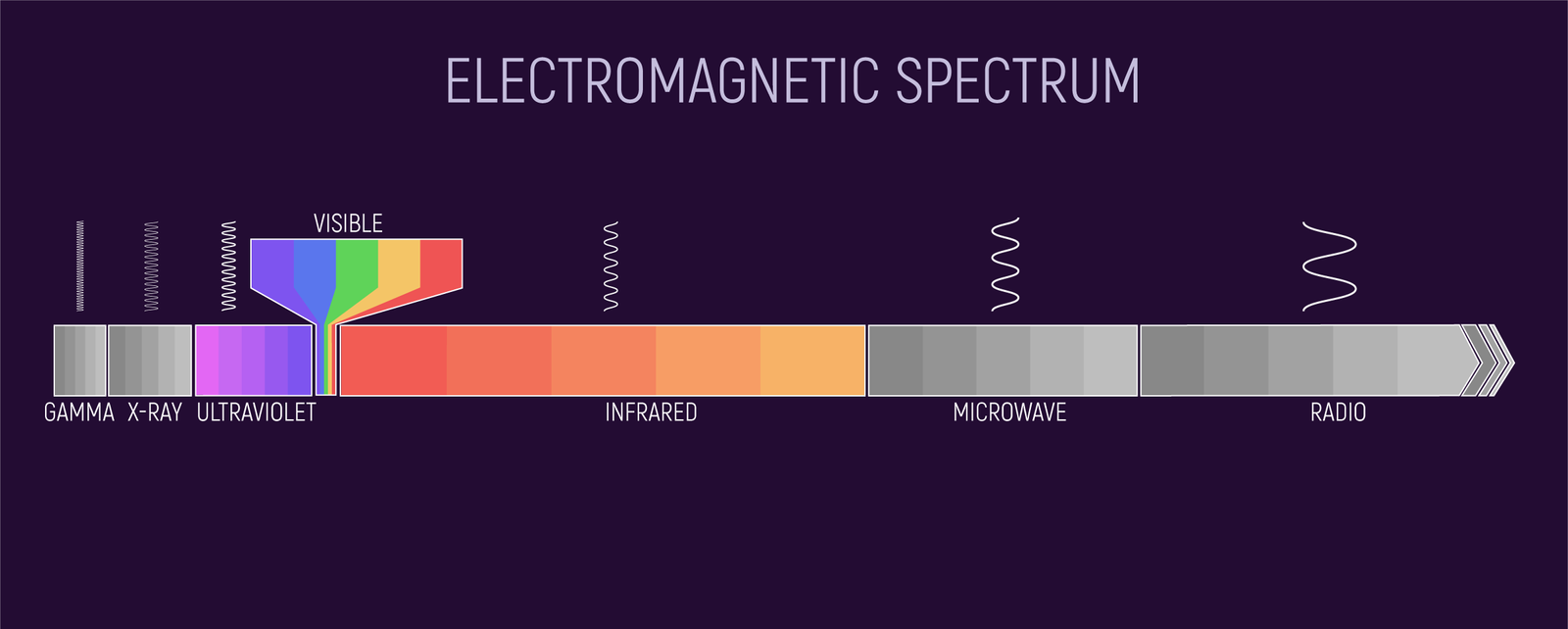
Most of us think of color as something absolute—red is red, blue is blue. But color is just the brain’s interpretation of light waves bouncing into our eyes. Humans can see wavelengths from roughly 400 to 700 nanometers, which covers the colors of the rainbow. But ultraviolet light sits just beyond that, starting at about 10 nanometers up to 400 nanometers. To us, UV is invisible, but to many animals, it’s as vivid as any other color. This new discovery reminds us that the palette of nature is far richer than our senses can grasp.
Why Some Animals See What We Can’t
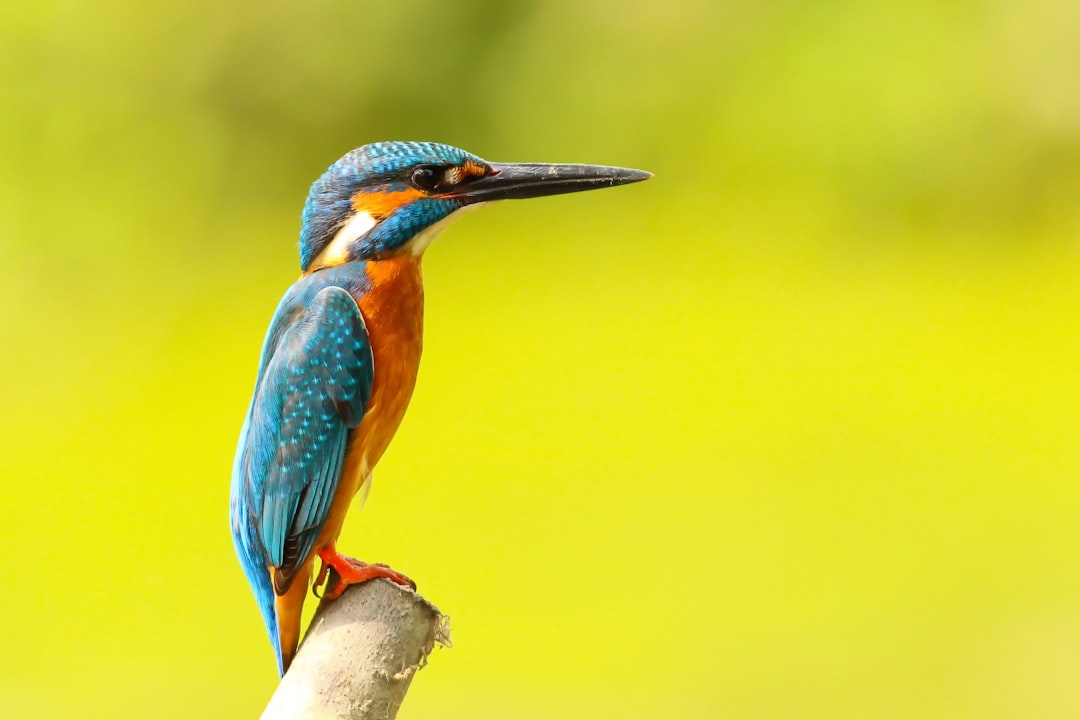
It’s almost unfair—while we’re stuck with our three color receptors (cones), many birds, insects, and even some fish boast extra cones that let them see into the UV range. Bees, for example, use their UV vision to find nectar patterns on flowers—nature’s secret road signs. Butterflies see a whole world of color that we can’t even imagine. The new UV color discovered isn’t just a curiosity; it’s a crucial part of the visual language for countless species. For them, the world is painted in colors we’ll never name.
The Science Behind the Discovery
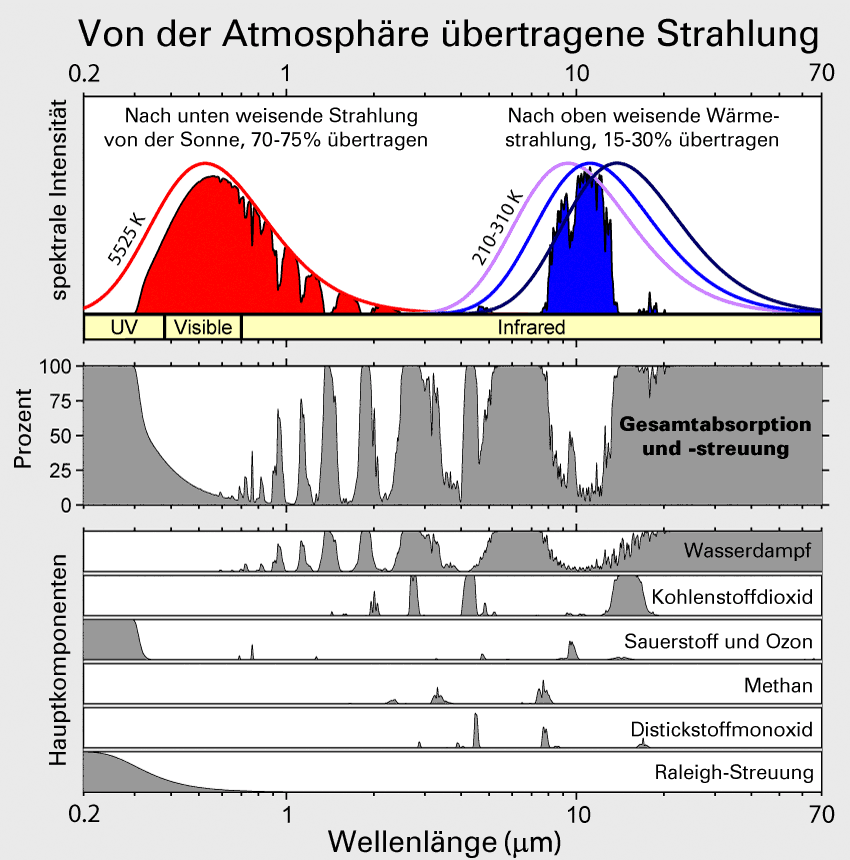
Scientists used advanced spectrometers to analyze the newfound color. They found it reflected a unique wavelength—one that didn’t match any known pigment or structural coloration in nature. Unlike iridescence, which changes color depending on the angle, this UV hue remained consistent under UV light. The researchers cross-checked their samples, eliminating the possibility of artificial sources or interference. The result? A verified, reproducible color outside human vision, observable only with specialized UV-sensitive equipment.
What Does This Color Look Like?

Describing a color no human has ever seen is like trying to explain music to someone who’s deaf. The researchers liken it to a hue that’s “neither purple nor blue, but something entirely new.” Some compare it to the shimmering effect of certain butterfly wings, but even that falls short. The only way we can experience it is through false-color imaging, where computers map UV wavelengths to visible colors. Even then, it’s just a translation—a shadow of the real thing.
Where in Nature Was the Color Found?
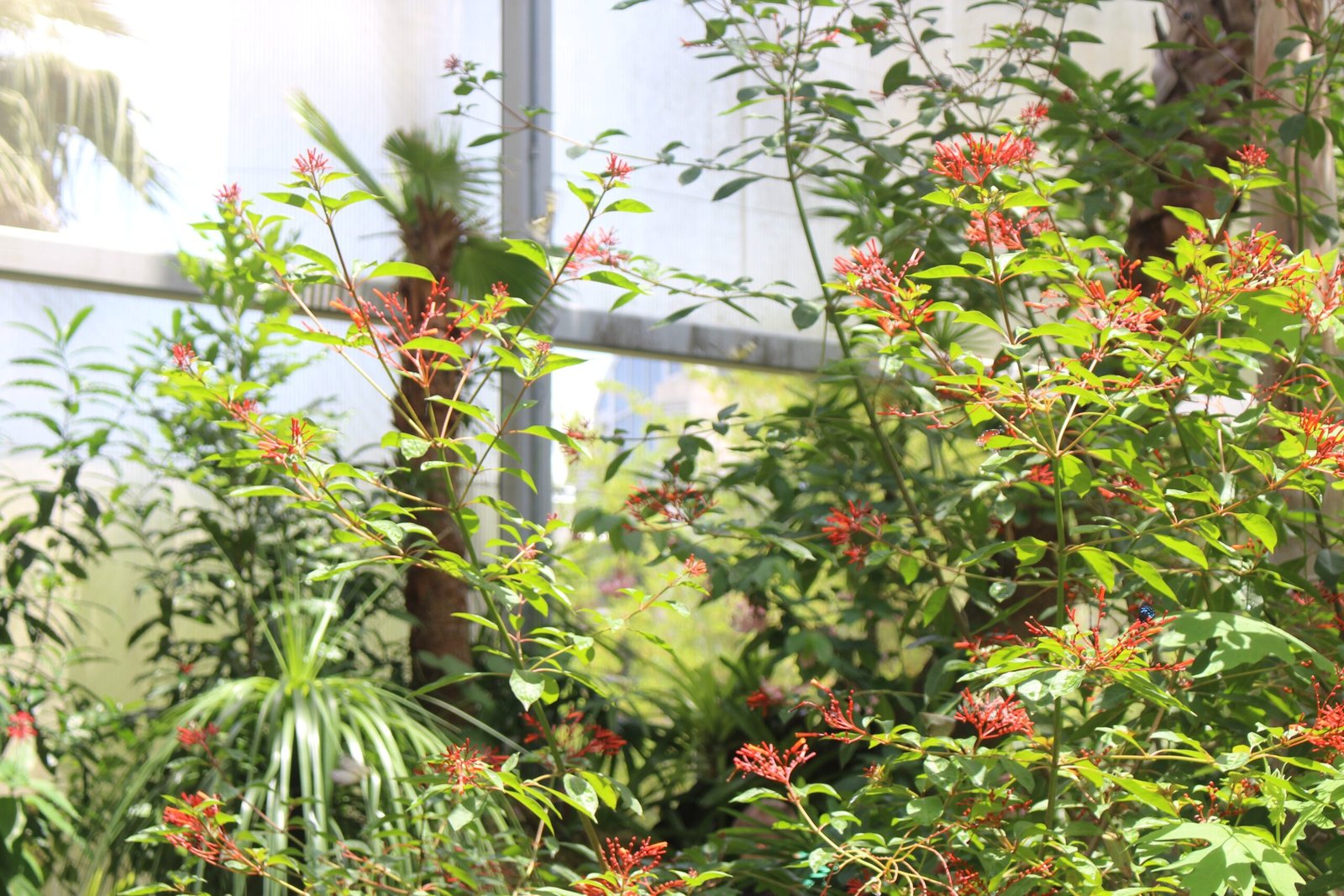
This mysterious UV color was first observed in the scales of a rare rainforest butterfly and in the plumage of certain South American birds. But once scientists started looking, they found hints of it in flowers, minerals, and even some fish scales. It’s as if nature has been hiding this secret in plain sight, waiting for the right tools—and minds—to uncover it. The discovery has sparked a rush to re-examine specimens in natural history museums under UV light, revealing a world teeming with hidden colors.
The Impact on Art and Design
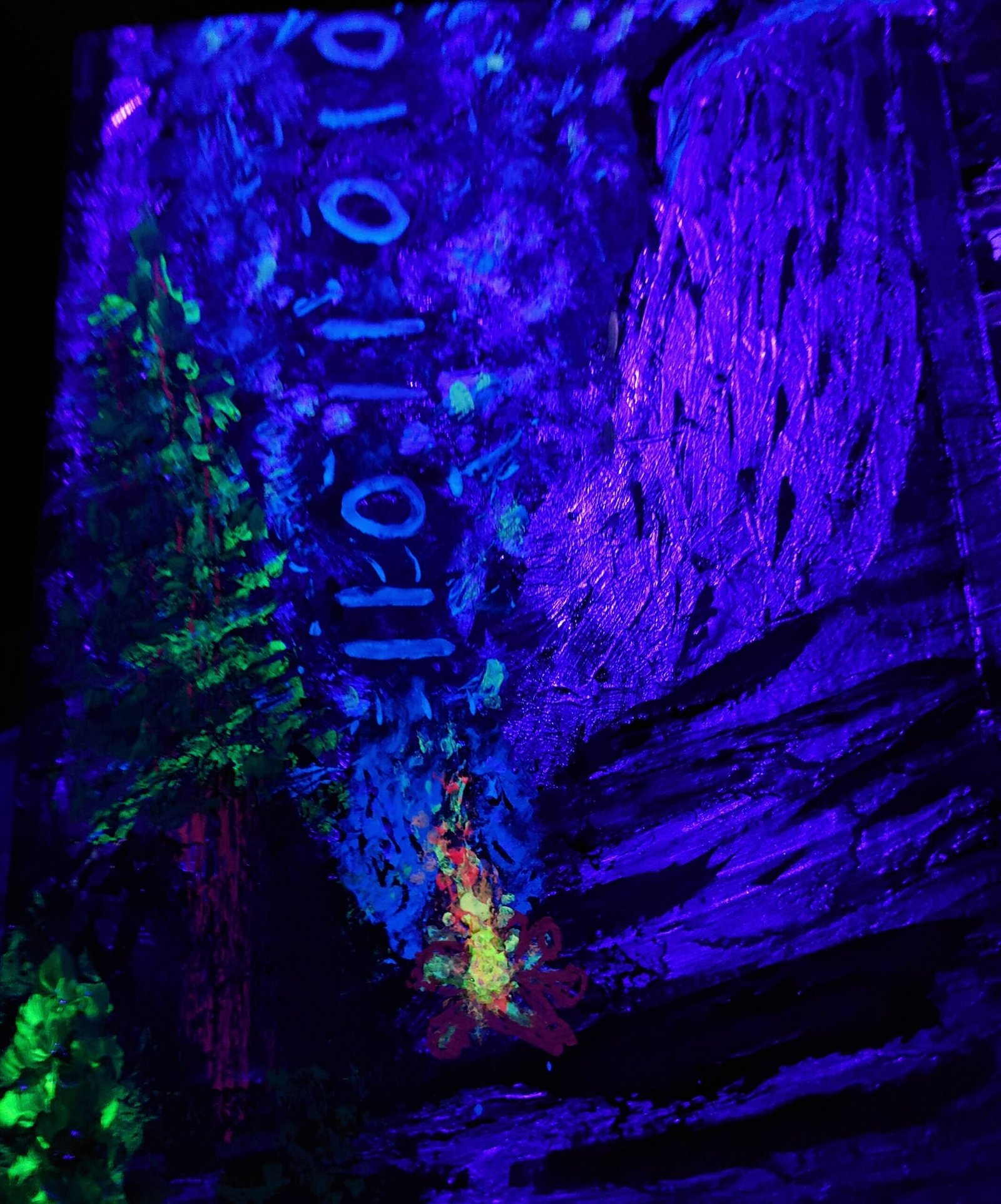
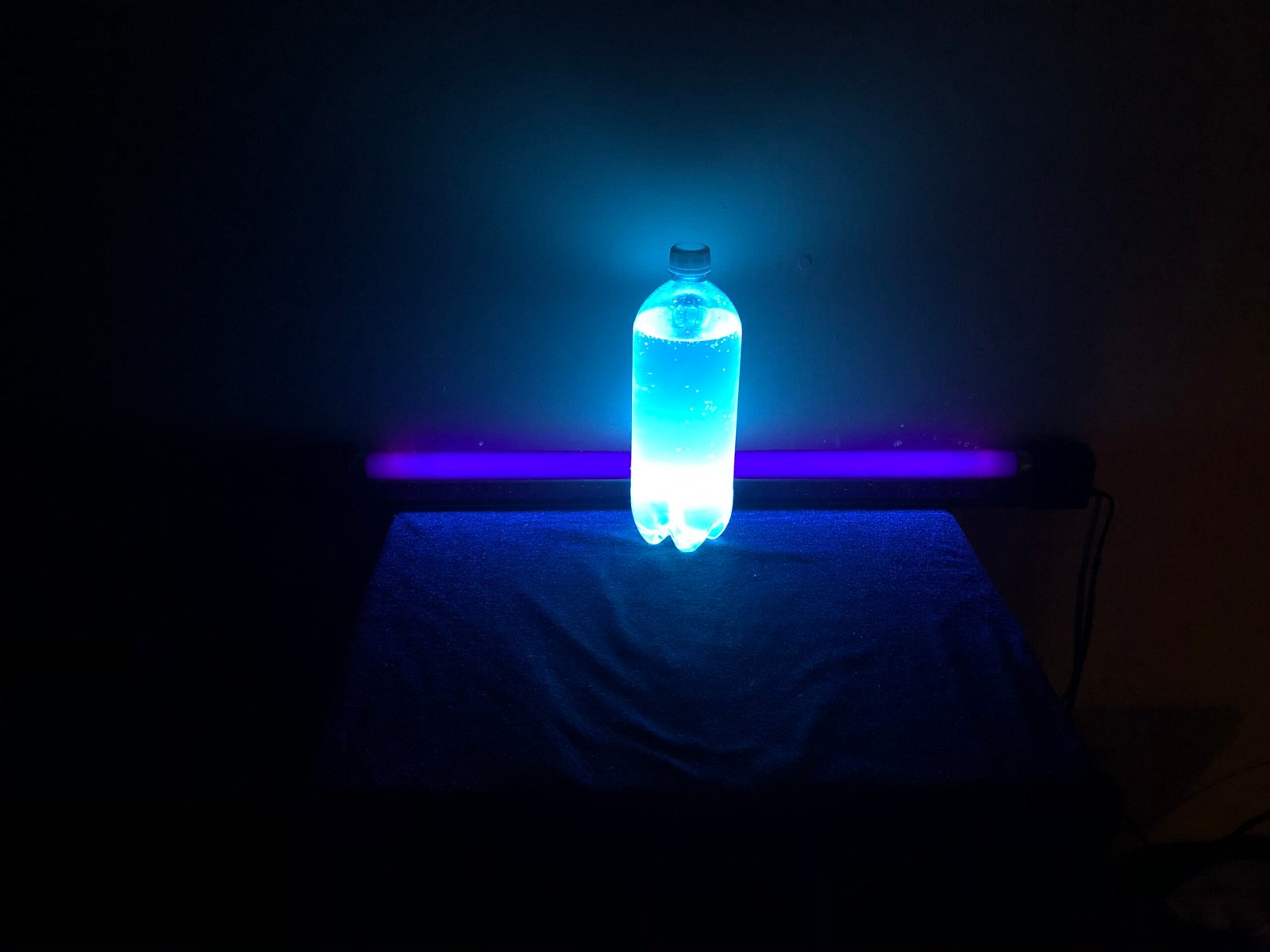
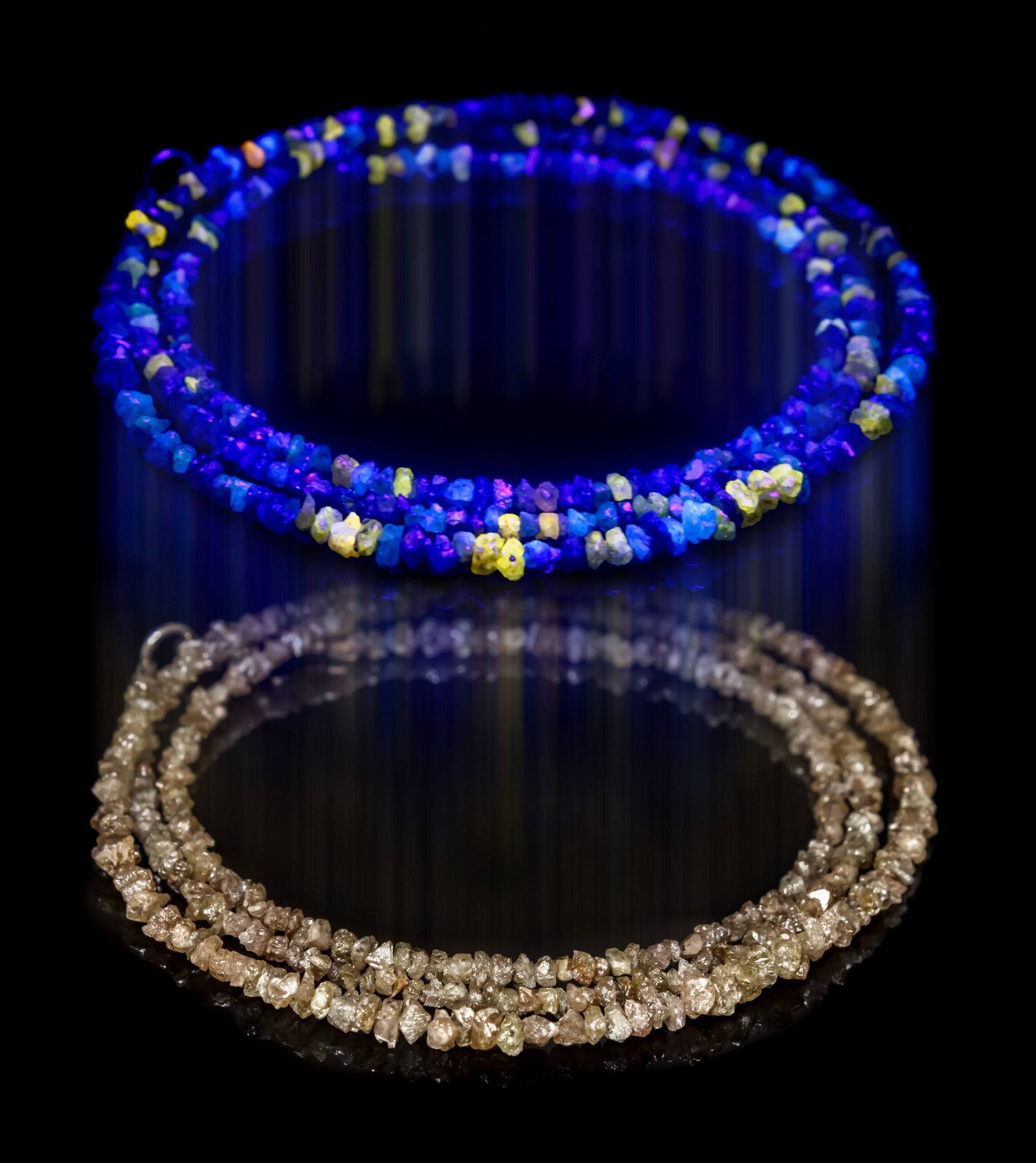
Artists have always pushed the boundaries of color, seeking new ways to express the world’s beauty. The idea of a color outside human experience is both tantalizing and frustrating. While we can’t create paints or fabrics that show this UV color directly, designers are already experimenting with UV-reactive materials to hint at its existence. Imagine clothing or paintings that come alive under blacklight, offering a glimpse into the hidden spectrum. This discovery could inspire a new era of creativity.
Rewriting the Textbooks: Implications for Color Theory
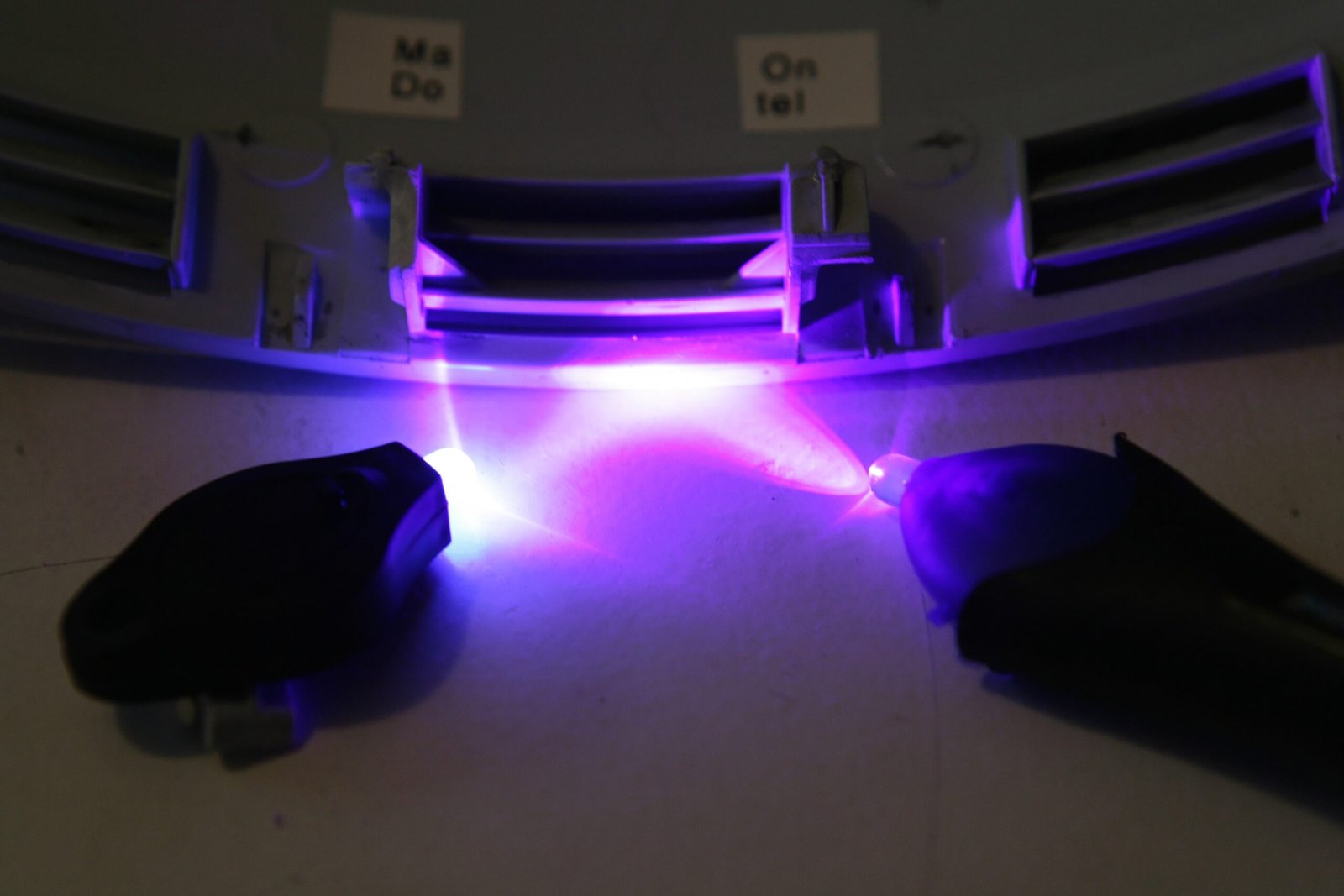
Color theory has long been based on the visible spectrum—a neat, orderly rainbow. The discovery of a new UV color throws that order into chaos. Scientists are now questioning whether our traditional color wheel is just a tiny sliver of a much larger, multidimensional space. This could lead to a new understanding of how color works, not just for artists, but for physicists, biologists, and engineers. It’s a reminder that science is always evolving, and there’s still so much we don’t know.
How Technology Makes the Invisible Visible
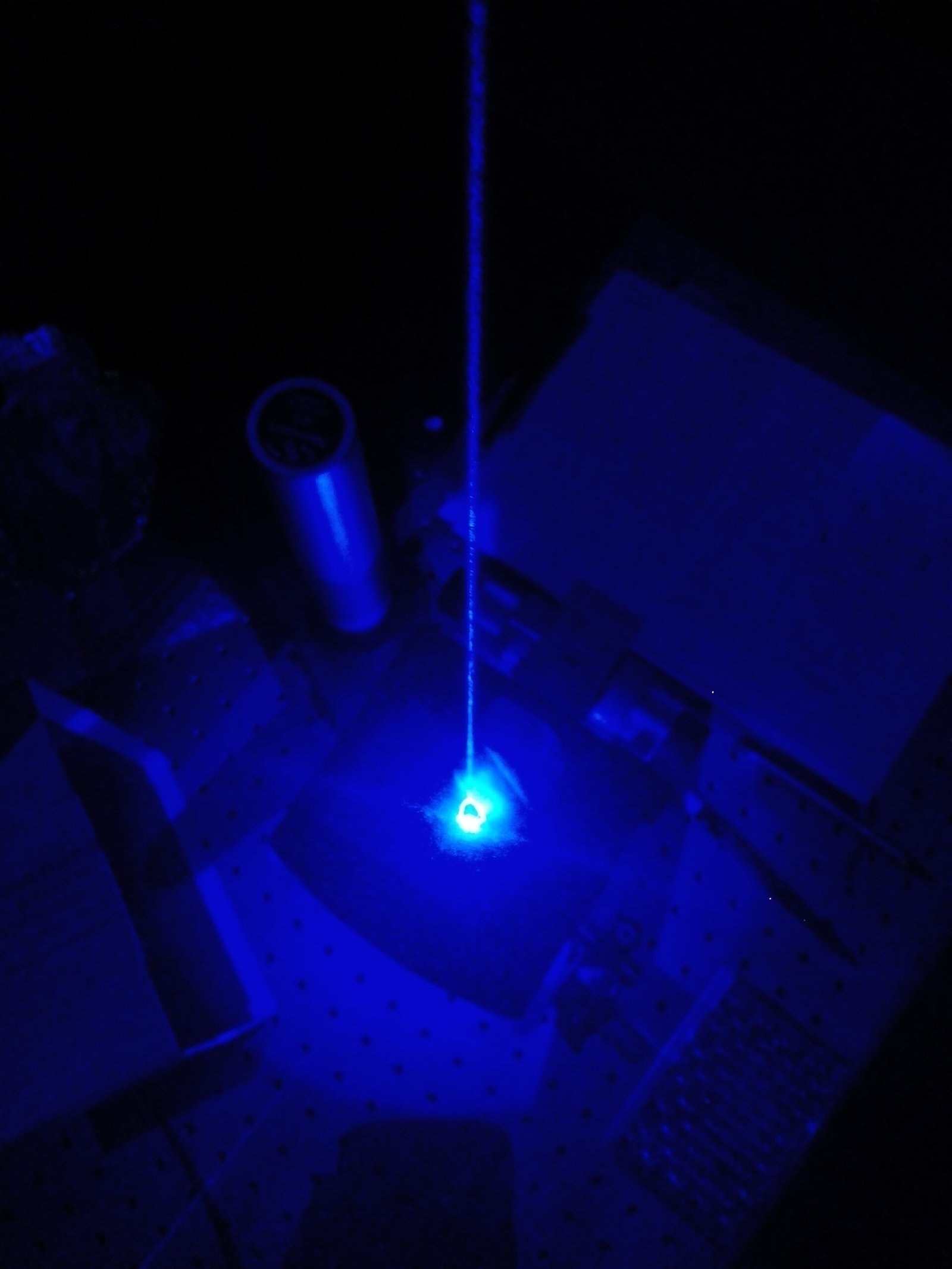
Without technology, this discovery would have remained forever hidden. UV cameras, spectrometers, and advanced imaging software serve as our eyes into this secret world. Scientists can now map UV colors with astonishing precision, revealing patterns and structures invisible to the naked eye. From forensics to astronomy, these tools are opening new frontiers. It’s a thrilling example of how technology can extend our senses and change our understanding of reality.
Nature’s Secret Language: Communication in UV
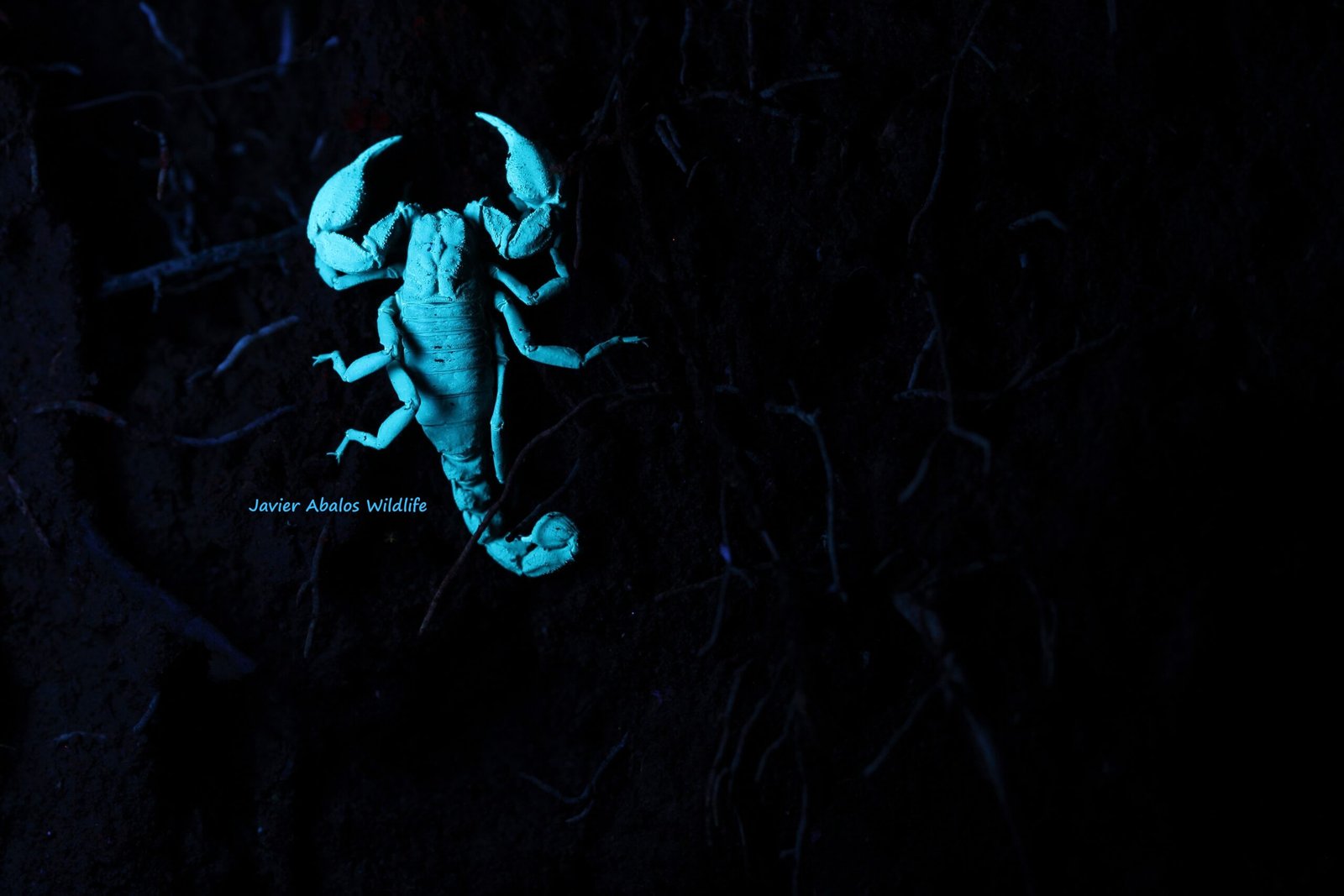
Many plants and animals use UV patterns to communicate, attract mates, or warn predators. Flowers signal bees with intricate UV markings, while birds display UV-reflective feathers in mating rituals. The newly discovered color may play a crucial role in these interactions, acting as a secret language that only certain species can understand. This highlights how much of nature’s beauty and complexity is hidden from us, just beyond the reach of our senses.
Medical and Scientific Applications
The ability to detect and analyze new UV colors isn’t just a scientific curiosity—it has real-world applications. Doctors use UV imaging to detect skin cancer, biologists use it to track animal populations, and forensic scientists rely on it to uncover hidden evidence. The discovery of a new UV color could lead to more sensitive diagnostic tools, improved imaging techniques, and perhaps even new materials with unique properties.
Could Humans Ever See This Color?

It’s a wild thought—what if we could upgrade our eyes to see UV? Some researchers are exploring ways to enhance human vision, from special contact lenses to gene editing. Others experiment with augmented reality glasses that translate UV signals into visible colors. While we’re not quite there yet, the dream of expanding our sensory world is alive and well. For now, we can only imagine what it would be like to see this new color firsthand.
The Emotional Impact of the Discovery

There’s something profoundly humbling about learning that the world is richer than we thought. It evokes a sense of wonder and awe, a reminder that nature still holds secrets waiting to be uncovered. For many, the discovery sparks curiosity and a desire to learn more. It’s a beautiful example of how science can make us feel small—and yet deeply connected to the mysteries of the universe.
Comparisons with Other “Impossible” Colors

This isn’t the first time scientists have discovered colors outside our normal experience. There are “impossible colors” like reddish-green or bluish-yellow, which the brain can’t process but which can be simulated in special experiments. The new UV color, however, is different—it exists in nature, not just as a mind trick but as a real, physical phenomenon. It challenges everything we thought we knew about color perception.
How the Discovery Changes Our View of the World
Realizing there are colors we can’t perceive forces us to confront the limits of our own senses. What else are we missing? Are there sounds, smells, or even forms of matter that exist beyond our detection? The discovery encourages us to be humble in our quest for knowledge and open to the idea that reality is bigger and stranger than we imagine.
Implications for Evolution and Adaptation
Why did some species evolve to see in UV, while others did not? The answer lies in survival. For bees, UV vision helps locate nectar; for birds, it enhances mate selection. The presence of a new UV color suggests that evolutionary pressures can shape the sensory worlds of different species in ways we’re only beginning to understand. It’s a stunning reminder of nature’s ingenuity.
The Role of Collaboration in Scientific Breakthroughs

This discovery didn’t happen in isolation. It took the combined efforts of biologists, physicists, engineers, and even artists to identify, verify, and interpret the new color. It’s a testament to the power of collaboration and curiosity. When people from different backgrounds come together, they can uncover truths that would remain hidden to any one discipline.
Challenges and Controversies
Not everyone is convinced. Some critics argue that calling it a “new color” is misleading, since it’s outside human experience. Others debate whether it should be classified as a true color or just a new wavelength. The scientific community thrives on such debates—they push researchers to refine their methods and definitions. The controversy only adds to the excitement and mystery.
What’s Next: The Future of Color Exploration

Now that the door has been opened, scientists are eager to explore further. They’re scanning more species, environments, and materials, searching for other hidden colors. Some are developing new sensors that could make UV colors more accessible to everyday people. The journey is just beginning, and who knows what other surprises nature has in store?
The Wonder of the Unknown
This discovery serves as a powerful reminder that the universe is still full of secrets. No matter how much we learn, there’s always more waiting just beyond the edge of our perception. As we peer into the ultraviolet and glimpse colors we never knew existed, we’re reminded to stay curious, to keep questioning, and to never stop looking for the extraordinary in the ordinary.