
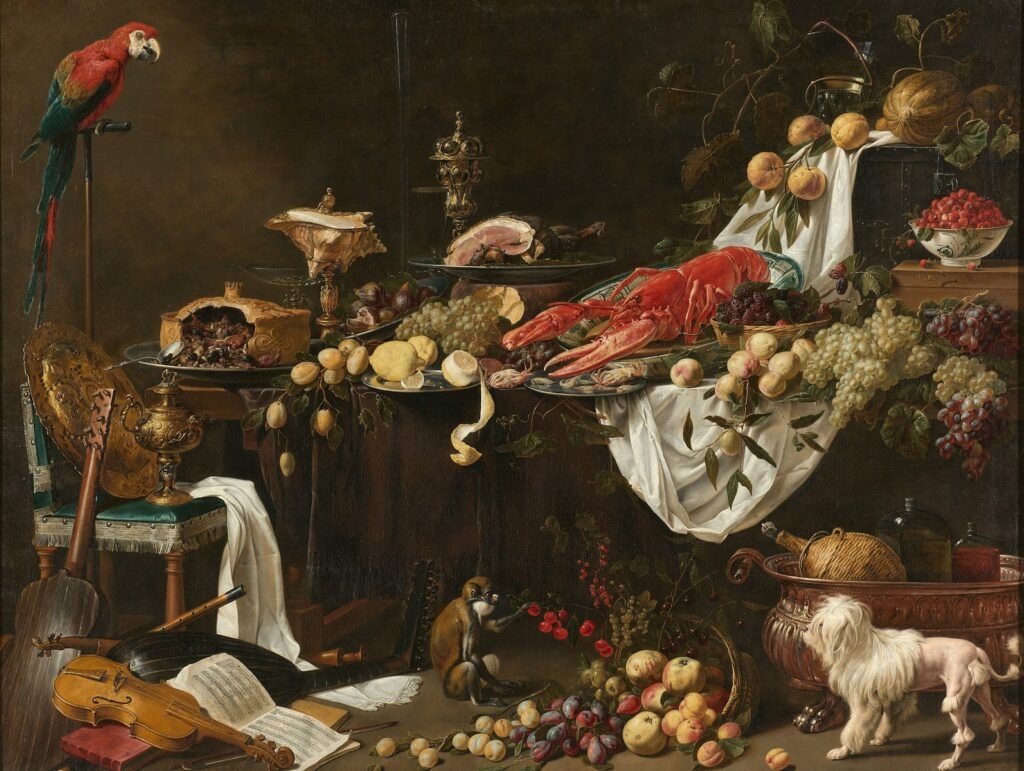

Not long ago, the daily menu of our distant ancestors seemed forever lost to time, dissolved with their bones and buried in forgotten soil. Now, from microscopic scraps on stone tools to proteins locked in ancient teeth, scientists are pulling remarkably vivid details out of the archaeological record. These discoveries are overturning old assumptions about what humans used to eat, how long they lived, and what really made them sick or strong. For anyone watching their cholesterol or wondering whether “eating like a caveman” makes sense, the new evidence is as relevant as it is fascinating. The past, it turns out, is quietly rewriting the rules of modern health.
The Hidden Clues in Bones, Teeth, and Fossilized Plaque
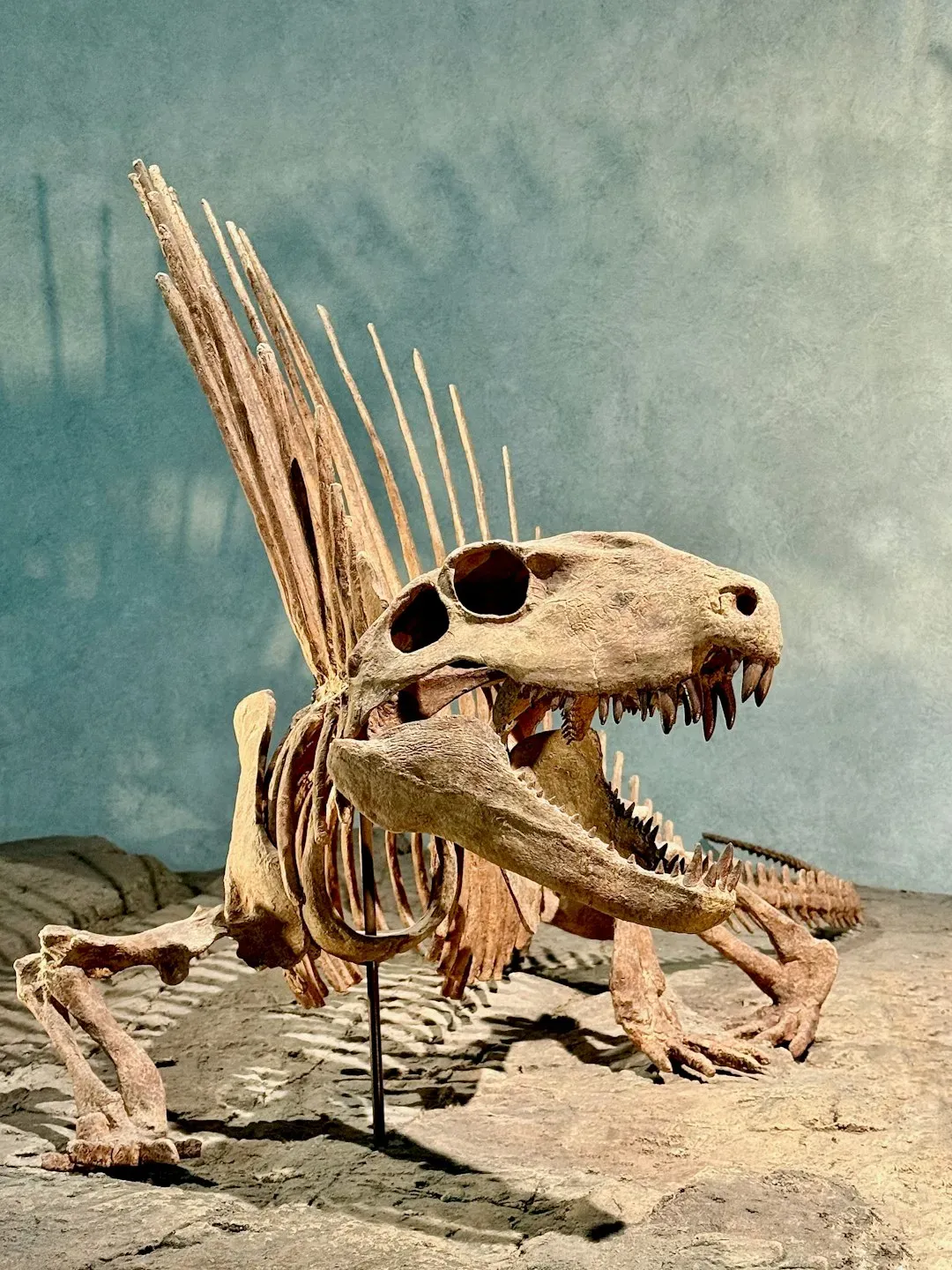
It sounds almost unbelievable, but one of the richest sources of information about ancient diets is dental plaque that hardened on teeth thousands of years ago. That calcified gunk, which most of us dread at the dentist, preserves tiny fragments of food, plant fibers, and even microbes that once lived in our mouths. Under powerful microscopes and through advanced chemical tests, researchers can now identify traces of grains, milk, meat, and even medicinal plants embedded in that fossilized plaque. Bones also carry dietary signatures: their chemical makeup shifts depending on how much seafood, meat, or plant matter a person ate over a lifetime. Together, teeth and bones form a kind of biological diary that outlasts written records by millennia.
What has surprised many scientists is how varied ancient diets often were, even in harsh environments. In some prehistoric skeletons, for example, chemical markers show a mix of wild plants, nuts, occasional meat, and seasonal fruits, rather than the pure “meat-heavy” image popularized in modern culture. Ancient plaque has revealed early use of grains long before organized farming, suggesting that humans experimented with starchy plants far earlier than once believed. There are even indications of smoke particles and specific plant residues that hint at early cooking methods and flavoring. Each fragment challenges the simplistic idea that there was one single “ancestral diet” to imitate today.
From Ancient Tools to Modern Laboratory Science
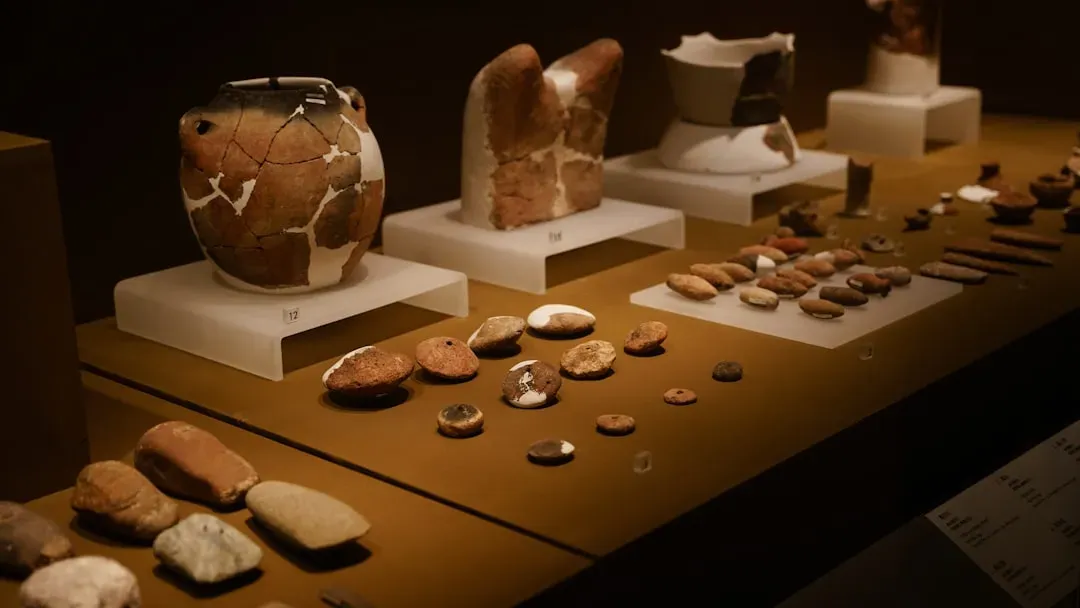
For decades, archaeologists relied mostly on what they could see with the naked eye: butchered bones, charred seeds, stone tools, and pottery. Those clues were powerful but limited, leaving huge gaps and plenty of educated guesses. Now, tools from molecular biology and forensic chemistry have entered the excavation tent, turning shards of pottery and stone blades into testable samples. By scraping residue from a 5,000-year-old cooking pot or a flint knife, scientists can detect fats, proteins, and DNA from long-vanished meals. The story of past diets is no longer just inferred from context; it can be chemically read, sometimes down to specific animal species or plant families.
Techniques such as stable isotope analysis, ancient DNA sequencing, and protein analysis (paleoproteomics) have revolutionized the field in the last two decades. Stable isotopes in bone collagen can reveal whether a community relied more on land animals, freshwater fish, or marine resources. Ancient DNA extracted from sediments or tools can flag the presence of species that left no visible bones behind. Proteins tend to survive longer than DNA, so they often provide evidence of milk consumption, egg use, or particular grains in very old sites. Each method has limits and potential contamination challenges, but when multiple lines of evidence align, they offer a remarkably detailed picture of what people truly ate.
What Ancient Diets Reveal About Disease and Longevity
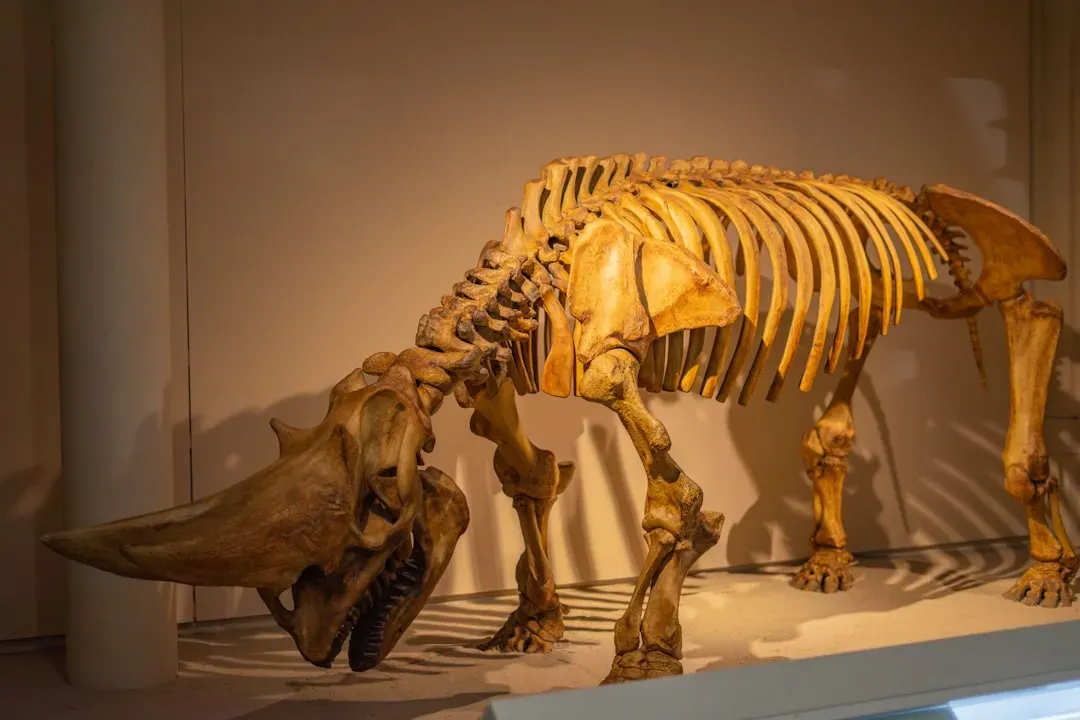
Diet is not just about what filled ancient stomachs; it is also about what shaped their health. Skeletal remains tell a sometimes haunting story of malnutrition, dental decay, arthritis, and surprisingly, some recognizable modern diseases. In certain early farming communities, skeletons show signs of stunted growth and iron deficiency, likely tied to heavy reliance on a few cereal crops and less dietary diversity. Spines worn down by hard labor and joints riddled with degeneration paint a picture of physically demanding lives that took a toll on bodies, even when people were relatively young. Yet in some hunter‑gatherer groups, bones show fewer markers of chronic inflammation and metabolic stress, despite much shorter average lifespans driven by infection and injury.
Ancient teeth, in particular, are powerful health records. Microscopic patterns of wear and tiny cracks can reveal a lifetime of grinding hard grains or chewing tough roots. Levels of cavities and gum disease shift dramatically with the arrival of agriculture and processed carbohydrates, which seems to echo many modern concerns about sugar and refined flour. Residues in plaque and genetic material from ancient oral bacteria suggest that our mouth microbiome changed as our diets did, tilting toward more decay-causing species in agricultural societies. Meanwhile, signs of heart and vascular disease have been found in some ancient mummies, reminding us that diet is just one piece among genetics, lifestyle, and environment. The lesson is complicated but vital: not all so‑called “traditional” diets were automatically protective, and not all modern foods are necessarily harmful.
Beyond the Paleo Fantasy: No Single Ancestral Diet
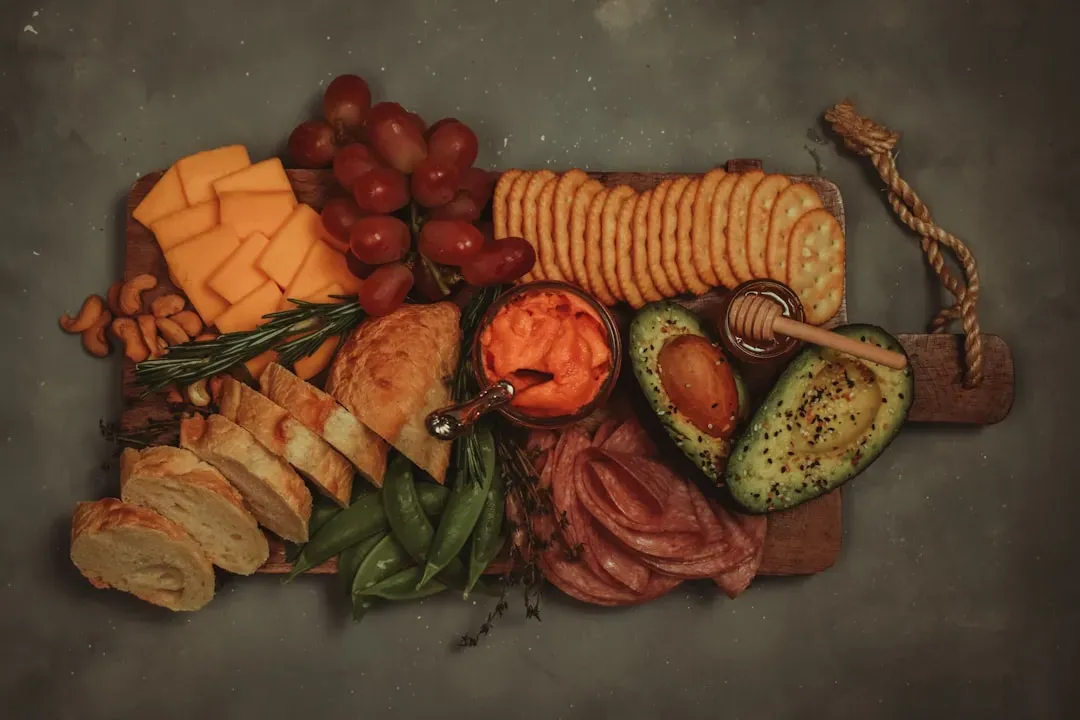
One of the strongest messages emerging from this research is that the idea of a single, ideal “caveman diet” is a myth. Human evolution did not take place in one landscape with a uniform menu; it unfolded across forests, coasts, savannas, rivers, and mountains. Early humans and recent ancestors ate whatever the local environment offered – shellfish in one region, tubers and nuts in another, wild grains and insects somewhere else. Fossilized plaque and bone chemistry from sites on different continents reveal striking diversity, sometimes even among neighboring groups. That flexibility appears to have been one of our species’ greatest strengths.
Modern attempts to package “ancestral eating” into a neat diet plan often ignore this complexity. When we look closely at the evidence, we see patterns, not a prescription: high reliance on whole foods, seasonal variability, and minimal processing aside from cooking and fermenting. Some ancient communities clearly ate far more carbohydrates than many modern “paleo” trends suggest, while others were very animal‑heavy because plants were scarce. My own opinion, after following this research for years, is that the real ancestral inheritance is adaptability rather than any strict list of approved foods. Our bodies seem built to handle many dietary patterns, as long as they are balanced, nutrient‑dense, and matched to our activity levels and environments.
Why It Matters for Modern Health
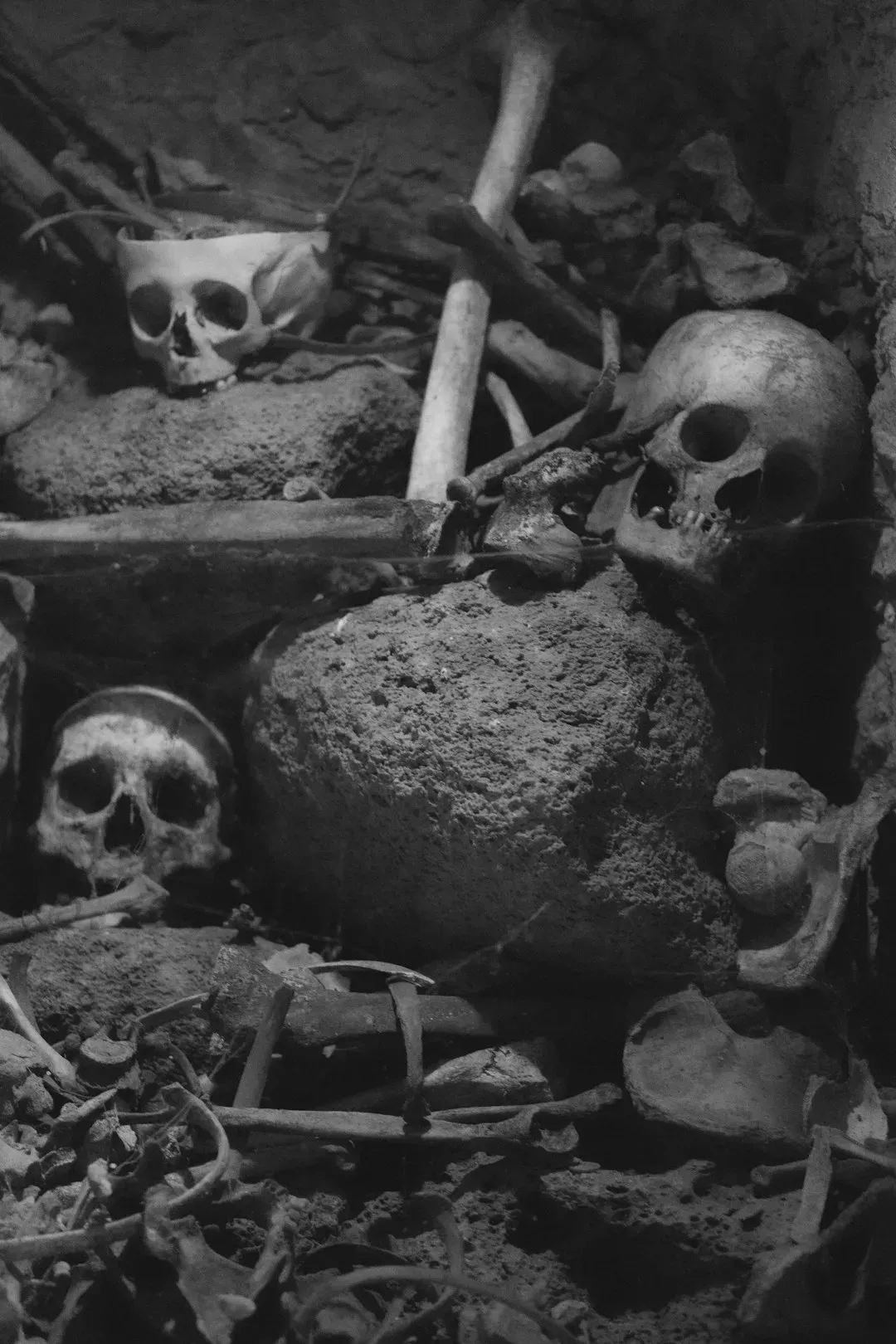
All this dusty, ancient evidence might sound like pure historical curiosity, but it touches directly on questions your doctor might ask today. As rates of obesity, type 2 diabetes, and heart disease climb in many countries, scientists are searching for deeper roots in human biology. By seeing how our ancestors responded to big dietary shifts – such as the move from hunting and gathering to farming, or from rural subsistence to early urban living – we get a natural experiment in long‑term nutrition. Bones and teeth from those transitional periods show how rapidly health can change when diets become narrower or more processed. They also highlight the resilience of communities that managed to maintain diverse, whole‑food based diets despite major social upheavals.
Compared with traditional nutrition studies, which often rely on short‑term surveys and self‑reported food diaries, ancient evidence offers a brutally honest record: bones do not lie or forget what they ate. That does not mean we should simply copy the past, because our lifestyles, lifespans, and environments are radically different now. But it does help us test popular theories about low‑carb, high‑fat, plant‑based, or animal‑heavy diets against the long arc of human experience. When a modern claim lines up with what we see in the archaeological and skeletal record, it gains weight. When it clashes, it prompts healthy skepticism and new research questions.
Global Perspectives: Many Histories, Many Ways to Eat Well

Ancient diet research is also helping to correct a long‑standing bias in how we think about “healthy” food traditions. For years, attention often focused on a few high‑profile examples, such as the Mediterranean diet, while other deeply rooted food cultures remained under‑studied. Excavations and lab analyses from Africa, Asia, the Americas, and the Pacific are now illuminating diverse strategies that supported health across generations. Coastal communities in pre‑colonial South America, for instance, appear to have thrived on a mix of marine protein, local grains, and fruits. In parts of East and Southeast Asia, early rice and millet farmers seem to have compensated for agricultural risks with wild foods and fermented products that protected gut health.
These global findings underline that there is no single path to a nourishing diet, but there are recurring themes. Successful traditional food systems tend to favor seasonal variation, a balance of plant and animal sources when available, and preservation methods such as drying, fermenting, and smoking. Many also incorporate bitter, fibrous, or strongly flavored elements that modern palates often avoid, yet these components may support digestion and metabolic stability. Bullet‑pointing it, scientists often see patterns like these: – Heavy reliance on whole, minimally processed foods – Regular intake of fiber‑rich plants and legumes – Limited access to constant, round‑the‑clock snacking Those broad principles are increasingly being tested in clinical and public‑health research as possible anchors for modern eating.
Peering Ahead: The Future Landscape of Ancestral Diet Science
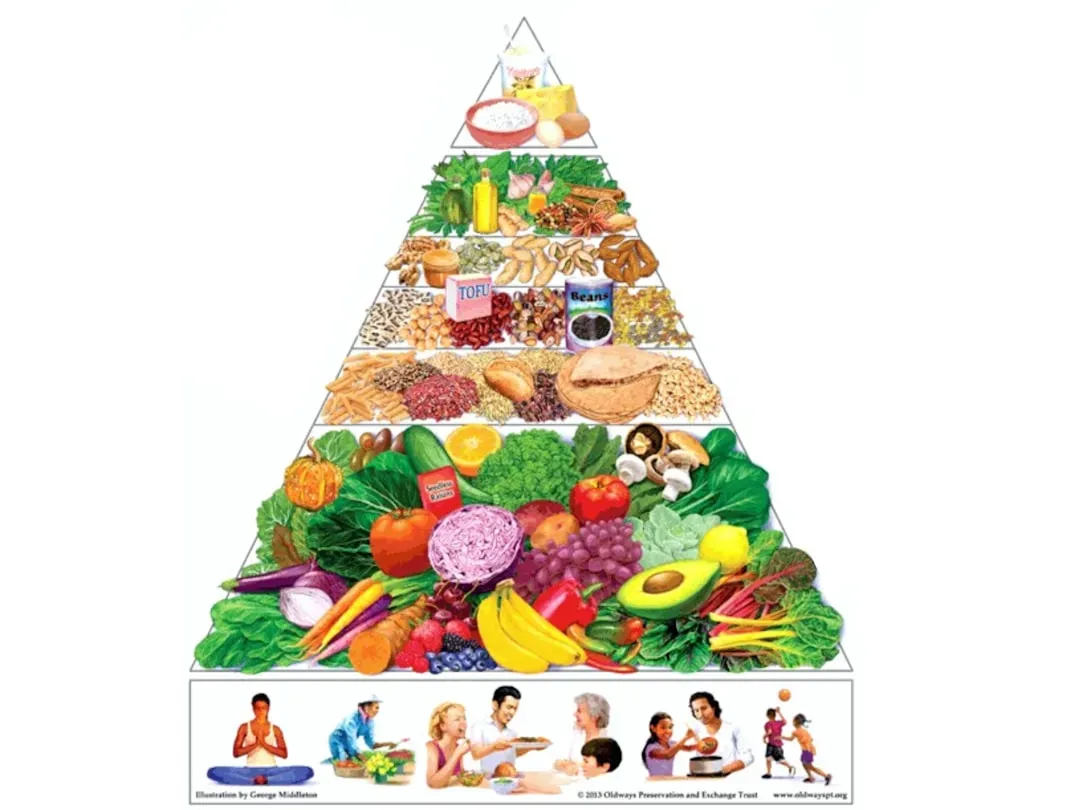
The tools that let us read ancient menus are advancing at a breathtaking pace, and they are far from reaching their limits. New sequencing technologies are making it possible to reconstruct entire ancient microbiomes from plaque and soil – essentially letting us compare the gut and oral ecosystems of past populations with our own. As computing power grows, researchers can model how shifts in diet, pathogens, and climate interacted over centuries to shape health. In some cases, scientists are even tracking specific genetic adaptations, such as lactase persistence for digesting milk, alongside dietary evidence from the same region. This kind of integrated view was barely imaginable a generation ago.
With those opportunities come big challenges. Ancient samples are fragile and scarce, and contamination from modern handling can easily distort results if strict protocols are not followed. Ethical questions also loom large, especially when working with human remains from Indigenous or marginalized communities whose descendants must be involved in decisions. There is a risk that oversimplified interpretations – such as claiming a single “perfect” ancestral diet – could be used commercially in misleading ways. Yet if handled responsibly, this research could inform personalized nutrition, help revive resilient traditional food practices, and guide policies that encourage healthier, more sustainable eating patterns worldwide.
How You Can Engage With the Past to Shape Your Plate
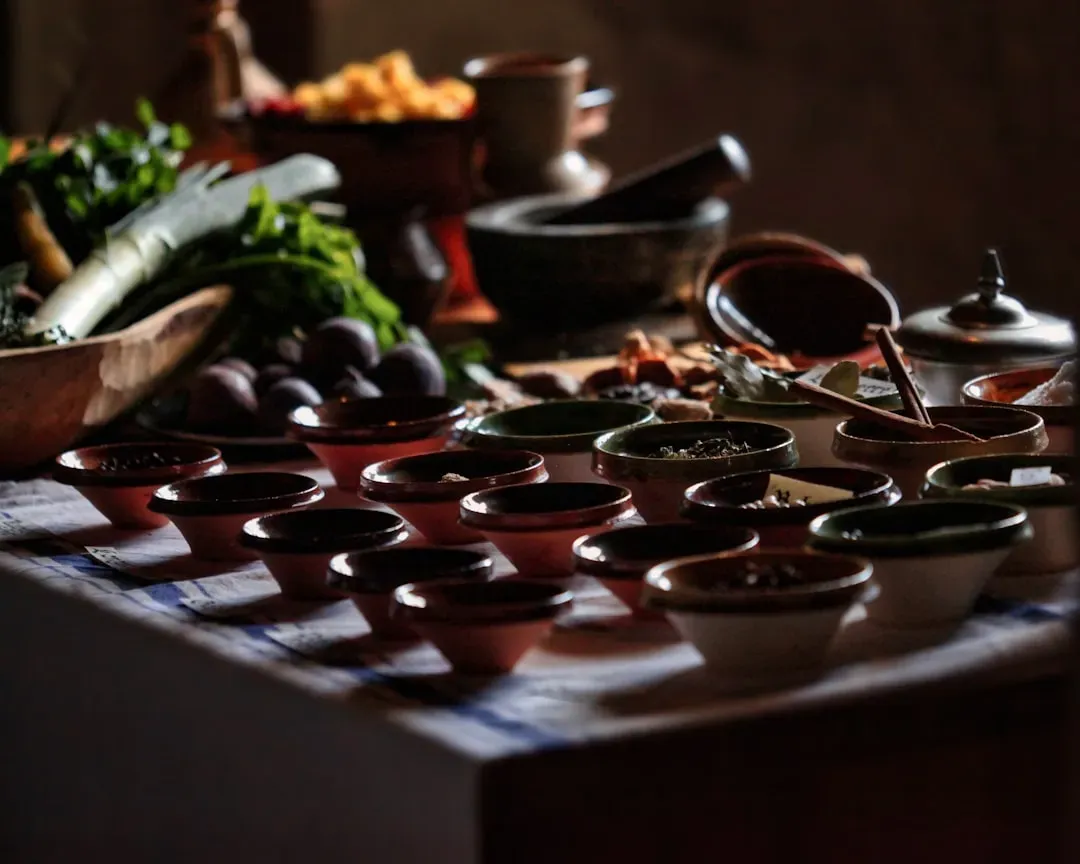
You do not need a lab or a trowel to act on what scientists are learning from our ancestors’ diets. One simple step is to look more closely at traditional dishes from your own family or region, especially those that rely on whole grains, beans, seasonal vegetables, and modest portions of animal foods. Another is to pay attention to how often your meals resemble the constant, processed snacking that has no real historical precedent in human life. Instead of trying to mimic a specific Stone Age menu, you might aim for an eating pattern that feels varied, satisfying, and minimally processed – closer in spirit to the flexibility our ancestors depended on. Small changes, like adding a legume‑based dish each week or experimenting with fermented foods, can quietly nudge your diet in that direction.
Supporting the science itself is another meaningful avenue. Public museums, local archaeology projects, and university research centers often rely on community interest, membership, and donations to keep digging – literally and figuratively. Even staying informed, reading critically, and pushing back against oversimplified “miracle” diet claims helps create a healthier information environment. After all, the real story of ancestral diets is not a marketing slogan but an ongoing, collaborative investigation into what it means to nourish a human body over a lifetime. As we listen more carefully to what bones, teeth, and ancient kitchens are telling us, we gain new tools to make wiser choices in the present.
Suhail Ahmed is a passionate digital professional and nature enthusiast with over 8 years of experience in content strategy, SEO, web development, and digital operations. Alongside his freelance journey, Suhail actively contributes to nature and wildlife platforms like Discover Wildlife, where he channels his curiosity for the planet into engaging, educational storytelling.
With a strong background in managing digital ecosystems — from ecommerce stores and WordPress websites to social media and automation — Suhail merges technical precision with creative insight. His content reflects a rare balance: SEO-friendly yet deeply human, data-informed yet emotionally resonant.
Driven by a love for discovery and storytelling, Suhail believes in using digital platforms to amplify causes that matter — especially those protecting Earth’s biodiversity and inspiring sustainable living. Whether he’s managing online projects or crafting wildlife content, his goal remains the same: to inform, inspire, and leave a positive digital footprint.


