
Not long ago, the average person’s image of ancient life was simple: hard work, short lives, and meals that were little more than survival rations. Today, that picture is being quietly rewritten in labs and excavation sites around the world. Using tools that can read the chemistry of bones, teeth, and even fossilized plaque, scientists are reconstructing what people actually ate thousands of years ago – and how it shaped their bodies. The surprising twist is that these discoveries are not just about the past; they’re challenging modern assumptions about “healthy” eating, longevity, and chronic disease. The further researchers dig into ancient diets, the more they find echoes of our current health crises – and clues that may help us navigate them.
The Hidden Clues in Bones, Teeth, and Ancient Plaque
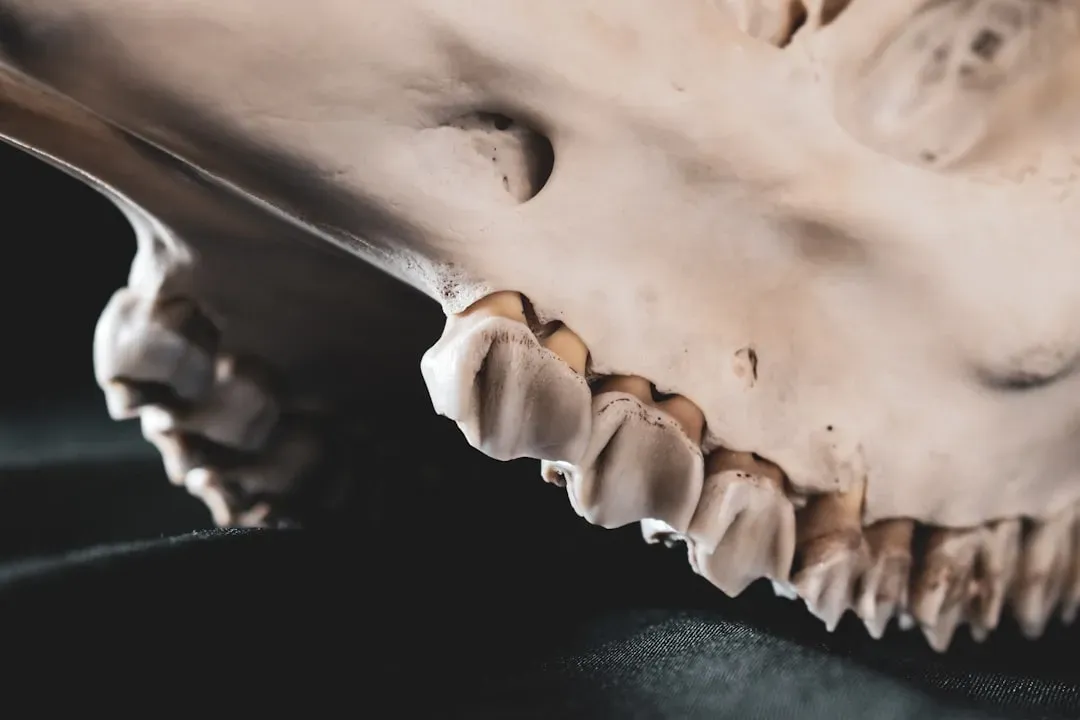
It turns out our ancestors left behind detailed health records without ever filling out a form or visiting a clinic. Bones carry chemical signatures of the foods people ate, from marine fish to millet and barley, and tiny changes in bone density can reveal nutritional stress or robust health over a lifetime. Teeth are even more precise; enamel and dentine form in childhood and preserve a chronological record of diet, illness, and stress, a bit like tree rings inside the human body. In recent years, scientists have also realized that hardened plaque on ancient teeth – dental calculus – is a gold mine, preserving trapped proteins, plant fibers, and even traces of milk and spices. When researchers dissolve this calculus under microscopes and mass spectrometers, whole menus from forgotten meals start to reappear.
These micro-remains offer glimpses of everyday life that written history never recorded, especially for ordinary people whose voices rarely reached ancient archives. For example, traces of wild plants and diverse grains hint that many communities ate far more varied diets than the simple “meat and bread” story we often imagine. Evidence of tartar build-up and tooth wear also reveals patterns of sugar, grit, and processing, showing when societies began to grind grains finely or rely on softer, more refined foods. Some skeletons show clear markers of strong bones and low tooth decay compared to modern averages, while others reveal the toll of famines and social inequality. Taken together, these hidden clues are building a more nuanced, human portrait of past health – one that is far less primitive than stereotypes suggest.
From Ancient Tools to Modern Science
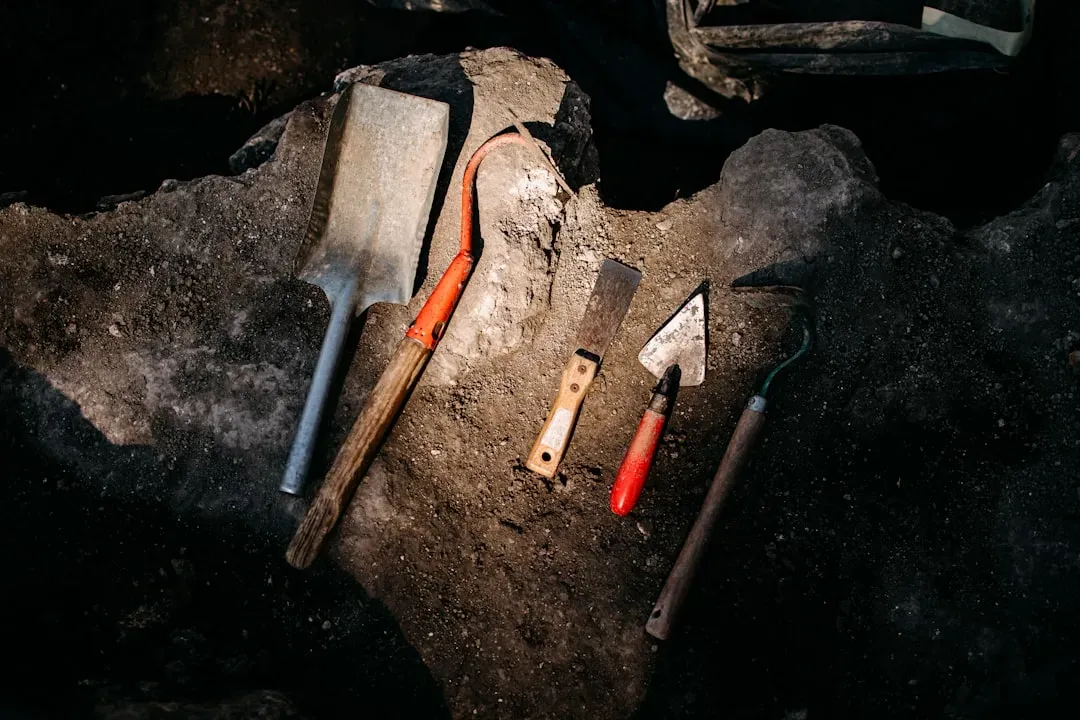
For most of the twentieth century, archaeologists could only guess at diet by looking at tools and food remains: grinding stones meant grains, fish hooks suggested seafood, animal bones implied hunting or herding. Those clues were helpful but incomplete, a bit like trying to understand a person’s life from looking only at their kitchen drawers. Over the last few decades, new methods such as stable isotope analysis, ancient DNA sequencing, and proteomics have transformed that detective work. By measuring different forms of carbon and nitrogen in bones, scientists can tell whether protein came mainly from land animals, fish, or plants. Ancient DNA from food residues on pottery or tools adds even more detail, especially for species that do not fossilize well.
Even more recently, researchers have begun applying techniques that would be at home in a hospital lab to ancient remains. Proteins from milk, blood, and plants can survive in teeth and bone for thousands of years, allowing scientists to identify which animals were milked or which cereals were eaten in different regions. In some cases, they can even track the rise of dairy tolerance by linking genetic changes in ancient populations with direct chemical evidence of milk consumption. This is not just clever technology for its own sake; it lets scientists test long-held assumptions about when farming began, how quickly people shifted away from wild foods, and how those choices affected health. What started with stone tools and charred seeds has grown into a full biochemical investigation of human history.
What Our Ancestors Really Ate (It’s Not What Most Diet Books Say)
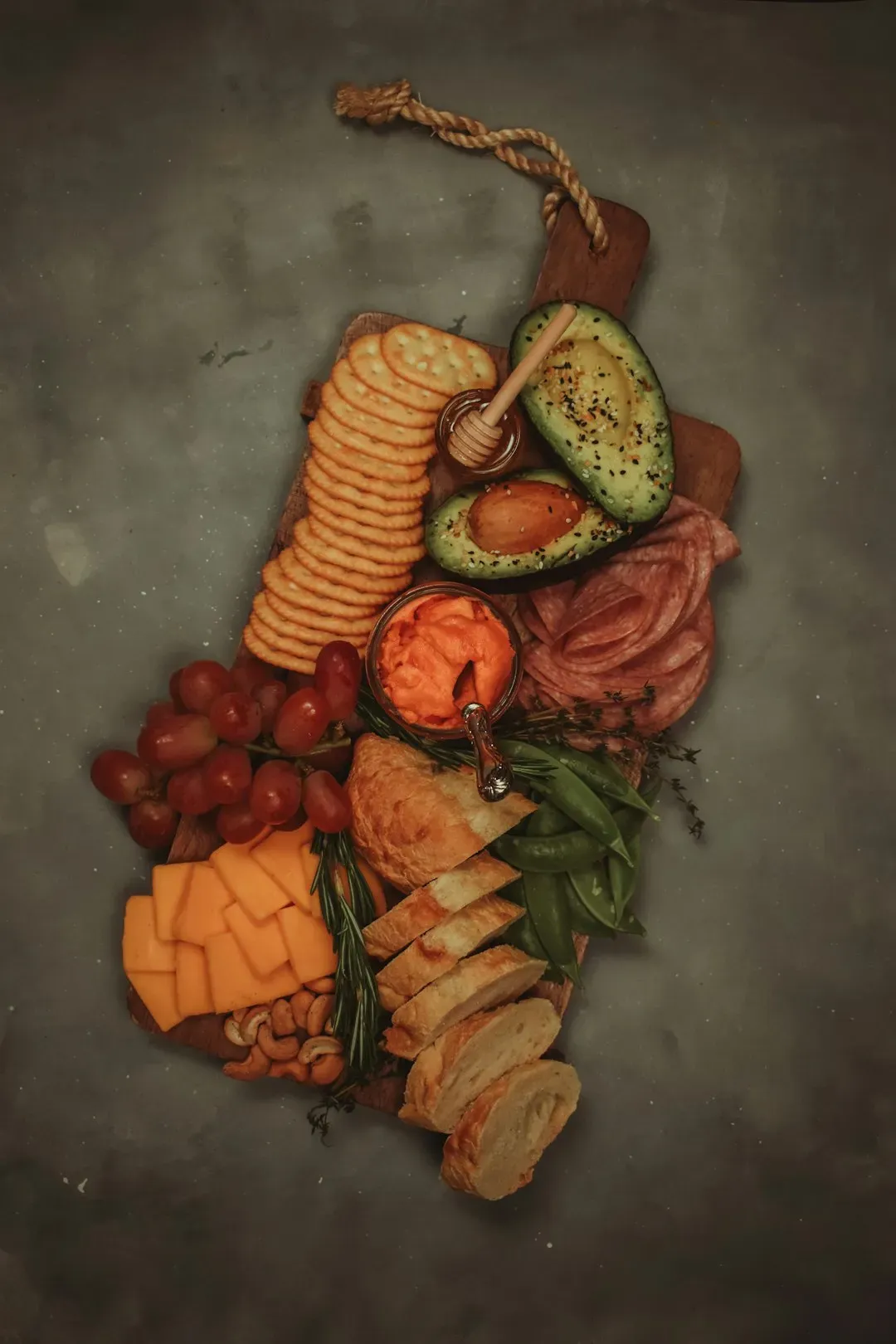
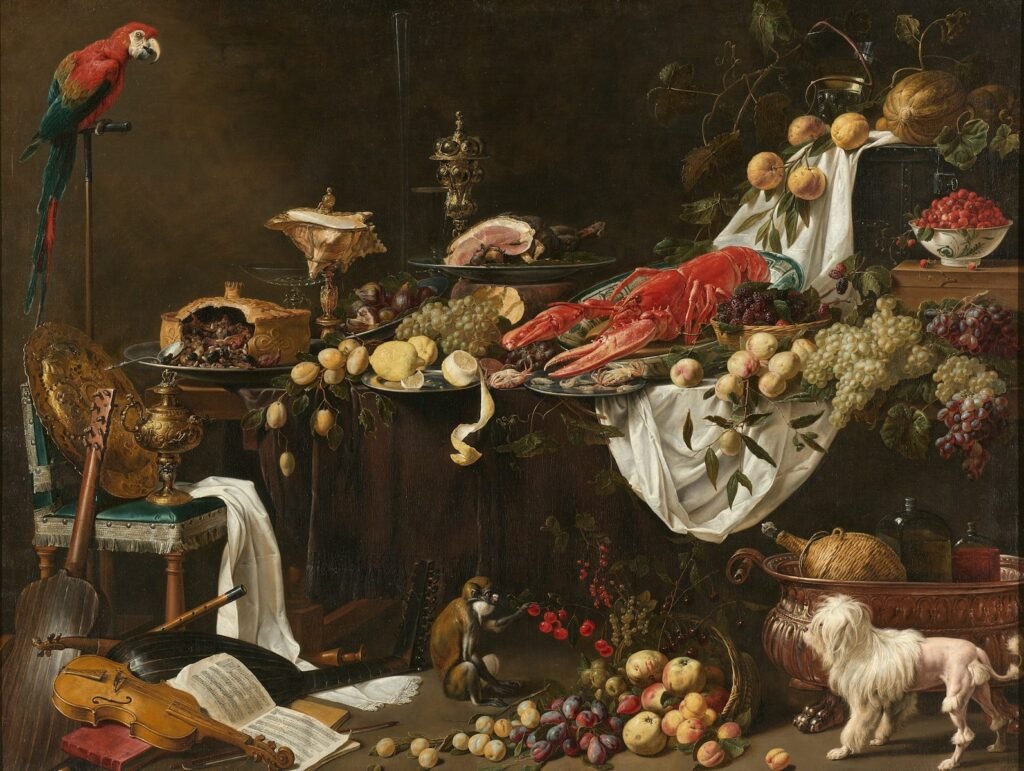
One of the most striking lessons from this research is that there was no single “ancient diet” that fits all people or places. Hunter-gatherer groups along coasts often relied heavily on shellfish and fish, while inland communities mixed hunted animals with wild tubers, nuts, and fruits. Early farmers in the Near East leaned on wheat and barley, whereas people in East Asia turned to rice and millet, and communities in the Americas cultivated maize, beans, and squash. Even within the same region, neighboring villages could have very different food profiles based on social status, trade links, or cultural taboos. The diversity is vast, and it makes the idea of one universal “ancestral” way of eating look more like modern marketing than historical reality.
At the same time, there are some patterns that stand out across many sites and time periods. Diets tended to be less processed, with more chewing, more fiber, and fewer concentrated sugars than most modern industrial diets. Many groups combined plant and animal foods in flexible ways, shifting with seasons and local conditions rather than locking into strict, year-round regimens. Archaeological evidence suggests that people were often eating dozens of plant species across a year, compared with the small handful of crops that dominate global food supplies today. While ancient lives were far from easy, signs of metabolic diseases like severe obesity and type 2 diabetes are much rarer in the skeletal record than in contemporary populations. That has led some scientists to argue that our current health challenges may owe more to rapid lifestyle changes than to an inevitable fate of aging.
Why It Matters for Modern Health

Understanding what our ancestors ate is not about nostalgia or romanticizing the past; it is about context for the modern health puzzle. Today, many societies face high levels of chronic illness – heart disease, diabetes, some cancers – that were either uncommon or differently expressed in earlier eras. By exploring how diet shifted as humans moved from foraging to farming, and later to industrialized, packaged foods, scientists can tease apart which changes appear most closely tied to these health trends. For instance, some studies link heavy reliance on a single refined grain with markers of malnutrition and bone weakness in early farming populations, even as overall food production increased. This suggests that more food is not always better food, especially when diversity drops.
At the same time, ancient evidence is helping modern medicine avoid overly simple stories. It is tempting to assume that returning to some imagined “original” human diet would fix everything, but the archaeological record resists that kind of one-size-fits-all prescription. Different bodies and cultures adapted to different environments and food sources over thousands of years. Lactose tolerance in adults, for example, evolved multiple times in pastoralist societies that relied on milk, while other populations remained largely lactose intolerant without ill effect. Looking backward reminds us that flexibility, local adaptation, and diversity may be more important guiding principles than rigid rules. In that sense, our ancestors offer not a menu to copy, but a long, real-world experiment in how humans and food co-evolve.
Surprising Links Between Ancient Microbes and Today’s Guts
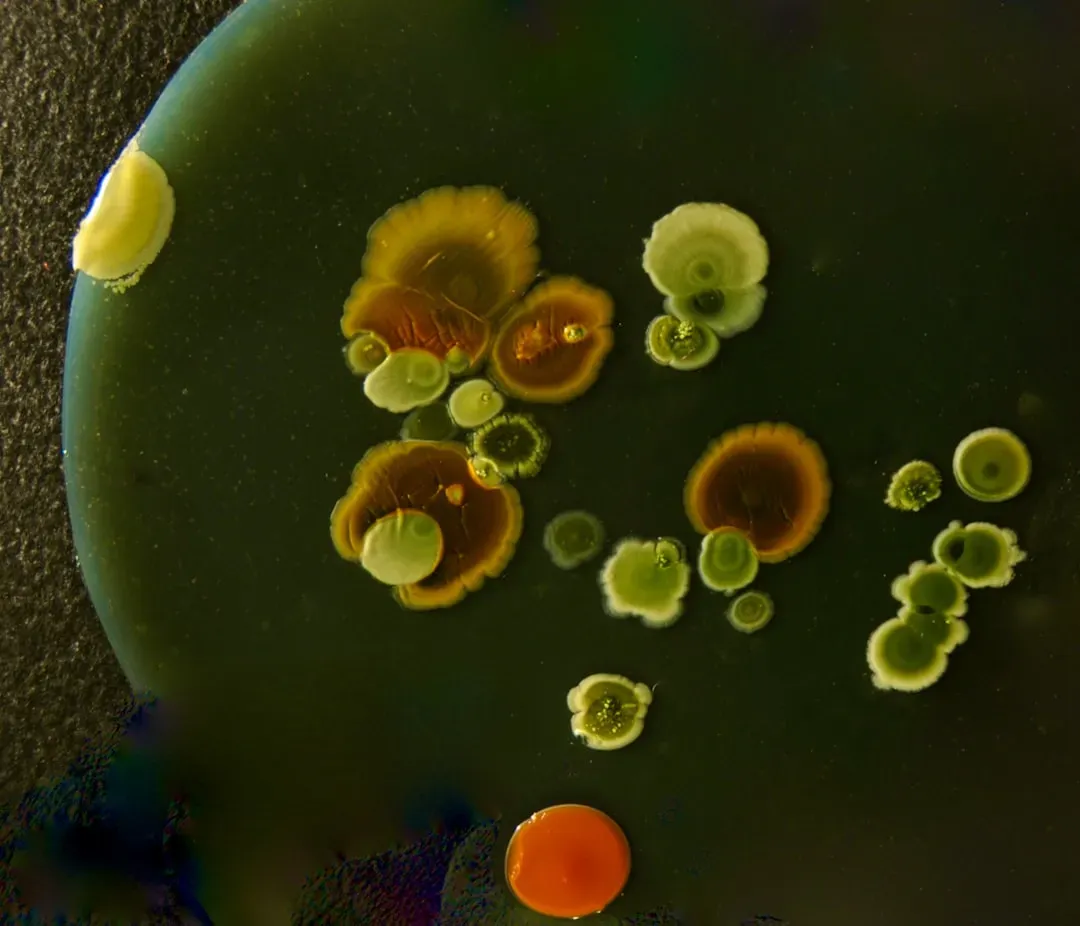
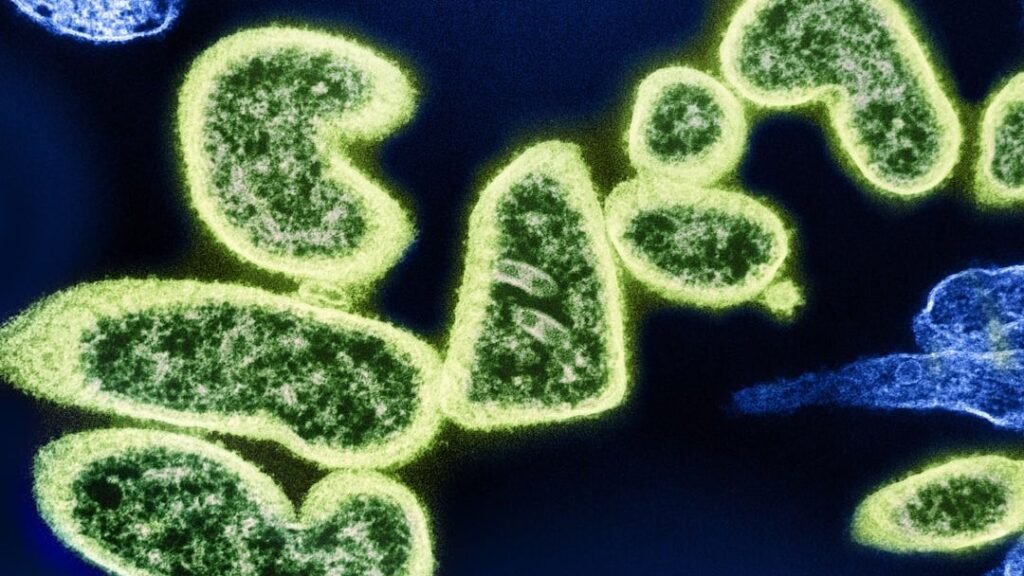
One of the quiet revolutions in this field is the study of ancient microbiomes – the communities of bacteria and other microbes that lived in and on our ancestors. Preserved feces from dry caves, mummified remains, and dental calculus have all yielded DNA from microbes that once helped people digest food, fight infections, and regulate immunity. When scientists compare these ancient microbial communities with those found in many people today, they often see a loss of diversity and the disappearance of certain bacterial strains. Some of these lost microbes appear to be associated with diets that were richer in fiber and more varied in plant sources than a typical modern diet. This shift in internal ecosystems has been suggested as one possible contributor to rising rates of autoimmune and inflammatory diseases.
Research is still unfolding, but the broad patterns point toward a deep connection between what we eat, how we live, and the tiny organisms that share our bodies. Traditional communities that still eat minimally processed foods and maintain close contact with soil and animals tend to have gut microbiomes that look more like the ancient samples than those in heavily urbanized populations. That does not mean modern life is inherently unhealthy, but it does raise questions about what we may have traded away in the process of sanitizing, refining, and standardizing our food. Some scientists are exploring whether certain dietary changes – more whole plant foods, fermented products, and seasonal variety – might help restore some of that lost microbial richness. In a way, they are trying to learn from ancient partnerships between humans and microbes that quietly supported health for millennia.
Global Perspectives: Not One Story but Many
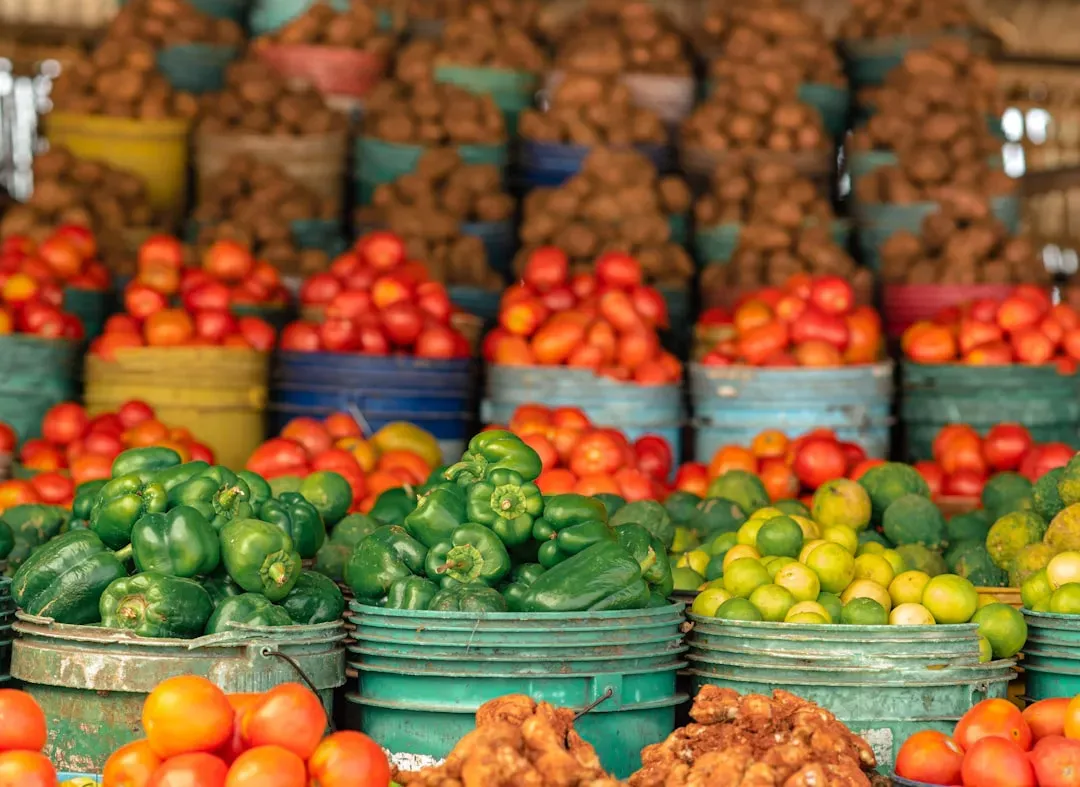
Another powerful shift in recent research is the move away from a Eurocentric, single-path version of dietary history. For a long time, the story of agriculture and diet was often told as if it began in one cradle of civilization and spread outward in a simple wave. Now, evidence from Africa, the Americas, Asia, and the Pacific is revealing parallel experiments in farming, herding, and foraging that unfolded in very different ways. In some regions, people combined crops and wild foods for thousands of years without fully abandoning foraging; in others, herding and dairy became central, while grains remained secondary. This mosaic of strategies shows that there was never just one “right” way to feed a growing population.
These global perspectives matter because they highlight how culture, climate, and social organization all shape what people eat and how healthy they are. Communities living at high altitude, in monsoon regions, or in arid grasslands developed distinct food traditions tuned to their landscapes. Trade routes brought new crops and spices, and with them, new nutritional possibilities and sometimes new health risks. Even today, descendants of these ancient food systems carry genetic and cultural legacies that influence how their bodies respond to certain diets. When modern nutrition advice ignores this history and pushes uniform guidelines, it can clash with deeply rooted adaptations and identities. Looking across the globe, ancient diets tell a story of ingenuity and diversity that challenges any simplistic global prescription.
The Future Landscape: New Technologies, New Questions
As powerful as current methods are, scientists are only at the beginning of what they can learn from ancient remains. Advances in high-throughput DNA sequencing, ultra-sensitive mass spectrometry, and imaging are allowing researchers to study smaller and more fragile samples than ever before. That means previously off-limits materials – like tiny bone fragments, microscopic residues on tools, or faint stains inside pottery – can now be analyzed for chemical and genetic signals. Large datasets from dozens of sites can be combined, revealing regional and even continental patterns in how diet and health changed over thousands of years. Machine learning tools are starting to help sift through these complex patterns, spotting links that would be easy for a human researcher to miss.
At the same time, the field faces serious challenges and responsibilities. There are tough ethical questions about working with human remains, particularly those of Indigenous peoples whose ancestors suffered from colonization and exploitation. Many researchers are now working closely with descendant communities, sharing results and involving them in decisions about what questions to ask. Climate change and looting are also erasing some archaeological records faster than scientists can study them, making careful, respectful excavation more urgent. Looking ahead, collaborations between archaeologists, geneticists, physicians, and nutrition experts may turn ancient data into practical insights for public health. The promise is not a magic diet from the past, but a more grounded understanding of how long-term choices about food shape societies over generations.
Why It Matters: Rethinking Health in the Long View
Stepping back, what makes all of this more than just an interesting historical hobby is the way it stretches our sense of time around health. Modern medicine often focuses on months or years, maybe a single lifetime at most. Archaeology and ancient biomolecular science pull that lens back across centuries and millennia, letting us see patterns that only emerge slowly. When researchers trace the rise of tooth decay, anemia, or bone deformities alongside shifts in diet, inequality, and urbanization, a larger picture appears. Some choices that boosted short-term food security or economic power carried long-term health costs that only became obvious generations later.
This kind of deep-time perspective can be quietly humbling. It reminds us that our current food system, with its global supply chains and processed convenience, is a very recent experiment, not the inevitable endpoint of human progress. It also shows that human bodies and cultures are remarkably adaptable, but not infinitely so; sudden shifts can have unintended consequences that echo far into the future. For people today who are trying to make sense of confusing nutrition advice and rising chronic disease, the past offers a steadying reference point. It suggests that diversity, balance, and respect for local conditions have served our species well in the long run – far better than any fad or quick fix.
How You Can Engage With This Story
For readers who feel a spark of curiosity about all this, there are surprisingly simple ways to connect with the science of ancient diets and health. Local museums and universities often host talks, exhibits, or open days where archaeologists share the latest findings in plain language. Many research projects now have public outreach pages or newsletters that invite people to follow along as new sites are excavated and analyzed. Supporting these institutions – through memberships, donations, or simply showing up – helps ensure that fragile collections and fieldwork can continue. Community science projects occasionally invite volunteers to help catalog artifacts or environmental samples, offering a hands-on glimpse into how evidence is pieced together.
On a more personal level, you can treat your own diet and health as part of this ongoing human story rather than a separate, purely modern problem. Exploring a wider variety of whole foods, paying attention to traditional recipes in your own family or region, and thinking about where your food comes from can all echo the lessons emerging from ancient research. None of this requires strict rules or dramatic reinventions; it is more about curiosity and mindful experimentation. As scientists uncover more of our shared nutritional past, that curiosity becomes a bridge between their lab benches and your dinner table. In the end, the story of what our ancestors ate is also a story about what kind of future we want to build – one meal, and one informed choice, at a time.
Suhail Ahmed is a passionate digital professional and nature enthusiast with over 8 years of experience in content strategy, SEO, web development, and digital operations. Alongside his freelance journey, Suhail actively contributes to nature and wildlife platforms like Discover Wildlife, where he channels his curiosity for the planet into engaging, educational storytelling.
With a strong background in managing digital ecosystems — from ecommerce stores and WordPress websites to social media and automation — Suhail merges technical precision with creative insight. His content reflects a rare balance: SEO-friendly yet deeply human, data-informed yet emotionally resonant.
Driven by a love for discovery and storytelling, Suhail believes in using digital platforms to amplify causes that matter — especially those protecting Earth’s biodiversity and inspiring sustainable living. Whether he’s managing online projects or crafting wildlife content, his goal remains the same: to inform, inspire, and leave a positive digital footprint.