
Not long ago, most school textbooks treated our solar system as a mostly dry, dusty place with Earth standing alone as the “blue marble” awash in liquid water. That picture is now cracking open. From buried ice on the Moon to salty plumes erupting from tiny frozen moons, scientists keep stumbling onto water in places that once seemed utterly hostile. These discoveries are not just scientific curiosities; they reshape where and how we look for life beyond Earth. As new missions tune their instruments to the faint fingerprints of ice, vapor, and invisible hydrogen, a quiet revolution is unfolding in planetary science. The mystery now is not whether water is common in our solar system, but what that abundance might mean for life.
The Hidden Clues on Our Own Moon

It still surprises people when you say the Moon is not truly dry. For decades, Apollo samples and early measurements suggested an airless desert of rock and dust, compelling in its starkness but not exactly water-friendly. That story began to change when missions like India’s Chandrayaan-1 and NASA’s Lunar Reconnaissance Orbiter started spotting the spectral fingerprints of water ice in permanently shadowed craters near the poles. These regions, colder than Pluto’s surface, act like cosmic deep-freezers where sunlight never reaches and ice can survive for billions of years. Suddenly, the Moon went from barren wasteland to a place hiding a patchwork of frozen reservoirs.
What makes this especially exciting is that water on the Moon is a practical resource, not just a scientific trophy. Future astronauts could, in principle, mine this polar ice to drink, grow food, or split into hydrogen and oxygen for rocket fuel. The idea turns the Moon into a kind of “gas station” for deeper space exploration, trimming the cost and complexity of missions to Mars and beyond. But it also raises fresh questions: How much ice is really there, how pure is it, and did some of it arrive on ancient comets or form from solar wind particles hitting lunar dust? In trying to answer those questions, scientists are also rewriting the Moon’s origin story – and, by extension, Earth’s.
Frozen Oceans Beneath Icy Shells
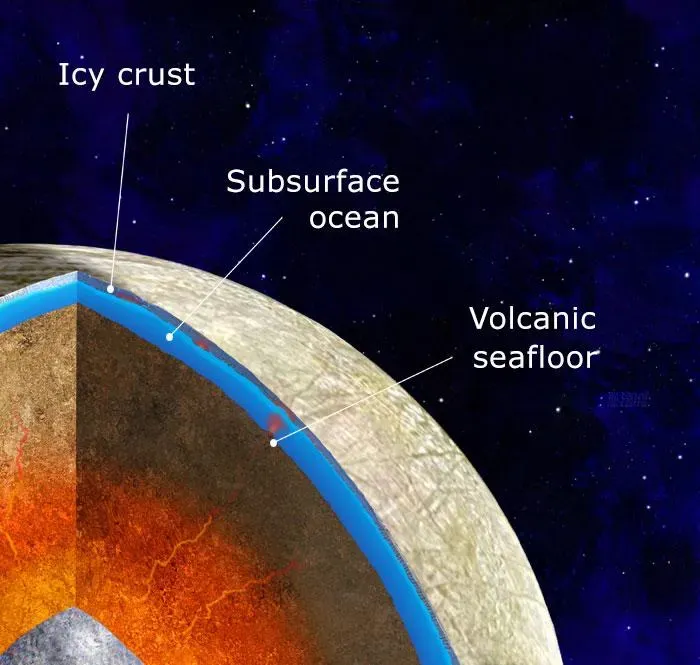
If there is a true poster child for hidden water, it is Jupiter’s moon Europa. On the surface, Europa looks like a cracked billiard ball, its ice crust etched with reddish-brown lines and scars. Beneath that crust, multiple lines of evidence suggest an immense global ocean, potentially deeper than all of Earth’s oceans combined. The ice flexes under Jupiter’s gravity, generating heat that keeps water liquid far from the Sun’s warmth. That combination – liquid water, energy, and a rocky seafloor – sounds eerily like the recipe that supports rich deep-ocean ecosystems on Earth.
Europa is not alone in this category. Saturn’s moon Enceladus, once a faint speck in a telescope, turned out to be a restless world spraying water vapor and ice grains from fractures near its south pole. A spacecraft actually flew through these plumes and detected organic molecules, salts, and tiny silica grains that hint at hydrothermal vents on the ocean floor. Other outer moons, like Ganymede and possibly even distant dwarf planets, may also hide layered oceans stacked beneath thick ice. Over time, a pattern has emerged: worlds we once wrote off as frozen and inert can, under the right conditions, become blue worlds on the inside. If life can arise in dark oceans beneath ice, then habitable real estate in the solar system is far more widespread than we once dared to imagine.
Surprising Reservoirs on Asteroids and Dwarf Planets
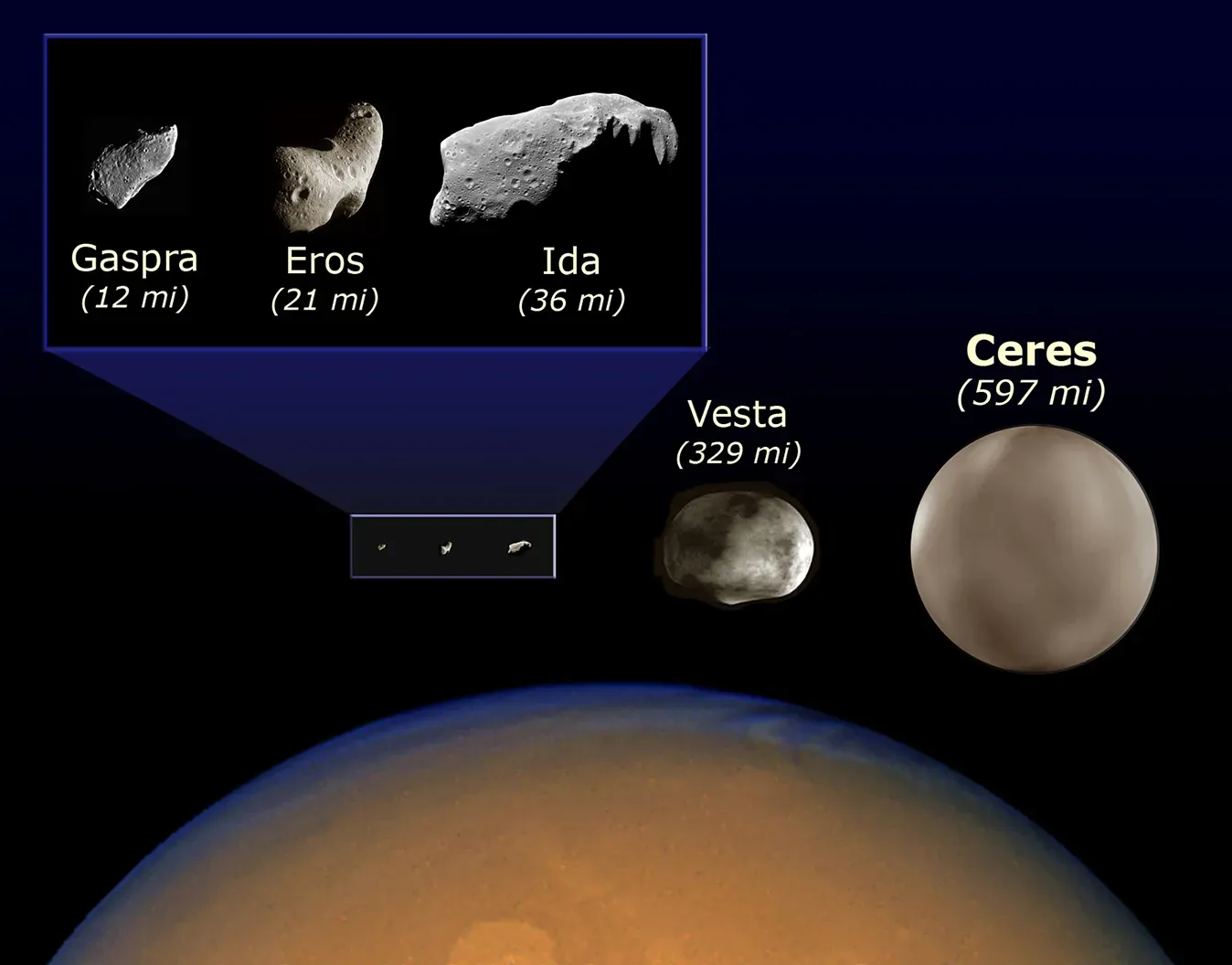
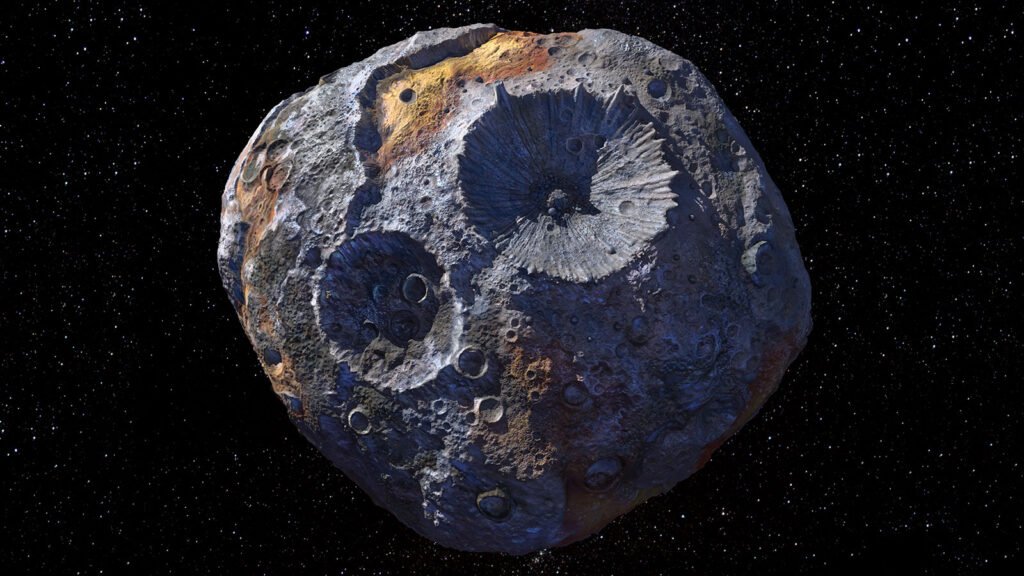
Even smaller bodies – the misfit rocks and dwarfs of the solar system – are starting to reveal watery secrets. When NASA’s Dawn spacecraft orbited the dwarf planet Ceres, it found bright reflective patches that turned out to be deposits of salts and evidence of past briny water activity. There are hints that Ceres may still host pockets of liquid or slushy ice below its surface, slowly reshaping its crust over geologic time. Some carbon-rich asteroids, once thought of as dry rubble piles, carry hydrated minerals and even traces of frozen water locked into their structure. Suddenly, these objects look less like useless debris and more like primitive coolers, preserving ingredients from the early solar system.
Sample-return missions are turning those hints into hard data. Japan’s Hayabusa2 brought back grains from the asteroid Ryugu that carried water-bearing minerals and organic molecules, a combination that feels uncannily like a starter kit for planets. NASA’s OSIRIS-REx retrieval of samples from asteroid Bennu is expected to provide similar clues about water chemistry and carbon compounds. Together, these missions support a long-debated idea: that at least some of Earth’s water and organic materials may have arrived via ancient impacts from such bodies. It is a humbling thought that what makes our planet ocean blue could be the result of billions of years of cosmic delivery service.
Plumes, Vapors, and the Art of Detecting Invisible Water
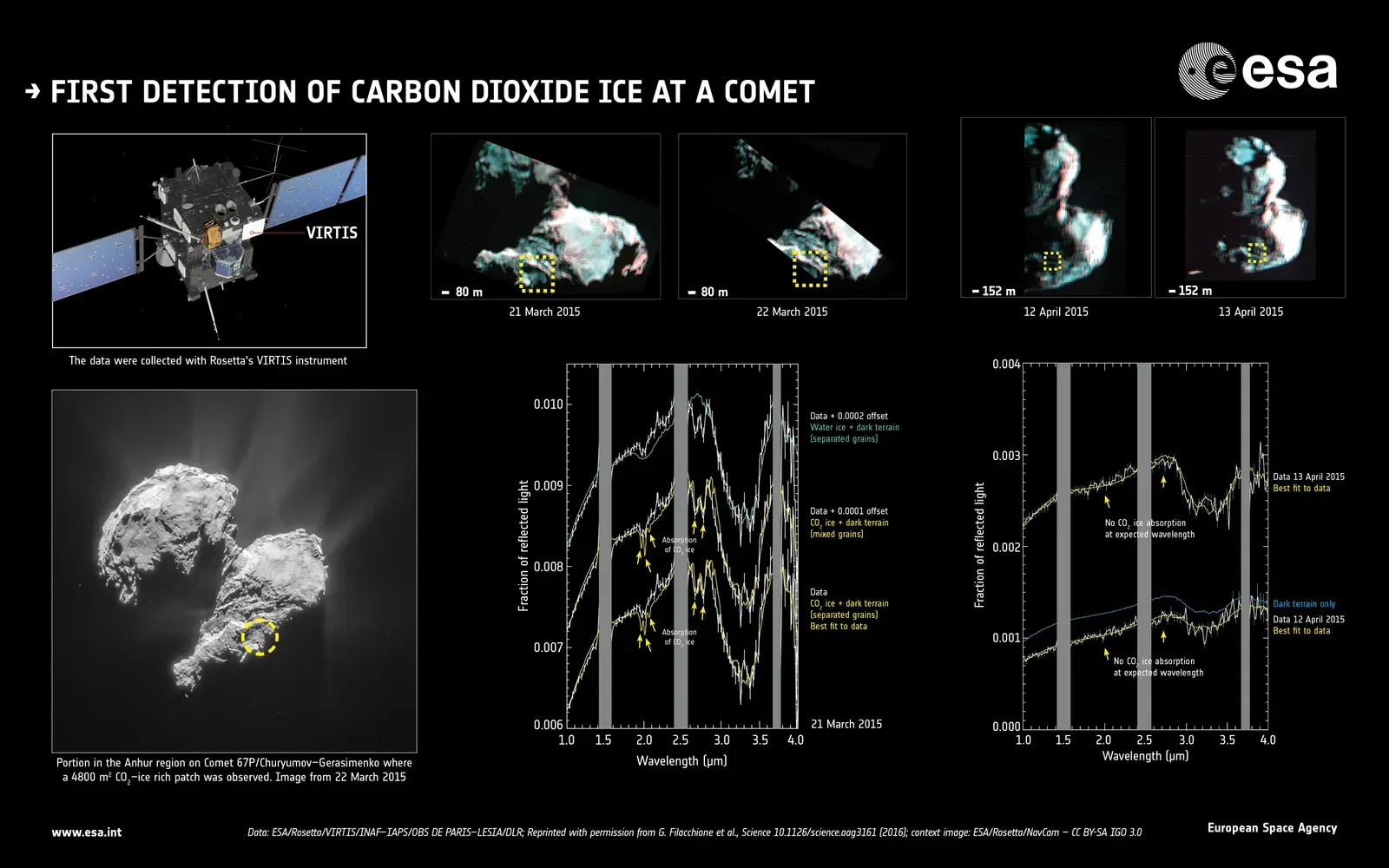
Finding water in space is rarely as obvious as seeing a lake or a glacier. Most of the time, scientists are chasing whispers: faint spectral lines in starlight, slight dips in signals, or ghostly plumes barely detectable against the black. Space telescopes and orbiters use instruments that break light into its constituent colors, revealing tiny absorption features associated with water molecules or hydroxyl groups. When these fingerprints appear in the right patterns, around the right wavelengths, they point to ice, vapor, or hydrated minerals. It is a bit like hearing a familiar melody buried in static and realizing it belongs to a specific instrument.
Closer to home, rovers on Mars have poked and drilled into rocks that formed in ancient lakes and rivers, reading the story of water from mineral chemistry and sediment layers. Radar instruments on orbiters can see below dusty surfaces, bouncing signals off buried ice sheets or possible subsurface deposits. Even the tenuous atmospheres of some moons and dwarf planets can betray the presence of water through measurements of hydrogen and oxygen. To make sense of all this, teams combine multiple techniques and independent datasets, cross-checking results like detectives comparing witness accounts. The more ways they can “see” the same water signature, the more confident they become that it is really there.
Why It Matters for the Search for Life
Water is not a magical substance, but for life as we know it, it is the ultimate enabler. It dissolves chemicals, transports nutrients, and allows complex molecules to bump into one another often enough to react and evolve. When scientists say “follow the water,” they are really saying “follow the potential for chemistry that can go somewhere interesting.” The realization that water is common, not rare, forces us to expand where we look for that chemistry. Worlds once dismissed as icy backwaters are now prime targets in the search for living or once-living systems.
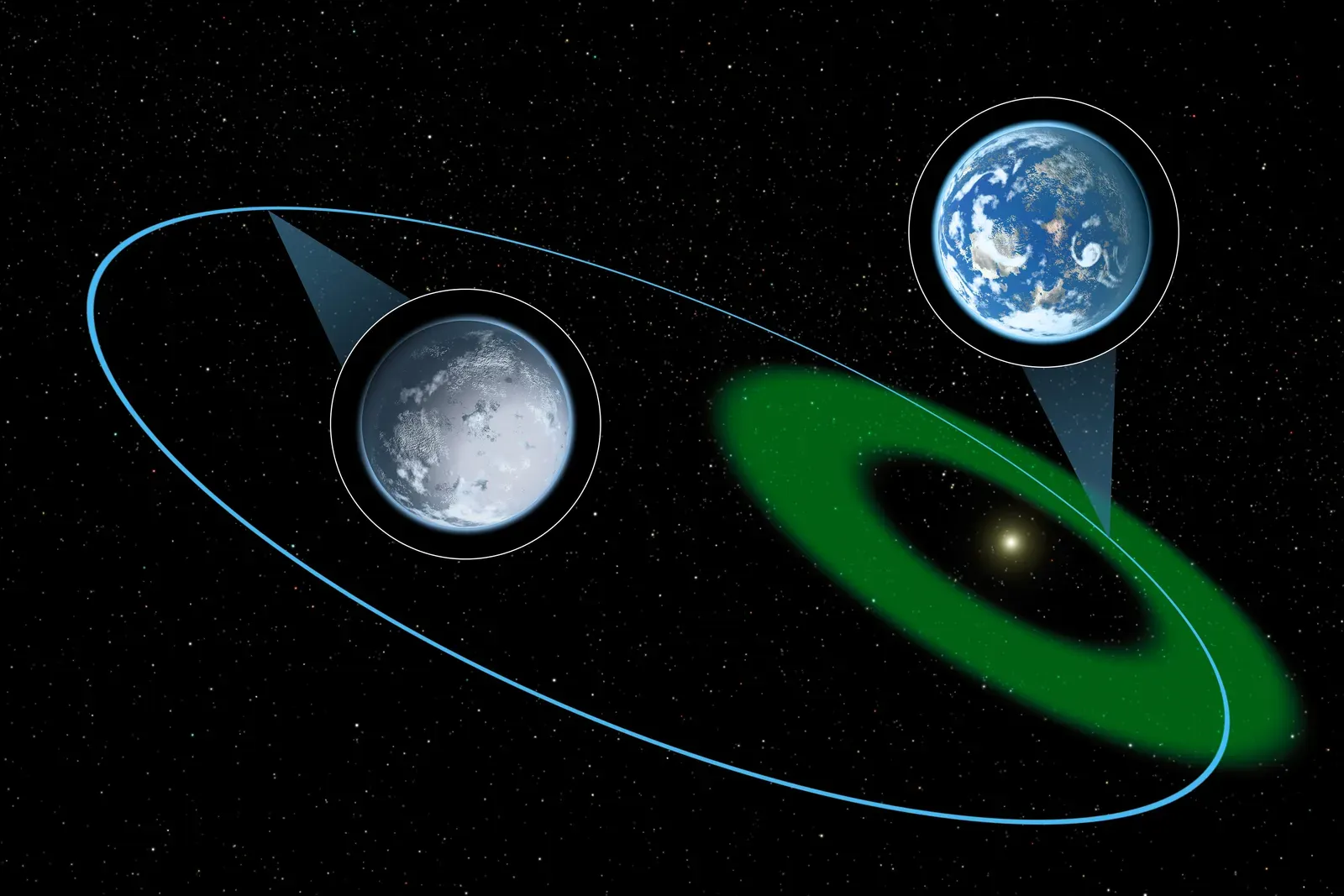
This shift also changes how we think about habitability itself. For a long time, the classic “habitable zone” around a star was defined as the region where a planet could keep liquid water on its surface. Now we know that tidal heating, radioactive decay, and internal geologic activity can sustain liquid water far outside that temperate band. That means life might thrive in places starved of sunlight but rich in internal energy and chemistry. At the same time, it reminds us that having water is not enough; we still need the right mix of elements, conditions, and time. The exciting tension driving modern planetary science is that we finally have a lot of places to test these ideas.
Rewriting Old Textbooks and Challenging Old Assumptions
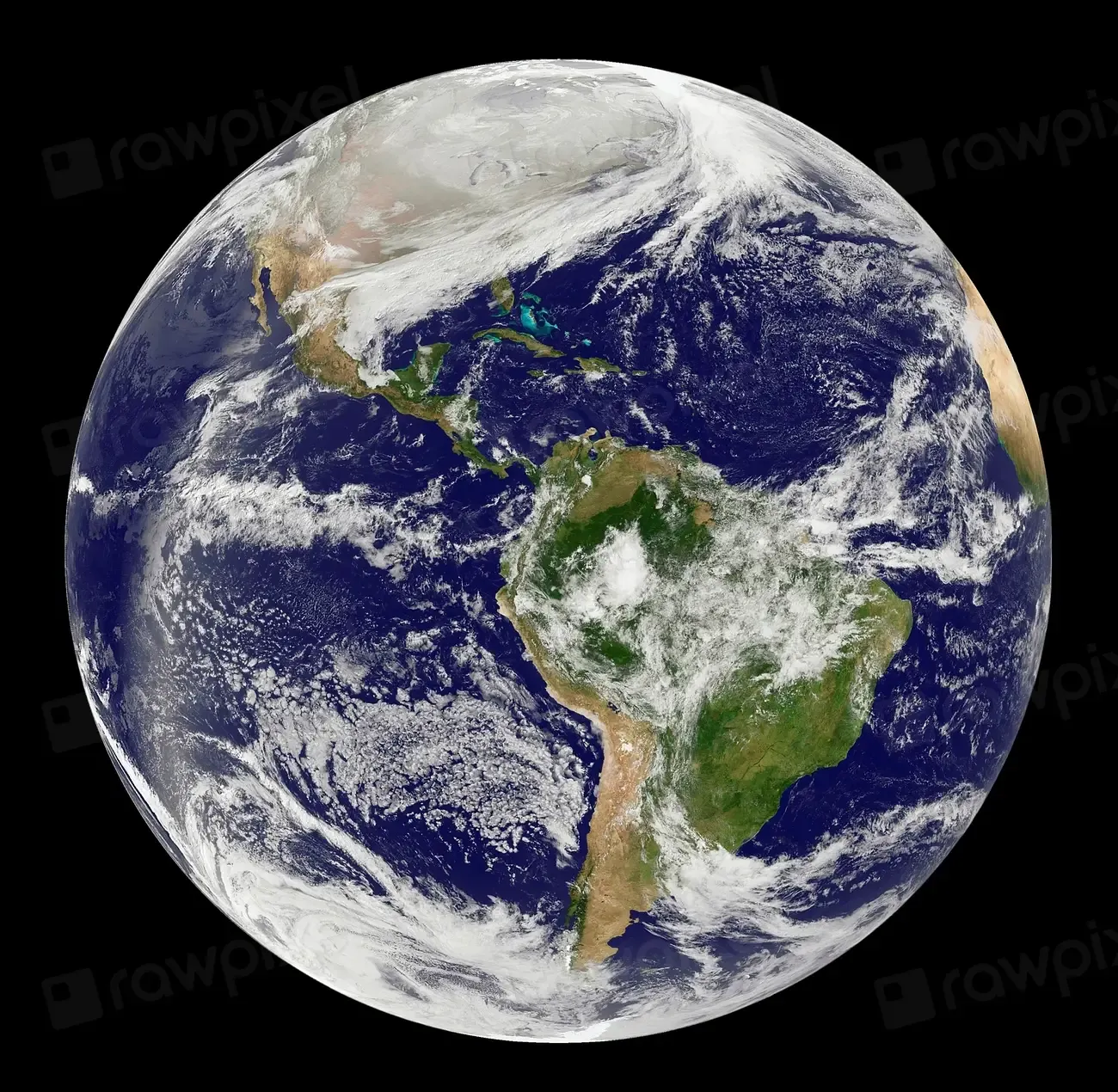
In some ways, the story of water in the solar system is a story of humility. Earlier generations of scientists did not lack imagination; they simply lacked data precise enough to challenge their assumptions. The emerging picture shows that water can hide in permanent shadows, cling to grains of dust, percolate beneath rock and ice, and freeze into unexpected minerals. It is scattered across comets, asteroids, moons, dwarf planets, and thin atmospheres in ways that once seemed unlikely. Each discovery chips away at the old dichotomy of “wet Earth versus dry everything else.”
It is also a story about the power of better tools and persistent curiosity. High-resolution spectrometers, radar, sensitive cameras, and sample-return missions are all revealing details that would have been invisible even a couple of decades ago. As more data pours in, scientists are forced to update models of how planets form, migrate, and acquire their water. Some long-standing ideas about when and how Earth gained its oceans are being revised or replaced. That kind of scientific upheaval can be uncomfortable, but it is also a sign of a healthy field that is willing to let evidence lead the way, even when it disrupts familiar narratives.
The Future Landscape: New Missions, New Oceans, New Questions
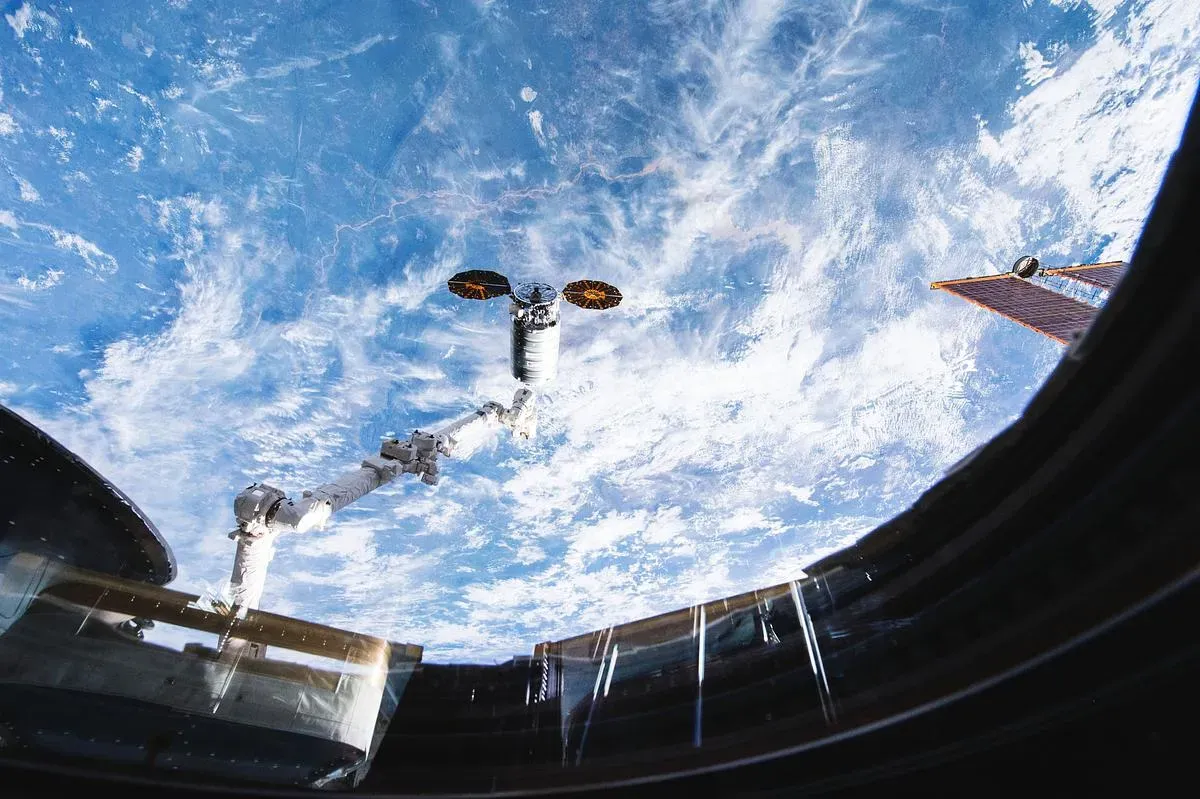
The next ten to twenty years are poised to be a golden era for exploring extraterrestrial water. NASA’s Europa Clipper mission will repeatedly fly past Europa, mapping its ice shell, measuring its interior, and sniffing for signs of ocean chemistry. The European Space Agency’s JUICE spacecraft is heading for the Jovian system too, focusing on Ganymede, Callisto, and Europa as a family of potentially watery worlds. Plans for future landers on Europa or Enceladus, while technically challenging, are being seriously studied. The idea of sampling an alien ocean, even indirectly through its plumes, is starting to shift from science fiction to engineering problem.
Meanwhile, robotic explorers on the Moon and Mars are set to drill deeper, wander farther, and test more sophisticated instruments for detecting ice and hydrated minerals. New telescopes on and above Earth will continue to study comets, asteroids, and distant dwarf planets, searching for subtle water signatures. There is also growing attention on how to explore carefully, avoiding contamination of the very environments we are eager to study for life. Every discovery of water brings with it a responsibility to investigate thoughtfully, preserving these places as best we can. The more we learn, the clearer it becomes that water is not just a resource to use but a clue to a story we are only beginning to understand.
How You Can Stay Engaged With the Search
You do not need a lab coat or a spacecraft to be part of this unfolding story. Many space missions release their images and data openly, and citizen scientists help classify features, spot transient events, or even identify new details in planetary images. Public engagement campaigns often invite people to “name this feature” or vote on targets for future observations, building a bridge between mission teams and the wider world. Following mission blogs, social media feeds, and public talks can turn distant worlds into familiar places with evolving storylines. Over time, you start to recognize recurring names – Europa, Enceladus, Ceres – not as trivia answers but as neighbors with personalities.
If you feel moved by the search for water and life, supporting science-friendly policies, education, and public outreach is a concrete step. Local planetariums, science museums, and astronomy clubs often host talks or viewing nights that make these discoveries feel real and immediate. Even simple conversations – sharing a striking space image, explaining why a new mission matters – help keep curiosity alive in a culture easily distracted by daily noise. As we keep finding water in more and stranger places, that shared curiosity may be one of our most valuable resources. After all, every time we point a spacecraft or telescope at another world, we are really asking the same question: what if we are not as unique as we once thought?
Suhail Ahmed is a passionate digital professional and nature enthusiast with over 8 years of experience in content strategy, SEO, web development, and digital operations. Alongside his freelance journey, Suhail actively contributes to nature and wildlife platforms like Discover Wildlife, where he channels his curiosity for the planet into engaging, educational storytelling.
With a strong background in managing digital ecosystems — from ecommerce stores and WordPress websites to social media and automation — Suhail merges technical precision with creative insight. His content reflects a rare balance: SEO-friendly yet deeply human, data-informed yet emotionally resonant.
Driven by a love for discovery and storytelling, Suhail believes in using digital platforms to amplify causes that matter — especially those protecting Earth’s biodiversity and inspiring sustainable living. Whether he’s managing online projects or crafting wildlife content, his goal remains the same: to inform, inspire, and leave a positive digital footprint.