
There’s something strangely intimate about waking up from a vivid dream and realizing that none of it was real, yet your heart is racing as if it really happened. For a long time, dreams felt like pure mystery: personal movies projected in our heads with no director, no script, and no clear meaning. Now, for the first time in history, scientists are beginning to peer behind the curtain and actually study dreams in a way that feels almost like science fiction.
We’re not fully there yet – no one can play back your dreams like a Netflix show – but researchers are decoding patterns in brain activity that hint at what you see, feel, and want while you sleep. As the tools get better, the questions get wilder: Can we someday communicate with someone who’s dreaming in real time? Could dreams become a kind of therapy you can enter on purpose? And what happens to privacy when your sleeping mind is no longer off-limits?
The Brain on Dreams: What Really Happens While You Sleep

Imagine your brain at night as a city that never really shuts down; it just switches from daytime traffic to a strange, neon-lit nightlife. During rapid eye movement (REM) sleep, the stage when the most vivid dreams tend to happen, the visual and emotional centers of the brain light up like a festival, while rational planning areas calm down. This mismatch helps explain why dreams can feel so intense and emotional, yet bizarre and illogical at the same time.
Researchers using brain scans have found that parts of the brain involved in memory, fear, and reward are surprisingly active during dreams. It’s as if your brain is remixing your life, stitching together fragments of the day with old memories and raw emotions. At the same time, regions that help you control impulses and check reality are quieter, so the weirdest things make total sense while you’re asleep. That internal chaos is not random noise, though; it’s increasingly looking like a purposeful kind of mental rehearsal and reorganizing.
Reading Dreams from Brain Waves: From Sci‑Fi to Lab Reality
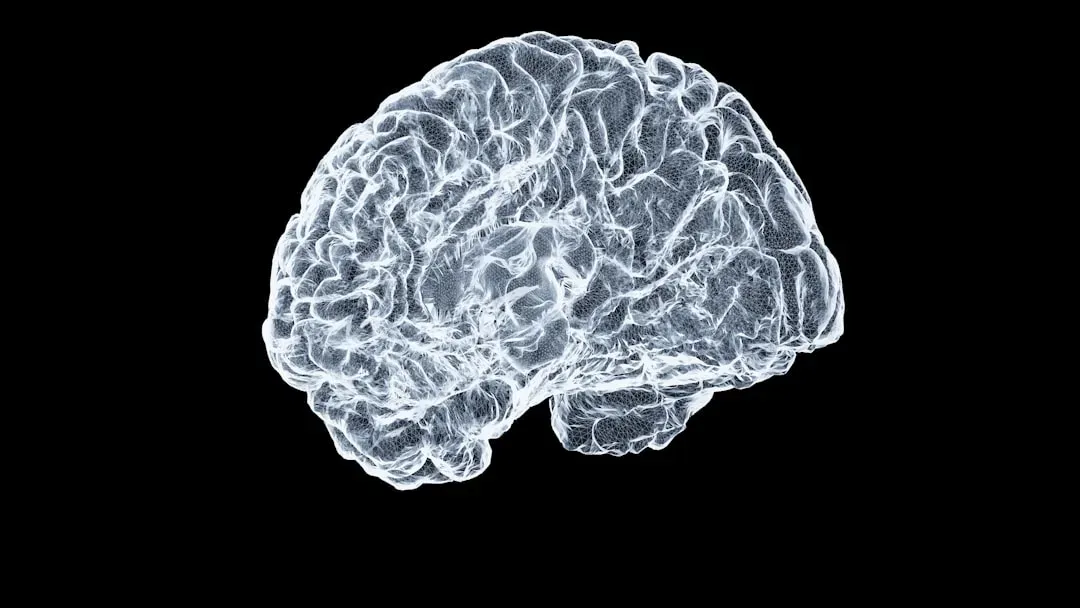
One of the most shocking developments in dream science is how close we’re getting to “reading” dreams from brain activity alone. In some experiments, volunteers fall asleep inside brain scanners, and scientists track which patterns of activity appear when they dream about specific types of images, like faces, houses, or landscapes. Later, by looking only at the brain data, researchers can often guess the general category of what the person was dreaming about with accuracy far better than chance.
This isn’t mind-reading in the dramatic movie sense – no one is pulling exact scenes from your head – but it’s a massive step toward decoding the language of the sleeping brain. Advanced machine learning models are being trained on huge datasets of waking experiences paired with brain activity, then applied to dreaming states to see what carries over. The boundary between what you see with open eyes and what you “see” in your dreams is turning out to be thinner than most people imagined, which is both exciting and a little unsettling.
Lucid Dreaming: When You Wake Up Inside Your Own Dream

Lucid dreaming used to sound like pure fantasy: realizing you’re dreaming while you’re still in the dream, and sometimes even steering the story. It turns out this is a real, measurable state that scientists can detect in sleep labs. People who are skilled lucid dreamers can sometimes send signals to researchers through pre-agreed eye movements during REM sleep, proving that their conscious awareness is active even while their body is fully asleep.
Researchers have started to explore lucid dreaming as more than just a cool party trick. Some early work suggests it could help people rehearse skills, confront recurring nightmares, or experiment with emotional situations in a safe, simulated environment. It’s like having a private virtual reality world built out of your own memories and imagination. The catch is that not everyone can easily learn to do it, and even those who can don’t control the dream as completely as online guides like to promise.
Dreams as Emotional Therapy: How the Night Mind Heals

Have you ever gone to bed feeling overwhelmed and woken up with the same problem, but somehow it feels less sharp and raw? There’s growing evidence that dreams play an important role in processing emotional experiences, almost like an overnight therapy session. During REM sleep, the brain reactivates emotional memories but with lower stress chemicals than during wakefulness, which may help soften the sting of painful events.
Some researchers think this is why people with conditions like post-traumatic stress often struggle with intense, repetitive nightmares: their emotional processing at night is getting stuck instead of moving forward. This idea has inspired new approaches to treatment, like rehearsal therapy where patients practice rewriting the ending of a recurring nightmare while awake, which can sometimes alter what happens during sleep. Dreams might not literally “solve” your problems, but they seem to help reframe how your brain stores them, which can change how you feel the next day.
Can We Talk to Dreamers? Real-Time Communication Experiments
As strange as it sounds, several labs have now shown that you can sometimes communicate with people while they’re in the middle of a dream. In controlled experiments, lucid dreamers have been given simple math problems or yes-or-no questions using sounds, light flashes, or gentle touches while they sleep. They respond from inside the dream by moving their eyes or facial muscles in specific patterns, which researchers can pick up with sleep-monitoring equipment.
Participants report that the questions are woven into their dream scenes, like a voice from the radio or a character speaking to them, and they respond from within that dream narrative. This two-way communication is still limited and fragile, but it cracks open an idea that once sounded ridiculous: actually interacting with someone inside their own dream world. If this can be made more reliable, you could imagine guided therapies, creative brainstorming sessions, or even learning tasks happening in a dream-like state, blurring the line between sleep and wake in ways that challenge what we think rest should be.
Ethics and Privacy: Who Owns Your Dreams?

As dream research races ahead, the ethical questions are starting to feel just as urgent as the scientific ones. Dreams are among the most private experiences a person can have; they reveal fears, desires, and memories you might never share with anyone while awake. Even if current technology can only decode vague outlines of dream content, it raises uncomfortable questions about how far this might go and who will control it.
Some researchers argue that we need clear rules before dream-decoding tools become more powerful or move beyond the lab. Could employers, advertisers, or governments ever pressure people to share sleep data that might hint at their emotional state or hidden preferences? On the flip side, it would be tragic to block genuinely helpful medical tools that could predict mental health crises or diagnose brain disorders early. The hard truth is that our laws and norms are still playing catch-up with what neuroscience is making possible, especially when it comes to something as intimate as your sleeping mind.
The Future of Dream Science: From Curiosity to Everyday Tool

If you zoom out, dream science is shifting from a niche curiosity into something that could touch everyday life. Imagine mental health treatments that track how your dreams change across weeks and use that as a readout of how you’re really doing, even when you can’t put it into words. Or picture creativity tools that help you deliberately seed certain ideas during the day and then analyze your dreams at night for unexpected connections you might never make while awake.
At the same time, there’s a real risk of overpromising and turning a deeply human, mysterious experience into just another metric to optimize. Dreams are not just data; they’re stories your brain tells itself, full of symbolism, confusion, and raw feeling. The most exciting path forward might be one where science gives us better tools to understand and work with our dreaming minds without flattening them into something purely mechanical. As we get closer to unlocking dream secrets, maybe the real challenge is deciding how much we actually want to open that door, and what we hope to find on the other side.